10 Hidden Beaches In Florida You Need To See Before Everyone Else Finds Them
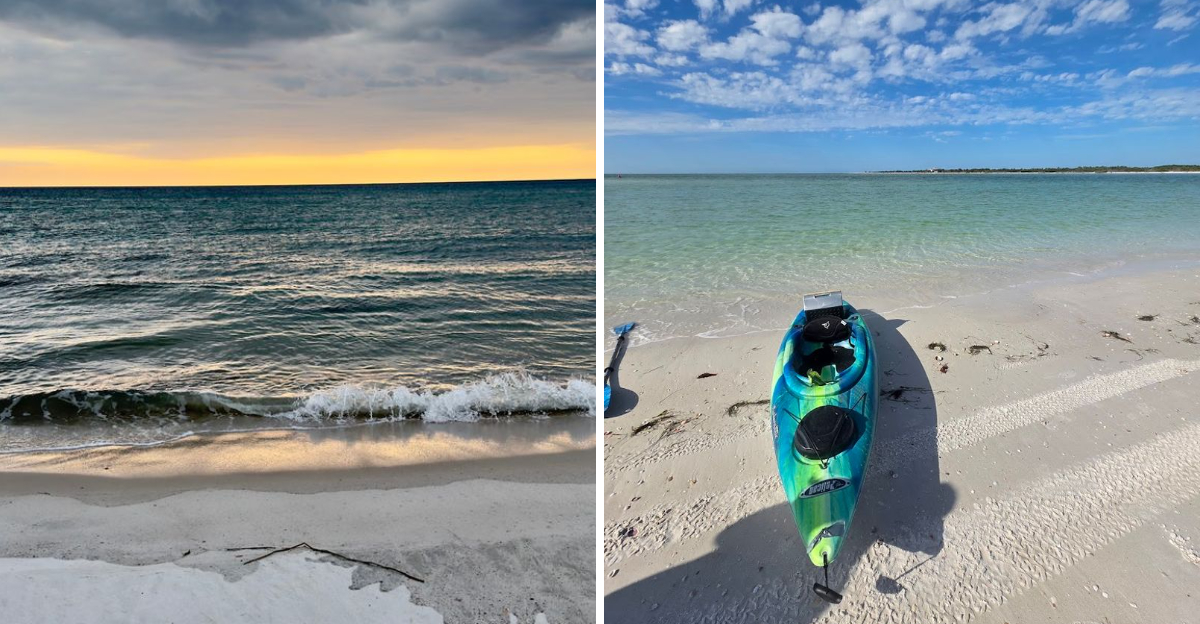
Florida has 663 miles of coastline and most people see about twelve of them.
The rest sit out there quietly, doing exactly what a great beach is supposed to do, which is absolutely nothing, with no help from anyone.
No resort towers, no rental umbrellas packed in shoulder to shoulder, no queue for a parking spot that outlasts the actual visit.
I started looking for these beaches a few years ago after one too many trips to the same overcrowded stretches, and what I found genuinely changed how I think about this state.
Florida is hiding some extraordinary coastline behind a single inconvenient logistical detail, a longer drive, a short ferry ride, or a road that most GPS systems quietly give up on.
Every beach on this list earned its spot because it delivered something the famous ones stopped offering a long time ago. Bring sunscreen, pack more water than you think you need, and leave the expectations in the car.
1. Cape San Blas, Gulf County
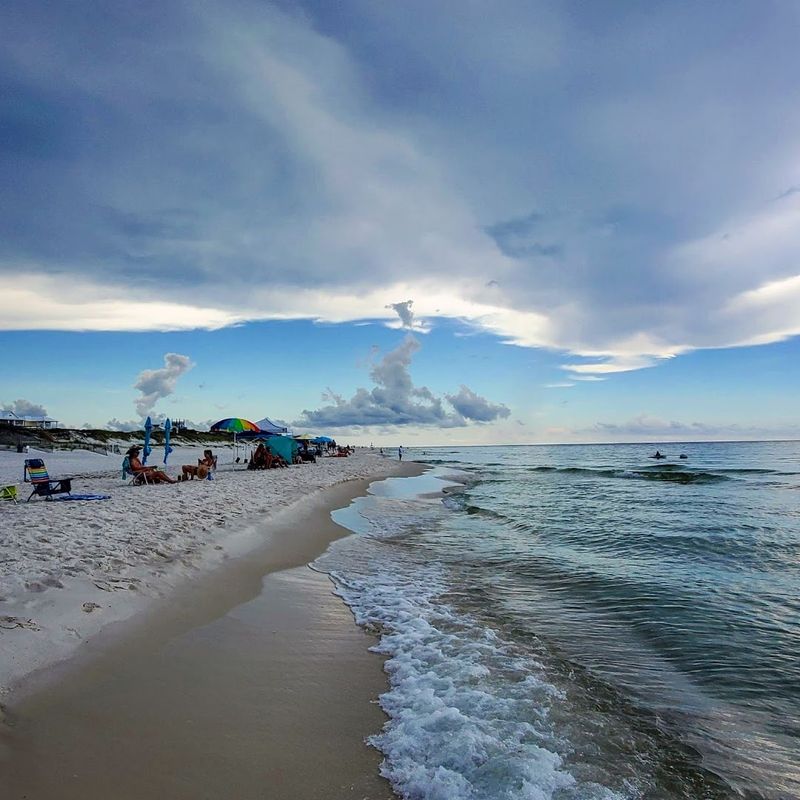
Some beaches make you feel like you accidentally walked onto a movie set.
Cape San Blas is that kind of place, a long narrow peninsula along the Gulf County coast with sugar-white sand and water so clear it looks fake.
The shoreline curves gently, and on most weekdays you can walk for a mile without seeing another soul.
The beach faces southwest, which means sunsets here are almost unfairly beautiful.
I stood there one evening watching the sky turn pink and orange over the Gulf and genuinely forgot what day it was. That kind of reset is hard to find anywhere.
Cape San Blas is also a nesting ground for loggerhead sea turtles, so from May through October you might spot nest markers along the sand.
St. Joseph Peninsula State Park sits nearby at 8899 Cape San Blas Road, Port St. Joe, giving you access to camping, kayaking, and miles of untouched shoreline.
The water is calm and shallow enough for kids, and the lack of development keeps the whole area feeling refreshingly wild.
2. Barefoot Beach, Bonita Springs
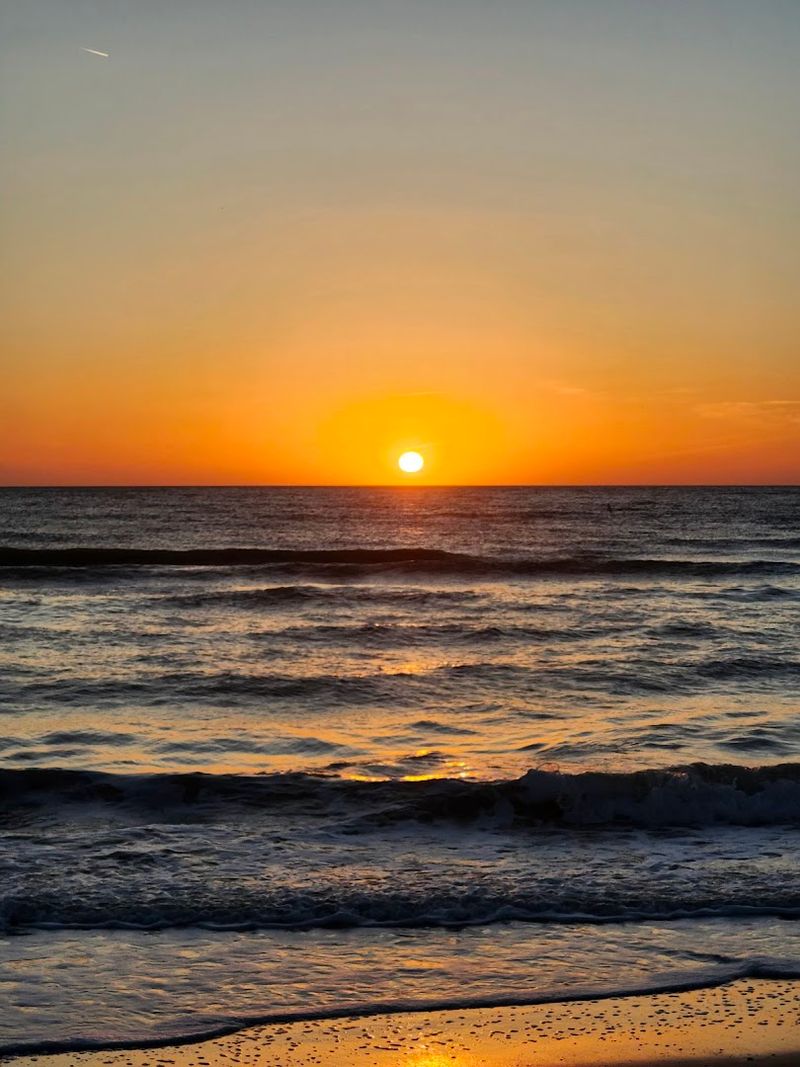
Most people blaze right past Barefoot Beach on their way to Naples or Marco Island, and that suits the regulars here just fine.
This Collier County preserve sits at 505 Barefoot Beach Blvd, Bonita Springs, and it protects one of the last undeveloped barrier beaches on the southwest Florida coast.
What makes this place genuinely different is the wildlife. Gopher tortoises roam the dunes freely, and they are surprisingly unbothered by people.
Watching one slowly cross the sand while families play in the background is one of those only-in-Florida moments that you cannot really plan for.
The water here tends to be calmer than the more exposed Gulf beaches further south, making it a solid choice for snorkeling when visibility is good.
The preserve has a nature center with ranger programs on weekends, which adds a layer of depth if you want more than just a tan.
Parking fills up early on weekends, so arriving before 9 AM is genuinely good advice. The beach stays clean because the community cares about it, and that pride shows in every visit.
Bring cash for the parking fee.
3. Shell Key Preserve, Tierra Verde
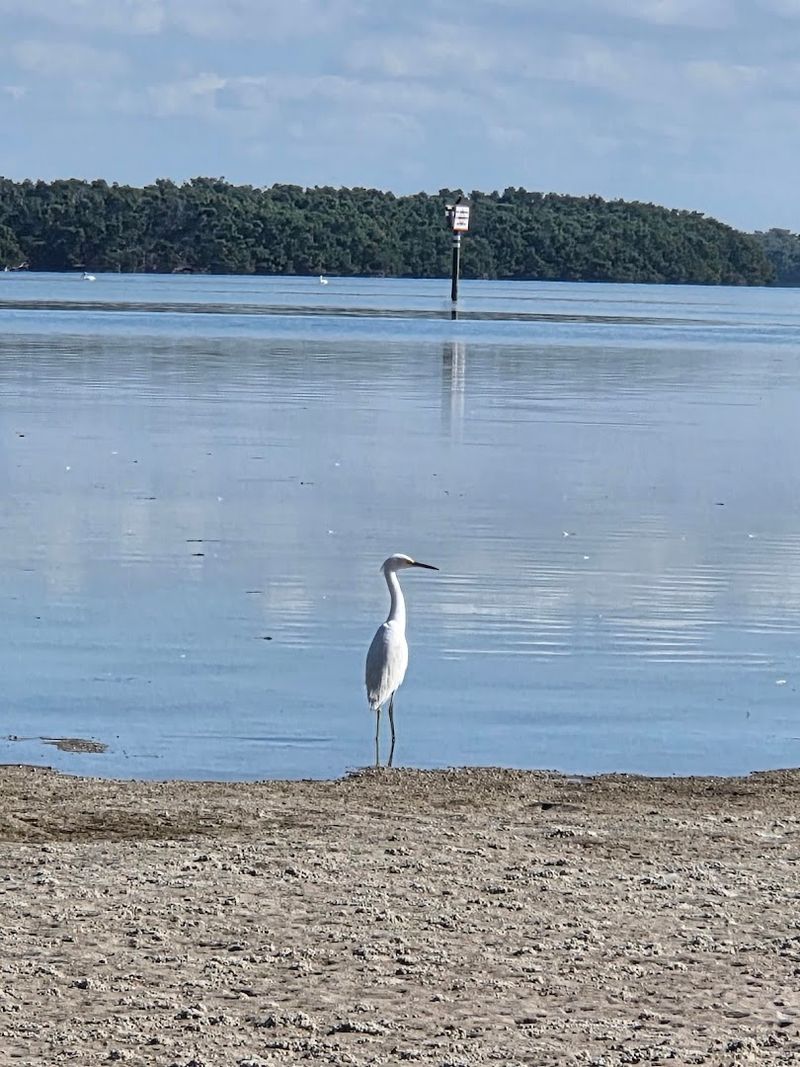
Shell Key is the kind of place you only hear about from someone who already knows.
Accessible only by boat or kayak from Tierra Verde near St. Petersburg, this barrier island preserve is a rotating cast of sandbars, tidal flats, and shelling beaches that actually shift shape with the seasons.
The shelling here is genuinely excellent. I filled a bag without even trying hard on my first visit, finding lightning whelks, sand dollars, and calico scallops all within a short walk.
The shallow water around the island is also popular with bottlenose dolphins, who seem completely indifferent to the kayakers floating nearby.
No facilities exist on the island, so pack everything in and pack everything out.
Shell Key Shuttle operates boat service from 801 Pass A Grille Way, St. Pete Beach, making it accessible even if you do not own a kayak.
The preserve is managed by Pinellas County, and overnight camping is allowed with a permit, which means you can actually watch the stars from a beach with zero light pollution.
That experience alone is worth planning an entire trip around. Go before the secret spreads further.
4. Cayo Costa State Park, Lee County
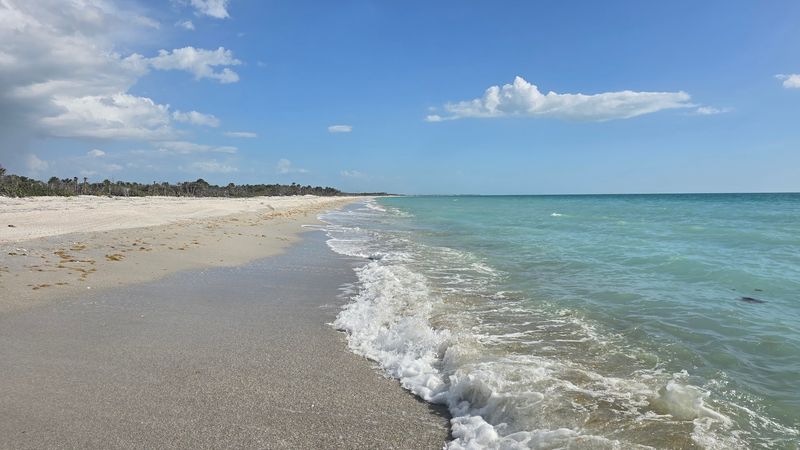
Nine miles of undeveloped Gulf coastline with no roads, no hotels, and no convenience stores. Cayo Costa State Park in Lee County is as close to a deserted island as Florida gets without a passport.
The only way in is by private boat or ferry from Pine Island, which filters out the casual crowd almost entirely.
The beach stretches wide and flat, with the kind of soft white sand that makes you slow down the moment your feet hit it.
Shelling is a serious draw here, and the more remote northern end of the island tends to have the best pickings after a strong tide. Dolphins, manatees, and bald eagles are all regular sightings.
Camping is available with primitive and cabin options, and waking up to sunrise over Charlotte Harbor with coffee in hand is a memory that sticks.
The ferry operates from Bokeelia on Pine Island and reservations are strongly recommended during peak season. The park address for planning purposes is Cayo Costa State Park, Boca Grande.
Rangers lead occasional interpretive programs, and the mangrove trails on the bay side offer a completely different vibe from the Gulf beach. Pack extra water because the Florida sun here means business.
5. Little St. George Island, Franklin County
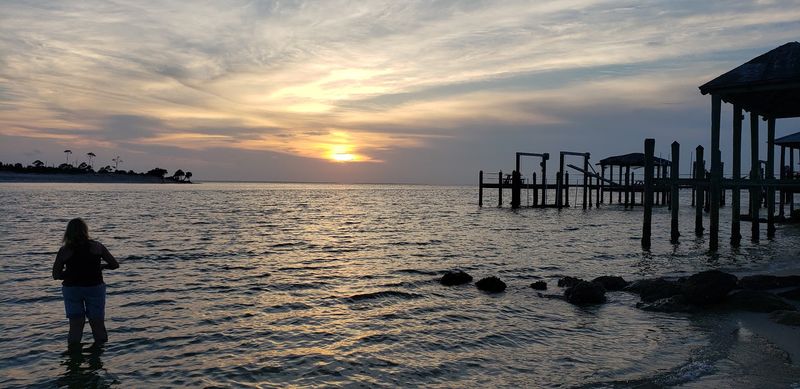
Little St. George Island does not want to be easy to reach, and that is exactly what makes it special.
Separated from its more famous neighbor by a man-made pass, this sliver of Franklin County coastline in the Apalachicola National Estuarine Research Reserve is only reachable by private boat. No ferry. No bridge. No shortcuts.
It is one of the more dramatic sights on the Florida Panhandle coast and makes for a striking backdrop against the pale sand and dark water.
Wildlife here is dense and surprisingly bold. Shorebirds nest in the dunes, sea turtles use the beach in summer, and the occasional coyote trots along the waterline at dusk.
The water on the Gulf side runs in shades of jade and turquoise depending on the light, and the lack of human infrastructure means the beach looks almost exactly as it did a hundred years ago.
For planning, the Apalachicola National Estuarine Research Reserve is managed out of Eastpoint. Bring everything you need because the island offers nothing but pure, unfiltered coastline.
6. Lovers Key State Park, Fort Myers Beach
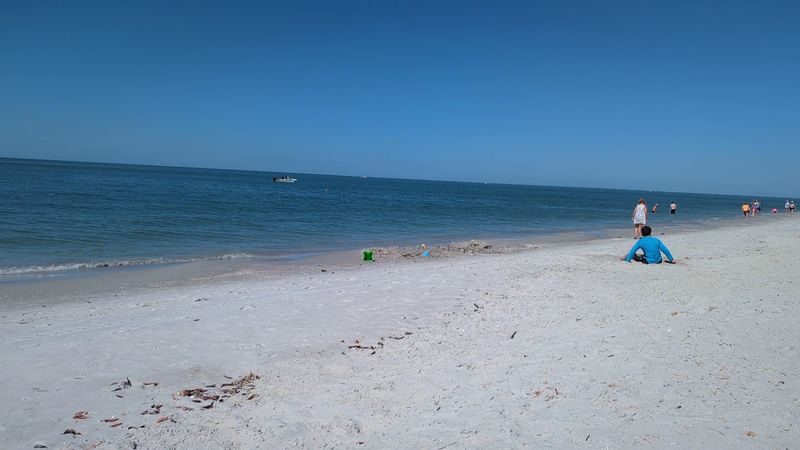
The name sounds like a tourism brochure, but Lovers Key earns its reputation through genuinely good beach experiences rather than marketing.
Located just south of Fort Myers Beach at 8700 Estero Blvd, Fort Myers Beach, this state park covers four barrier islands connected by bridges and boardwalks through lush coastal habitat.
The main beach faces the Gulf and tends to stay calmer than the more exposed stretches north of here.
Manatees frequent the back bays, dolphins cruise the passes with casual regularity, and the birding along the tram trail between the parking lot and the beach is legitimately good.
I spotted a roseate spoonbill on a Tuesday morning and felt like I had won something.
Kayak and canoe rentals are available inside the park, letting you explore the mangrove waterways without bringing your own gear.
The park also has a concession stand, restrooms, and a picnic area, which makes it more family-friendly than many of the more remote options on this list.
Parking can get competitive on weekends, but arriving before 10 AM usually solves that problem. The tram ride to the beach is a small delight, especially with kids who cannot wait to see the water.
7. Navarre Beach, Santa Rosa County
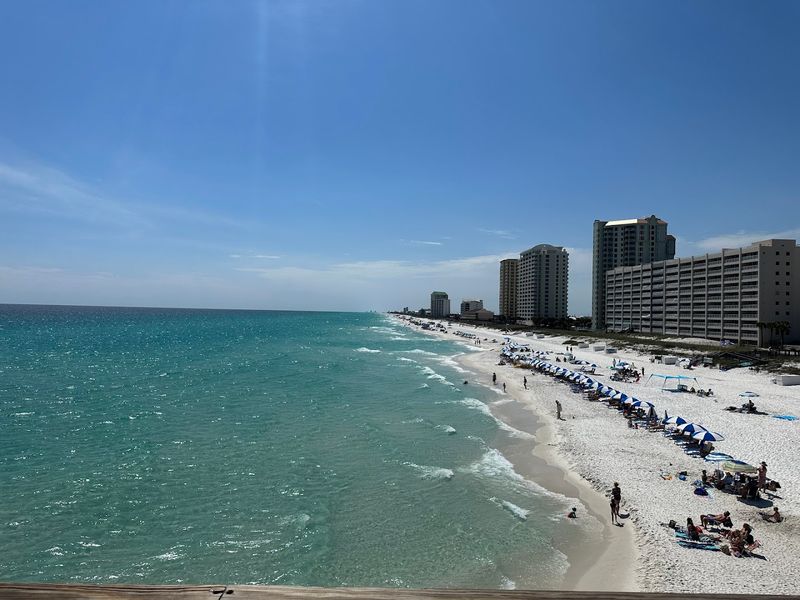
Sandwiched between Pensacola Beach and Destin, Navarre Beach somehow manages to stay quieter than both of its famous neighbors.
Santa Rosa County’s best-kept coastal secret has the same blinding white quartz sand and emerald water as the rest of the Panhandle, just with fewer beach chairs and more breathing room.
The Navarre Beach Marine Park sits beneath the Navarre Beach Causeway Bridge and is one of the most accessible artificial reef snorkeling spots in northwest Florida.
Families wade out and see parrotfish, sheepshead, and schools of smaller reef fish in water shallow enough to stand in. It is the kind of snorkeling that makes first-timers immediately want to do it again.
The Navarre Beach Fishing Pier at 8579 Gulf Blvd, Navarre, stretches 1,545 feet into the Gulf and claims to be the longest pier in Florida.
Sunset from the end of that pier, with the water glowing on both sides, is a straightforward argument for slowing down.
The town itself is small and low-key, with local restaurants and no shortage of places to rent beach gear. If you want Panhandle magic without the Destin price tag, Navarre is the answer you were looking for.
8. Anclote Key Preserve, Tarpon Springs
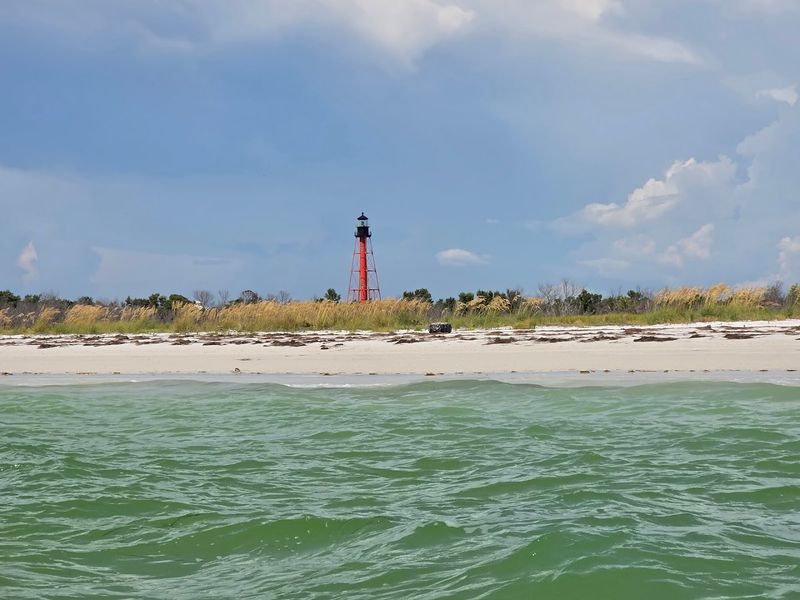
Just a few miles off the coast of Tarpon Springs sits a barrier island that most people in the Tampa Bay area have never visited.
Anclote Key Preserve State Park is boat-access only, and that short trip across the water feels like crossing into a completely different Florida than the one on the mainland.
The island has a historic lighthouse built in 1887 that still stands at the southern end, surrounded by Australian pine and scrub.
It is not open for climbing, but walking up to it through the coastal scrub trail feels genuinely adventurous in a low-stakes, very enjoyable way.
The beach wraps around the western side of the island and offers excellent shelling and long, uninterrupted views of the Gulf.
Charter boats and water taxis operate out of Tarpon Springs, departing near the famous Sponge Docks at Dodecanese Blvd, Tarpon Springs.
The water around Anclote Key tends to be shallow and calm, which is ideal for paddleboarding if you bring your own board.
Dolphins are practically guaranteed sightings in the pass between the key and the mainland. Camping is permitted with a reservation through Florida State Parks.
Pack a lunch, because the island is beautifully empty of anything commercial.
9. St. Joseph Peninsula State Park, Port St. Joe
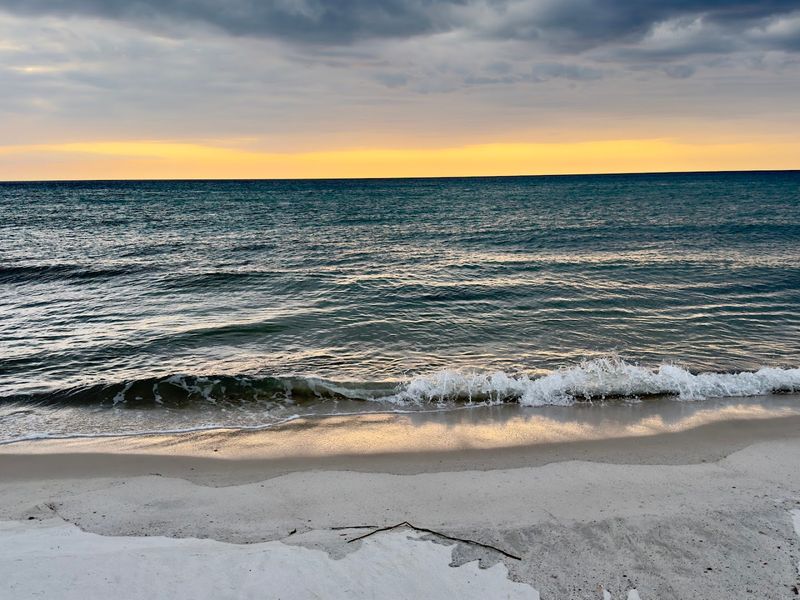
A narrow strip of land with Gulf water on one side and St. Joseph Bay on the other, this park is one of the most visually dramatic pieces of Florida coastline I have ever stood on.
St. Joseph Peninsula State Park near Port St. Joe earns consistent praise from serious beachgoers who care about water clarity, wildlife, and solitude over amenities.
The Gulf side has wide, white beaches with water that shifts from pale green near shore to deep blue further out.
The bay side is a completely different experience, calm and shallow, ideal for kayaking and spotting scallops, which are actually harvestable here during the brief summer season with a license.
That dual-water access makes the park unusually versatile.
The park at 8899 Cape San Blas Road, Port St. Joe offers camping, cabin rentals, and miles of hiking trails through coastal scrub and pine flatwoods.
Fall migration brings thousands of monarch butterflies through the peninsula, which is one of those natural events that sounds made-up until you see it.
Birding during migration season is also exceptional, with raptors funneling through the tip of the peninsula in impressive numbers. Book cabins early because they fill up fast, especially in October.
10. Caladesi Island, Dunedin
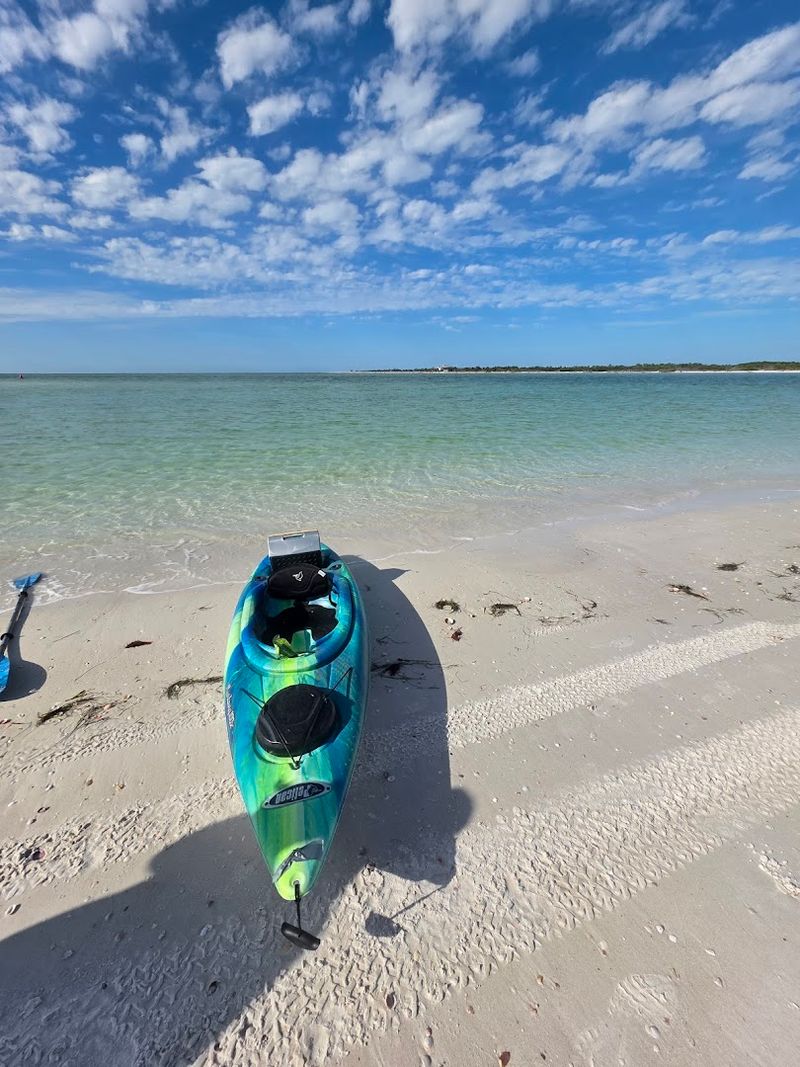
You can only get here by ferry or kayak, and honestly that is the whole point.
Caladesi Island near Dunedin is one of those rare Florida beaches that stayed undeveloped simply because getting there requires a little effort. That effort pays off immediately.
The sand is powdery and almost blindingly white.
The Gulf side offers long, flat stretches perfect for shelling, while the bay side has a mangrove kayak trail that winds through tunnels of twisted roots and calm water.
Osprey and roseate spoonbills are regulars here, so birders tend to love this place as much as beach lovers do.
Dr. Beach, the coastal scientist who ranks beaches annually, named Caladesi one of the top beaches in America multiple times.
The ferry departs from Honeymoon Island State Park at 1 Causeway Blvd, Dunedin. Tickets are affordable and the ride takes about twenty minutes.
Bring snacks, water, and a good book because there are no vendors on the island. The peace and quiet here feels almost old-fashioned in the best possible way, like Florida before everything got loud.