15 Hidden Camping Spots In Georgia That Feel Like A Secret Escape
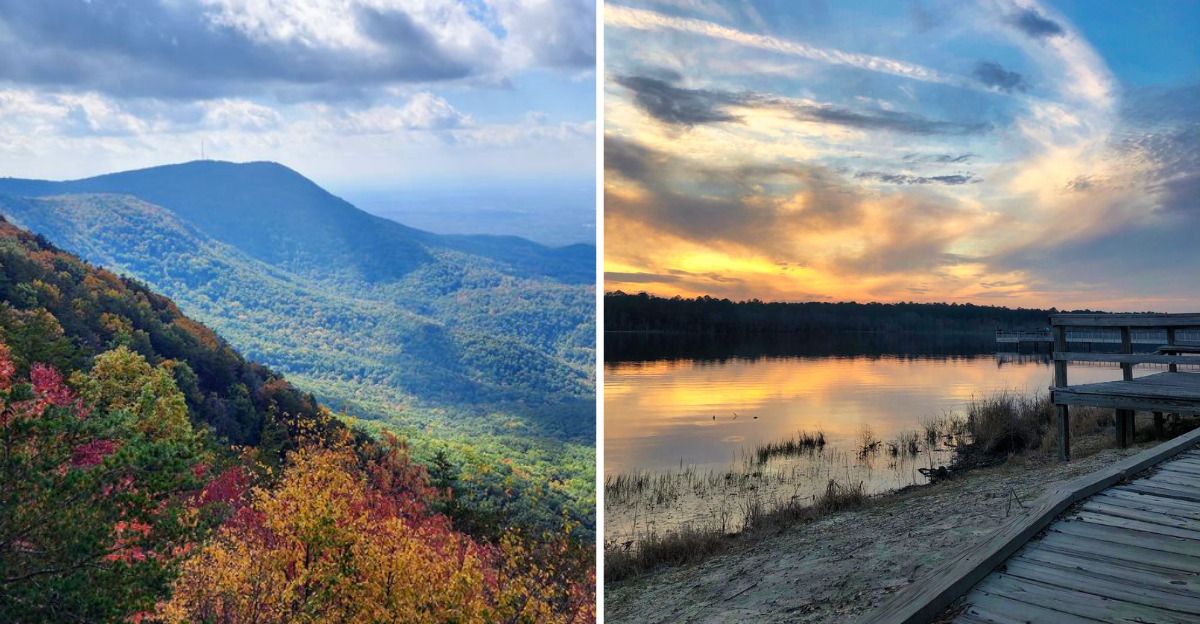
Georgia offers more than just its famous cities and well-known trails.
Scattered across this southeastern state are quiet camping spots where you can pitch a tent away from the crowds and reconnect with nature.
I’ve gathered some of my favorite lesser-known locations that promise solitude, stunning scenery, and the kind of peace you won’t find at busy campgrounds.
1. Cloudland Canyon State Park Backcountry Sites
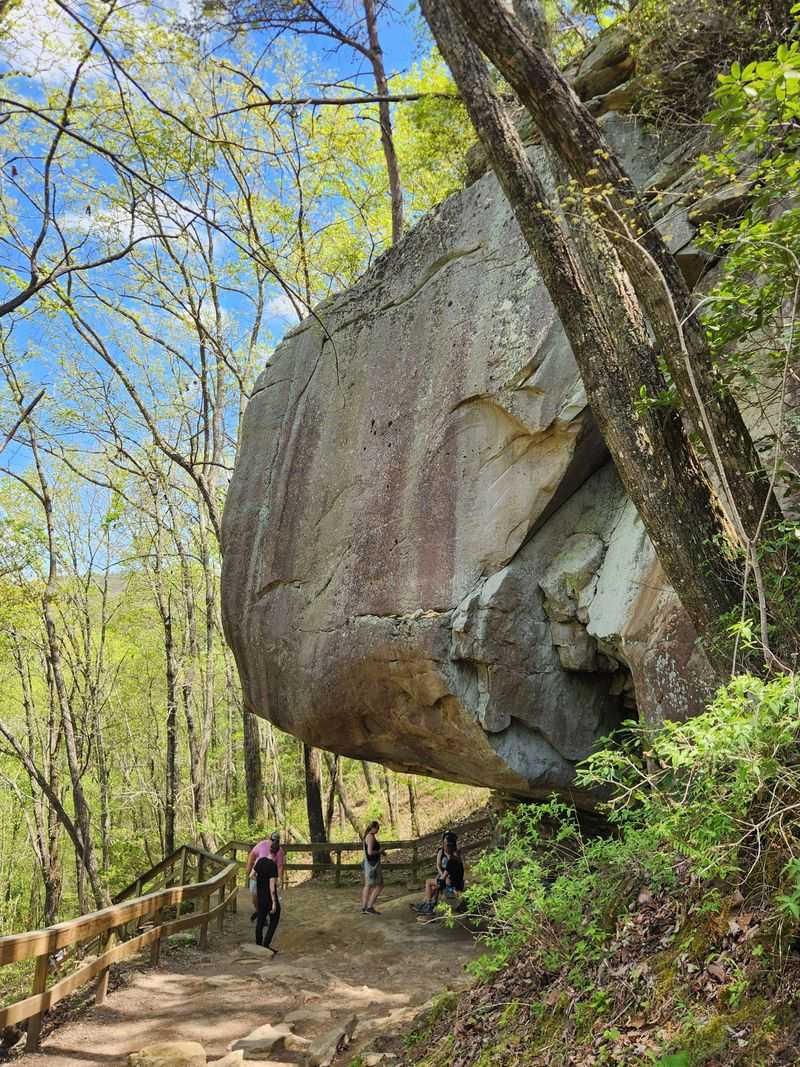
Backcountry camping here offers something you won’t find at the main campground. You’ll need to hike in, but the effort rewards you with private sites perched on the canyon rim. The park is located at 122 Cloudland Canyon Park Road, Rising Fawn, GA 30738, making it accessible yet remote enough to feel isolated.
Mornings bring fog rolling through the valley below your tent. Wildlife like deer and wild turkeys often visit these secluded spots. The trails connecting the backcountry sites wind through hardwood forests and past waterfalls.
Pack everything you need since these sites lack amenities. Water sources require filtering, and you’ll carry out all your trash. The solitude makes up for the extra work, especially when you watch sunset colors paint the canyon walls from your campsite.
Reserve your spot early because only a handful of backcountry sites exist. Fellow campers are few and far between here.
2. Cohutta Wilderness Dispersed Camping
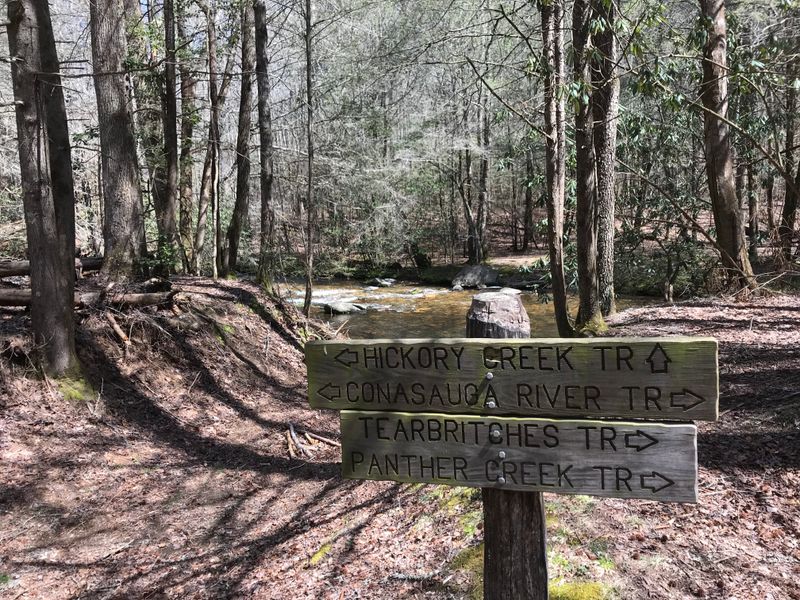
One of Georgia’s largest wilderness areas allows you to camp almost anywhere you choose. Rules are simple: stay at least 100 feet from water sources and trails. You’re located in the Chattahoochee National Forest near the Tennessee border, with access points along Forest Service roads.
No designated campsites mean you truly create your own experience. Find a flat spot near Jacks River or Conasauga River and make it yours for the night. The sound of rushing water becomes your soundtrack.
Bears live in this wilderness, so proper food storage isn’t optional. Hang your food or use bear canisters. The forest canopy stays thick here, keeping your campsite cool even on hot summer days.
Cell service disappears quickly once you enter the wilderness. Bring detailed maps and a compass. The isolation can feel complete, which is exactly what makes this spot special for those seeking genuine solitude.
3. Tallulah Gorge State Park Primitive Sites
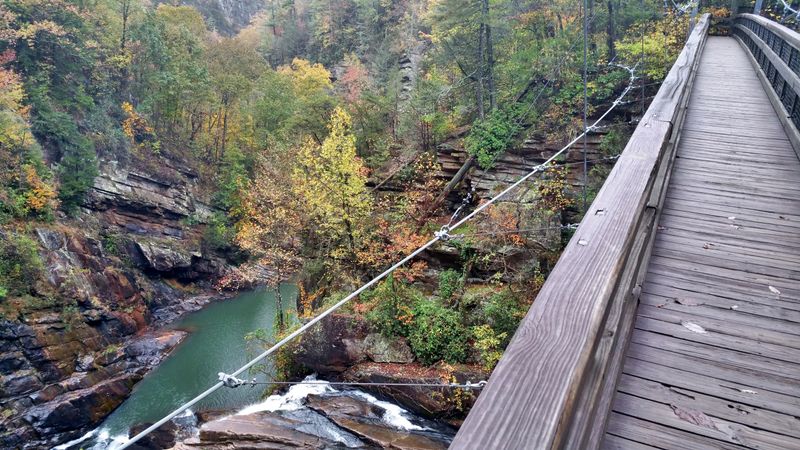
Most visitors only see the gorge from overlooks, but primitive campsites hide along the rim. These walk-in sites sit away from the developed campground at 338 Jane Hurt Yarn Drive, Tallulah Falls, GA 30573. You’ll carry your gear a short distance, but the privacy is worth it.
Gorge views greet you from several of these primitive spots. The sound of Tallulah River echoes up from 1,000 feet below. Early risers catch incredible sunrises that light up the gorge walls in shades of orange and pink.
Facilities are basic, with vault toilets nearby but no water hookups. Bring all the water you’ll need or plan to filter from natural sources. The sites accommodate tents only, keeping RVs and their noise away.
Permits are required to hike down into the gorge itself. Get yours at the visitor center before your camping trip begins.
4. Cumberland Island Beach Camping
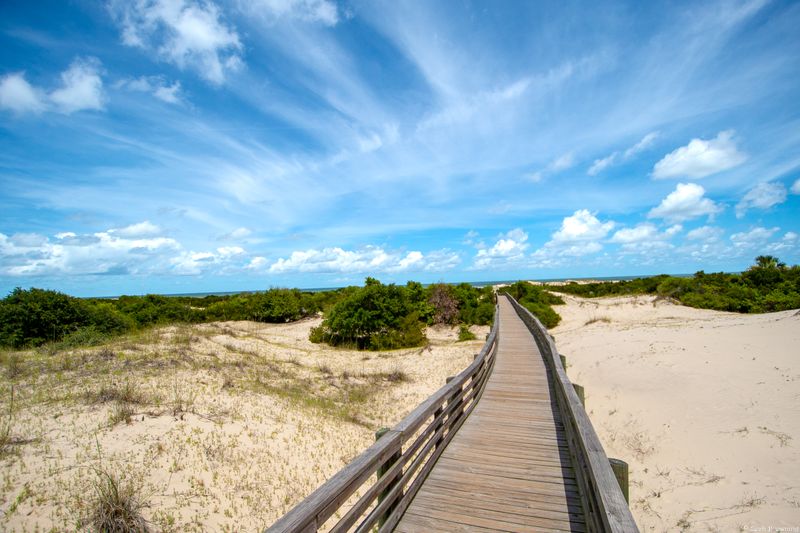
Camping on a barrier island creates an unforgettable experience. Wild horses roam freely here, and your tent sits steps from the Atlantic Ocean. Access requires a ferry ride from St. Marys, making the journey part of the adventure itself.
Sea Camp and Stafford Beach offer the most accessible beach camping. Waves provide constant background music while you sleep. Salt air and ocean breezes keep temperatures comfortable even in warmer months.
Pack light but smart since you’ll carry everything from the ferry dock. Mosquitoes can be fierce in summer, so bug spray becomes essential. Fresh water is limited, so bring enough or plan to treat what’s available.
Wild horses sometimes wander through campsites, especially at dawn and dusk. Keep food secured and maintain distance from these beautiful creatures. The island’s lack of development means dark skies perfect for stargazing over the ocean.
5. Panther Creek Falls Dispersed Area
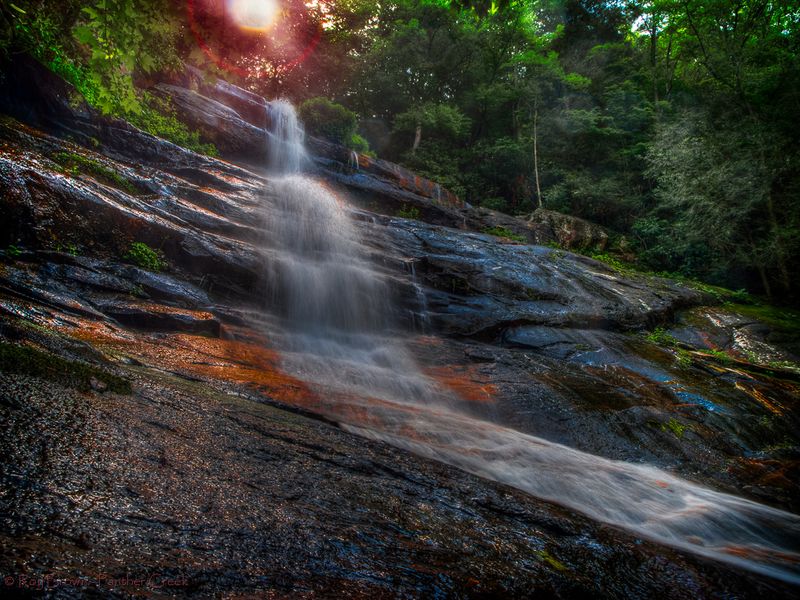
Camping near one of Georgia’s most beautiful waterfalls isn’t well known. Dispersed sites exist along Forest Service roads near the trailhead. You’re in the Chattahoochee National Forest, where the rules allow camping on most forest land.
The falls themselves drop 60 feet into a clear pool. Most people visit for the day, leaving evenings peaceful for campers. You can access the falls easily from your campsite for sunrise or sunset views without crowds.
Sites along the creek offer the best experience. Water flows year-round, though spring brings the highest volume. The forest stays lush and green, creating a canopy that shades your tent.
No fees or reservations are needed, making this a budget-friendly option. Practice Leave No Trace principles since there are no trash facilities. The area can get muddy after rain, so check weather before you go and bring appropriate footwear for the conditions.
6. Vogel State Park Walk-In Sites
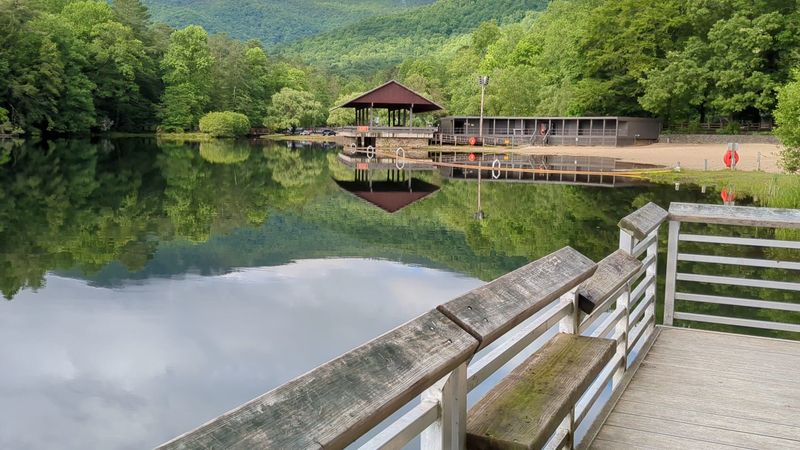
Walk-in camping combines convenience with privacy at Georgia’s second-oldest state park. These sites sit away from the main campground loop, requiring a short walk from the parking area. The park address is 405 Vogel State Park Road, Blairsville, GA 30512, nestled in the Blue Ridge Mountains.
Lake Trahlyta sparkles nearby, perfect for morning swims or evening fishing. Mountains surround the park on all sides, creating a bowl that traps cool air even in summer. Rhododendrons and mountain laurels bloom along the trails in late spring.
Each walk-in site includes a fire ring and picnic table. Bathhouses with hot showers are a short walk away, offering more comfort than true primitive camping. The distance from your car to the site keeps things quiet.
Reservations fill quickly for weekends, especially during fall color season. Book several months ahead if possible. The park also offers excellent hiking trails that connect to the Appalachian Trail system.
7. Okefenokee Swamp Wilderness Platforms
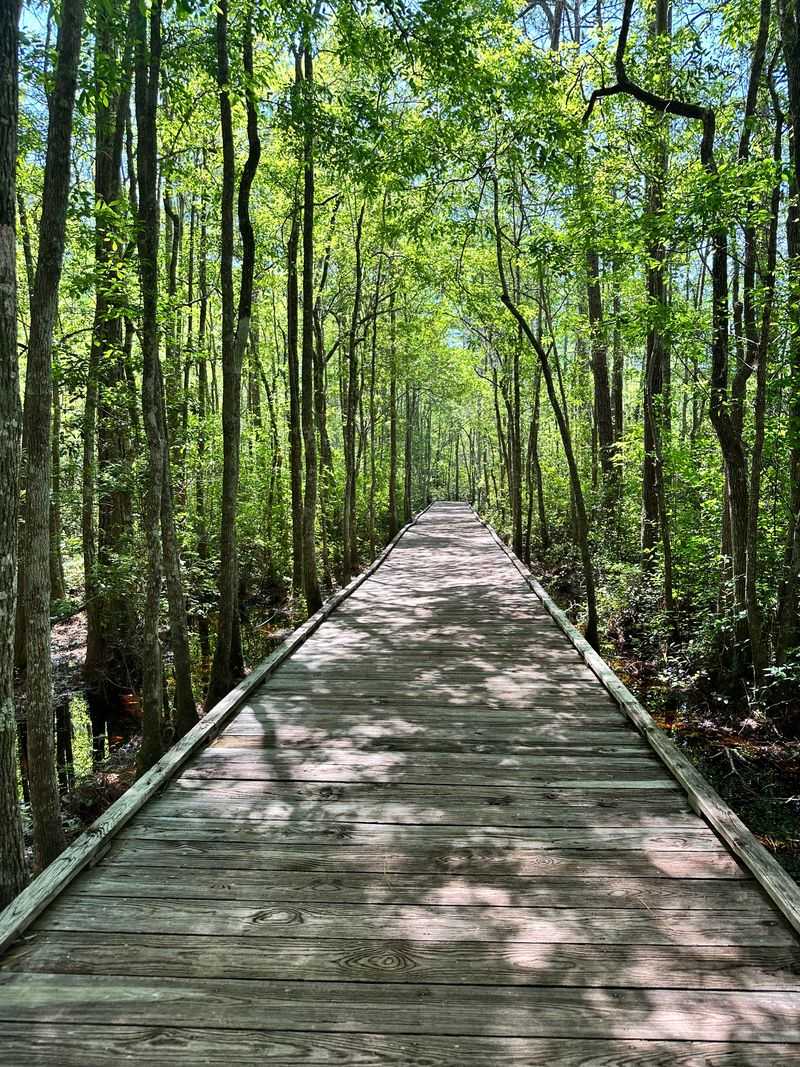
Camping on raised platforms in the middle of a vast swamp creates memories unlike any other. You’ll paddle a canoe to reach these sites, located deep in Okefenokee National Wildlife Refuge. The main entrance sits at 2700 Suwannee Canal Road, Folkston, GA 31537.
Alligators, wading birds, and unique plant life surround your platform. Night sounds include frogs, owls, and the occasional alligator bellow. Sunrise over the swamp’s dark water and cypress trees looks almost prehistoric.
Platforms keep you dry and safe above the water. Each accommodates several tents and includes a composting toilet. You’ll need to bring all food and water since nothing is available once you leave the visitor center.
Permits are required and limited to protect the wilderness. Reserve your platform well in advance, especially for spring and fall. Paddling skills matter here, as you might cover several miles to reach your assigned platform through narrow water trails.
8. Rabun Beach Campground Hidden Loop
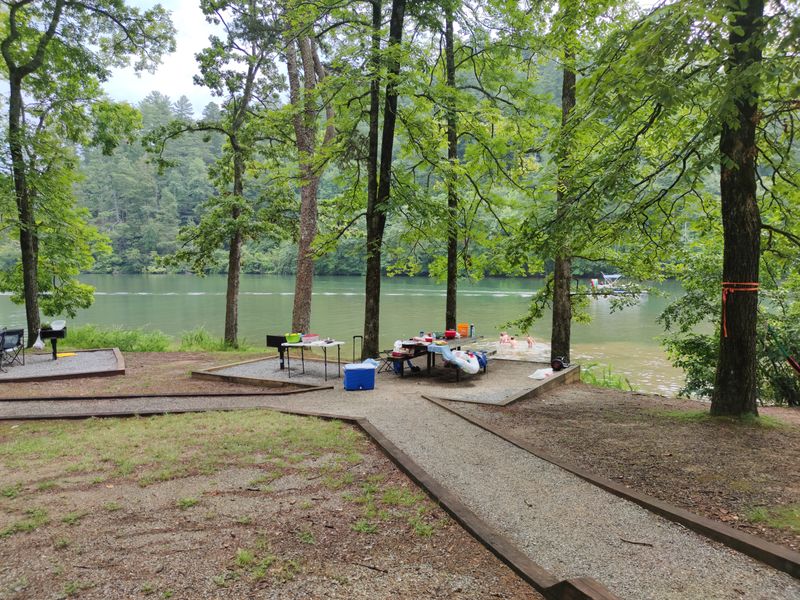
One loop at this Forest Service campground stays quieter than the rest. Sites 16 through 25 sit farthest from the entrance, tucked into thick forest near Lake Rabun’s shore. You’re in the Chattahoochee National Forest, where the lake’s clear water invites swimming and kayaking.
These sites feel private despite being in a developed campground. Tall trees create natural barriers between neighbors. Lake access from this loop is easier, with a short path leading to the water.
The campground provides vault toilets and drinking water. Sites include fire rings and picnic tables. The combination of amenities and seclusion makes this spot perfect for families or first-time campers wanting a quieter experience.
Weekdays see fewer visitors than weekends. Summer fills up fast, but spring and fall often have availability. The lake’s water temperature stays comfortable for swimming from May through September, and fishing for bass and bream stays productive year-round.
9. Three Forks Primitive Area
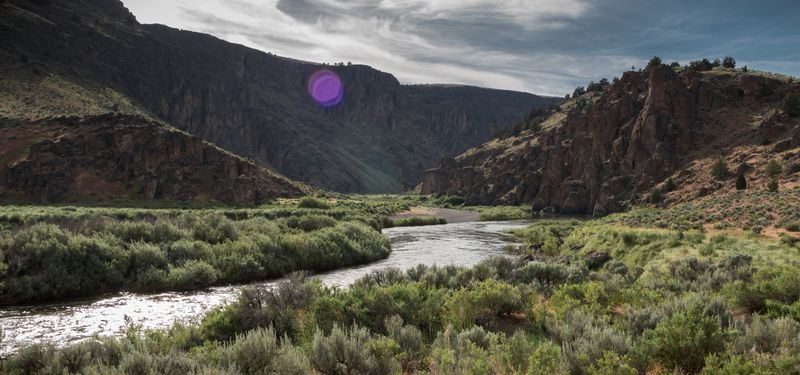
Where three mountain streams meet, you’ll find one of North Georgia’s best-kept camping secrets. The area sits in the Chattahoochee National Forest, accessible via Forest Service roads that require careful navigation. No official campsites exist, so you pick your own spot following dispersed camping guidelines.
The sound of rushing water comes from three directions. Pools form where the streams converge, perfect for cooling off on hot days. Smooth rocks make natural seats for watching the water flow.
Fishing in these streams can be excellent, especially for brook and rainbow trout. Georgia fishing regulations apply, so bring your license. The forest canopy provides shade, and the elevation keeps temperatures moderate.
Getting here requires a high-clearance vehicle, especially after rain. Roads can be rough and narrow. Cell service is nonexistent, so download offline maps before you leave home.
The remoteness ensures you’ll likely have the area entirely to yourself during weekdays.
10. Fort Mountain State Park Backcountry Trail Sites
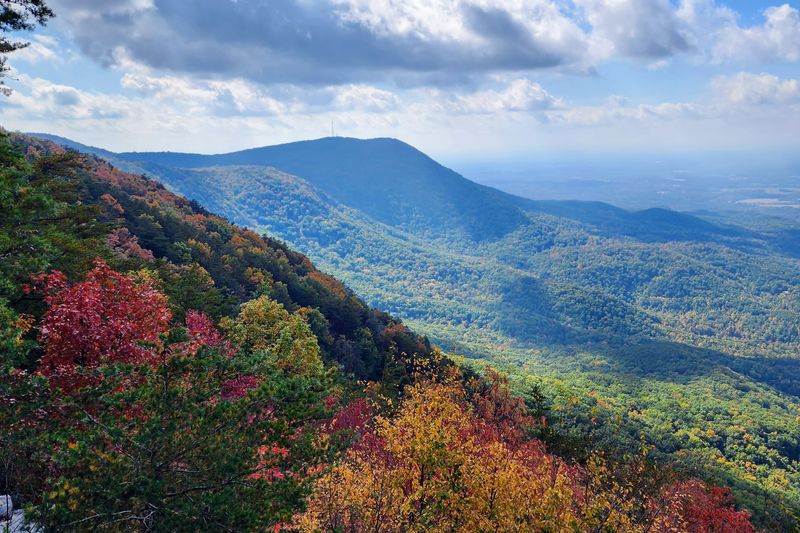
Backcountry sites along the park’s trail system offer isolation without extreme difficulty. You’ll hike in with your gear, but distances range from just one to three miles. The park is located at 181 Fort Mountain Park Road, Chatsworth, GA 30705, in the North Georgia mountains.
Ancient stone walls built by unknown people centuries ago wind through the forest. Mystery surrounds their origin, adding intrigue to your camping experience. The trails leading to backcountry sites pass these walls and offer mountain views.
Each site accommodates a small group and includes a fire ring. Water sources exist along the trails, but you’ll need to filter it. The park’s elevation means cooler temperatures than lower Georgia locations.
Wildlife sightings are common, including deer, wild turkeys, and various songbirds. Black bears occasionally pass through, so proper food storage matters. The main campground is far enough away that you won’t hear any noise from it at night.
11. Tugaloo State Park Secluded Sites
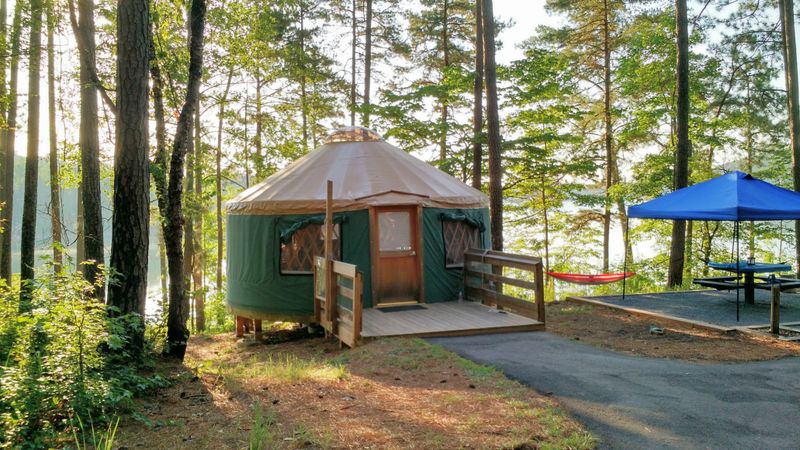
Certain sites at this lake park offer more privacy than others. Sites 18, 19, and 20 sit on a small peninsula jutting into Lake Hartwell. You’re at 1763 Tugaloo State Park Road, Lavonia, GA 30553, where the lake’s 56,000 acres provide endless water recreation.
The peninsula location means water surrounds you on three sides. Fishing from your campsite becomes possible without launching a boat. Bass, catfish, and crappie all swim these waters.
These sites are slightly farther from the bathhouse, which discourages some campers and benefits those seeking quiet. Trees provide shade, and the sites are spacious enough for large tents or small RVs. Each includes water and electric hookups.
Lake levels fluctuate with dam releases and rainfall. Spring typically brings the highest water, while late summer can expose more shoreline. The park stays less crowded than many Georgia state parks, making even summer weekends manageable for finding peace.
12. Ellicott Rock Wilderness Camps
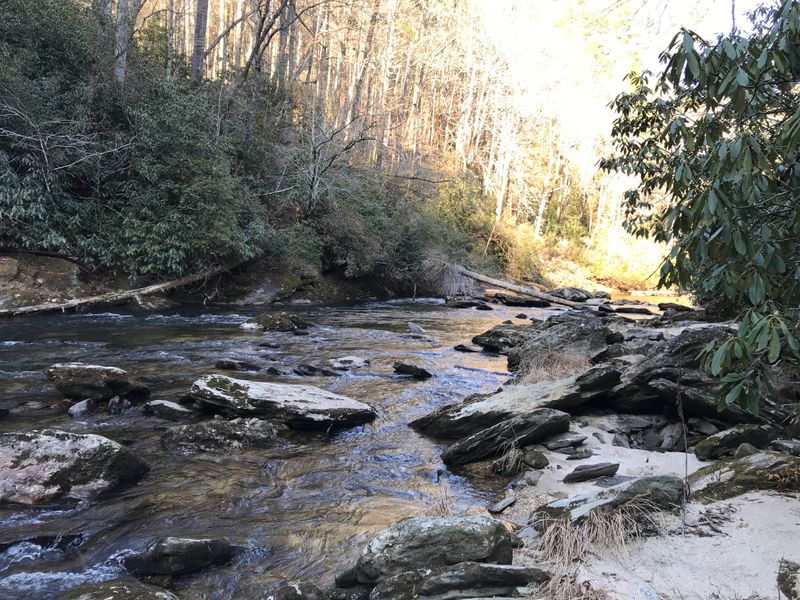
This wilderness area where Georgia, North Carolina, and South Carolina meet offers remote camping. You’ll hike in several miles to reach the best spots. The trailhead is accessed through the Chattahoochee National Forest near Clayton.
Ellicott Rock itself marks the point where three states converge. The Chattooga River flows through the wilderness, designated as a Wild and Scenic River. Camping along its banks puts you in the heart of pristine Southern Appalachian forest.
No facilities exist in the wilderness. You’ll need to filter water, pack out all trash, and practice proper backcountry hygiene. The effort required to reach these camps means you’ll encounter few other people, even during popular hiking seasons.
River swimming and fishing provide entertainment during the day. Trout thrive in the cold, clear water. At night, the forest comes alive with sounds, and stars fill the sky above the river valley in impressive displays.
13. Dockery Lake Dispersed Sites
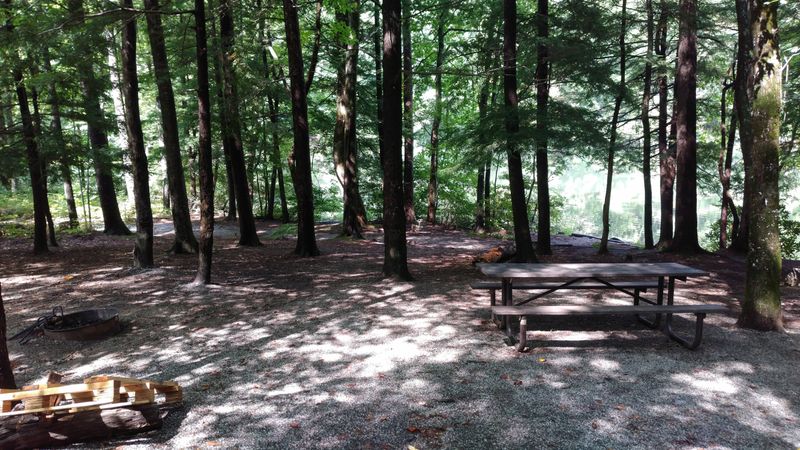
Around this small mountain lake, dispersed camping spots hide in the forest. The lake sits in the Chattahoochee National Forest, with a paved road leading to the main recreation area. Walk beyond the developed sites to find your own private spot.
The lake spans only six acres, making it feel intimate and peaceful. Trout fishing can be excellent here, especially in spring and fall. A trail circles the lake, perfect for evening walks.
Forest Service rules allow camping anywhere outside the developed area. Find a flat spot at least 100 feet from the water and trails. The lake’s elevation of 3,200 feet means cool nights even in summer.
Bring your own water or filter from the lake. No trash service exists, so pack it all out. The small size of the lake limits crowds.
Most visitors come for day use, leaving evenings and mornings quiet for those camping nearby in the surrounding forest.
14. Little Ocmulgee State Park Primitive Loop
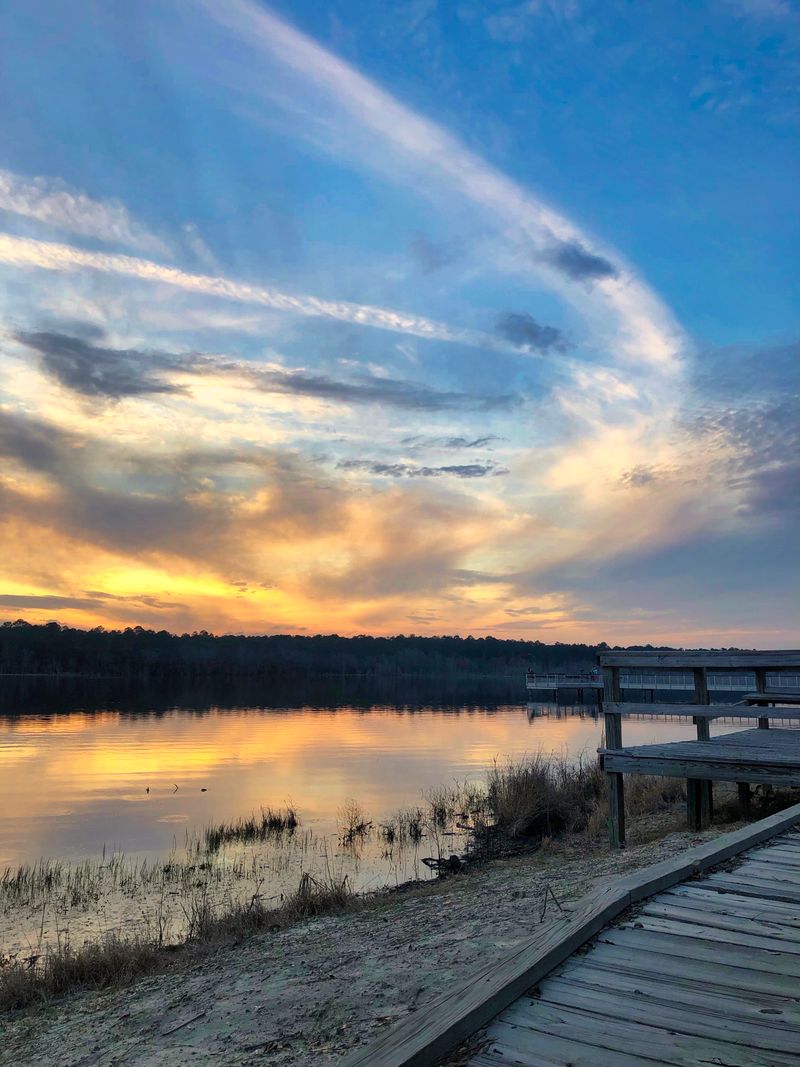
This park in South Georgia offers a primitive camping loop separate from the main campground. Sites lack electricity and water hookups, attracting fewer campers. The park is located at 80 Live Oak Trail, Helena, GA 31037, where rolling hills replace the mountains of North Georgia.
Little Ocmulgee Lake provides fishing and boating opportunities. The park’s golf course and lodge sit far enough away that primitive campers enjoy peace. Spanish moss hanging from oak trees creates a distinctly Southern atmosphere.
Each primitive site includes a fire ring and picnic table. Vault toilets serve this loop, and drinking water is available from a central spigot. The sites are spacious, with natural vegetation providing privacy between neighbors.
Wildlife includes deer, armadillos, and various water birds. The park’s location in Middle Georgia means milder winters than the mountains but hotter summers. Fall and spring offer the most comfortable camping weather, with wildflowers blooming along the trails in April and May.
15. Cooper Creek Scenic Area Sites
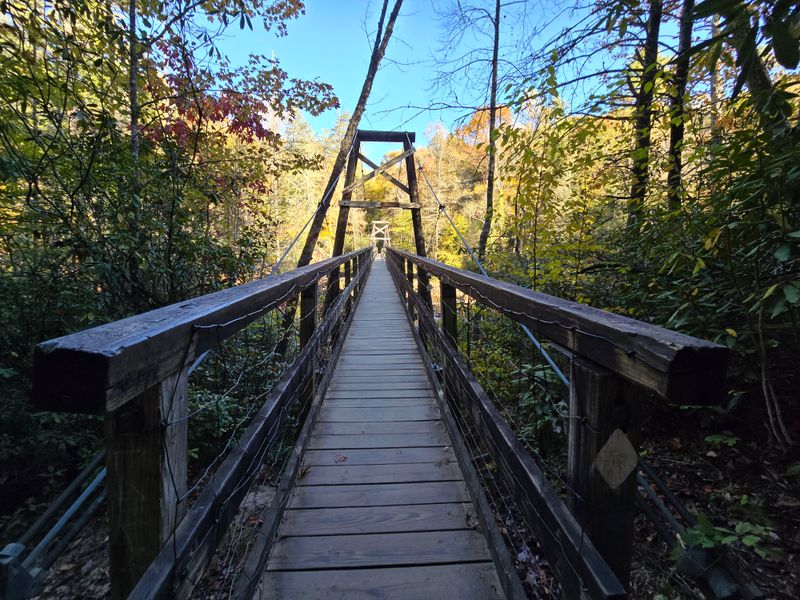
Along Cooper Creek, dispersed camping spots offer creek-side solitude. The area is in the Chattahoochee National Forest, accessed by Cooper Creek Road. Multiple pulloffs allow you to find a spot that suits your needs.
The creek flows clear and cold year-round. Fishing for trout is popular, and the sound of moving water provides natural relaxation. Rhododendrons grow thick along the banks, blooming in late spring with pink and white flowers.
No fees or reservations are required for dispersed camping here. Sites fill up on summer weekends, but weekdays often offer solitude. The road follows the creek for several miles, so if one spot is taken, another usually appears around the next bend.
The area includes several hiking trails, including paths to waterfalls. Cell service is limited to nonexistent. Bring everything you need, including a first aid kit.
The creek provides water, but filter it before drinking to stay safe and healthy during your visit.