This Hidden Georgia Natural Landscape Feels More Like Another Planet Than A State Park
Sometimes a landscape looks so alien that your brain briefly refuses to believe you are still on Earth. The ground spreads out bare and ancient, the horizon goes strange, and for a moment you could swear a film crew built it.
A vast heritage area just outside Atlanta produces exactly that double take. Spread across thousands of acres, it trades the expected suburban scenery for something closer to another planet entirely.
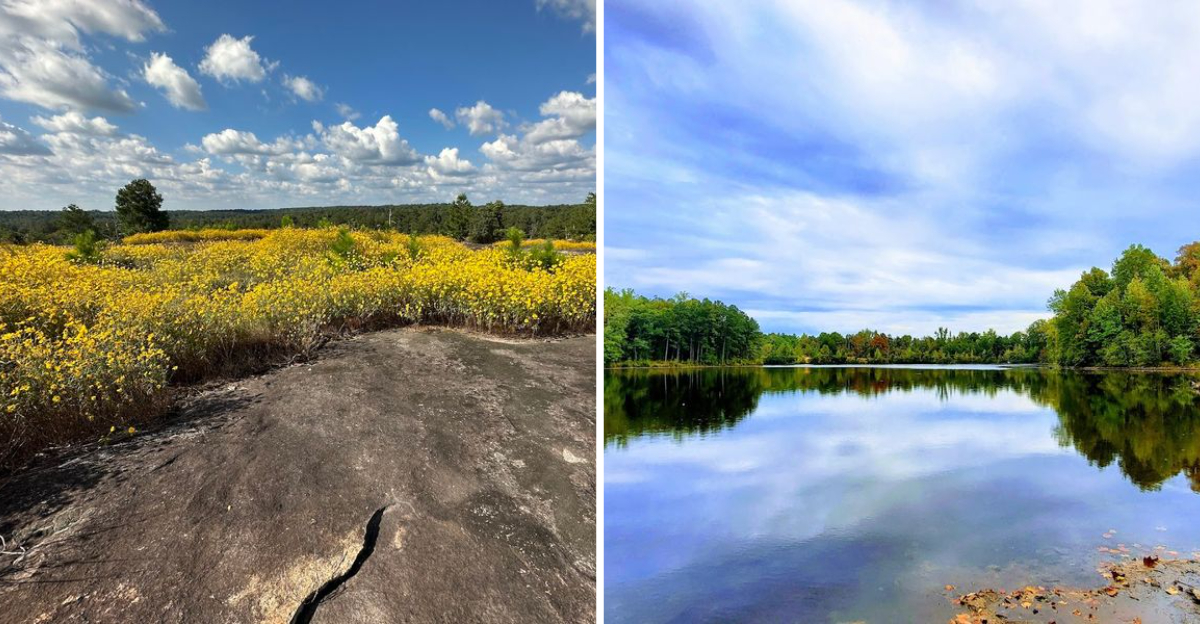
Ancient granite outcrops roll out in every direction. Rare wildflowers cling to the stone in tiny bursts of color.
Miles of quiet trails wind through it all, unlike anything else in the state. You might be a curious explorer, a casual weekend hiker, or just someone desperate for a break from the ordinary.
This otherworldly pocket of Georgia is ready to genuinely blow your mind.
1. The Massive Granite Monadnock That Looks Like The Moon
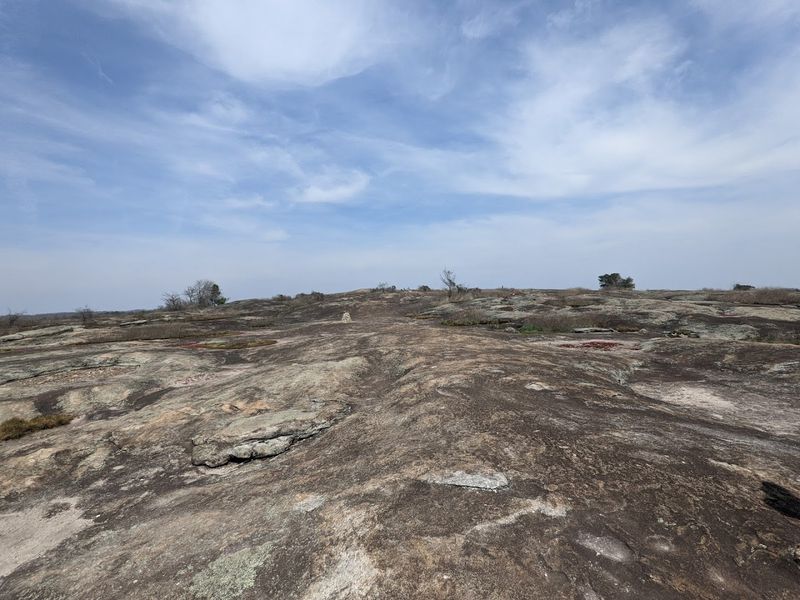
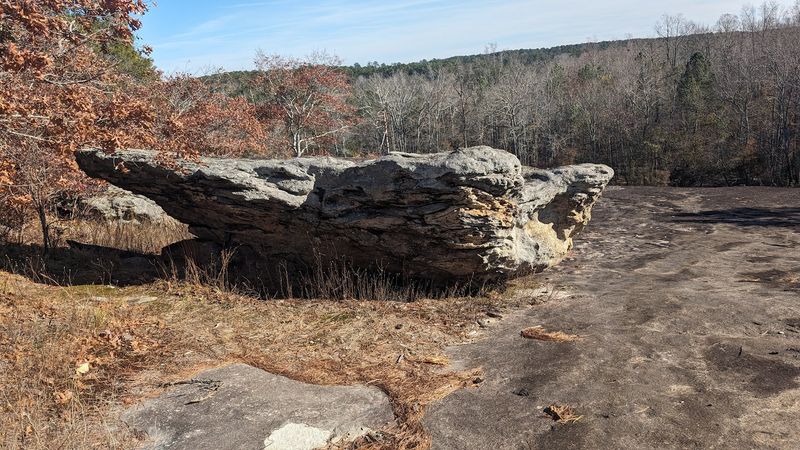
Standing on top of Arabia Mountain feels strangely like standing on the surface of the moon. Arabia Mountain National Heritage Area, located at 3350 Klondike Rd, Stonecrest, GA 30038, sits on one of the largest exposed granite outcrops in the eastern United States.
The rock surface stretches out so wide and flat that your eyes struggle to find the edge.
This geological wonder formed over 300 million years ago through a process called plutonic intrusion, where molten rock slowly cooled deep underground before erosion revealed it at the surface. The result is a smooth, silvery-gray expanse that changes color with the light throughout the day.
Morning visits offer a soft golden glow across the rock, while midday turns it a brilliant silver.
Visitors should wear sturdy shoes with good grip because the surface, though flat in many areas, can be slippery when wet. Arriving early on weekdays gives the best chance of experiencing this surreal landscape in peaceful quiet.
2. Rare Diamorpha Wildflowers Growing In Rock Pools
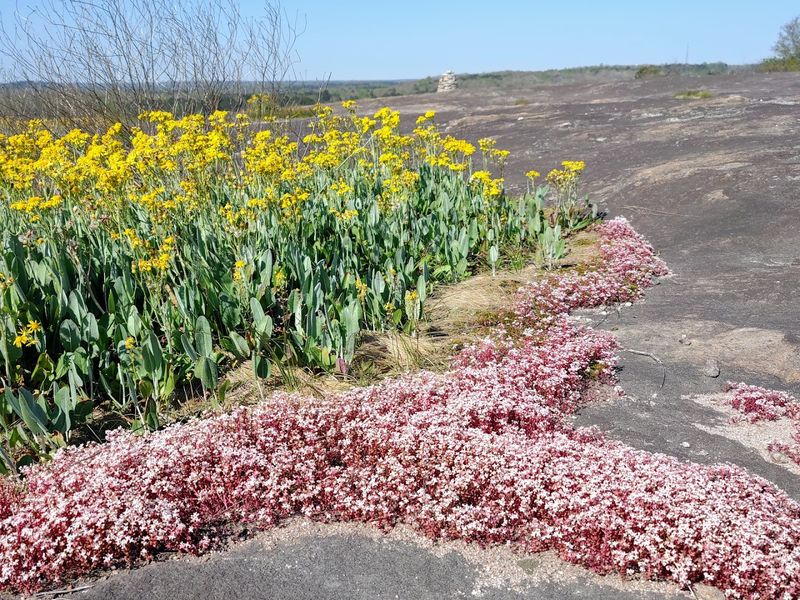
Tiny, brilliant red flowers blooming directly out of bare rock sounds impossible, but at Arabia Mountain it is completely real.
Diamorpha smallii, also known as elf orpine, grows in shallow depressions on the granite surface called solution pits, where just a thin layer of soil and water collects.
These little plants are specially adapted to survive in one of the harshest micro-environments imaginable.
The blooming season typically runs from late February through early April, making spring the most magical time to visit Arabia Mountain National Heritage Area. During peak bloom, the rock surface turns a striking patchwork of red and green that looks almost like a painting.
Photographers and nature lovers travel from across Georgia just to witness this fleeting display.
Staying on marked paths is essential during this season because the plants are fragile and can be permanently damaged by a single footstep. Rangers often post signs near the most active bloom areas to help visitors navigate responsibly without missing the show.
3. Miles Of Well-Maintained Multi-Use Trails
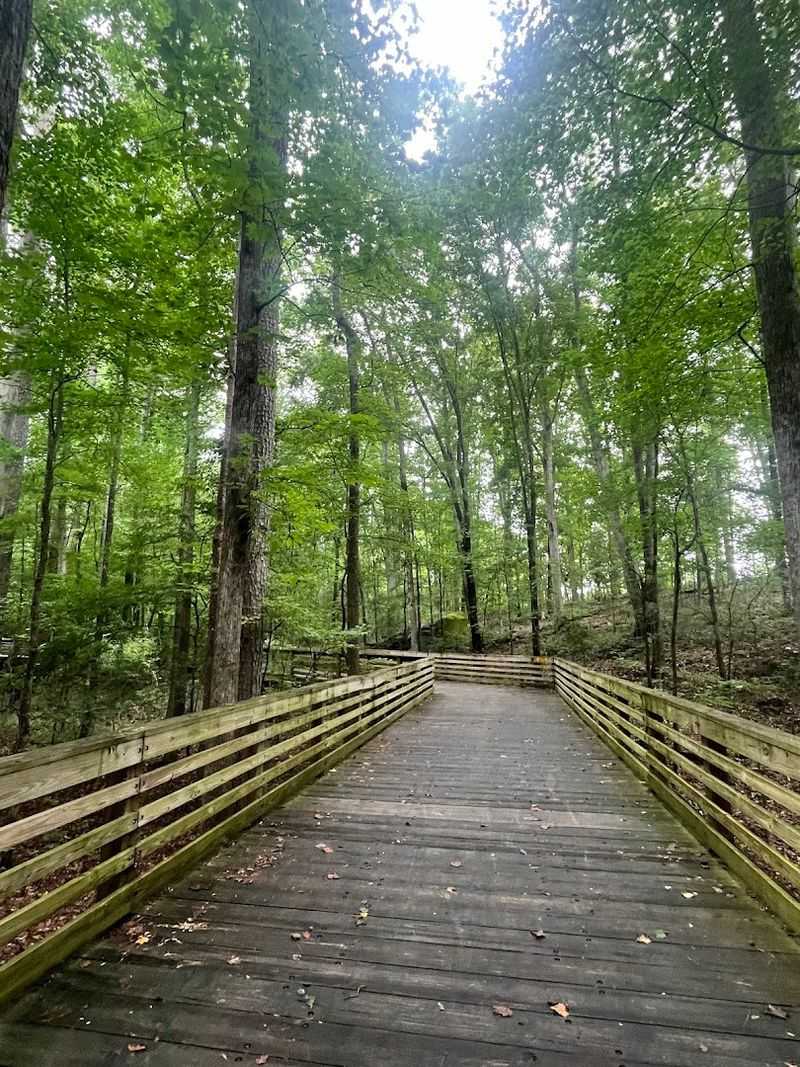
Not every great outdoor destination is also beginner-friendly, but Arabia Mountain manages to be both wild and welcoming.
The heritage area features over 30 miles of trails that range from smooth paved paths to rugged natural surface routes, making it accessible to hikers, cyclists, and joggers of varying fitness levels.
The Davidson-Arabia Mountain Nature Preserve trail system connects seamlessly with the broader PATH trail network.
One of the most popular routes follows the Arabia Mountain Trail loop, which takes visitors across the open granite summit and through shaded forest sections in a single satisfying outing.
The contrast between open rock and dense tree cover keeps the walk visually interesting from start to finish.
Families with strollers tend to stick to the paved connector trails, which are well-maintained and easy to navigate.
Trail maps are available at the visitor center and online, so planning a route before arriving is simple and highly recommended. Weekday mornings offer the calmest experience, while weekends bring a lively community atmosphere with plenty of fellow outdoor enthusiasts sharing the path.
4. The Arabia Mountain Nature Preserve And Its Peaceful Forests
Right next to the dramatic open rock lies a completely different world of dense, shaded forest that feels like stepping into a quiet cathedral. The Davidson-Arabia Mountain Nature Preserve wraps around the granite outcrop and protects a rich mix of hardwood trees, native shrubs, and wildlife habitat.
Birdsong replaces city noise almost instantly once you step under the tree canopy.
White-tailed deer, wild turkeys, and a wide variety of songbirds call this preserve home, making it a rewarding spot for wildlife watching throughout the year. The forest trails here are softer underfoot than the open rock sections, offering a gentler option for those who prefer shaded walking.
Fall brings a beautiful burst of color as the leaves change across the preserve.
Bringing binoculars and a field guide can turn a casual walk into a genuinely educational outing. The preserve also connects to the main Arabia Mountain summit, so mixing forest and open rock into a single loop visit is easy and highly satisfying for visitors of all ages.
5. Stunning Sunrise And Sunset Views From The Summit
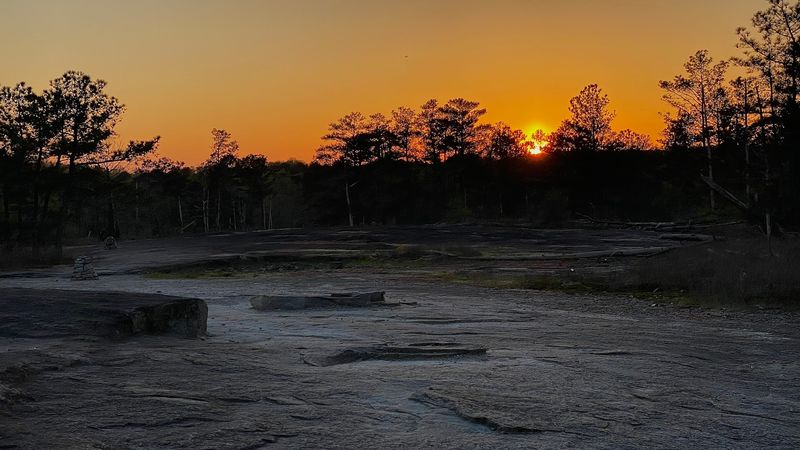
Few places in the greater Atlanta area offer a sunrise quite like the open granite summit of Arabia Mountain. Because the rock surface is so flat and exposed, the sky opens up in every direction without trees or buildings blocking the view.
Early risers who make the short hike up before dawn are rewarded with a color show that shifts from deep purple to orange to brilliant gold.
Sunset visits are equally spectacular, especially during late summer and fall when the sky tends to hold rich warm tones long after the sun drops below the horizon. The rock itself absorbs the warmth of the day and radiates it back gently in the evening, making lingering on the summit surprisingly comfortable.
Local photographers consider the Arabia Mountain summit one of Georgia’s most underrated golden-hour locations.
Checking sunrise and sunset times before visiting helps with planning, especially since parking areas may close at dusk. Bringing a light jacket is smart even in warmer months because the open summit can feel breezy once the sun goes down.
6. The Fascinating History Of Arabia Mountain’s Granite Quarry
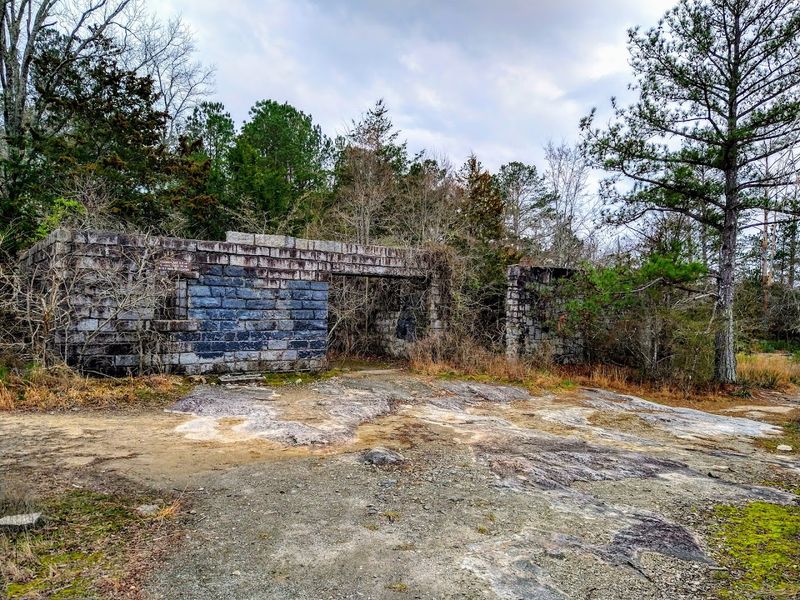
Long before Arabia Mountain became a protected heritage area, it was a working granite quarry that supplied stone for some of Georgia’s most iconic buildings.
Quarrying operations here date back to the late 1800s, and the marks left behind by workers are still clearly visible on the rock surface today.
Drill holes, cut lines, and abandoned equipment create an open-air industrial history lesson unlike any museum exhibit.
The stone extracted from Arabia Mountain was used in construction projects across Atlanta and beyond, including curbing, building foundations, and monuments.
Standing next to the old quarry cuts gives a real sense of the physical labor involved in shaping raw granite with hand tools and early machinery.
History enthusiasts find this layer of the heritage area just as compelling as the natural scenery.
Interpretive signs placed along the trail near the quarry area explain the history in clear, accessible language that both adults and kids can follow. Combining a quarry history walk with a summit hike makes for a well-rounded visit that covers both the human and natural story of this remarkable Georgia landmark.
7. Flat Rock Lake And Its Quiet Shoreline Walks
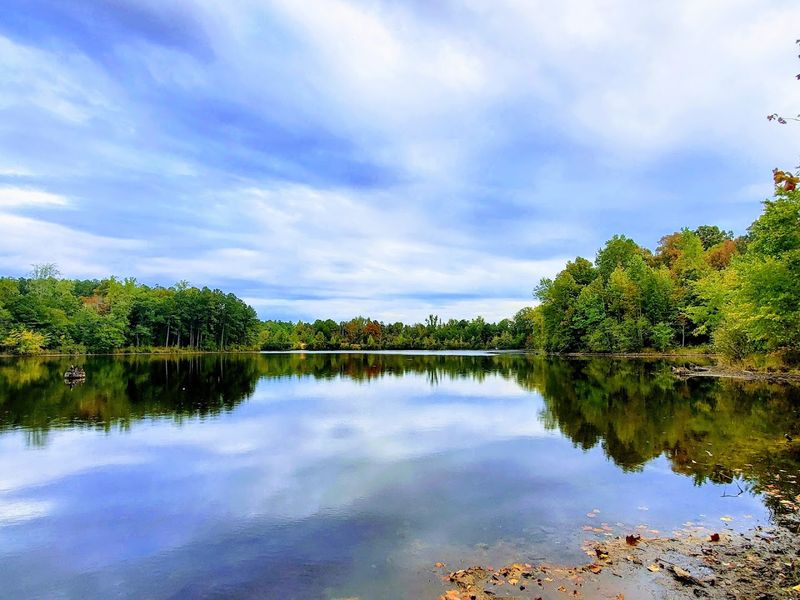
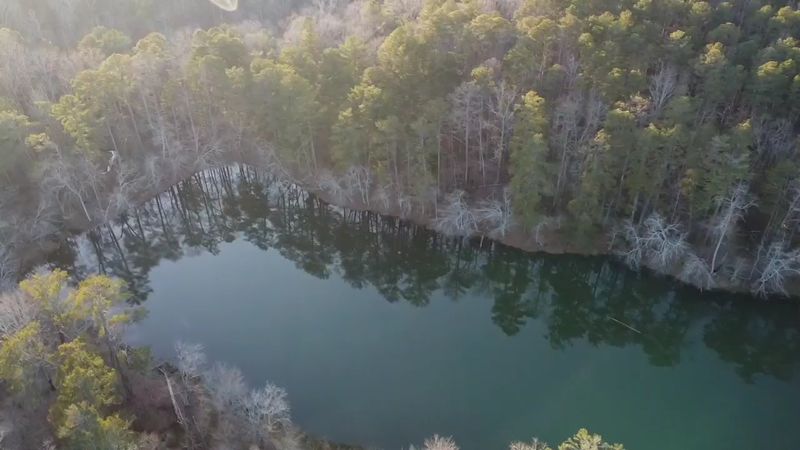
Water has a way of slowing everything down, and Flat Rock Lake at Arabia Mountain does exactly that. Nestled within the heritage area, this peaceful lake reflects the surrounding granite and forest in its still surface, creating mirror-like views that feel almost too pretty to be real.
The shoreline path offers a gentle, mostly flat walk that works well for families, older visitors, and anyone seeking a calm outdoor experience.
Fishing is permitted at Flat Rock Lake with a valid Georgia fishing license, and the lake is stocked with species popular among local anglers. Watching the water from the shoreline on a quiet morning, with mist rising off the surface and birds calling from the tree line, is a genuinely restorative experience.
The lake area also provides a natural resting point between the more demanding granite summit hike and the forest trail sections.
Benches along the shoreline make it easy to sit and observe wildlife without needing to keep moving. Turtles are commonly spotted basking on logs near the water’s edge, especially on warm sunny afternoons between spring and early fall.
8. Rock Chapel Church, A Piece Of Living Local Heritage
History at Arabia Mountain goes beyond geology and quarrying. Rock Chapel United Methodist Church, one of the oldest African American churches in DeKalb County, sits within the heritage area and represents a deeply meaningful piece of Georgia’s cultural past.
The congregation has worshipped continuously at this site since the mid-1800s, making it a living landmark rather than just a preserved relic.
The church and its surrounding cemetery tell stories of community, faith, and resilience that stretch across generations of Georgia history. Visiting the grounds with respect and curiosity offers a perspective on the heritage area that goes far beyond the natural scenery.
Interpretive materials available along the heritage trail help contextualize the church’s significance within the broader story of the region.
Visitors should be mindful that the church remains an active place of worship, so quiet and respectful behavior on the grounds is essential. Combining a visit to Rock Chapel with the nearby trail system creates a meaningful full-day experience that honors both the natural and human history of this extraordinary Georgia destination.
9. Wildlife Watching Opportunities That Surprise First-Time Visitors
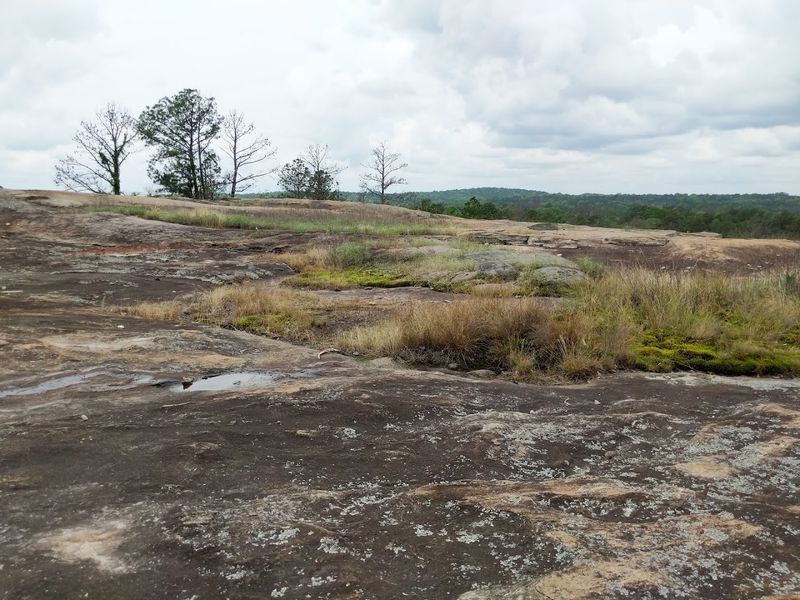
Arabia Mountain is not just a rock. The diversity of habitats packed into this heritage area supports a surprisingly rich array of wildlife that catches many first-time visitors completely off guard.
Deer, foxes, wild turkeys, herons, and dozens of songbird species have all been documented within the heritage area boundaries. The mix of open granite, wetland edges, and dense forest creates distinct ecological zones that attract different animals throughout the day.
Birdwatchers find the area particularly rewarding during spring and fall migration, when warblers and other songbirds pass through in large numbers. The open granite surface itself hosts lizards and specialized insects that have adapted to the extreme heat and exposure of bare rock.
Morning visits tend to offer the best wildlife sightings before human foot traffic increases.
Moving quietly and pausing frequently makes a significant difference in how much wildlife gets spotted. Bringing a pair of binoculars and a simple field guide to Georgia birds or reptiles can transform a standard trail walk into a genuinely exciting natural history experience worth repeating across different seasons.
10. The Arabia Mountain Heritage Area Visitor Center
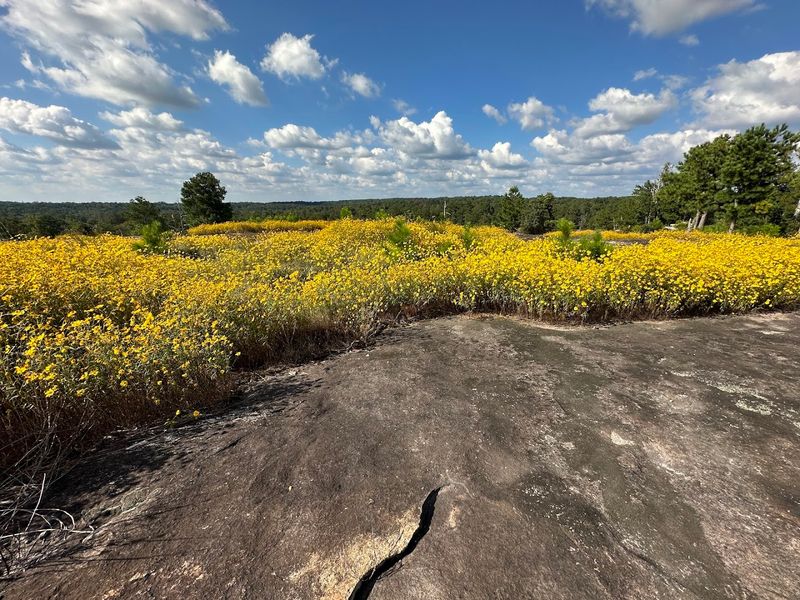
Every great outdoor destination is easier to enjoy when there is a good starting point, and the Arabia Mountain Heritage Area Visitor Center delivers exactly that. Located at 3350 Klondike Rd, Stonecrest, GA 30038, the visitor center serves as the main hub for orientation, trail maps, exhibits, and ranger-led programming.
Staff members are knowledgeable, friendly, and genuinely enthusiastic about helping visitors make the most of their time in the area.
Inside the center, exhibits cover the geological history of the granite monadnock, the cultural heritage of the surrounding communities, and the ecological significance of the rare plant communities found on the rock. Interactive displays make the information accessible for younger visitors, which is a real bonus for families exploring Georgia’s natural heritage together.
Restrooms, water, and basic supplies are available here before heading out on the trails.
Arriving at the visitor center first is the smartest way to start any visit, especially for first-timers. Rangers can point out current trail conditions, bloom status for seasonal wildflowers, and any special programming happening during the visit.
11. Photography Opportunities That Are Genuinely World-Class
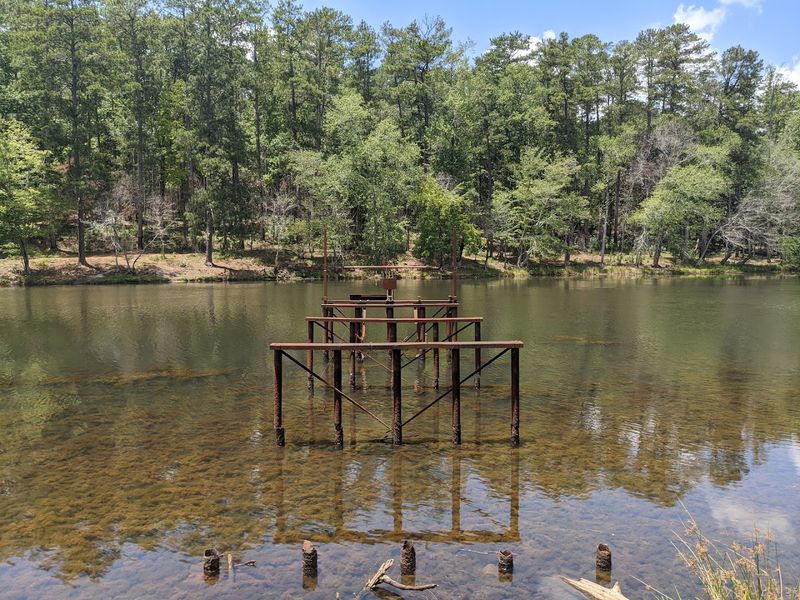
Arabia Mountain is one of those rare places where almost every direction you point a camera produces something worth sharing. The combination of ancient granite, seasonal wildflowers, reflective pools, dramatic skies, and historic structures gives photographers an unusually diverse range of subjects within a single compact area.
Georgia has plenty of beautiful landscapes, but few offer this kind of variety in one visit.
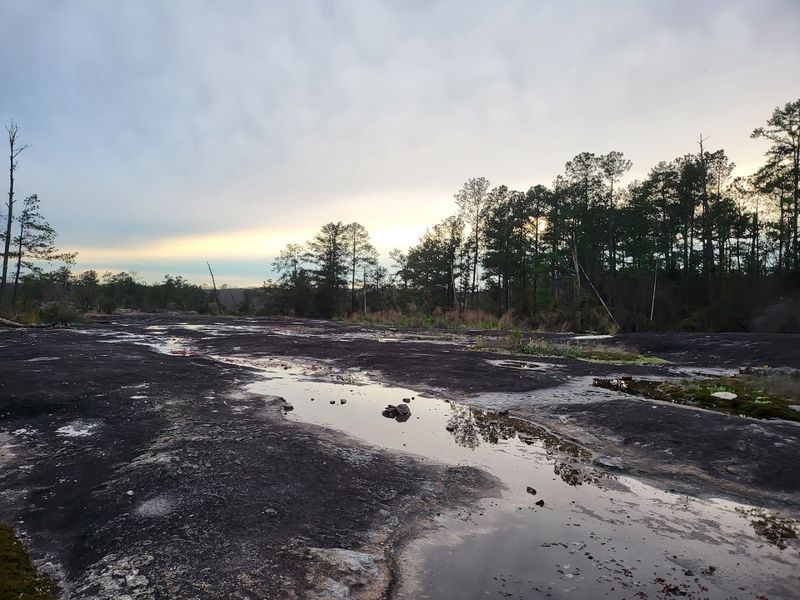
The open summit is especially popular for landscape and sky photography because there are no obstructions between the camera and the horizon in multiple directions. On cloudy days, the granite surface reflects the moody sky in shallow water pools, creating layered compositions that look almost surreal.
Macro photographers love the spring wildflower season when Diamorpha blooms fill the solution pits with vivid color.
Visiting during the golden hour before sunset gives the granite a warm amber glow that dramatically changes the mood of every shot. Tripods are helpful on the summit where wind can be an issue, and polarizing filters work particularly well for cutting glare off the wet rock surface after rain.
12. Accessibility And Proximity To Atlanta Make It A Perfect Day Trip
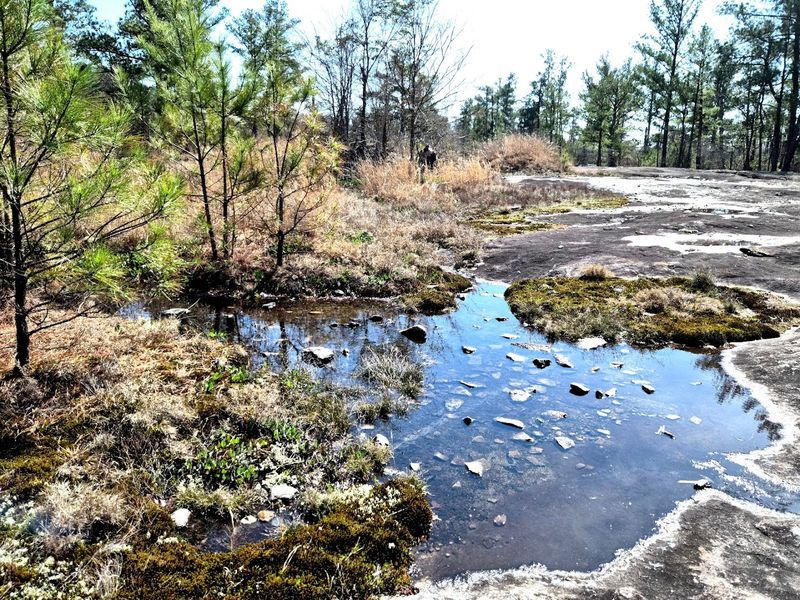
One of the best-kept secrets about Arabia Mountain is how easy it is to reach from Atlanta. Sitting roughly 20 miles southeast of downtown Atlanta near Stonecrest, the heritage area is close enough for a spontaneous weekday morning visit without any serious planning.
The drive along I-20 East and local roads typically takes under 40 minutes from central Atlanta depending on traffic.
Free parking is available near the visitor center at 3350 Klondike Rd, Stonecrest, GA 30038, which removes one of the most common barriers to enjoying public green space. The site is also accessible via the South DeKalb Transit hub, making it reachable for visitors who prefer public transportation.
This combination of proximity, free access, and transit options makes Arabia Mountain one of Georgia’s most democratically accessible natural destinations.
Weekday visits tend to be significantly quieter than weekends, which is worth considering for anyone who prefers a more solitary experience. The heritage area is open year-round, so there is genuinely no bad time to plan a day trip from Atlanta or surrounding Georgia communities.
13. Seasonal Changes That Make Every Visit Feel Brand New
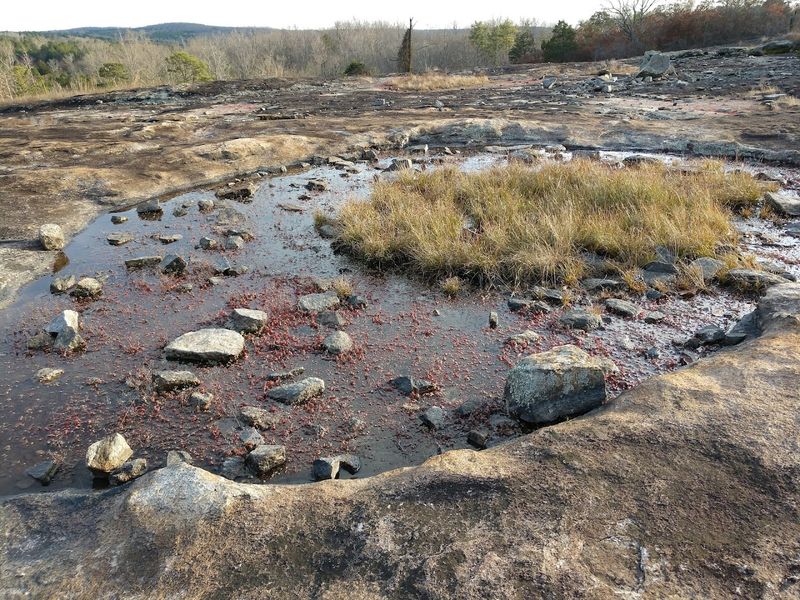
Returning to Arabia Mountain across different seasons feels like visiting four completely different places. Spring brings the famous Diamorpha wildflower bloom and fresh green growth in the surrounding forests, while summer offers long golden days on the warm granite with lizards and dragonflies everywhere.
Autumn transforms the forest sections into a tapestry of red, orange, and yellow that rivals any dedicated fall foliage destination in Georgia.
Winter visits have their own quiet appeal. The bare trees open up longer sightlines through the forest, and the granite surface takes on a cool silver tone that feels almost meditative on clear cold days.
Frost occasionally forms in the shallow rock pools on winter mornings, creating delicate ice crystal patterns that disappear quickly once the sun rises.
Checking seasonal programming at the visitor center before each visit often reveals ranger-led walks or special events tied to what is currently blooming, migrating, or changing in the landscape. Regulars who visit Arabia Mountain in all four seasons consistently describe it as one of Georgia’s most rewarding repeat destinations.
14. A Place Where Kids Genuinely Forget About Their Screens
Getting kids excited about nature can feel like a battle, but Arabia Mountain has a way of winning that battle without any effort. Something about walking across a massive, open rock that looks like the surface of another planet captures the imagination of children in a way that no app or video game quite manages.
The freedom to roam, explore, and discover at their own pace makes the experience genuinely memorable.
Younger children love spotting the tiny Diamorpha plants growing in rock pools, searching for lizards on warm granite, and watching turtles at the lake. Older kids and teens often get hooked on the quarry history section or the challenge of hiking the full summit loop without stopping.
The variety of terrain means different family members can find their own reason to be excited about the same visit.
Bringing a small nature journal or a simple scavenger hunt list can add an extra layer of engagement for curious young visitors. Georgia families who make Arabia Mountain a regular outing often find that kids start asking to go back before the drive home is even finished.