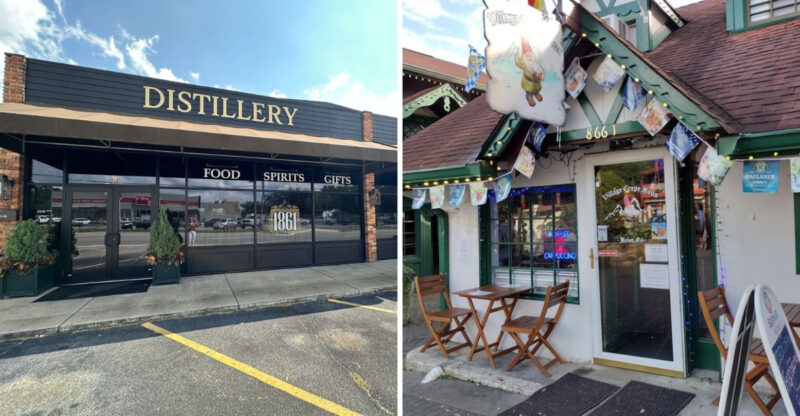
9 Historic Georgia Towns Making A Remarkable Comeback
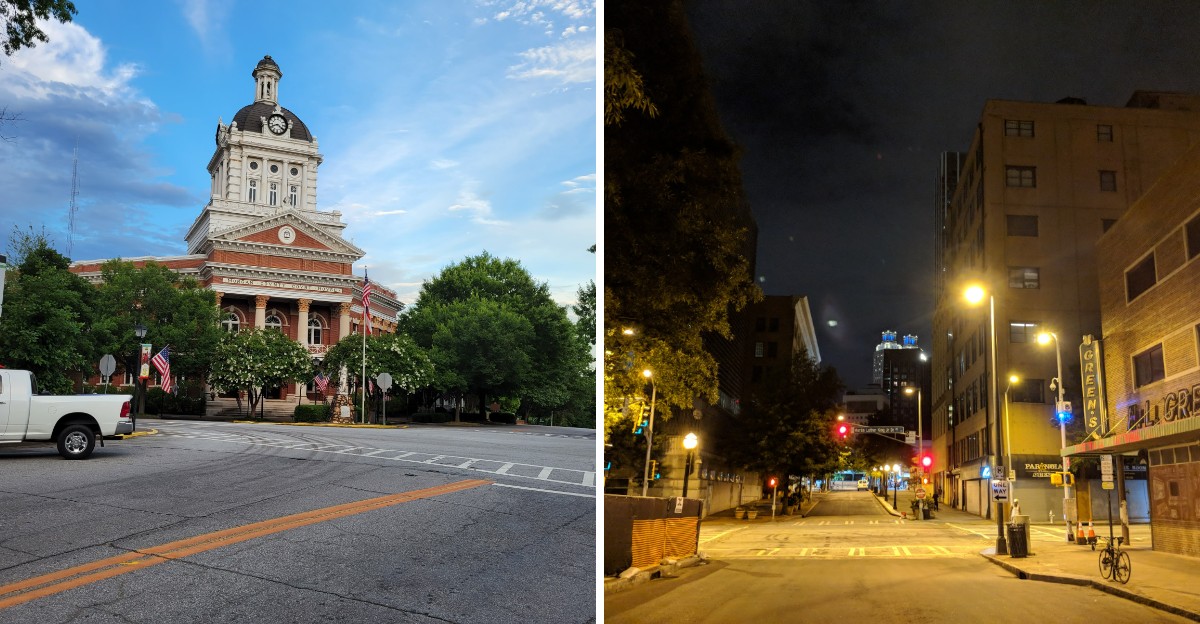
Small towns are not supposed to come back this fast, yet Georgia keeps proving otherwise. I drove into one expecting boarded up windows and a gas station, nothing else.
Instead I found fresh paint, open doors, and a bakery smell strong enough to pull me off the sidewalk. People actually stopped to talk, twice, without me asking.
Georgia has a habit of doing this quietly, reviving towns nobody expected to matter again. Old buildings get new owners.
Empty storefronts turn into coffee shops and bookstores almost overnight. Locals talk about their town with real pride now, not nostalgia for what it used to be.
I kept driving from one revived main street to another, surprised every single time. Some comebacks happen loud.
These happened one brick, one storefront, one stubborn business owner at a time.
1. Bainbridge
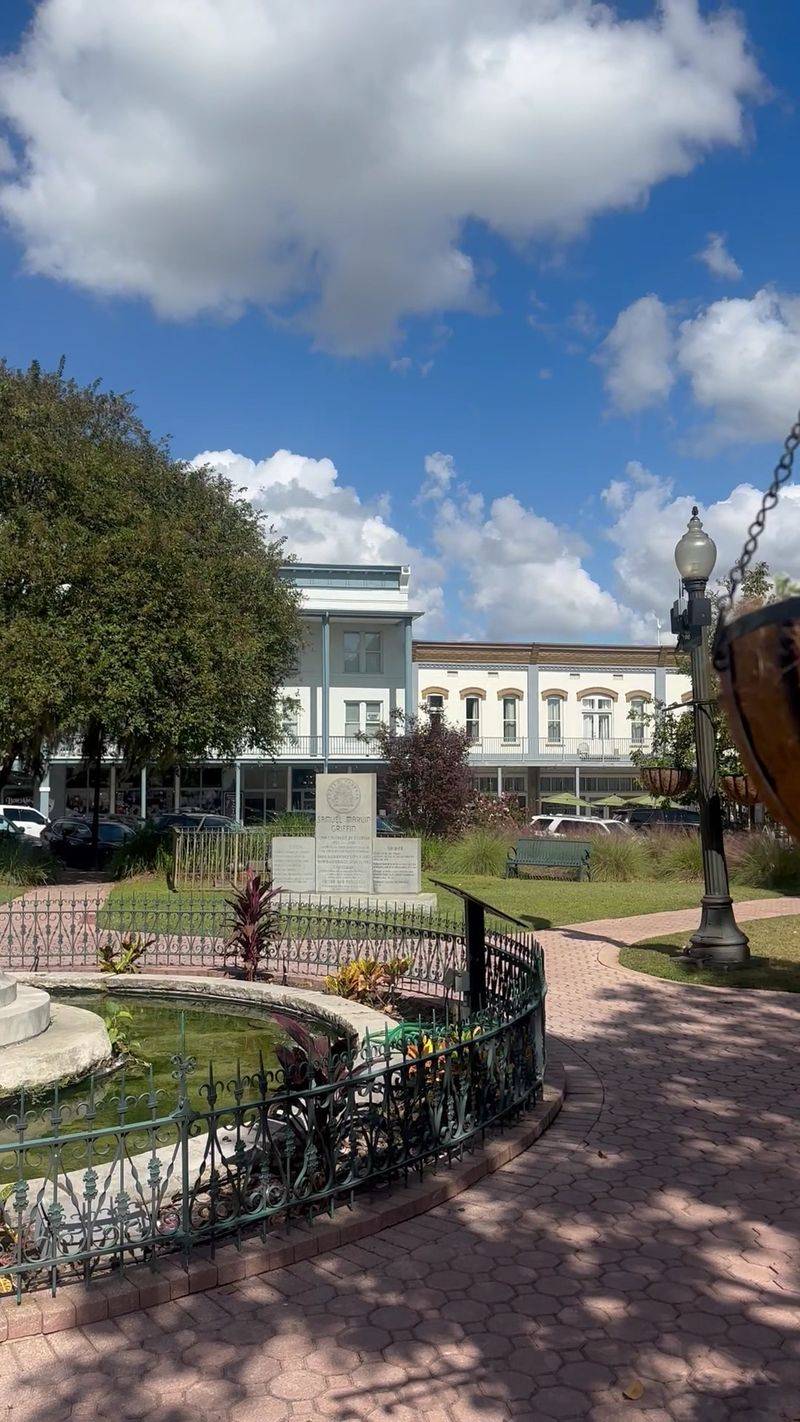
A town square can tell you everything in about five minutes. Here, the square is the whole point, ringed with restored buildings that never got bulldozed.
Preservation is not just talk in this corner of the state. The city adopted a Historic Preservation Ordinance in 2005, and a Historic Preservation Commission still reviews projects today.
Landmarks give the streets real weight. An 1898 Victorian house and an early 1900s courthouse anchor the area with style that modern builders rarely match.
The Bainbridge Residential Historic District joined the National Register of Historic Places in 1987. It remains the largest and only fully intact historic neighborhood nearby, packed with 19th and early 20th century house styles.
Walking those blocks is the best free activity around. You will spot Queen Anne porches, simple cottages, and columns that have survived more than a century of weather.
Downtown itself has shops, local restaurants, and a steady calendar of community events. The stated mission is revitalization through economic development paired with historic appeal, and it shows in the storefronts.
My advice is simple. Park once, then cover the square on foot before drifting into the residential streets just beyond it.
Bring a camera and low expectations about rushing. Small squares reward slow visitors, and this one practically insists on it.
2. Macon
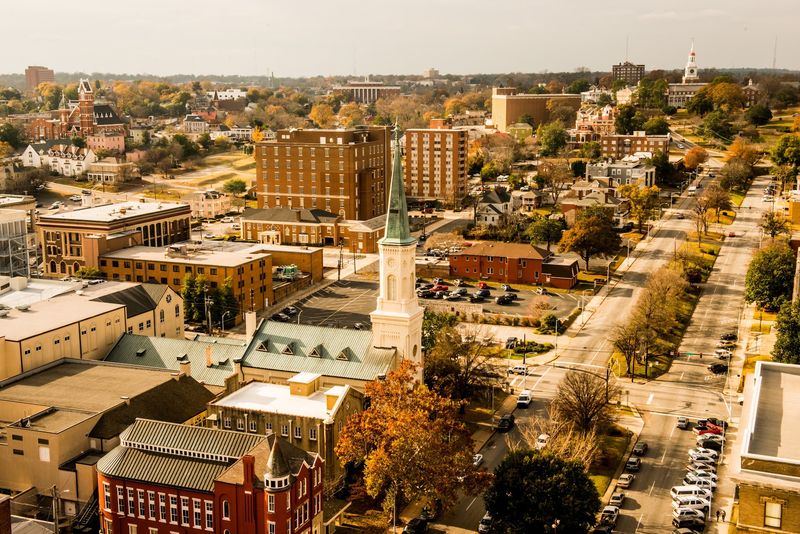
Numbers rarely make me excited, but this one did. Downtown property values here have climbed 83 percent since a Business Improvement District started in 2017.
Behind that figure sits NewTown Macon Inc., a nonprofit development corporation. Its focus includes attracting investment and making the downtown core safer and better looking.
The building count is honestly impressive. Historic Macon Foundation has rehabilitated more than 140 historic buildings, pulling in millions in public and private funds while growing the tax base.
History here is measured in districts, not single addresses. The city holds 10 National Register Historic Districts, ranking it among the top three cities statewide for listed historic buildings and districts.
Outdoor space got attention too. The Ocmulgee Heritage Trail runs as a 10-mile river walk, which makes a morning stroll feel like a small expedition.
Neighborhoods are part of the plan as well, including Tatnall Square Heights and the Beall’s Hill and Central South area. Preservation there protects homes, not just storefronts.
New construction is joining the old stock. Central City Commons and the D.T.
Walton Lofts are adding hotels, retail space, and roughly 100 to 143 apartments downtown.
Plan at least a full day. Between the trail, the districts, and the restaurants, a quick stop turns into an overnight decision fast.
3. Brunswick
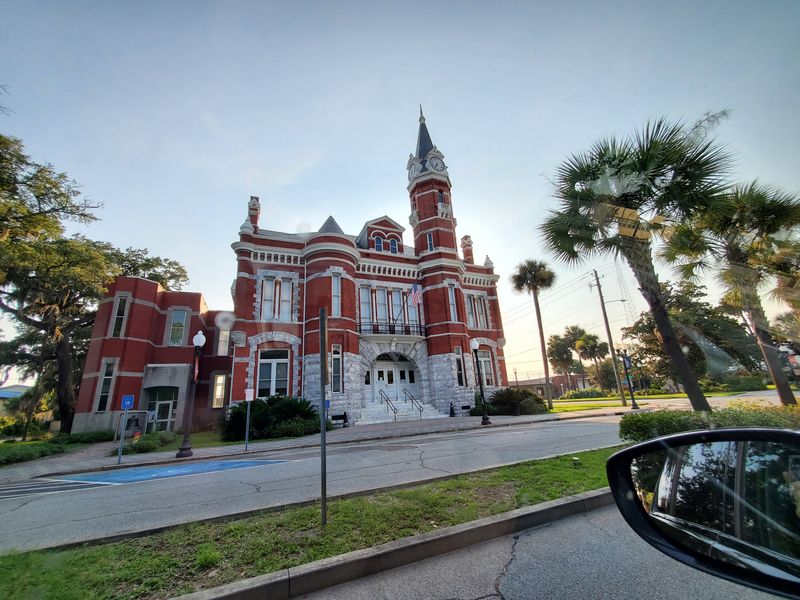
Coastal towns usually sell sunsets. This one also happens to be the busiest port in the country for automobiles, which quietly fuels everything else.
Downtown has caught the momentum. New restaurants have opened, and development interest has picked up noticeably across the historic core.
A recent approval turned heads locally. A $16 million two-part project plans an adaptive-reuse hotel with retail space, plus a new 50-unit apartment building in the 500 block of Gloucester Street.
Credit goes partly to Forward Brunswick, a local nonprofit. Its work includes restoring historic buildings, improving public spaces, and supporting cultural events that draw people downtown after work hours.
The comeback has older roots than most visitors realize. The National Trust for Historic Preservation designated the city a Main Street City back in 1986, with a focus on community health through the downtown core.
Squares and shaded streets make wandering easy. The mix of coastal air and century-old masonry is a combination I have not found anywhere else in the region.
Go hungry and go curious. Seafood is the obvious draw, but the storefront architecture deserves equal attention while you wait for a table.
Weekends bring more activity, though weekday mornings feel calmer. Either way, the waterfront is worth the short walk.
4. Americus
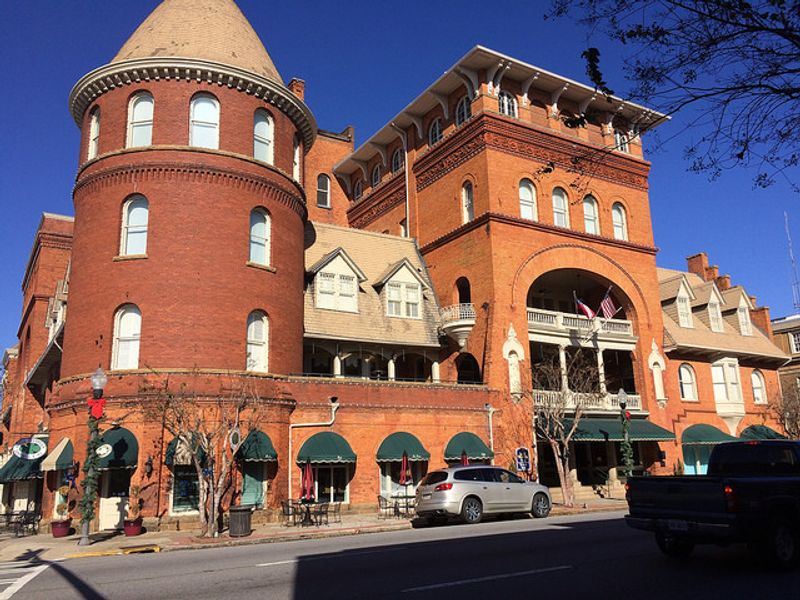
Few towns can claim a hotel that looks like a castle. The restored 1892 Windsor Hotel does exactly that, and it still anchors the district.
Funding is arriving for the streets themselves. The city will receive $1.7 million in FY26 Community Project Funding for downtown streetscape work, improving sidewalks, accessibility, and general safety.
Old buildings here get second careers instead of wrecking balls. The Allison Building from 1906 was converted into twelve residential units and two commercial spaces, earning an Excellence in Rehabilitation award.
Leadership matters in a comeback like this. The Downtown Development Authority and Main Street Americus both push economic growth and business development inside the historic district.
One project carries especially deep meaning. The Historic Americus Colored Hospital is being rehabilitated with National Park Service grants to become the Americus-Sumter County Civil Rights and Cultural Center.
Visitors have plenty to fill an afternoon. The early 20th century Rylander Theater and the Habitat for Humanity Global Village Museum sit within easy reach of the main blocks.
What struck me most was how much original fabric survived. Many downtown structures remain intact, and local leaders are openly committed to restoring more.
Bring comfortable shoes and a loose schedule. The core is compact, but the stories attached to each block slow you down in the best way.
5. Thomasville
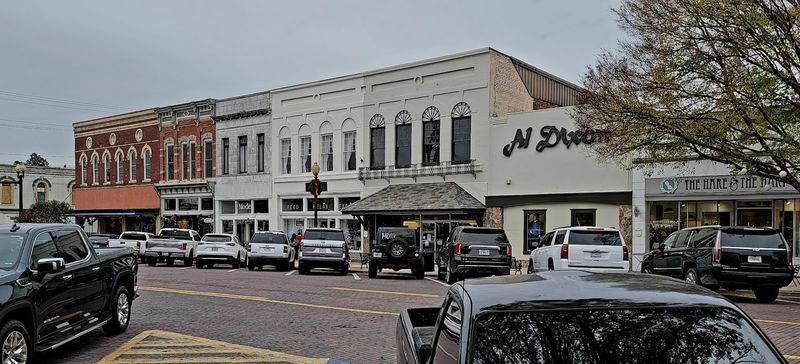
Awards can be noise, but some actually mean something. In 1998 this city won the Great American Main Street Award, the first in the state to earn it.
Recognition kept coming. The National Trust for Historic Preservation named it one of its Dozen Distinctive Destinations in 2000, citing a dynamic downtown and cultural diversity.
The money behind the charm is substantial. The Main Street Program here has facilitated more than $44 million in reinvestment across the historic commercial area since 1982.
Preservation started long before it was trendy. Efforts trace back to the mid-1960s, with groups like Thomasville Landmarks actively saving structures from ruin.
A recent project shows the standard is still high. The rehabilitation at 202 South Broad Street, a building originally constructed in 1873, won an Excellence in Rehabilitation award in 2025 and created retail and office space.
The residential streets hold a surprise for first-timers. During the late 19th century, wealthy northerners treated the town as a winter resort, and many elaborate winter homes still stand.
Those houses are enormous, detailed, and genuinely fun to admire from the sidewalk. Pair a house-gazing loop with a downtown lunch and the day plans itself.
Shops here lean independent rather than chain. That alone makes browsing feel less like errands and more like exploring.
6. McCaysville
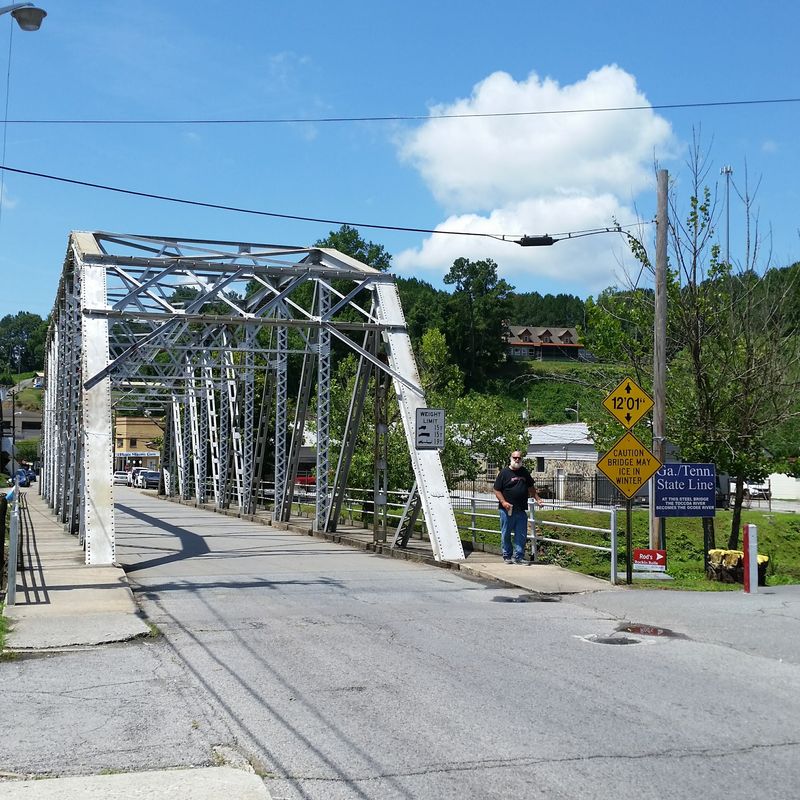
Standing with one foot in two states is a strange thrill. Known as one of the twin towns with Copperhill, Tennessee, this mountain spot leans into that quirk.
Revival here looks like fresh sidewalks and open doors. New shops, restaurants, parks, and streetscapes have appeared steadily in recent years.
The Riverwalk Shops pull most of the crowd. That revitalized complex holds three riverside restaurants and eleven shops, all within a short stroll.
Tourists arrive by rail, which is half the fun. The Blue Ridge Scenic Railway delivers hundreds of visitors who then spread out through town.
Local business owners organized rather than waited. The McCaysville Business Association works to stimulate economic development, encourage regional cooperation, and promote the area for living, dining, shopping, and investing.
Change came gradually instead of overnight. The town has been quietly evolving as investors recognized its potential and new gathering spots opened.
Outdoor options are the other draw. Whitewater rafting runs on the Ocoee River, while the Toccoa River suits tubing and kayaking for calmer days.
Recovery work is part of the current story too. In August 2026, downtown flash flooding tied to drainage issues from State Route 5 construction caused damage, and cleanup efforts have continued since.
Visiting now supports that rebuild. Grab lunch by the water and you are part of the comeback.
7. Hogansville
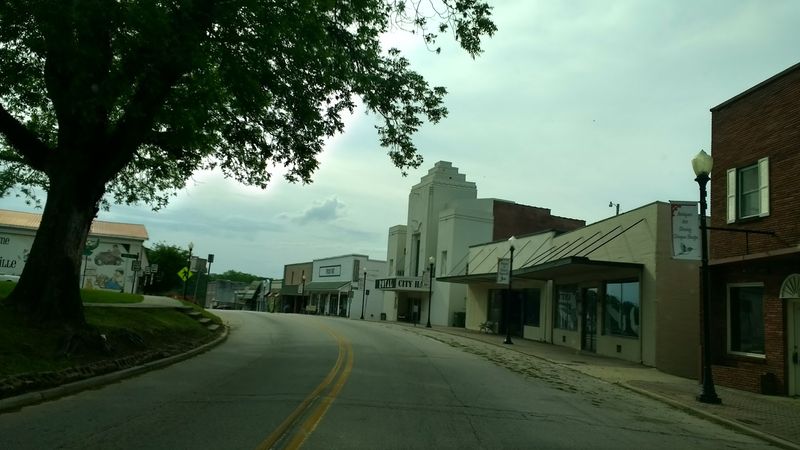
An old theater marquee glowing again is hard to beat. The historic Royal Theater reopened in 2024 and now hosts live performances, movies, and community events.
Arts alone do not rebuild a town, though. The Downtown Development Authority here is working on sustainable economic growth, preservation, and beautification at the same time.
Infrastructure got the unglamorous attention it needed. Over the past decade, grants funded systematic improvements to the wastewater collection and water distribution systems.
Connectivity is covered as well. The city carries a Broadband Ready Community designation, which matters more than ever for small-town business.
State support sweetens the deal for investors. Downtown has been designated a Rural Zone, offering tax credits for job creation, investment, and building renovations.
Growth numbers here are striking for a town this size. Some 2,735 new housing units sit in planning, design, or construction stages.
Jobs are following the rooftops. An Amazon Sortation Center is announced for 2027, projected to create roughly 1,000 positions.
If you visit, check the theater schedule first. Catching a show gives the trip a natural centerpiece, and the surrounding blocks are easy to explore before curtain.
You can find the venue on the main downtown strip at 400 East Main Street. Arrive early enough to look around outside.
8. Atlanta’s South Downtown
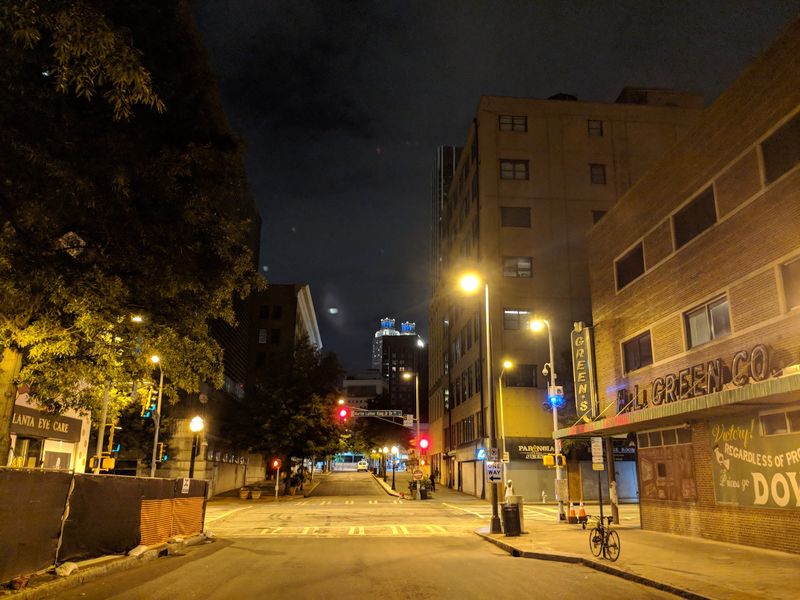
Ten blocks with more than 50 historic buildings is a rare canvas. A $140 million investment is reshaping exactly that footprint.
The plan is ambitious and specific. Turn-of-the-century structures are becoming 140 housing units, 65,000 square feet of office space, and 100,000 square feet of retail.
Walkability sits at the center of the strategy. Developers aim for a safe, livable neighborhood that attracts entrepreneurs and links with Georgia State University and the Atlanta University Center.
Storefronts are filling with independent ideas. Boutique restaurants and local retail concepts have been opening across the district rather than familiar chains.
One project stands out for scale and character. The renovation of 85 Peachtree, formerly the Bass Dry Goods building, is creating apartments with ground-floor retail and a public courtyard.
A global event sped everything up. The FIFA World Cup 2026 acted as a catalyst and served as a debut for the area.
Focus has since shifted to the long game. Developers are now concentrating on managing operations and leasing the remaining spaces.
For visitors, the appeal is architectural. Old cornices, tile entries, and tall windows sit right beside brand-new interiors.
Go on foot and look up often. The detail work on these facades is the reason the whole project was worth saving.
9. Madison
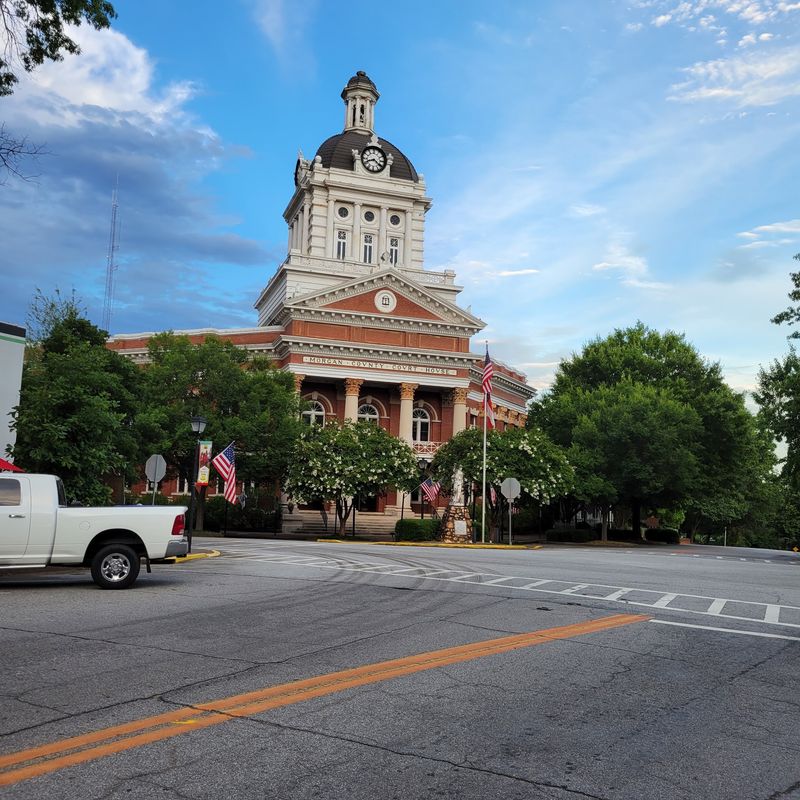
Some towns preserve buildings out of sentiment. Here, preservation is treated as an economic strategy backed by state and federal rehabilitation tax credits.
The scale of the district surprises people. It ranks among the largest designated historic areas statewide, with over 100 contributing buildings.
Antebellum and Victorian architecture defines the streets. Columns, wide porches, and ornate trim appear block after block without feeling staged.
Credentials back up the reputation. The city is a Certified Local Government through the National Park Service and joined the Georgia Main Street Program, earning Georgia Exceptional Main Street status in 2017.
Property owners get real help improving facades. The Downtown Development Authority runs a grant program encouraging commercial owners to upgrade their buildings.
Two rescues stand out among many. The circa 1890 McLeroy House and the Richter Cotton Seed Warehouse were both saved, rehabilitated, and recognized with awards.
Students come here to learn the craft. The town functions as a living laboratory and model for small communities, with master’s programs in historic preservation bringing people in for practical study.
For a visitor, that translates into unusually cohesive streetscapes. Nothing feels randomly modernized or awkwardly patched together.
My suggestion is to start downtown, then loop through the residential blocks. Bring water, take your time, and notice how many porches still have rocking chairs in use.