9 Historic Kentucky Ruins That Belong On Your Bucket List
Kentucky does not advertise its ruins, which is exactly why they feel like a discovery. You will find enormous stone furnaces standing in the middle of a forest with almost nobody around.
They once employed a thousand men and produced iron for a country in a hurry. Now they hold up trees.
There is a tavern in Park City that hosted European travelers headed to Mammoth Cave before it burned in the eighteen hundreds. A coal town along the Big South Fork sits quiet where hundreds of families once lived.
Some of these places have a parking lot and a sign. Others require a walk and a willingness to check yourself for ticks afterward.
All nine reward the effort in a way that photographs never quite capture. You put your hand on a wall somebody built by hand and the whole century collapses a little.
Bring good shoes and a full tank of gas.
1. Fitchburg Furnace
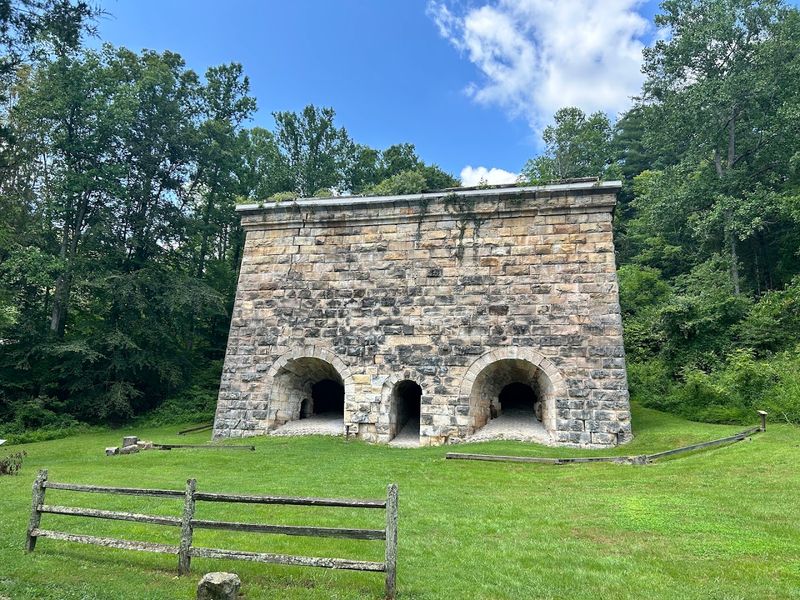
Some ruins look like they belong in a fantasy novel. Fitchburg Furnace is one of them.
Standing nearly 50 feet tall, this massive stone stack rises out of the forest like something ancient and proud.
Built in 1868, it once produced iron using local timber and ore. The furnace operated for only a few years before it was abandoned.
Nature quickly moved in after that.
Today, moss and vines creep along its stone walls, giving it a dramatic, almost theatrical look. The surrounding woods make the approach feel like a real discovery.
You almost expect to hear the furnace roar back to life.
What makes Fitchburg special is its sheer size. Most furnace ruins in Kentucky are impressive, but this one towers above the rest.
It is genuinely hard to believe something this enormous was built by hand.
The site sits along 1875 Fitchburg Rd in Ravenna, and getting there is part of the fun. The trail is manageable for most hikers and rewards you with one of the most photogenic ruins in the entire state.
Bring good shoes and a camera with a wide lens. You will need both.
2. Clear Creek Iron Furnace
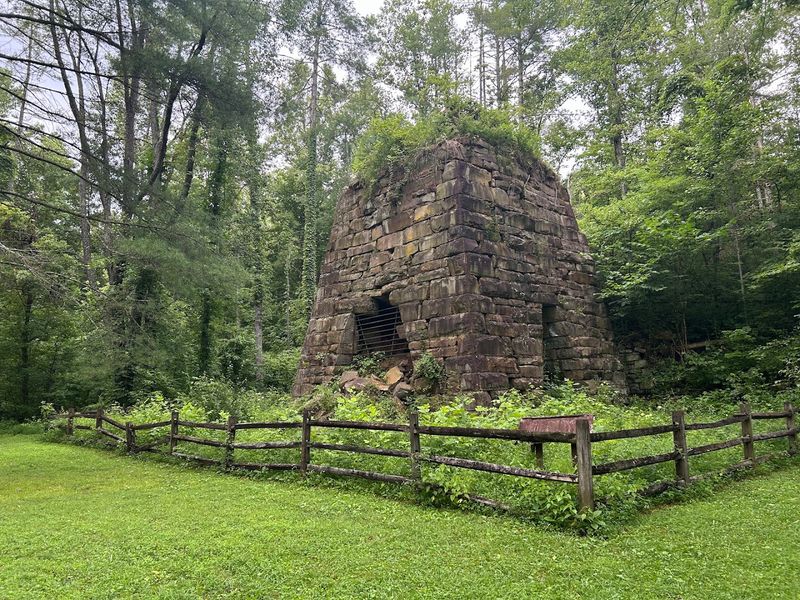
Not every historic site needs a crowd to feel important. Clear Creek Iron Furnace sits quietly along Clear Creek Rd in Salt Lick, and that quietness is exactly what makes it worth visiting.
Built around 1839, this furnace was part of the Hanging Rock Iron Region, a network of iron-producing sites that stretched across Kentucky and Ohio. It helped fuel a growing nation during a time when iron was everything.
The stone structure has held up remarkably well over the decades. The arch at its base is still intact, and you can peer through it and imagine the heat that once poured from this spot.
It is both beautiful and a little humbling.
Clear Creek is a peaceful destination. The creek itself runs nearby, adding a soft sound backdrop to your visit.
In autumn, the surrounding trees turn brilliant shades of orange and red, making the stone ruins look even more dramatic by contrast.
This is a great spot for photographers, history lovers, and anyone who appreciates a peaceful afternoon away from the noise. The site is easily accessible and free to visit.
Pack a picnic, take your time, and let the history sink in slowly. Sometimes the quietest places have the loudest stories.
3. Cottage Furnace
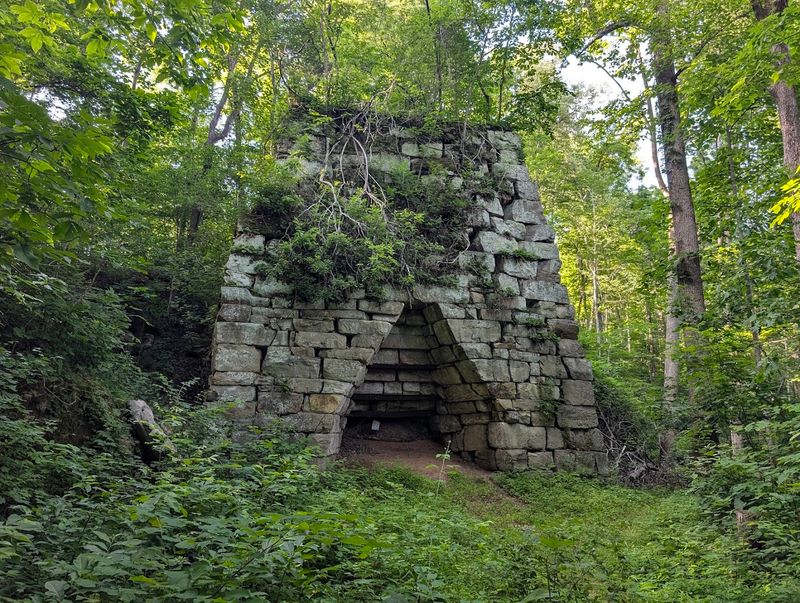
Stumbling across Cottage Furnace feels like finding a secret. It sits off Marbleyard Rd in Ravenna, and most people drive past without ever knowing it is there.
That is honestly their loss.
This furnace is smaller than its neighbors, but size is not everything. The craftsmanship in the stonework is striking up close.
Each block was placed with intention, and the structure has survived decades of Kentucky weather without falling apart.
Cottage Furnace was part of the same iron-producing era that transformed this region in the 1800s. Kentucky was once a major player in American iron production, and sites like this one are the physical evidence of that chapter.
It is easy to forget how industrial this landscape once was.
The surrounding area has a calm, almost secretive atmosphere. Tall trees close in around the structure, filtering the light in a way that makes every photo look like it was shot on film.
Visiting in the early morning gives you the best light and the most solitude.
If you are planning a ruins road trip through Estill County, Cottage Furnace pairs perfectly with Fitchburg Furnace nearby. Together, they paint a fuller picture of what life and industry looked like in this corner of Kentucky over 150 years ago.
Go slow. Notice the details.
4. Bourbon Iron Furnace
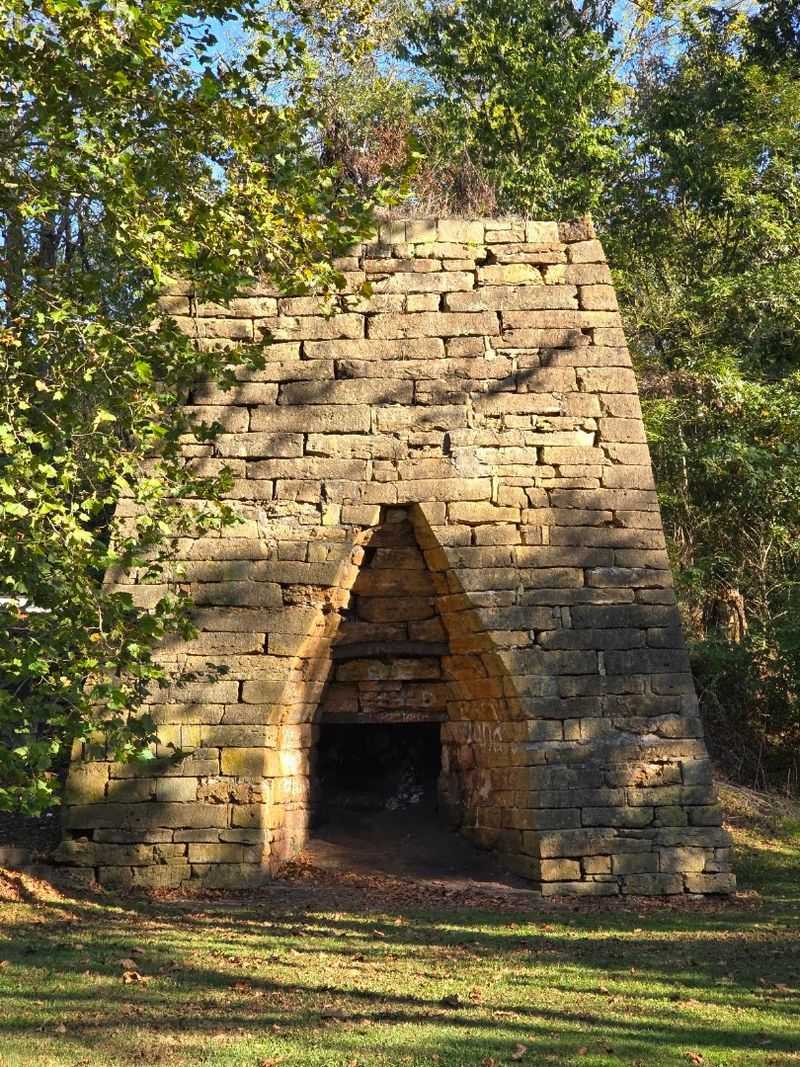
Right along the road, hiding in plain sight, Bourbon Iron Furnace dares you to slow down and look. Located at 2402 KY-36 in Owingsville, this roadside ruin is one of the most accessible historic sites in Bath County.
Built in 1791, it is one of the oldest iron furnaces in Kentucky. That age alone is worth pausing for.
The structure has been standing for over 230 years, which is longer than most things in America.
The furnace arch is the real showstopper. It frames a view straight through the stone base, and the craftsmanship is surprisingly refined for something built on the frontier.
You can tell the people who built this took real pride in their work.
The site is maintained and easy to reach, which makes it a great stop even if you are just passing through on a road trip. There is no long hike required.
You pull over, walk a short distance, and suddenly you are standing in front of history.
Bourbon Iron Furnace is a reminder that Kentucky’s industrial past runs deep. Long before the state became known for horses and bourbon, it was making iron that helped build a country.
That is a story not enough people know, and this furnace tells it better than any textbook ever could.
5. Bell’s Tavern
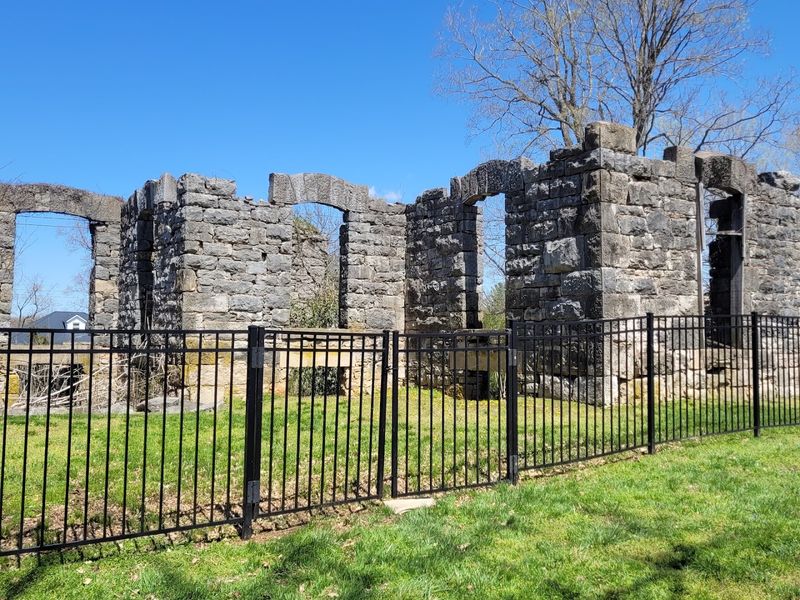
Before highways existed, travelers needed places to stop, eat, and rest. Bell’s Tavern was that place for thousands of people journeying through Kentucky in the 1800s.
Now its roofless stone walls stand along Old Dixie Hwy in Park City, telling that story without saying a word.
The tavern was built in the early 1800s and became a popular stop on the road between Louisville and Nashville. Stagecoaches rolled through regularly, and the building saw its share of travelers, merchants, and wanderers passing through.
What remains today is a striking shell of thick limestone walls. No roof, no floors, just the bones of a building that once buzzed with conversation and activity.
Standing inside it feels oddly intimate, like reading someone else’s diary.
The ruins sit near Mammoth Cave National Park, which makes Bell’s Tavern a natural addition to any cave country road trip. Most visitors to the area never even know it exists, which keeps the experience refreshingly uncrowded.
There is something deeply satisfying about visiting a place that served travelers long before you and will likely outlast all of us. Bell’s Tavern is not flashy.
It does not need to be. It earns your attention simply by still being here, stubborn and stone-solid, after all these years.
6. Blue Heron Mining Community
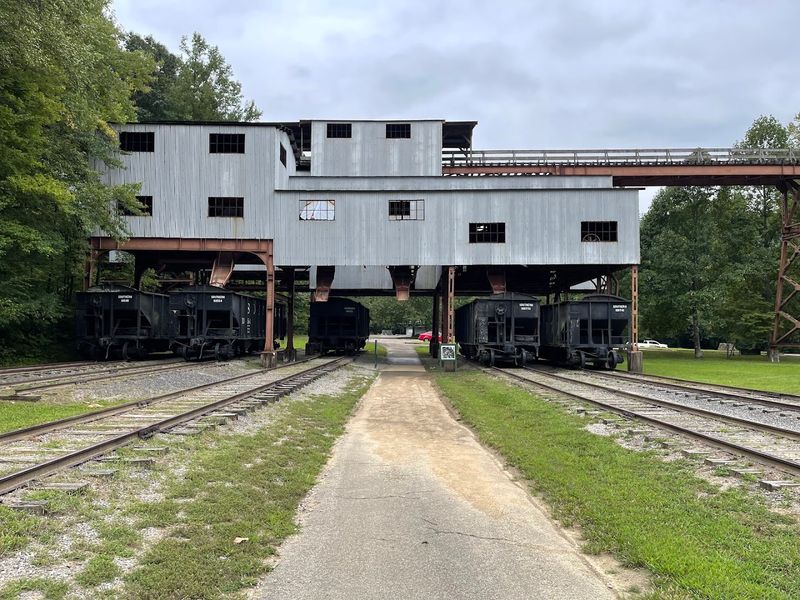
Blue Heron is a reconstructed historic mining community that preserves the story of the former coal camp through interpretive structures and exhibits.
Located along Blue Heron Rd in Stearns, this community sits inside the Big South Fork National River and Recreation Area.
The original community, also known as Mine 18, operated from 1937 to 1962. At its peak, dozens of families lived and worked here.
When the mine closed, everyone left almost overnight. The buildings that remain today are open-air shells with recorded voices playing inside them.
Those voices are the real magic. Former residents share memories of daily life, work, and community.
You hear a child describe playing near the tipple. You hear a miner talk about his shift.
It is unexpectedly moving and very well done.
The setting along the Big South Fork River adds a natural beauty that contrasts sharply with the industrial history. A scenic railroad also connects Stearns to Blue Heron, offering a fun and atmospheric way to arrive at the site.
Blue Heron works on multiple levels. It is a history lesson, a nature walk, and an emotional experience all rolled into one visit.
Families with kids will find it especially engaging. The voices make the past feel present in a way that photographs and plaques simply cannot match.
Plan at least two hours here.
7. Fort Duffield
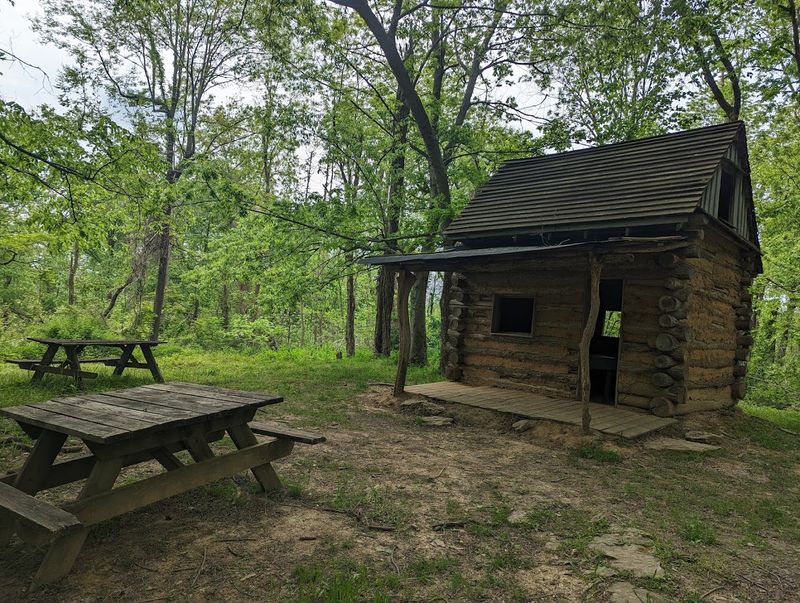
Earthworks do not get the attention they deserve. Fort Duffield, located along Fort Duffield Rd in West Point, is one of the best-preserved Civil War earthen fortifications in Kentucky, and most people have never heard of it.
Built in 1861 by Union forces, the fort was designed to protect the Louisville and Nashville Railroad and the nearby Ohio River crossing. It was a strategic location, and the soldiers who built it knew exactly what they were doing.
The earthworks are still remarkably intact.
Walking the perimeter of the fort gives you a real sense of military engineering from that era. The mounds and trenches were carefully constructed to maximize defensive advantage.
Standing on the walls, you can see why this hilltop position mattered so much.
The park surrounding the fort is well maintained and free to visit. Interpretive signs throughout the site explain the fort’s layout and role during the conflict.
It is the kind of place where history becomes spatial and physical rather than just written on a page.
West Point is a small town, but Fort Duffield gives it an outsized historical significance. If you are a Civil War enthusiast or just someone who appreciates outdoor history sites, this one belongs near the top of your list.
The views from the earthworks are a bonus you will not expect but definitely will not forget.
8. Waverly Hills Sanatorium
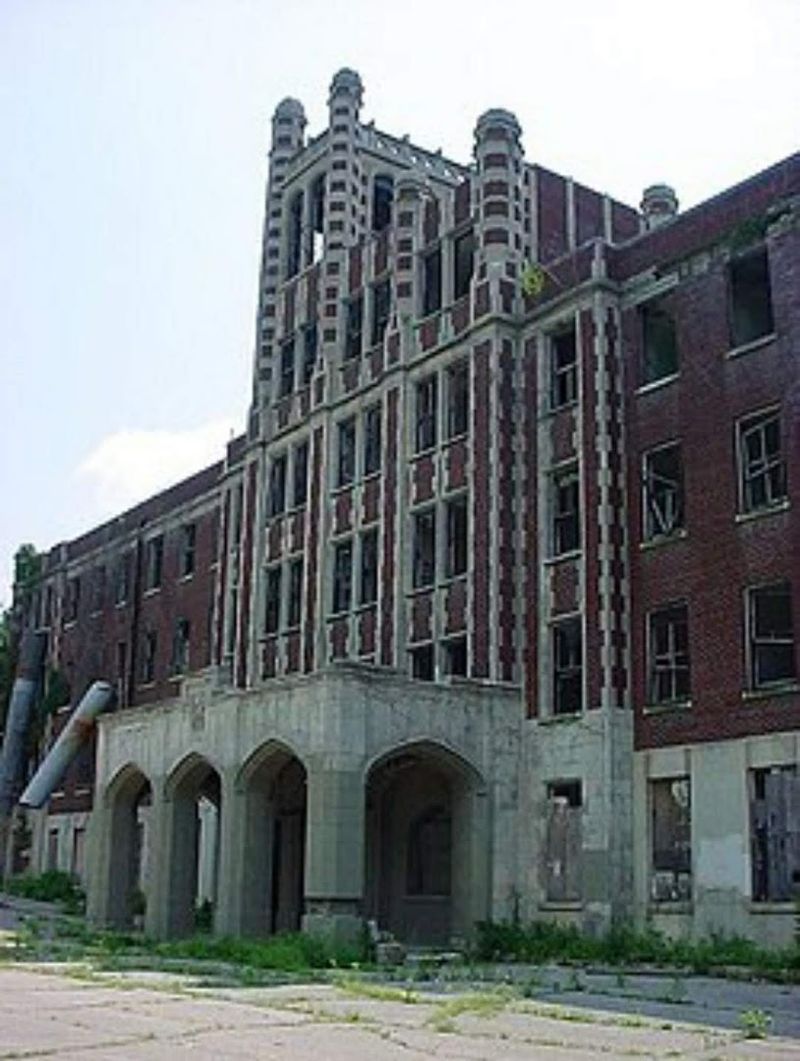
Waverly Hills Sanatorium is the kind of place that gets under your skin. This massive Gothic structure was built in 1926 to treat tuberculosis patients during one of the worst outbreaks in American history.
At its peak, the facility housed hundreds of patients at a time. The building was state of the art for its era, with rooftop sun decks designed to maximize fresh air exposure as part of treatment.
It was a place of both suffering and genuine medical innovation.
The building closed in 1982 after serving various purposes over the decades. What remains today is a sprawling, atmospheric shell that has become one of the most visited historic sites in Kentucky.
Tours run regularly and draw visitors from across the country.
The architecture alone justifies the trip. The long corridors, arched windows, and sheer scale of the building are genuinely impressive.
Even in broad daylight, the place has a weight to it that is hard to describe but easy to feel.
Waverly Hills is a serious piece of Kentucky history. It represents a chapter of public health struggle that shaped how America approached disease and medicine.
Whether you visit for the history, the architecture, or pure curiosity, you will leave with a lot to think about.
Located at 4400 Paralee Dr in Louisville, this one stays with you.
9. Camp Nelson National Monument
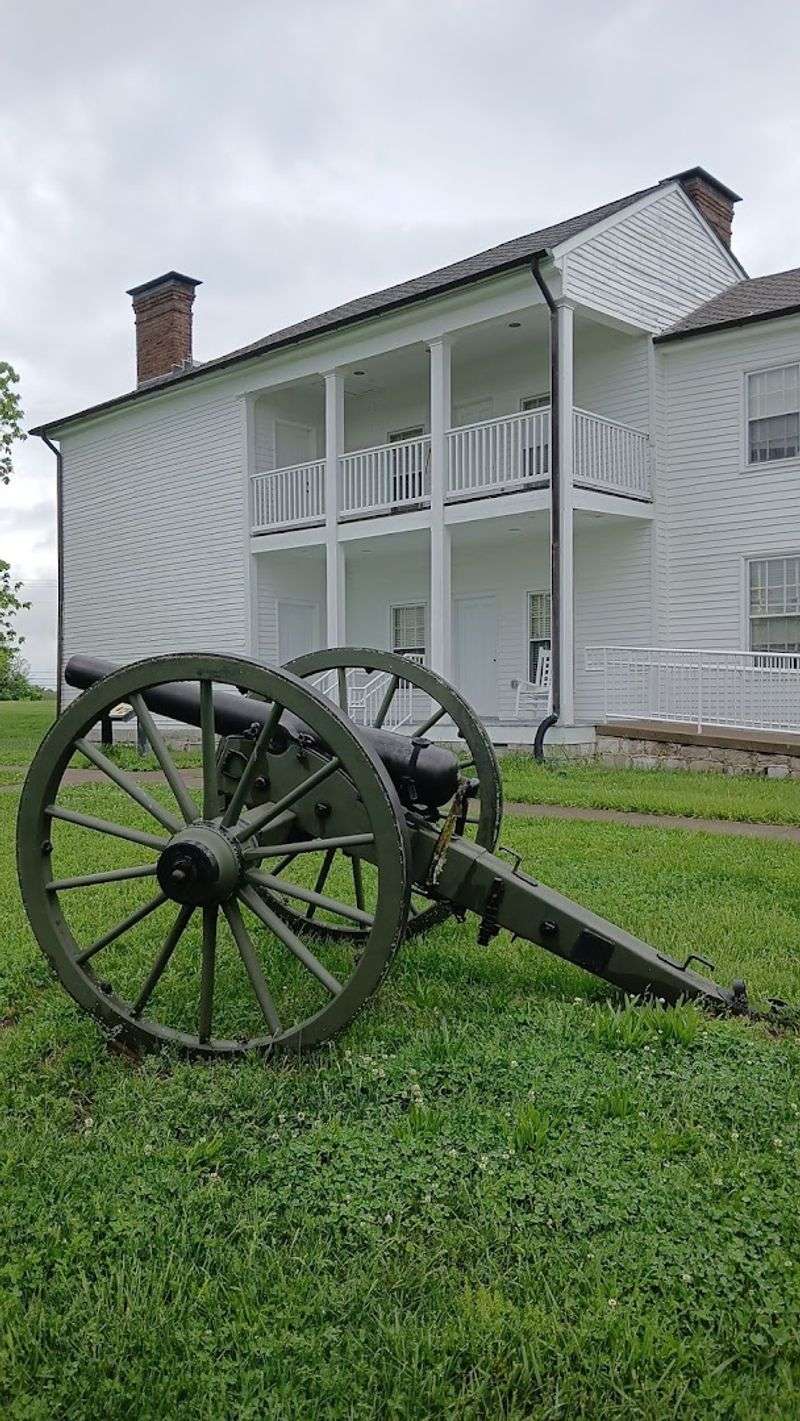
Camp Nelson carries a story that most Americans do not know well enough. Located at 6614 Danville Rd in Nicholasville, this site served as a major Union Army supply depot and recruitment center for African American soldiers during the Civil War.
Over 10,000 African American men enlisted here, making it one of the largest recruitment sites in the nation. The camp also became a refuge for the families of those soldiers, though their treatment there was complicated and often painful.
That full story is told honestly at the visitor center.
The site became a National Monument in 2018, which brought new resources and attention to its preservation. The grounds include preserved earthworks, foundations, and a restored 1862 home that serves as a museum.
The exhibits are thoughtful and well-researched.
Walking the grounds feels significant. The landscape is beautiful, with rolling fields and views of the Kentucky River palisades nearby.
But the beauty is layered with history that demands your full attention. This is not a casual stroll kind of place.
Camp Nelson represents a turning point in American history, and visiting it feels like an act of respect. The monument does an excellent job of honoring everyone who passed through these grounds.
It is educational, emotional, and genuinely moving. Give yourself at least half a day to do it justice.