Historic Pennsylvania Restaurants Passed Down For Four Generations That Still Draw A Crowd
Pennsylvania’s restaurant scene holds treasures that most states can only dream about.
Family-owned eateries that have survived wars, economic downturns, and changing tastes continue to serve meals with the same recipes and dedication their great-great-grandparents started with.
I’m taking you on a journey through time to discover places where history isn’t just preserved—it’s served on a plate.
1. McGillin’s Olde Ale House
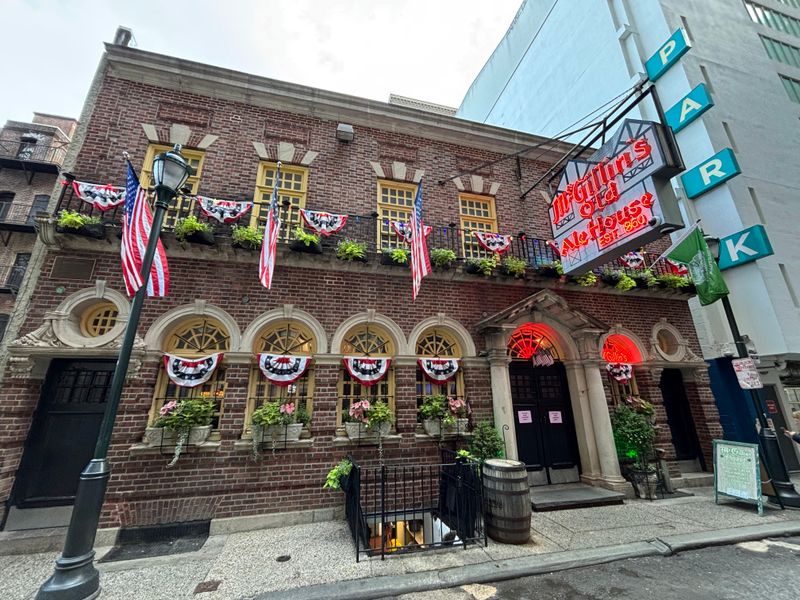
Walking into this place feels like stepping back into Civil War times.
Located at 1310 Drury St, Philadelphia, PA 19107, this Irish pub has been pouring drinks since 1860.
The tavern survived Prohibition by serving “near beer” and food, keeping its doors open when many others closed forever.
Philadelphia claims this as its oldest continuously operating tavern, and the walls tell stories of generations who gathered here.
You’ll find traditional Irish fare alongside American classics, all served in rooms decorated with memorabilia from over 160 years of operation.
The atmosphere buzzes with locals and tourists alike, drawn by authentic history you can’t fake.
Wooden booths worn smooth by countless patrons create an ambiance modern restaurants try to copy but never quite capture.
2. King George II Inn
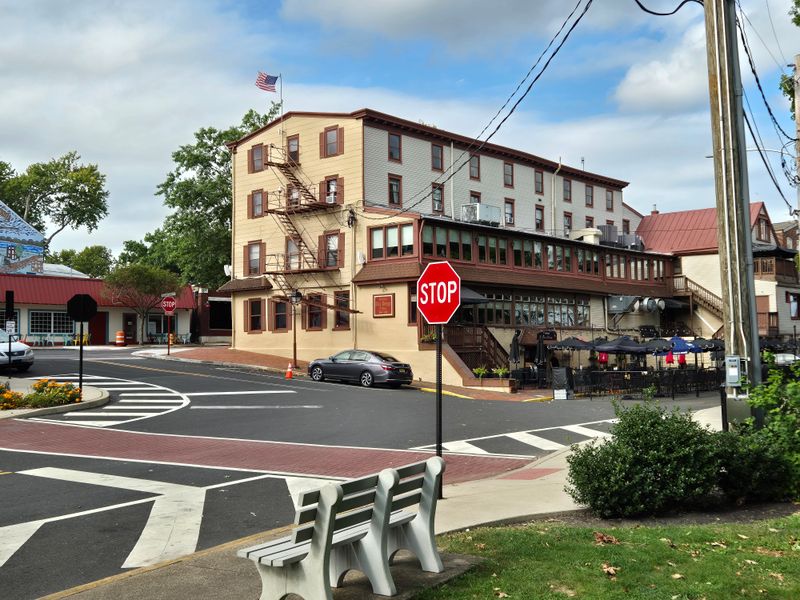
Imagine eating dinner in a building that predates the United States itself.
Situated at 102 Radcliffe St, Bristol, PA 19007, this inn opened its doors in 1681.
That makes it possibly the oldest continuously operated inn in America, serving travelers for over three centuries.
The Delaware River flows just outside, the same view stagecoach passengers enjoyed while traveling between New York and Philadelphia.
Original stone walls and low-beamed ceilings transport diners to colonial times with every visit.
Four generations of the same family have maintained its historic character while updating the menu to satisfy modern tastes.
You can order contemporary dishes in rooms where Revolutionary War soldiers might have rested.
The inn represents living history that continues welcoming guests just as it did centuries ago.
3. Miller’s Smorgasbord
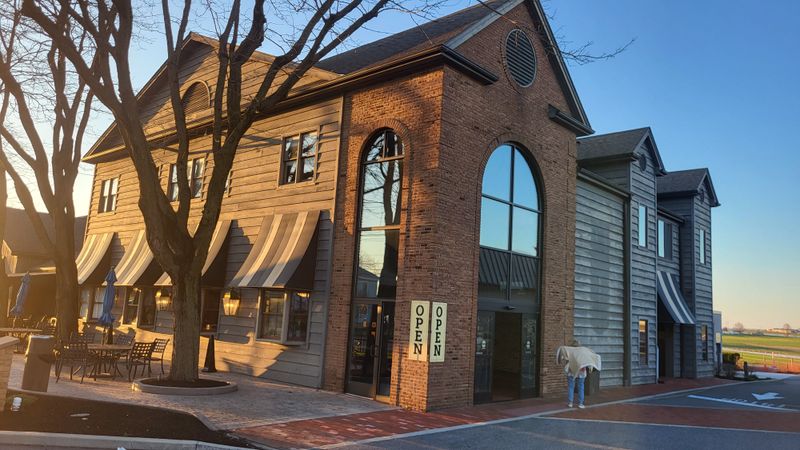
Pennsylvania Dutch cooking reaches its peak at this legendary buffet.
You’ll find it at 2811 Lincoln Hwy E, Ronks, PA 17572, serving since 1929.
The Miller family started with simple home-style meals and grew into one of America’s top-rated buffet restaurants.
Generations have passed down recipes for chicken pot pie, shoofly pie, and other Lancaster County specialties that fill the lengthy buffet tables.
Families arrive hungry and leave amazed at the variety and authenticity of traditional dishes.
The dining rooms accommodate crowds while maintaining a welcoming farmhouse feel that honors Amish heritage.
You’re not just eating a meal you’re experiencing cultural traditions preserved through careful family stewardship.
Recognition as a national top buffet proves that quality and tradition still matter to diners seeking genuine experiences.
4. Spring House Tavern
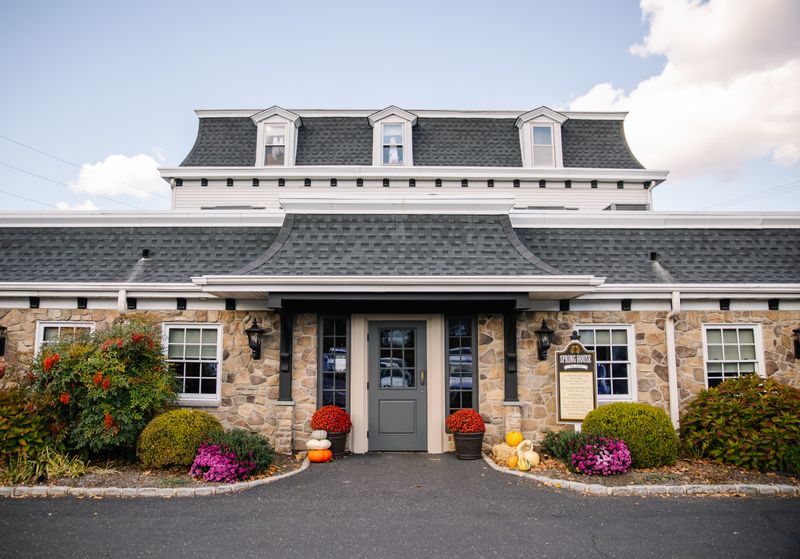
Colonial architecture meets destination dining in this 1798 landmark.
The address is 1032 N Bethlehem Pike, Ambler, PA 19002, though it recently closed.
Before Pennsylvania even had proper highways, this inn served weary travelers seeking rest and refreshment.
The Heebner family transformed it into a beloved restaurant in the early 1900s, creating a legacy that lasted over a century.
Stone walls and period details reminded every diner of the building’s deep roots in American history.
Generations of families celebrated milestones here, creating their own traditions within these historic walls.
The colonial ambiance combined with refined cuisine made it special for both everyday dinners and celebrations.
Though its doors have closed, the memories and impact on Pennsylvania’s culinary landscape remain significant for those who experienced its charm.
5. The Town Tavern
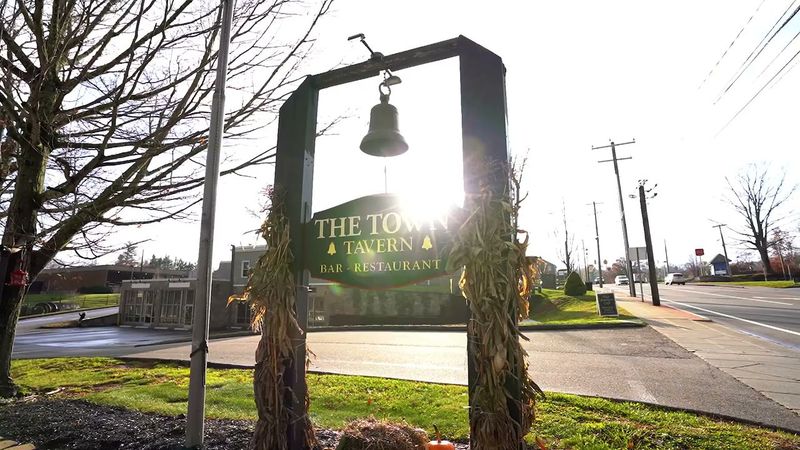
Stopping here means dining where stagecoach travelers once rested their horses.
This establishment has served the community continuously since the late 1700s, maintaining traditions through multiple family generations.
Original fireplaces still warm the dining rooms during Pennsylvania winters, just as they did for colonial-era guests.
The building’s thick stone walls and hand-hewn beams showcase craftsmanship from an era when everything was built to last forever.
Recipes handed down through generations appear on menus alongside contemporary additions that respect culinary heritage.
You’ll notice how the family running it treats regulars like extended relatives, creating atmosphere money can’t buy.
Local ingredients prepared with time-tested techniques result in meals that taste like history itself.
Each generation adds their touch while preserving what made their ancestors’ restaurant special to begin with.
6. The Farnsworth House Inn
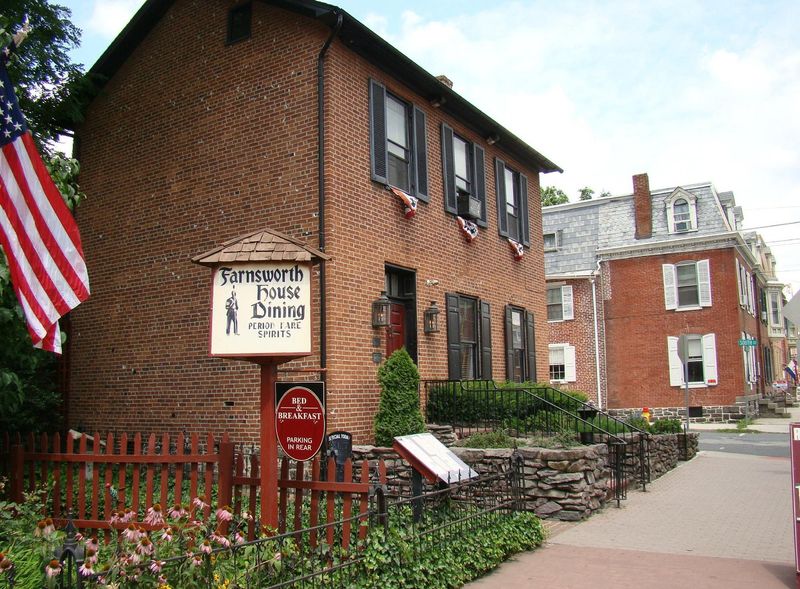
Bullets from the Battle of Gettysburg remain lodged in this building’s brick walls.
Operating as both inn and restaurant since the 1800s, it witnessed one of America’s most significant battles firsthand.
The family running it today maintains period-appropriate recipes and dining experiences that transport guests to Civil War times.
You can eat in the same rooms where Confederate sharpshooters positioned themselves during those fateful July days.
Historical accuracy matters here from the menu items to the serving style to the authentic period furnishings throughout.
Ghost stories add intrigue for those interested in paranormal possibilities, though the food stands on its own merits.
Each generation of owners has balanced historical preservation with hospitality, creating an experience that educates while it satisfies.
Dining here means participating in living history rather than just reading about it in books.
7. The Jean Bonnet Tavern
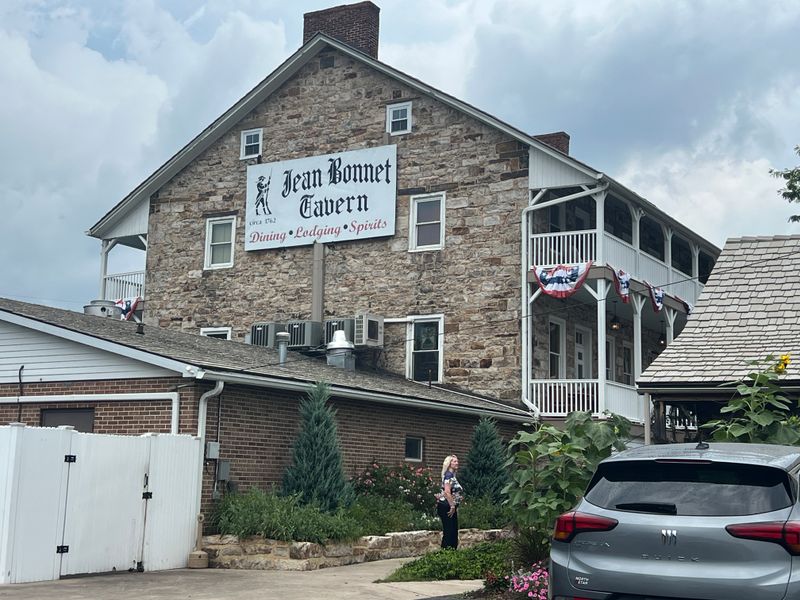
This stone building has welcomed travelers since 1762, making it older than the nation itself.
Four family generations have preserved its role as a rest stop along historic routes through Pennsylvania’s mountains.
The tavern served as a stagecoach stop where passengers could eat, drink, and sleep before continuing their journeys.
Original stone walls and period details create an atmosphere that modern designers spend fortunes trying to recreate artificially.
You’ll find traditional American fare prepared with respect for both history and hungry diners seeking substantial meals.
The building survived wars, economic changes, and shifting transportation patterns by adapting while maintaining its essential character.
Each generation of owners understood their responsibility as stewards of an irreplaceable historic property.
Eating here connects you to centuries of travelers who sat in these same rooms, sharing stories and sustenance.
8. Dobbin House Tavern
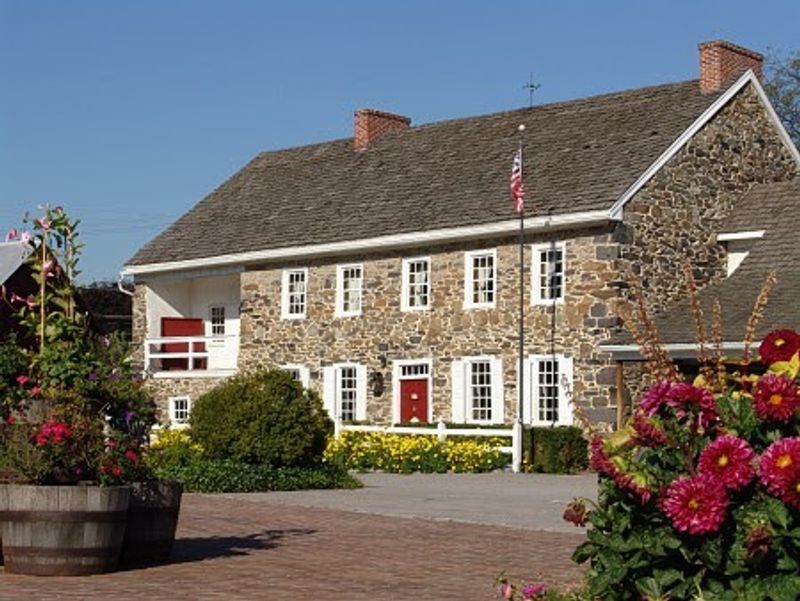
Built in 1776, this restaurant shares its birth year with American independence.
The building served as a station on the Underground Railroad, hiding freedom seekers in secret spaces that still exist today.
Four generations of the current family have operated it as a restaurant, honoring both its culinary and humanitarian history.
You can dine in the original tavern rooms or explore the historic spaces between courses.
Colonial recipes appear on the menu alongside dishes adapted for contemporary tastes, all prepared with historical authenticity in mind.
The stone cellar where enslaved people once hid now stores wine, a reminder of the building’s complex past.
Each family generation has balanced profitable restaurant operation with historical preservation and education.
Visitors leave with full stomachs and fuller understanding of Pennsylvania’s role in American history.
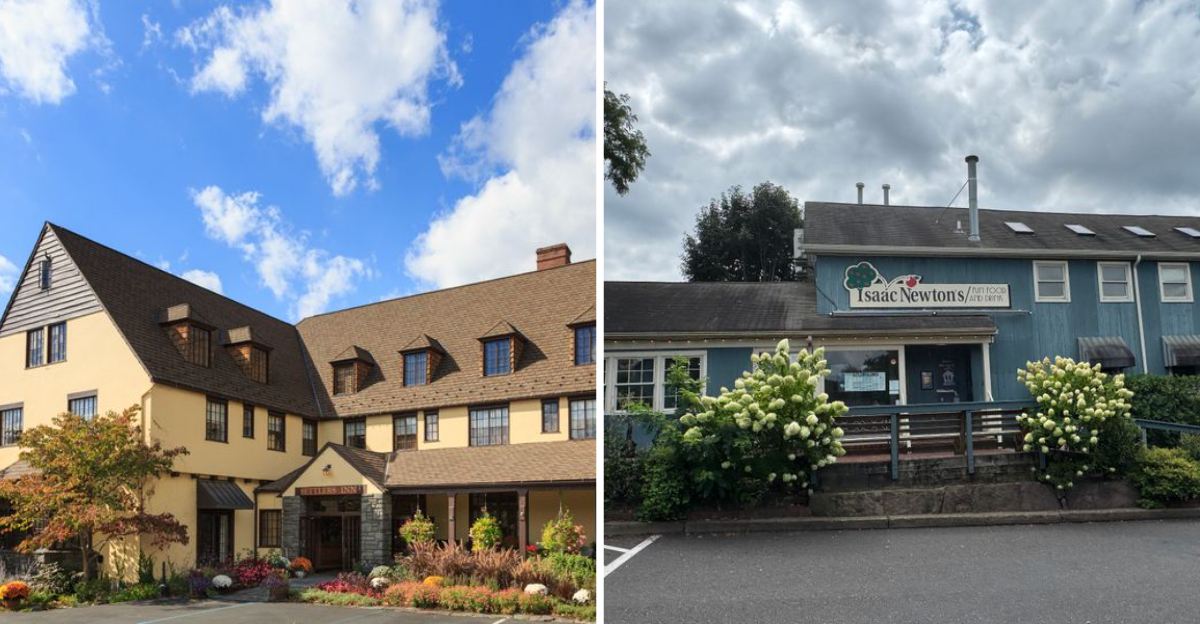
9. The Settlers Inn
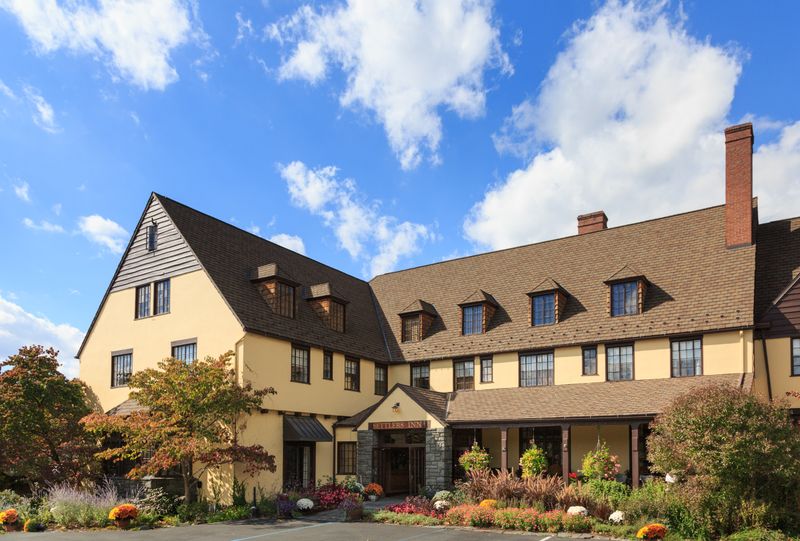
Arts and Crafts architecture distinguishes this restaurant from typical historic establishments.
Built in the early 1900s, it has remained in family hands for four generations of dedicated hospitality.
The dining philosophy emphasizes local ingredients and seasonal menus that change with Pennsylvania’s harvests.
You’ll notice the attention to detail in both the building’s craftsman-style woodwork and the carefully plated dishes.
Each generation has updated culinary techniques while respecting the founders’ commitment to quality and community connection.
The restaurant supports local farmers and artisans, creating economic relationships that benefit the entire region.
Diners appreciate knowing their meals contribute to sustainable agriculture and traditional food production methods.
Family ownership means decisions prioritize long-term reputation over short-term profits, resulting in consistency that keeps customers returning for decades.
10. The General Warren Inne
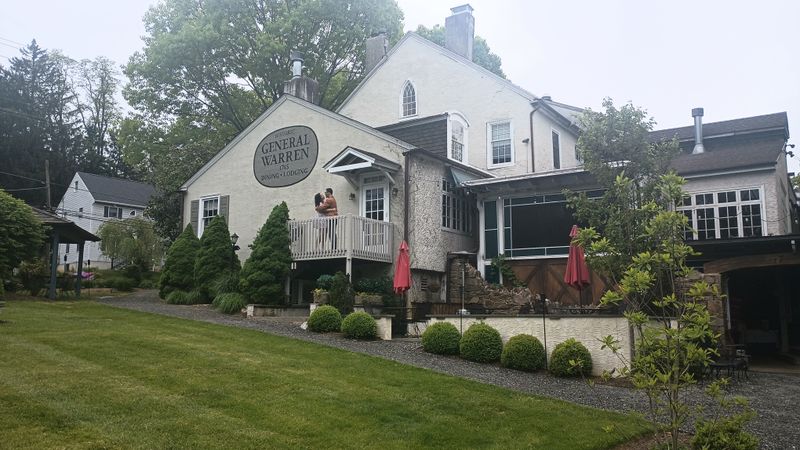
Revolutionary War soldiers actually drank at this bar when it opened in 1745.
Four family generations have maintained its operation, preserving colonial character while serving contemporary guests.
The building’s age shows in charming ways uneven floors, low doorways, and fireplaces that actually heat the rooms.
You’ll find traditional American cuisine prepared with modern techniques that improve consistency without sacrificing authenticity.
The family understands their role as preservationists of both a building and a dining tradition spanning centuries.
Original details like hand-forged hardware and wide-plank floors remind diners they’re experiencing genuine history.
Each generation has resisted pressures to modernize away the quirks that make the place special and irreplaceable.
Eating here means supporting family businesses that value heritage over trends and quality over quick profits.
11. Isaac Newton’s
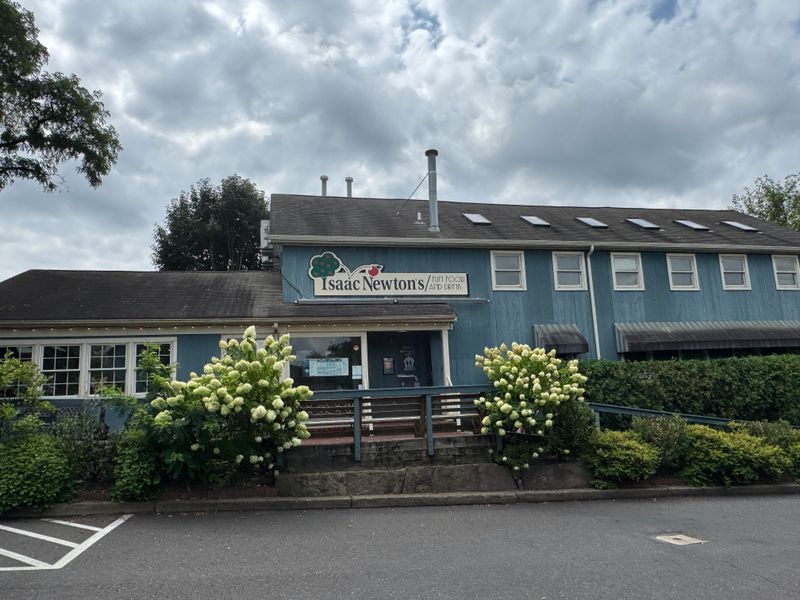
This establishment has anchored its community since the late 1800s, surviving everything history threw at it.
Four generations of family ownership have adapted to changing times while maintaining core values of quality and service.
The menu balances classic American dishes with innovative specials that showcase seasonal Pennsylvania ingredients.
You’ll notice how staff members often include family relatives who grew up learning the business from their parents.
That continuity creates institutional knowledge about customer preferences and community expectations that can’t be taught in culinary school.
Original architectural details blend with necessary modern updates, creating comfortable spaces that respect the building’s history.
Each generation has invested profits back into the property rather than chasing expansion or franchising opportunities.
The result is a restaurant that feels permanent and authentic in an age of constant change.