Hit The Road With A Food Lover’s Guide To Cincinnati, Ohio
Cincinnati sits proudly along the Ohio River, blending rich history with a thriving food culture that has drawn hungry travelers for generations.
From sausages seasoned with steel-cut oats to ice cream crafted in French pots, this city serves up flavors that tell stories of German immigrants, creative chefs, and passionate food lovers.
Whether sampling chili served over spaghetti or biting into ribs slathered with legendary sauce, every meal becomes a delicious adventure worth taking.
Cincinnati-Style Chili
Imagine a chili that breaks all the rules you thought you knew about the classic dish.
Cincinnati chili swaps out the traditional Tex-Mex heat for a surprising blend of Mediterranean spices like cinnamon, allspice, cloves, and sometimes even a hint of chocolate.
The result is a rich, slightly sweet sauce that drapes beautifully over spaghetti or nestles into a hot dog bun.
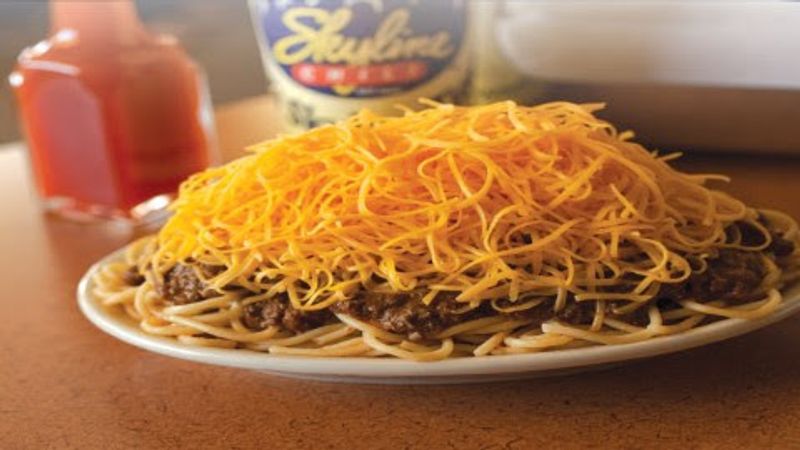
Locals order it by number: three-way means spaghetti, chili, and cheese; four-way adds onions or beans; five-way piles on both.
Skyline Chili, located at 643 Vine Street, Cincinnati, OH 45202, has been serving this iconic dish since 1949, and the aroma of simmering spices greets visitors the moment they step inside.
The shredded cheddar comes in generous heaps, melting into the warm noodles.
First-timers might feel skeptical about spaghetti topped with chili, but one bite usually wins them over.
The combination feels comforting rather than strange, especially on chilly evenings when the steam rises from the plate.
Many families have their favorite parlor, debating passionately about which spot makes the best version, turning a simple meal into a cherished tradition passed down through generations.
Findlay Market
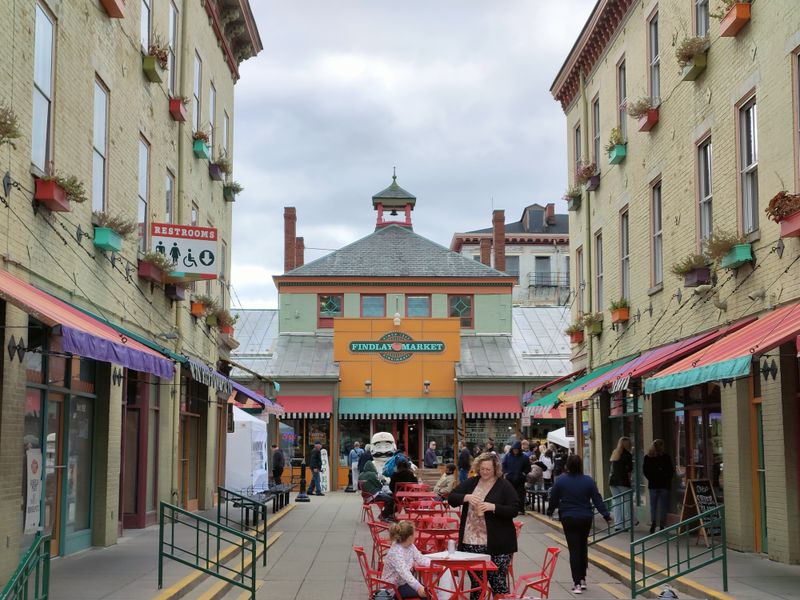
Every Saturday morning, the oldest continuously operating public market in Ohio comes alive with voices calling out prices, the rustle of paper bags, and the mingled scents of fresh bread, ripe peaches, and sizzling sausages.
Findlay Market has anchored the Over-the-Rhine neighborhood since 1855, surviving economic shifts and urban changes that claimed many similar markets across America.
The building at 1801 Race Street, Cincinnati, OH 45202, shelters over fifty merchants under its historic roof and in the surrounding outdoor stalls.
Vendors sell everything from grass-fed beef and farm-fresh eggs to international spices, artisan cheeses, and flowers cut that morning.
The indoor arcade provides shelter during rain, while outdoor vendors set up colorful tents when weather permits.
Shoppers carry reusable bags, stopping to chat with farmers they have known for years, asking about growing conditions and swapping recipe ideas.
Food trucks and prepared food stands offer ready-to-eat options for those who arrive hungry, serving everything from empanadas to crepes to Vietnamese banh mi.
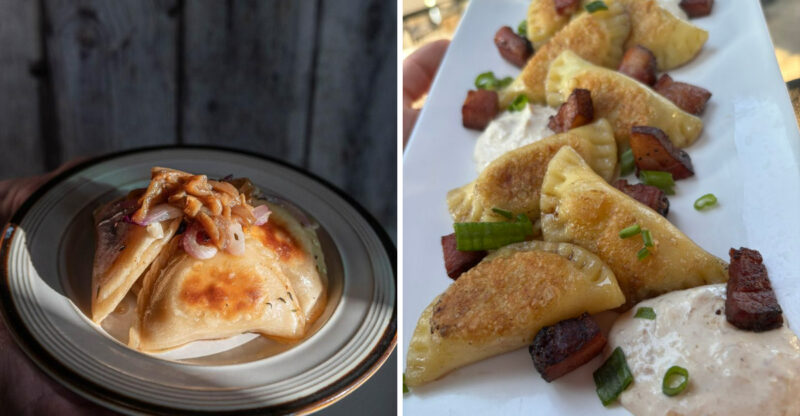
The market feels like a community gathering spot rather than just a shopping destination, with regulars greeting each other and newcomers receiving warm recommendations about which booth makes the best pierogies or where to find the freshest herbs.
Montgomery Inn Ribs
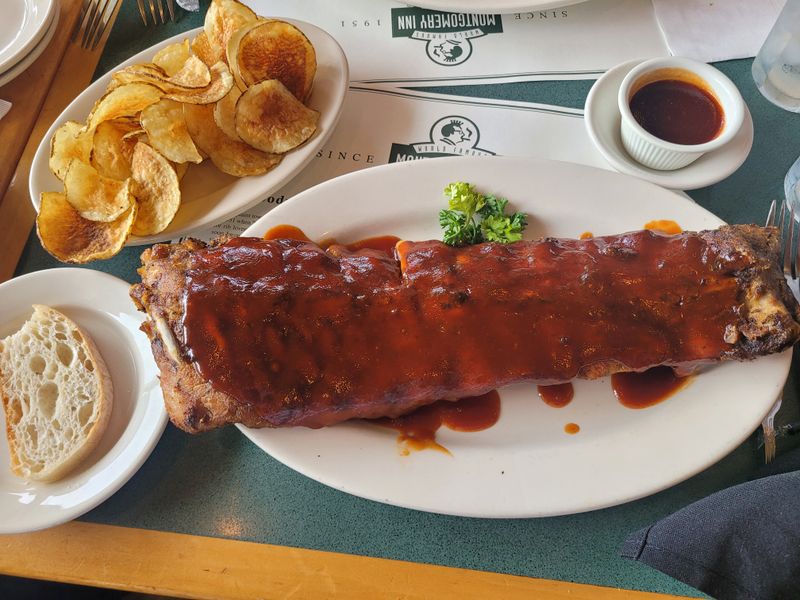
For more than seventy years, one restaurant has built its reputation on ribs so tender the meat slides off the bone with barely a tug.
Montgomery Inn opened in 1951, and their barbecue sauce quickly became the stuff of local legend, sweet and tangy with a complexity that keeps people guessing about the secret ingredients.
The original Boathouse location at 925 Riverside Dr, Cincinnati, OH 45202, sits along the riverfront, offering views of the Ohio River while diners work their way through racks of ribs.
The sauce gets slathered on generously, creating a sticky glaze that caramelizes under heat.
Regulars order the ribs by the half or full rack, often adding the signature Saratoga chips – thin, crispy potato chips piled high as a side.
The meat gets slow-cooked until it reaches that perfect balance between structure and tenderness, maintaining enough bite to feel substantial without requiring serious jaw work.
Presidents and celebrities have stopped by over the decades, but the restaurant treats everyone like honored guests.
The sauce became so popular that the restaurant bottles and sells it, allowing fans to take the flavor home.
Some people swear by eating ribs with a fork and knife to stay tidy, while others embrace the messy, hands-on experience as part of the fun.
Oktoberfest Zinzinnati
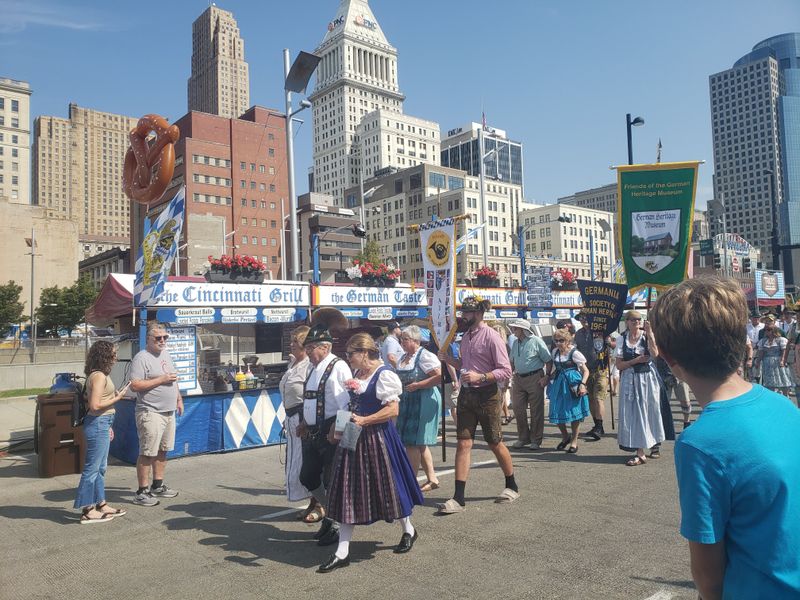
When September arrives, downtown Cincinnati transforms into America’s largest Oktoberfest celebration, drawing more than half a million visitors who come for authentic German food, music, and culture.
The festival stretches across multiple blocks (701 E Pete Rose Wy, Cincinnati, OH 45202), filling the air with accordion melodies, the clink of beer steins, and laughter from crowds enjoying bratwurst, schnitzel, and soft pretzels the size of dinner plates.
This celebration honors the city’s deep German roots, planted when waves of immigrants arrived in the 1800s and shaped Cincinnati’s character forever.
Food vendors line the streets, offering traditional dishes like sauerkraut, potato pancakes, apple strudel, and roasted almonds.
The Running of the Wieners – a playful race featuring dachshunds in costumes – has become a beloved tradition that draws cheering crowds.
Beer tents serve German imports alongside local craft brews, and stages host polka bands that keep feet tapping throughout the weekend.
Families arrive early to claim spots near the stages, while others prefer wandering from booth to booth, sampling different foods and soaking in the festive atmosphere.
The event feels welcoming to everyone, whether they have German heritage or simply enjoy good food and community celebration.
As evening falls, string lights illuminate the streets, and the party continues with dancing, singing, and the kind of joyful energy that makes people plan to return next year.
German Heritage Dishes
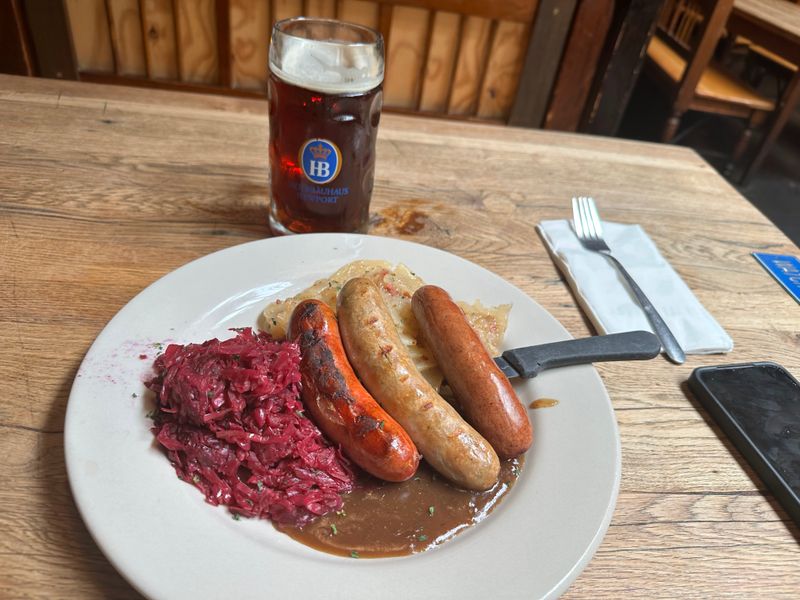
Walk through Cincinnati’s neighborhoods, and the German influence reveals itself in restaurant menus, bakery windows, and family recipes passed down through generations.
Immigrants from Germany flooded into Cincinnati during the mid-1800s, bringing their culinary traditions and adapting them to available American ingredients.
Sauerkraut balls – crispy fried spheres with tangy fermented cabbage mixed into creamy filling – appear on appetizer menus throughout the city, offering a crunchy-creamy bite that pairs perfectly with mustard for dipping.
Bratwurst sizzles on grills at festivals and corner pubs, served on crusty rolls with spicy mustard and grilled onions.
German potato salad, made with vinegar rather than mayonnaise, shows up at picnics and potlucks, its warm, tangy profile contrasting with sweeter American versions.
Bakeries still produce authentic strudels, with paper-thin pastry wrapped around spiced apples or cherries, dusted with powdered sugar.
These dishes have become so woven into Cincinnati’s food culture that many residents consider them simply local food rather than specifically German.
The recipes have evolved over generations, with some families guarding their particular variations as closely as treasured heirlooms.
Restaurants specializing in German cuisine remain popular, especially in neighborhoods like Over-the-Rhine, where German immigrants first settled and built the beautiful brick buildings that still stand today, now housing restaurants, shops, and apartments.
Porkopolis Nickname

Before Cincinnati became known as the Queen City, it earned a grittier, more practical nickname: Porkopolis.
During the 1800s, this riverside city dominated America’s pork processing industry, with massive slaughterhouses and packing plants lining the riverbanks.
Pigs arrived by the thousands, driven through streets to the stockyards, and the industry employed a significant portion of the population, turning Cincinnati into the nation’s pork capital.
The Ohio River provided perfect transportation for shipping preserved pork products downstream to markets throughout the South and eventually worldwide.
Innovations in meat processing and preservation developed here, including assembly-line techniques that later influenced other industries.
The nickname reflected both pride in economic success and the very real smells and sounds that came with processing so many animals.
Though the pork industry eventually declined and moved elsewhere, the nickname remains part of Cincinnati’s history, reminding residents of the city’s industrial heritage.
Some modern restaurants playfully reference Porkopolis in their names or menus, celebrating pork dishes with a nod to history.
The legacy lives on in the city’s continued love for pork products, from goetta at breakfast to ribs at dinner, connecting modern food lovers to the workers and entrepreneurs who built Cincinnati’s early prosperity one pig at a time.
Taste Of Cincinnati Festival
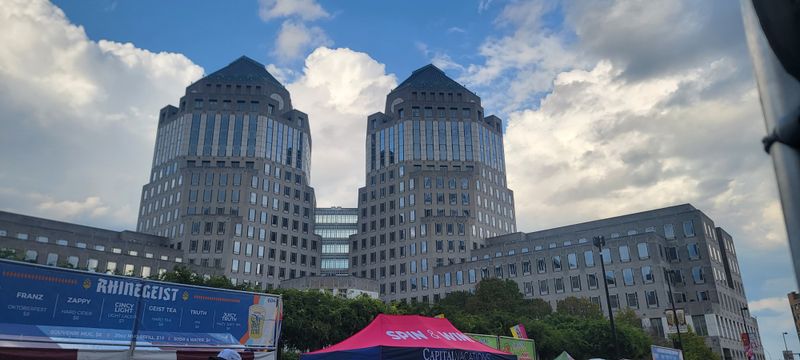
Memorial Day weekend transforms downtown Cincinnati into the nation’s longest-running culinary arts festival, where more than forty restaurants set up booths to showcase their signature dishes.
Taste of Cincinnati has been drawing approximately half a million attendees annually since 1979, turning city streets into an enormous outdoor dining room where food lovers can sample everything from upscale cuisine to comfort food classics.
The festival spans multiple blocks (E 5th St, Cincinnati, OH 45202), with stages featuring live music that provides a soundtrack to the eating and exploring.
Restaurants offer smaller portion sizes, allowing visitors to taste dishes from multiple vendors without committing to full meals.
The variety spans the culinary spectrum: Italian pastas, Asian stir-fries, Latin American tacos, classic American burgers, vegetarian options, and elaborate desserts.
Local favorites compete with newer establishments, each hoping to win over festival-goers who might become regular customers.
Families spread blankets in shaded spots, friends meet up to compare food finds, and the atmosphere feels relaxed and celebratory.
The festival requires no admission fee, making it accessible to everyone, though food purchases support participating restaurants.
Lines form at popular booths, but they move steadily, and the wait gives people time to watch street performers or plan their next taste.
By the end of the weekend, many attendees have discovered new favorite restaurants and made plans to visit them in their permanent locations.
Graeter’s Ice Cream
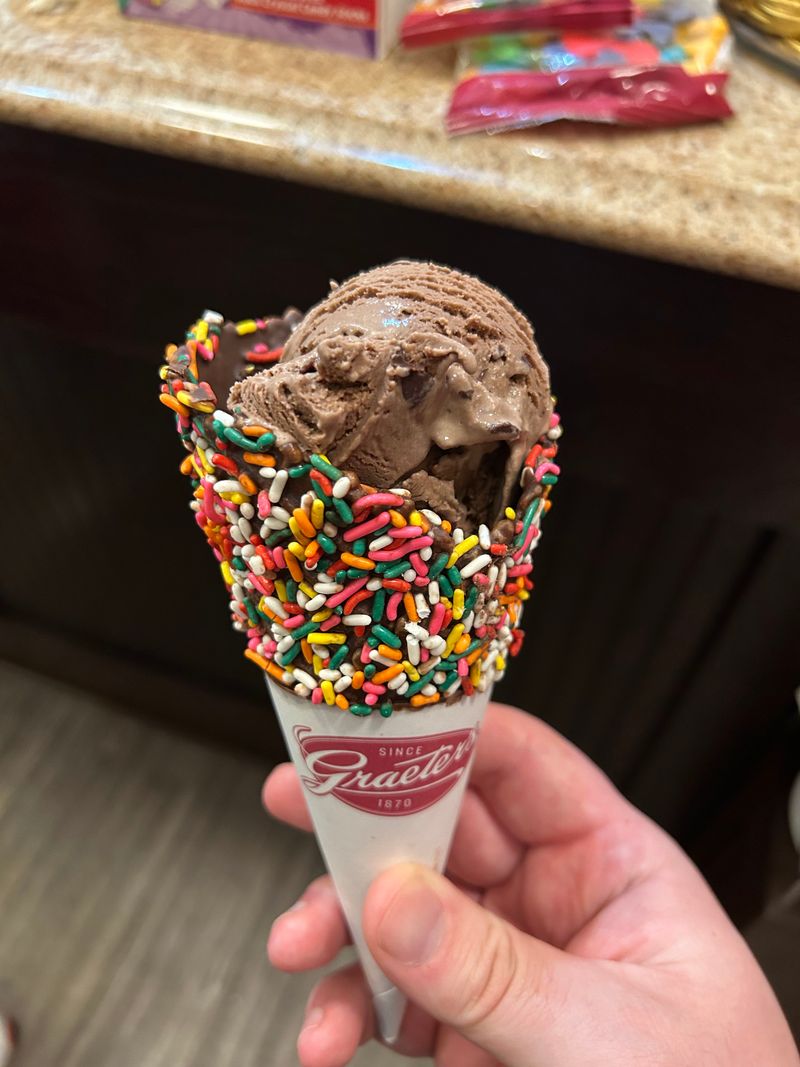
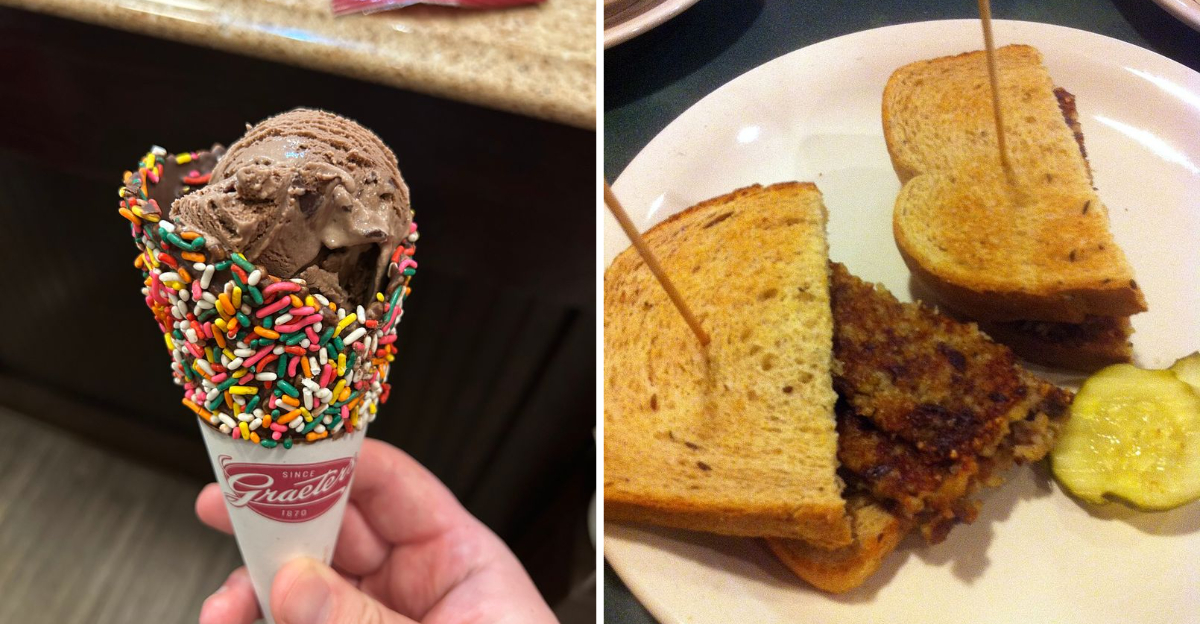
Since 1870, one family has been churning ice cream the old-fashioned way, two gallons at a time in French pot freezers.
Graeter’s Ice Cream at 1401 Vine St, Cincinnati, OH 45202, continues this patient process that creates an exceptionally dense and creamy texture impossible to replicate with modern mass production.
The small batches allow for careful attention to every ingredient, resulting in ice cream that tastes noticeably richer than typical grocery store brands.
Their Black Raspberry Chocolate Chip has achieved legendary status, featuring tart raspberry ice cream studded with massive chocolate chunks that form naturally when liquid chocolate hits the cold spinning pot.
These irregular pieces can be palm-sized, offering intense bursts of bittersweet chocolate that balance the fruit’s brightness.
Other flavors rotate seasonally, from pumpkin in autumn to peppermint stick during winter holidays.
Oprah once declared Graeter’s her favorite ice cream, catapulting the regional treasure into national consciousness.
Lines form outside their shops on warm summer evenings, with families debating whether to stick with beloved classics or try limited-edition flavors.
The creamy texture melts slowly on the tongue, and those giant chocolate chunks require real chewing, making each cone last longer and feel more substantial than ordinary ice cream experiences.
Culinary Diversity
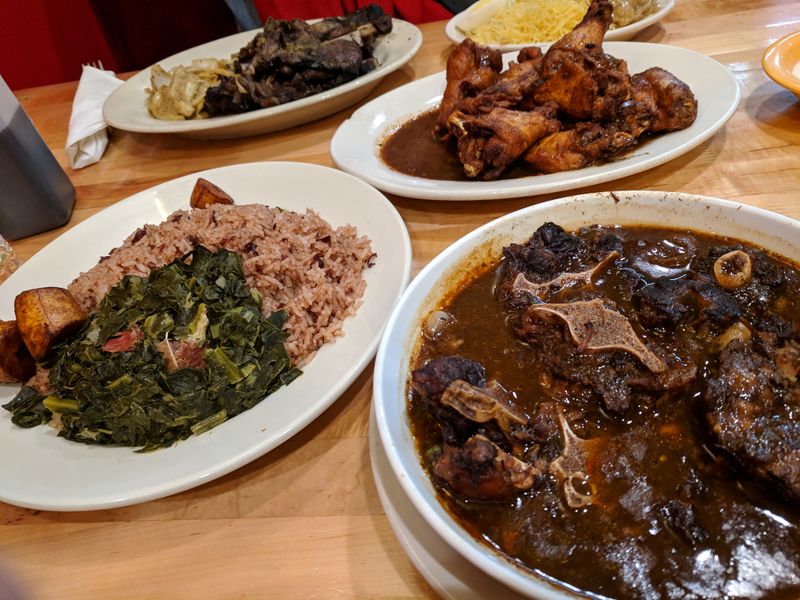
Cincinnati’s food scene tells the story of wave after wave of immigration, each group bringing flavors from home and adapting them to their new environment.
German influence remains strongest, but Italian neighborhoods contributed pizza shops and pasta houses that have become institutions.
Eastern European immigrants introduced pierogies, kielbasa, and hearty stews.
More recent arrivals from Asia, Latin America, Africa, and the Middle East have added layers of complexity, creating a dining landscape where you can travel the world without leaving city limits.
Neighborhoods often reflect their immigrant roots through restaurants and markets that serve as gathering places for communities.
Vietnamese pho shops, Mexican taquerias, Indian curry houses, and Middle Eastern kebab restaurants operate alongside long-established German and Italian spots.
This diversity means adventurous eaters can explore different cuisines throughout the week, discovering new flavors and expanding their palates.
Food festivals celebrating specific cultures happen throughout the year, from Greek festivals with lamb and baklava to Asian food fairs featuring dumplings and bubble tea.
This culinary mixing has also led to fusion creations, where chefs combine techniques and ingredients from different traditions.
The result is a food culture that respects tradition while remaining open to innovation, where a century-old chili recipe can coexist peacefully with cutting-edge farm-to-table restaurants and food trucks serving Korean-Mexican fusion tacos.
Goetta
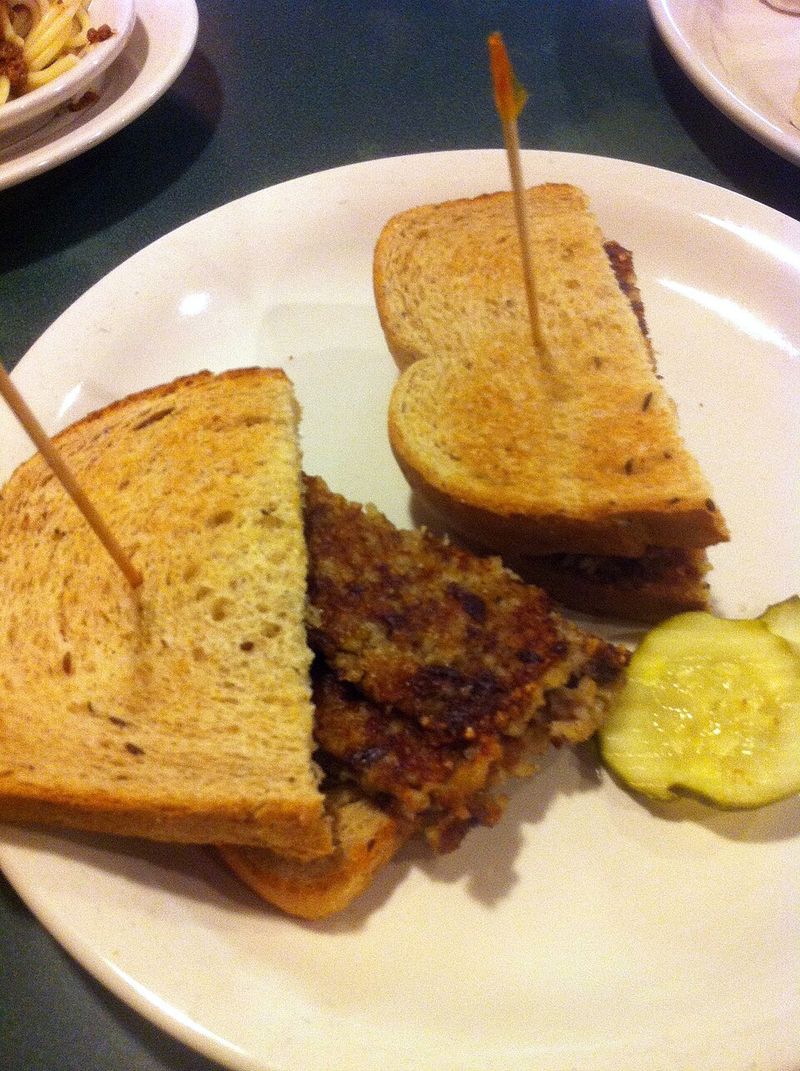
Dawn breaks over Cincinnati, and breakfast tables across the city feature a savory sausage that might puzzle outsiders but delights locals.
Goetta blends ground pork and beef with steel-cut oats, then gets seasoned with bay leaves, rosemary, thyme, and a touch of pepper.
German immigrants brought this recipe across the Atlantic in the 1800s, stretching their meat supplies by mixing in hearty grains.
Eckerlin’s Meats at 116 W Elder St, Cincinnati, OH 45202 constantly breaks the charts with their goetta.
Glier’s Goetta, operating since 1946, produces this beloved breakfast meat, and their product can be found throughout local grocery stores and restaurants.
The mixture gets formed into loaves, chilled until firm, then sliced and fried until the edges turn crispy and golden.
That textural contrast between the crunchy outside and the tender, slightly crumbly inside makes each bite satisfying.
Newcomers might compare it to scrapple or liverwurst, but goetta has its own distinct personality.
Some people eat it alongside eggs and toast, while others tuck it into sandwiches or crumble it over hash browns.
The oats add substance without feeling heavy, and the herbs provide an earthy backdrop that pairs well with maple syrup or ketchup, depending on personal preference and morning mood.