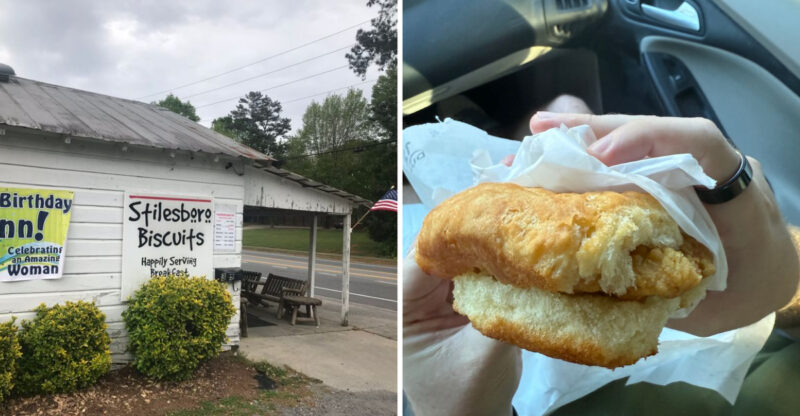
Hole In The Wall Proves The Best Breakfasts In Georgia Don’t Need Fancy Decor
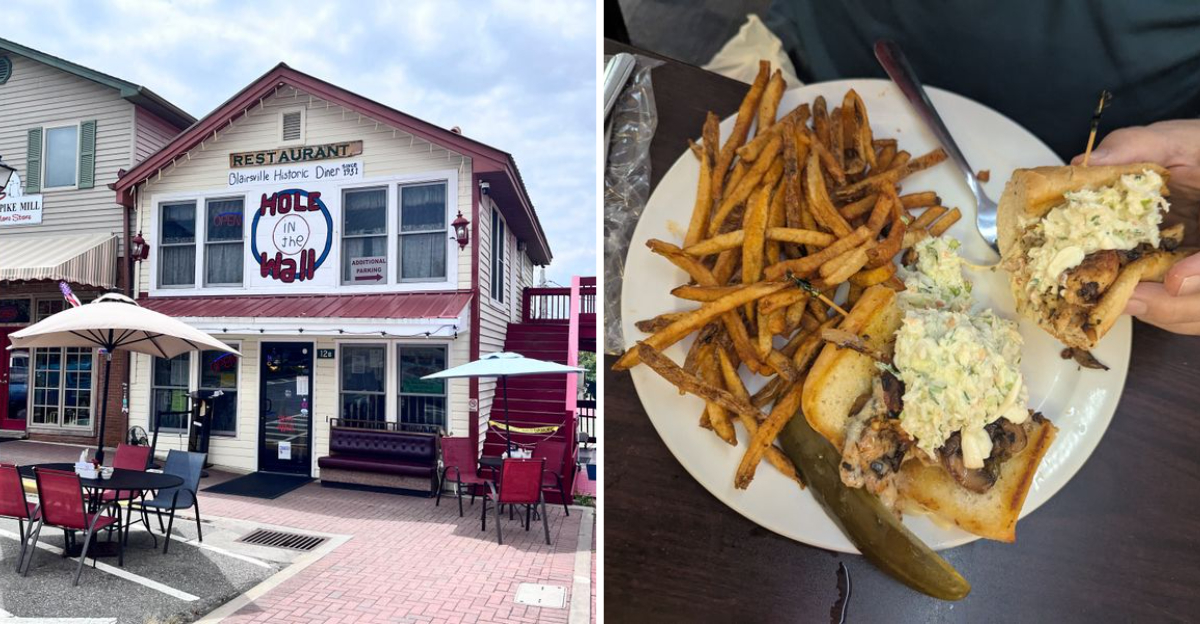
You know that feeling when you walk into a place and immediately feel at home? That’s what hole-in-the-wall breakfast spots in Georgia do best.
I’ve discovered that some of the most memorable meals come from restaurants where the focus is on the food, not the furniture.
Forget about fancy tablecloths and expensive artwork these humble eateries prove that great breakfasts are all about flavor, warmth, and community.
1. Authentic Southern Hospitality Shines Through
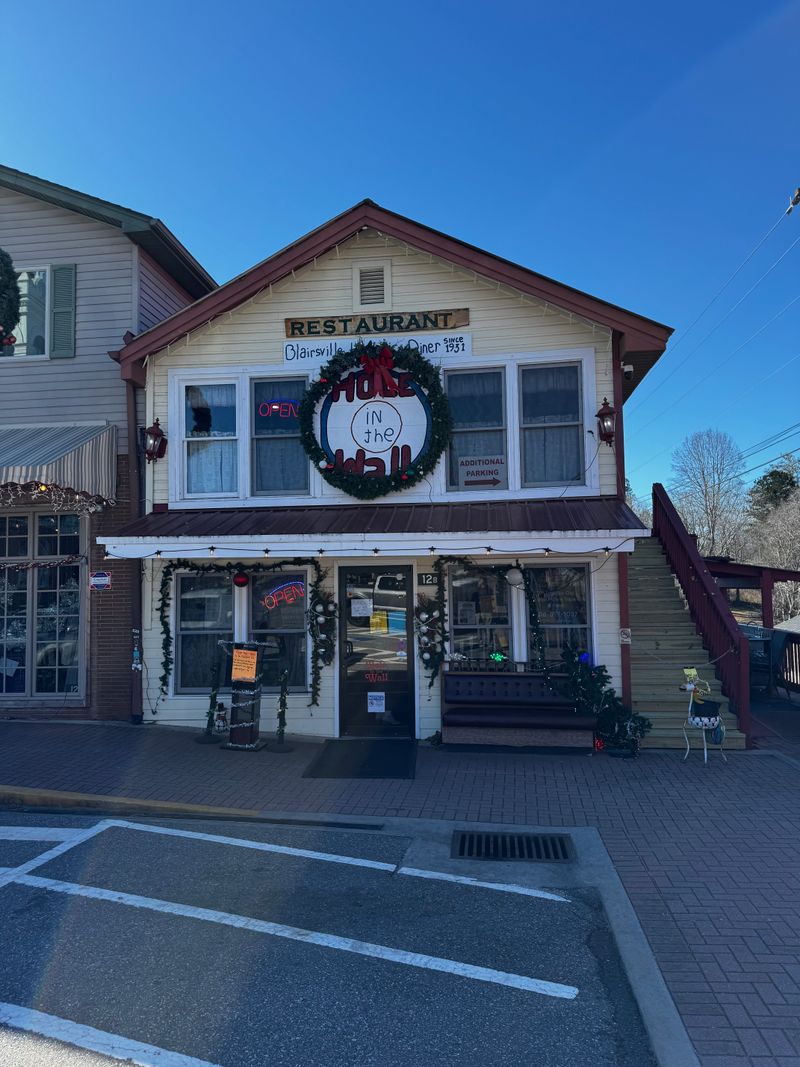
Right there at 12B Town Sq, Blairsville, GA 30512, United States, you feel it the moment you walk in something real, something warm. People don’t just serve you food here; they treat you like you belong. The staff remembers your name after a single visit and actually wants to know if those eggs hit the spot.
Isn’t that the kind of place we all secretly look for?
You’ll find this kind of genuine service in small Georgia diners, stretching from Atlanta to Savannah and all the quiet towns in between. While fancy restaurants teach politeness as a skill, cozy breakfast spots hire people who truly enjoy being there. You can see it in every coffee refill, every smile, every casual “how’s your family doing?” that doesn’t feel forced.
I’ve personally watched waitresses celebrate birthdays with customers they’ve known for decades, and it never feels staged. Moments like that can’t be created with stylish interiors or expensive uniforms. They grow naturally when connection matters more than appearances and that’s exactly why places like this keep drawing people back, generation after generation.
2. Recipes Passed Down Through Generations
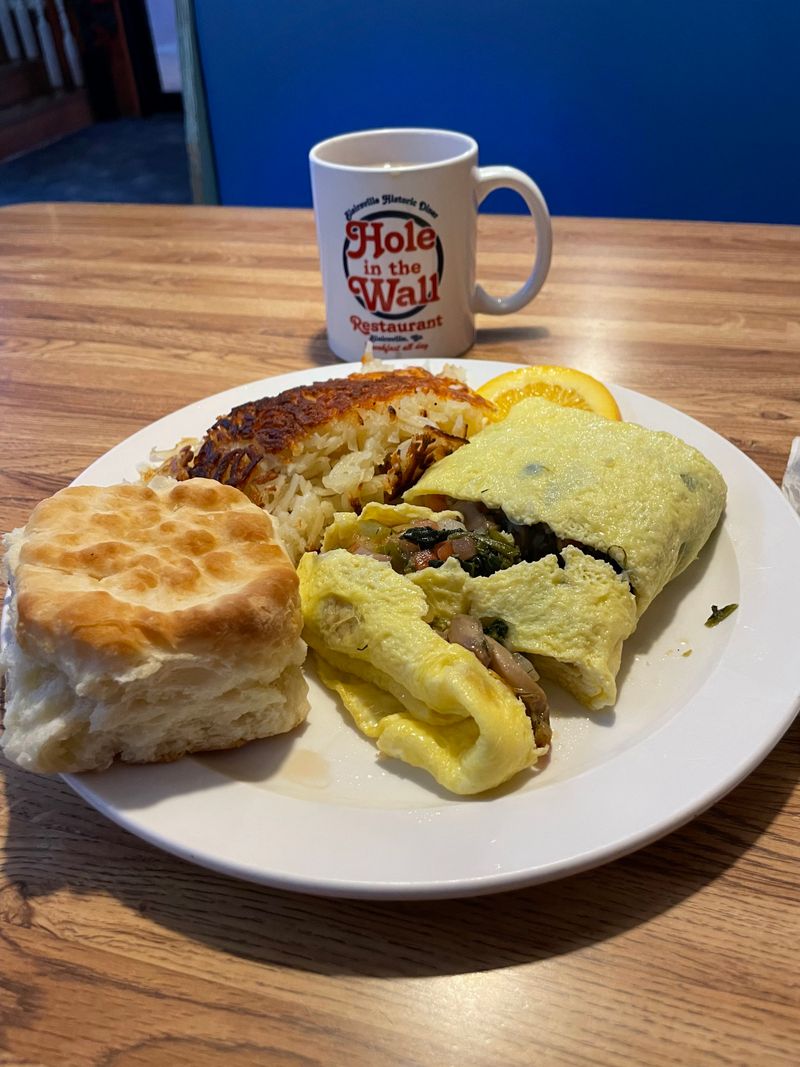
Family secrets make the best breakfast foods taste extraordinary. Many hole-in-the-wall spots use recipes that grandmothers wrote down decades ago, sometimes on index cards stained with butter and flour. These aren’t dishes created by culinary school graduates—they’re meals perfected through years of Sunday dinners and family gatherings.
The biscuits at these places taste different because someone’s great-grandmother figured out the perfect ratio of buttermilk to flour. The grits have that special texture because the recipe came from someone who cooked them every morning for fifty years. You simply cannot replicate this kind of authenticity in a restaurant that opened last month.
I’ve tasted the difference between corporate breakfast chains and family-owned diners. One follows a manual, the other follows tradition. When you bite into pancakes made from a recipe that’s been in a family since the 1940s, you’re tasting history on your plate.
3. Fresh Ingredients From Local Farms
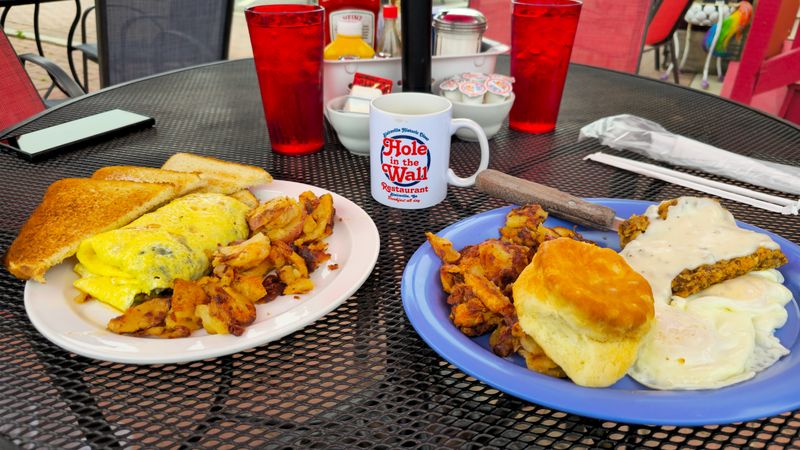
Small restaurants often source their eggs, bacon, and produce from nearby farms rather than massive distribution centers. This means your breakfast was probably collected yesterday, not weeks ago. Georgia’s agricultural heritage supports these connections between farmers and restaurant owners who’ve known each other for years.
Farm-fresh eggs have deeper yellow yolks and richer flavors than mass-produced alternatives. The tomatoes actually taste like tomatoes, not watery red circles. When a diner owner can tell you which farm your bacon came from, you’re experiencing food the way it was meant to be enjoyed.
I’ve noticed that these relationships benefit everyone involved. Farmers get fair prices, restaurants get quality ingredients, and customers get breakfast that tastes like real food. The supply chain might be shorter, but the flavor goes much further.
You don’t need marble countertops when your ingredients speak for themselves with every delicious bite.
4. Prices That Won’t Empty Your Wallet
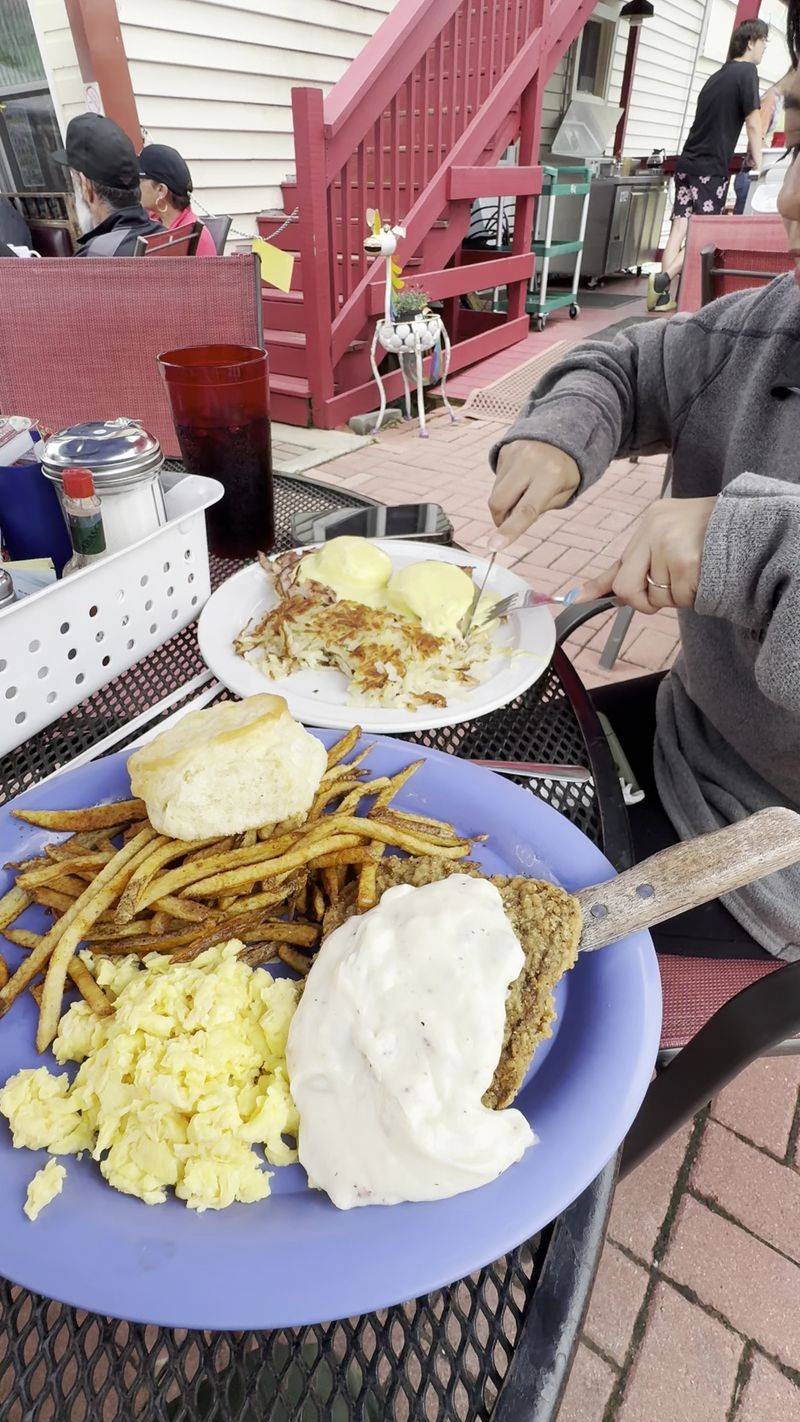
Budget-friendly breakfast spots understand that good food should be accessible to everyone. You can get a full meal with eggs, bacon, toast, and coffee for less than what you’d pay for a single fancy latte elsewhere. These establishments keep their overhead low by skipping expensive renovations and passing the savings directly to customers.
I’ve enjoyed incredible breakfasts for under eight dollars at places that don’t waste money on interior designers. The owners would rather invest in quality ingredients than trendy light fixtures. This philosophy creates a win-win situation where customers eat well without breaking the bank.
Working families, students, and retirees all gather at these affordable spots because everyone deserves a good breakfast. The lack of pretension extends to the pricing, making these restaurants true community gathering places. When you’re not paying for atmosphere, you’re paying for what actually matters—the food on your plate and the people serving it.
5. Generous Portions That Actually Fill You Up
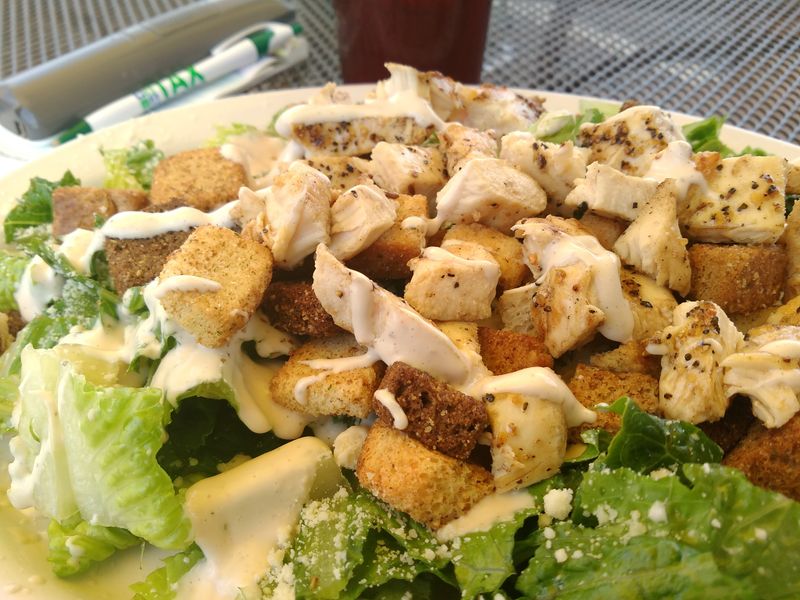
Forget about those tiny portions arranged artistically on oversized plates. Hole-in-the-wall breakfast joints in Georgia serve food meant to fuel your entire morning. When you order pancakes, you get pancakes—plural, large, and stacked high enough to lean slightly to one side.
The philosophy here is simple: nobody should leave breakfast hungry. I’ve watched plates arrive at tables loaded with enough food to share, yet priced for one person. Hash browns cover half the plate, biscuits are the size of softballs, and bacon strips actually look like they came from an animal, not a science experiment.
This generosity reflects Georgia’s agricultural abundance and traditional Southern hospitality. Servers don’t measure portions with precision scales they eyeball what looks right, usually adding a little extra. You’re not paying for presentation or the chef’s artistic vision.
You’re paying for a satisfying meal that keeps you full until lunch, delivered without fuss or pretension.
6. Coffee That’s Always Hot and Ready
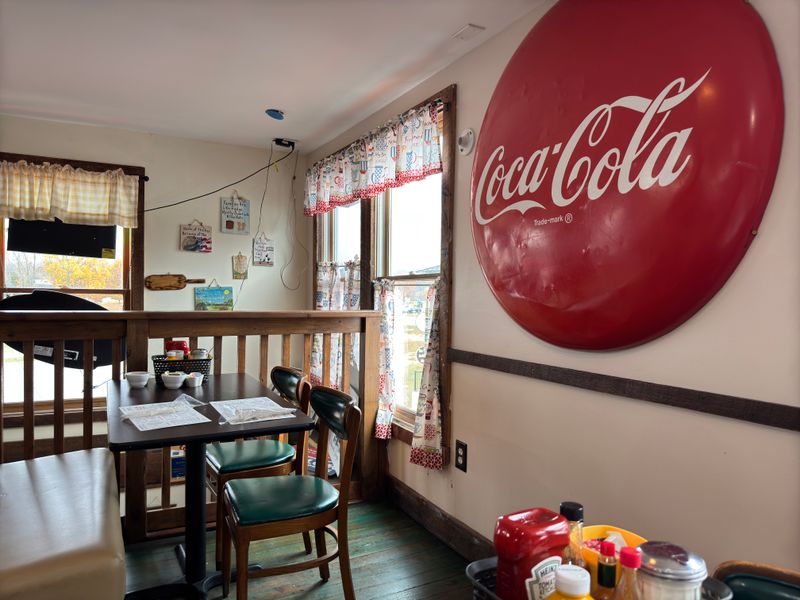
Nothing beats a bottomless cup of strong, hot coffee served by someone who refills it before you even ask. Simple diners understand that breakfast coffee should be abundant, fresh, and constantly flowing. You won’t find complicated espresso machines or fifteen different milk alternatives—just a reliable pot of regular coffee that does exactly what coffee should do.
I’ve sat at counters where the waitress kept my cup full through an entire conversation without me saying a word. That kind of attentiveness comes from experience, not training manuals. The coffee itself might not be organic single-origin beans roasted by artisans, but it’s hot, strong, and hits the spot every time.
These establishments brew coffee throughout the morning, ensuring every cup tastes fresh rather than burnt. The simplicity works because they’ve perfected the basics instead of trying to reinvent breakfast beverages. When you’re eating grits and eggs, you don’t need fancy coffee—you need reliable coffee, served with a smile.
7. Regulars Who Become Like Family
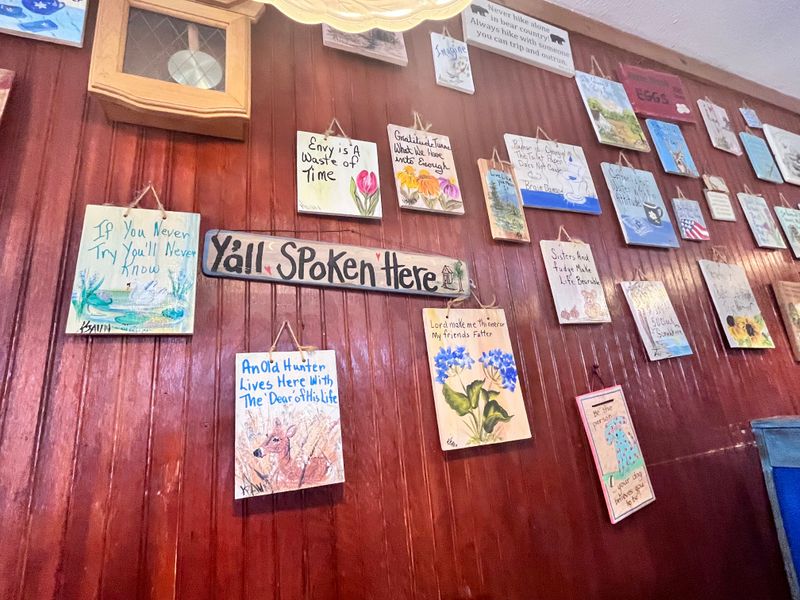
Something magical happens when the same people eat breakfast at the same place for years. These restaurants become social hubs where friendships form over scrambled eggs and toast. I’ve witnessed entire communities gather at worn Formica tables, sharing news, solving problems, and supporting each other through life’s ups and downs.
The regular crowd includes retired teachers, construction workers on break, business owners, and everyone in between. Economic status doesn’t matter when everyone’s eating the same great food. These daily gatherings create bonds that fancy restaurants with monthly clientele simply cannot match.
Newcomers quickly become part of the family once they start showing up consistently. The established regulars welcome fresh faces, and before long, you’re part of the morning routine. This sense of belonging can’t be purchased with expensive furniture or trendy decor.
It grows organically when people prioritize community over appearance, creating spaces where everyone feels genuinely welcome.
8. Cooking Sounds and Smells From the Kitchen
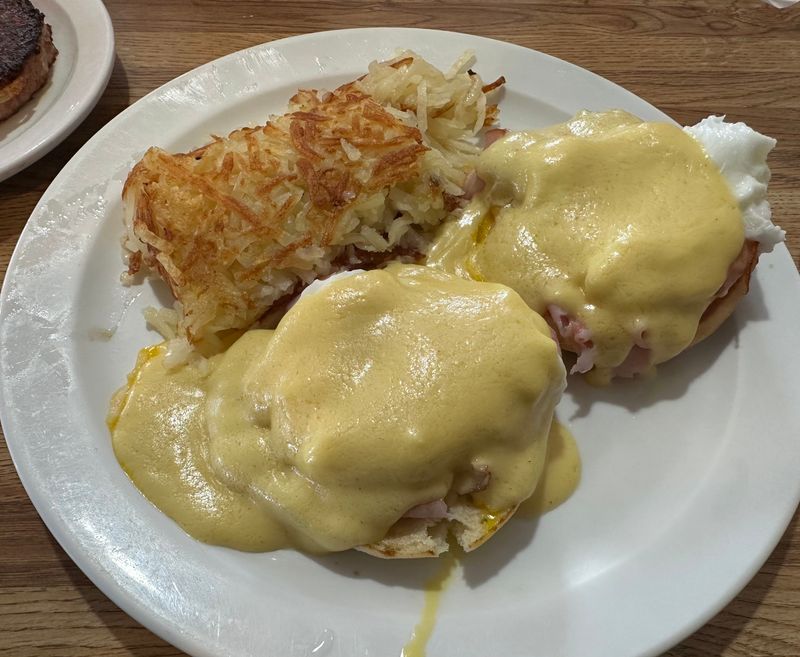
Open kitchens let you experience breakfast with all your senses before the food even arrives. You can hear bacon sizzling on the griddle, smell biscuits baking in the oven, and watch cooks flip eggs with practiced ease. This transparency builds trust—you see exactly how your food gets prepared.
I love sitting at the counter where I can watch the cook work. There’s something honest about seeing your breakfast made right in front of you, without walls or doors hiding the process. The sounds create a rhythm: the scrape of the spatula, the crack of eggs, the ding of the timer.
These sensory experiences stimulate your appetite in ways that sterile, hidden kitchens never could. The aroma of fresh coffee mixing with frying bacon creates an atmosphere that expensive air fresheners cannot replicate. You’re not just eating breakfast—you’re participating in its creation, connected to the process from start to finish.
9. Mismatched Chairs That Hold Decades of Stories
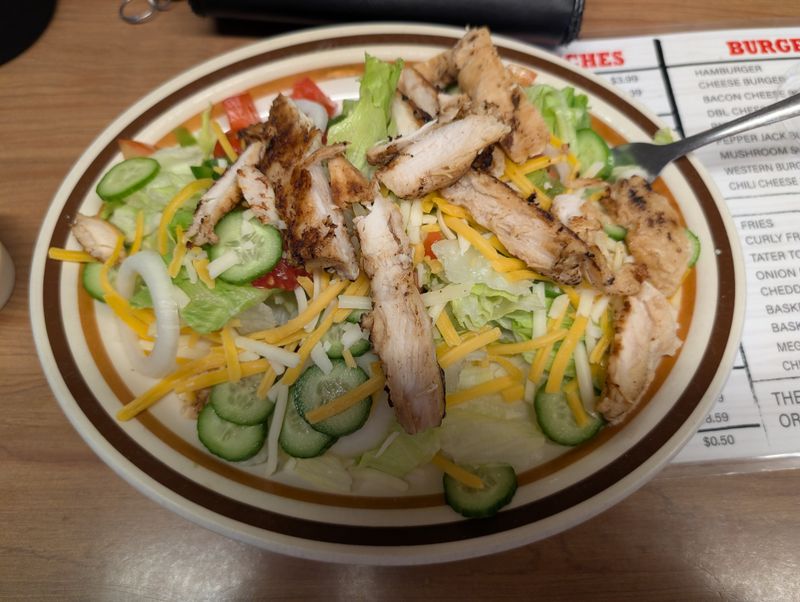
Every chair tells a story when furniture gets replaced one piece at a time over the years. You might sit in a red vinyl seat while your friend sits in a wooden one, and neither matches the booth in the corner. This eclectic collection reflects the restaurant’s history—each piece acquired when needed, not purchased as part of a designer’s vision.
I find this randomness oddly comforting. It shows that the owners prioritize function over fashion, replacing broken chairs with whatever’s available rather than spending thousands on matching sets. Some seats might wobble slightly, but they’ve supported countless customers through thousands of breakfasts.
The character of mismatched furniture beats the cold uniformity of chain restaurants any day. Each piece has been sat in by people celebrating good news, processing bad news, and sharing everyday moments. That history matters more than coordinating colors or trendy designs.
You’re sitting where your community has sat for generations.
10. Handwritten Specials on Chalkboards
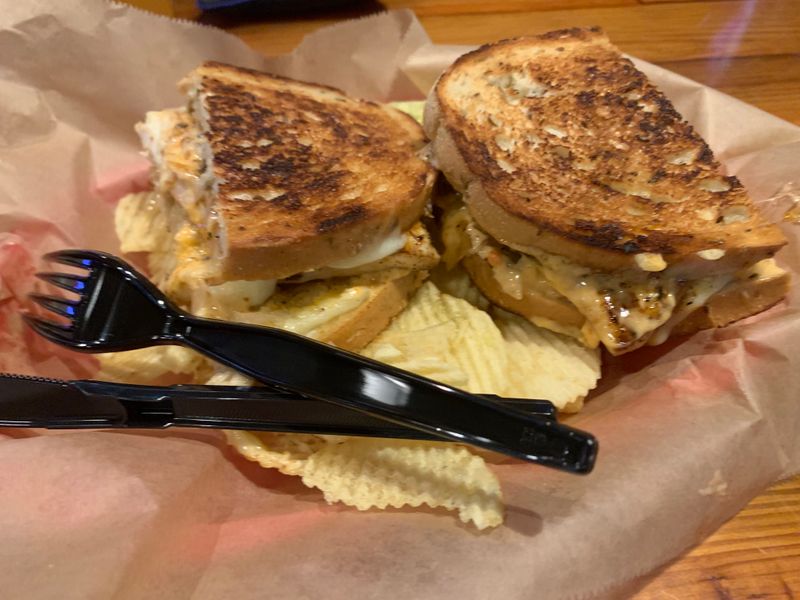
Printed menus are fine, but there’s something special about reading today’s specials written in chalk by someone’s actual hand. These boards announce what’s fresh, what the cook felt like making, or what ingredients arrived from the farm that morning. The informality feels personal rather than corporate.
I appreciate knowing that a real person wrote those words just hours ago. Maybe the owner’s daughter helped, or perhaps the cook grabbed the chalk during a slow moment. Either way, it represents a direct connection between the kitchen and customers.
Mistakes get erased and corrected, adding to the charm.
This approach also allows for flexibility that rigid printed menus cannot offer. If the tomatoes look especially good today, they become part of a special omelet. If someone caught fresh fish yesterday, it might appear on the breakfast board.
You’re eating food chosen for quality and availability, not because corporate headquarters decided the menu six months ago.
11. Owners Who Actually Work in Their Restaurant
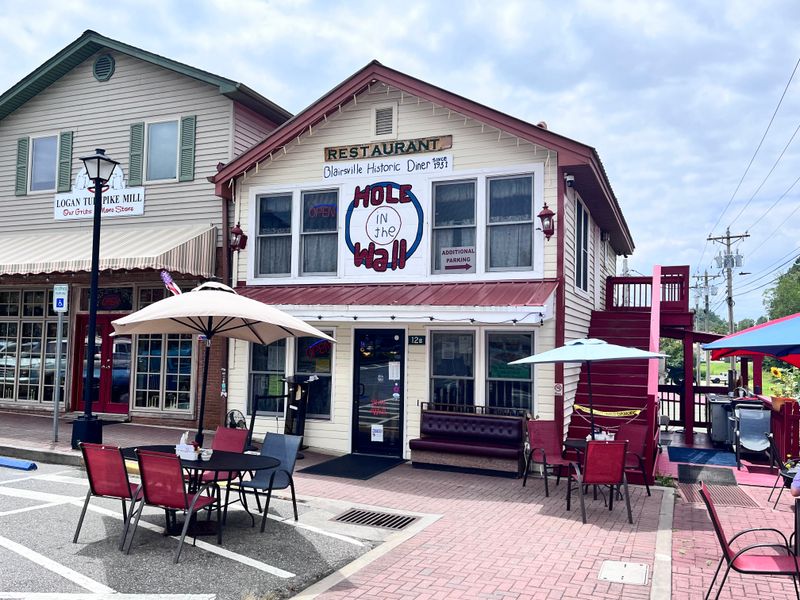
Meeting the person who owns the place while they’re cooking your eggs or pouring your coffee creates a unique connection. These owner-operators have invested their life savings and personal dreams into their restaurants. They’re not absentee investors checking profit margins from a distance—they’re flipping your pancakes and asking if you need more syrup.
I’ve had conversations with owners who remember my previous visits, my usual order, and details about my family. This personal investment shows in every aspect of the business. When something’s not right, they fix it immediately because their reputation is literally on the line with every plate.
These entrepreneurs take pride in their work in ways that hired managers simply cannot match. The restaurant succeeds or fails based on their daily efforts, creating motivation that no corporate structure can replicate. You’re supporting someone’s actual dream when you eat there, not padding a shareholder’s quarterly dividend.
12. Walls Covered With Community Memories
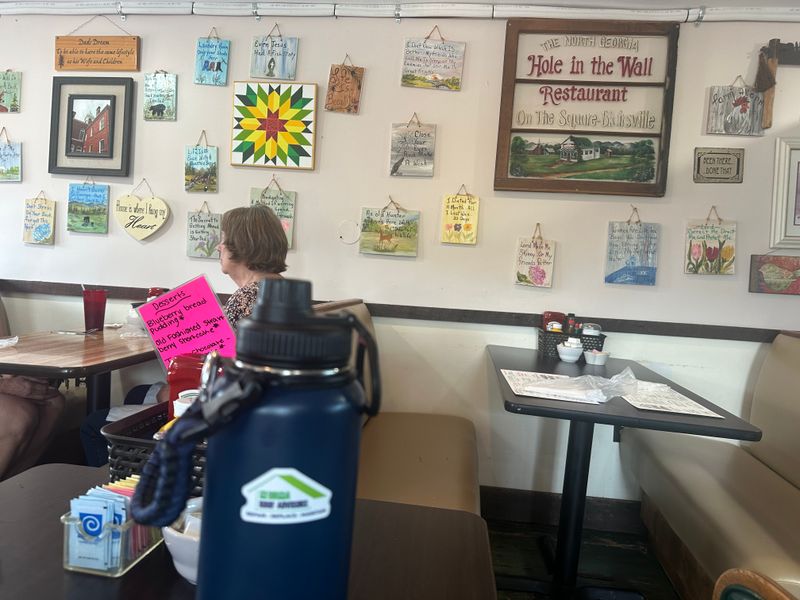
Photographs, newspaper clippings, and local memorabilia create a visual history of the surrounding community. These walls function as informal museums, displaying high school football championships, old downtown photographs, and pictures of customers from decades past. You’re eating breakfast surrounded by the neighborhood’s story.
I love studying these walls while waiting for my food. You might see a photograph of the building from 1965, or a newspaper article about the owner’s grandfather. Local sports teams’ schedules get posted alongside thank-you notes from customers.
Everything feels authentic because it is—these aren’t reproductions purchased from a decorator.
This documentation creates a sense of continuity and belonging. New residents can see what the area looked like before they arrived. Long-time locals can point out people they know in old photographs.
The walls remind everyone that they’re part of something larger than just a meal—they’re participating in an ongoing community tradition.
13. No Reservation Required, Just Show Up
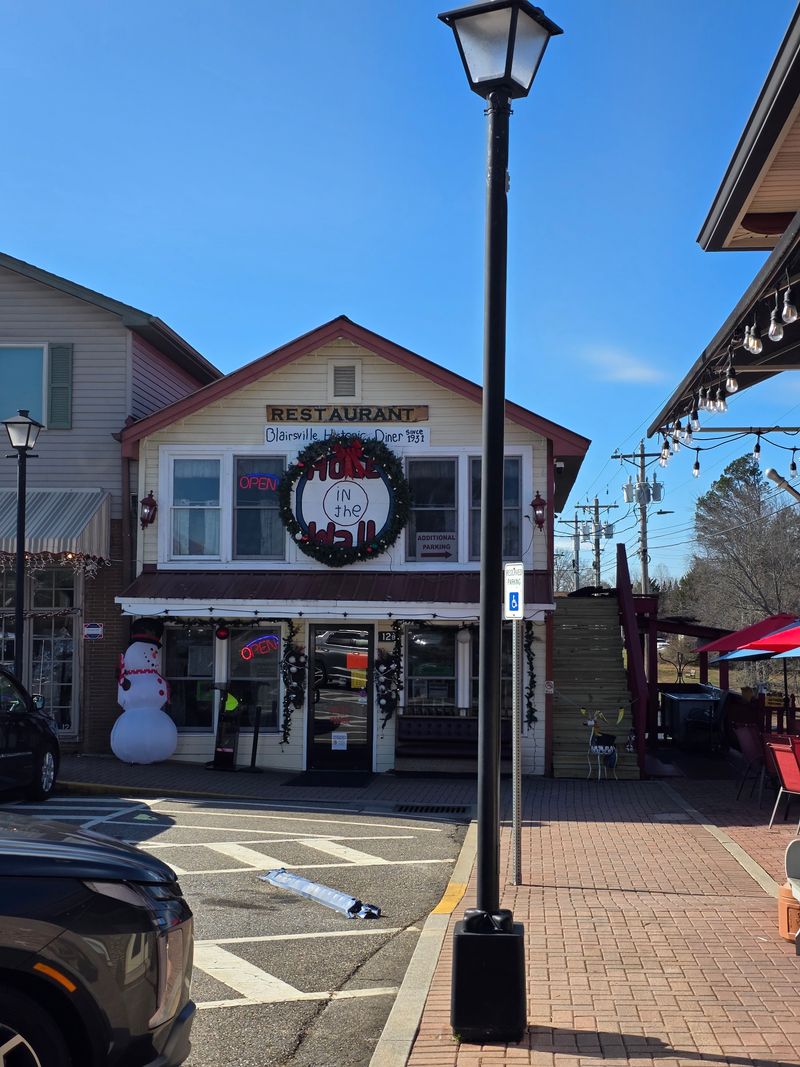
Spontaneity becomes possible when restaurants operate on a first-come, first-served basis. You don’t need to plan days ahead or worry about cancellation policies. Just walk in when you’re hungry, and someone will find you a seat.
This accessibility makes breakfast feel like what it should be—a simple, uncomplicated start to your day.
I appreciate not having to coordinate schedules or make phone calls just to eat eggs. If there’s a wait, you stand outside chatting with other customers or sit in your car for a few minutes. The informal system works because everyone understands the rules and respects the process.
This approach also creates a more democratic dining experience. You can’t buy your way to the front of the line with money or status. Everyone waits their turn, whether you’re the mayor or the mail carrier.
That equality reflects the fundamental purpose of these establishments—feeding people, not impressing them.
14. Classic Comfort Foods Done Right
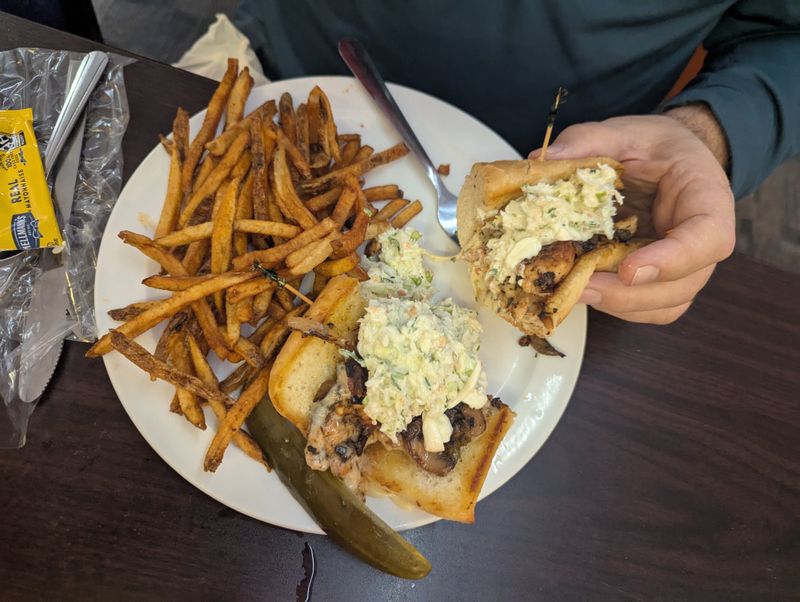
Sometimes you just need perfectly cooked eggs, crispy bacon, and golden toast without any fancy twists or gourmet additions. These restaurants master the fundamentals instead of trying to reinvent breakfast. They understand that comfort food earns its name by being comforting—familiar, reliable, and satisfying.
I’ve eaten at places that try too hard to be creative with breakfast. They add truffle oil to everything or serve eggs in martini glasses. Meanwhile, the hole-in-the-wall spot down the street focuses on making grits that taste exactly how grits should taste.
That consistency builds loyalty that novelty never could.
The skill required to execute simple dishes perfectly gets underestimated. Anyone can add weird ingredients, but cooking a flawless over-easy egg takes practice and care. These establishments have spent years perfecting their versions of classic dishes, creating meals that satisfy on a fundamental level.
You leave feeling fed, not confused about what you just ate.
15. Real Conversations Happen Here
Modern life often feels rushed and disconnected, but breakfast diners create spaces where people actually talk to each other. You might end up discussing weather, politics, or sports with the stranger at the next table. The lack of pretension encourages genuine interaction rather than performative dining experiences designed for social media.
I’ve made unexpected friends while eating breakfast at counter seats. When you’re sitting elbow-to-elbow with someone, conversation happens naturally. The environment encourages this there’s no mood lighting or background music trying to create an artificial atmosphere.
Just people, food, and honest conversation.
These interactions matter more than we often realize. They remind us that we’re part of a community, not just isolated individuals. The retired veteran shares stories with the college student.
The nurse coming off night shift talks with the farmer heading to work. These connections strengthen the social fabric in ways that carefully designed restaurants never could. Real relationships grow from repeated casual encounters, not orchestrated experiences.