9 Hollow Communities Across West Virginia Where GPS Starts To Struggle
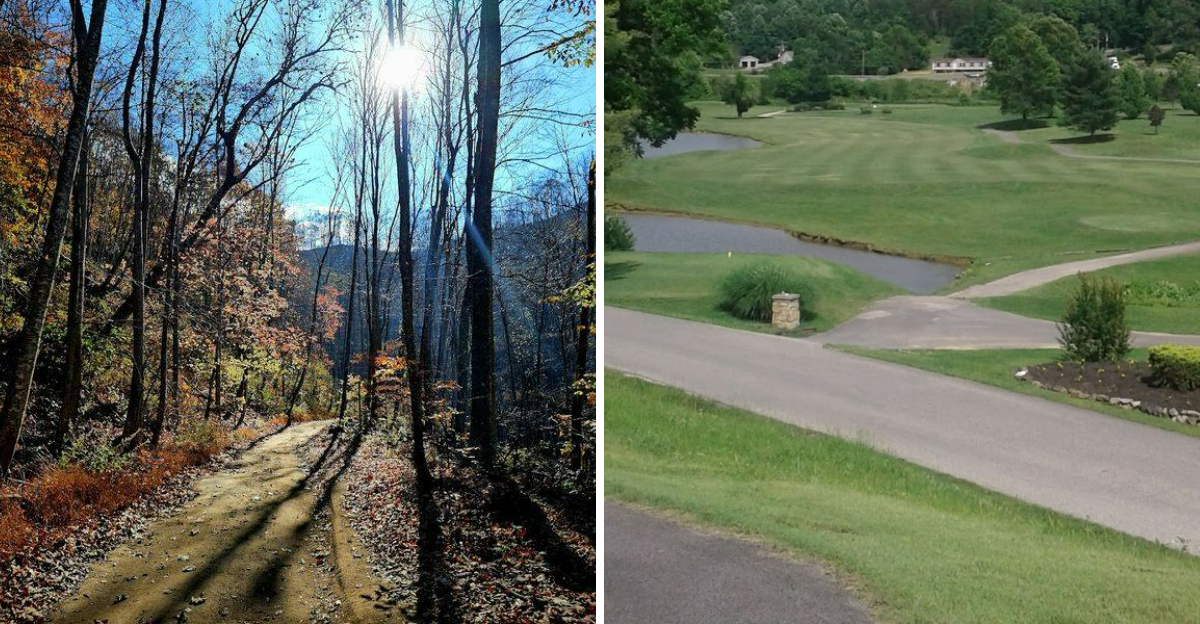
My GPS told me to turn left into a creek. Not near a creek.
Into one. That was my introduction to navigating West Virginia’s hollow communities, and honestly, it was the most accurate thing my phone has ever done.
The state has a habit of swallowing roads whole, hiding entire communities inside mountain folds so deep that satellites just shrug and guess. West Virginia doesn’t apologize for this.
Each hollow exists on its own terms, oriented around ridgelines and landmarks that locals have memorized for generations. No signal needed.
No app required. Just the kind of place where your phone dies in your pocket and nobody around you notices, because they never needed it in the first place.
1. Bergoo, Webster County
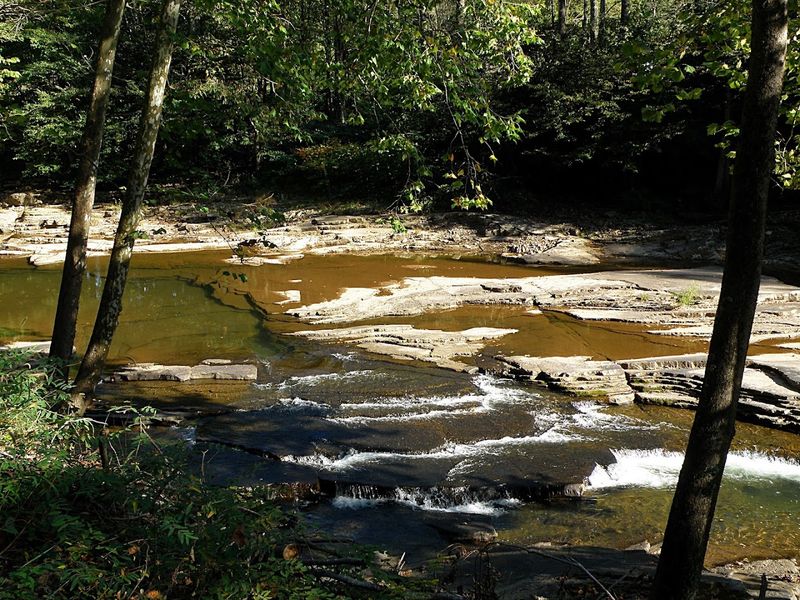
Forget cell service. Bergoo doesn’t just lose signal, it feels like a place that never depended on it to begin with.
Sitting along the Elk River in a remote part of Webster County, this very small community is one of the most off-the-grid-feeling spots in the state. The road in narrows as you go, and it’s not somewhere you end up by accident.
Webster Springs is the nearest town and county seat, and getting there takes time. The drive winds through forested ridges that feel older than the asphalt beneath your tires.
There are no real shortcuts, and navigation can become less precise as you get closer.
What makes Bergoo worth knowing about is exactly what makes it feel so tucked away. The Elk River runs cold and clear alongside the community, and the surrounding forest closes in from every direction.
It’s the kind of place where the landscape does the work of keeping things quiet. No through traffic, no chain stores, just the river, the trees, and a small group of residents who have chosen this particular corner of the mountains and seem perfectly content with it.
2. Helvetia, Randolph County
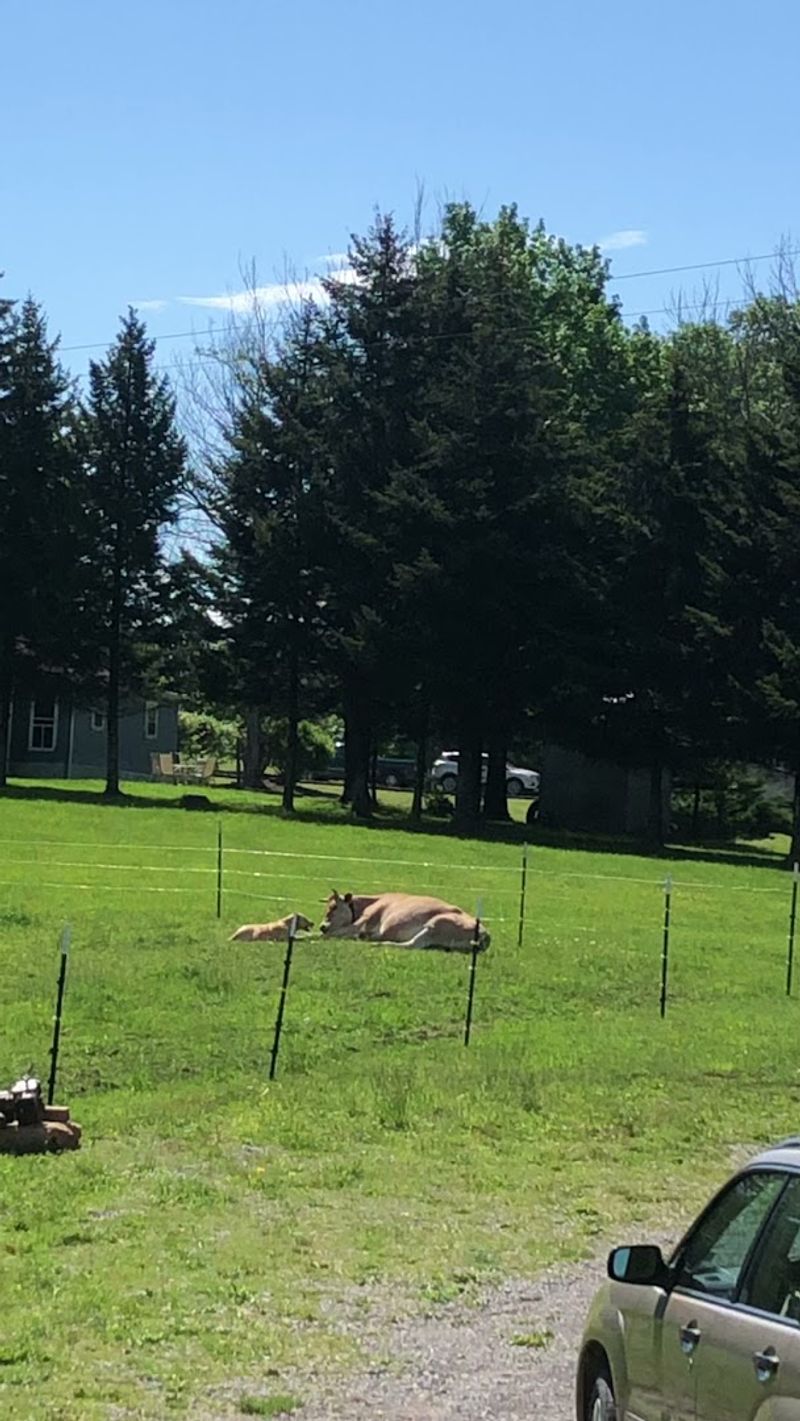
Patience is the price of admission here, and it’s worth every curve in the road. Helvetia sits in a high mountain valley of Randolph County, reached only after miles of winding backroads that feel like they’re testing your commitment.
Fewer than 40 residents call this valley home, and they’ve maintained a cultural identity unlike anything else in the region.
Swiss and German immigrants settled Helvetia starting in 1869, and the village still carries that heritage in its architecture, its food traditions, and its annual community events. The white clapboard buildings and Alpine-influenced structures aren’t recreations.
They’re originals, standing because the community chose to keep them standing.
The Helvetia Community Fair draws visitors who somehow find the place despite its geographic stubbornness. Traditional music fills the air during gatherings, and Swiss-inspired dishes appear on tables that have hosted generations of the same families.
The hollows around the village branch off into the hills in every direction, and most of those branches go unnamed on any modern map.
Helvetia is one of the most culturally intact hollow communities in this part of the Appalachians, a living village that digital navigation simply hasn’t caught up with yet.
3. Wharncliffe, Mingo County
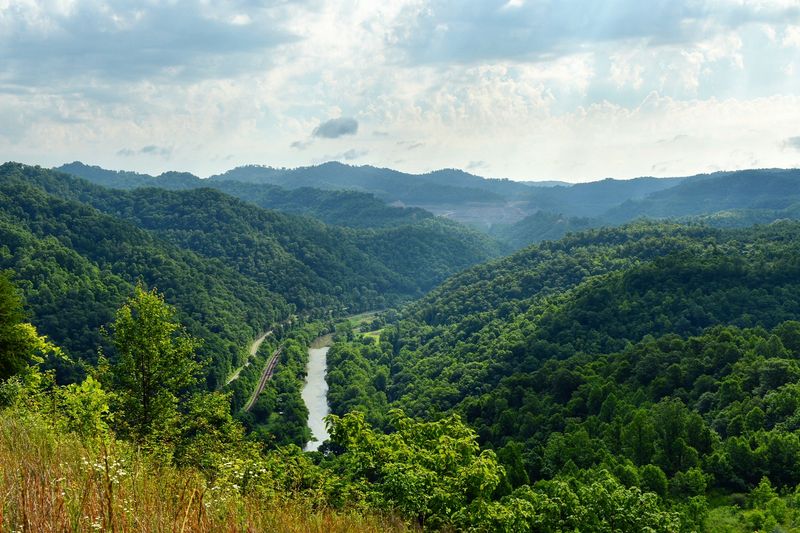
The closer you get to the Kentucky border in southern Mingo County, the more the mountains close in. Wharncliffe sits about seven miles southwest of Gilbert, reached by U.S.
Route 52 with county roads branching into the hollows like fingers across a topo map. The drive is slow and curving.
It crosses rail lines more than once on the way in.
By the time the pavement narrows near the settlement, the ridges and rail corridors have already set the tone. Wharncliffe feels enclosed and set apart.
The landscape doesn’t invite casual detours, and the distances feel longer than they look on any map.
The Tug Fork winds through the area in long, steady curves. The road follows its path through the valley, staying close to the water the way roads in hollow communities always do.
Coal once defined this entire corridor, long before anyone thought to map it digitally. That history runs through the ground here.
Cell service fades in and out as you move through the valley. Directions start to feel less exact the deeper you go.
At some point the confident blue line on your screen turns hesitant. That’s normal here.
Wharncliffe sits between river and ridgeline, exactly where it has always been, unbothered by the fact that modern navigation still hasn’t quite figured it out.
4. Baisden, Mingo County
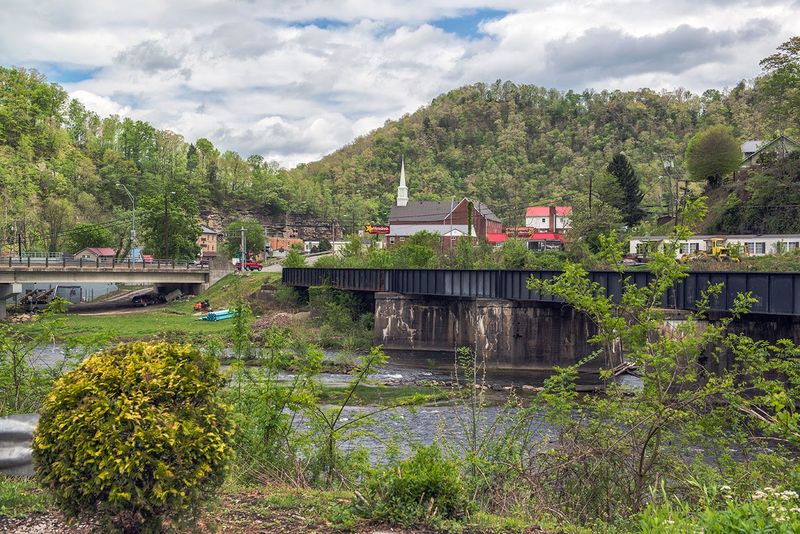
In Baisden, the hollow is the address. That’s not a figure of speech.
This unincorporated community in Mingo County sits three miles southwest of Gilbert, deep in the Gilbert Creek drainage where steep wooded ridgelines crowd the narrow valley floor. Navigating by landmarks isn’t a quirky local habit here, it’s a practical necessity.
Pull up a topo map of the surrounding area and you’ll find a tangle of named hollows radiating outward in every direction. Bear Hollow, Coal Hollow, Monk Hollow, Long Hollow.
Each one represents a branch of the community, a scattering of homes along a creek that functions as its own small neighborhood. GPS doesn’t know which hollow you mean, and honestly, neither does the satellite.
Baisden is the kind of community that exists in the memory of its residents more than in any database. Directions here involve specifics that no app can replicate, like the big oak past the second bend, or the fence line where the gravel starts.
The surrounding ridgelines absorb cell signals the way they absorb everything else, quietly and completely. Getting here requires either a local guide or a genuine willingness to figure it out as you go.
5. Bartow, Pocahontas County
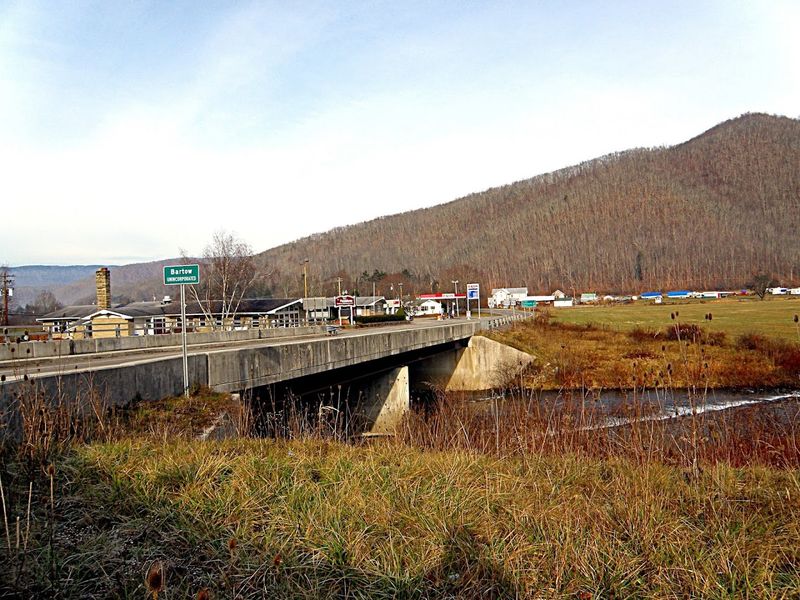
Pocahontas County holds a record most counties would find alarming. It’s one of the most sparsely populated counties east of the Mississippi River.
Bartow sits right in the middle of that statistic. The community runs along U.S.
Route 250 and West Virginia Route 92, settled on the East Fork Greenbrier River about two miles east of Durbin. Monongahela National Forest presses in from every direction.
Mountain ridges here swallow cell signals without apology. The nearest grocery store is a serious drive, which means residents plan ahead in ways most people have forgotten how to do.
There’s a rhythm to life that the surrounding wilderness enforces. Most residents seem to appreciate the arrangement.
The East Fork Greenbrier runs cold and reliable through every season. Outdoor enthusiasts find their way here through paper maps and stubbornness.
Digital navigation tends to go vague somewhere on the approach, then goes silent entirely. Bartow rewards the effort anyway.
The landscape is genuinely dramatic. Ridgelines turn the sky into a narrow strip of light above the valley.
The nearest signal bar feels like a different world from here. It’s the kind of place that makes you reconsider how much you actually need your phone, and whether losing it for a weekend might be the best thing that happens to you all year.
6. Dunlow, Wayne County
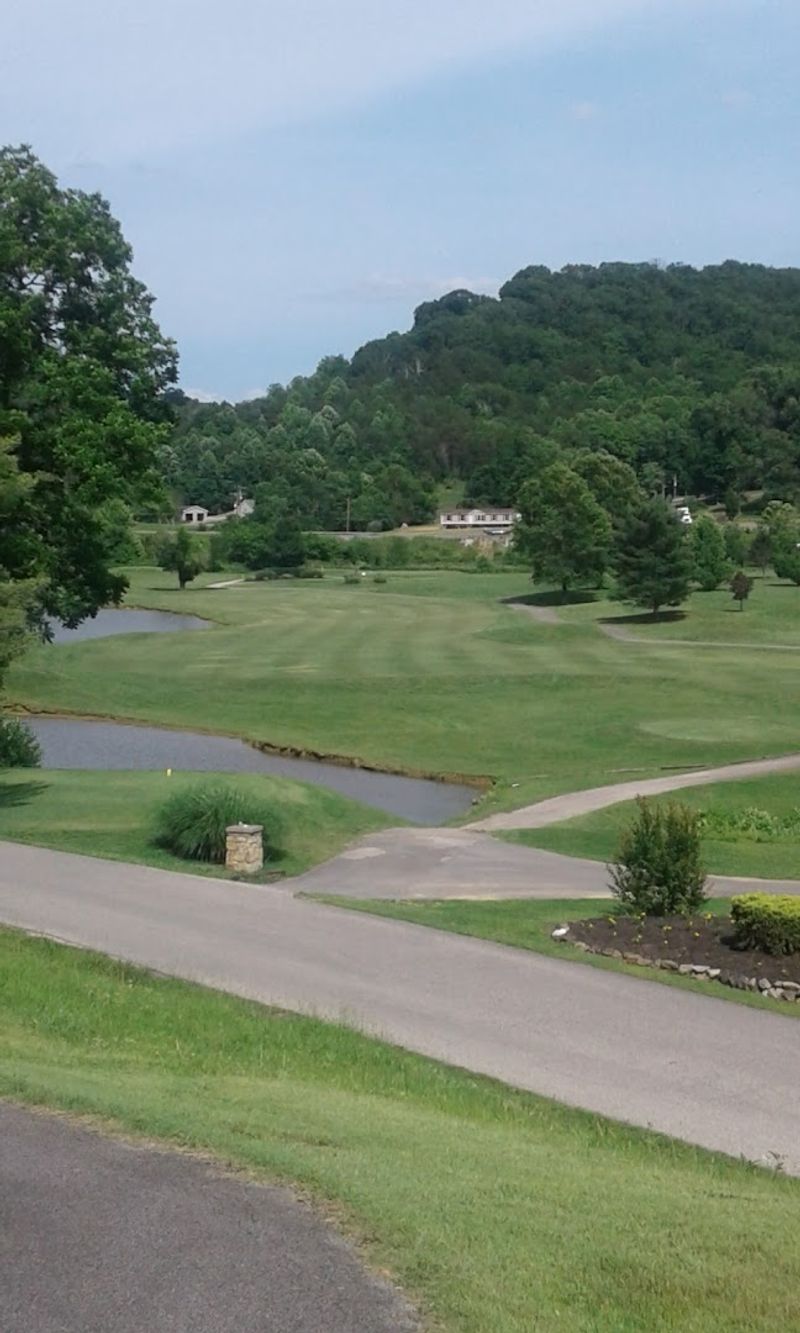
Railroad history decided the shape of Dunlow. The railroad’s departure left it exactly as it is today.
This unincorporated community in southern Wayne County sits on Twelvepole Creek, where the old railroad grade up the West Fork is still the only flat ground in the hollow. The line shut down in the early 1930s, replaced by a newer and straighter route.
Dunlow has been quietly folded into the creek valley ever since.
The hills press in from both sides with real intention. There’s no wide-open space here.
No town square. No central landmark for a GPS pin to land on.
The community stretches along the creek the way all hollow communities do, house by house, with the ridge above and the water below setting the boundaries of daily life.
Dunlow is unincorporated and easy to miss if you’re moving fast. The road discourages speed anyway.
The old railroad corridor gives the hollow a linear quality, everything oriented along that original grade as if the trains might return. They won’t.
But the grade is still there, gravel-packed and purposeful, connecting the community along the only axis the geography ever allowed.
Navigation apps go quiet around here. For a place shaped entirely by a railroad that no longer exists, that feels about right.
7. Ranger, Lincoln County
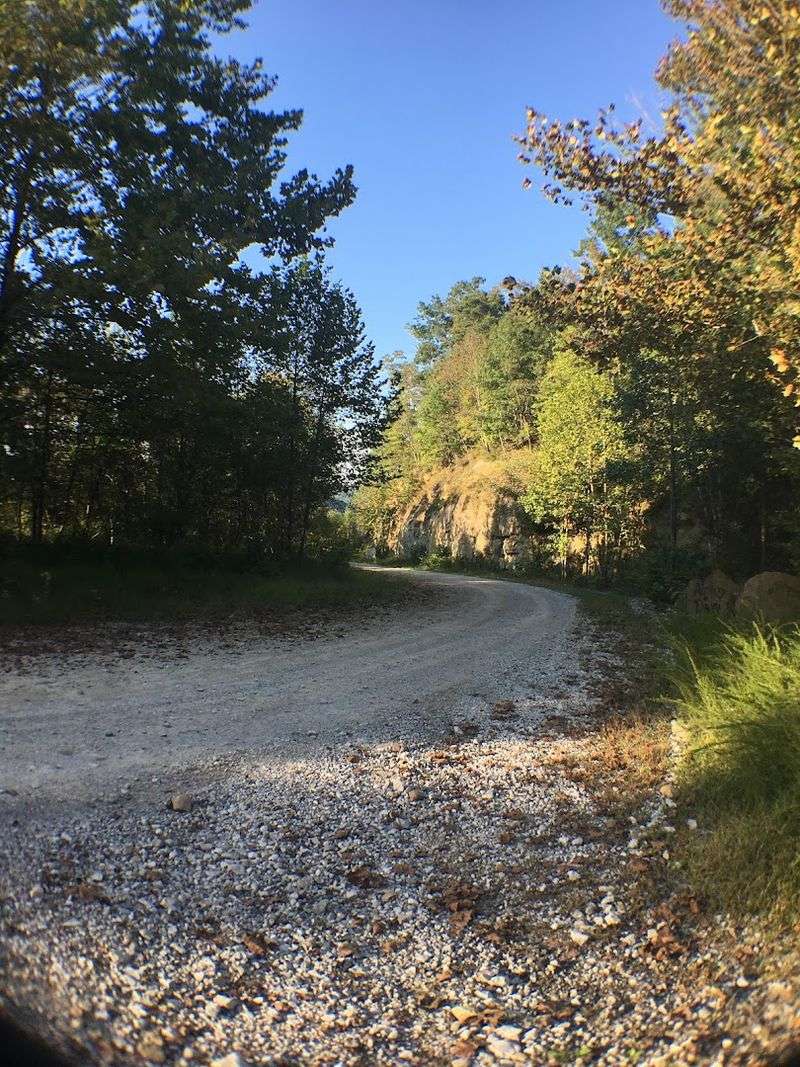
Every sunrise in Ranger feels like a private light show. Steep ridgelines rise on both sides of the narrow valley, framing the sky into something personal.
This small unincorporated community in Lincoln County stretches along a thin strip of bottomland. The surrounding terrain shaped it, and the surrounding terrain still runs it.
Cell service drops in and out depending on where you’re standing. The ridgelines have a lot to do with that.
Ranger spreads out in a long, linear pattern, following the valley rather than any formal plan. It doesn’t announce itself with signage or obvious landmarks.
Easy to pass through without realizing you were ever there.
Lincoln County carries a strong Appalachian identity. Ranger sits at the quieter end of that spectrum.
Wooded slopes and winding roads set the pace here in ways that are hard to explain until you’ve driven them. The landscape doesn’t ask permission to shape your day.
It just does.
Getting there means following roads that narrow as you go. Navigation becomes less precise the deeper you head in.
At some point the app stops offering confident directions and starts hedging. Locals don’t notice.
They’ve been reading these ridgelines their whole lives, and no update is going to change that. Ranger rewards the kind of traveler who already knew to put the phone down before they left the main road.
8. War Eagle, Mingo County
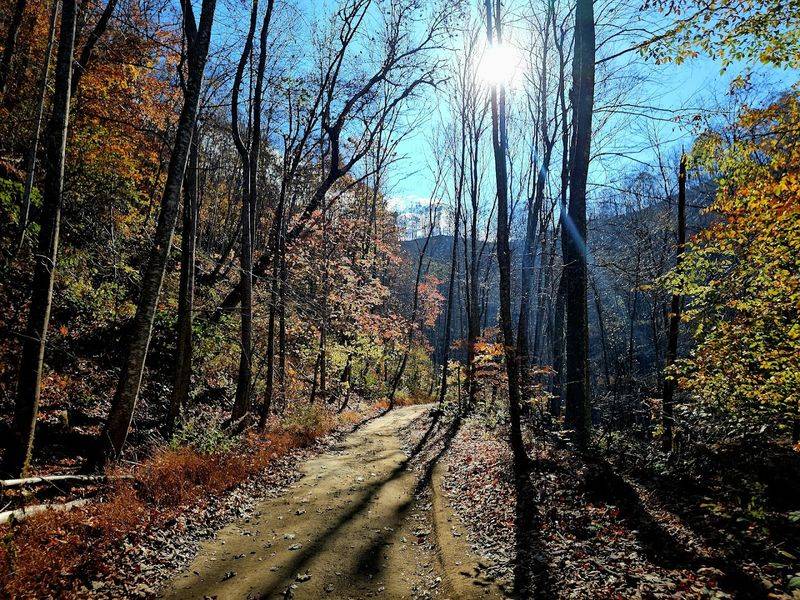
Sharp bends in the road are the first clue that War Eagle is serious about its privacy. The approach is narrow and twisting, with the roadway squeezing between forested slopes and water in a way that demands full attention and a reasonable speed.
Two miles southeast of Wharncliffe, War Eagle sits so far from the main flow of traffic that it barely registers on modern maps, which is saying something given how remote Wharncliffe already is.
The settlement presses tightly into the valley, its isolation shaped by the surrounding mountains in a way that feels almost deliberate. The community is small enough that describing it in detail would take longer than the drive through it.
But that compactness is part of what makes it memorable.
War Eagle occupies a particular category of remote that even experienced backcountry navigators find humbling. The surrounding mountains don’t just limit cell service, they limit the entire sense of scale that most people carry with them from flatter places.
The valley narrows, the ridges rise, and the settlement exists in the space that’s left over. Finding it requires patience, a decent paper map, and the willingness to accept that your navigation app will eventually stop pretending it knows where you are.
9. Isaban, McDowell And Mingo County Line
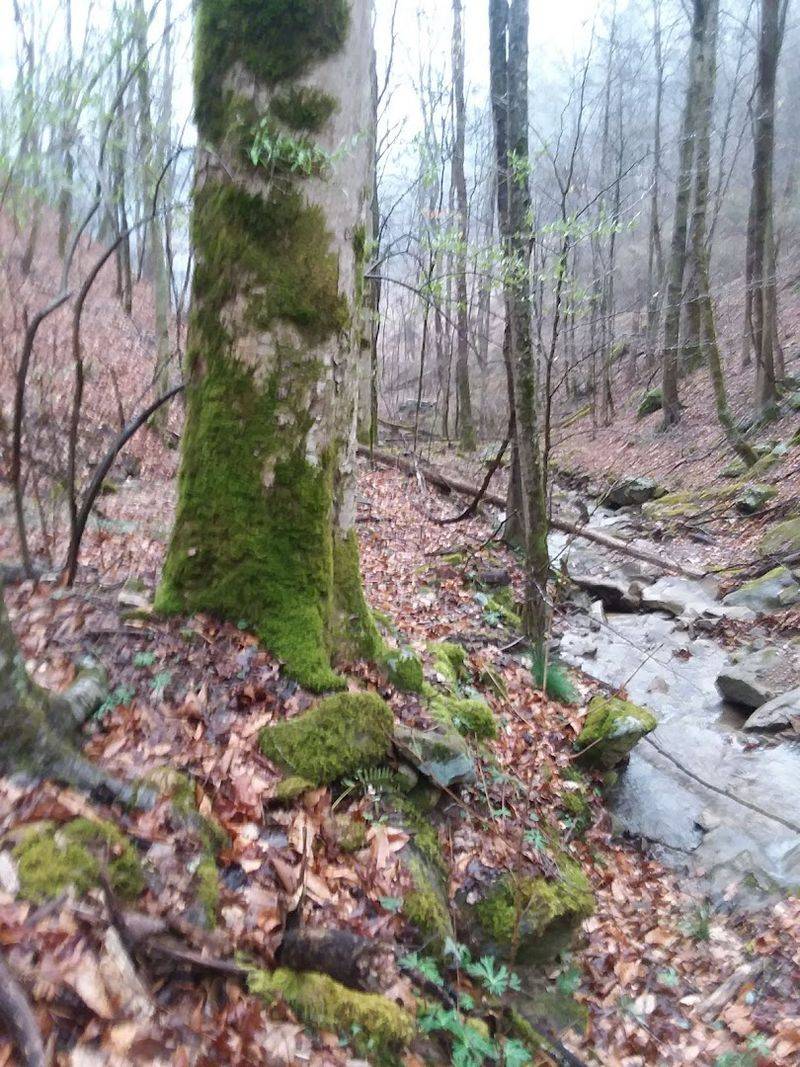
Isaban has a name with a story built right into it. The community on Fourpole Creek takes its name from a combination of two names, Isabel and Ann, which is exactly the kind of personal, specific origin that distinguishes a real place from a planned one.
Straddling the McDowell and Mingo County line deep in the southern coalfields, Isaban sits in a geography that makes GPS routing essentially decorative.
McDowell County occupies the Cumberland Mountains, a sub-range of the broader Appalachian system, where ridgelines and narrow creek drainages control everything, including where roads go, where communities form, and where cell signals give up.
The surrounding hollows have their own names: Bear Hollow, Chestnut Log Hollow, Elbow Hollow.
Each one functions as a community unto itself, a branch of the larger settlement that spreads along the creek.
Finding Isaban on a modern map requires some determination. It appears, if it appears at all, as a small label near Fourpole Creek with no corresponding infrastructure to confirm your arrival.
The coalfield history of this area runs deep, and the landscape still carries the marks of that era alongside the natural ridgelines and drainages that shaped everything before the mines arrived. It’s a place that rewards curiosity and forgives confusion.