12 Home Design Trends North Carolina Homeowners Are Finally Moving Away From
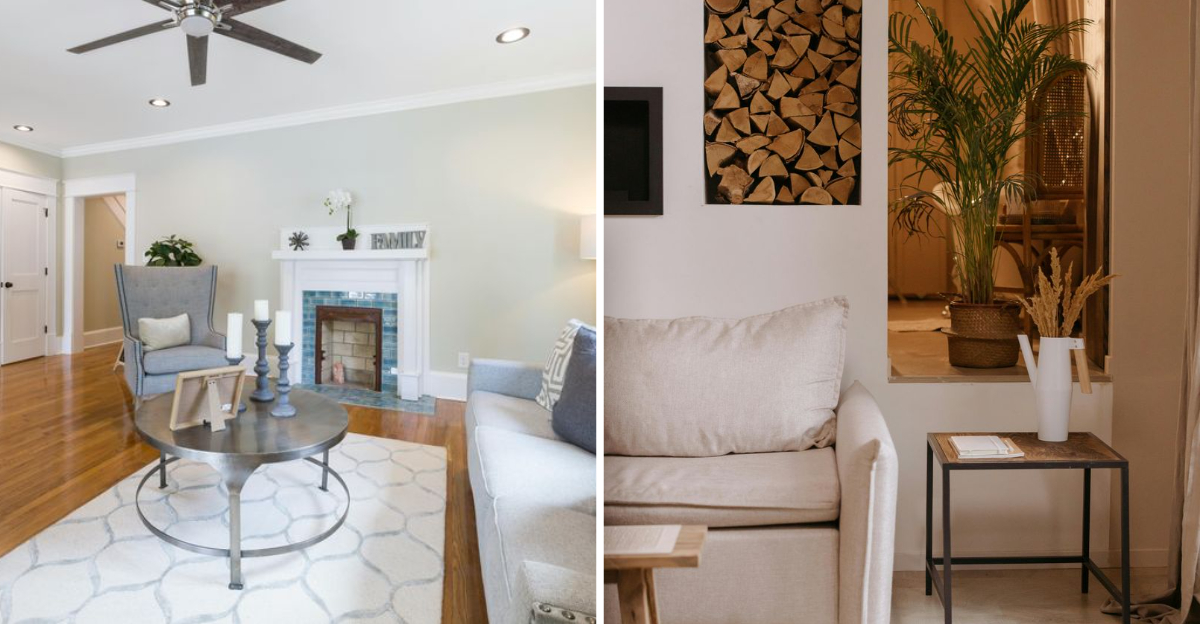
Home design is always changing, and what looked amazing five years ago might feel tired today.
I’ve noticed that homeowners across the state are ready to say goodbye to certain styles that once dominated every home makeover show and Pinterest board.
From overused farmhouse features to impractical kitchen choices, these trends are finally getting the boot in favor of more timeless and functional designs.
1. Shiplap Walls Everywhere
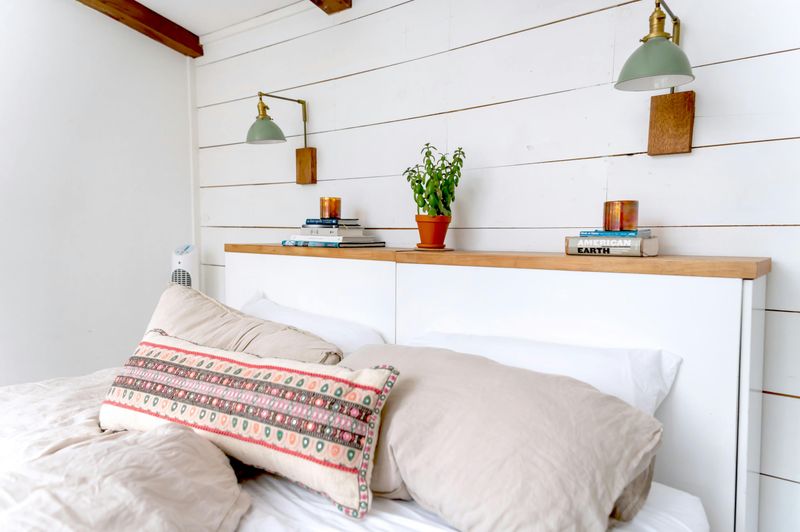
Remember when shiplap appeared on every single wall in sight?
Those days are fading fast as homeowners realize that too much of this horizontal paneling makes rooms feel repetitive and dated.
What started as a fresh farmhouse accent has become overwhelming when used floor to ceiling in every room.
I’m seeing people replace shiplap with smoother wall treatments that add subtle texture without screaming for attention.
Venetian plaster and limewash finishes are taking over because they bring depth and sophistication without the farmhouse overload.
Your walls deserve treatments that feel timeless rather than tied to a specific decorating moment.
Removing shiplap also opens up possibilities for bolder wallpaper choices or simply clean painted surfaces that let your furniture shine.
2. Barn Doors in Every Doorway
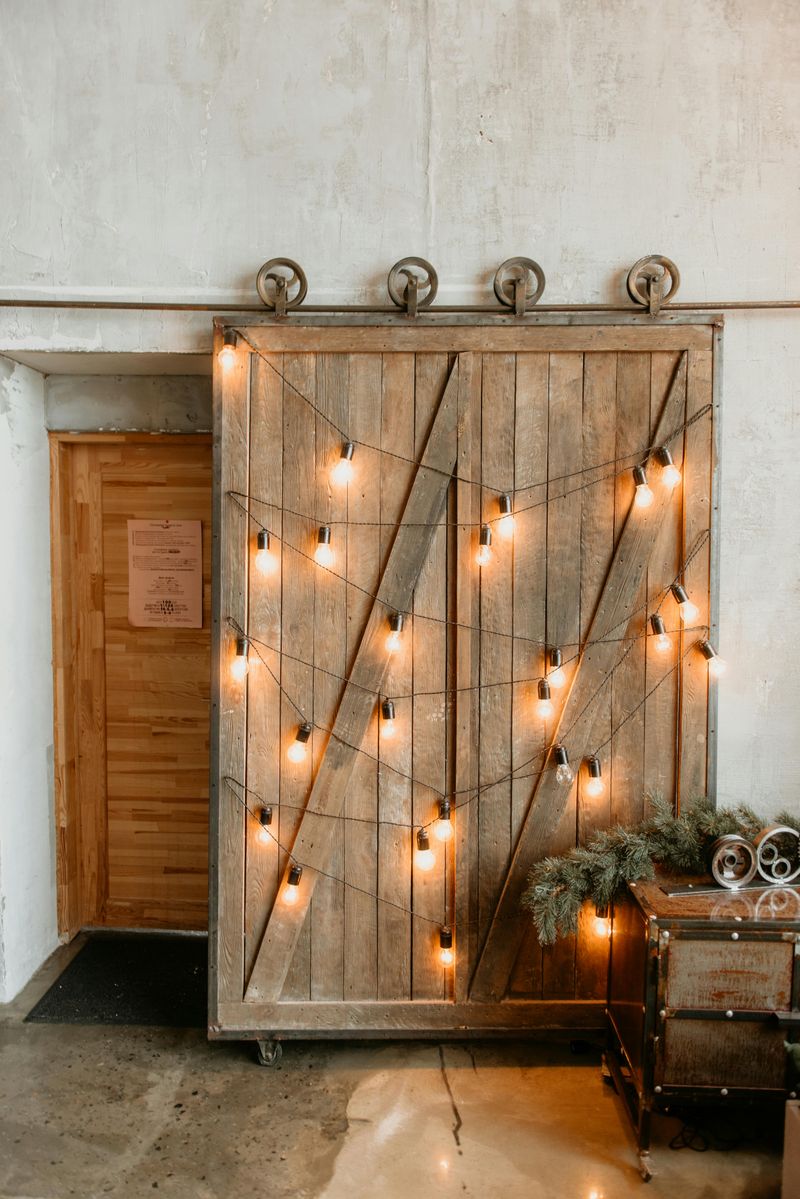
Sliding barn doors seemed like the perfect rustic touch until reality set in.
They don’t seal out noise or smells, which becomes a real problem for bathrooms and bedrooms.
The hardware requires regular maintenance and the doors take up valuable wall space on both sides.
I’ve watched countless homeowners struggle with privacy issues because these doors leave gaps that regular doors simply don’t have.
Traditional hinged doors or sleek pocket doors are making a comeback because they actually work better for everyday living.
Your home functions best when doors do their job properly instead of just looking Instagram-worthy.
Plus, removing barn doors frees up wall space for art or furniture placement that makes more practical sense.
3. All-White Everything Interiors
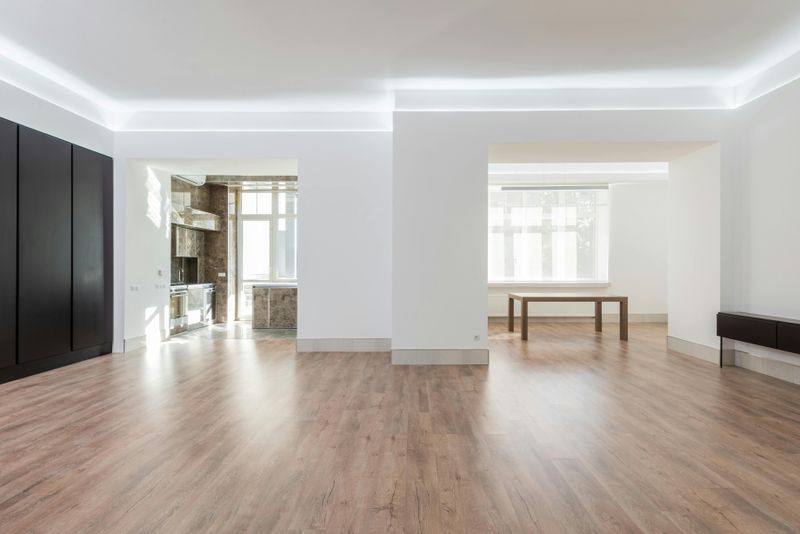
Pure white rooms promised a clean slate but delivered constant cleaning instead.
Every fingerprint, scuff mark, and spill shows up immediately on white surfaces, making maintenance exhausting.
The all-white look can feel cold and hospital-like rather than welcoming and comfortable.
I’m noticing a major shift toward warmer neutrals like cream, beige, and soft gray that add personality without the upkeep nightmare.
These colors create depth and make spaces feel lived-in rather than like a showroom nobody can touch.
Your home should reflect real life, not a magazine spread that requires professional cleaning after every meal.
Adding color through walls or furnishings brings warmth back into spaces that felt too sterile and impersonal.
4. Artificially Distressed Furniture
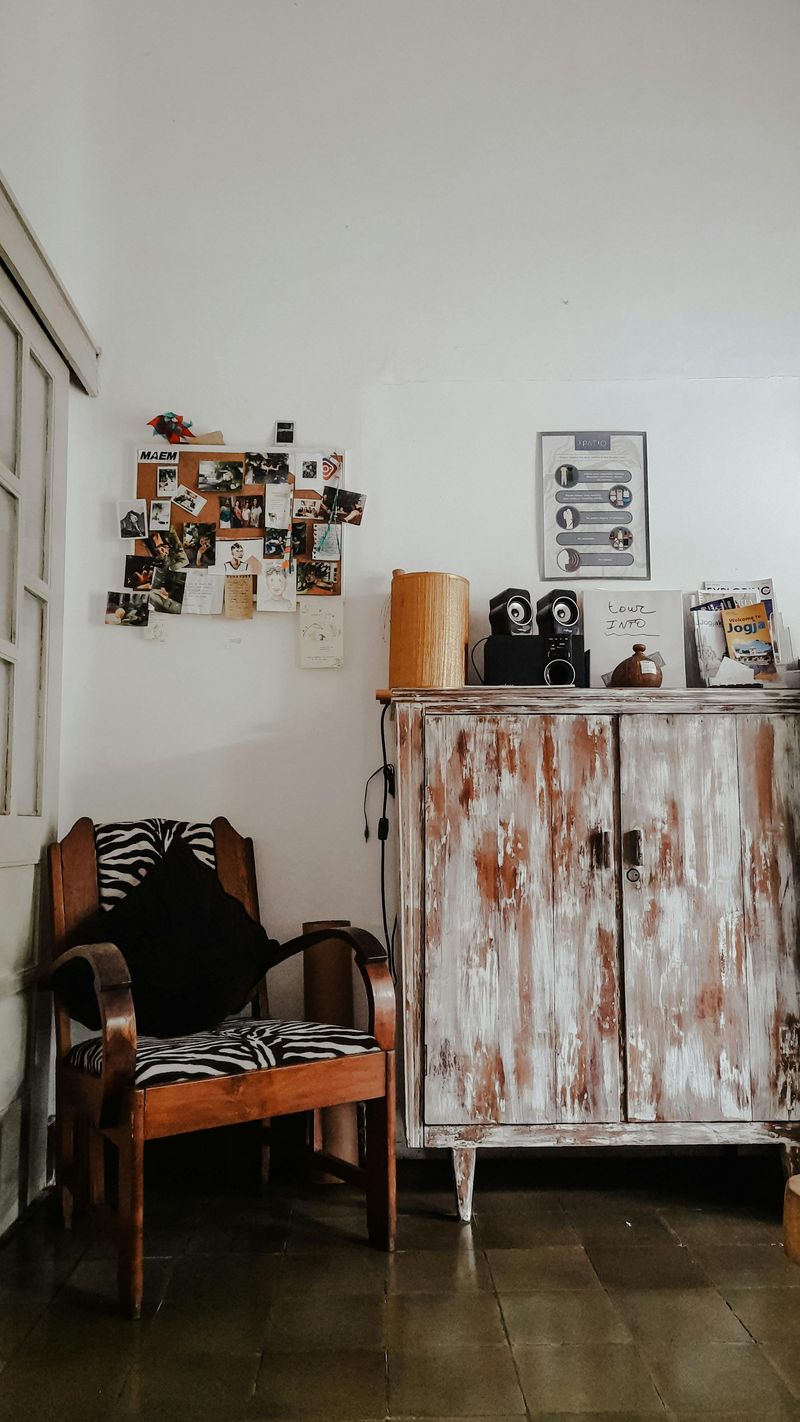
Fake wear marks on brand-new furniture never quite looked authentic anyway.
Mass-produced pieces with artificial distressing lack the character that genuine vintage items naturally develop over time.
I’ve seen people realize that these shabby chic pieces just look cheap rather than charmingly aged.
The trend toward authentic vintage finds or quality wood furniture with real patina feels so much more meaningful.
Real age tells stories that factory-made distressing simply cannot replicate, no matter how carefully applied.
Your furniture investment should focus on quality construction that will actually last for decades.
Natural wood finishes showcase beautiful grain patterns and develop their own authentic character as years pass by.
5. Subway Tile Everywhere
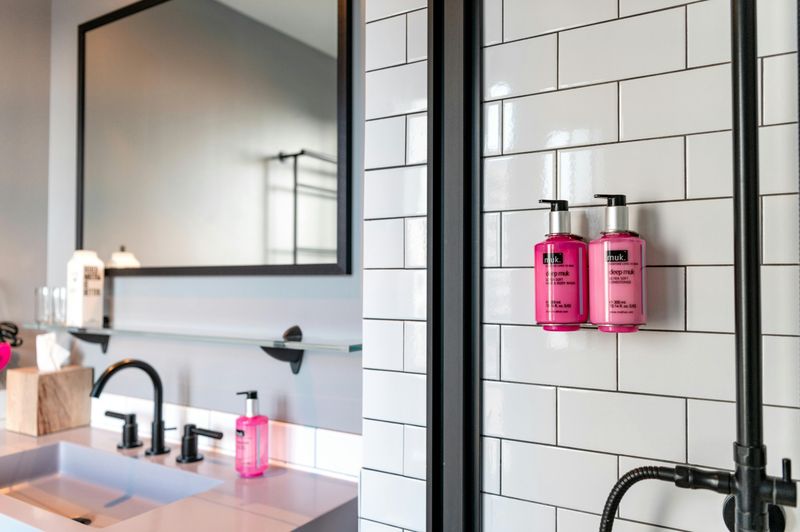
Classic subway tiles became so common that they lost all their special appeal.
Covering entire walls from floor to ceiling with these rectangular tiles creates visual monotony rather than timeless style.
I’ve noticed people getting creative by using subway tiles as accents instead of wall-to-wall coverage.
Handmade versions with unique glazes or interesting colors bring personality back to this classic shape.
Your tile choices should add interest to a space rather than fade into boring background noise.
Mixing tile shapes and sizes creates more dynamic surfaces that catch the eye in good ways.
Strategic placement of subway tiles works better than blanket coverage that makes every room look identical to the next.
6. Open Kitchen Shelving
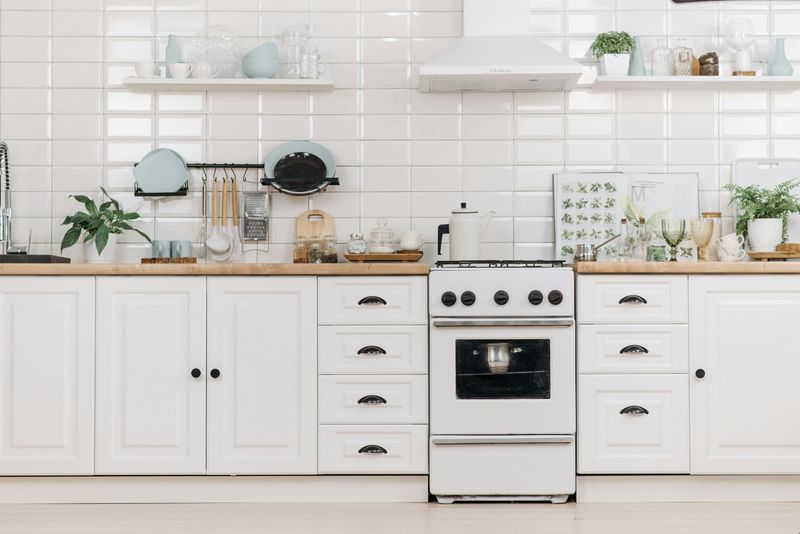
Displaying all your dishes sounded charming until the dust and grease started accumulating.
Open shelving requires constant organizing and cleaning to look good, which most busy families simply can’t maintain.
I’m seeing a return to closed cabinetry that hides clutter and keeps dishes cleaner between uses.
The Instagram-perfect open shelf look rarely survives contact with real daily cooking and living.
Your kitchen storage should make life easier, not create extra work just to keep things looking presentable.
Closed cabinets let you stack things efficiently without worrying about how aesthetically pleasing your everyday dishes appear.
A few open shelves for display pieces work fine, but replacing all upper cabinets proved impractical for most households.
7. Oversized Rustic Clocks
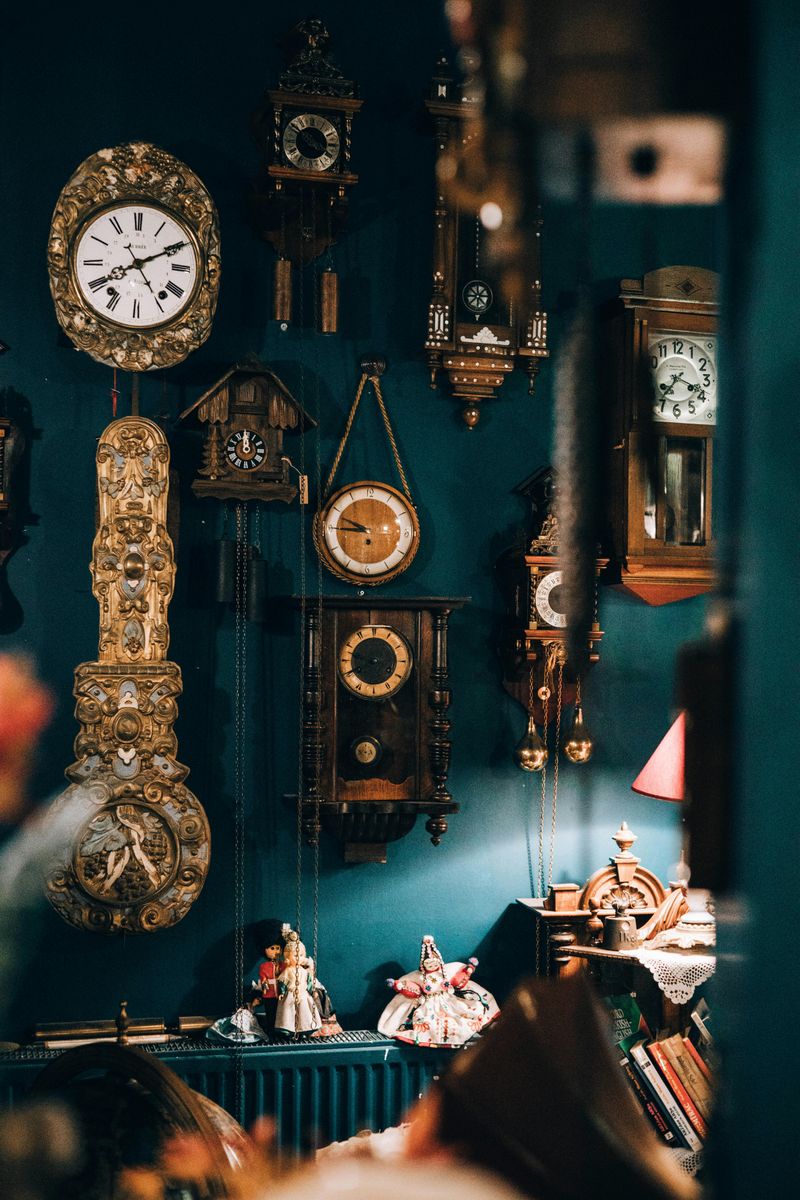
Giant clocks that dominated entire walls seemed dramatic until they just looked out of proportion.
These oversized timepieces often overwhelmed rooms and competed with everything else for visual attention.
I’m seeing people replace them with appropriately scaled art or clock designs that complement rather than dominate spaces.
Rooms feel more balanced when wall decor fits the scale of the furniture and architectural features.
Your wall space should showcase pieces that enhance the room rather than overwhelm every other element.
Smaller clocks or meaningful artwork creates focal points without making everything else in the room disappear.
The rustic farmhouse clock trend has run its course as people seek more varied and personal wall treatments.
8. Edison Bulbs in Every Fixture
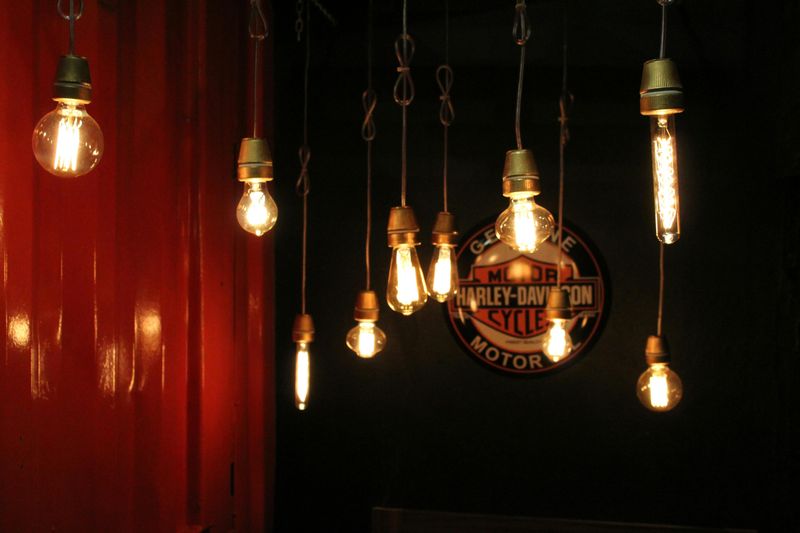
Visible filament bulbs looked cool as an accent but became tiresome when used in every single light fixture.
The warm glow is lovely but often doesn’t provide enough actual light for tasks like reading or cooking.
I’ve watched homeowners diversify their lighting by mixing Edison bulbs with more functional options throughout their homes.
Good lighting design balances ambiance with practicality so you can actually see what you’re doing.
Your lighting should serve multiple purposes rather than just looking vintage and atmospheric all the time.
Varied lighting solutions let you adjust brightness and mood depending on the time of day or activity.
A few Edison bulbs create nice atmosphere, but using them everywhere sacrifices function for style in impractical ways.
9. Wall-to-Wall Carpet in Main Rooms
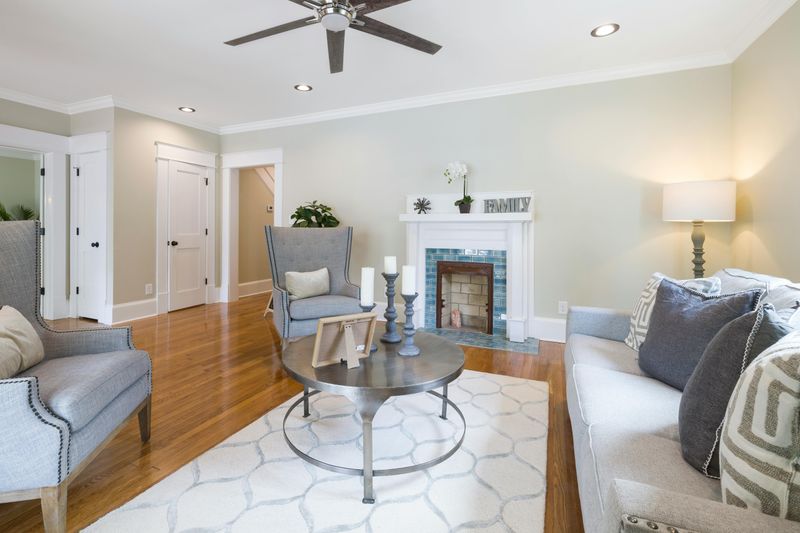
Carpeting throughout main living areas traps allergens and shows every stain and wear pattern over time.
Cleaning carpet thoroughly requires special equipment and effort that hard surfaces simply don’t demand.
I’m seeing a major transition to hardwood, luxury vinyl, or tile that’s easier to maintain and more durable.
Hard surface flooring works better for busy households and looks cleaner longer with simple sweeping and mopping.
Your flooring choice impacts daily maintenance significantly, so practical considerations matter as much as appearance.
Area rugs on hard floors give you warmth and softness where you want it without the permanent commitment.
Modern flooring options look beautiful while standing up to pets, kids, and everyday life better than wall-to-wall carpet ever could.
10. Matching Furniture Sets
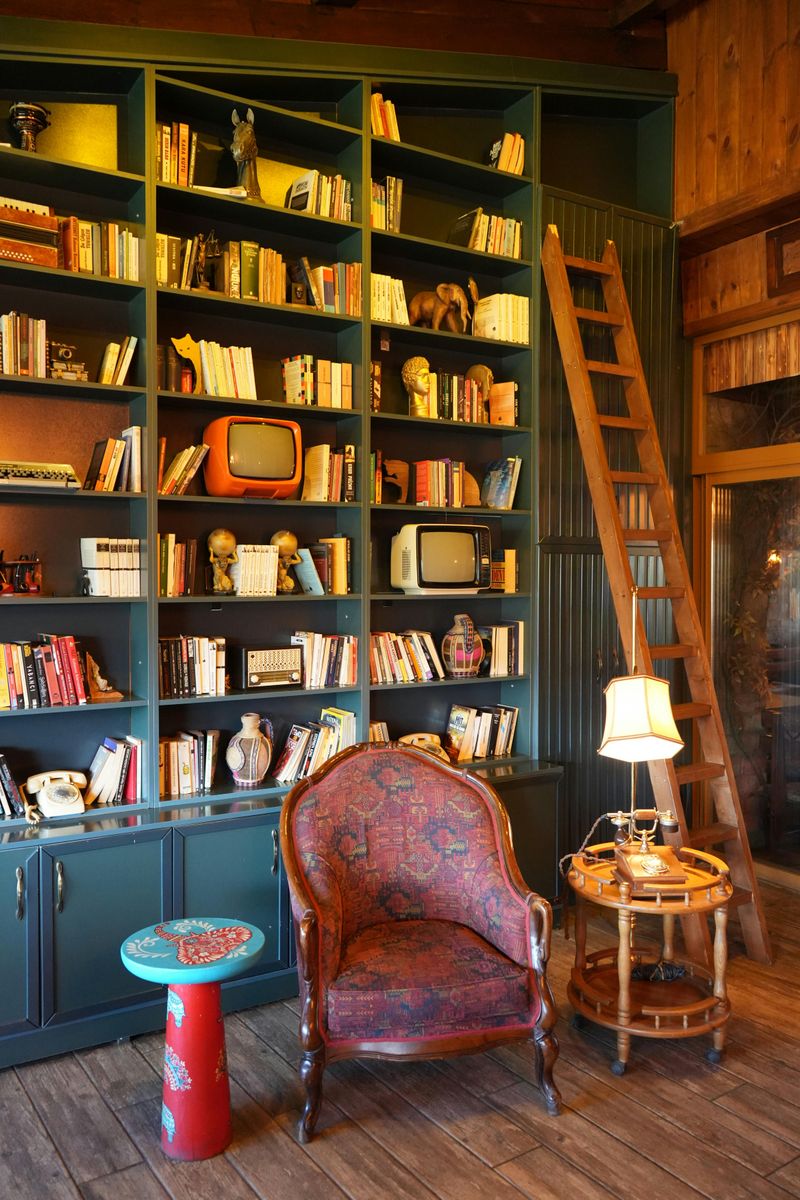
Perfectly matching furniture sets used to symbolize cohesiveness.
Now, they’re viewed as uninspired. Homeowners are embracing eclectic styles, mixing different textures, colors, and eras.
This shift allows for a more personalized and dynamic living space.
Mixing pieces can create a room that feels curated rather than cookie-cutter.
Unique items tell a story and add depth to interior design. Gone are the days of showroom-style matchy-matchy living rooms.
11. Faux Architectural Details
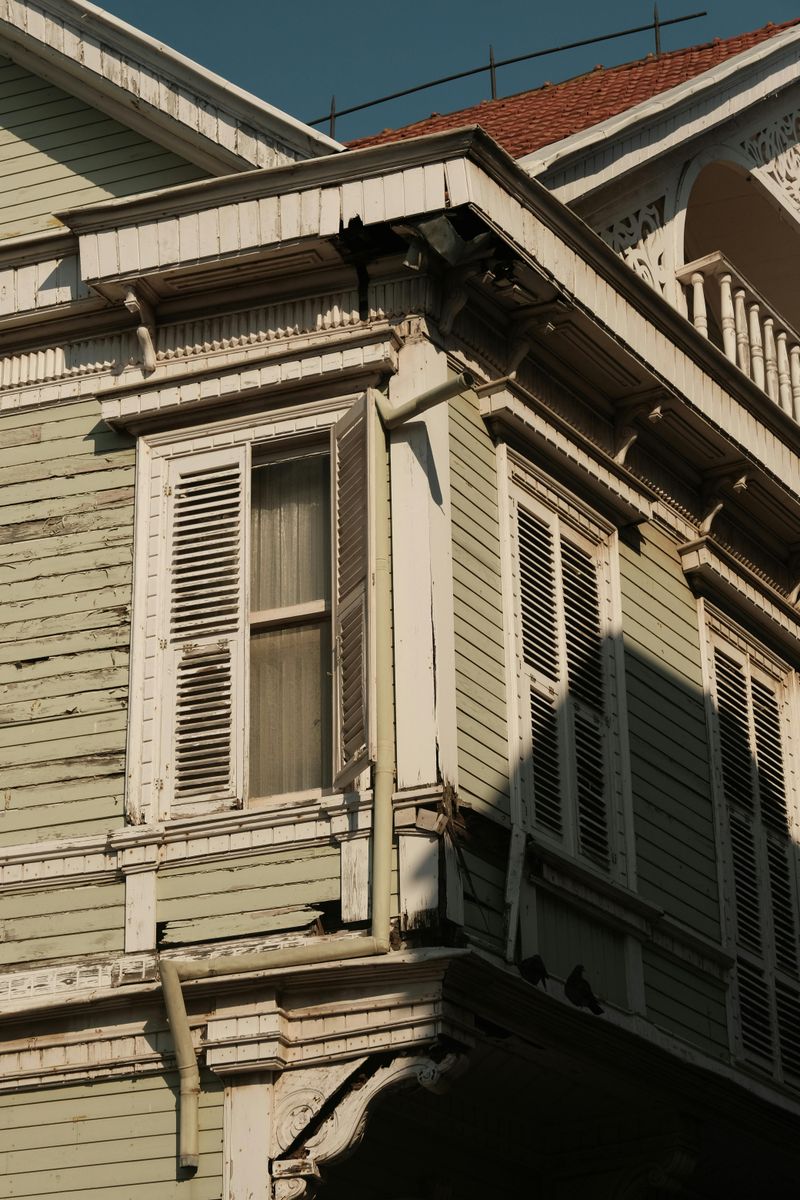
Faux architectural details like plastic crown moldings and fake wooden beams once added perceived value and character to spaces.
However, the trend has shifted towards authenticity and craftsmanship.
Homeowners now prefer genuine materials that enhance the structure and narrative of their homes.
Real wood beams or handcrafted moldings offer a sense of tradition and quality.
This move away from imitation reflects a broader desire for authenticity in design.
12. Excessive Use of Beige
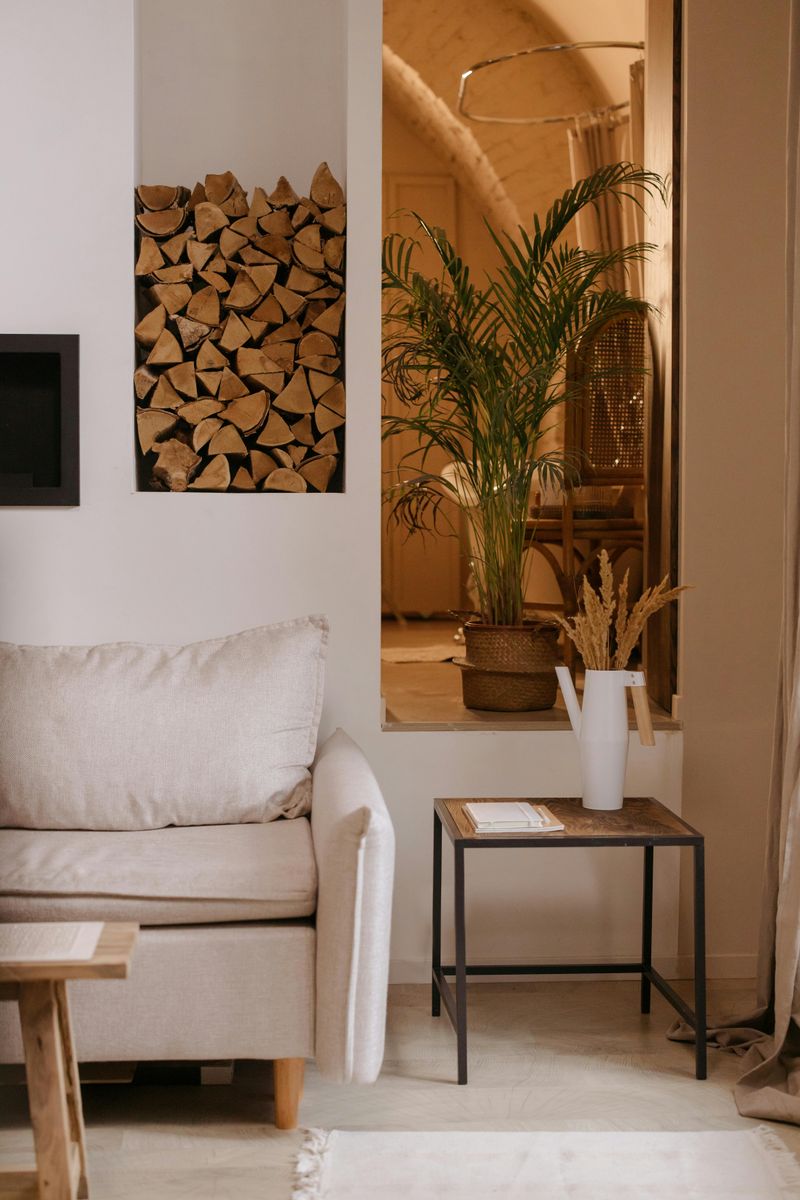
The beige era dominated interiors for its neutral flexibility. But now, it’s seen as dull and uninspiring.
Homeowners are gravitating towards vibrant palettes that inject personality and warmth.
Rich tones and bold accents are replacing the monotonous beige walls.
The desire for individuality and expression is evident in the choice of lively colors.
This shift signifies a move towards more joyful and engaging living environments.