14 Home Features In New Mexico That Could Be Breaking Current Regulations
Owning a home in the Land of Enchantment comes with unique responsibilities that many residents don’t realize until it’s too late.
Building codes and neighborhood rules have evolved significantly over the past few years, leaving some traditional features in violation.
What seemed perfectly acceptable when you moved in might now be breaking current regulations, potentially leading to fines or required modifications.
Understanding these changes helps you stay compliant while preserving your home’s character and value.
1. Traditional Adobe Construction
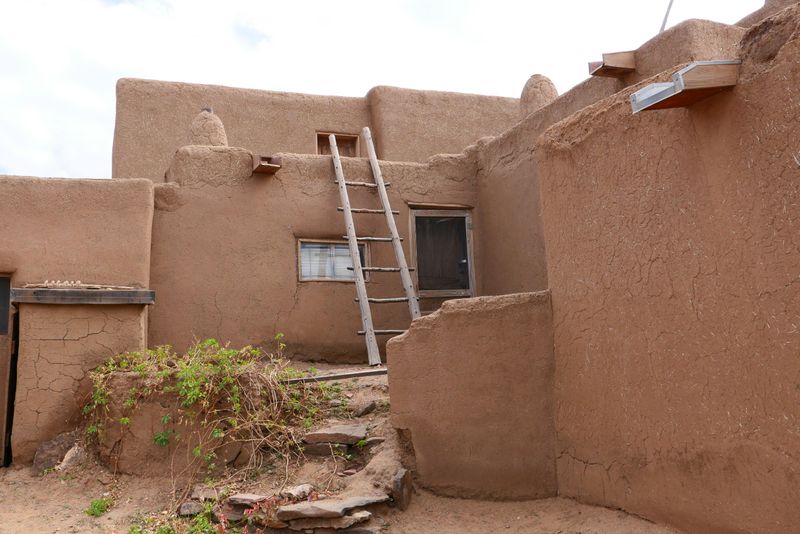
Iconic structures made from sun-dried clay bricks have defined regional architecture for centuries.
New Mexico’s signature building style now faces scrutiny under the 2021 Residential Energy Conservation Code.
Modern standards demand adequate electrical outlets for future electric vehicle charging equipment throughout residential properties.
Insulation requirements have become significantly more stringent, creating compliance challenges for historic construction methods.
Thick earthen walls that once seemed perfect for temperature regulation often fall short of current thermal performance benchmarks.
Retrofitting these beloved buildings requires careful planning to preserve their cultural significance while meeting contemporary energy efficiency targets.
Homeowners must balance heritage preservation with regulatory obligations.
Professional assessments help identify necessary upgrades without compromising architectural integrity.
2. Excessive Rock Ground Cover

Water-saving landscaping choices sometimes create unintended environmental consequences.
Decorative gravel seemed like the perfect solution for drought-conscious New Mexico residents seeking low-maintenance yards.
Heat island effects have changed how communities view large expanses of stone ground cover.
Rocks absorb intense summer sunlight and radiate warmth long after sunset, raising neighborhood temperatures uncomfortably.
Current regulations now mandate at least 25% living ground cover even in xeriscaped designs.
This balance between water conservation and temperature management reflects evolving understanding of sustainable landscaping.
Native plants and strategic placement of stone elements work together more effectively than rock-only approaches.
Compliance requires thoughtful redesign that maintains water efficiency while cooling outdoor spaces naturally.
3. Artificial Turf Installation

Synthetic grass promised permanent green lawns without watering or mowing.
Growing restrictions throughout New Mexico neighborhoods now challenge this water-saving alternative.
Surface temperatures on artificial turf can soar beyond 150°F during summer months, creating dangerous conditions for children and pets.
Natural water absorption becomes impossible with impermeable plastic materials covering soil.
Microplastic pollution increases as synthetic fibers deteriorate under intense ultraviolet exposure.
Updated regulations specify maximum coverage percentages to limit these environmental impacts.
Permeable underlayment systems are now required to allow proper drainage beneath any approved installations.
Homeowners must weigh water savings against heat generation and ecological concerns when considering synthetic lawn alternatives.
4. Tall Privacy Fences
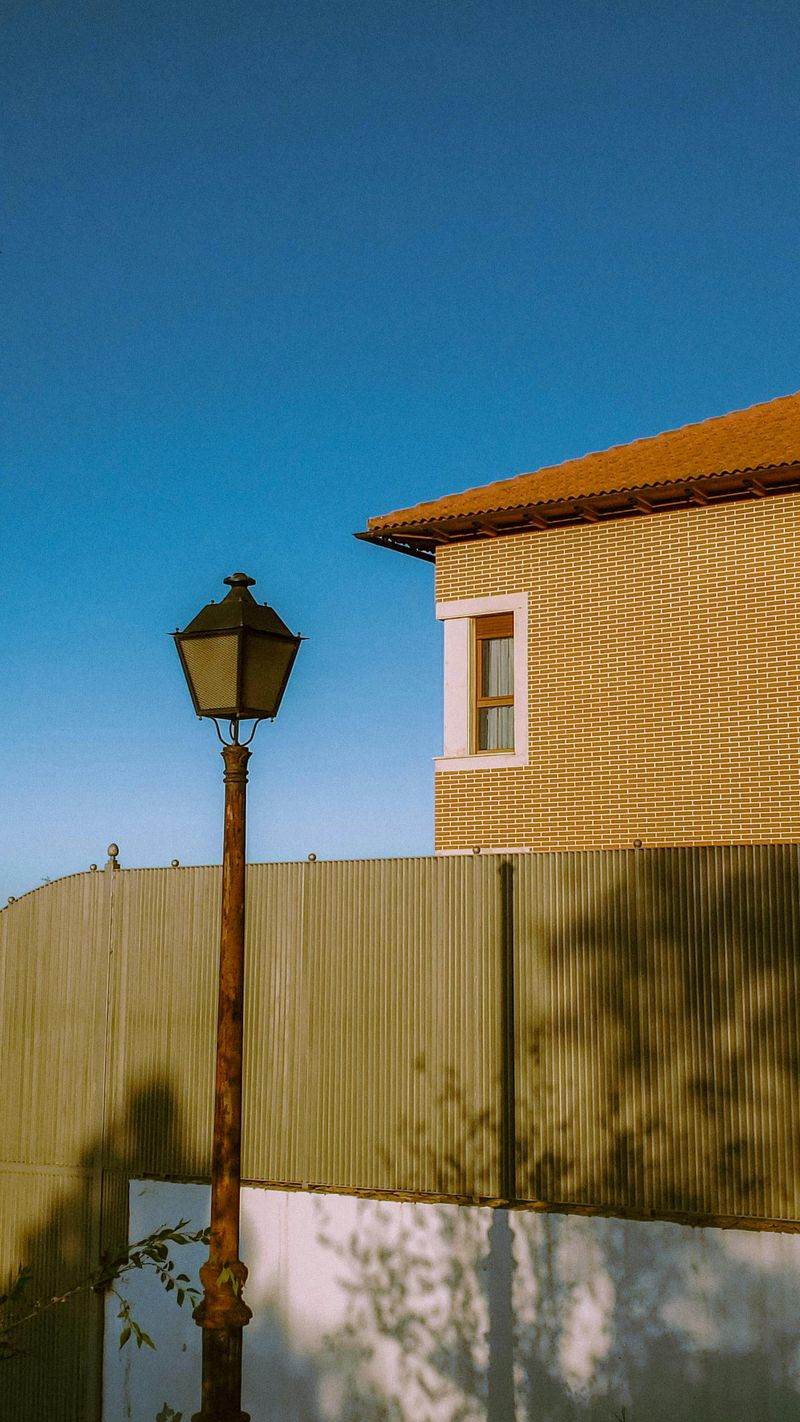
Boundary barriers have become subject to increasingly specific height limitations across municipalities.
Privacy concerns once justified fences of any height homeowners desired.
New Mexico communities now typically cap front yard fences at 3 feet and backyard structures at 6 feet maximum.
Wildlife corridor preservation drives many of these restrictions, especially near natural landscapes.
Animals need safe passage through developed areas to maintain healthy population distribution.
Some jurisdictions require periodic ground-level openings in fence designs to accommodate wildlife movement patterns.
Property boundaries remain clearly defined while allowing ecological connectivity.
Homeowners must balance security and privacy needs with environmental stewardship obligations.
Checking local ordinances before installing or replacing fences prevents costly compliance issues.
5. Non-Native Palm Trees

Tropical aesthetics clash with desert reality in ways that strain water resources.
Despite their popularity, palm varieties are extraordinarily thirsty plants poorly suited to New Mexico’s arid climate.
Mexican fan palms can consume up to 300 gallons of water weekly during peak summer months.
Several communities now prohibit new palm installations outright.
Rebate programs encourage removal of existing specimens in favor of native alternatives like desert willow or piñon pine.
These indigenous trees require far less irrigation while supporting local wildlife and ecosystems.
Transitioning from palms to appropriate species improves property sustainability.
Native plantings also tend to thrive with minimal maintenance once established.
Checking current restrictions before purchasing ornamental trees saves future hassle.
6. Excessive Terra Cotta Usage
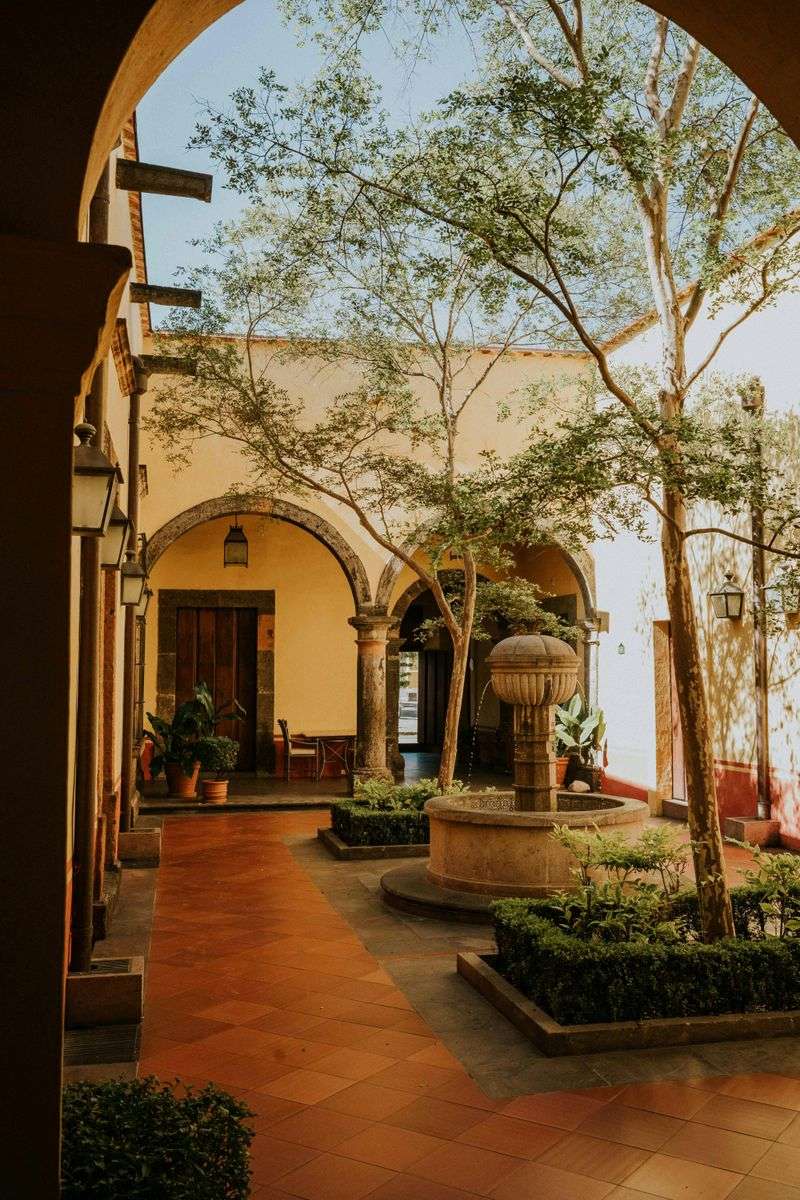
Orange-brown clay once dominated every surface imaginable in regional homes.
Floor tiles, countertops, and decorative pots created overwhelming earthy monotony throughout New Mexico interiors.
Contemporary designers now recommend using terra cotta as an accent rather than the primary material.
Moderation creates visual interest where saturation produced tedium.
The material’s natural beauty shines more effectively when balanced with other textures and colors.
Overuse can make spaces feel dated and one-dimensional.
Strategic placement of clay elements highlights their warmth without overwhelming room aesthetics.
Mixing materials creates sophisticated layers that honor regional traditions while embracing modern sensibilities.
Thoughtful design choices prevent the terra cotta overload that characterized previous decades.
7. Overly Ornate Ironwork
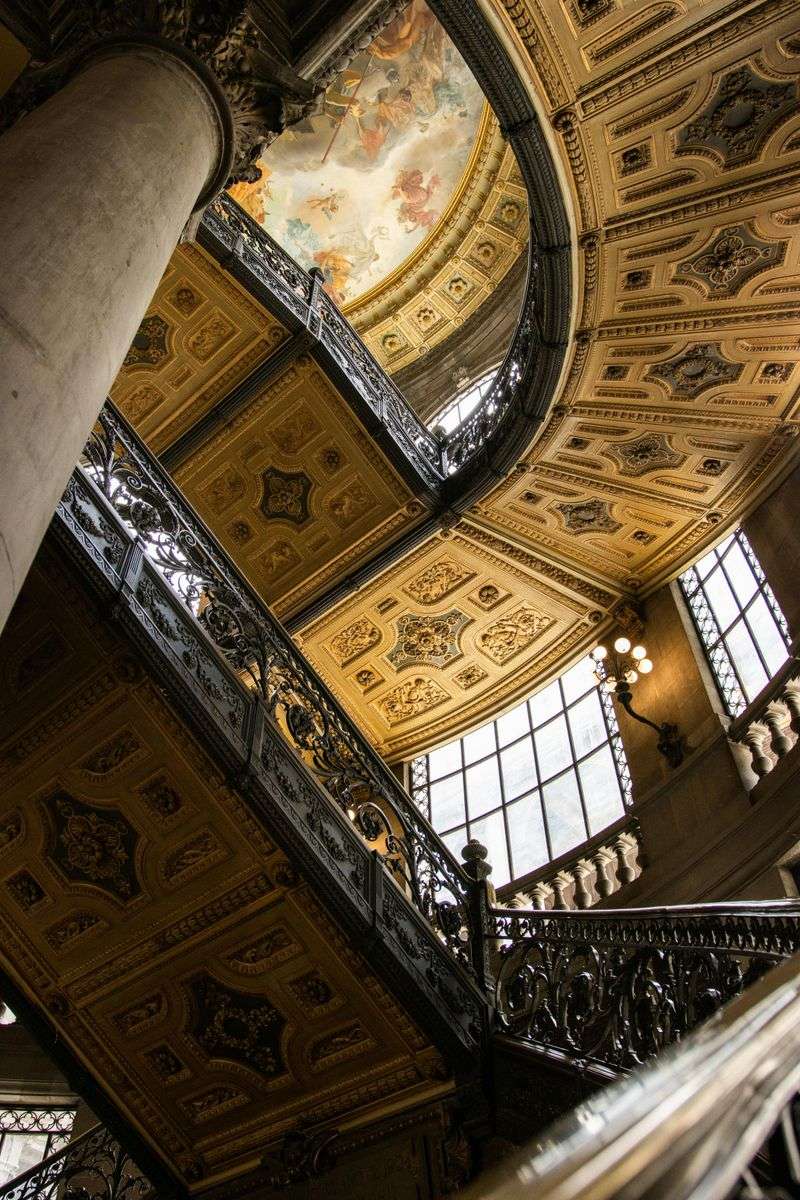
Intricate metal details once signaled Southwestern luxury and craftsmanship.
Spiral staircase railings, elaborate gates, and twisted window grilles defined aspiration in New Mexico residential design.
Contemporary homeowners increasingly prefer clean lines over fussy flourishes.
Rust-prone features require constant maintenance that many find burdensome.
The upkeep demands have left residents feeling twisted about their formerly charming metalwork.
Simpler designs offer timeless appeal without the constant attention decorative ironwork demands.
Minimalist approaches also tend to complement both traditional and modern architectural styles more versatilely.
Removing or simplifying overly ornate elements often refreshes home aesthetics dramatically.
Functional beauty without excessive ornamentation represents current design philosophy.
8. Desert Hues Dominance
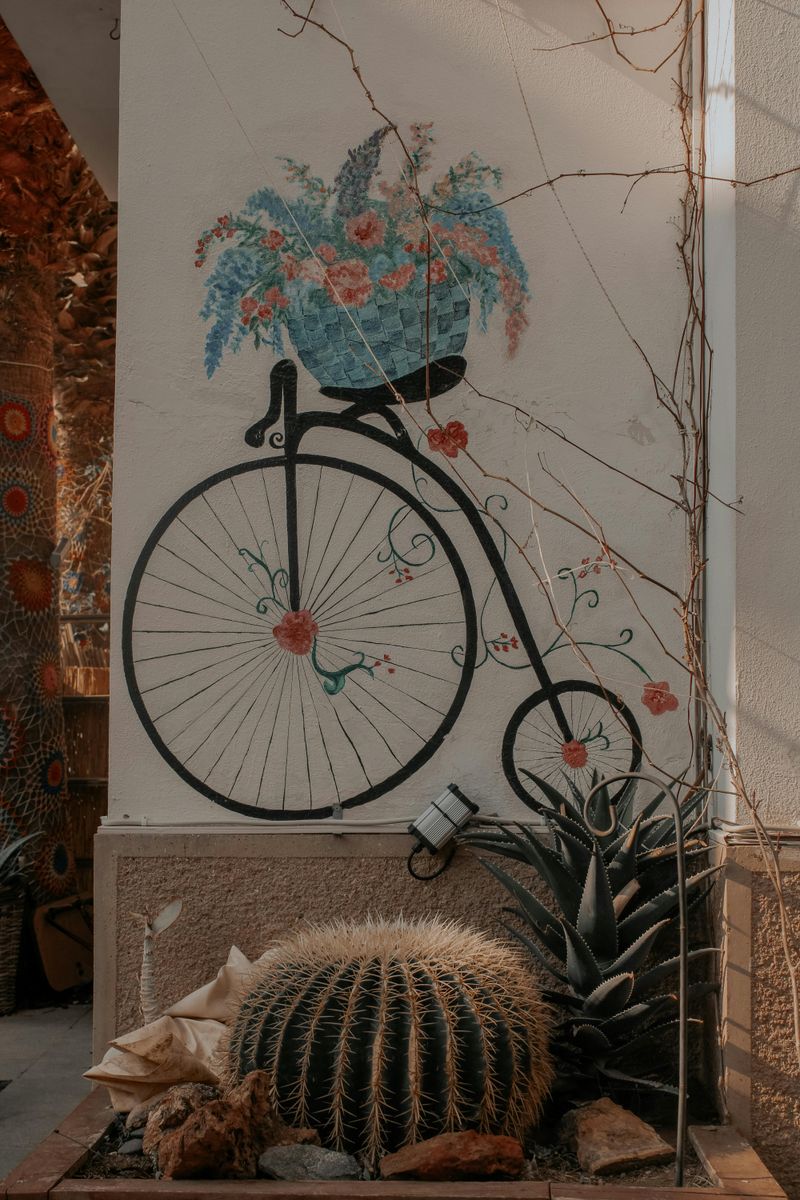
Beige and brown dominated residential color schemes for decades throughout the region.
Walls, furniture, and accessories all blended into one sandy, monotonous palette supposedly reflecting the landscape.
This desert camouflage approach now feels depressingly dull to most homeowners and designers.
Modern Southwest design embraces vibrant contrasts and unexpected color pops against neutral backgrounds.
Turquoise, coral, and deep terracotta accents energize spaces without abandoning regional character.
The all-beige era created rooms that felt lifeless rather than serene.
Strategic color placement honors natural surroundings while injecting personality and warmth.
Contemporary palettes prove you can celebrate desert beauty without mimicking it exclusively.
Thoughtful contrast creates visual interest that pure neutrals cannot achieve.
9. Southwestern Ranch Sprawl
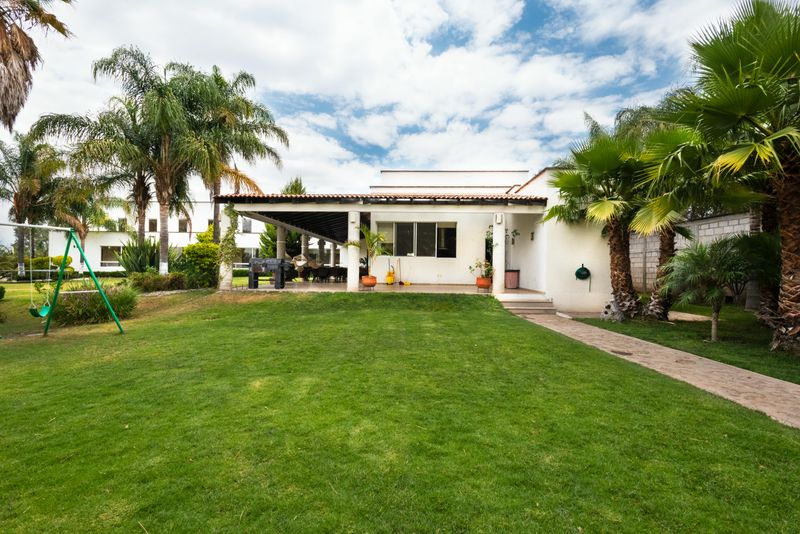
Single-story layouts with pitched roofs and attached garages became the suburban standard.
Sprawling Southwestern ranch homes once dominated New Mexico’s residential landscape completely.
These space-hungry designs waste precious land that could support more sustainable development.
Eco-conscious buyers now prefer smaller footprints and vertical living arrangements.
Multi-story construction maximizes usable space while minimizing environmental impact.
Land conservation has become increasingly important as populations grow and natural areas shrink.
Compact designs also reduce heating and cooling costs significantly.
Energy efficiency improves when homes don’t spread across excessive square footage.
Modern preferences favor thoughtful space utilization over impressive horizontal dimensions.
Vertical architecture represents responsible stewardship of limited resources.
10. Heavy Dark Wood Interiors
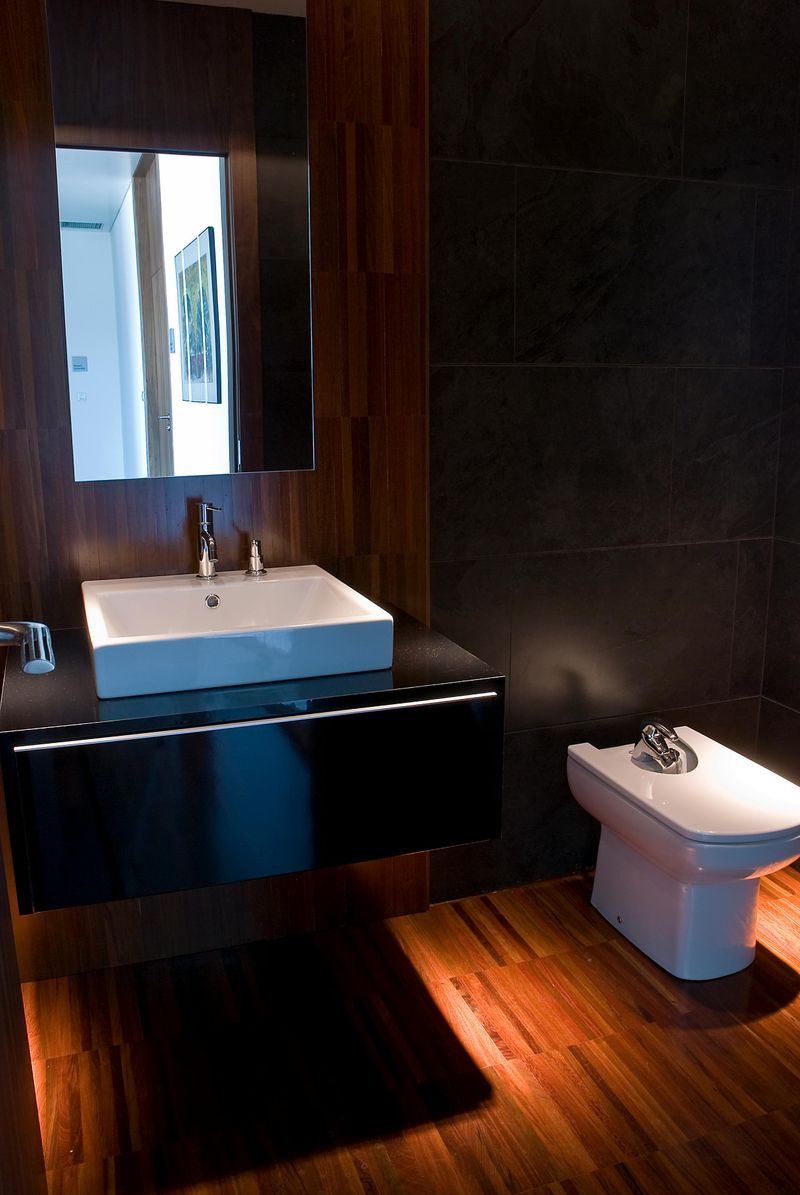
Imposing vigas, chunky furniture, and mahogany-toned everything once defined Southwestern elegance.
Dark wood overload turned many New Mexico interiors into stylish caves lacking natural brightness.
Contemporary homeowners are burnt out on the gloom these heavy elements create.
Lighter woods and painted beams open spaces dramatically while maintaining architectural interest.
Natural light becomes a priority in modern renovations and new construction.
Spaces should lift moods rather than weigh them down with oppressive darkness.
Airiness and brightness have replaced heavy, brooding aesthetics in current design preferences.
Selective use of dark wood as accent rather than dominant feature achieves better balance.
Rooms feel more spacious and welcoming when not overwhelmed by dark tones.
11. Decorative Water Features
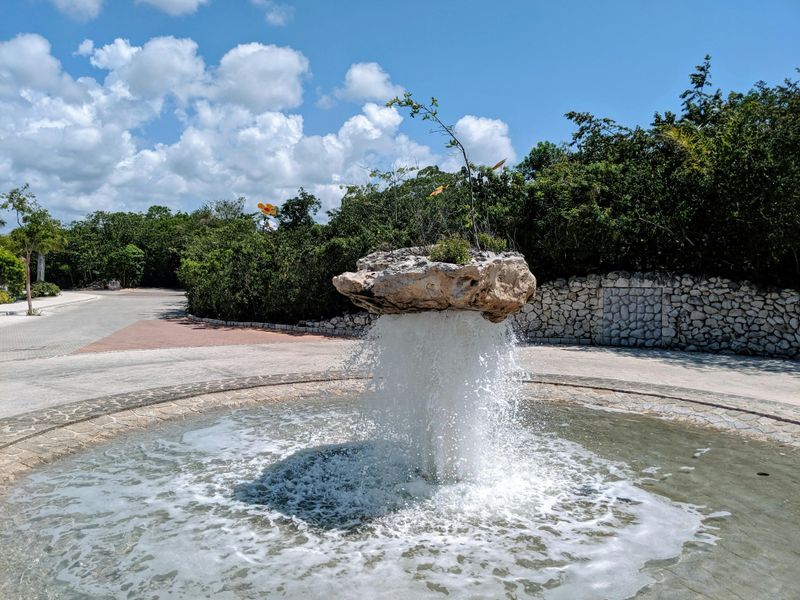
Fountains and ponds once added luxurious ambiance to residential properties.
Decorative water features in New Mexico now face increasing scrutiny during persistent drought conditions.
Evaporation rates in the arid climate make these amenities particularly wasteful.
Many communities have implemented restrictions on ornamental water use.
Recirculating systems must meet strict efficiency standards to remain compliant.
Some jurisdictions prohibit new installations entirely during water shortage declarations.
Homeowners with existing features may face mandatory shut-off orders during severe drought periods.
Dry landscaping alternatives provide visual interest without consuming precious water resources.
Artistic rock arrangements and native plantings create beauty sustainably.
Adapting to water scarcity requires rethinking what constitutes attractive outdoor spaces.
12. Unpermitted Room Additions

Extra living space created without proper authorization creates significant legal complications.
Unpermitted room additions are surprisingly common throughout New Mexico neighborhoods.
Homeowners often add sunrooms, bedrooms, or enclosed patios without securing necessary approvals.
Building codes exist to ensure structural safety and proper construction methods.
Unpermitted work can affect property values negatively and complicate future sales.
Buyers typically discover these issues during home inspections, potentially derailing transactions.
Retroactively obtaining permits requires inspections and possible modifications to meet current codes.
Some additions may need partial demolition if they violate setback requirements or safety standards.
Professional guidance before starting construction projects prevents expensive compliance problems later.
Proper permits protect both immediate safety and long-term property value.
13. Outdoor Fire Pits
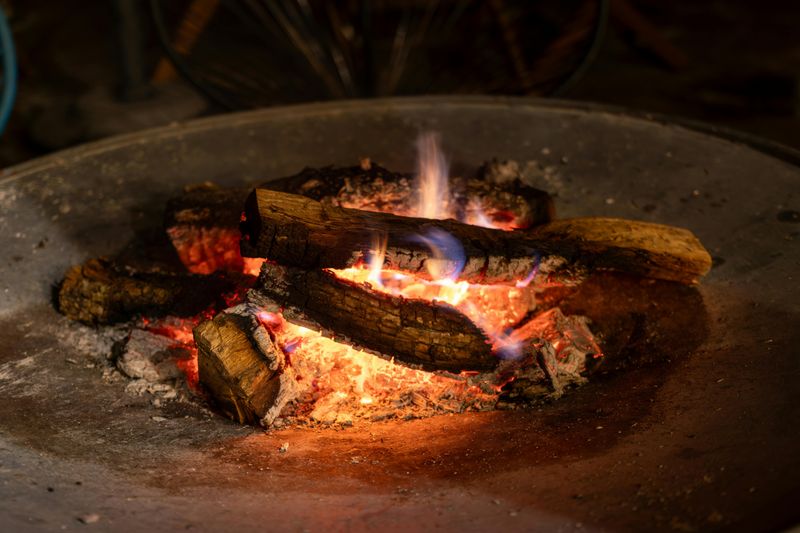
Evening gatherings around open flames create memorable experiences for families and friends.
Outdoor fire pits in New Mexico face increasingly strict regulations due to wildfire risks.
Permanent installations typically require permits specifying safe distances from structures and property lines.
Drought conditions often trigger temporary bans on all outdoor burning, including recreational fires.
Spark arresters and fireproof surroundings are mandatory in many jurisdictions.
Wind conditions and air quality alerts can restrict use even when fires are generally permitted.
Portable units may need to be stored away during high fire danger periods.
Natural gas alternatives sometimes face fewer restrictions than wood-burning designs.
Checking current regulations before installation prevents compliance issues.
Responsible fire pit use requires awareness of changing conditions and seasonal restrictions.
14. Gray Water Systems
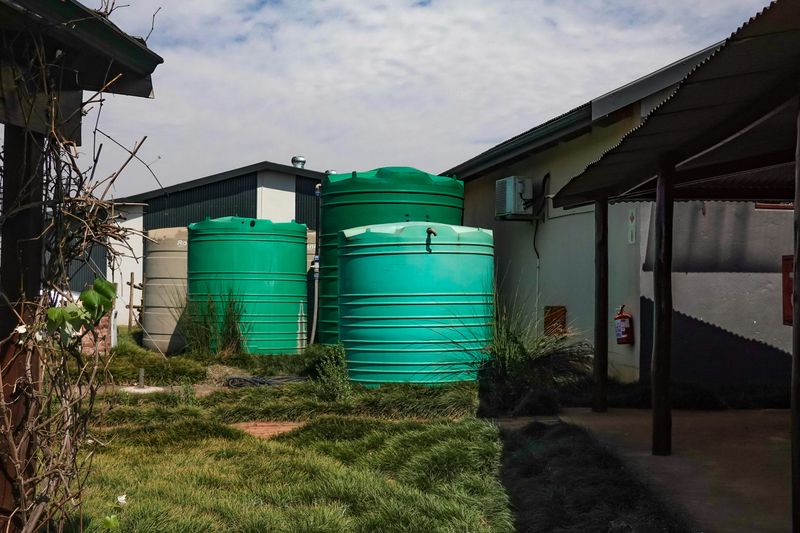
Reusing household water for irrigation seems like obvious conservation.
Gray water systems in New Mexico require specific permits and must meet strict health department standards.
Improperly installed systems can contaminate groundwater or create health hazards.
Only certain types of household water qualify as safe for reuse in landscaping.
Kitchen sink water typically contains too much grease and food particles for gray water applications.
Laundry and shower water require proper filtration and distribution methods.
Systems must prevent pooling that could attract pests or create bacterial growth.
Professional installation ensures compliance with plumbing codes and environmental regulations.
DIY approaches often violate multiple requirements unknowingly.
Proper permitting protects both your property and the broader community water supply.