13 Home Trends In Georgia That Could Be Gone Before The Next Decade
Home design is always changing, and what looks stylish today might feel outdated tomorrow.
Right now in Georgia, many popular trends are starting to lose their appeal as homeowners shift toward fresh, modern ideas.
I want to show you which home features might disappear before the next decade arrives.
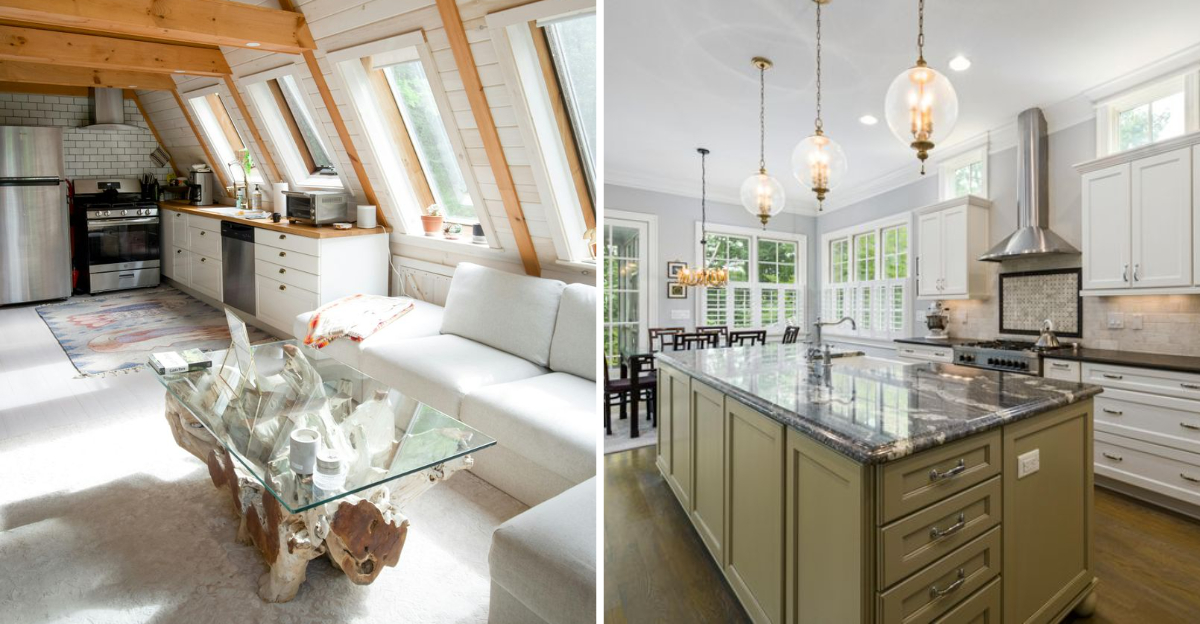
1. Traditional Kitchen Layouts
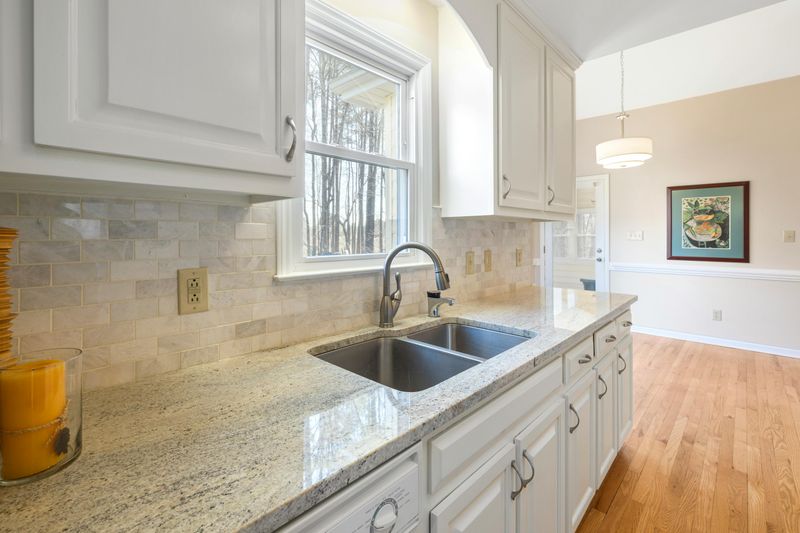
Kitchens hidden behind walls and separated from the rest of the house are disappearing fast.
Cooking has become a social activity, and nobody wants to be isolated while preparing meals.
Old-fashioned closed kitchens with limited windows feel dark and cramped compared to modern alternatives.
Open-concept kitchens that blend into living areas create better family interaction and entertainment spaces.
Natural light from adjacent rooms can brighten the cooking area significantly.
The kitchen is now the heart of the home, and keeping it separate just doesn’t make sense for today’s lifestyle needs.
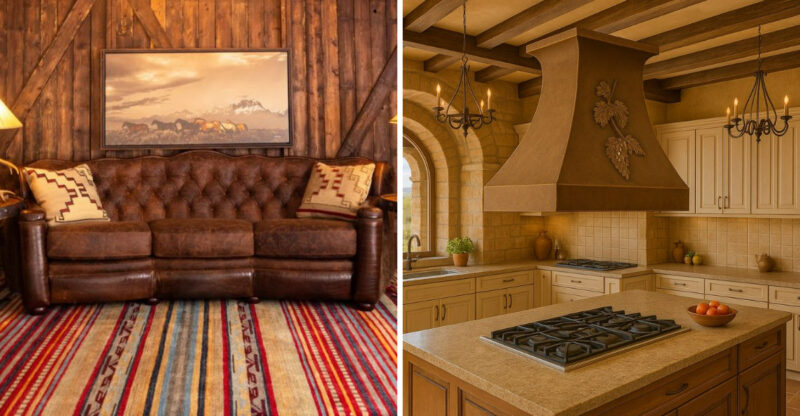
2. Excessive Wood Paneling
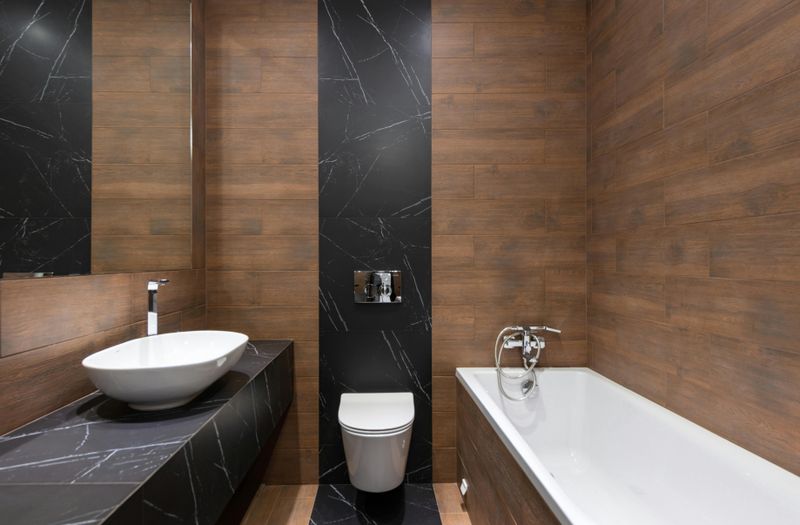
Walls completely covered in wood panels are starting to feel outdated and heavy in Georgia homes.
A little wood adds warmth, but too much makes rooms feel dark and cave-like.
Homeowners are removing full-wall paneling in favor of lighter, brighter finishes.
Strategic wood accents on a single wall or ceiling create interest without overwhelming the space.
Balance is key when incorporating natural materials into modern design.
Lighter paint colors and selective wood features allow rooms to feel more spacious and contemporary.
The all-wood look that dominated decades ago is finally fading away.
3. Lack of Energy-Efficient Features

Homes without energy-saving upgrades are becoming harder to sell in Georgia’s market.
Buyers care about monthly utility bills and environmental impact more than ever before.
Old windows, inefficient appliances, and poor insulation cost homeowners hundreds of dollars every year.
Energy-efficient features pay for themselves over time through reduced electricity and heating costs.
Modern buyers expect LED lighting, efficient HVAC systems, and properly insulated spaces.
Sustainability isn’t just a buzzword anymore it’s a practical necessity for comfortable, affordable living.
Homes without these features feel outdated and expensive to maintain.
4. Formal Dining Rooms
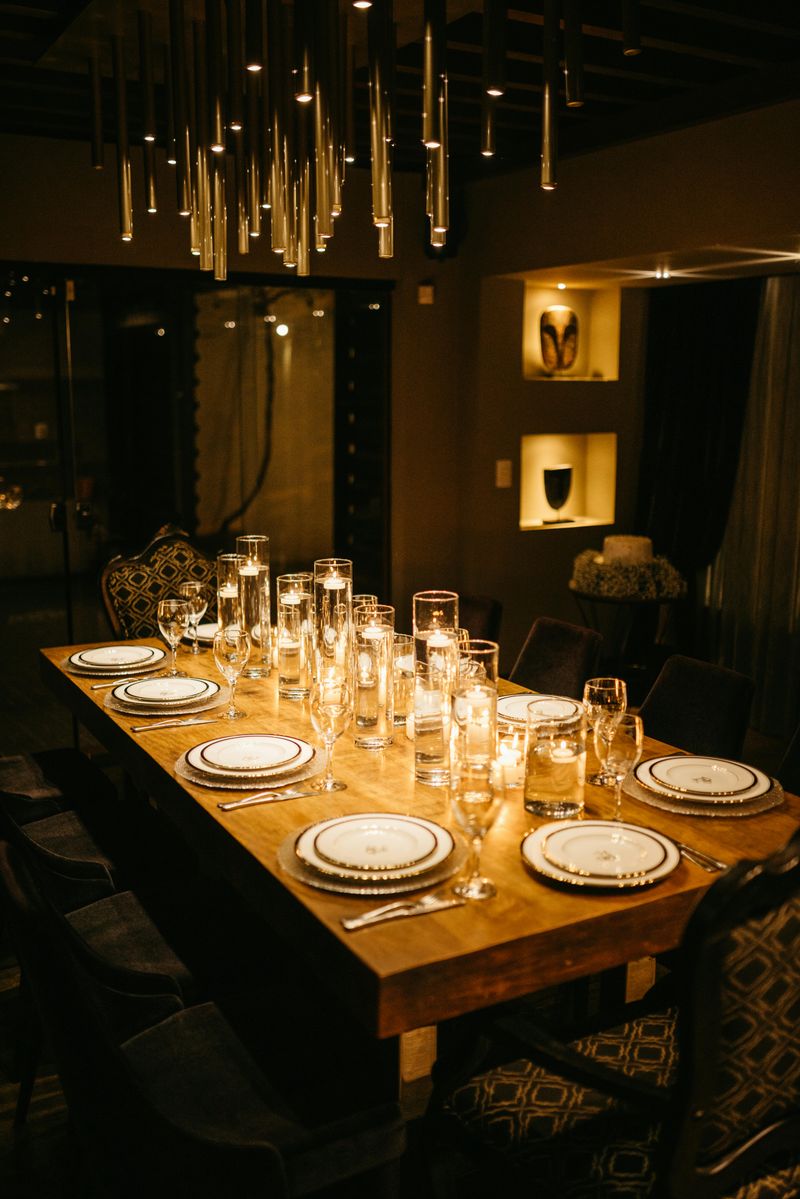
Separate dining rooms that sit empty most of the year are losing their appeal.
Families rarely eat formal meals anymore, making dedicated dining spaces feel wasteful.
Most people prefer casual dining areas connected to the kitchen where they actually gather daily.
Homeowners are converting formal dining rooms into home offices, playrooms, or extended living areas. Flexible spaces that serve multiple purposes make more sense for modern lifestyles.
The days of maintaining a room used only on Thanksgiving are ending as practicality wins over tradition.
Space efficiency matters more than outdated entertaining customs now.
5. Carpeted Bathrooms
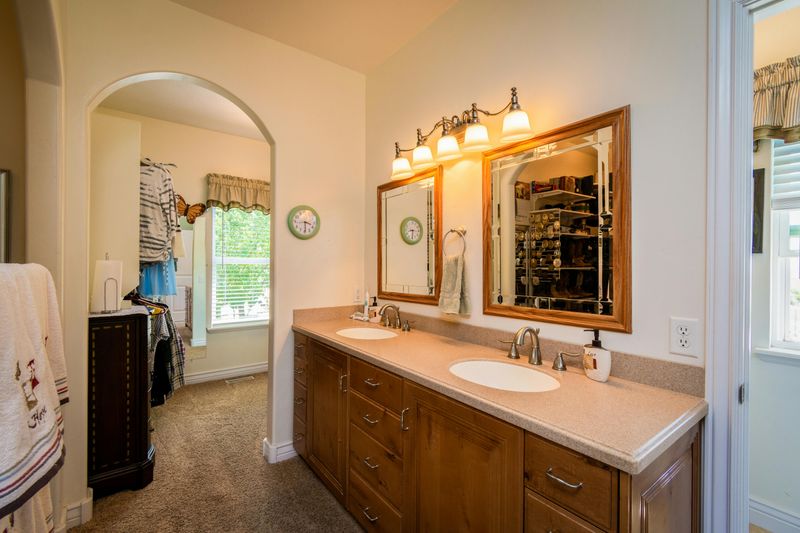
Carpet in bathrooms is one of those puzzling trends that never made much sense.
Moisture and carpet create the perfect environment for mold, mildew, and unpleasant odors.
Cleaning carpeted bathrooms is nearly impossible, and the hygiene concerns are obvious.
Tile, luxury vinyl, and waterproof flooring options provide better durability and cleanliness.
Modern materials look beautiful while actually functioning properly in wet environments.
Anyone still living with bathroom carpet is likely planning to rip it out soon.
This trend is thankfully disappearing as common sense and hygiene standards prevail over questionable design choices.
6. Popcorn Ceilings
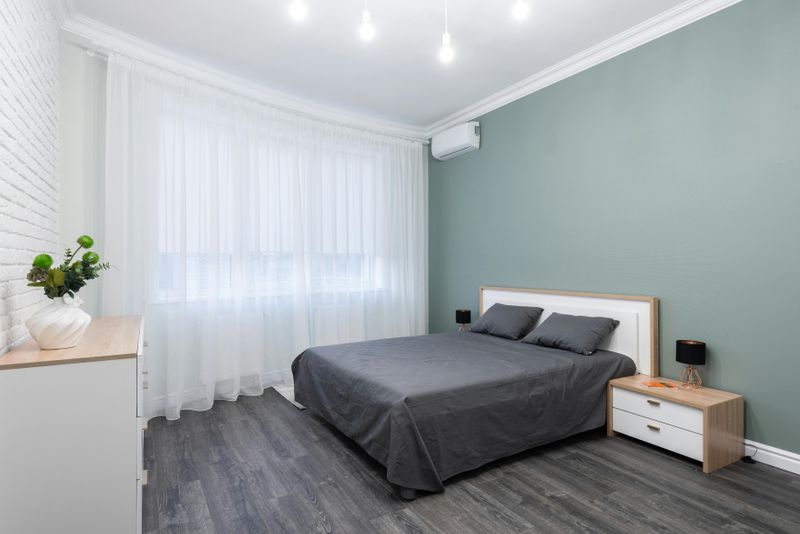
Bumpy, textured ceilings are disappearing from Georgia homes at a rapid pace.
Originally used to hide imperfections and reduce noise, popcorn ceilings now just look dated and collect dust.
They’re difficult to clean and can even contain asbestos in older homes.
Smooth ceilings create a more modern, polished appearance that brightens rooms.
Removing the texture is one of the most impactful updates homeowners can make.
Real estate agents consistently recommend scraping popcorn ceilings before listing a property.
The textured look screams outdated in a way that turns off potential buyers immediately.
7. Oversized Furniture

Massive, bulky furniture that dominates entire rooms is falling out of style.
People are choosing sleeker, more proportional pieces that don’t overwhelm their living spaces.
Oversized sectionals and giant entertainment centers make rooms feel cramped and cluttered.
Right-sized furniture creates better flow and makes spaces feel larger and more breathable.
Modern design emphasizes quality over quantity when it comes to furnishings.
Minimalist approaches allow rooms to serve multiple functions without feeling packed.
The trend toward smaller, more intentional furniture selections is gaining momentum as homeowners seek breathing room.
8. Granite Countertops Everywhere
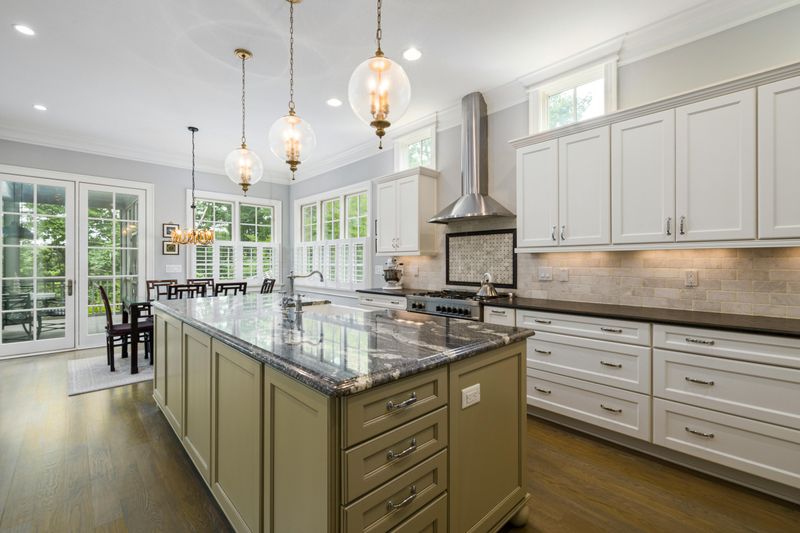
Granite was once the ultimate kitchen status symbol, but its reign is ending.
Quartz, marble, and other materials are taking over as preferred countertop choices.
Granite requires regular sealing and can stain more easily than modern alternatives.
Quartz offers similar beauty with less maintenance and more color consistency.
Many homeowners find granite’s busy patterns overwhelming in smaller kitchens.
The material isn’t disappearing entirely, but it’s no longer the automatic choice for every renovation.
Buyers are exploring diverse options that better suit their specific needs and aesthetic preferences rather than following the crowd.
9. Matching Furniture Sets

Buying entire furniture collections from one store is becoming less common.
Curated, eclectic looks with mixed pieces create more personality and visual interest.
Matching sets can make rooms feel like showrooms rather than lived-in homes.
Combining different styles, eras, and textures adds depth and character to spaces.
Personal style shines through when you’re not constrained by pre-coordinated collections.
Thrift finds mixed with new pieces tell a story that cookie-cutter sets cannot.
The perfectly matched look feels sterile compared to thoughtfully assembled rooms with varied elements.
10. Unused Front Porches
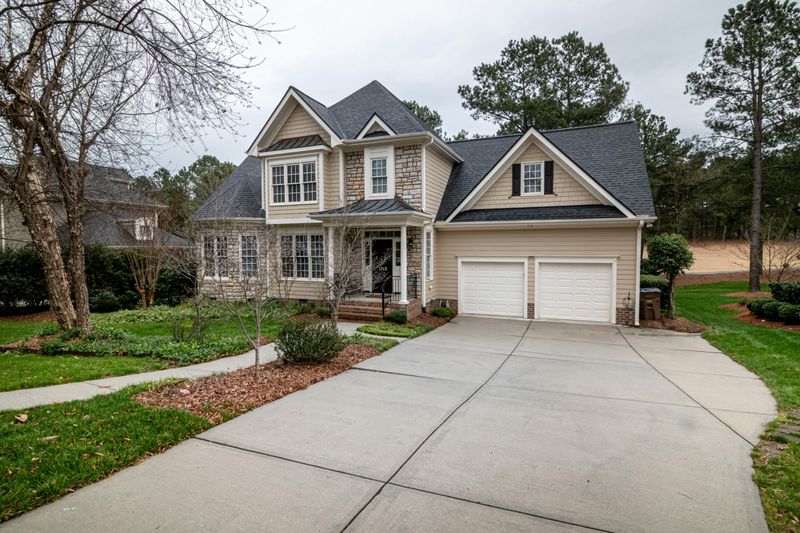
Front porches that serve no purpose beyond curb appeal are being reimagined.
Homeowners are adding comfortable seating, plants, and lighting to create welcoming outdoor rooms.
A porch should be an extension of your living space, not just architectural decoration.
Furnished porches encourage neighborhood interaction and provide relaxing spots to enjoy fresh air.
Southern homes have always had porches, but now people are actually using them properly.
Swings, rockers, and cozy seating make porches functional gathering spaces instead of wasted square footage. The shift toward truly livable outdoor areas includes front spaces too.
11. Builder-Grade Everything
Standard builder-grade fixtures and finishes no longer satisfy Georgia buyers.
People expect upgrades even in entry-level homes, from better cabinet hardware to quality light fixtures. Basic builder options feel cheap and temporary rather than move-in ready.
Investing in better finishes from the start saves money compared to replacing everything later.
Small upgrades like nicer faucets and door handles make huge differences in perceived quality.
Buyers recognize builder-grade materials instantly and factor replacement costs into their offers.
The market is demanding better baseline quality across all price points.
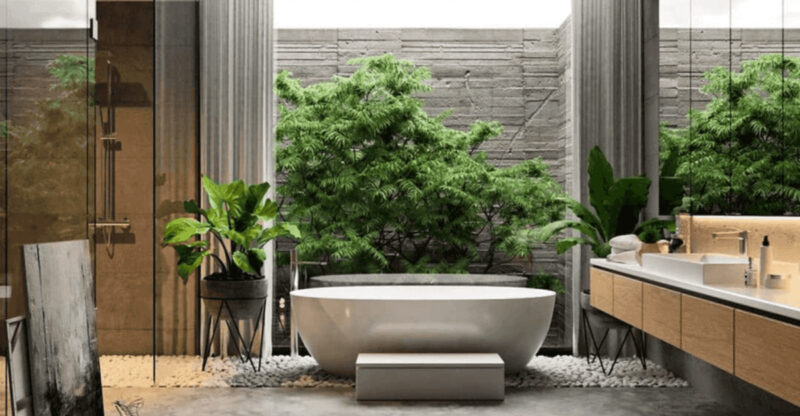
12. Tub-Shower Combos
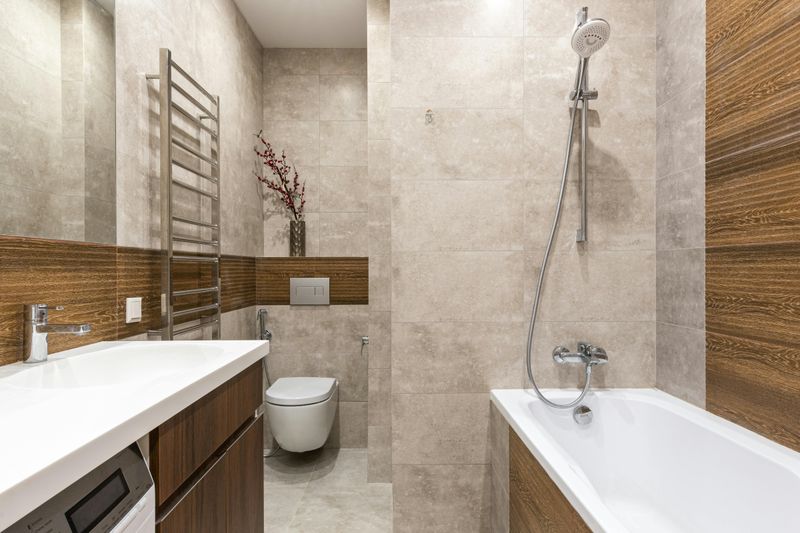
Combined tub-shower units are being replaced by separate, more luxurious options.
Homeowners want either spacious walk-in showers or freestanding soaking tubs, not compromised combos. The standard tub-shower feels cramped and outdated compared to modern alternatives.
Large showers with multiple heads and built-in seating provide spa-like experiences at home.
When people do want tubs, they prefer statement pieces separate from the shower.
Bathroom renovations increasingly eliminate the combo in favor of specialized spaces.
The one-size-fits-all approach is giving way to intentional, purpose-driven bathroom design.
13. Sunken Living Rooms

Living rooms positioned several steps below the main floor level are losing popularity.
While they once seemed sophisticated and unique, sunken rooms create accessibility issues and safety concerns.
Families with young children or elderly members find the steps problematic.
The divided floor levels interrupt the open flow that modern design emphasizes.
Furniture arrangement becomes more challenging when dealing with level changes.
Many homeowners are actually filling in sunken rooms to create seamless, accessible spaces.
The architectural feature that defined luxury in past decades now feels like an impractical obstacle to overcome.