10 Hudson Valley, New York Craft Schools Where You Can Learn Old School Skills
Skip the idea of a quiet hobby class with glue sticks.
One school on this list sits inside a maritime museum and teaches people to build wooden boats by hand.
That detail says a lot about this corner of New York.
The skills here once kept towns running, from forging iron tools to spinning fiber into yarn.
Now regular folks can sign up and try them. Then there’s the age range.
One spot traces its roots to an Arts and Crafts colony founded in 1902, while others teach glassblowing and silversmithing to total beginners.
Which forgotten skill would you pick up first?
1. Wooden Boat School
Most woodshops stop at birdhouses. This one keeps going until something can float.
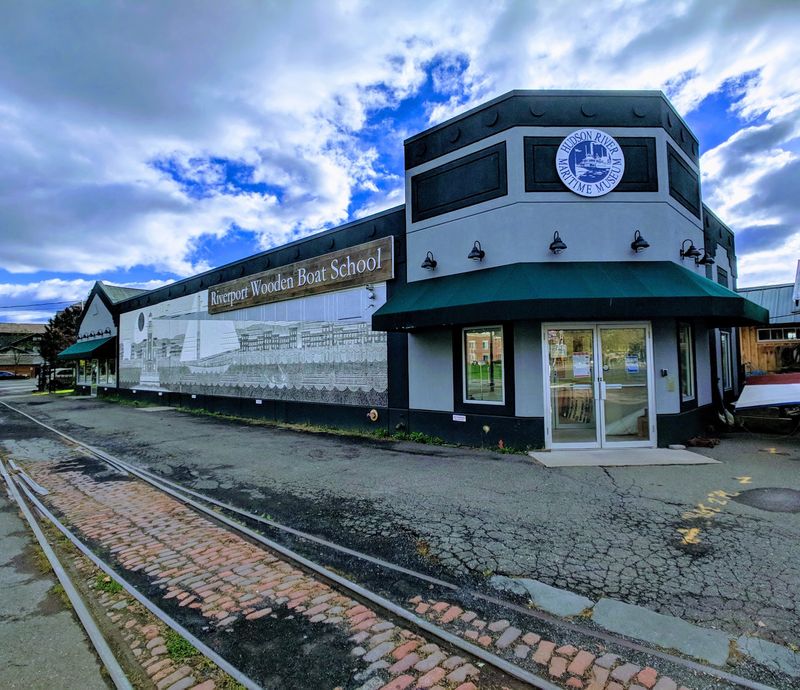
The Woodworking School at the Hudson River Maritime Museum teaches traditional boatbuilding and practical woodworking beside Rondout Creek.
Founded in 2015, the program connects modern students with the carpentry skills that shaped life along the Hudson River.
You don’t need plans to become a sailor to take part. Adult workshops cover joinery, woodturning, carving, tool care, and small projects that teach measurement and accurate cutting.
Some classes focus specifically on maritime construction or restoration, while others make useful objects for the home.
The shop occupies 86 Rondout Landing, Kingston, on the museum’s waterfront campus.
That location gives the lessons a wonderful context: historic boats and river exhibits are right nearby, and the surrounding Rondout neighborhood makes a pleasant place for lunch afterward.
Young builders have opportunities too. The YouthBoat program combines boat construction with teamwork and hands-on learning.
A fall 2026 after-school course also teaches teenagers to use hand and power tools before making small wooden projects.
Wear closed-toe shoes and clothes with fitted sleeves, and tie back long hair before entering the shop. Classes require registration, and skill requirements depend on the project.
2. Riff’s Workshop
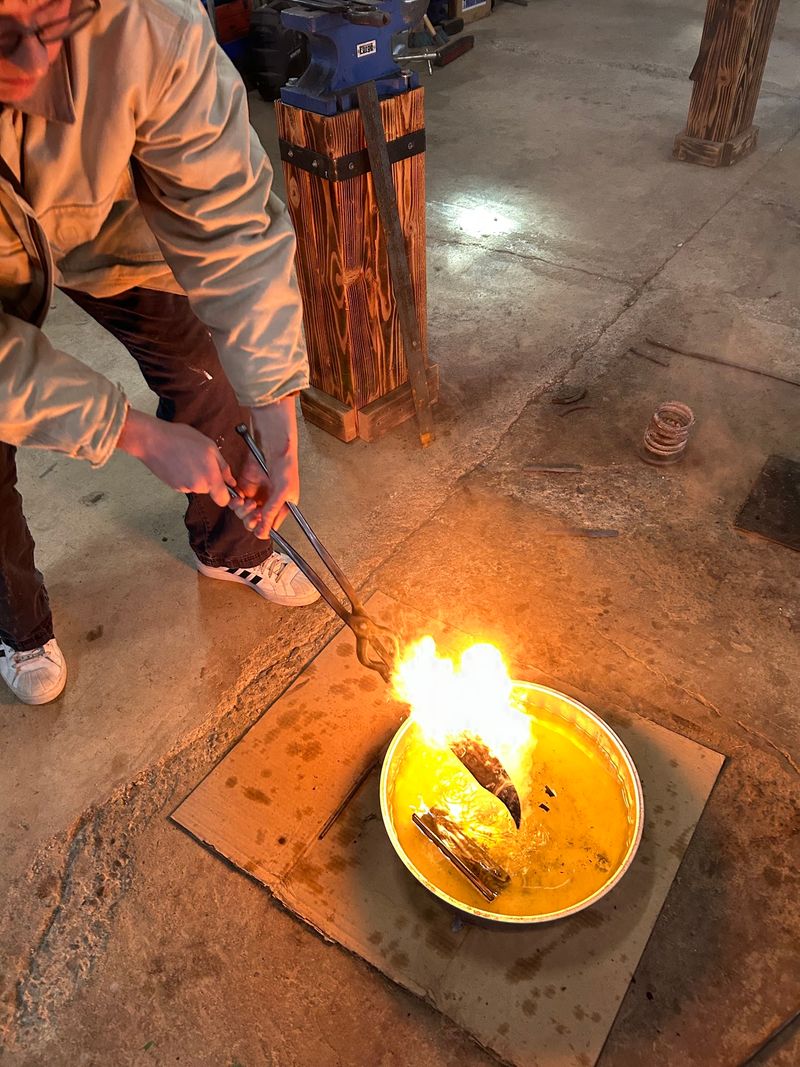
Hot metal, a heavy hammer, and a friendly teacher. Few Saturday plans sound more satisfying than that.
Riff’s Workshop is an active blacksmithing studio near Middletown, with small-group lessons built around shaping steel by hand.
The forge also produces custom metalwork, so the skills taught in class are part of the workshop’s everyday routine. First-timers begin with a safety briefing and demonstrations.
Then they heat metal, practice controlled hammer blows, and learn how to turn a plain piece of steel into something functional. Introductory projects include small forged keepsakes, while longer courses explore additional techniques and finishing.
The workshop’s address, 230 Stony Ford Road, Middletown, places it in a rural stretch of the Hudson Valley. It draws curious beginners from across southern New York who want an actual forge experience rather than a craft kit.
Lessons are booked for specific times instead of relying on walk-in attendance.
Each group is deliberately small, allowing individual instruction and plenty of time at the anvil. Some sessions run around two hours; more involved projects take longer.
Wear cotton or wool, long trousers, and fully closed shoes. Synthetic fabrics aren’t suitable around sparks, and the workshop requires a signed safety waiver.
There’s an immediate satisfaction in watching hard metal change shape beneath your hands. The finished object is useful, but learning how to control the hammer is the real souvenir.
3. Hudson Beach Glass
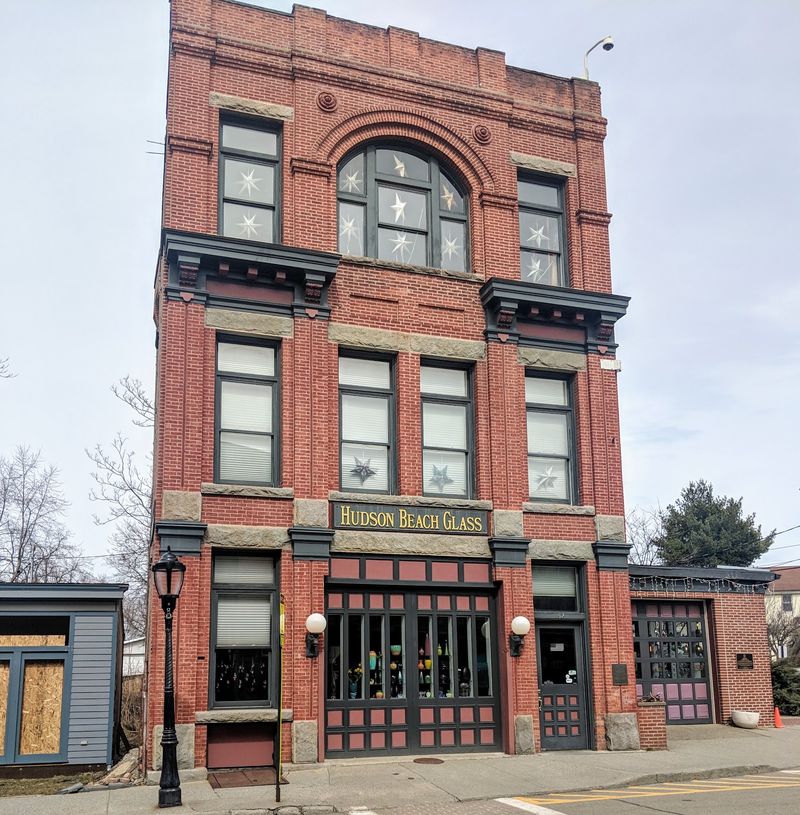
Molten glass looks a lot like honey on fire. At this Beacon studio, you get to help shape it yourself.
Hudson Beach Glass opened its Main Street gallery in 2003 inside a restored firehouse.
The glassmaking business began in 1987, and the Beacon location combines a working demonstration space with displays of handcrafted vessels, ornaments, and sculptural pieces.
During a Make-Your-Own session, an experienced glassblower manages the furnace while you select colors and participate in forming your creation. That guidance makes the process accessible even without previous glassworking experience.
Head to 162 Main Street, Beacon, a short walk from the train station and Dia Beacon. The gallery is open daily, and the glassmaking demonstrations add another reason to step inside while browsing downtown.
For November through January, the hands-on calendar focuses on glass ornaments. Other seasonal experiences include bowls, flowers, and paperweights, with different age limits.
The creations need to cool overnight, so plan for next-day pickup or arrange shipping. Each ornament-making appointment takes around fifteen minutes, although a group can reserve consecutive slots.
Closed-toe shoes and covered legs are essential near the furnace. Book ahead rather than assuming the next demonstration includes an opening for participation.
Watching glowing glass slowly take shape inside a former firehouse is an unusual afternoon in Beacon.
4. Circle Creative Collective
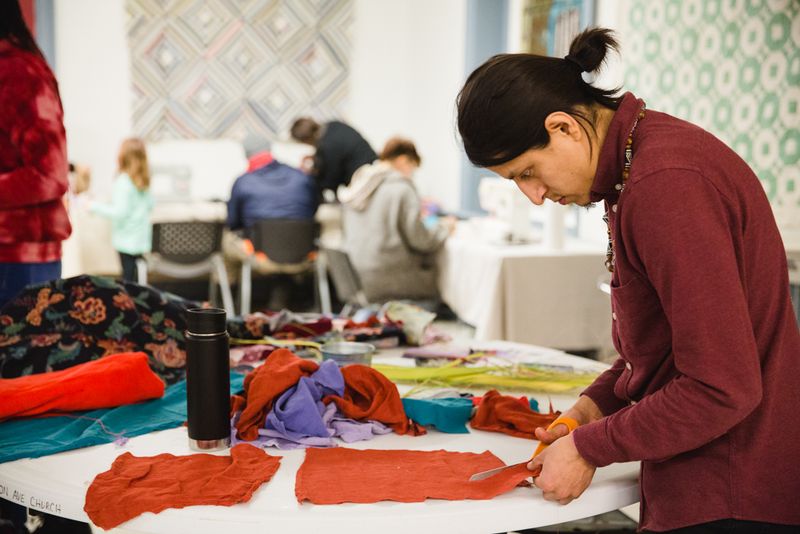
Some skills were passed down at kitchen tables for generations. Circle Creative Collective wants to keep that chain going.
This women-led New Paltz nonprofit brings people together through traditional textile work and other heritage crafts.
Weaving, embroidery, sewing, felting, and plant-based dyeing all feature in its changing schedule, with an emphasis on the cultural traditions behind each technique.
The light-filled studio stands at 62 Plains Road, New Paltz. Workshops are scheduled rather than offered as continuous walk-in lessons, so each visit revolves around a particular activity and its instructor.
Natural dyes provide one especially interesting example. A 2026 workshop explored madder, marigold, and indigo, using simple folding and binding methods to decorate cotton napkins.
Another autumn gathering invites participants to use needles to turn loose wool into ornaments and miniature figures.
The collective also supports immigrant women artisans through its Artesanía program, connecting inherited skills with contemporary handmade textiles and leatherwork.
Community gatherings and seasonal events add storytelling and collaborative making to the calendar. Some happen elsewhere in the valley, making it important to check the location when reserving a place.
Beginner-friendly sessions can be a lovely introduction to materials you’ve never handled. The larger lesson is that every stitch or color has a story stretching beyond the studio walls.
5. Fiber Craft Studio
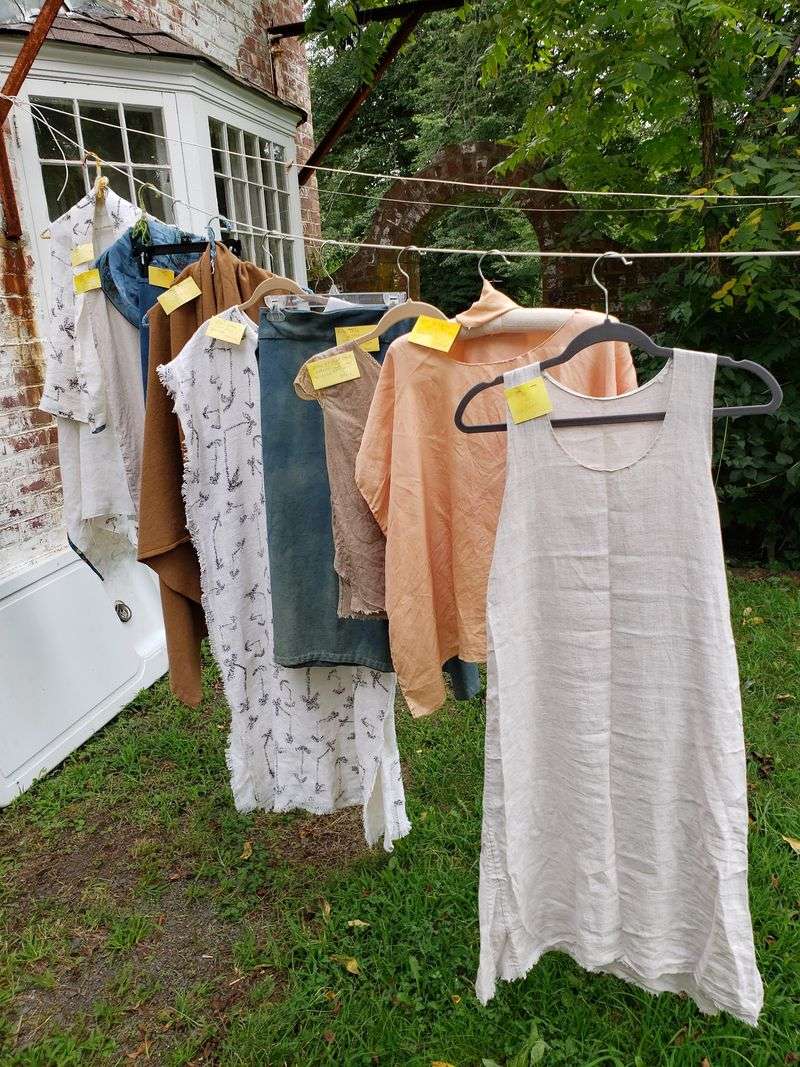
Sheep do the first part of the work. Everything after that is up to you at this Rockland County studio.
Fiber Craft Studio in Chestnut Ridge teaches the patient art of turning natural fibers into yarn, cloth, and handmade objects. Hand spinning, weaving, felting, sewing, and natural dyeing feature across workshops and longer courses.
The studio is part of the Threefold Community campus, with activities around Orchard House at 275 Hungry Hollow Road, Chestnut Ridge.
The setting complements its focus on plant-based colors and materials such as wool, silk, and cotton.
A program called Sheep to Shawl began in November 2026 and continues into June 2027. Participants explore the transformation from raw fleece to finished textile through a series of connected techniques rather than a single afternoon lesson.
Shorter activities also make room for beginners. Fall Open Studio Fridays allow people to bring projects, find materials, and work alongside other makers. After-school craft clubs offer age-appropriate handwork for children and teenagers.
The studio sells plant-dyed yarns, fleece, felt, and kits, so you can take materials home to keep practicing. Check the scheduled workshop or open-studio date before arriving, since classes follow their own timetables.
New York has plenty of art classes, but fewer places teach the whole journey from sheep’s wool to finished cloth. Even a strand of yarn feels different after you understand the work behind it.
6. Hudson Valley Silverworks
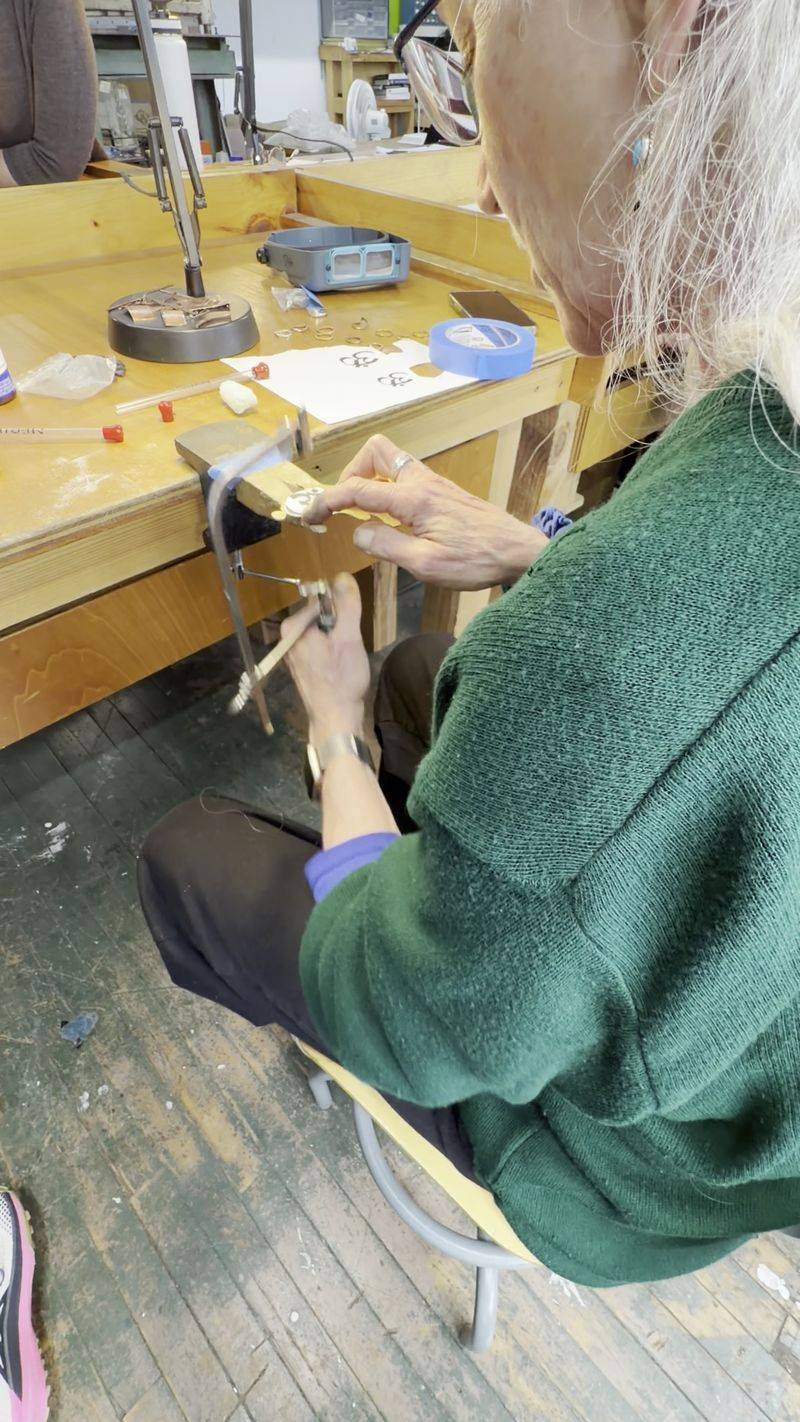
Tiny saw, small torch, big satisfaction. Making your own silver ring might be the most rewarding way to spend a weekend.
Hudson Valley Silverworks is a jewelry and metalsmithing school inside Kingston’s historic Shirt Factory. The building dates to 1917 and now houses artists and creative businesses, giving the classroom plenty of company.
Rather than watching someone else make jewelry, students learn to saw metal, file edges, shape components, solder connections, and finish their own pieces.
Some workshops concentrate on basic jewelry foundations; others introduce chain making, forming, or more advanced metal techniques.
Look for studios 211 and 207 at 77 Cornell Street, Kingston. The workshop provides benches and specialized tools for both newcomers and experienced makers refining particular skills.
Weekly courses and weekend workshops provide different ways to learn. Private lessons and supervised studio time are also possible for eligible students, so you can return to develop a technique beyond a first class.
The November and December 2026 program includes regularly scheduled classes and special workshops, but advance registration is necessary. Choose a course matching your experience before making travel arrangements.
Working at a jeweler’s bench calls for concentration. A fraction of an inch can change how two pieces fit, making every measured cut matter.
The result could be a ring, chain, or small handmade object. More importantly, you’ll understand why traditional silversmithing takes such careful hands.
7. Sherwood House – Sugar Maple Center For Creative Arts
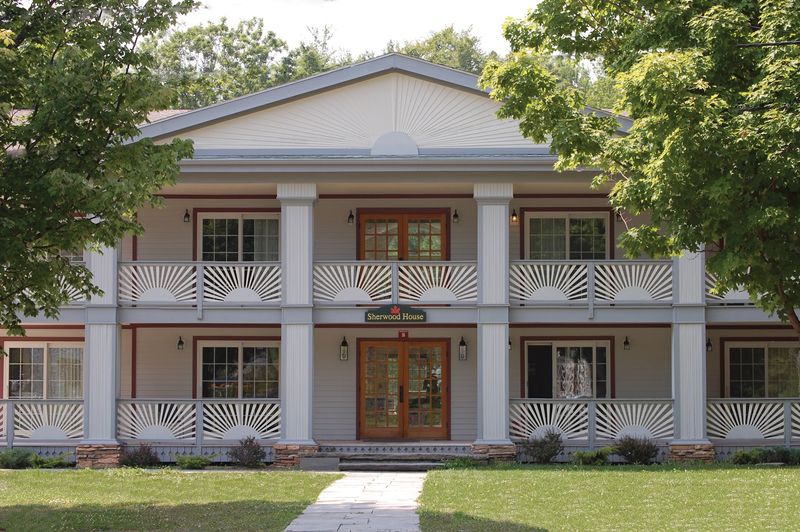
Learning a craft is good. Learning it with Catskill Mountain views out the window is even better.
Sugar Maples Center for Creative Arts is part of the Catskill Mountain Foundation, offering classes in ceramics, fiber arts, drawing, and painting on a rural Maplecrest campus.
The surrounding mountains make extended workshops feel like a genuine change from everyday routines.
Ceramics is particularly prominent. Students learn wheel throwing, handbuilding, and glazing, while specialty workshops explore firing techniques that create distinctive surfaces on finished clay pieces.
The center’s fall 2026 schedule includes weekly pottery instruction, with other programs offered throughout the year. The arts campus centers around Big Hollow Road in Maplecrest.
Sherwood House, the student lodging property at 35 Big Hollow Road, Maplecrest, provides guest rooms with private bathrooms, a shared kitchen, and a communal living area. Teaching studios occupy nearby campus buildings.
Staying overnight makes sense for a multi-day workshop. You can spend a day working in the ceramics studio, return to the house for dinner, and continue the project without a lengthy drive.
The program also offers youth activities, creative retreats, and occasional exhibitions. Individual classes require advance enrollment, and lodging is arranged separately rather than included automatically.
Pack for mountain weather, even if most of your time will be indoors. Working slowly with clay feels particularly satisfying when the view outside is just as memorable.
8. Garrison Art Center
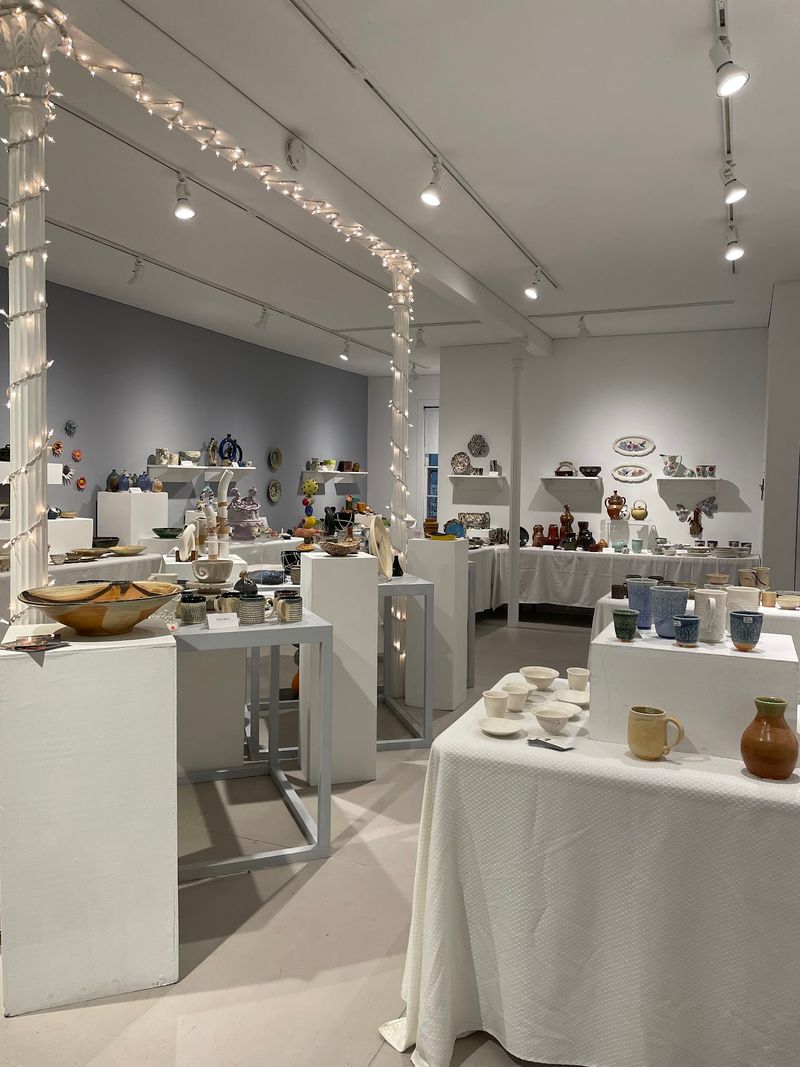
A pottery wheel next to the Hudson River is tough to beat. Garrison Art Center sits right along the water at Garrison’s Landing.
This nonprofit arts organization combines working classrooms with exhibition galleries, offering a wide range of hands-on programs. Pottery is a centerpiece, but drawing, printmaking, sculpture, and fiber arts also appear in the teaching calendar.
Adult pottery courses cover centering clay on a wheel, making bowls and cylinders, handbuilding, and glazing.
Classes are available for beginners and more experienced students, with multiweek sessions providing time to develop skills instead of rushing through one project.
The center’s location at 23 Garrison’s Landing, Garrison, sits beside the Hudson River near the Metro-North station. Visitors can reach the riverside from the station parking area using the pedestrian underpass or bridge.
A November 2026 intaglio class explores traditional printmaking methods, while rotating exhibitions bring other artistic ideas into the galleries.
The annual Holiday Pottery Show and Sale runs December 5 through 13, featuring work by more than thirty regional ceramic artists.
Gallery hours are generally Tuesday through Sunday, 10 AM to 5 PM, with Monday closures. Classroom schedules vary and require separate registration.
For anyone interested in traditional hand skills, this is a chance to practice with clay or printing tools, then see what other makers have created. The New York riverfront provides an especially memorable setting for both.
9. Woodstock Byrdcliffe Guild
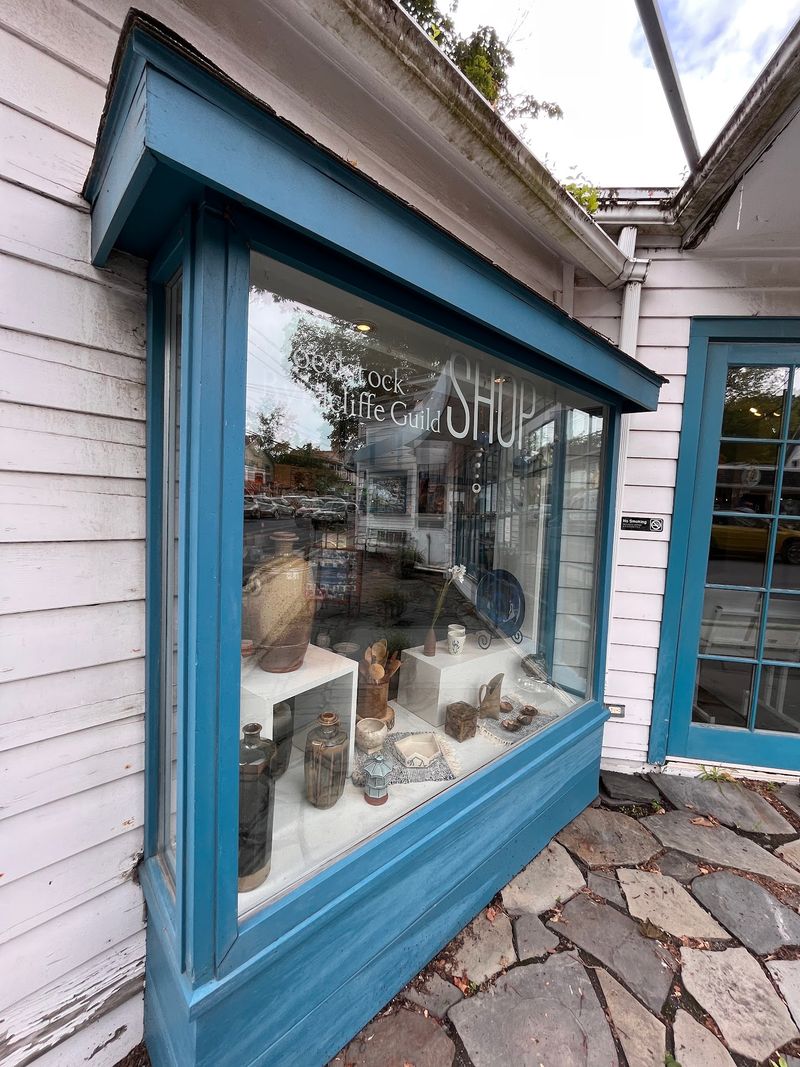
Long before Woodstock became famous for music, it was drawing in craftspeople. That story starts with Byrdcliffe in 1902.
The historic Arts and Crafts colony was founded around the belief that artists should have space to work thoughtfully with natural materials.
More than a century later, the Woodstock Byrdcliffe Guild continues that tradition through classes, exhibitions, and artists’ residencies.
Pottery is one of the most accessible ways to participate. The ceramics program teaches wheel throwing, handbuilding, surface decoration, and glazing.
Beginners start with centering clay and shaping basic forms, while experienced potters can explore more advanced techniques such as atmospheric soda firing.
Here’s an important detail for planning: the pottery classrooms are in the Byrdcliffe Barn at 485 Upper Byrdcliffe Road, Woodstock.
The guild’s gallery and village offices are at 34 Tinker Street, where exhibitions and handmade work can be enjoyed separately.
Classes run in seasonal sessions, including a November-to-December 2026 offering. Some eligible students can also use open studio periods for independent practice between lessons.
The Tinker Street gallery generally opens Friday through Sunday afternoons. Guided tours of the historic colony can be arranged well in advance for groups, with access depending on current artist residency activity.
It’s a wonderful connection between early American craft ideals and modern creative learning. The hands may be new, but the commitment to making things remains remarkably familiar.
10. Hudson Valley Atelier
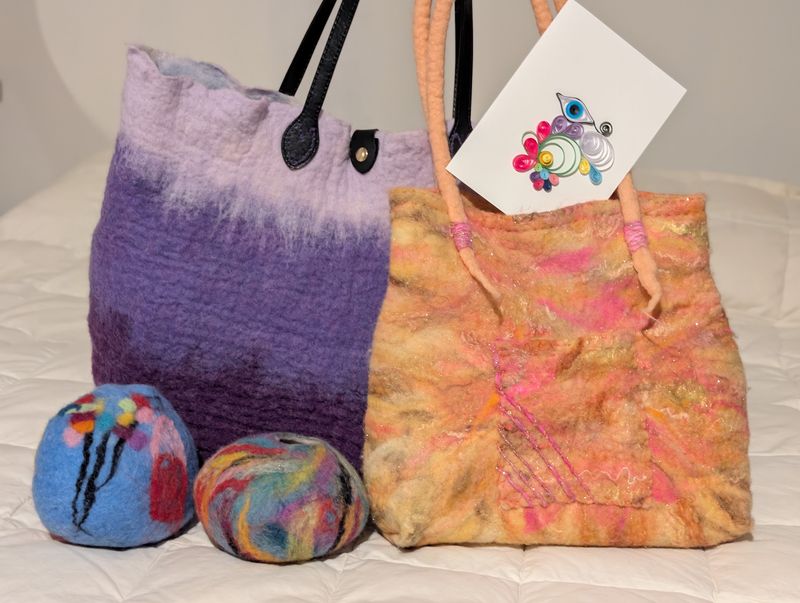
Wet felting a purse sounds like a riddle. At this Orange County studio, it’s just a creative possibility.
Hudson Valley Atelier is an art and craft school in the village of Florida, with classes ranging from traditional fiber techniques to pottery, mosaic work, and decorative paper arts.
Its workshops encourage adults and teens to try materials they might never otherwise use.
The studio welcomes registered students at 21 North Main Street, Florida. Walk-in participation isn’t available for classes, so choosing and reserving a particular session is part of planning your visit.
Felting remains a specialty. Wet felting uses moisture and agitation to bond wool fibers into fabric, while needle felting shapes loose wool with specialized needles.
A November 21, 2026 workshop focuses on creating a felted infinity scarf; another later in the month teaches a small wool animal.
The calendar goes beyond fiber. Turkish mosaic lamps, wire-wrapped pendants, ceramic ornaments, and copper repoussé have upcoming sessions, giving both beginners and returning makers a reason to explore something different.
Traditional techniques from several cultures meet here in one friendly classroom. You might spend one visit arranging colored glass and the next shaping relief patterns into sheet metal.
Outside, the village offers a few places to stop for lunch after class. With a finished object in hand, a simple afternoon in this part of New York becomes much more personal.