8 Humble Vermont Restaurants Where Steak Gets Serious Attention
Vermont might not be the first place most people think of when steak comes to mind. That assumption is worth revisiting.
Spread between covered bridges and general stores, a handful of restaurants in this state have turned beef cookery into something approaching a local art form.
The sourcing tends to be serious, the preparation unfussy.
The results are the ones that make you reconsider every overpriced cut you’ve eaten at a louder, flashier place.
Do serious steakhouses belong in the countryside? A visit to any one of these spots will answer that question faster than any argument could.
1. Oak & Iron
Is there a better sound than the sizzle of a steak hitting a screaming hot pan?
At Oak and Iron in Randolph, that sound signals something worth paying attention to. The menu leans heavily on locally sourced beef, and the kitchen team treats each cut with focused, no-nonsense technique.
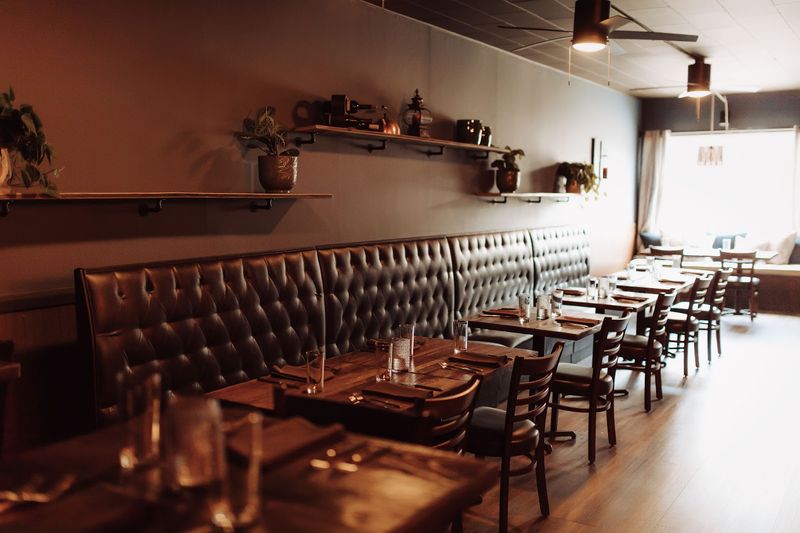
The dining room feels grounded and warm. Exposed wood and iron accents reflect the name without being overdone.
The dry-aged ribeye is the standout here. It arrives with a crust that took real heat to build, paired with simple sides that do not compete with the main event.
The seasoning is confident, not excessive. Locals return regularly, which says more than any review could.
If you are passing through central Vermont and your appetite needs a proper anchor, 21 Merchants Row is the address to remember. The portions here are honest, the preparation is precise, and the atmosphere keeps things relaxed without feeling casual about quality.
Randolph is a small town that most people pass through without stopping, and that is precisely the kind of mistake that Oak and Iron exists to correct.
The burger, for those not in a ribeye mood, is seasoned well and cooked to the temperature requested, which sounds basic until you consider how rarely it actually happens.
A kitchen that does the simple things correctly tends to do everything else correctly too, and that pattern holds consistently here.
2. Hen Of The Wood
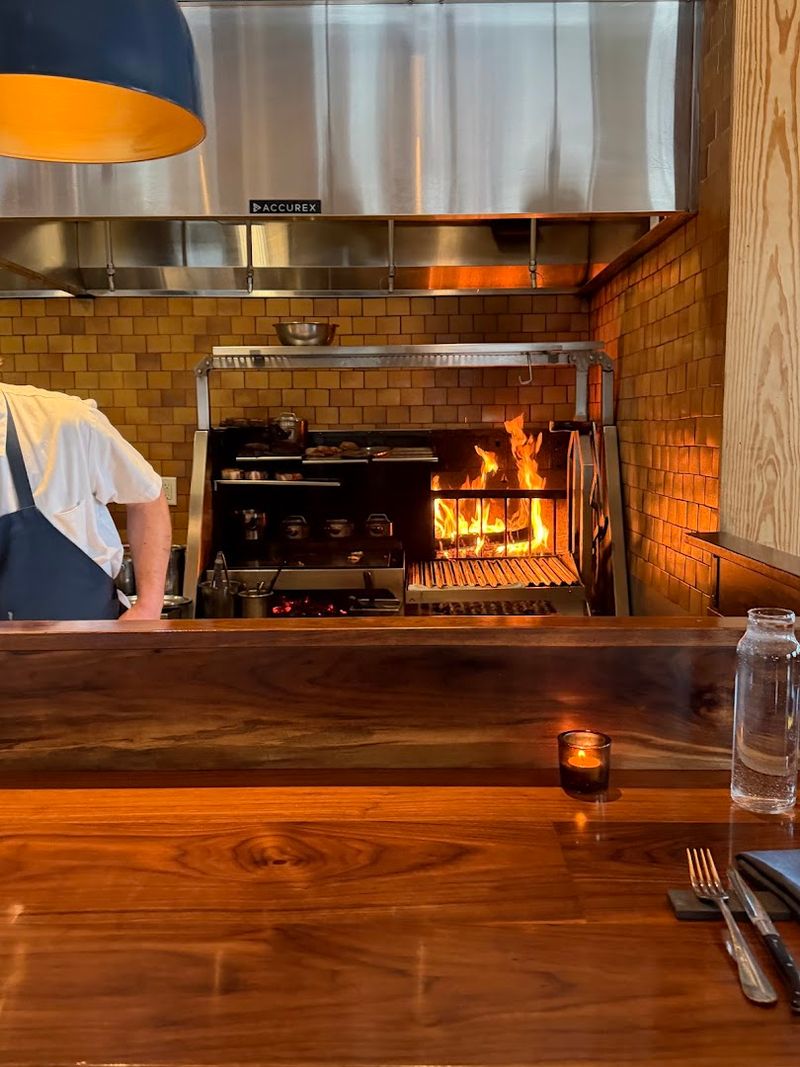
Forget the timer; your nose will tell you exactly when a steak is done right.
Hen of the Wood has built its reputation on that kind of instinctive, ingredient-first cooking. Waterbury is home to this well-regarded farm-to-table dining room, and its approach to beef is rooted in seasonal thinking rather than formula.
The atmosphere inside is intimate and unhurried. Stone walls and low lighting set a tone that encourages you to slow down and pay attention to what is on the plate.
The grass-fed beef dishes rotate with availability, so the menu reflects what Vermont farms are actually producing at any given time.
The restaurant at 14 S Main St draws both locals and travelers who want a meal connected to the land around them. The steak preparations here tend to be restrained in garnish but bold in flavor.
A well-seasoned crust over a properly rested cut is a recurring theme. Side dishes are crafted with equal seriousness, often featuring root vegetables or foraged greens.
This is the type of meal that makes you reconsider what simple cooking actually means. Every plate reflects a kitchen that trusts its ingredients to do most of the talking.
The hanger steak, when it appears on the menu, arrives with a seasoning crust and cook temperature that experienced diners tend to notice immediately.
Waterbury has become a legitimate food destination in its own right, and Hen of the Wood is a significant reason why that reputation holds.
For a restaurant operating at this level, the prices remain grounded enough that the meal feels like a discovery rather than an indulgence.
3. Southside Steakhouse
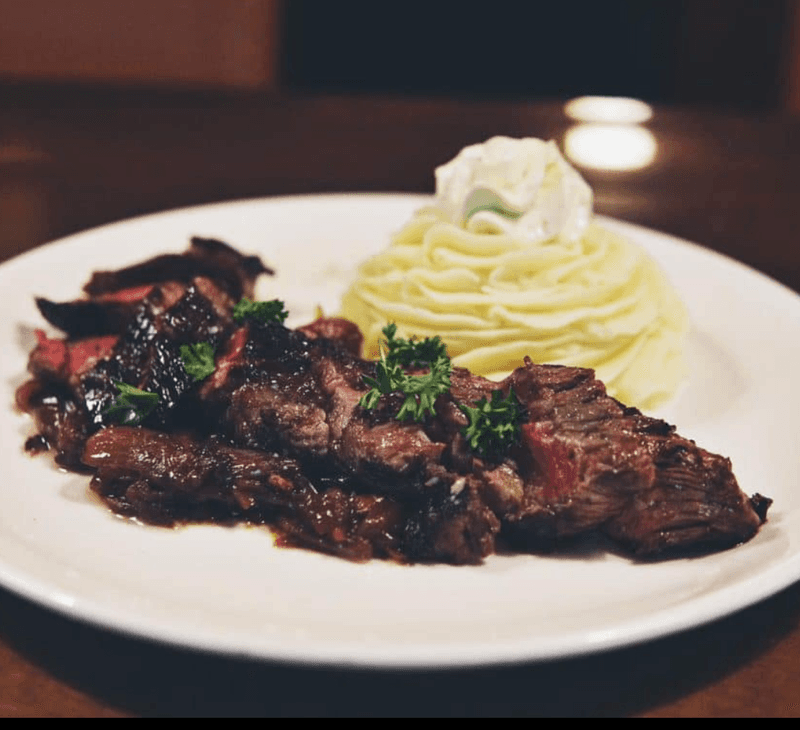
There is something quietly confident about a restaurant that has been getting steaks right for years without needing to announce it.
The prime rib here arrives with the kind of crust that only comes from patience, and the filet mignon is the sort of cut that makes you forget every disappointing steak you have had before it.
Rutland is not a town that gets much culinary attention, which makes Southside Steakhouse an easy place to overlook and a difficult place to forget once you have eaten there.
The restaurant sits at 170 S Main St and draws a loyal crowd that returns not out of habit but out of genuine satisfaction. The menu centers on classic steakhouse cuts prepared with focus and consistency.
The NY sirloin comes with a properly seared exterior and a pink, juicy center, served alongside red potatoes seasoned with enough confidence to hold their own against the main event.
The scallops, finished with a maple glaze, reflect a Vermont sensibility without overplaying it.
The prime rib egg roll has earned a devoted following as a starter, a small but telling detail about a kitchen that applies serious thought even to the edges of the menu.
Desserts like the carrot cake and the steakhouse eclair suggest a team that takes the full meal seriously, not just the centerpiece cuts.
4. Fire & Ice
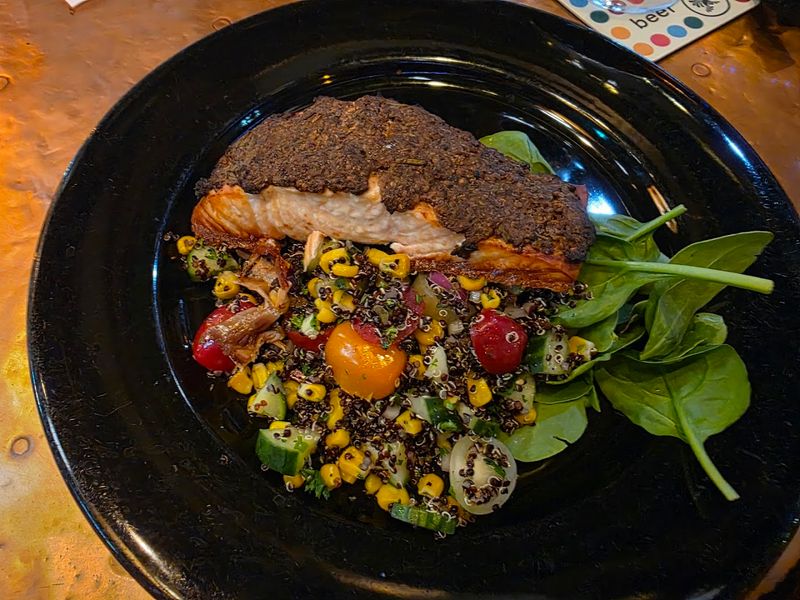
Most restaurants pick a lane and stay in it. Fire and Ice in Middlebury has spent decades proving it can coexist with some of the most serious beef cookery in the state.
The steak with bacon and sweet onion relish is the kind of dish that regulars order without looking at the menu, because some things do not need to be reconsidered.
The menu leans into classic American steakhouse territory, with cuts prepared to order and sides that reflect genuine kitchen attention throughout. Seasoning across the menu reflects a kitchen that understands restraint, a quality rarer than it should be.
The dining rooms are genuinely memorable, each decorated with antiques and themed details that create real atmosphere without feeling forced. Service is attentive and familiar in the way that long-standing local institutions tend to produce naturally over time.
The portions are honest and the price-to-quality ratio rewards anyone willing to make 26 Seymour St a specific destination. Middlebury rewards visitors who look past the obvious, and this is exactly what that reward looks like.
The restaurant has accumulated the kind of institutional knowledge that shows up in small but meaningful ways.
Those ways include the consistency of a properly cooked steak, and the confidence of a server who has answered the same questions a thousand times and still answers them well.
The chicken Alfredo draws its own following among regulars who come for something other than beef, which speaks to a kitchen applying the same standards across the full menu. A restaurant that has lasted this long in a college town has earned something beyond loyalty.
5. Black Rock Steakhouse
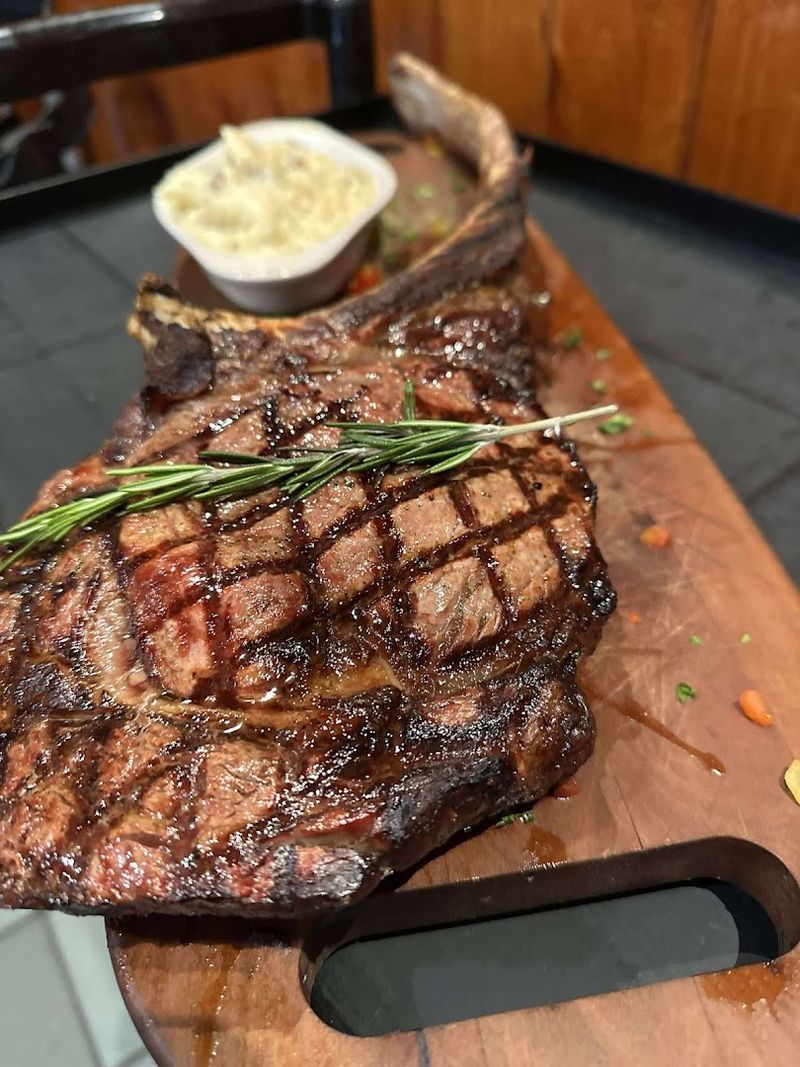
I have to admit I didn’t have high expectations at first, but I’m glad my mind was changed. If you visit this destination, you will know what I’m talking about.
The kitchen at Black Rock Steakhouse operates with quiet seriousness. It does not need to advertise itself, because the food handles that work.
Springfield sits close enough to I-91 to catch passing traffic. Black Rock Steakhouse at 284 River St has built a reputation that travels further than the town itself, drawing guests who have heard enough to make the trip worthwhile.
The tomahawk arrives with Vidalia onions and a char that required real heat and precise timing to achieve. The aged tomahawk also appears on the menu for those who want the dry-aging process applied to an already formidable cut.
Beyond the headline items, the kitchen produces consistent results across the full menu rather than reserving its attention only for the premium cuts.
The French fries are made in-house, which matters more than it sounds when everything else on the plate is being taken seriously. Portions are generous without being theatrical about it.
6. Raven’s Den Steakhouse
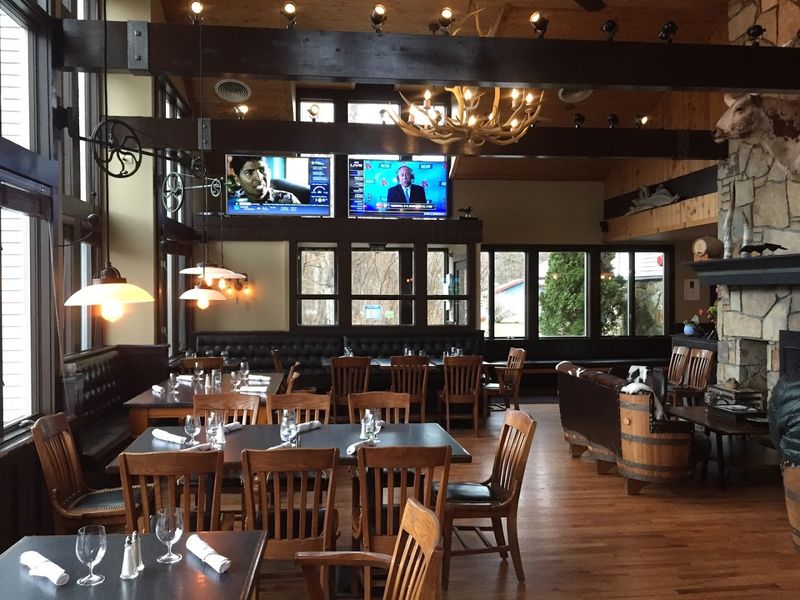
This steak does not need a fancy marinade; it just needs a very hot pan and someone who knows how to use it.
Raven’s Den Steakhouse in Manchester Center is one of the few Vermont restaurants that commits fully and unapologetically to the steakhouse format. There is no identity confusion here.
The interior leans into the classic steakhouse aesthetic. Dark wood, leather seating, and low lighting signal that the focus is on the meat and nothing else.
The bone-in ribeye is the signature cut, and it is treated with the kind of directness that steak enthusiasts appreciate immediately.
At 1844 Depot St, the restaurant is accessible from the main commercial stretch of Manchester Center, making it a logical stop for travelers moving through the area.
Dry-aged options appear on the menu with regularity, and the aging process is taken seriously rather than used as a marketing term. The sides are classic and well-executed, from crispy potatoes to creamed spinach that actually has flavor.
What sets Raven’s Den apart is its lack of pretension about what it is. This is a steakhouse that acts like one, and that consistency builds trust with every returning guest.
Sometimes the most impressive thing a restaurant can do is exactly what it promises.
7. E.B. Strong’s
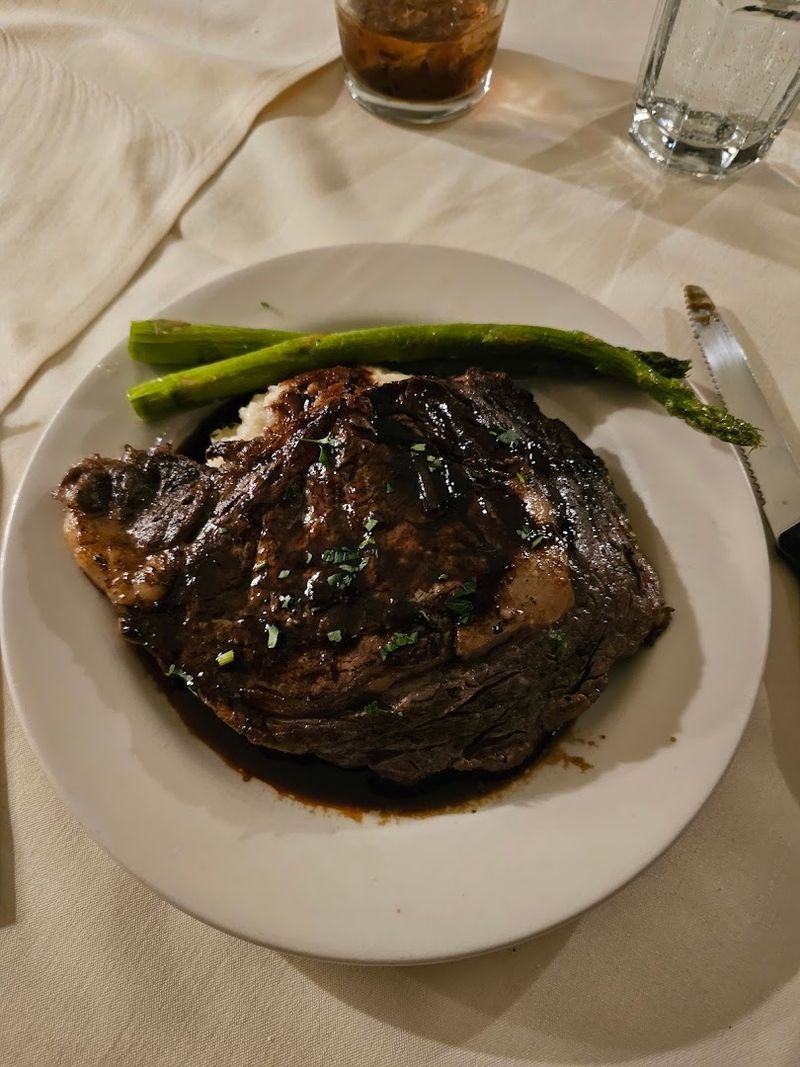
Burlington has no shortage of places to eat well. Finding a restaurant on Church Street that commits fully to the steakhouse format without hedging toward trendier territory is rarer than it should be.
E.B. Strong’s earns its place not through atmosphere or marketing but through cooking that produces a tenderloin tartare precise enough to quiet a skeptical table before the main course arrives.
The ribeye is the anchor. It arrives with a crust that requires a properly seasoned pan and enough heat to build real color without overcooking the interior.
The tartare is finely prepared and properly balanced, signaling from the first bite that the kitchen understands what precision actually means in practice.
The room sits comfortably between the energy of downtown Burlington and the more considered pace of a proper dinner, neither too loud nor too self-serious.
The staff carries the kind of knowledge that suggests they actually eat the food they are serving, which shows in every recommendation they make.
For a city with as many dining options as Burlington, this restaurant holds its ground by committing to its identity rather than softening it for a broader audience.
The caesar salad is made with enough care to suggest that the kitchen treats supporting dishes as seriously as the centerpiece cuts.
Tuesday through Saturday service only, so the restaurant operates on its own terms rather than bending to every possible demand the week might make. A place that knows when to say no to something tends to know exactly what to say yes to.
8. J Morgan’s Steakhouse
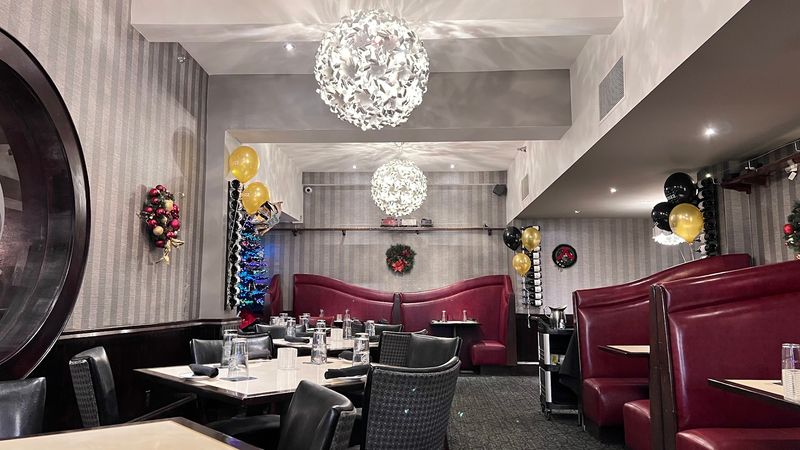
It takes a particular kind of confidence to open a proper steakhouse in the smallest state capital in the country. J Morgan’s at 100 State St has been justifying that confidence ever since.
Guests who arrive expecting the usual limitations of a small-city restaurant tend to leave reassessing what they thought they knew about Montpelier.
The nine-ounce filet mignon draws consistent praise from guests who expect precision and receive exactly that. The kitchen applies classical steakhouse technique throughout, prioritizing the quality of the beef over elaborate saucing or distraction.
The interior occupies a historic property and carries architectural character that newer restaurant builds simply cannot manufacture. Light fixtures that draw the eye without dominating the room set a tone that feels considered rather than decorated.
Breakfast and lunch service run during the week as well, anchoring the restaurant in the daily rhythm of the city rather than reserving it for special occasions only.
The drinks area extends the experience beyond the dining room, with service that tends to stretch planned stays into longer ones.
Some restaurants earn their reputation over a single exceptional meal. The ones worth trusting earn it across hundreds of ordinary nights.
The prime rib, when it appears as a special, draws the kind of attention that suggests the kitchen knows exactly what it is doing with a larger cut. Montpelier is a city that consistently surprises visitors who arrive with modest expectations.
J Morgan’s fits that pattern with enough consistency to be considered one of its better arguments. A steakhouse that serves breakfast without losing its identity at dinner is doing something most restaurants never quite manage to pull off.