Hundreds Of Tundra Swans Stop On This Quiet Idaho Lake Every Fall On Their Way South
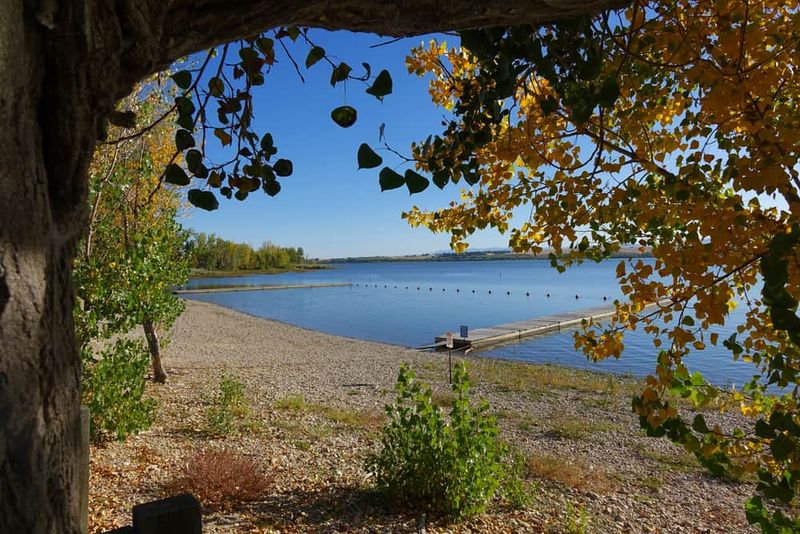
Farm fields, irrigation ditches, and a long brown shoreline do not look like much from the car window in southwest Idaho. Then a white line appears on the water, and it starts to whistle.
Every fall, big Arctic travelers pause on their long trip south, and a plain-looking reservoir in the Treasure Valley becomes one of the best free shows in the state. Knowing when to go, what to bring, and what to watch for turns a quick drive into a day you will talk about all winter.
A Reservoir Between Two Farm Towns
Most people in Canyon County know Lake Lowell as the summer spot where their cousins launched a boat. Fewer realize the same stretch of water becomes a rest stop for some of the most far-traveled birds in North America.
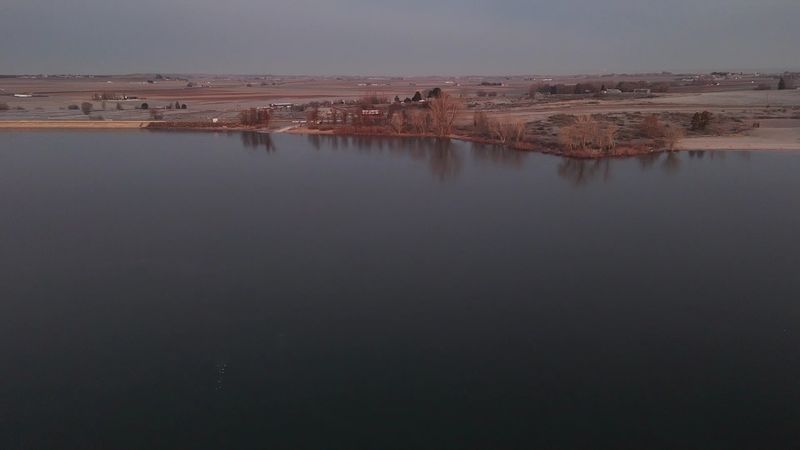
Lake Lowell is a large irrigation reservoir sitting between Nampa and Caldwell in Idaho’s Treasure Valley. It is ringed by farmland, cottonwoods, and low sagebrush slopes, and it belongs to a wildlife refuge that protects the shoreline and surrounding marshes for migrating birds.
That mix matters. Irrigation water keeps the lake full through the growing season, and the refuge keeps big parts of the edges calm and wild.
When fall arrives and the boats go home, the water turns into open real estate for ducks, geese, and swans looking for a safe place to float.
Nothing about the setting shouts for attention. There are no towering peaks right at the shore and no fancy resort.
What you get instead is a wide, flat sheet of water under a huge valley sky, which turns out to be exactly what a tired swan wants to see after days of flying south.
Finding The Shoreline In Canyon County
Getting there is refreshingly simple. The lake sits just southwest of Nampa and southeast of Caldwell, so anyone living in the Treasure Valley can usually reach the shore in well under an hour, and Boise residents can make it a short afternoon trip.
The official listing keeps the address to one word: Idaho. In practice, you follow country roads through farm fields until the water opens up in front of you.
Several access points ring the lake, including parks with parking lots, a boat ramp area, and the refuge visitor center side.
Visitors mention that the parking lots are large and well kept, which is handy on busy summer days and even more pleasant in fall, when you might have a whole lot to yourself. A folks who grew up in Caldwell say the area has seen a lot of improvement over the years.
For swan watching, plan to move around. Birds shift from one side of the lake to another depending on wind and disturbance.
Having a map of the access points on your phone makes it easier to hop from one viewing area to the next without backtracking.
Arctic Travelers With Seven-Foot Wings
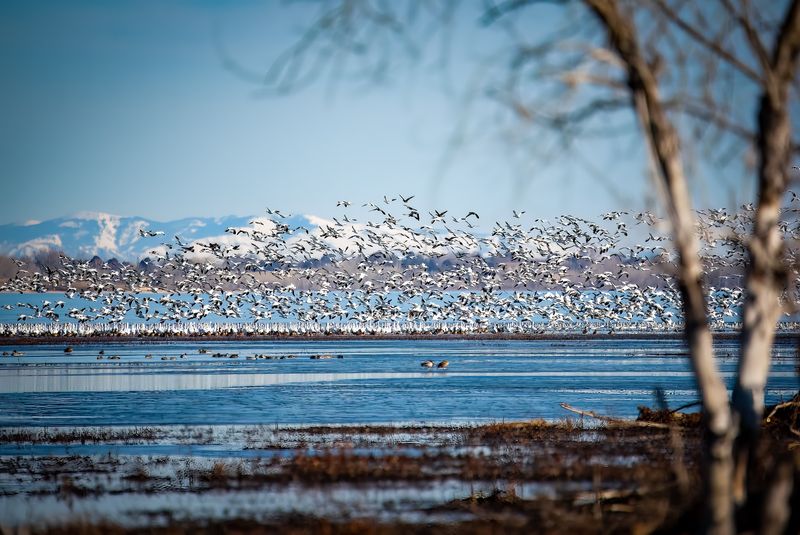
Imagine a bird that weighs more than a Thanksgiving turkey flying thousands of miles. Tundra swans can carry a body weight over 20 pounds on wings that stretch up to seven feet from tip to tip.
These swans nest far to the north on the Arctic tundra of western Alaska. Each fall they head toward wintering grounds along the Pacific coast, from Vancouver Island down to northern California.
Some choose an inland route instead, passing through places like southern Idaho, Utah, and the southern Colorado River basin.
That inland path is what brings them over the Treasure Valley. Along the way, the birds need regular breaks to rest and eat, and open, protected water makes a natural choice.
Fun fact: tundra swans were once widely called whistling swans. The name fits, because their calls sound more like a soft, high whistle or a distant bugle than the honk of a goose.
Once you hear it, you start noticing it everywhere during migration season.
Look for an all-white body and a black bill. Many adults show a small yellow spot near the eye, a handy clue when telling them apart from other swans.
When The Whistling Starts
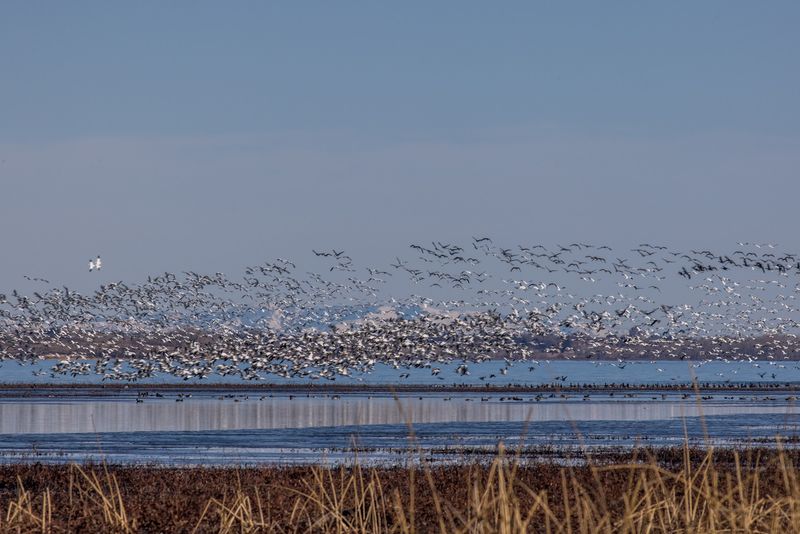
Timing is everything. Tundra swan fall migration in Idaho usually peaks in early November, so the first two weeks of that month are a smart target for a trip.
Birds can start trickling through before that and linger after, depending on weather up north. A sudden cold snap in Alaska or Canada can push flocks south faster, while a mild fall may stretch the show out.
Watching local birding groups or refuge updates can help you catch a good day.
Here is a bonus many people miss. The swans come back through Idaho on their way north, usually in late February and early March.
That means you get a second chance if your November plans fall apart.
Early morning and late afternoon tend to be lively times. Swans often fly in low over the water, set their wings, and glide down with a rushing sound as air slips through their feathers.
Watching a group land together feels a bit like seeing a squad of paper airplanes come in at once.
Bring patience. Some visits deliver hundreds of birds, while others offer a handful.
Either way, the quiet of a late fall morning makes the drive worthwhile.
Long Necks And Underwater Lunches
Watch a swan for five minutes and you will probably see its head vanish. Those long, flexible necks work like built-in snorkels, letting the birds reach plants and roots growing below the surface.
Tundra swans feed mainly on aquatic vegetation, roots, and seeds. During migration, they also eat leftover grain in farm fields, especially fields that have been flooded.
Refuges in Idaho often manage wetlands and grow crops for wildlife just to give travelers like these an easy meal.
Shallow edges are prime feeding zones. A swan may tip forward until only its tail points at the sky, a pose birders call dabbling.
It looks silly, but it is an efficient way to grab food without diving.
The farmland around Lake Lowell is part of what makes the area attractive. Grain fields, wet pastures, and irrigation water sit within short flying distance of the reservoir, so swans can rest on open water and then feed nearby.
Binoculars help you see the details, like muddy stains on their white heads from rooting around in the bottom. Those rusty smudges are a sign of a well-fed bird that has been working hard for its supper.
A Refuge Full Of Feathered Neighbors
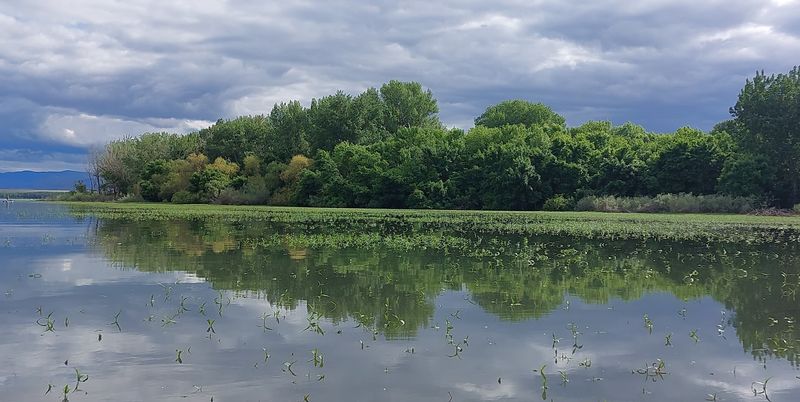
Swans may headline the fall show, but they rarely perform alone. Bird watching comes up again and again when visitors describe this lake, and several mention how many birds fill the preserve areas.
The protected shoreline draws ducks, geese, herons, and shorebirds at different times of year. In fall and winter, you might scan a single bay and find several kinds of waterfowl floating side by side, with swans standing out like bright white buoys.
One visitor described the birds in the cold months as gorgeous, adding that their music is worth being silent for. That is a good tip for anyone new to wildlife watching.
Turn off the radio, close the car door gently, and just listen for a minute.
You may hear the whistles of swans, the chatter of geese, and the quiet splashes of ducks landing. Put together, it sounds like a small orchestra warming up across the water.
A simple field guide or bird app can turn a stroll into a treasure hunt. Kids especially enjoy keeping a list, and even adults get a little competitive once they spot something new.
Cold-Month Calm On Open Water
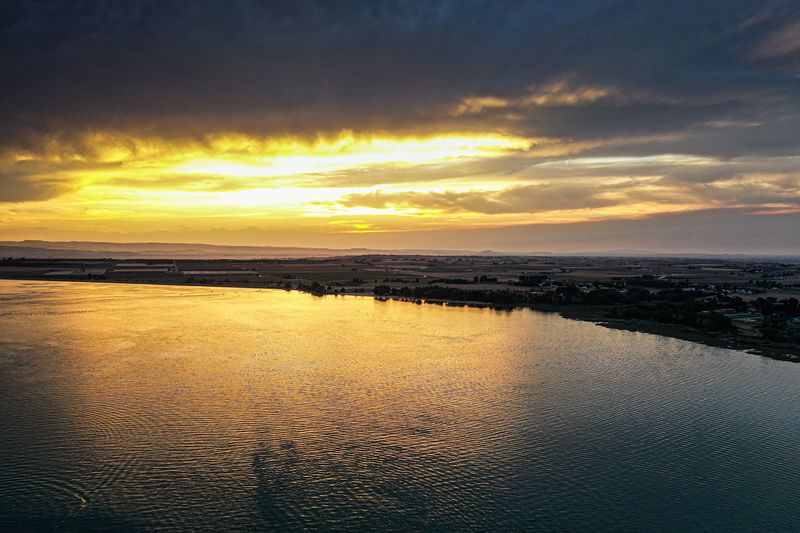
Summer crowds and fall calm feel like two different lakes. Once the swimming season fades, Lake Lowell settles into a slower, softer mood that many regulars say shows it at its best.
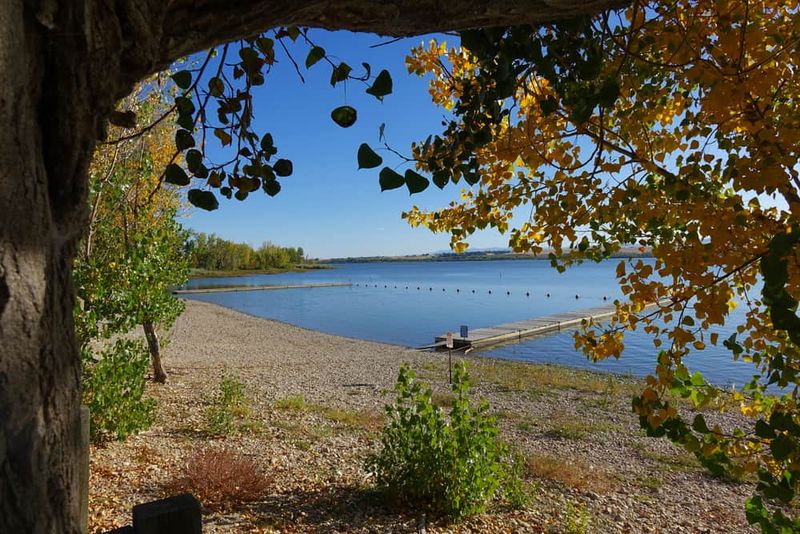
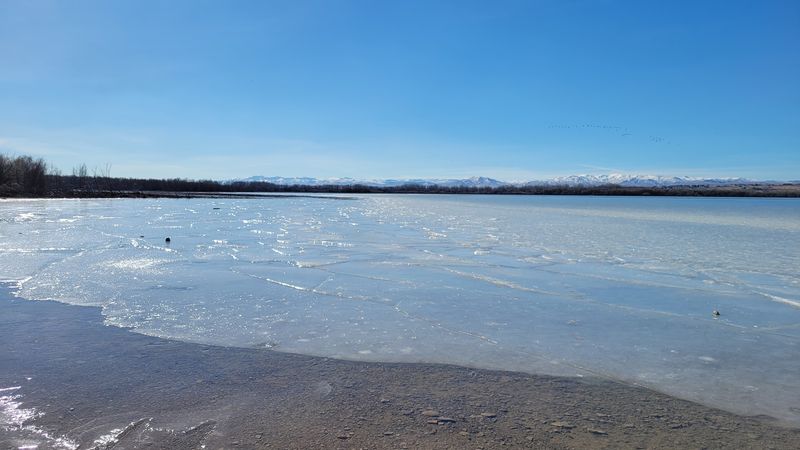
Visitors describe the lake as beautiful in the cold months, and it is easy to see why. The water often lies flat and gray, the sky seems even wider, and sound carries across the surface.
A single swan call can reach you from far across a bay.
One first-time visitor noted it was a bit chilly out but still worth the stop. That sums up the fall experience nicely.
You trade warm sun for crisp air and much more elbow room.
Layers are your friend. Wind can sweep across the open water and make it feel colder than the forecast suggests.
A warm hat, gloves, and a thermos of hot cocoa make it easier to stay put while you wait for a flock to arrive.
For photographers, the soft light of late fall can be gentle on white feathers. Bright summer sun can wash out a swan, while an overcast November morning often keeps the detail in every wing.
Trails, Signs, And A Visitor Center
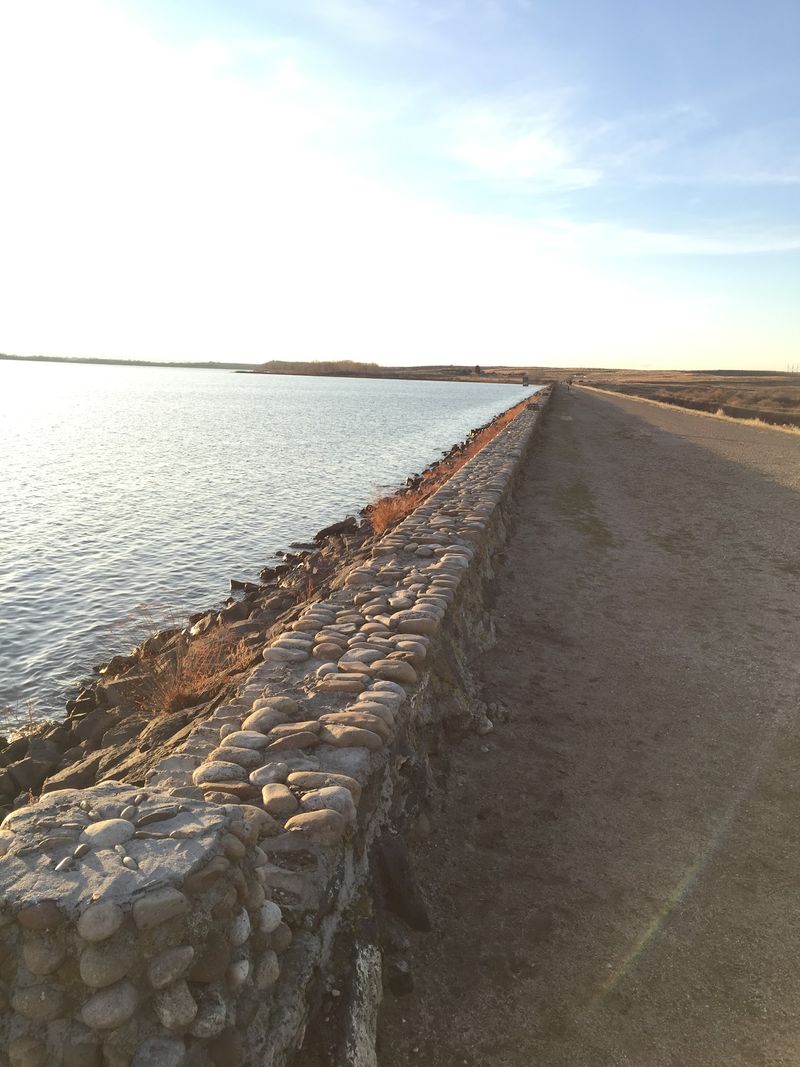
Walking shoes might be the most useful thing you pack. Trails come up often when visitors talk about Lake Lowell, with people calling them great places to walk, run, and spend time with family.
There is also a visitor center, which one guest pointed out on a chilly first trip. Refuge visitor centers usually offer maps, displays about local wildlife, and a chance to ask what birds have been seen lately.
Stopping there first can save you from wandering to the wrong corner of the lake.
Dog owners get good news, too. A recent visitor described the trails as dog friendly.
Keep in mind that wildlife refuges usually have leash rules, and a calm dog on a short leash is much less likely to spook resting birds.
The paths let you slip along the shoreline without climbing hills, which makes them welcoming for families and older walkers. You can turn around whenever you like and head back to the car for a warm-up.
Walking slowly pays off. Swans and ducks often stay put if you move steadily and quietly, giving you a closer look than you would get from the parking lot.
The Lake’s Loud Summer Side
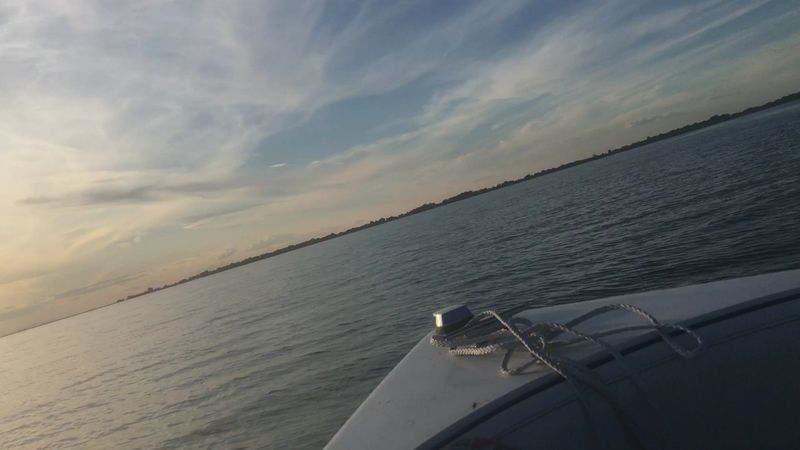
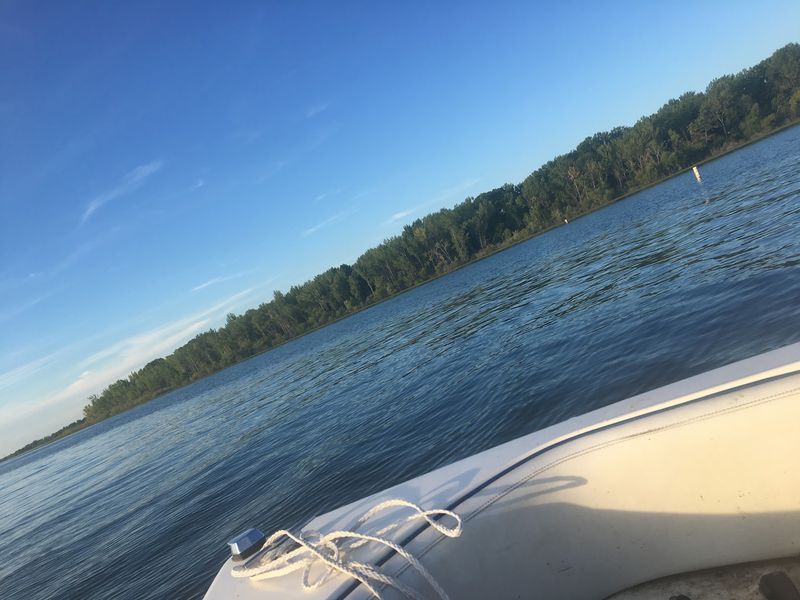
Come back in July and you might not recognize the place. Boating is the most talked-about summer activity here, and the quiet swan lake turns into a playground of wakes and engines.
Visitors mention wakeboarding, tubing, jet skiing, kayaking, and paddle boarding. One longtime visitor said there is tons of room to do your own thing, with only small no-wake zones.
Another called it a fun local place to hang out, especially early in summer.
The boat ramp earns steady praise. Guests describe it as wide and easy to use, with a large dock in good shape and plenty of parking for trucks and trailers.
That kind of setup makes a big difference on a Saturday morning when everyone wants to launch at once.
Opinions about crowds vary. Some say the lake rarely feels packed, while others mention busy days.
Weekdays and early mornings are usually calmer.
Knowing the summer side helps you appreciate fall even more. The same water that buzzes with boats in August becomes a hushed resting spot for swans by November, a seasonal switch that longtime Treasure Valley families have watched for years.
Catfish And A Spot For Grandpa
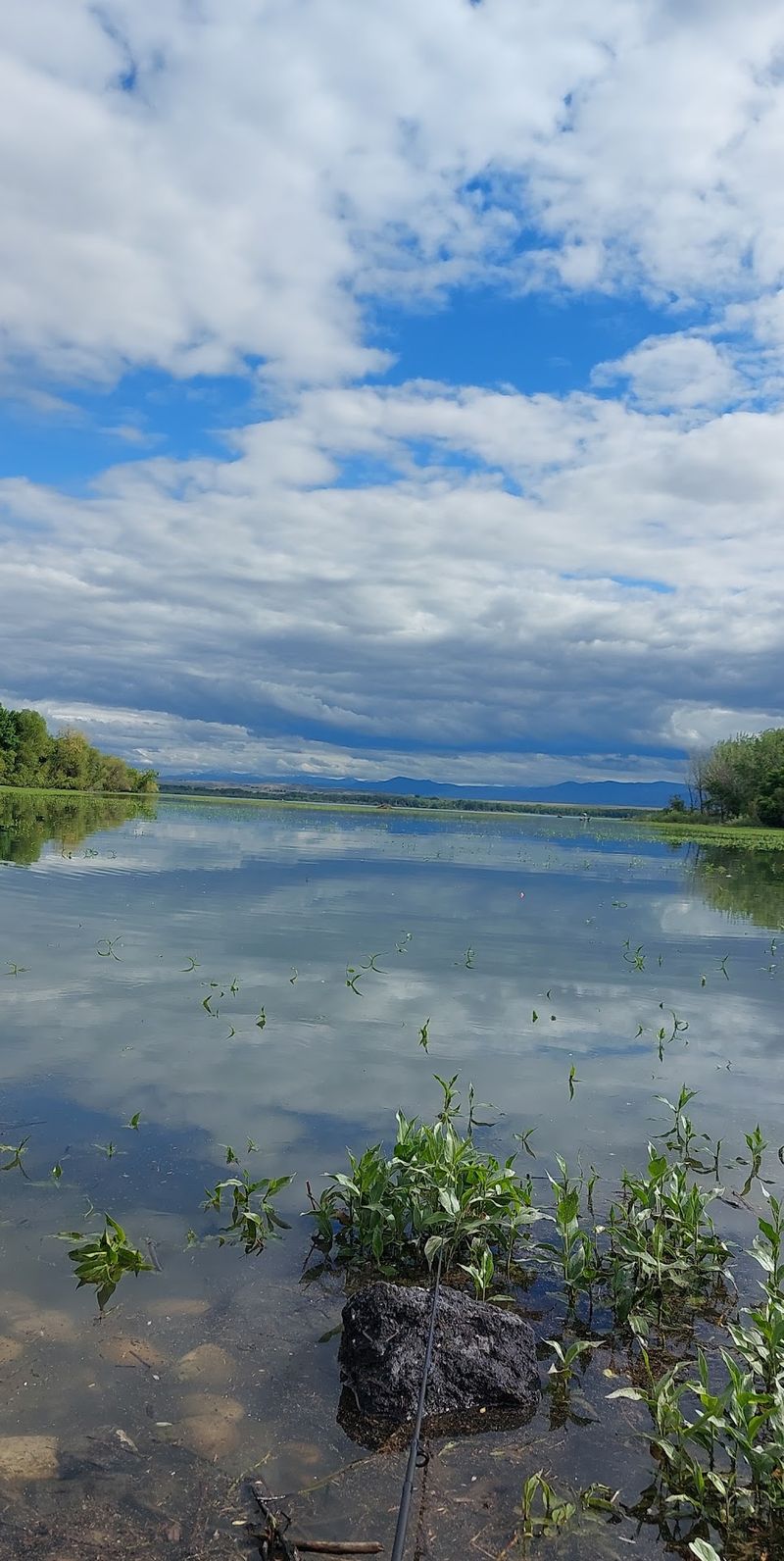
Anglers have their own reasons to love this lake. Visitors describe it as a great place to fish, with one calling it always a fun spot for catfish.
A thoughtful touch stands out in the feedback. Lake Lowell has a fishing location set up for people with disabilities, and one grateful visitor said it makes it easy to get grandpa out on the water.
That kind of access turns a fishing trip into a real family outing for every generation.
Fall fishing can be a bonus while you wait for swans. Cast a line, sip something warm, and keep one eye on the sky.
Few experiences beat the moment a flock whistles overhead while your bobber sits still.
Before heading out, check current Idaho fishing rules and license requirements, since regulations can change. Refuge areas may also have specific seasons or closed zones to protect wildlife during migration.
Being close to Nampa and Caldwell means you do not need a full weekend. Many people squeeze in a few hours after work or on a Saturday morning, which is part of why this lake feels like a neighborhood favorite.
Quilts Under The Cottonwood Canopy
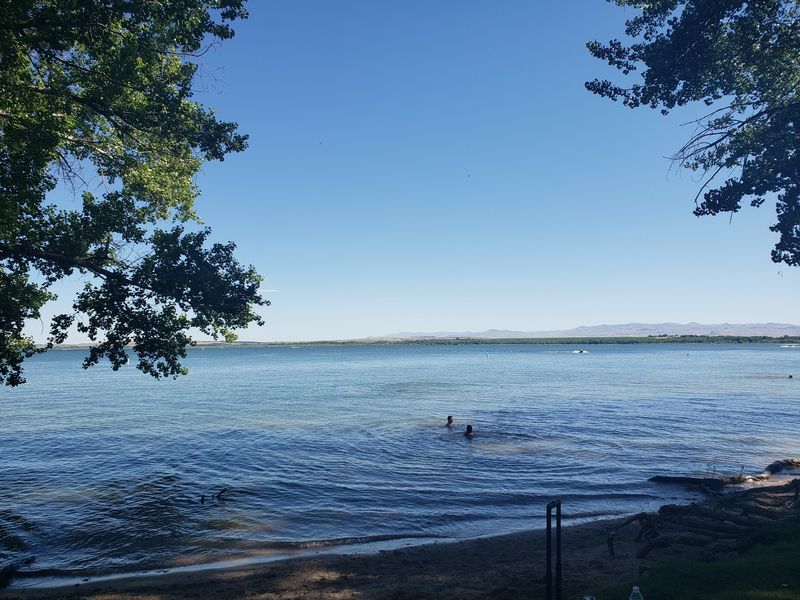
A big quilted blanket and a patch of shade might be the simplest recipe for a good afternoon. One family described spreading theirs under the canopy of shade trees and watching the beach stay busy with swimmers and boats.
Shade gets several shout-outs from visitors, and the park areas offer a large space for spreading out. Barbecues come up too.
A visitor raised in Nampa said they will always come back to barbecue, relax, or just take a good day drive.
Lake-side lounging suits people who are not interested in boats at all. Some folks simply bring a book, find a tree, and let the afternoon drift by.
Others stay until dark, and one visitor praised the lake as a relaxing place to unwind under the stars.
Restrooms get mixed comments, so packing wipes and hand sanitizer is a wise move. Visitors also mention litter as an ongoing issue, so bringing a trash bag and leaving the shore cleaner than you found it helps everyone.
Picnic spots feel different in fall. Fewer blankets, crunchier leaves, and the chance of swans on the water make even a simple sandwich feel special.
Water Quality Worth Checking First
Honest planning makes for a better trip. Water quality is a real topic at Lake Lowell, and visitors hold very different views about it.
Some swimmers and paddle boarders say the water feels great. Others are less impressed.
The Idaho Department of Health and Welfare has issued health advisories for the lake in the past because of harmful cyanobacteria, a type of algae that can produce toxins. During those advisories, people were urged to avoid swimming or wading and to keep pets and livestock out of the water.
Dogs deserve extra caution, since they are more likely to swim in or drink lake water. On any visit, especially in late summer, check for current advisories before letting anyone splash in.
Mosquitoes are another summer concern. Visitors mention lots of them, and bug spray is a smart addition to your bag.
Cooler fall weather usually calms the bug problem, which is one more reason swan season can be pleasant.
A few visitors have also raised concerns about sick birds in some seasons. Keep your distance from any wildlife that looks unwell, avoid handling birds, and report anything unusual to refuge staff.
Packing For A November Morning
Binoculars first, snacks second, patience third. That short list covers most of what a swan-watching trip needs.
No confirmed entry fee appears for simply visiting the lake, but parks and refuge areas can have their own rules and seasonal hours. Visitor center hours can change, and some shoreline areas may close to protect wildlife during migration.
A quick check before driving saves disappointment.
Aim for early to mid November for the fall peak, or late February into early March for the return trip. Mornings often bring calm water and good light, while late afternoons can bring flocks flying in to settle for the night.
Pack warm layers, a hat, gloves, and waterproof shoes, since shoreline grass can be damp and muddy. A camera with a zoom lens helps, and even a phone held up to binoculars can capture a surprisingly nice shot.
Give the birds room. Swans need their energy for the flight ahead, and getting too close can make a whole flock lift off.
Stay on trails, keep dogs leashed, and let the birds decide how close the show gets. You will be rewarded with calmer, longer views.
A Quiet Payoff Close To Home
Sometimes the best trips are the ones you almost skip. Lake Lowell does not look like a famous wildlife destination from the road, yet each fall it plays host to birds that started their journey on the Arctic tundra of Alaska.
For Treasure Valley families, that is the real magic. You do not need a plane ticket or a long weekend to watch hundreds of swans glide in on seven-foot wings.
A short drive from Nampa, Caldwell, or Boise can put you on a quiet shoreline with a thermos and a view.
The lake has its rough edges, from water quality concerns to summer mosquitoes and litter. Knowing those ahead of time helps you pick the right season and plan smart.
Fall and early spring, when the swans pass through, tend to show the lake at its calmest.
Go once and you may find yourself marking the calendar for next November. Listen for that high whistle drifting over the water, watch the white shapes settle into the gray, and enjoy one of southwest Idaho’s most peaceful seasonal rhythms, right in your own backyard.