Hundreds Of Vintage Motorcycles Fill A Former Connecticut Textile Mill That’s Now A Paradise For Motorcycle Enthusiasts
An old textile mill filled with motorcycles sounds like someone mixed up two completely different museum ideas.
But somehow, the combination makes perfect sense.
Inside a former Connecticut mill, hundreds of vintage motorcycles have found a new home, turning an industrial building into an attraction for motorcycle enthusiasts.
Now that’s a pretty impressive career change for an old factory.
I love the thought of walking through a building once devoted to textile production and finding rows of machines from completely different eras.
And you don’t necessarily have to ride a motorcycle to appreciate the craftsmanship.
Some vintage models look so unusual compared with modern bikes that they’re fascinating simply to examine.
Of course, serious enthusiasts could probably spend hours comparing the details.
But even casual visitors might find themselves wondering what it felt like to ride one of these machines decades ago.
1. A Rescued Mill Gave These Old Bikes A Home Worth Bragging About
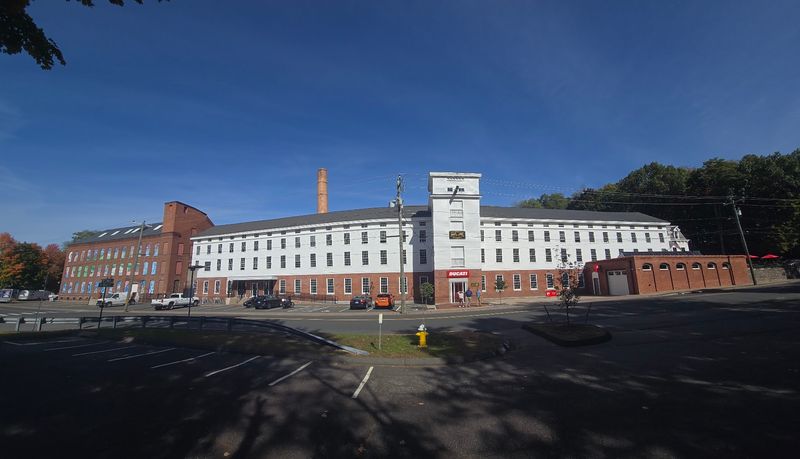
Before motorcycles took over, this building had a surprisingly presidential connection. The old factory once produced fabric for a United States president’s inaugural suit, and that’s only part of its remarkable history.
Today, the New England Motorcycle Museum occupies the former Hockanum Mill in Rockville, where the building’s industrial past is almost as interesting as the machines on display.
The story goes all the way back to 1814, when the first mill was constructed on the site. After a devastating fire in 1854, a larger mill building was rebuilt the following year.
For decades, the factory produced high-quality worsted cloth, earning a reputation for its fine textiles. Then came its biggest moment in 1897.
The mill supplied the fabric used for President William McKinley’s inaugural suit. That’s quite an achievement for a textile factory in a small New England town.
Production eventually ended in 1951, and the property spent decades falling into disrepair.
Its transformation into a motorcycle museum, which opened in 2018, gave the historic complex an entirely different purpose.
Today, visitors can admire vintage motorcycles while appreciating the old mill’s architectural character.
It’s worth paying attention to the building itself. Those historic walls have witnessed more than two centuries of change, and their story deserves just as much attention as the motorcycles.
2. One Collector’s Lifelong Obsession Turned Into A Seven-Year Rescue Mission
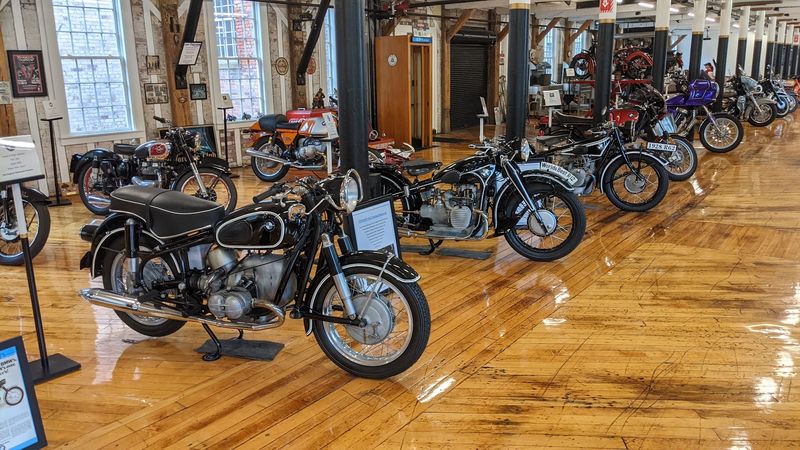
Ken Kaplan started collecting motorcycles back in the 1970s. Decades later, his hobby needed a much bigger garage.
In 2013, he bought the sprawling 11-acre Hockanum Mill property. Most people would have seen a giant headache.
He saw a home for his bikes.
The work wasn’t glamorous. The cleanup alone included removing 15 drums of lead paint chips and arsenic, each holding 50 gallons.
That’s not exactly a weekend project. The full restoration took nearly seven years to finish.
The investment topped 6.5 million dollars. State loans and support from the Town of Vernon helped make it happen.
Rockville is actually a section of Vernon, so the town had a real stake in seeing this place shine again.
The museum finally opened on August 25, 2018. It now runs as a nonprofit focused on preserving motorcycle history.
I like how one person’s passion ended up saving a piece of state’s past. Stories like this make a visit feel more meaningful.
You’re supporting a dream that took serious grit to build.
3. Nearly 200 Motorcycles Line Up Like A Rolling History Lesson
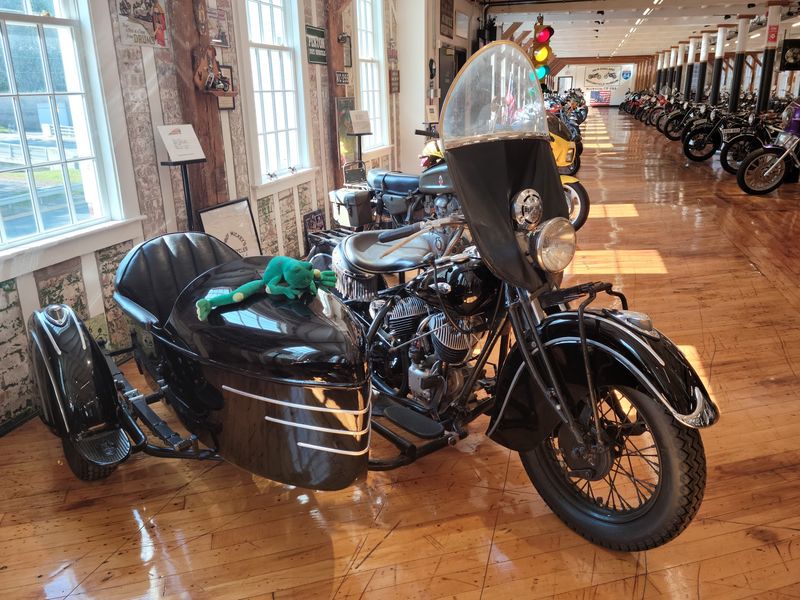
Here’s a number that gets attention: nearly 200 vintage motorcycles under one roof. That makes this the largest collection of its kind in the Northeast.
It also ranks among the bigger motorcycle museums anywhere in the country. Not bad for a former cloth factory.
The bikes cover a huge stretch of time, from 1920 to 2021. You can trace how designs changed across a full century.
Early machines look almost like bicycles with engines bolted on. Later models get sleeker, faster, and a lot more confident.
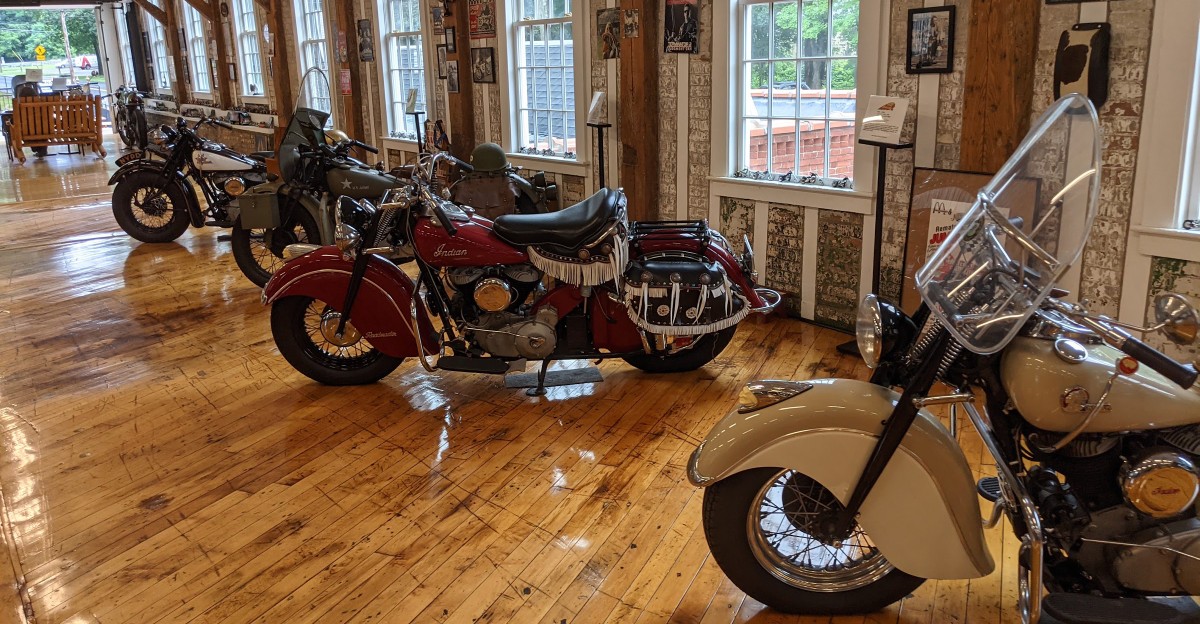
The variety keeps things interesting. Vintage cruisers sit near choppers, and high-performance sport bikes add a modern punch.
Each motorcycle is carefully maintained and shown with an informative plaque. That helps a lot if you can’t tell a carburetor from a cupcake.
My advice? Walk slowly and compare bikes from different decades side by side.
Watching the shapes evolve is half the fun.
Even folks who have never ridden can appreciate the craftsmanship. Each one tells a small story about the people who built it.
4. Harley Fans And Honda Lovers Can Finally Get Along Here
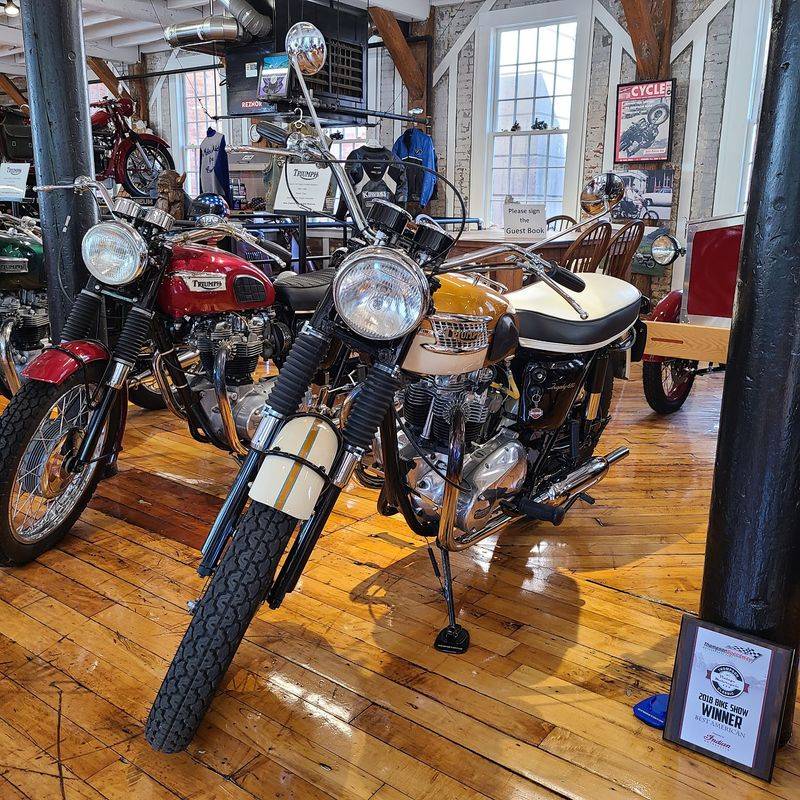
Brand loyalty runs deep in the motorcycle world. At this museum, more than 25 brands share the same space without a single argument.
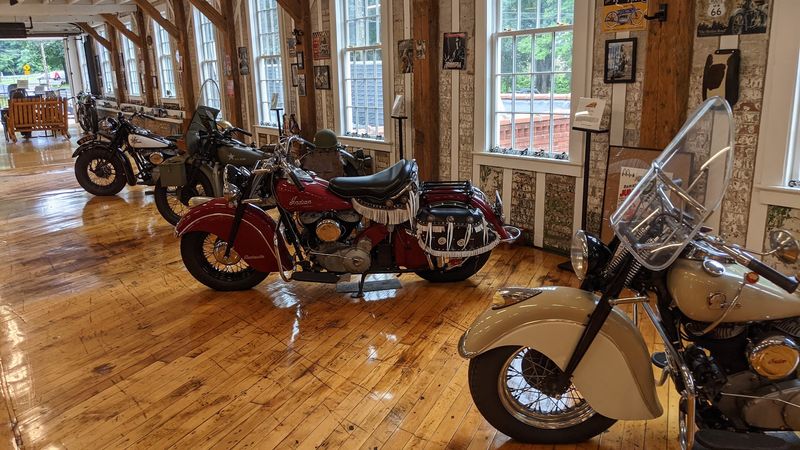
American legends like Harley-Davidson and Indian are well represented. Those names carry a lot of weight for riders across the country.
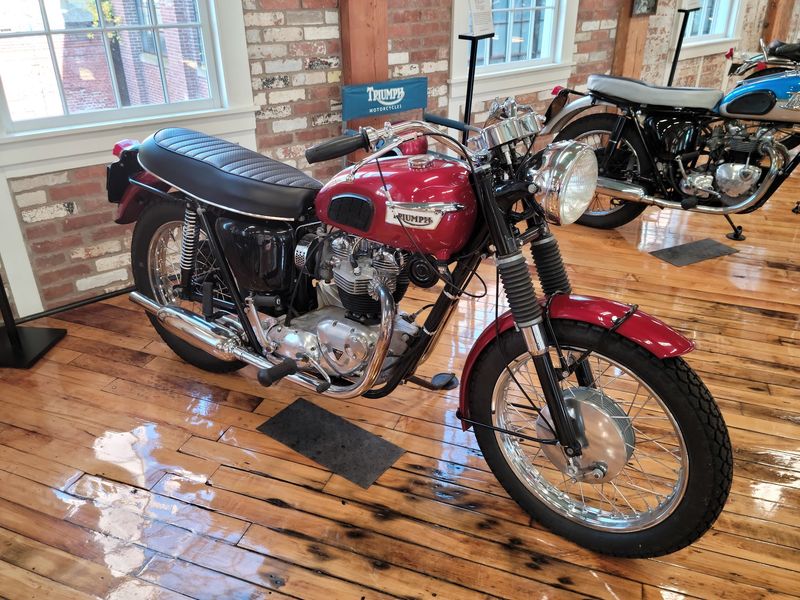
European classics bring their own flair. Triumph shows off the style that made British bikes so famous.
Japanese machines hold their own, too. Honda and others helped change what everyday riders could afford and enjoy.
Seeing them together is surprisingly eye-opening. You start to spot how each country approached speed, comfort, and looks a little differently.
It’s like a friendly world tour on two wheels. No passport needed, just a trip to Connecticut.
Got a favorite brand? Hunt for it first, then wander toward something you know nothing about.
You might leave with a brand-new crush on a bike you’d never noticed before. That’s the risk of exploring a collection this wide, and honestly, it’s a happy one.
5. The Oldest Machines Steal The Show Without Even Trying
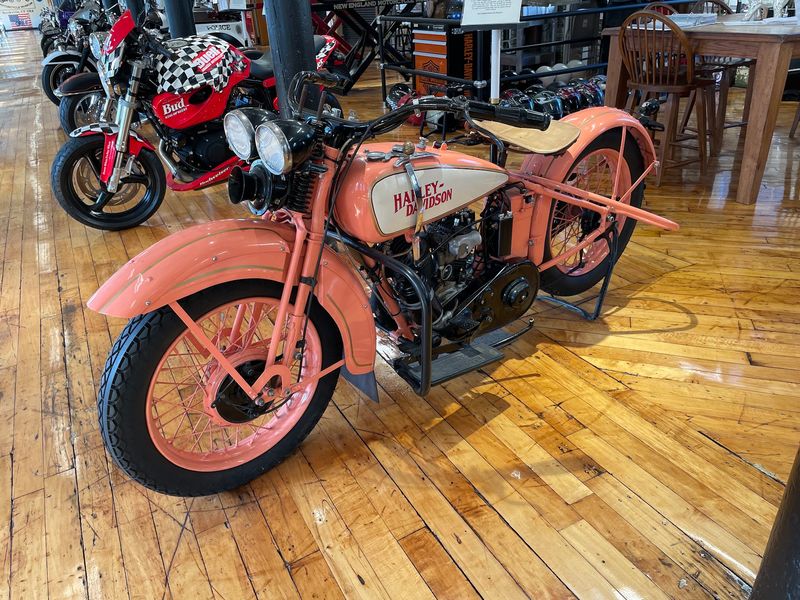
Bikes from the 1920s and 1930s make up a notable part of the collection. These are the elders of the room, and they carry themselves well.
Back then, motorcycles were still figuring themselves out. Many look raw, mechanical, and wonderfully simple.
Leather seats, exposed parts, and skinny tires tell you riding was an adventure. Roads were rougher, and comfort was more of a wish than a feature.
Spending time with these bikes gives you real respect for early riders. They were brave, patient, and probably very good at fixing things.
Restoring machines this old takes serious skill. Preservation and restoration sit at the heart of the museum’s mission.
So when you see a gleaming century-old bike, remember the hours behind that shine. Someone cared enough to bring it back.
Kids especially enjoy guessing how old each bike might be. Turn it into a little game before reading the plaques.
You’ll be surprised how often the answer is older than expected. These pioneers still look ready for a Sunday ride.
6. Brick, Beams, And That Gorgeous Old-Mill Glow
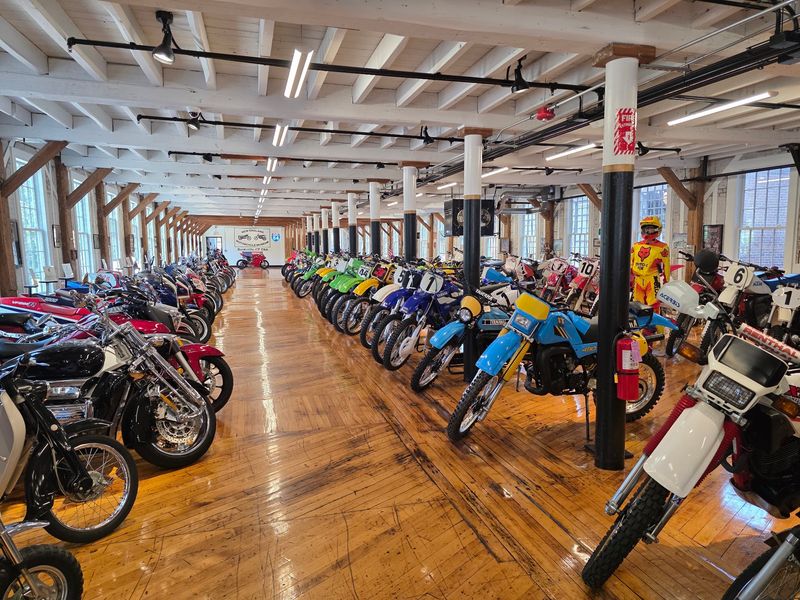
Some restorations scrub away every trace of age. The team behind the New England Motorcycle Museum went the other way.
Exposed brick walls and timber beams stay front and center. The goal was to keep the building’s historic patina, not hide it.
That choice pays off beautifully. Old bikes look right at home against old brick.
The showroom floors were refinished, and they make a striking base for the displays. Chrome and polished paint seem to pop even more.
The historic mill complex covers approximately 150,000 square feet, with the motorcycle museum occupying a portion of that space. That’s a lot of room for history to stretch out.
The outside changed dramatically, too. A site once full of debris and graffiti now looks cared for and proud.
Bring a camera or keep your phone handy. The mix of rugged walls and shiny machines makes for great photos.
Look up now and then while you browse. Those beams have been holding this place together far longer than any bike in the room has existed.
7. Old Posters And Dusty Magazines Deserve Your Attention Too
Motorcycles grab the spotlight, but the extras are sneaky good. The museum holds a big stash of memorabilia beyond the bikes themselves.
Old photographs show riders from earlier eras. Vintage posters capture how motorcycles were sold and celebrated.
There are parts on display as well. Seeing individual pieces up close helps explain how these machines actually work.
Then there’s the motorcycle library. It’s packed with archival magazines that track the sport over many years.
For true fans, that library might be the real treasure. Old magazines show what riders dreamed about, argued over, and saved up to buy.
Ads, specs, and road tests offer a peek into everyday life back then. They’re like time capsules with handlebars.
Leave a little extra time for these displays. It’s easy to rush past them on the way to the next bike.
Slowing down here adds context to everything else you see. You’ll understand not just the machines, but the culture that grew around them.
8. Friendly Faces And Hands-On Learning Make It Feel Personal
Big museums can feel cold and rushed. This one keeps an informal, small-museum feel that’s easy to enjoy.
The owner or dedicated volunteers are often on site. That means you might get to chat with people who truly know these machines.
Have a question about an odd part or a rare model? Ask it.
Passionate experts usually love sharing what they know.
Education is a big part of the mission here. The museum offers guided tours for anyone who wants a deeper look.
Workshops on motorcycle maintenance and restoration are also part of the outreach. They’re a great way to learn real skills, not just admire shiny paint.
Young riders and curious beginners can pick up tips that stick. Seasoned riders may still learn a trick or two.
Classic bikes are also sold through Kaplan Cycles, a separate company owned by the founder. Those sales help fund museum operations.
So your interest supports the whole effort. It’s a neat cycle, pun fully intended.
9. Plan Your Ride Around These Short But Sweet Hours
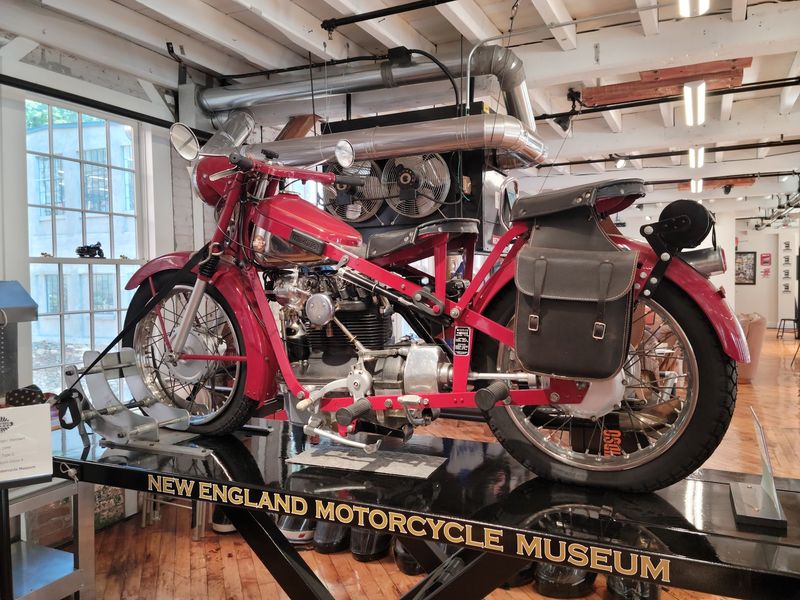
Motorcycle history deserves more than a rushed visit. With vintage machines spread throughout a historic mill, this museum gives visitors plenty to look at, even if they’ve never owned a motorcycle.
The New England Motorcycle Museum has traditionally welcomed visitors on Fridays and Saturdays, from 10 AM to 3:30 PM. Since schedules can change, checking the current hours before making the drive is a smart move.
Plan on spending roughly 45 to 90 minutes exploring the collection. Motorcycle enthusiasts may want a little longer to appreciate the older models and their fascinating details.
Admission has generally been affordable, with free entry offered to children ages 10 and under. Confirm current ticket prices before visiting, especially if you’re bringing the family.
The museum also hosts occasional motorcycle-related events, bringing enthusiasts together for special gatherings and activities.
Arriving on your own motorcycle adds a little extra fun to the experience, although visitors are equally welcome to come by car.
For your trip, head to 200 West Main Street, Rockville, 06066, in the town of Vernon.
Once inside, take your time exploring the displays and appreciating the historic factory building.
Between the vintage motorcycles and the mill’s remarkable past, there’s plenty worth slowing down for.