9 Idaho Animal Rescues And Wildlife Centers Where You Can Meet Remarkable Creatures Up Close
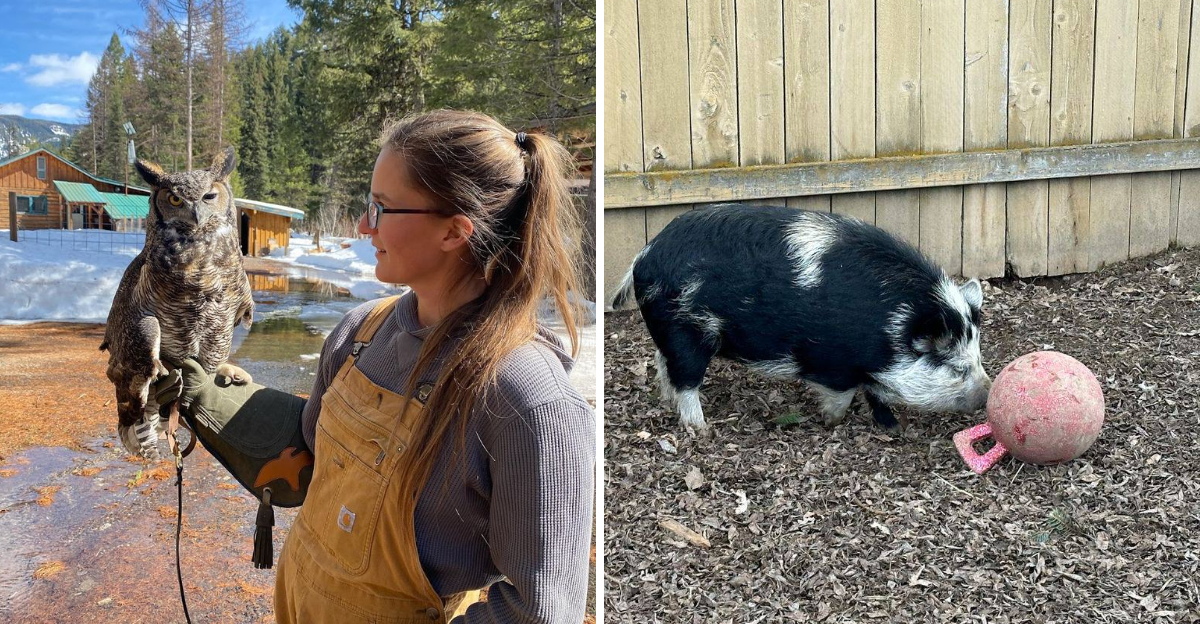
One rescued animal can turn a regular afternoon into the kind of visit people keep talking about in the car afterward.
That is the pull of these Idaho rescues and wildlife centers, where the experience feels less like a quick stop and more like a reminder that care can be powerful.
Visitors get to see patient work up close, the kind that helps animals heal, adapt, or live safely when returning to the wild is no longer possible.
Curiosity turns personal fast in places like this, because rescue stories have a way of sneaking past everyone’s defenses.
A child may arrive hoping to see something cool, and an adult may pretend this is purely educational, but nobody stays detached for long.
Once one animal looks back, the whole trip starts feeling a lot more meaningful.
1. Twin Falls Zoological Center
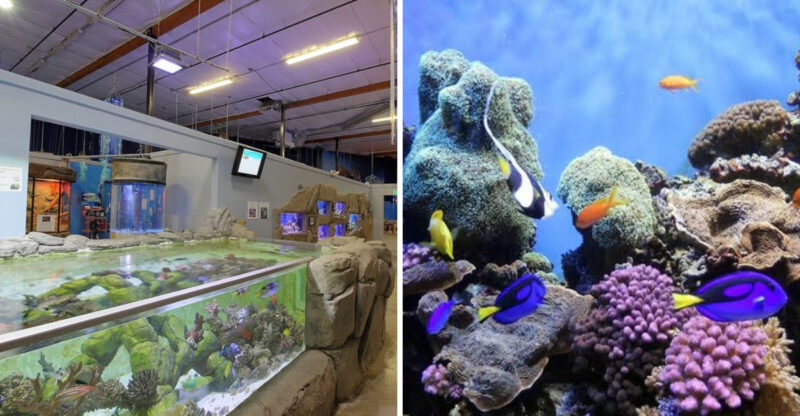
A mall trip turns unexpectedly wild at Twin Falls Zoological Center, where Magic Valley Mall holds far more than food court stops and regular shopping errands.
Found at 1485 Pole Line Road E., Suite 151, this nonprofit animal rescue zoo gives Twin Falls visitors a chance to see animals in an indoor setting built around rescue, education, and close observation.
The center lists itself as open year-round, with current hours of Monday through Saturday from 10 a.m. to 8 p.m. and Sunday from 11 a.m. to 6 p.m., closing only for Thanksgiving and Christmas.
That accessibility makes it one of the easiest stops on this list for families planning around weather, school schedules, or road trips through southern Idaho.
The center’s own wording frames the experience around responsible stewardship, while its about page describes it as “a place of rescue, responsibility, and discovery.”
Earlier local coverage explained that the organization grew from an exotic animal rescue serving the Magic Valley and beyond, taking in animals people or organizations could no longer keep. That mission is best seen as the heart of the experience for visitors.
The animals are not props. They are residents with histories, needs, and care routines.
For kids, that can be a powerful lesson wrapped inside a fun afternoon: conservation starts to feel real when a rescued animal is standing right in front of you.
2. Idaho Reptile Zoo
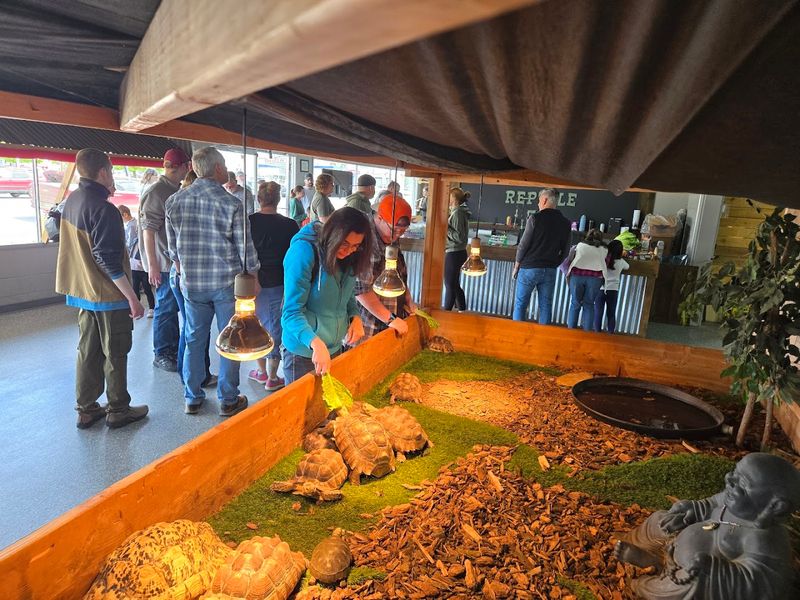
Cold-blooded creatures get a warmer introduction at this reptile zoo in Garden City. The rescue and education center is now open to the public at 3725 W.
Chinden Boulevard, with current website hours listed daily from 10 a.m. to 6 p.m. That daily schedule makes it especially useful for Boise-area families, school groups, and curious visitors who want a hands-on wildlife stop without driving across the state.
What separates this place from a simple reptile display is the rescue focus.
Recent local coverage described the reptile zoo as a nonprofit organization serving as both a reptile rescue and an educational resource for families, schools, and state agencies.
That matters because reptiles are often misunderstood, surrendered, or purchased by people who do not realize how specialized their care can become.
A visit can turn fear into fascination pretty quickly.
Snakes, lizards, turtles, tortoises, alligators, and other scaled residents give staff a natural opening to talk about habitats, diets, behavior, responsible ownership, and conservation.
Children who arrive nervous may leave explaining why snakes use their tongues or why tortoises need proper space and light.
Adults may come away rethinking reptiles entirely.
The reptile zoo works best when visitors slow down, ask questions, and let the animals become ambassadors for a world that often gets unfairly labeled as creepy.
3. Zoo Idaho

Pocatello’s Zoo Idaho gives visitors a regional wildlife experience instead of a globe-trotting animal checklist.
The zoo’s mission focuses on preserving Intermountain West wildlife and habitat through conservation and education. It also provides a home for non-releasable wildlife that would otherwise struggle to survive in the wild.
That mission gives every exhibit a deeper purpose. These are not simply animals placed on display because they are impressive.
Many are there because release is not possible, which turns a zoo visit into a lesson about injury, survival, human impact, and long-term care.
Current 2026 hours follow a seasonal schedule, running weekends only from April 4 through April 26, then daily from May 1 through September 7, and returning to weekends only from September 12 through October 31. Admission closes at 3:30 p.m. each day.
Zoo Idaho’s own history page highlights its Intermountain West focus and its grizzly bear exhibit, which opened in 2012 with a half-acre natural habitat, stream, pond, covered beach, trees, and a glass viewing gallery. That kind of habitat makes the visit feel grounded in place.
Bison, elk, cougars, raptors, bears, and other regional species help visitors connect Idaho’s wild identity to actual animals. Families can talk about what it means when an animal cannot return to the wild, why habitat matters, and how conservation begins close to home.
4. Earthfire Institute Wildlife Sanctuary
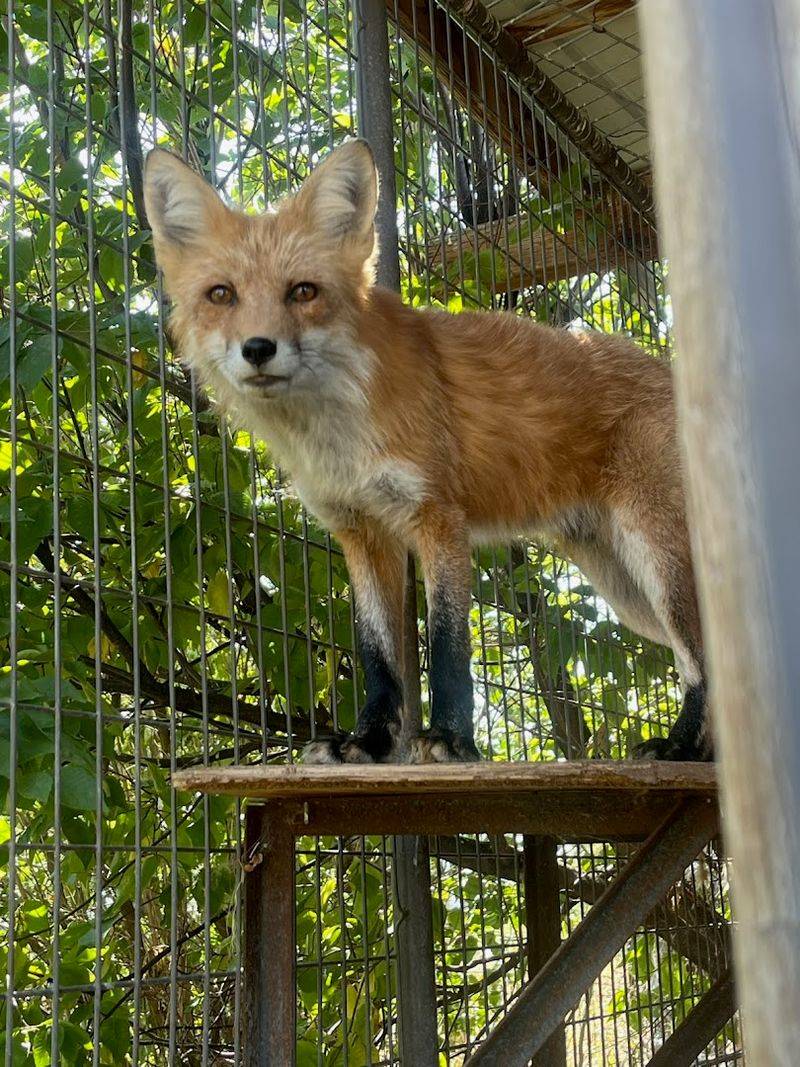
A visit to Earthfire Institute is not a casual walk-up outing, and that is exactly why it belongs on a careful rescue-and-sanctuary list.
Near the Teton region, Earthfire describes itself as a wildlife sanctuary and retreat center with 165 acres of habitat, including land connected to the South Leigh Creek wildlife corridor.
Forty acres house sanctuary animals native to the area, including wolves, cougars, bison, brown bears, foxes, coyotes, and more.
Rather than opening like a traditional zoo, Earthfire offers only a limited number of single-day custom visits and multi-day retreats out of respect for sanctuary residents and rehabilitation animals.
That limited access changes the tone completely. Anyone hoping to go needs to plan ahead, book properly, and arrive with the understanding that the animals’ welfare comes first.
The experience is designed around relationship, reflection, and learning rather than crowd movement or quick photos. Earthfire also offers online programs for people who cannot visit in person, including story-sharing circles, interviews, and podcasts.
For the right visitor, the reward is a quieter, more personal encounter with animals who are cared for as individuals. This is not the place to rush through with a checklist.
It is a place to listen, observe, and think differently about the relationship between people, wild creatures, and the landscapes both depend on.
5. Snowdon Wildlife Sanctuary
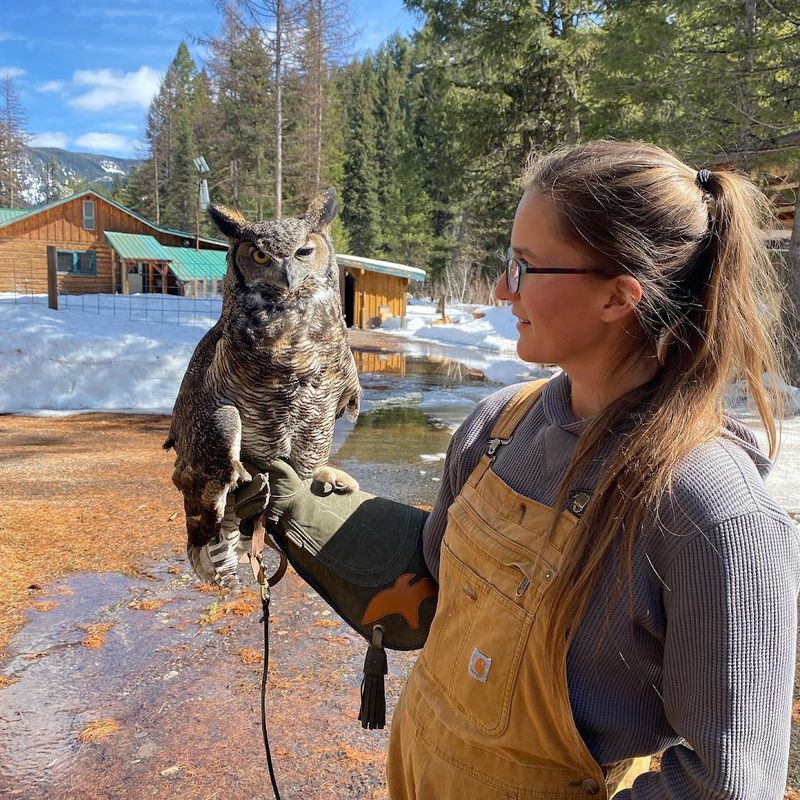
McCall’s Snowdon Wildlife Sanctuary shows the less glamorous, deeply necessary side of animal rescue.
The organization describes itself as a 35-acre sanctuary that rehabilitates injured and orphaned wildlife before returning them to the wild. It also focuses on hands-on educational opportunities for youth and local communities.
That means visitors should not expect a regular zoo-style experience with open public animal viewing. Wildlife rehabilitation works best when animals remain wild, minimally stressed, and prepared for release whenever possible.
The most responsible close-up connection comes through education, outreach, volunteering, and learning how rehabilitation works behind the scenes.
Idaho nonprofit directory information also describes Snowdon’s work as rescuing, rehabilitating, and releasing wildlife while offering public education.
That range of work is worth highlighting because it reminds people that rescue does not always look like petting an animal or taking a photo. Sometimes it looks like proper enclosures, quiet care, skilled feeding, medical treatment, and patience.
Families and school groups can learn why a fawn, hawk, squirrel, or other wild patient needs specialized handling. Snowdon’s value comes from showing how much effort goes into giving wild animals a real second chance.
6. Animals In Distress Association / Ruth Melichar Bird Center
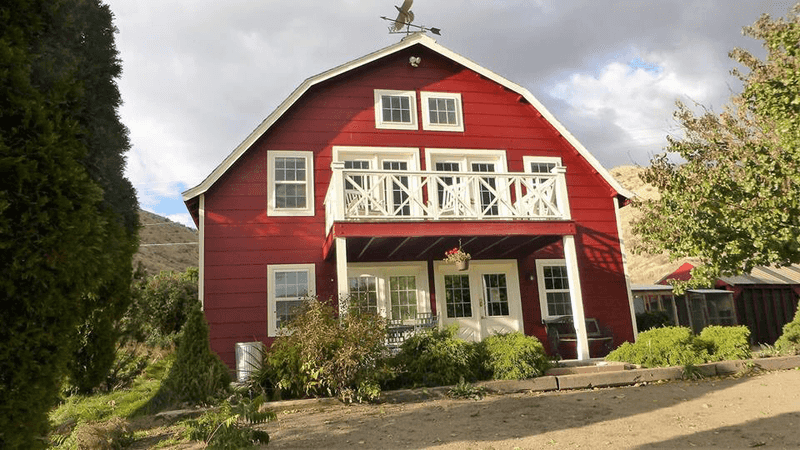
Boise’s Ruth Melichar Bird Center, part of Animals In Distress Association, plays a crucial role for injured and orphaned birds in southwest Idaho.
The organization’s contact page directs people with questions about an injured or orphaned wild bird to call the Ruth Melichar Bird Center at 208-338-0897 and lists the center at 4650 N. 36th Street in Boise.
Its about page explains that the Bird Center is open seven days a week, 365 days a year, including holidays, and cares for more than 3,000 birds annually. That is a staggering amount of quiet work happening beyond the usual public spotlight.
Territory Magazine similarly described the center as the avian branch of AIDA, rescuing and rehabilitating roughly 2,800 to 3,000 injured and orphaned birds each year, operating on private donations and grants.
Visitors should understand that this is primarily a working rehabilitation center, not a casual attraction.
Public access, tours, or talks should be arranged or confirmed directly rather than assumed. Still, the educational value is enormous.
Learning how tiny nestlings, injured songbirds, waterfowl, or raptors receive care before release can change how people behave around wildlife.
A visit, presentation, or volunteer-supported interaction here can teach practical compassion: when to call for help, when to leave young birds alone, and why rehabilitation takes time, skill, and resources.
7. Idaho Humane Society
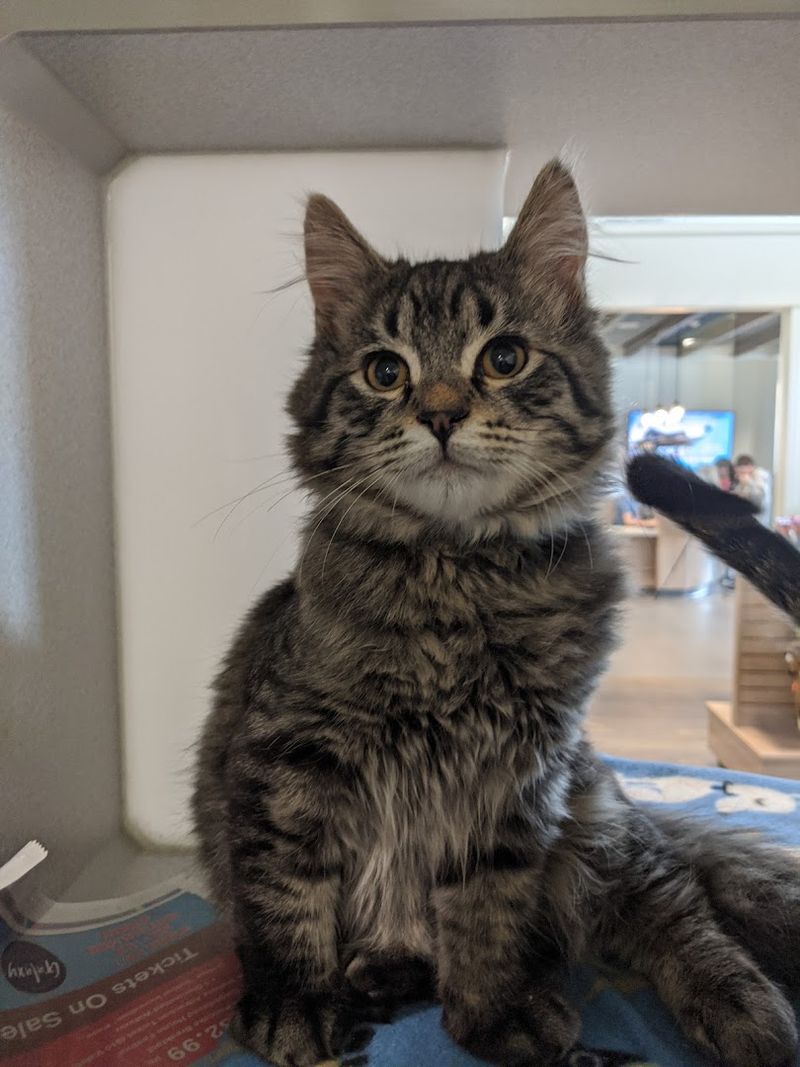
Boise’s Idaho Humane Society gives animal lovers a different kind of close encounter: the kind that can end with a lifelong companion.
Its humane education programs include field trips and tours. Tours can accommodate up to 20 people, require a minimum age of 4, must be scheduled in advance, and need adult chaperones for children.
That structure makes it a strong option for scout troops, classrooms, community groups, and families who want more than a quick shelter walk-through.
The Idaho Humane Society’s education efforts teach responsible pet care, animal behavior, shelter life, compassion, and service, giving kids a practical look at what animal welfare means day to day.
Student service programs also include facility tours, observing animals on the adoption floor, meeting shelter staff, and helping with tasks such as dishes, laundry, yard work, and other needed jobs. These activities give students hands-on exposure to daily shelter operations.
For regular visitors, adoption hours offer a chance to meet dogs, cats, and other animals looking for homes, though availability changes constantly.
Recent social information lists adoption hours Tuesday through Saturday from 11 a.m. to 7 p.m. and Sunday from 11 a.m. to 5 p.m. Idaho Humane Society reminds visitors that animal rescue includes everyday pets too.
Sometimes the most remarkable creature up close is the nervous dog or patient senior cat waiting for someone to notice them.
8. Second Chance Animal Adoption Shelter

Northern Idaho’s Second Chance Animal Adoption in Bonners Ferry has a name that gets right to the point. The shelter’s website lists regular hours from noon to 5 p.m.
Monday through Saturday, with Sunday closed, giving visitors a clear window to meet adoptable animals and support the organization.
Petfinder lists the shelter at 6651 Lincoln Street in Bonners Ferry, with phone number 208-267-7504, and shows pets available for adoption through the organization.
For families, couples, retirees, or individuals considering adoption, this is the kind of place where a visit can become very real very quickly. The animals are not abstract causes.
They have faces, personalities, quirks, and histories that come through when someone takes time to meet them.
Adoption applications are reviewed before approval, and meet-and-greets may be arranged afterward. Serious adopters should plan for more than a same-day decision.
That thoughtful pace helps protect both animals and future homes. Second Chance also gives non-adopters a chance to support shelter work through donations, thrift-store activity, volunteering, or simply spreading the word about animals in need.
In a smaller community, a shelter like this can become a lifeline. A visit may start with curiosity, but it often leaves people thinking harder about patience, responsibility, and what a second chance really asks from humans.
9. Lina Lou’s Farm Rescue
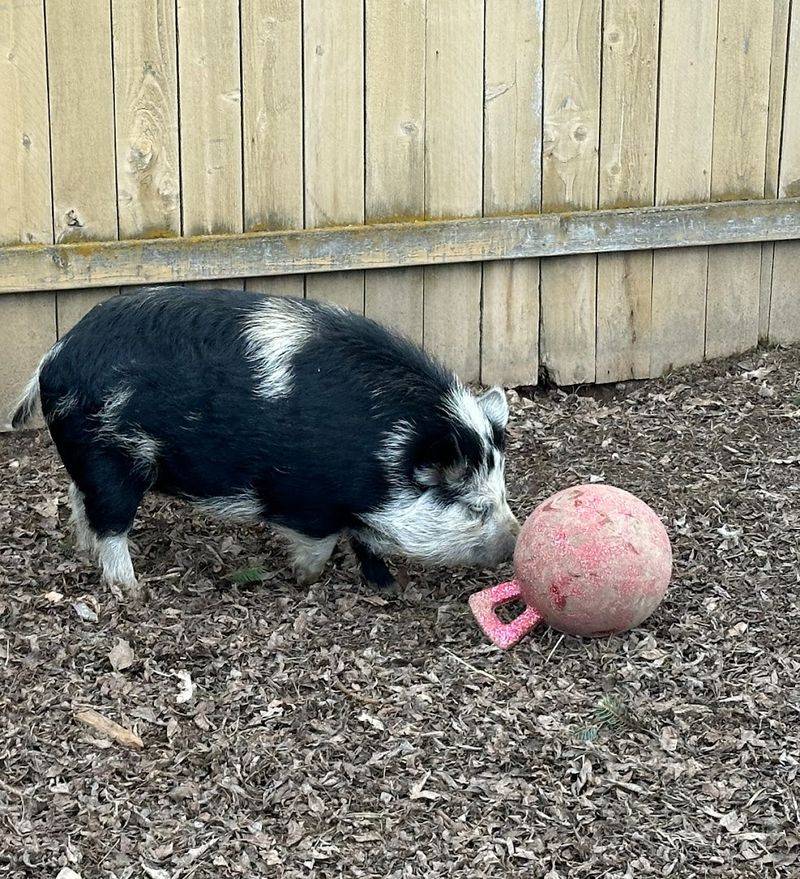
Meridian’s Lina Lou’s Farm Rescue brings the rescue conversation into pastures, pens, and farm-animal care. The nonprofit lists its address as 2910 East Victory Road in Meridian and gives its phone number as 208-742-4939.
Its stated mission is to provide a safe place for all farm animals and humans to heal, grow, and thrive. That wording says a lot about the organization’s tone.
This is not only about housing animals. It is about creating a compassionate space where rescued farm animals can be seen as individuals and where people can learn through presence, care, and service.
The rescue’s about page says Lina Lou’s began as founder Caroline’s long-time dream and points interested volunteers toward events, training, and volunteer slots. Social pages also describe the mission in similar terms and invite people to reach out if they are interested in helping.
Visitors should confirm tour availability or volunteer requirements before showing up, because rescue farms often balance public interest with animal routines, staffing, and safety. When access is available, the experience can be especially meaningful for children.
Meeting goats, pigs, chickens, horses, or other farm residents in a rescue setting encourages a different kind of attention than a petting zoo does. The lesson is not just that farm animals are cute.
It is that they need care, trust, patience, and people willing to protect their second chance.