10 Idaho Lakes And Rivers That Look Absolutely Stunning In Late Summer
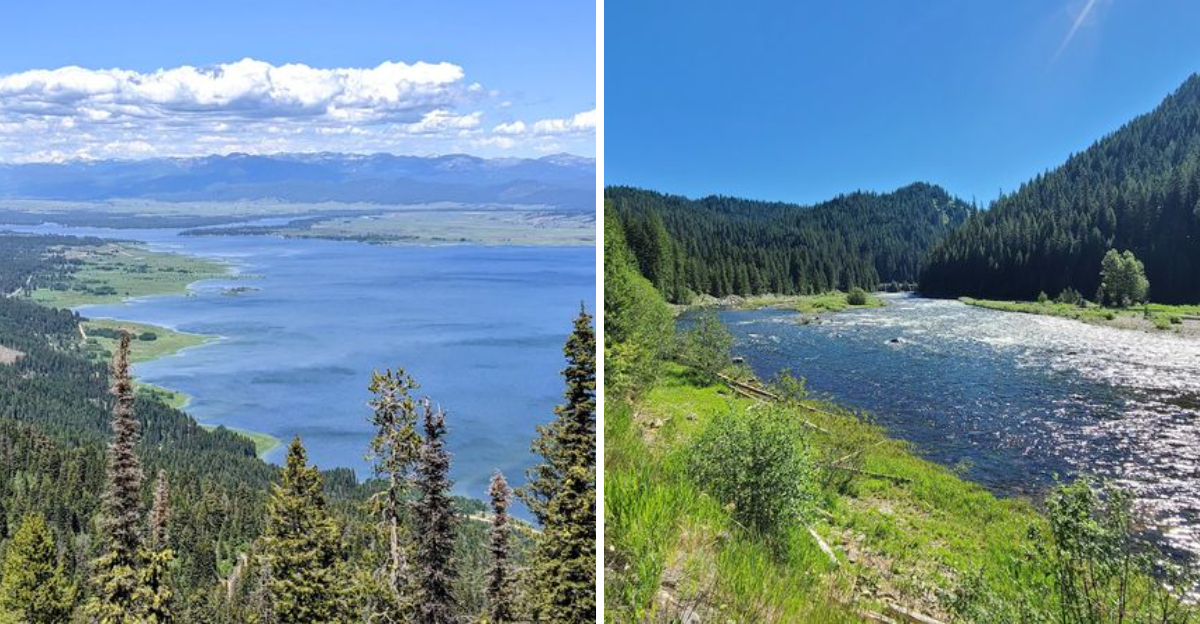
By mid-August, even the shade can start feeling tired. That is when Idaho’s lakes and rivers become the better plan.
Head for the water and the whole day changes pace. The air feels easier near the shoreline, the mountains throw back long reflections, and suddenly sitting still looks far more appealing than trying to outsmart another scorching afternoon.
Late summer is especially good for this.
The snowmelt has settled, the water has warmed, and some of the busiest weekends are already behind you. That leaves more room to stretch out without feeling like half the state had the same escape plan.
A cold swim can reset the day in minutes. So can a quiet paddle when the heat finally starts easing toward evening.
These ten Idaho waters are worth chasing before summer slips away. When the forecast looks brutal, do not fight it. Go find something blue.
10. Priest Lake
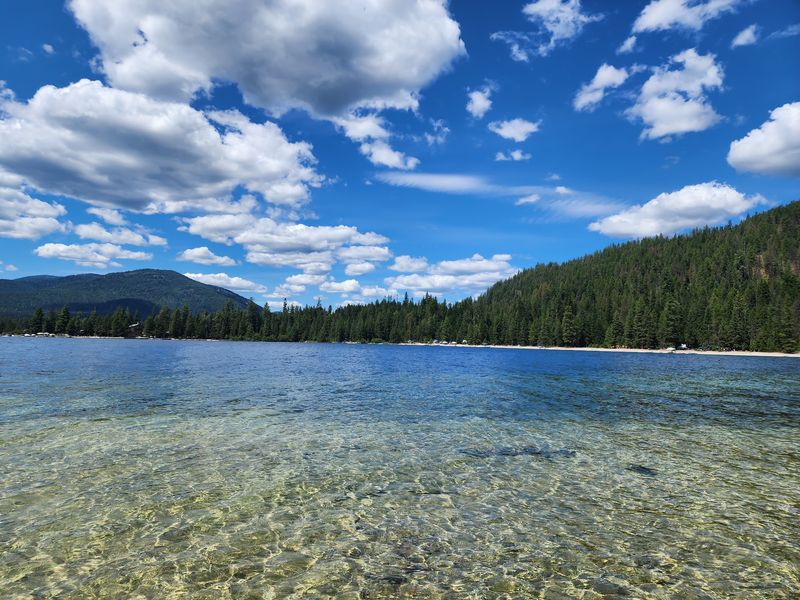
Locals call this northern water the Crown Jewel, and one look at its clear blue depths explains why. Streams pouring off the Selkirk Mountains keep the lake cold and remarkably transparent, and late summer mornings often leave the surface as smooth as glass.
Sandy beaches at Priest Lake State Park invite lazy afternoons of swimming, castle building, and reading in the shade of tall cedars. Boaters cruise the main lake, while paddlers slip north through the Thorofare toward quieter Upper Priest Lake.
Hikers have plenty of choices too. Trails wander through the ancient trees of the Roosevelt Grove of Ancient Cedars, and steeper routes climb toward the granite spire of Chimney Rock for wide valley views.
August brings the huckleberry harvest, a beloved tradition here, and roadside shops sell jam, syrup, and ice cream flavored with the tiny purple berries. Coolin, the small community at the southern shore, offers lodging, a general store, and boat rentals.
Clear nights, far from city glow, deliver a sky thick with stars. Pack a light jacket, since evenings cool quickly once the sun drops behind the ridgeline.
9. Lake Pend Oreille
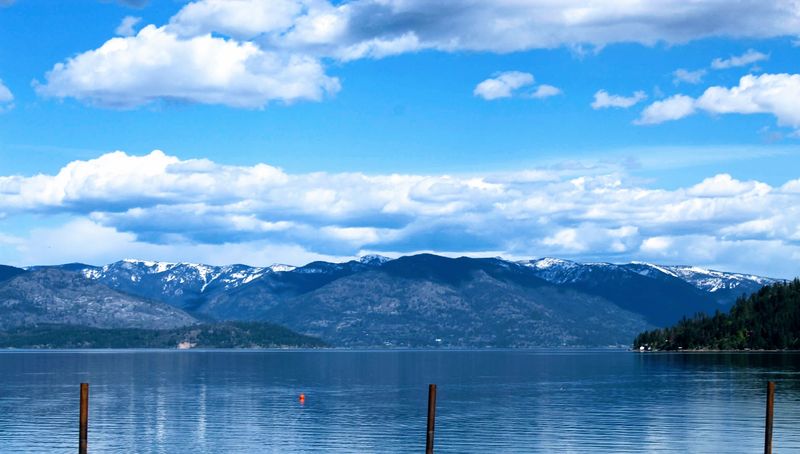
Depth defines this place. Idaho’s largest lake drops more than 1,000 feet in spots, and that volume of cold water keeps the surface a deep, saturated blue well into September.
The Cabinet Mountains rise to the east, the Selkirks to the west, and the shoreline shifts from soft sand to rocky bluffs as you travel from Sandpoint toward the village of Hope.
Scenic cruises leave from the waterfront and offer an easy, comfortable way to take in the scale of it all. Sandpoint City Beach sits within walking distance of downtown, with swimming areas, picnic lawns, and sunset views across the water.
Anglers chase kokanee, lake trout, and rainbow trout, often trolling the deeper channels in the cool early hours. Paddlers stick close to the calm bays before afternoon wind arrives.
Trails such as the Mickinnick climb quickly for a bird’s-eye look at the whole basin.
Back in town, the Cedar Street Bridge Public Market houses local makers, coffee, and huckleberry treats worth carrying back to your car.
8. Payette Lake
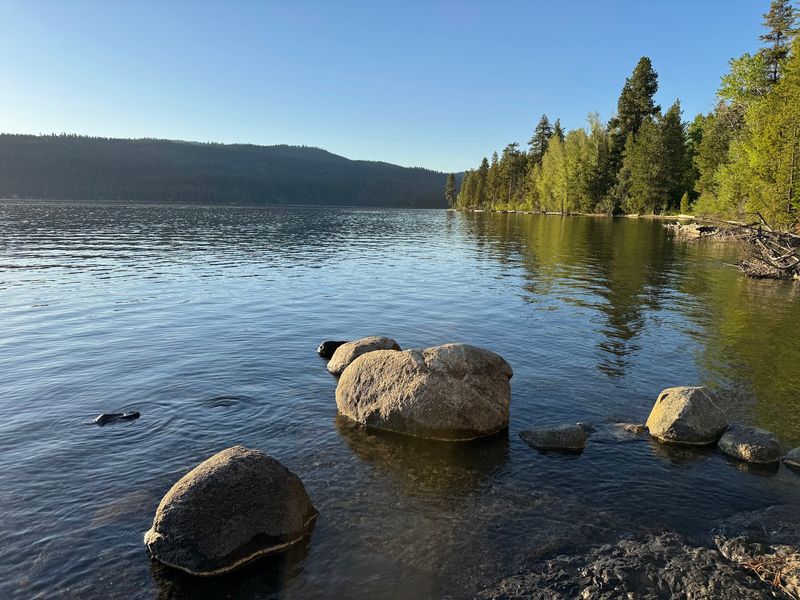
Glaciers carved this basin thousands of years ago, leaving a 5,330-acre lake that runs close to 400 feet deep. All that cold, clean water gives the surface an unusually rich blue.
By late August the shallows warm enough for happy swimming, and families spread towels across the sandy beaches at Ponderosa State Park. The park occupies a forested peninsula, with trails threading past massive ponderosa pines to overlooks like Osprey Point.
Rentals along the waterfront cover kayaks, paddleboards, and pontoon boats, so a morning on the water takes little planning. Sailboats lean into the afternoon breeze near the north end.
Anglers cast for lake trout and kokanee during the cooler early hours.
Here is a fun bit of local lore: a friendly lake creature named Sharlie supposedly lives in the depths, and the story has circulated since the 1940s.
McCall anchors the southern shore with bakeries, ice cream windows, and casual restaurants where you can eat outside while pine-scented air drifts through town.
7. Lake Cascade – Cascade, Idaho
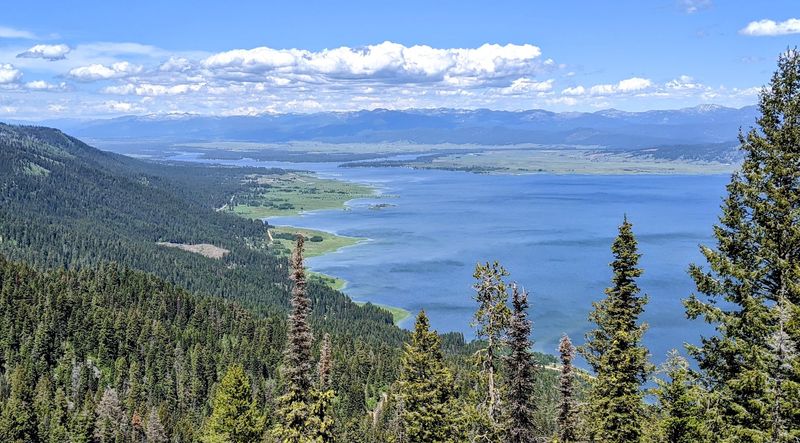
Sunrise on this reservoir is a quiet event. Mist lifts off 86 miles of shoreline, ospreys work the shallows, and the water sits glassy before wind arrives around midmorning.
Formed by a dam on the North Fork of the Payette River, the lake ranks among the largest in the state and spreads wide beneath forested ridges and rolling meadows.
Late summer thins the crowds. Campgrounds within Lake Cascade State Park keep beach access simple, and swimming areas warm up nicely through August afternoons.
Windsurfers and sailors love the steady breeze, while paddlers duck into sheltered coves for bird watching. The Crown Point Trail follows an old railroad grade with long, open views across the water.
Bring a wide-brimmed hat, since shade is scarce along the open shoreline.
Downstream in Cascade, Kelly’s Whitewater Park gives rafters and kayakers engineered rapids to play on, plus a free visitor center above the river. Donnelly, just north, throws a huckleberry festival each August with pie, jam, and live music.
6. Redfish Lake
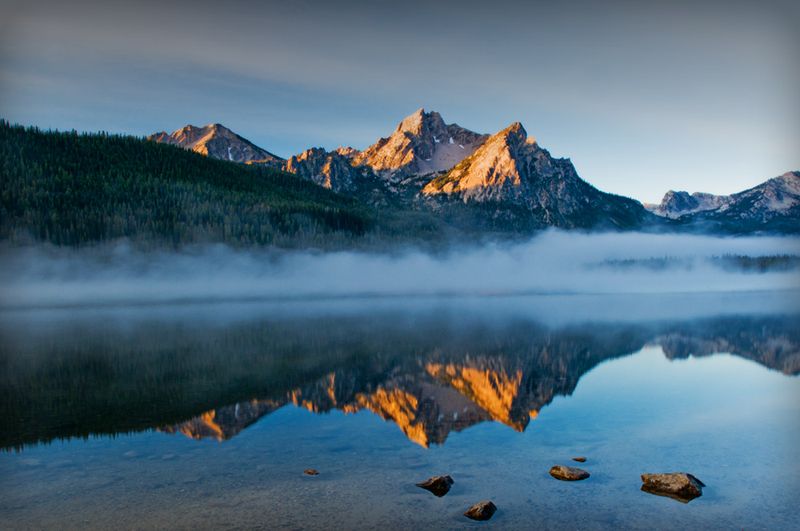
The name comes from sockeye salmon that once turned the shallows red as they returned to spawn after an epic swim from the Pacific.
Today the draw is scenery: turquoise water pressed against the jagged Sawtooth Range, with sandy shoreline near the historic lodge that has welcomed travelers since 1929.
Water temperatures reach the comfortable 60s in late summer, cool enough to wake you up and warm enough to linger. Rent a kayak or paddleboard at the marina, or ride the shuttle boat across to trailheads at the far shore.
Hikes range from the easy stroll along Fishhook Creek meadow to the climb toward Bench Lakes and their mirrored peaks. Horseback rides leave from the corrals for a slower pace.
Evenings often bring live music on the lodge lawn.
Stanley sits nearby, one of the most photographed mountain towns in Idaho, and it anchors a certified dark sky reserve. Once the sun drops, the Milky Way arrives in full detail above the water.
5. Salmon River
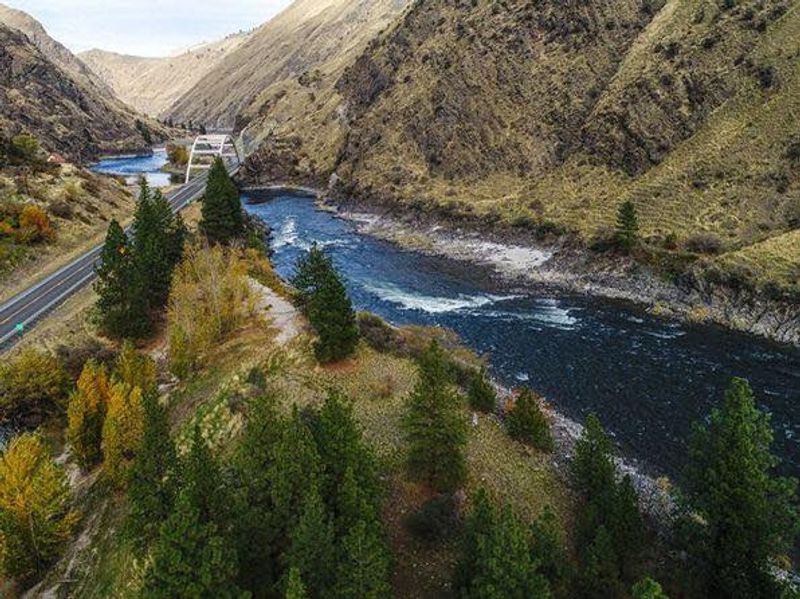
Known for generations as the River of No Return, this waterway runs free through one of the largest wilderness areas in the lower 48. It also carves the second deepest gorge on the continent, deeper in places than the Grand Canyon.
Late summer changes the river’s mood. Flows drop, the water clears to blue-green, and wide sandy beaches appear along the canyon for camping and afternoon naps.
Hillsides turn gold as grasses cure in the heat, contrasting sharply with dark ponderosa pines near the banks. Days climb into the 80s while nights slide into the 50s, so a warm layer matters.
Hot springs steam beside the water at several bends, perfect for a soak.
Rafting near Riggins stays lively through August, with splashy Class III runs offered as half-day or multi-day trips. Anglers fish for native westslope cutthroat trout on the Middle Fork.
Watch the cliffs for bighorn sheep. Along the Salmon River Scenic Byway, old mining sites and the Land of the Yankee Fork State Park explain how the canyon was settled.
4. Lochsa River
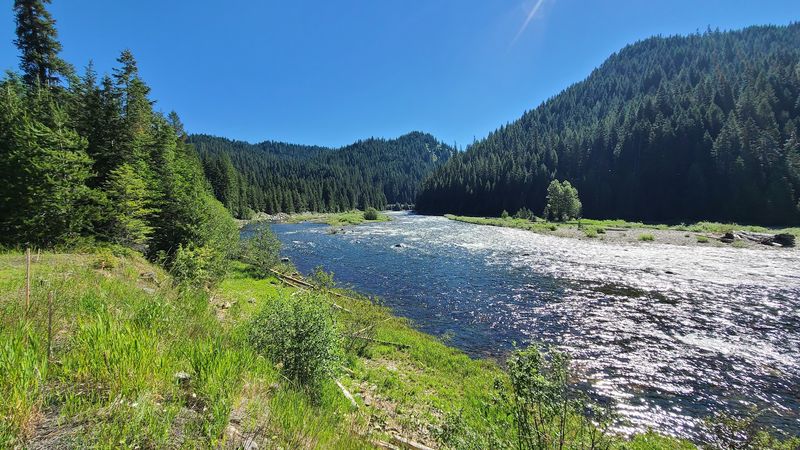
Pronounce it lock-saw. The word comes from the Nez Perce language and means rough water, which fits a river that tumbles more than 70 miles toward Lowell without a single dam.
Highway 12, the Northwest Passage Scenic Byway, shadows the current the entire way through the Bitterroot Mountains, so pullouts double as picture windows over rapids and cedar-lined bends.
From mid-July onward the water drops and clears until you can count stones on the bottom. Fly anglers take advantage, sight-casting dry flies to westslope cutthroat trout that rise willingly in August and September.
Rafting continues too, with technical Class III and IV drops that reward good timing rather than brute force.
Short hikes lead to soaking pools at Jerry Johnson Hot Springs, while the Lewis and Clark Trail offers an eight-mile route with river views. Forest Service campgrounds line the highway, and Wilderness Gateway is the popular pick.
Lochsa Lodge, ringed by old cedars, serves homemade meals and rents cabins with evening campfires outside. Cell service disappears out here, which somehow makes dinner taste better.
3. Snake River
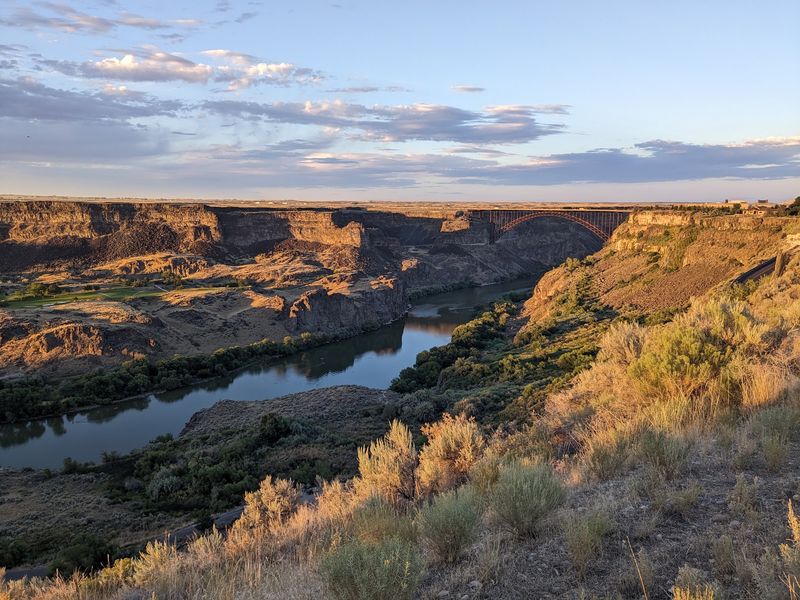
Standing on the Perrine Bridge, you are nearly 500 feet above the river, with a canyon that stretches for fifty miles in both directions.
Basalt cliffs glow orange in the evening light, ferns cling to seeps, and springs trickle straight from the rock walls. Shoshone Falls, the Niagara of the West, drops 212 feet, taller than Niagara itself, though irrigation season slows its flow by late summer.
Even then, the scale of the gorge holds its own. By late August, lower water lets visitors rock-hop around the granite towers at Pillar Falls.
Centennial Waterfront Park sits down inside the canyon and serves as the launch point for kayaks and paddleboards, with rentals on site. A ten-mile paved rim path connects the visitor center near the bridge with Shoshone Falls Park, where a $5 vehicle fee applies from March through September.
The Perrine Bridge is the only place in the country where BASE jumping is allowed year-round, and watching canopies bloom over the river is a signature southern Idaho spectacle.
2. Henrys Lake
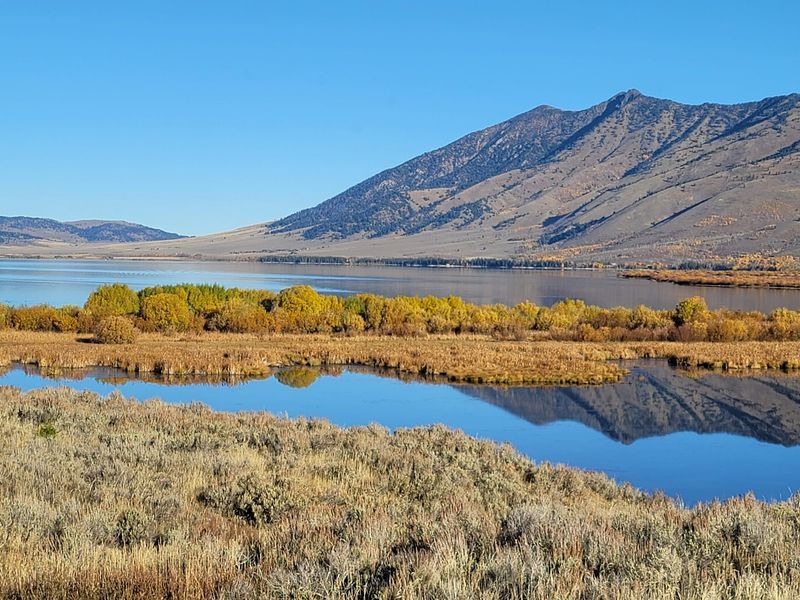
At 6,472 feet, mornings here feel crisp even in August, and the lake often lies flat enough to mirror the Centennial Mountains.
Trout are the main event. Cutthroat, brook trout, and cut-bow hybrids commonly run three to five pounds, with occasional giants pushing past ten, which explains the quiet parade of boats before sunrise.
Fishing works from a boat, the dock, or the bank, and Henrys Lake State Park on the north shore provides the ramp, restrooms, showers, and fish cleaning stations.
Wind builds most afternoons, so plan paddling and photography early. Short, family-friendly trails such as the shoreline path deliver wide views over wetlands where swans, pelicans, sandhill cranes, moose, and antelope turn up regularly.
Camping includes tent spots, RV sites with hookups, and rentable cabins, plus junior ranger and campfire programs for kids. The park operates from late May through October 31.
Yellowstone’s west entrance sits roughly twenty minutes away. Pack insect repellent for dusk, and stay for sunsets that paint the water copper and rose.
1. Lake Walcott
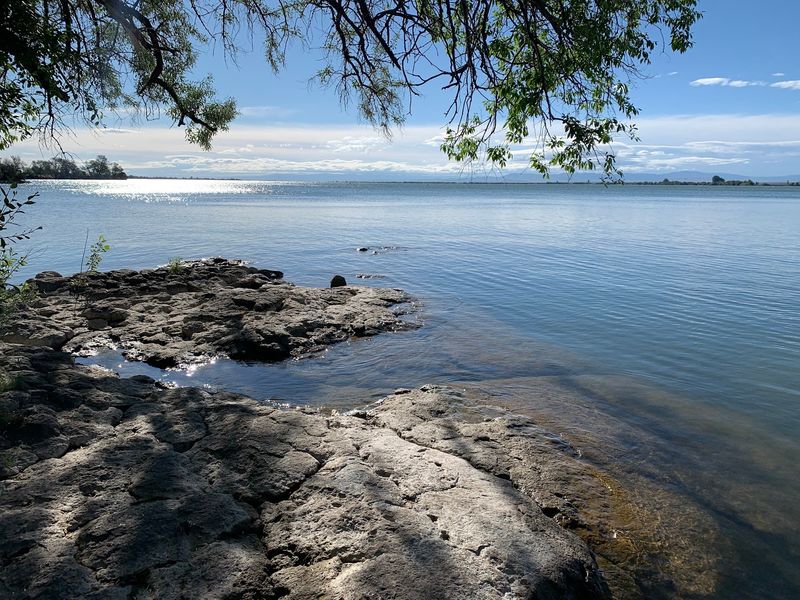
Farm country surrounds this reservoir, which makes the shady lawns and towering old cottonwoods feel like a green surprise on the Snake River Plain.
The Minidoka Dam created the 8,247.9 acres lake, and its 17 miles of water stay open to boats from April 1 through October 31.
Late summer belongs to the birds. The neighboring Minidoka National Wildlife Refuge shelters more than 230 species, and molting ducks, geese, and American white pelicans gather by the tens of thousands from July into September.
Paddlers find calm channels, water skiers use the open stretches, and anglers pull in rainbow trout, largemouth bass, crappie, and yellow perch from boats or the bank.
Disc golfers make the trip specifically for the championship course, which hosts tournaments into fall. Campers choose between full hookup RV sites, primitive spots near the water, and waterfront cabins.
Historic Walcott Park on the west end preserves stone walls built by the Civilian Conservation Corps, a quiet reminder of how much history flows through southern Idaho. Evening skies here go wide and pink, worth staying for.
Disclaimer: Conditions at Idaho lakes, rivers, parks, and recreation areas can change throughout the season.
Water levels, temperatures, currents, wildfire activity, smoke, road access, trail conditions, fees, campground availability, and seasonal services may differ from what is described here.
Swimming and boating conditions can also vary significantly by location and weather. Before making a trip, check the latest updates from Idaho State Parks, the U.S. Forest Service, wildlife officials, or other local land managers.
Follow posted rules, wear appropriate safety equipment, and use extra caution around fast-moving water, steep shorelines, remote areas, and changing weather.