Idaho’s Panhandle Has A Glacier-Carved Lake So Clear You See The Bottom 20 Feet Down
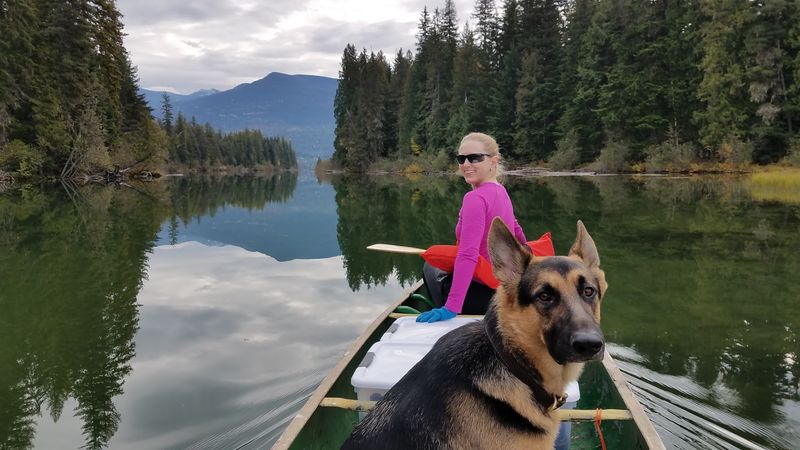
A narrow, mossy channel in northern Idaho looks like nothing more than a slow creek at first glance. Paddle it for about three miles, though, and the trees pull back to reveal a lake with no houses, no docks, and water so clear you can count pebbles far below your boat.
Ice age glaciers carved this basin thousands of years ago, and it still feels untouched today. Getting there takes some effort, and that effort is exactly what keeps it special.
A Lake Beyond The Lake
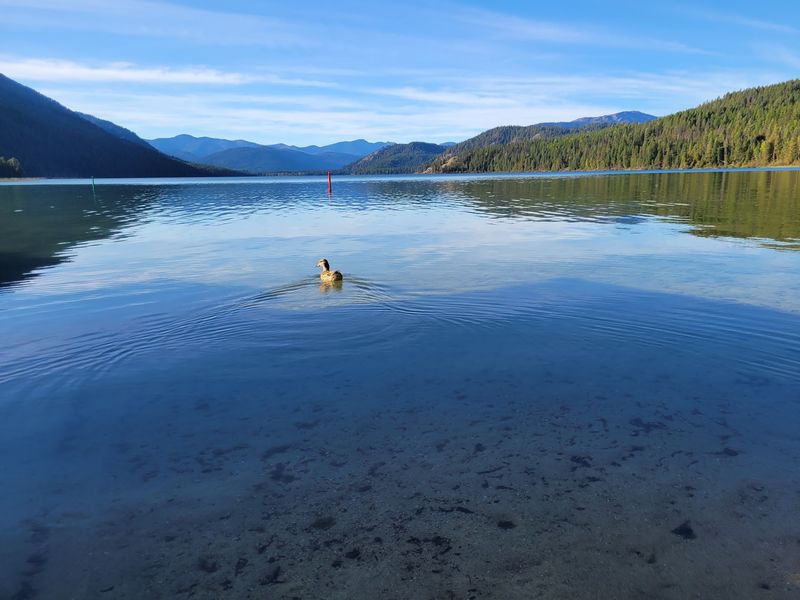
Most maps of Bonner County show one big lake, and that is where most people stop. Above it, at the far northern tip of the Idaho Panhandle, sits a smaller, quieter sibling called Upper Priest Lake.
The upper lake runs about 3.3 miles long, tucked between steep, tree-covered ridges not far from the Canadian border. A slender waterway known as the Thorofare connects it to the main Priest Lake to the south, and that channel is the gateway nearly everyone uses.
What sets the upper lake apart is what it lacks. You will find no cabins lining the shore, no private docks, and no marinas humming with activity.
The shoreline stays wild, with forest running right down to sandy beaches and rocky points.
For mailing and map purposes, the lake falls under the Idaho 83821 area near the community of Coolin, though no road delivers you to its edge. Arrival happens by paddle, by motorboat, or on foot along forest trails.
That small hurdle filters the crowds. Visitors often describe the upper lake as the reward waiting at the end of a short adventure.
Ice Age Sculpting At Work
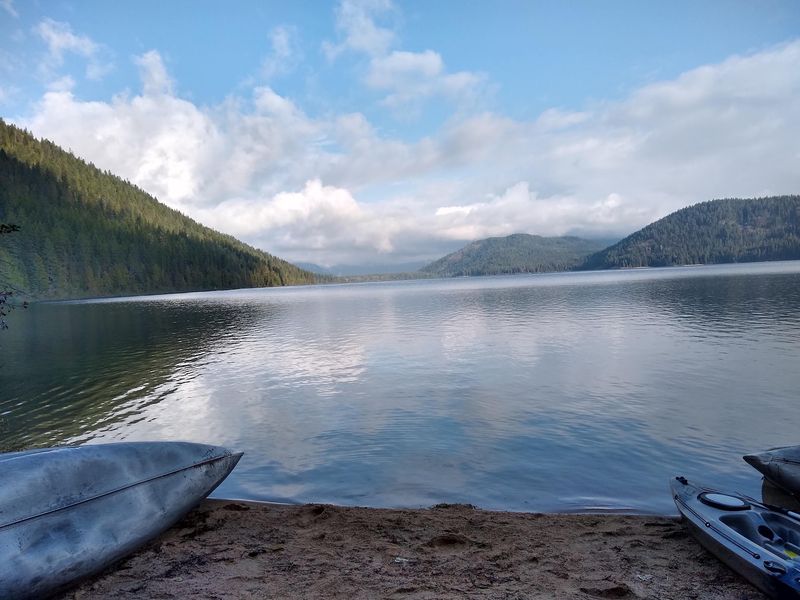
Roughly 10,000 years ago, giant sheets of ice ground their way across what is now northern Idaho. As they crept forward and then melted back, they gouged deep basins into the land.
Priest Lake and its upper partner are products of that slow, heavy carving. The glaciers left behind a long trough, steep valley walls, and a depth that helps keep the water cold and clean year after year.
You can still read that history in the landscape. The mountains rise sharply from the shoreline, and the valley has the stretched, scooped shape geologists link to moving ice.
Here is a fun detail to share around the campfire. The sandy beaches scattered along the upper lake owe part of their existence to material the glaciers crushed and dropped as they retreated.
Knowing the backstory changes how the place feels. Floating above that clear water, you are sitting inside a basin that took thousands of years of ice and meltwater to finish.
That ancient origin also explains the lake’s standout trait, which comes next. Deep, cold, glacier-made lakes tend to hold their clarity in a way shallow, warm ones simply cannot.
Twenty Feet Of Clear Water
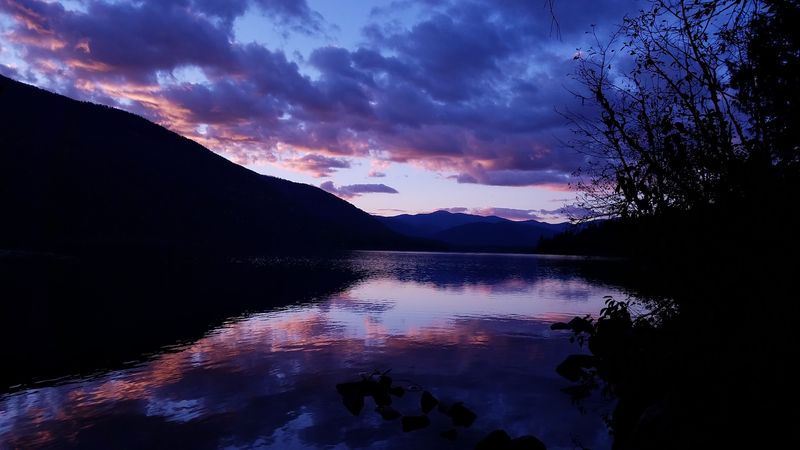
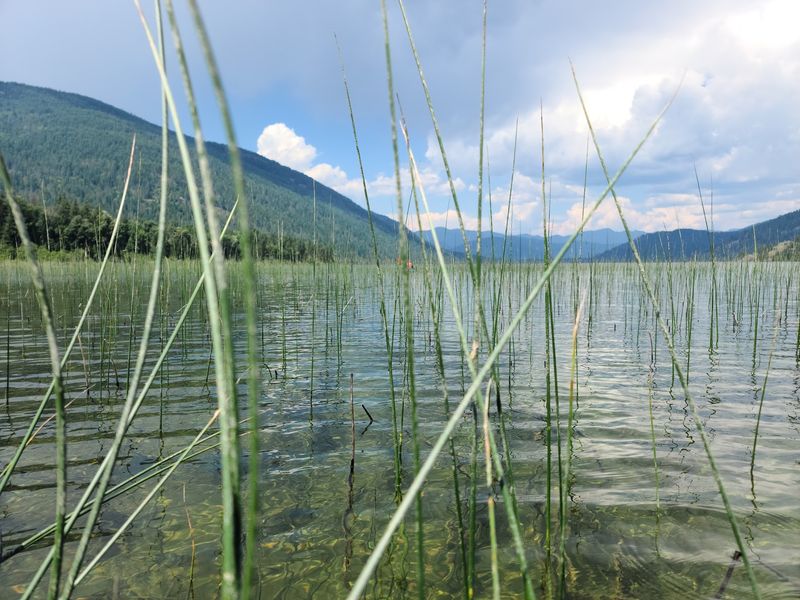
Lean over the side of a canoe and you may get a small jolt. Rocks, sunken logs, and rippled sand appear so sharply that the bottom seems closer than it really is.
The Priest Lake system is famous across Idaho for this kind of clarity. During public discussions about a proposed project on the lake, people pointed out that even submerged structures would be visible at around twenty feet down.
That transparency turns an ordinary paddle into something closer to a glass-bottom boat ride. Sunlight slants into the water, lighting up stones in shades of gold, gray, and green.
Anglers appreciate it for practical reasons. Clear water makes it easier to spot fish cruising below, which adds a bit of suspense to every cast.
Photographers love the effect too, especially on calm mornings when the surface lies flat. A polarized pair of sunglasses cuts the glare and lets you see even deeper.
Visitors regularly describe the upper lake as clean and pristine. With no homes or docks along its shores, the water stays remarkably unclouded, and that clarity is the detail most people remember long after their trip ends.
Paddling The Mossy Thorofare
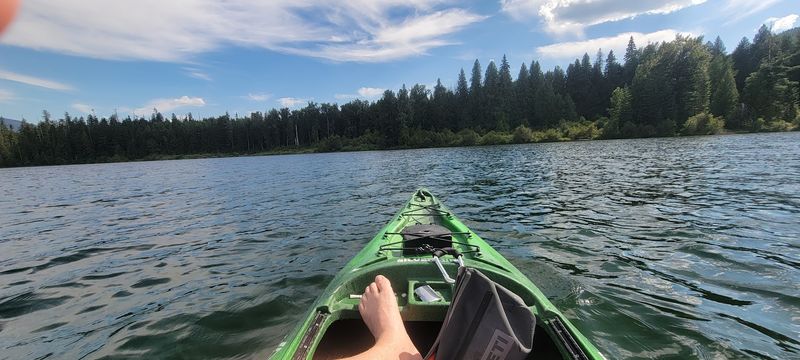
Three miles of slow, winding water stand between the main lake and the upper one. Paddlers call this passage the Thorofare, and many say it is the best part of the whole trip.
Moss drapes the banks on both sides. Tall trees crowd in close, shading the channel and muffling sound, so the splash of your paddle can feel surprisingly loud.
The route is generally easy, and visitors describe it as friendly for beginners in calm conditions. One paddler reported that it takes roughly an hour and a half by canoe from the Beaver Creek campground through the channel to the lake.
Another group launched from the Lionhead area and found almost no other people, even on a summer Saturday. That kind of quiet is rare on popular Idaho water.
Keep your eyes on the shoreline as you go. Moose sightings happen here, and one visitor watched a mother moose and her calf near the water.
Then comes the payoff. After about three miles, the narrow channel suddenly widens, and Upper Priest Lake opens up in front of you like a curtain pulled back.
Shorelines Without A Single Dock
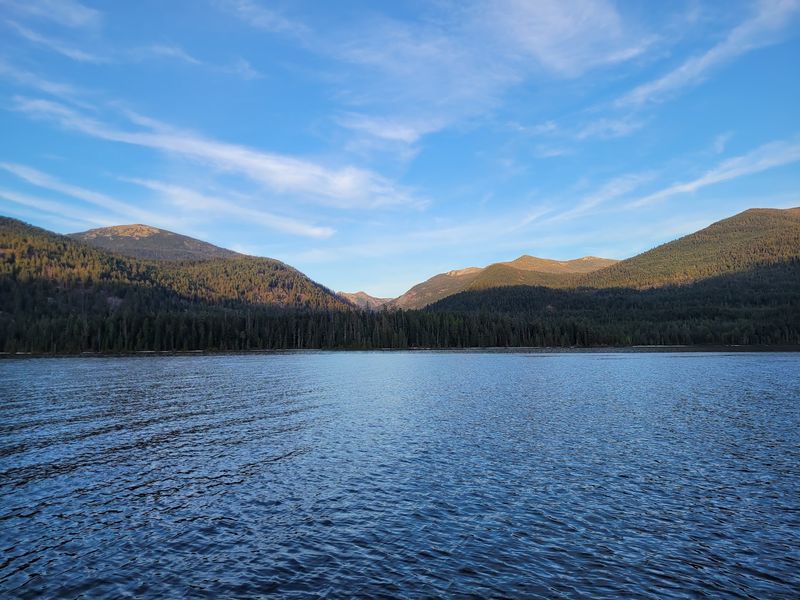
Scan the entire shoreline and something feels different right away. Not one house peeks through the trees, and no dock juts out into the water.
That lack of development makes Upper Priest Lake unusual in Idaho. The lower lake has cabins, resorts, and boat slips, while the upper lake keeps its edges completely natural.
Forest runs right down to the waterline. Evergreen slopes climb in every direction, framing the lake with layered ridges that turn soft blue in the evening haze.
Visitors often use the word secluded, and it fits. Without buildings, lights, or engines idling at private piers, the lake feels closer to how it might have looked a century ago.
Night brings another bonus. With no porch lights around, the sky above the upper lake can fill with stars on clear summer evenings.
For families, the untouched setting makes for easy lessons about nature without a lecture. Kids notice the difference quickly when they realize there is no snack shack, no road, and no parking lot, just trees, water, mountains, and whatever wildlife decides to show up along the banks that day.
White Sand Under Bare Feet
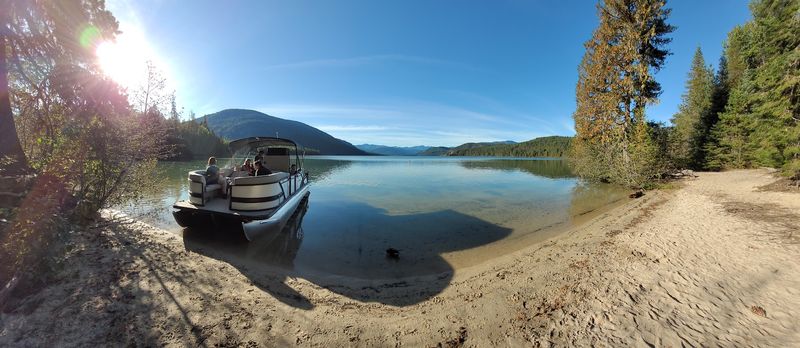
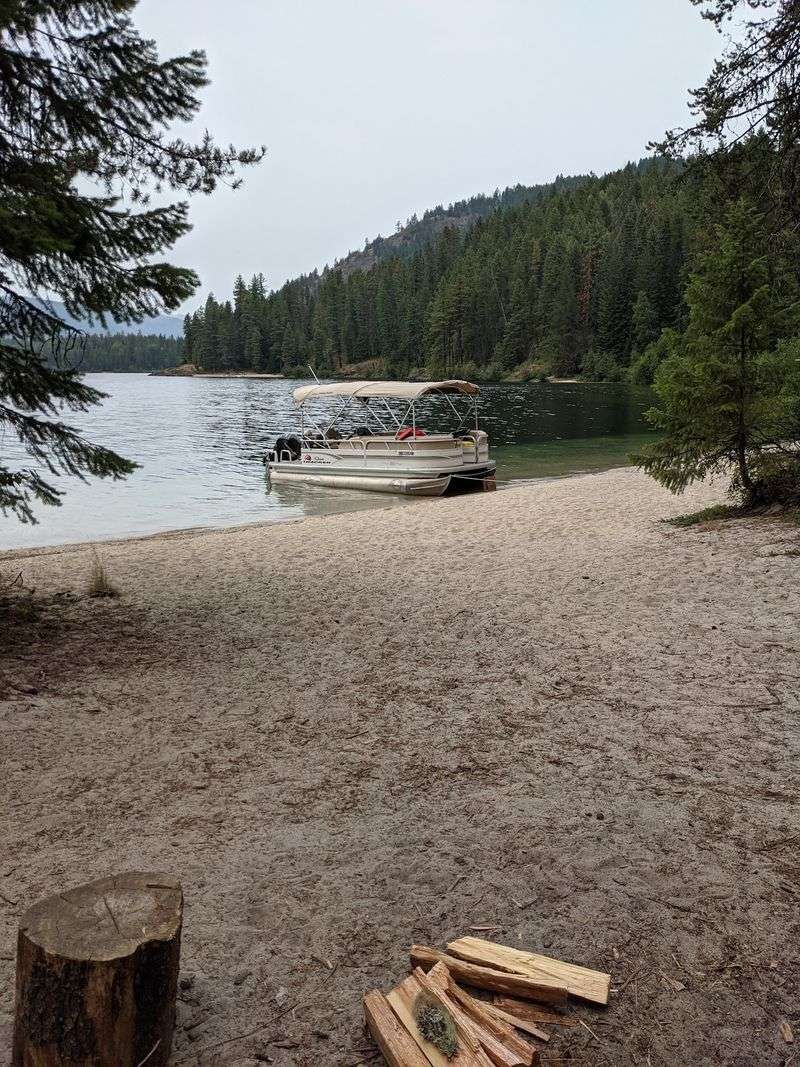
Sand is not the first thing people expect in the mountains of northern Idaho. Yet the upper lake surprises newcomers with pale, sandy beaches in many spots along its shore.
Visitors describe them as white and clean, and they make natural stopping points for paddlers who need a stretch. Pull the canoe onto the sand, kick off your shoes, and you have a private beach for lunch.
The water near shore stays clear enough to see your toes. Swimmers praise the lake as a great place for a dip, though the glacier-fed temperature can take your breath away at first.
Late summer usually offers the most comfortable swimming. Even then, a quick plunge tends to feel bracing rather than bathwater warm.
Kids tend to love the shallow edges. Skipping stones, building sand forts, and spotting small fish near the bottom can fill an entire afternoon.
Bring a light towel and a dry bag so gear stays sandy-free on the ride home. Please pack out everything, too, since keeping these beaches spotless depends on every visitor leaving them exactly as they found them.
Campsites With Bear Boxes
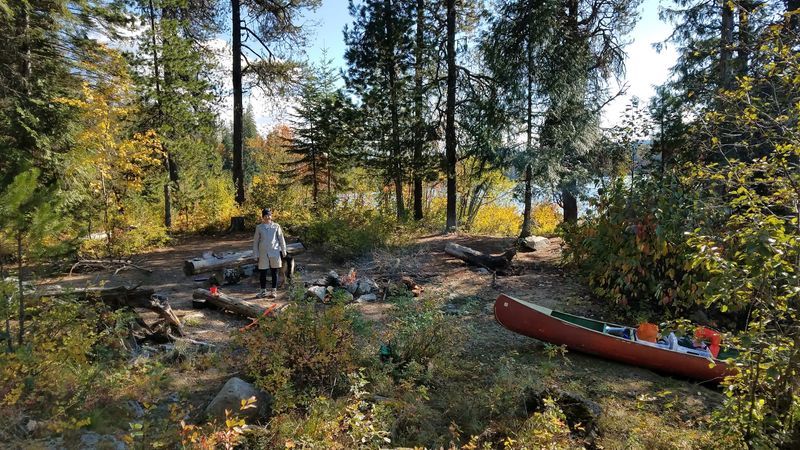
Camping is the reason many people make the journey. Campsites dot the shoreline, and visitors mention camping more than almost anything else when describing the lake.
Options range from simple backpacking-style spots to improved sites with picnic tables and bear boxes. Those sturdy metal boxes mean you do not need to haul bear-resistant canisters, which frees up room in your pack or canoe.
Some campers paddle in with everything they need for several nights. Others boat up for a single evening, set up a tent near the beach, and wake to mist drifting across the water.
Mornings tend to be the quietest hours. One visitor noted that the stretch from evening into early morning is especially peaceful on the lake.
Because sites are spread out, neighbors usually stay out of earshot. That spacing gives each camp a bit of privacy, something hard to find at crowded drive-in campgrounds.
Check current rules with the managing agencies before heading out, since fire restrictions and site policies can change with the season. Arriving early in the day also improves your chances of snagging a favorite spot.
Trails Through Cedar Country
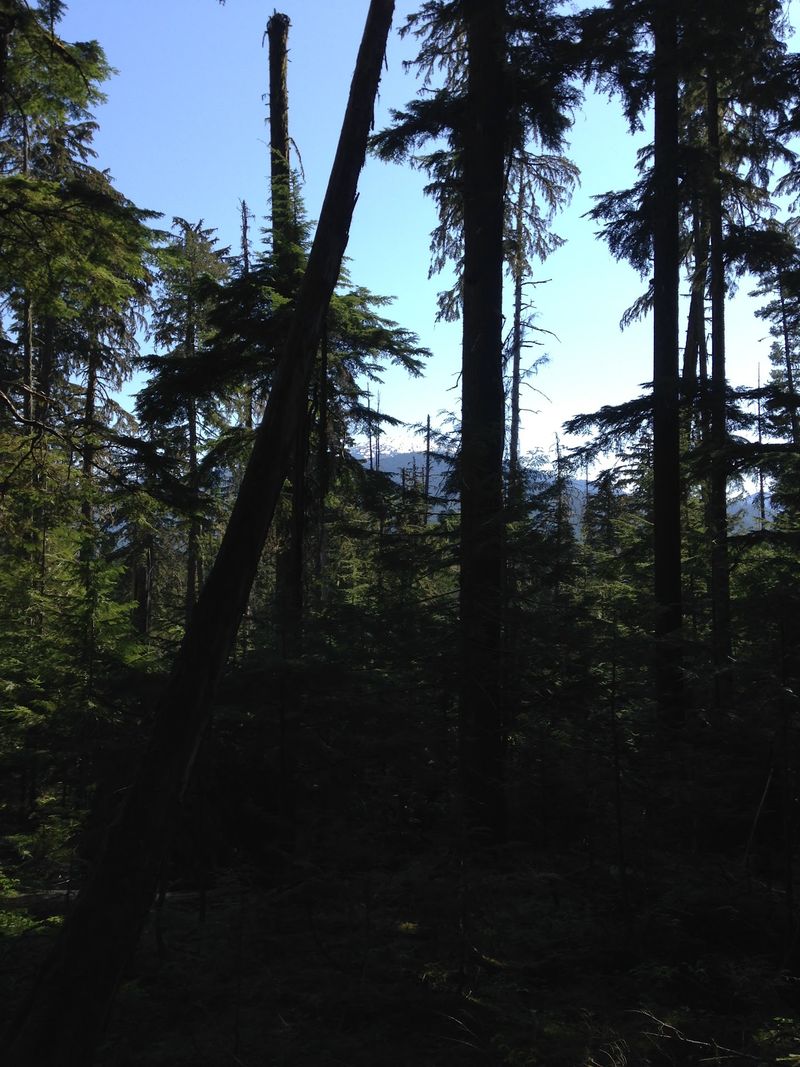
Not everyone arrives by water. Hiking trails also lead to Upper Priest Lake, giving landlubbers their own route to the shoreline.
Hiking comes up often when visitors talk about the lake, and many call the trails great. Paths wind through thick forest, where ferns carpet the ground and big trees filter the sunlight into soft green light.
A trail trip feels completely different from a paddle. You hear birds, creeks, and footsteps instead of splashing, and the lake reveals itself in glimpses between trunks before you finally reach the shore.
Safety matters here. One visitor recommends carrying bear spray and staying alert on the trails, which is smart advice anywhere in this wild corner of Idaho.
Pack plenty of water, sturdy shoes, and a map, since cell service in the far north can be spotty. Telling someone your plan before you leave is always wise.
Backpackers can combine a hike with a night at one of the shoreline campsites. It is a satisfying way to earn that first look at the clear water after a long stretch under the trees.
Moose, Trout, And Other Neighbors
One lucky visitor spotted a mother moose and her calf along the Thorofare, then missed the photo. It is a common story up here, where wildlife often shows up when the camera is packed away.
The Priest Lake area is recognized for its abundant wildlife. Moose browse in marshy spots, birds of prey circle over the ridges, and bears roam the surrounding forest.
Fishing adds another reason to visit. The broader Priest Lake system is known for Kamloops rainbow trout, and the clear water makes it easier to watch fish moving below.
Always check Idaho fishing regulations before you cast. Rules can vary by water and season, and a valid license is required.
Early mornings and evenings are the best times for wildlife watching. Paddle slowly, keep voices low, and scan shallow edges where animals come to drink or feed.
Give large animals plenty of space, especially moose with young. A pair of binoculars lets you enjoy the view without getting too close, and a telephoto lens might help you finally capture the shot that visitor missed.
Timing Around The Motorboats
Quiet is the upper lake’s big selling point, but it does not always come guaranteed. Visitors mention boats more than any other topic, and not always happily.
One recent paddler noted that from about midmorning until sundown, boat traffic can feel steady in the Thorofare and on the upper lake. That same visitor wished more drivers respected the no-wake rules and suggested the area would be even better if limited to non-motorized craft.
Other visitors have had calmer experiences. One group found traffic minimal after late afternoon and noticed no-wake zones in place.
The pattern is clear enough to plan around. Early mornings and evenings tend to deliver the glassy water and silence people come for.
Paddlers can launch at dawn and reach the upper lake before the busier hours begin. Weekdays may also help, though conditions vary through the season.
If you bring a motorboat, go slow in the channel and follow posted no-wake rules. Small waves slap against canoes and kayaks in the narrow passage, and a little courtesy keeps the whole experience peaceful for everyone sharing the water.
Who Feels At Home Here
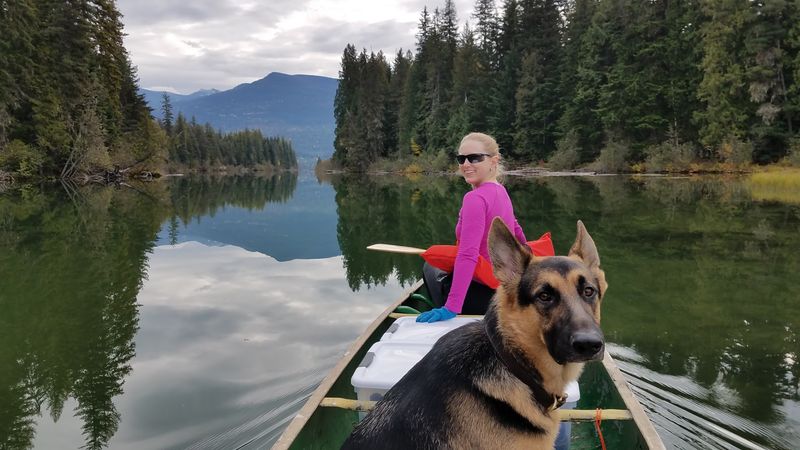
Solitude seekers top the list. One visitor summed it up nicely, saying that just when you think you have found paradise on Priest Lake, a trip up the channel brings a deeper kind of calm.
Paddlers of many skill levels fit in well. The Thorofare suits beginners on calm days, while crossing the open upper lake gives experienced kayakers a bit more of a workout.
Campers who want a lakeside tent without a crowded campground will find what they need. Families with older kids often enjoy the mix of beaches, swimming, and wildlife spotting.
Hikers and backpackers get their own trails. Anglers get clear water and trout, and photographers get forested ridges reflected in still water.
It may not suit everyone. Anyone wanting restaurants, rentals right on the shore, or paved parking steps from the beach might prefer the developed lower lake.
Travelers from Coeur d’Alene, Sandpoint, or Spokane can make the drive up to Priest Lake a weekend affair. Many Idaho families return year after year, calling the upper lake their favorite spot in the Panhandle.
Getting There And Planning Ahead
No road reaches the water, so start by picking your method. Boat, paddle, or hike are the three options, and each begins near the north end of Priest Lake in Bonner County.
Paddlers commonly launch from the Beaver Creek campground or the Lionhead area. From Beaver Creek, visitors report about an hour and a half through the Thorofare to reach the upper lake.
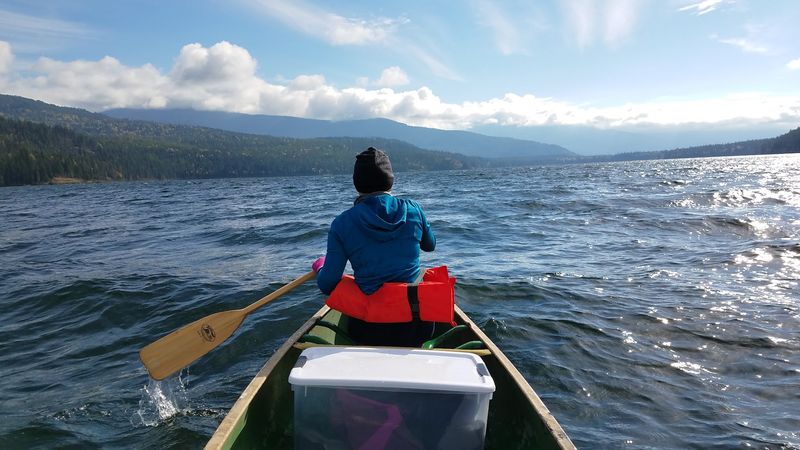
Crossing the upper lake itself can add another hour to an hour and a half in good weather. Against a strong headwind with whitecaps, one paddler needed about two and a half hours of hard work end to end.
Wind deserves respect. Another group found the return trip across open water tougher than expected, so plan extra time and energy for the paddle home.
Summer and early fall offer the most dependable conditions, though specifics change year to year. Check with local land managers before driving for current access, fees, fire rules, and campsite details.
Pack layers, sun protection, bear spray, water treatment, and a map. The general area address is Idaho 83821, but your GPS will only get you to the launch.
Worth Every Paddle Stroke
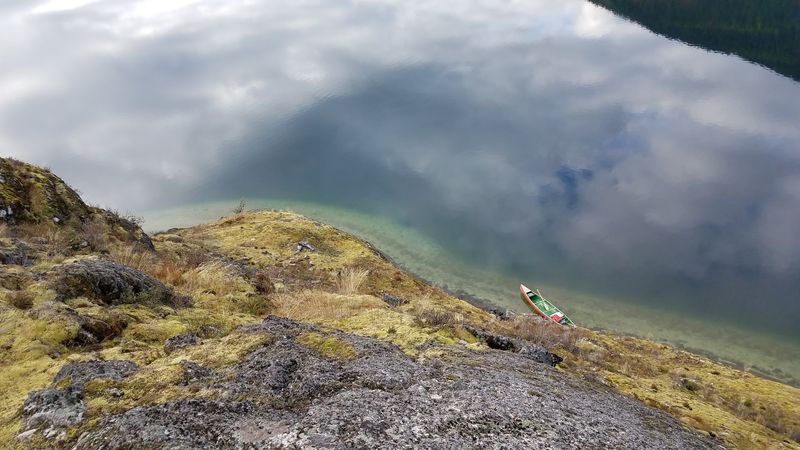
Hard to reach and worth the effort. That phrase from one visitor captures Upper Priest Lake better than any brochure could.
Plenty of Idaho lakes offer pretty views. Few combine glacier-carved depth, water clear enough to see the bottom far below, sandy beaches, and a shoreline with no buildings at all.
The journey is part of the reward. Gliding through the mossy Thorofare, watching for moose, and then seeing the lake open wide makes the arrival feel earned.
Expect some tradeoffs. Midday boat traffic can break the quiet, wind can turn a crossing into a workout, and supplies must come with you.
Plan smart, though, and those challenges fade quickly. Launch early, camp overnight, and you may catch the lake at its stillest, when the only sounds are loons, paddles, and wind in the trees.
For Panhandle locals, it is a place to rediscover. For newcomers, it is the kind of spot that makes you wonder why you had never heard of it.
Either way, one clear-water morning up north tends to leave people planning their next trip before they reach the launch.