10 Idaho Solo Trips Where You Can Slow Down And Breathe In The Fresh Air
Clear the calendar, choose your playlist, and enjoy the rare luxury of setting the entire itinerary yourself.
Idaho gives solo travelers alpine lakes, hot springs, volcanic landscapes, rivers, and mountain escapes made for unhurried exploring.
Every destination offers a different reason to spend time outdoors and follow your own pace.
Paddle in the morning, hike after lunch, or linger somewhere beautiful simply because you can. That freedom makes independent travel especially rewarding across such varied landscapes.
Thoughtful planning helps make every outing comfortable and enjoyable, particularly in remote areas. Pack what you need and pick a direction.
A little solo adventure might be exactly what your weekend has been missing.
1. Priest Lake State Park, Coolin
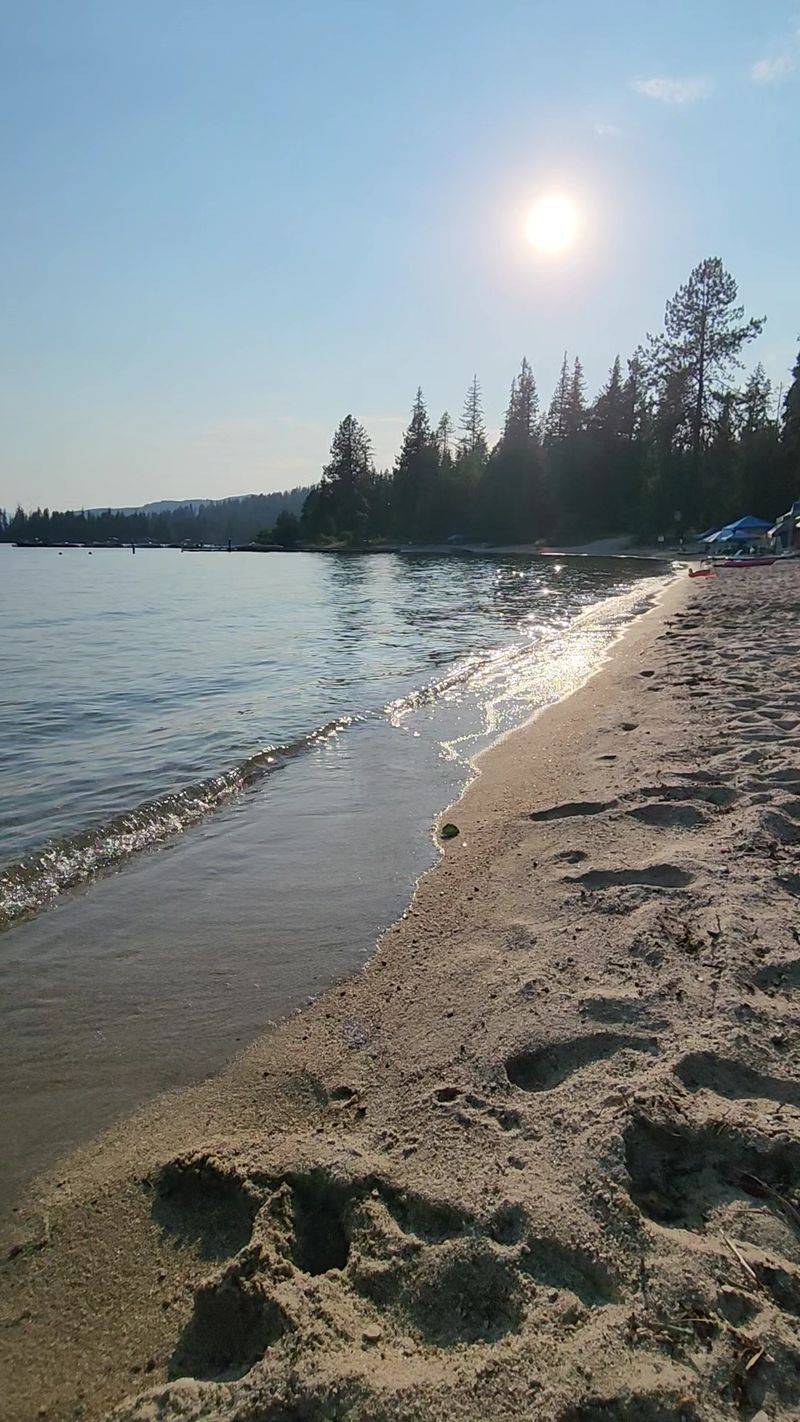
Have you given any thought to spending a whole day without hearing a single car? Up in the far northern panhandle, the water runs so clear you can count stones on the bottom.
Priest Lake State Park sits along the eastern shore in Bonner County, near the small town of Coolin. Canoes, paddleboards, and kayaks all work beautifully here, and the lake rarely feels crowded.
The Selkirk Mountains rise behind the treeline, giving every paddle stroke a postcard backdrop. Morning is the calmest time, when the surface goes flat and mist hangs low.
Sandy beaches make easy landing points for lunch or a long nap in the sun. Forested campgrounds let you stretch a day trip into two or three quiet nights.
Short hiking trails wind through cedar and hemlock, some opening to wide lake views. Watch the shoreline closely and you might spot deer, osprey, or a curious loon.
Summer brings warm water and huckleberries ripening along the edges of the woods. Cell service fades quickly, which honestly counts as a feature rather than a flaw.
Pack extra layers because northern Idaho evenings cool down fast after sunset. A headlamp helps too, since campground paths get properly dark.
Grown-up summer camp with nobody assigning you activities, that is the real charm here.
2. City Of Rocks National Reserve, Almo
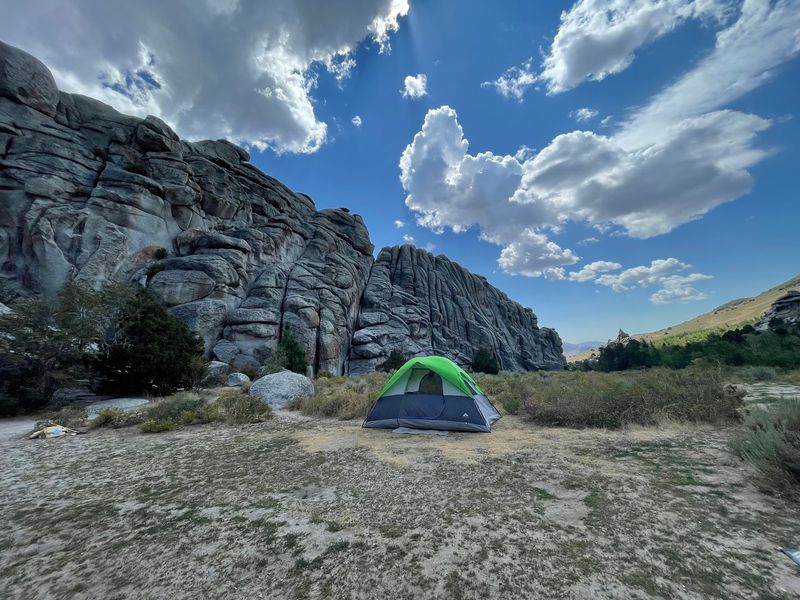
There is a corner of southern Idaho that looks carved by giants. Granite towers stand in clusters, stacked and rounded like something from another planet.
City of Rocks National Reserve near Almo hands you 360-degree views of mountains and stone. The formations took millions of years to weather into these shapes.
Trails branch out in every direction, and the deeper you walk, the fewer people you meet. Window Arch is a favorite turnaround point for shorter hikes.
Rock climbers come for the granite, but hikers get the real solitude. Early mornings are cool and golden, ideal for photos and easy breathing.
History lives here too, since thousands of California Trail travelers passed through this pass in the 1840s and 1850s. Some even wrote their names in axle grease on the rocks.
Camping inside the reserve is limited, so reserve a site well ahead of your trip. Bring more water than you think you need, because shade is scarce.
Spring wildflowers and fall’s cooler air both beat the peak heat of midsummer. Nights get spectacularly starry with almost no light pollution nearby.
Few spots in Idaho let you feel this small and this calm at the same time.
3. Redfish Lake, Stanley
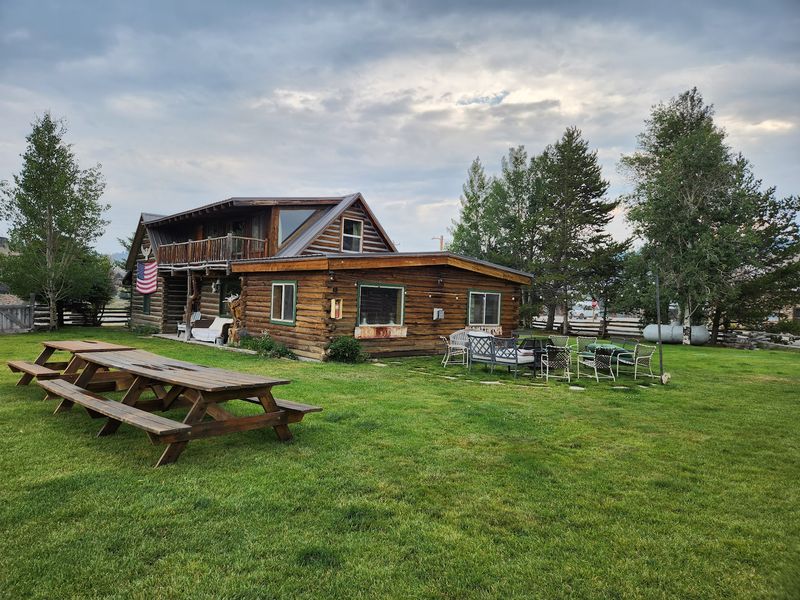
My jaw dropped the first time those jagged peaks appeared in the water’s reflection. Cold, clear, and framed by granite, this alpine lake earns every bit of its reputation.
Redfish Lake sits a few miles south of Stanley along Highway 75. The Sawtooth Range wraps around it like a stone crown.
Solo travelers have loved this lake for generations, drawn by beauty and quiet in equal measure. The water stays bracingly cold, which makes a swim genuinely memorable.
Lakeside strolls suit slow mornings, while longer trails climb into the Sawtooth Wilderness. A boat shuttle across the lake shortens the walk to Alpine Lake and beyond.
The name comes from sockeye salmon that once turned the shallows red during spawning runs. Those fish still make an incredible journey inland from the Pacific.
Stanley itself is tiny and often records some of the coldest temperatures in the lower 48. Bring a warm jacket even in July.
Sunrise is the moment worth setting an alarm for, when the peaks glow pink above still water. Afternoons often bring a breeze that cools the beaches.
Campgrounds fill quickly in summer, so book early or arrive on a weekday. Late September trades crowds for golden aspens and crisp air. Quiet like this sticks with you long after the drive home.
4. Lake Cleveland, Oakley
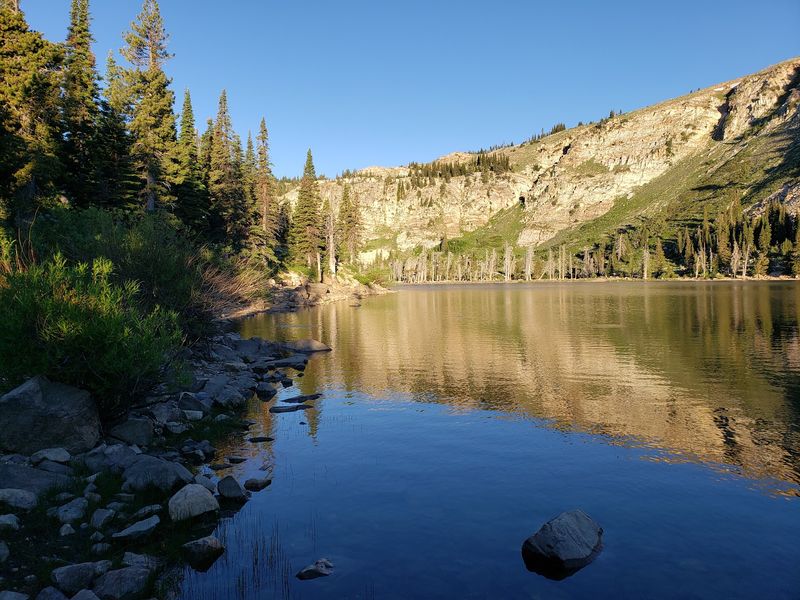
Just imagine for a second an icy mountain lake sitting at 8,300 feet, hidden above the desert heat. Southern Idaho hides this one well, and that keeps it peaceful.
Lake Cleveland near Oakley tucks into the Albion Mountains, reachable by a steep, winding road off State Highway 77. The drive alone is half the adventure.
Non-motorized boats work best on the small water, and a quick dip cools you off fast. Fishing is popular here for stocked trout.
Above the lake, the hike toward Mount Harrison rewards you with a 9,240-foot summit view. On clear days you can see across the Snake River Plain into Utah and Nevada.
Late-season wildflowers splash color across the slopes through midsummer. Deer, marmots, and hawks all make appearances if you move slowly.
Snow lingers late up here, so access usually opens around early July. Check road conditions before committing to the climb.
Campsites sit right near the shoreline, making sunrise coffee an easy win. Nights turn genuinely cold at this elevation, even in August.
Bring your own firewood and plenty of water, because services are thin. Cell coverage is spotty, which suits a solo reset just fine.
An alpine hideaway floating above the sagebrush, this one rewards anyone willing to drive the extra miles.
5. Craters Of The Moon National Monument And Preserve, Arco
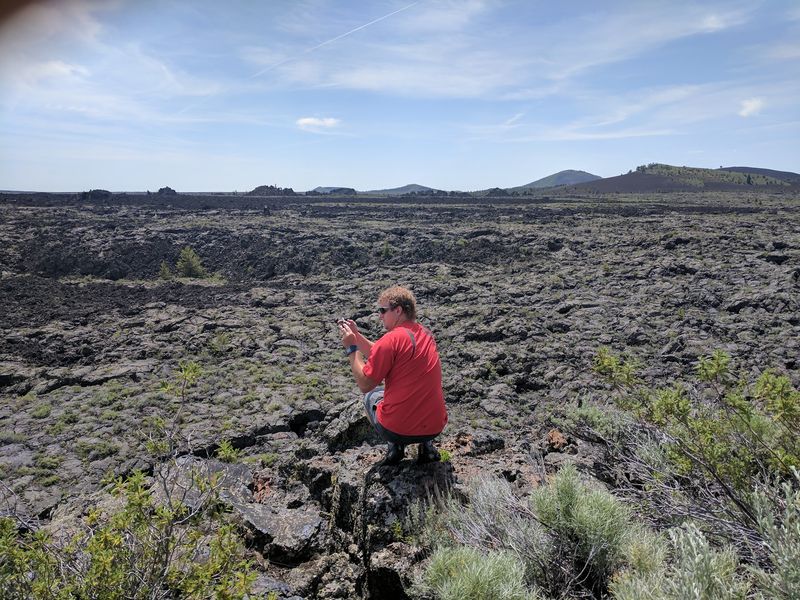
You can walk on a landscape that astronauts once trained across. Black rock stretches to the horizon, cracked and folded and strangely gorgeous.
Craters of the Moon National Monument and Preserve sits southwest of Arco along US-20. Lava flows, cinder cones, and sagebrush islands make up the whole scene.
Climbing Inferno Cone takes just minutes and delivers a huge, sweeping view. The dark cinders soak up heat, so early morning walks are much kinder.
Lava tubes wait underground, cool and echoing, with Indian Tunnel being the most accessible. A permit and a good flashlight are both required before you head in.
Camping here comes with an International Dark Sky Park designation, meaning the stars are absurdly bright. The Milky Way shows up without any effort.
Apollo astronauts really did study these flows in 1969 to prepare for lunar geology. That detail never stops being fun.
Spring brings surprising wildflowers pushing up through the black rock. Summer gets hot fast with almost no shade anywhere.
Sturdy shoes matter because the lava is sharp and unforgiving on thin soles. Carry water in every pocket you have. Few landscapes make you feel like a guest on another world while still being firmly in Idaho.
6. South Hills, Walstrom Hollow And Ross Falls
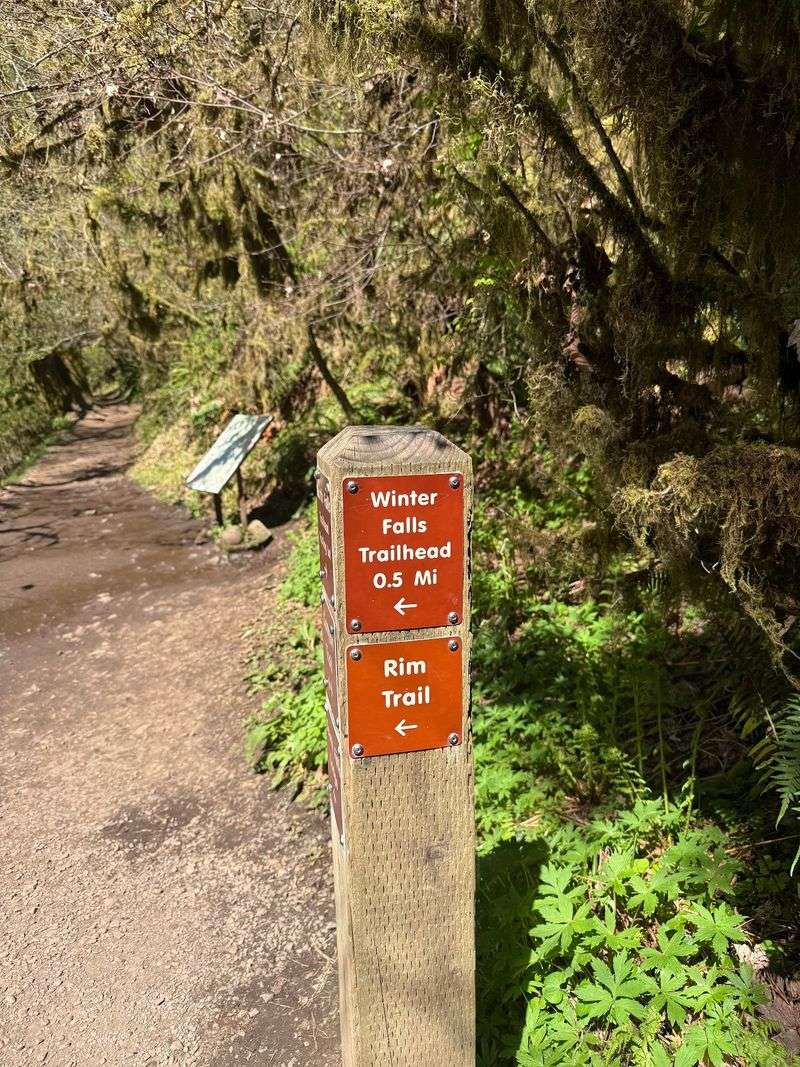
About 45 minutes south of Twin Falls, the high desert suddenly turns green and rolling.
The South Hills hide two favorites: Walstrom Hollow and Ross Falls. Both sit within the same stretch of forested hills and canyons.
Walstrom Hollow runs a nine-mile loop past volcanic formations sculpted by wind and rain. The trail rises and falls gently, making it manageable for most hikers.
Ross Falls asks far less of you, just a half-mile stroll to a waterfall. Water spills over an orange cliff face draped in bright green moss.
Spring runoff makes the falls loudest and fullest, usually through May and early June. Later in summer the flow thins but the shade stays welcome.
Aspens, junipers, and pines line the paths, and the temperature drops noticeably as you gain elevation. Locals escape the valley heat here for exactly that reason.
Elk and mule deer wander these hills, so keep your eyes up during dawn hikes. Bird song fills the canyons in the morning.
Forest roads can be rough, so a higher-clearance vehicle helps after rain. Cell service disappears once you drop into the hollows. Two trails, one afternoon, and hardly another soul in sight makes for a very good day.
7. Hells Canyon National Recreation Area, Riggins
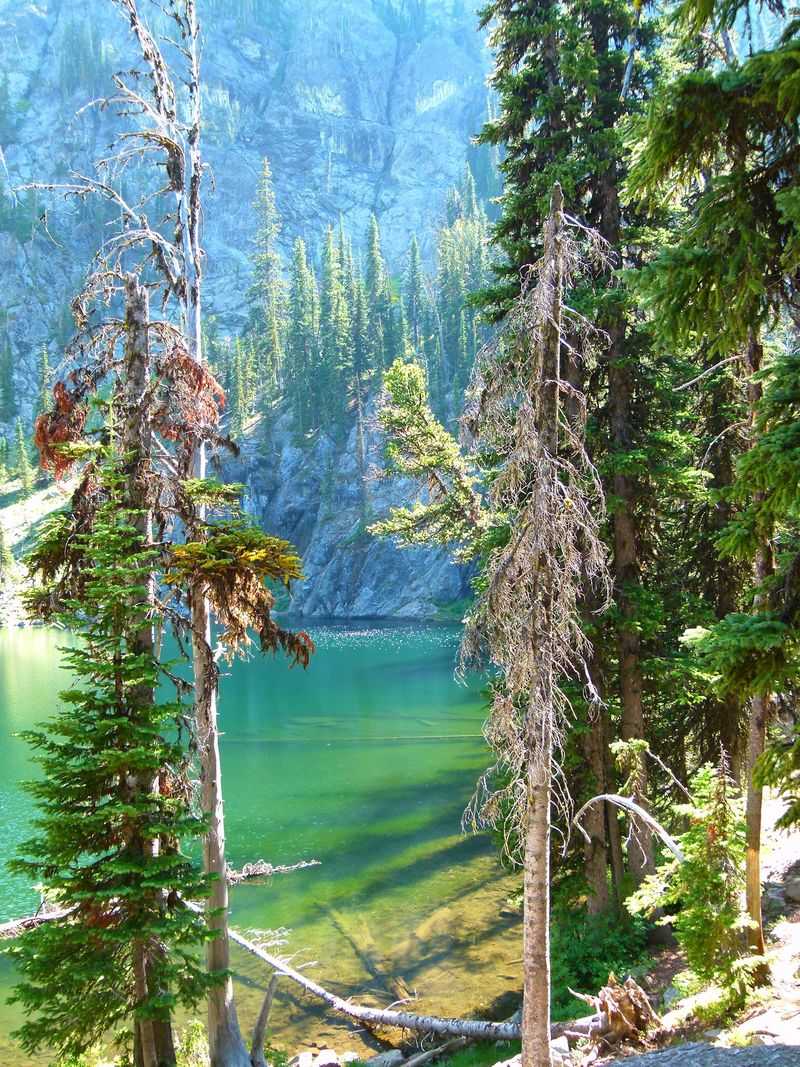
North America’s deepest river gorge cuts right along the Idaho and Oregon border.
Hells Canyon National Recreation Area opens up near Riggins, its main Idaho gateway. Depth here beats even the Grand Canyon in places.
The Snake River carves through the bottom, and boats are one of the best ways to see it. Jet boat trips cover long stretches of otherwise unreachable water.
Trails climb from riverside benches up to high ridges with staggering views. Old Forest Service routes and stock trails wind through steep, grassy slopes.
Roads reach only a handful of points, keeping most of the canyon genuinely wild. That isolation is exactly what makes solo trips here so rewarding.
Bighorn sheep scramble the rocky faces while elk and mule deer graze the benches. Eagles and hawks ride the thermals above the river.
Spring and fall bring the most comfortable temperatures, since summer inside the canyon gets blazing. Wildflowers cover the slopes in April and May.
Plan carefully because water sources, shade, and services are all limited. Tell someone your route before heading out alone.
Standing on a ridge above that river, with wind and nothing else for company, resets something inside you.
8. Little City Of Rocks, North Of Gooding
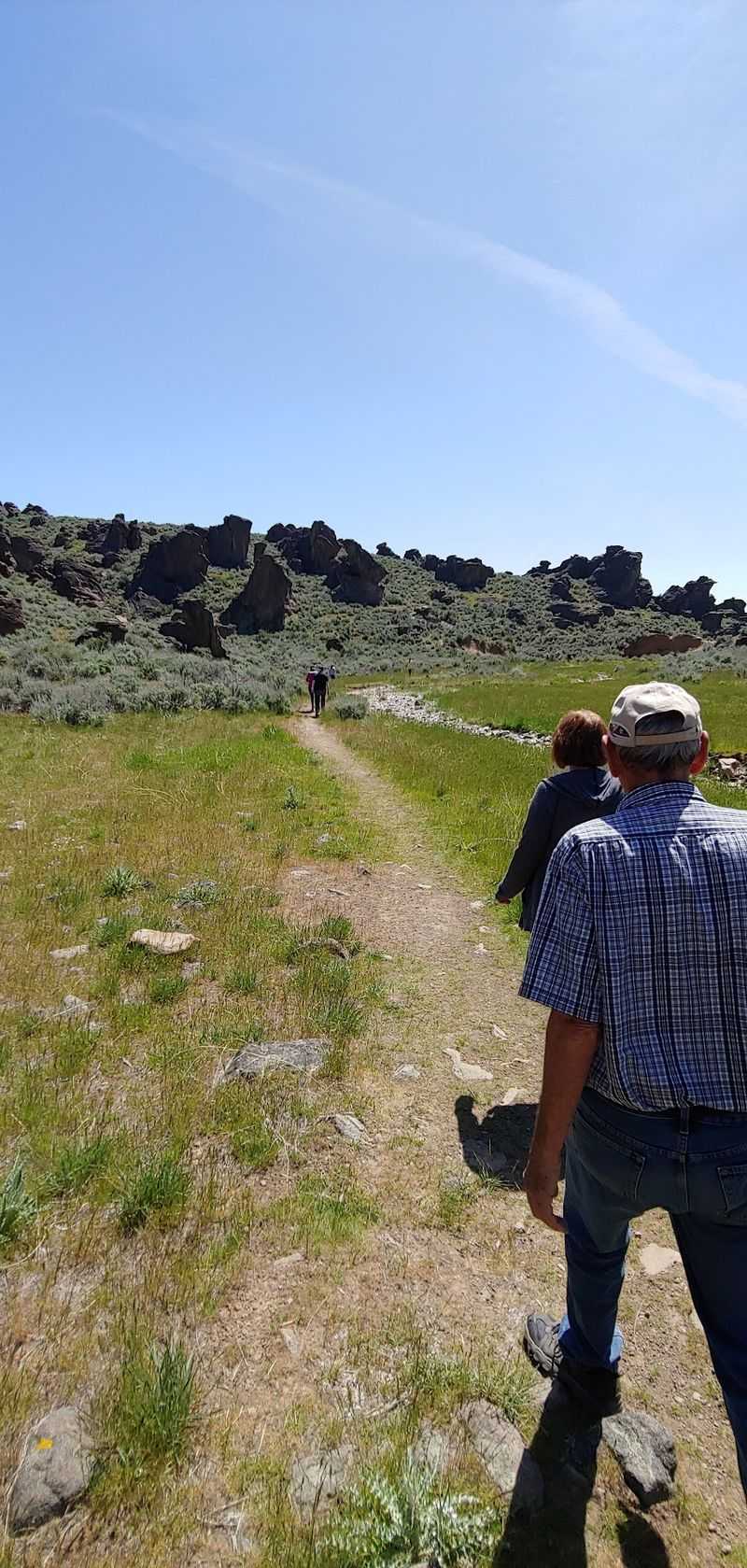
Pale volcanic spires rise from the sagebrush, and hardly anyone shows up to see them.
Little City of Rocks sits 12.5 miles north of Gooding on Idaho Highway 46. The wilderness study area protects a maze of hoodoos, arches, and narrow passages.
The rock is tuff, compacted volcanic ash shaped over ages by freezing and thawing. Wind added the finishing touches.
A main trail runs through the heart of the formations, with side paths branching off. Wandering those spurs turns up shapes you will not find in any guidebook.
Petroglyphs carved by Native peoples thousands of years ago hide on some rock faces. Look, photograph, and leave them completely untouched.
Shade is nearly nonexistent, so plan for cooler months or very early starts. Spring and fall are the sweet spots.
There are no restrooms, water taps, or signs pointing the way. Download a map before you lose service on the drive in.
Dirt access roads turn slick and sticky after storms, so check the forecast. A high-clearance vehicle brings peace of mind. Solitude among ancient stone towers, with only your own footsteps echoing, is the whole reward here.
9. Salmon River Backcountry, Salmon And Riggins
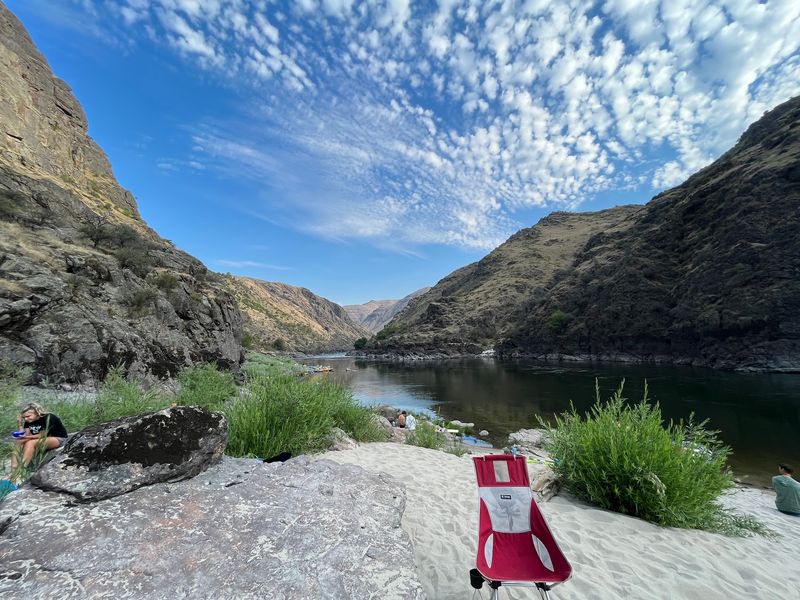
The Salmon River backcountry stretches between the towns of Salmon and Riggins. Locals call it the River of No Return.
Much of the corridor runs through the Frank Church-River of No Return Wilderness, one of the largest roadless areas in the lower 48. Fewer roads means fewer people and more wildlife.
Sandbars make natural campsites, and mornings there are extraordinarily still. Evenings bring animals down to the water to drink.
Elk, mule deer, moose, and bighorn sheep all use the shoreline. Bald eagles and osprey patrol the river for fish.
Anglers find good water for resident trout, and catch-and-release rules protect the fishery. Check current regulations before casting a line.
Float trips require permits during the busy season, so plan months ahead. Day hikes along river trails need no paperwork at all.
Summer heat can be intense down in the canyon, while spring water runs high and fast. Late summer brings calmer flows and warmer swimming.
Bring a wide-brim hat, sturdy sandals, and a dry bag for anything electronic. Falling asleep to moving water in a canyon this remote is its own kind of therapy.
10. Sawtooths Hot Springs Loop, Near Ketchum
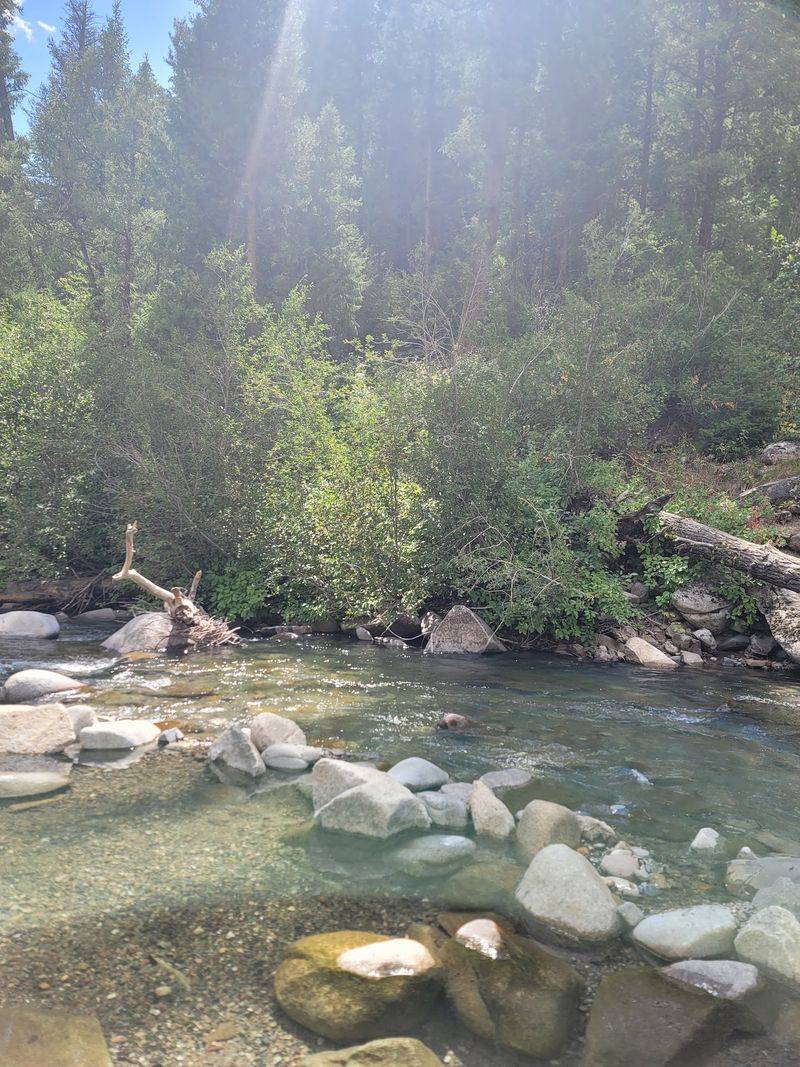
Let me be real for a second: soaking in steaming water under mountain peaks is hard to beat. Steam curls up into cold air while a creek rushes past your elbow.
A chain of soaking pools threads through the Sawtooths near Ketchum, ideal for a slow, solitary drive. You can stop, soak, and roll on whenever you please.
Frenchman’s Bend Hot Springs, also called Warfield Hot Springs, sits on Warm Springs Road about 11 miles southwest of Ketchum. Rock-walled pools along Warm Springs Creek let you mix in cold water until the temperature is just right.
Roughly 20 minutes north, Easley Hot Springs adds a mineral swimming pool and two hot tubs. That one suits anyone who prefers changing rooms and a bit of structure.
The drive through Sawtooth National Forest passes ponderosa pines and craggy ridgelines. Autumn turns the aspens gold and thins the traffic considerably.
Weekday mornings give you the best odds of having a natural pool to yourself. Winter soaks are magical but require careful driving on snowy roads.
Pack a towel, water shoes, and a bag for trash so the pools stay clean. Skip glass containers entirely. Warm water, cold air, and a road with no schedule is about as restorative as travel gets.