If You’re Craving Real Quiet This Spring, This Northern California Escape Is It
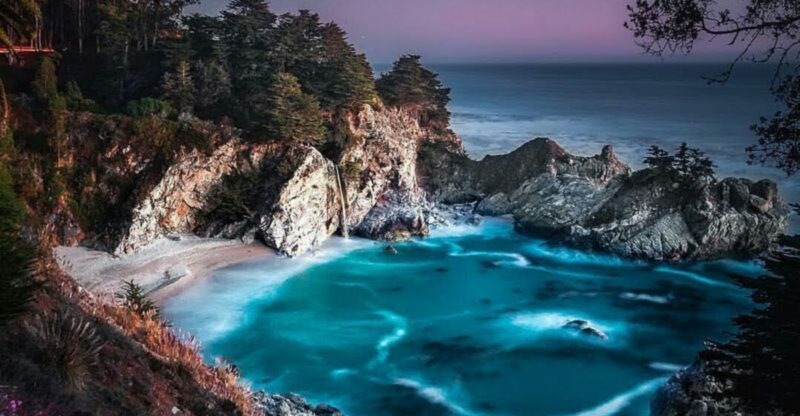
There’s a stretch of coastline in California where everything feels a little quieter, a little wilder, and far less rushed. It does not take long to notice the shift.
Just beyond the reach of the city, the landscape opens up into something expansive and untamed.
Rolling green hills meet rugged cliffs, fog drifts slowly across open meadows, and the sound of the ocean carries farther than expected. It feels like stepping into a different pace entirely.
What makes this place stand out is the variety packed into one destination. Beaches stretch wide and empty, forested trails offer shade and stillness, and coastal overlooks reveal views that feel almost cinematic without trying too hard.
Spring brings out its softer side. Hills turn a vibrant green, wildflowers begin to line the trails, and the overall atmosphere stays calm without the heavier crowds of peak season. It is the kind of timing that makes exploring feel easy and unhurried.
Anyone looking to reset without going far will find a rare kind of quiet in this part of California that lingers long after the visit ends.
Over 71,000 Acres Of Diverse Wilderness
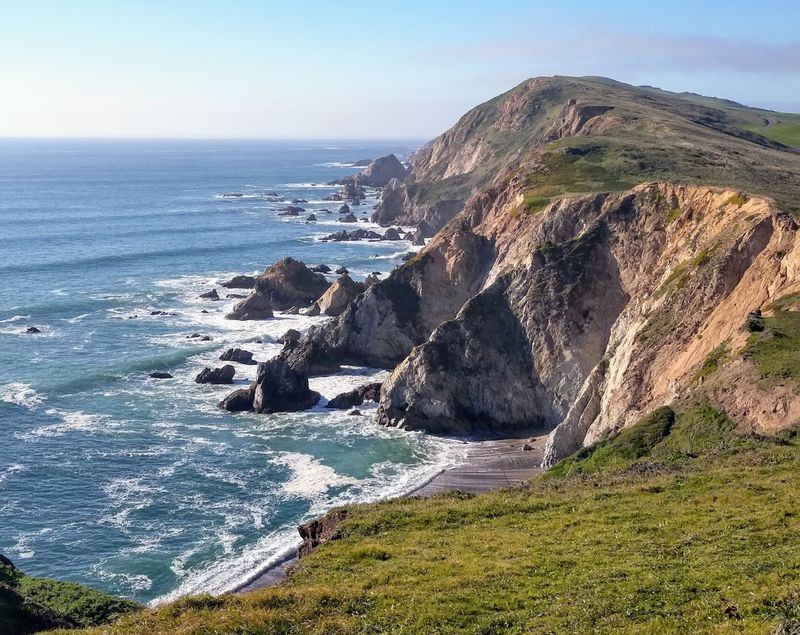
Few parks on the West Coast pack this much variety into a single visit. Point Reyes National Seashore covers more than 71,000 acres, and the landscape shifts dramatically depending on where visitors choose to explore.
One trail might wind through a dense bishop pine forest while another opens onto a wide sandy beach with waves crashing below granite headlands.
Salt and freshwater marshes sit alongside scrub grasslands, creating a patchwork of ecosystems that supports an unusually wide range of plant and animal life.
Spring is a particularly good season to experience this variety because the vegetation is at its most lush and the light tends to be softer in the mornings.
Photographers and hikers alike tend to find something new on every visit simply because the terrain changes so often across such a large area.
The sheer scale of the park means that even on a moderately busy weekend, visitors can find stretches of trail or beach where few others are present.
That sense of space is part of what makes Point Reyes feel so restorative.
Planning ahead by checking the park map before arriving helps ensure the most rewarding route for any fitness level or interest.
More Than 1,000 Species Of Plants And Animals
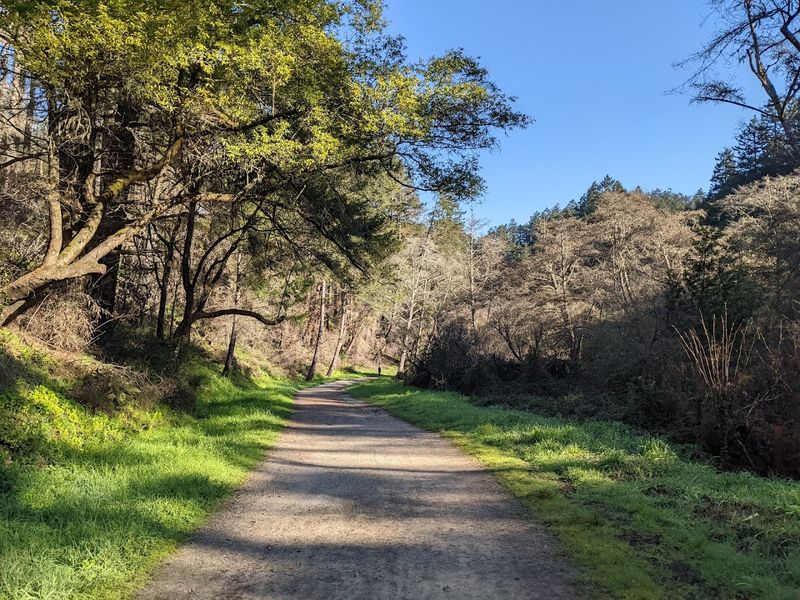
Biodiversity at Point Reyes National Seashore is genuinely remarkable for a coastal park of any size.
The area supports more than 1,000 species of plants and animals, ranging from rare native wildflowers to large marine mammals that haul out on the beaches.
That number reflects decades of conservation effort and the park’s protected status within the broader California coastal ecosystem.
Spring brings a visible burst of activity across the park. Wildflowers blanket the hillsides, migratory birds pass through in large numbers, and young animals begin appearing in the open meadows.
Birdwatchers in particular find spring to be an exceptional season here because the park sits along the Pacific Flyway, a major migratory route that funnels hundreds of species through the region each year.
Visitors who take their time and move quietly through the landscape tend to encounter far more wildlife than those rushing between highlights.
Binoculars are a worthwhile addition to any day pack, especially for spotting birds perched in the coastal scrub or seals resting on distant rocks.
The park’s natural richness rewards patience and slow observation more than any other approach.
Twelve Historic Cultural Landscapes Preserved Within The Park
History runs deep at Point Reyes, and the park takes that legacy seriously.
Twelve historic cultural landscapes are preserved within its boundaries, and many of the structures associated with those landscapes are listed in the National Register of Historic Places.
Farmhouses, barns, creameries, and even a historic radio station are scattered across the park, giving visitors a tangible connection to generations of human activity along this coastline.
The dairy ranching heritage of the area is especially visible along the roads that wind through the pastoral zones of the park.
Working and historic ranches sit against backdrops of rolling hills and ocean views, creating a visual contrast that feels genuinely unique compared to most national park experiences.
These landscapes tell a story about California agriculture and coastal settlement that stretches back well over a century.
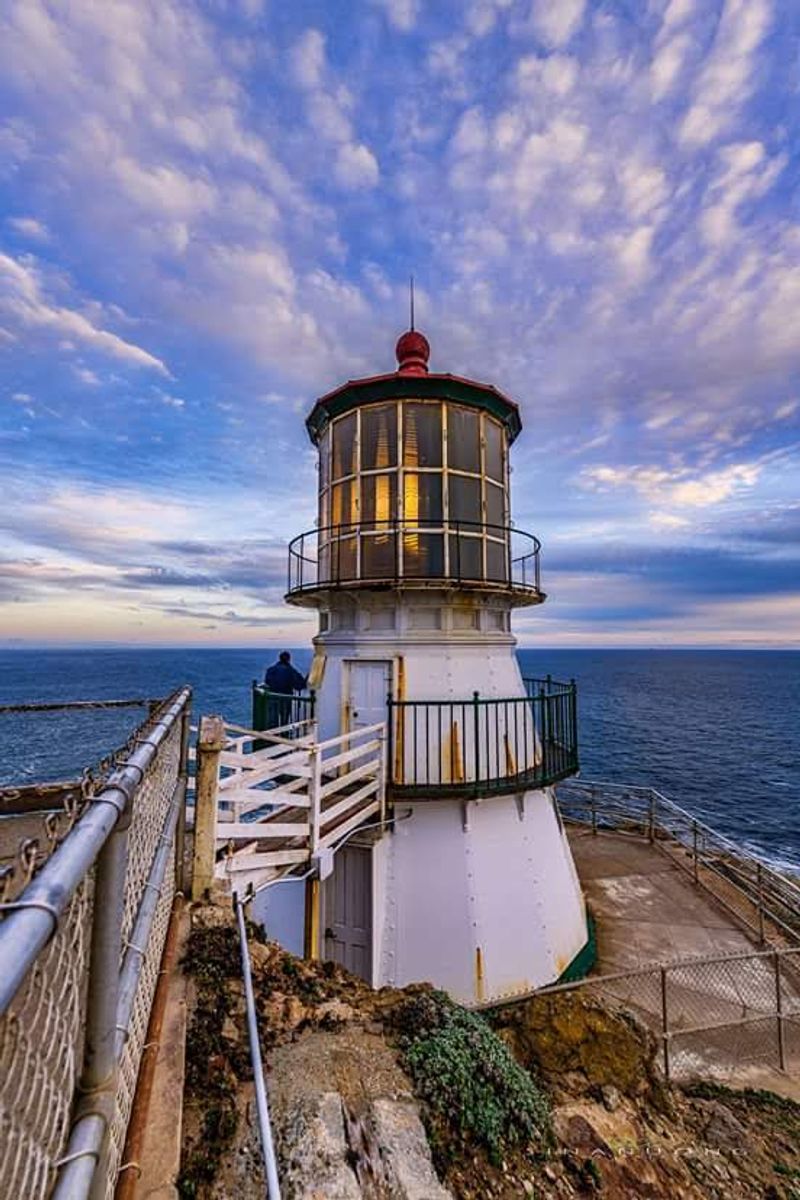
The Point Reyes Lighthouse is perhaps the most visited historic structure in the park, but the ranching landscapes deserve equal attention for anyone interested in cultural history.
Stopping to read interpretive signs along the way adds meaningful context to what might otherwise look like ordinary farmland.
The park does a thoughtful job of presenting these stories without overwhelming the natural setting around them.
Mild Coastal Temperatures Even In Spring And Summer
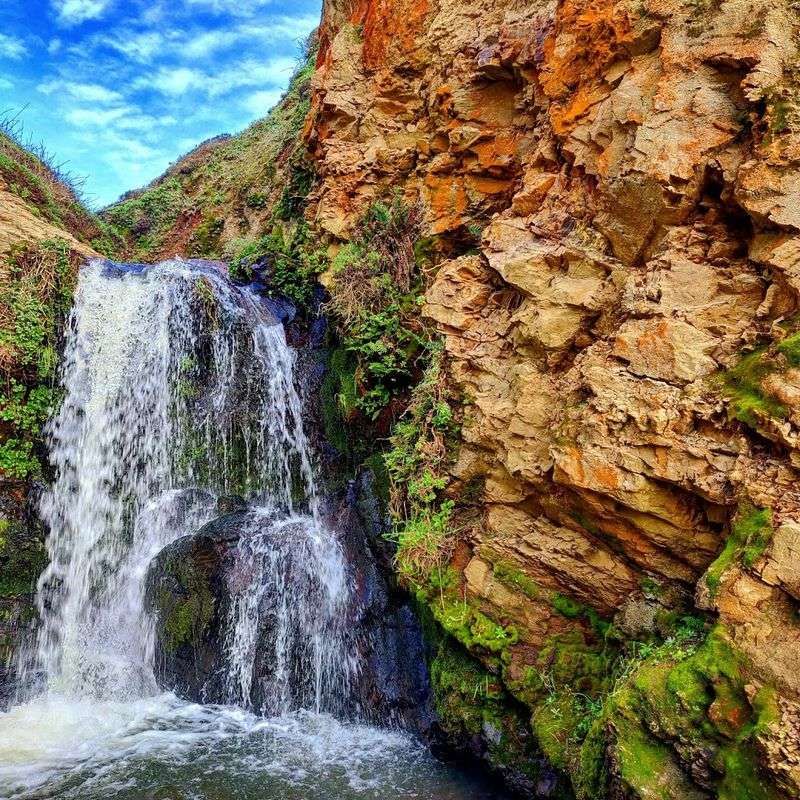
The climate along this stretch of the Northern California coast has a personality all its own.
Even during the warmest months, temperatures at Point Reyes typically stay in the 60s and low 70s Fahrenheit, kept cool by the cold Pacific waters and the persistent marine layer that rolls in during the afternoon.
Spring tends to bring a mix of clear mornings and foggy middays, which creates a moody and atmospheric quality that many visitors find deeply appealing.
That said, wind is a constant companion here, particularly near the lighthouse at the southern tip of the peninsula.
Gusts can exceed 20 miles per hour on many days, and the area is known as one of the windiest spots on the entire West Coast.
Packing a light jacket and a hat is genuinely useful advice rather than just a precaution, even for a casual beach walk.
The mild temperatures make extended hiking comfortable without the heat fatigue that can affect visits to inland California parks during the same season.
Morning starts are especially pleasant, with cool air, soft light filtering through the fog, and trails that are often nearly empty before midday.
Layering clothing is the most practical approach for a full day of exploring.
Approximately 150 Miles Of Hiking Trails
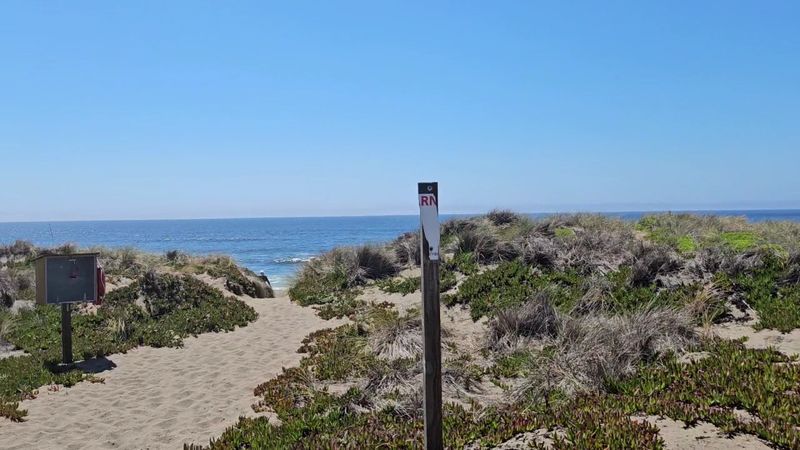
Roughly 150 miles of trails spread across Point Reyes National Seashore, covering nearly every type of terrain the park has to offer.
Options range from flat, easy walks along creek beds to more strenuous climbs up to ridge lines with sweeping views of the Pacific Ocean.
The Bear Valley Trail is one of the most popular starting points, beginning at the visitor center and running about four miles one way to the coast along a mostly flat route that suits hikers of many fitness levels.
Mount Wittenberg offers a more challenging option for those looking to gain elevation and take in panoramic views of the park.
The Sky Trail loop provides a moderate middle ground, winding through forests and open grassland with several scenic overlooks along the way.
Trail conditions can vary with the season, and some routes may be temporarily closed due to erosion or safety concerns, so checking the park website before heading out is always a good idea.
One of the genuinely appealing qualities of the trail network here is how uncrowded most routes feel even during spring weekends.
Beaches accessible only by trail tend to have dramatically fewer visitors than those with road access, making a longer hike feel especially rewarding at the end.
Tule Elk, Elephant Seals, And Abundant Wildlife Viewing
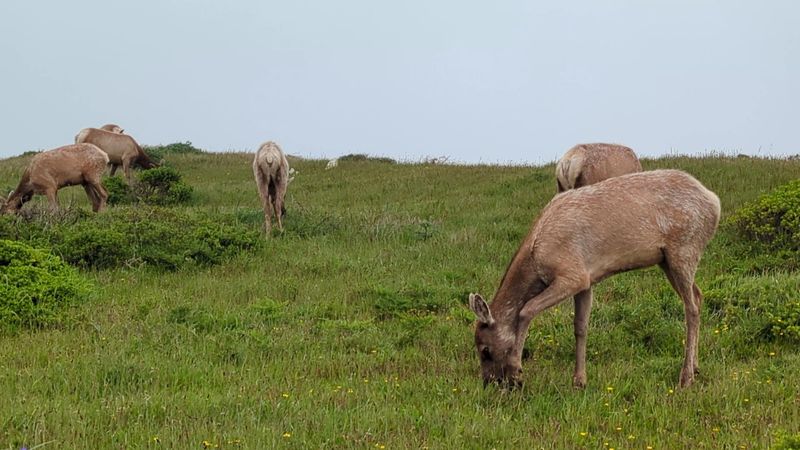
Spotting large wildlife in a natural setting without crowds or barriers is a rare experience, and Point Reyes delivers it more reliably than most places in California.
Tule elk roam the Tomales Point area in sizable herds, often visible from the trail that runs along the ridge above Tomales Bay.
Spring is an active season for the elk as the herds move through the grasslands and the young calves begin to appear alongside the adults.
Elephant seals gather near Drakes Beach during certain seasons and are often visible from the overlook area without any need to approach closely.
The sheer size of these animals up close is genuinely startling for first-time visitors.
Humpback whales are also sometimes spotted offshore from the higher coastal viewpoints, particularly during spring migration when conditions are clear enough to scan the horizon.
Sea otters, harbor seals, and a wide variety of shorebirds round out the wildlife picture along the bay and estuary areas.
Patience and quiet movement are the most effective tools for good wildlife encounters here.
Keeping a respectful distance from all animals is both a park rule and a practical way to observe natural behavior without causing stress to the animals.
The Historic Point Reyes Lighthouse And Its 308 Steps
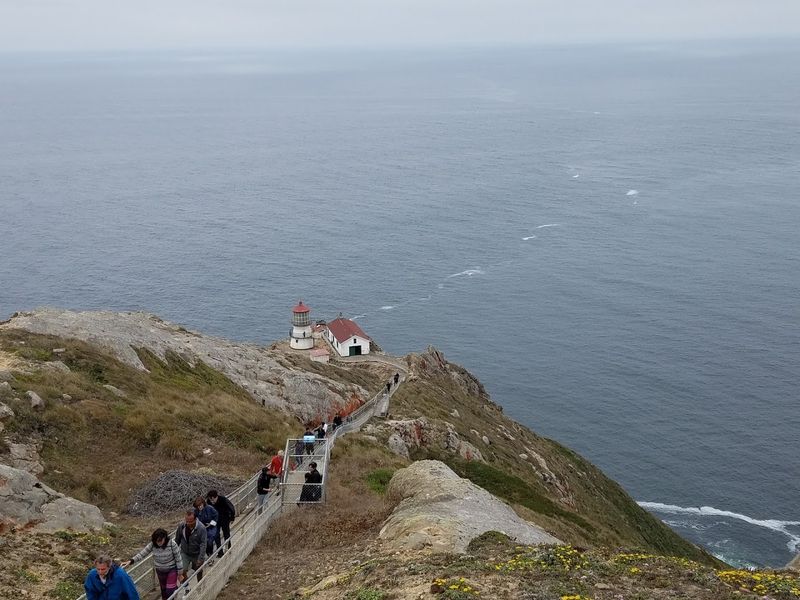
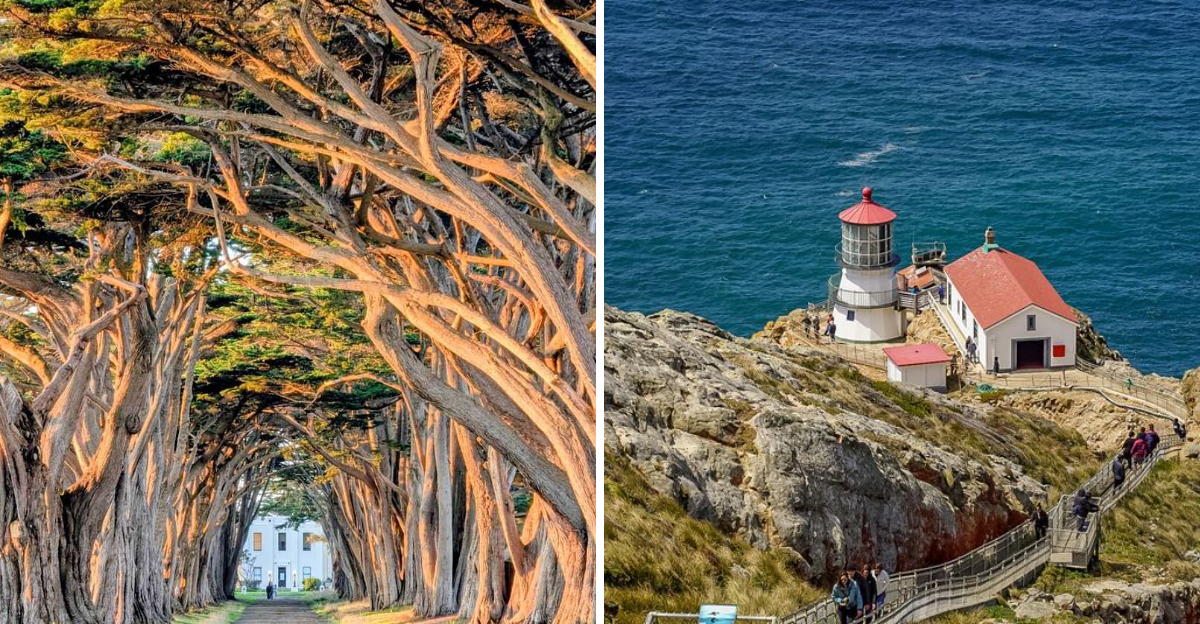
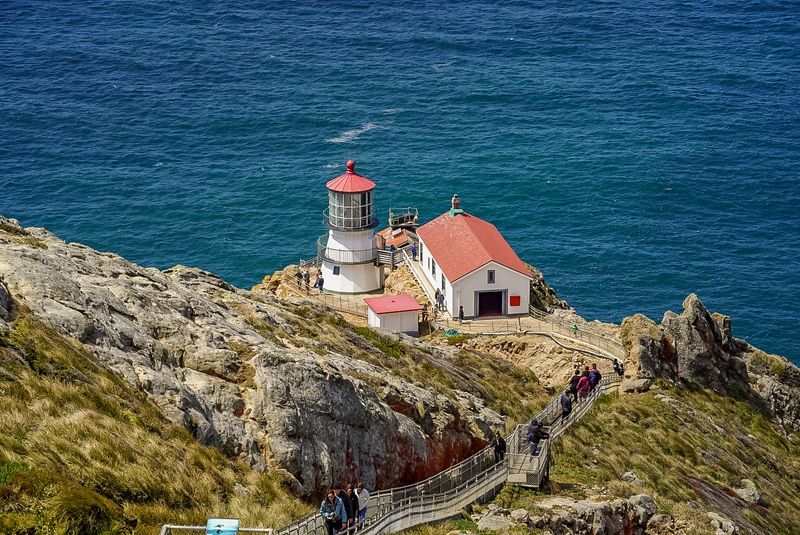
Built low into the cliffs to stay beneath the dense fog that frequently blankets the headlands, the Point Reyes Lighthouse has been a fixture of this coastline since 1870.
Reaching it requires descending 308 steps down a steep staircase along the cliff face, a journey that rewards the effort with close-up views of the lighthouse structure and the churning ocean below.
The stairs are occasionally closed due to high winds or maintenance, so checking conditions in advance is worthwhile before making the drive out.
The lighthouse sits at the far western tip of the Point Reyes Peninsula, which happens to be one of the foggiest and windiest locations on the entire Pacific Coast.
That dramatic setting is a big part of the appeal.
On clear days the views extend far out over the open ocean, and whale spouts are sometimes visible during migration seasons.
The surrounding headlands area also offers excellent viewpoints even without descending to the lighthouse itself.
Interpretive signs along the path explain the history of the lighthouse and its role in guiding ships through the treacherous waters off the California coast.
Visiting on a weekday tends to result in a quieter experience than weekend visits, when the parking area can fill up quickly.
Kule Loklo: A Window Into Coast Miwok History
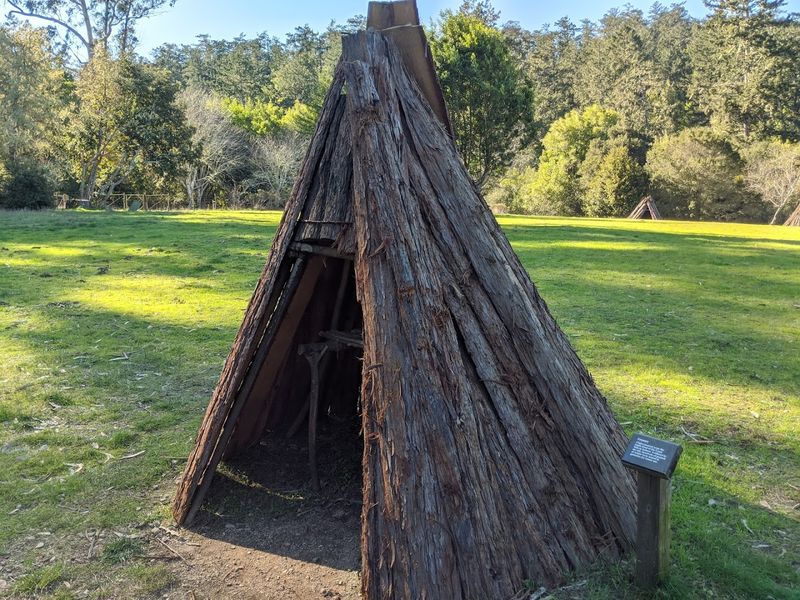
Long before the park existed, the Coast Miwok people lived along these shores for thousands of years.
Kule Loklo is a carefully constructed replica of a historic Coast Miwok village located near the Bear Valley Visitor Center, and it offers one of the more grounded and thoughtful cultural experiences available within the park.
The name translates to “bear valley” in the Coast Miwok language, connecting the site directly to the landscape it occupies.
Walking through the village replica gives visitors a tangible sense of how the Coast Miwok built their homes, organized their communities, and related to the natural world around them.
Traditional structures made from tule reeds and wood stand in an open clearing, and interpretive signage provides context about the materials and construction methods used.
The site is maintained in partnership with Coast Miwok descendants, which adds a layer of authenticity and respect to the presentation.
Kule Loklo is easy to reach as a short walk from the Bear Valley parking area, making it a natural complement to the visitor center stop.
Spending time here before heading out on the trails adds meaningful historical depth to the overall visit. The site is open during regular park hours and does not require a separate ticket or reservation.
Secluded Beaches With Minimal Crowds
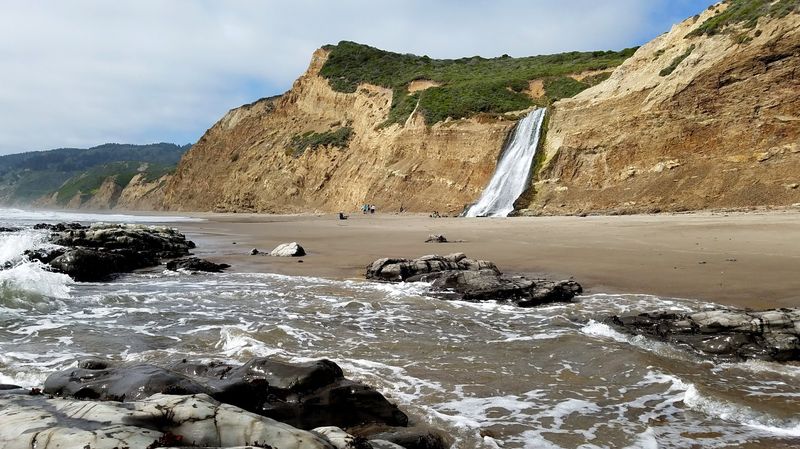
Some of the most peaceful beach experiences in all of Northern California are tucked inside Point Reyes National Seashore, accessible only by trail or a short drive down roads that most casual visitors overlook.
Limantour Beach stretches along a protected estuary with calm water on one side and open ocean surf on the other, creating a distinctive spit that feels almost otherworldly on a clear spring morning.
The sand is clean and the crowds are thin even on weekends.
Drakes Beach offers a different character, with dramatic white chalk cliffs rising above a wide crescent of sand that feels surprisingly sheltered from the wind compared to the exposed headlands nearby.
The beach has a small visitor facility nearby that is open on a seasonal basis.
Low tide reveals tide pools along the rocky sections at the edges of the beach, and patient observers can find starfish, mussels, and small crabs clinging to the rocks.
Getting to the more secluded beaches often requires a 30 to 60 minute walk from the nearest trailhead, which naturally filters out visitors who are not committed to the experience.
That walk is part of what makes the arrival feel earned and the solitude feel genuine. Bringing water and sun protection is advisable regardless of how mild the temperature feels at the trailhead.
Marine Protected Areas Surrounding The Park
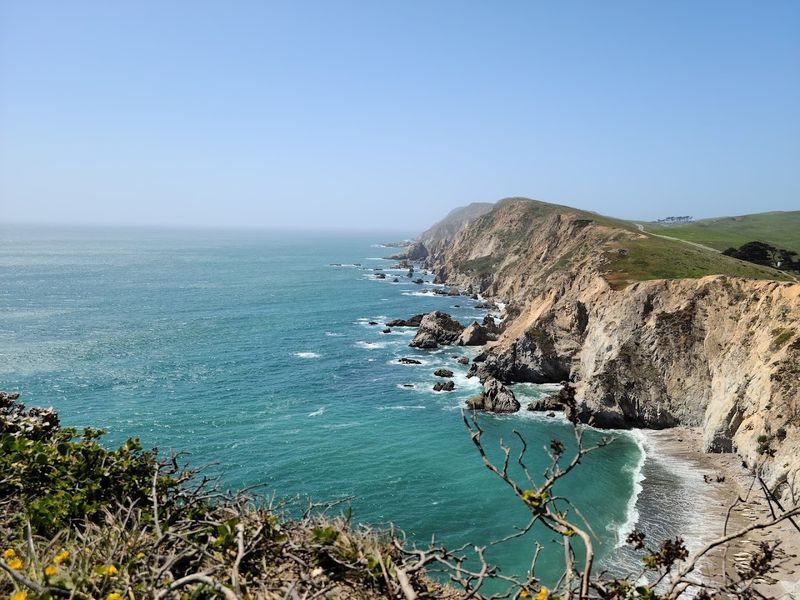
The waters surrounding Point Reyes National Seashore are not just scenic backdrops but actively protected marine environments.
Adjacent marine reserves help safeguard the ocean ecosystems that give the coastline much of its ecological richness.
These protections limit certain types of fishing and extraction, which over time has allowed fish populations, kelp forests, and invertebrate communities to recover and stabilize in ways that are visible to divers and snorkelers.
The health of the marine environment directly affects what visitors see from shore.
Abundant fish populations attract marine mammals like harbor seals and sea lions, which in turn draw larger predators like great white sharks and orcas to the area during certain seasons.
That ecological chain plays out in real time along the park’s coastline, making wildlife watching from the cliffs and beaches an unexpectedly dynamic experience.
Tidepooling along the rocky intertidal zones gives a close-up view of the marine life that thrives in the protected waters.
Common finds include sea anemones, hermit crabs, purple sea urchins, and various species of small fish.
Visitors are asked to look without touching and to avoid stepping on the organisms attached to the rocks, which helps preserve these fragile communities for future visitors and for the broader ecosystem they support.
Point Reyes Station: Local Food And Farmers Market Nearby

Just outside the park boundary, the small town of Point Reyes Station serves as a low-key but genuinely satisfying base for a day or weekend visit.
The town has a handful of local eateries known for using produce and dairy from the surrounding Marin County farms, which gives the food a regional character that feels connected to the landscape visitors have just been exploring.
The Bovine Bakery is a well-known stop for pastries and coffee in the morning.
A farmers market operates in the area on a seasonal basis, typically offering fresh vegetables, artisan cheeses, and locally made goods that reflect the agricultural identity of West Marin.
Picking up supplies there before heading into the park makes for a practical and enjoyable addition to the day.
The overall pace of Point Reyes Station is unhurried and small-scale, which suits the mood of the park itself.
The town is small enough that most of what visitors need is within easy walking distance along one main street.
Parking is generally available without much difficulty on weekdays, though weekends during spring can see more traffic.
Stopping for a meal or a coffee after a long hike rounds out the experience in a grounded and satisfying way.
Easy Access From San Francisco: About 90 Minutes Away

One of the most practical things about Point Reyes National Seashore is how close it sits to a major metropolitan area.
The drive from San Francisco takes roughly 90 minutes under normal traffic conditions, following Highway 1 or Sir Francis Drake Boulevard through a stretch of Marin County that is scenic in its own right.
Rolling hills, dairy farms, and redwood groves line the route, so the transition from city to wilderness begins well before reaching the park entrance.
The accessibility makes Point Reyes a realistic option for a day trip rather than just an overnight destination, though staying in the area adds considerable depth to the experience.
Campgrounds within the park require advance reservations and a permit, while lodging options in nearby towns like Inverness and Point Reyes Station offer comfortable bases for multi-day visits.
Weekday visits generally result in a quieter experience than weekend trips, particularly during spring when Bay Area residents take advantage of the short drive.
Arriving early in the morning helps secure parking at popular trailheads and allows visitors to experience the park at its most peaceful before the midday crowds arrive.
The Bear Valley Visitor Center parking lot can fill up on busy spring weekends, so starting there before 9 a.m. is a practical strategy worth keeping in mind.
No Entry Fees And No Reservations Required
Accessibility takes on a different meaning when a national park charges no entry fee and requires no advance reservations just to visit.
Point Reyes National Seashore is free to enter and open year-round, which removes two of the most common barriers that keep people from exploring public lands.
That openness makes spontaneous visits entirely possible, which suits the relaxed, unhurried spirit of the place.
Backcountry camping within the park does require a permit and reservation, and some facilities like the lighthouse have specific operating hours that vary by season.
Checking the National Park Service website before visiting ensures the most up-to-date information on closures, trail conditions, and facility availability.
The Bear Valley Visitor Center is a reliable first stop for maps, ranger advice, and current conditions.
The no-fee policy also means families and budget-conscious travelers can visit multiple times in a season without the cost adding up.
Bringing a packed lunch and refilling water at the visitor center keeps the day affordable and self-contained.
For anyone who has felt priced out of national park visits elsewhere, Point Reyes offers a genuinely welcoming alternative that does not compromise on natural beauty or the quality of the experience it provides.