10 Important Things California Homeowners Should Know Before Installing Solar Panels

Sunlight spills across rooftops, offering a powerful way to change how homes are powered and how monthly bills feel.
Across California, solar energy continues to gain momentum as homeowners look for cleaner power and long-term savings without sacrificing comfort.
Strong incentives, evolving energy policies, and consistent sunshine have made California one of the most rewarding places to invest in solar.
For homeowners willing to plan carefully, solar panels can deliver stability, efficiency, and confidence that grows year after year.
1. Assess Your Roof’s Suitability
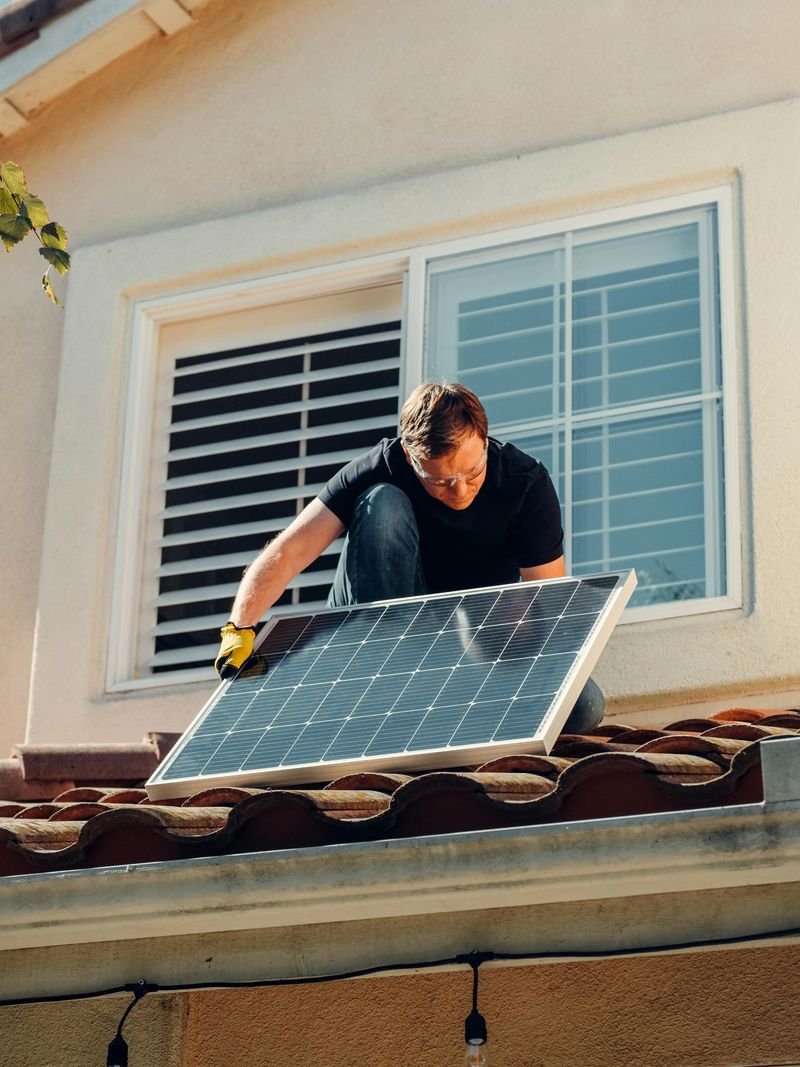
Before solar panels can begin generating clean energy, the roof itself needs careful evaluation.
Age matters tremendously – if shingles or tiles show wear or the structure approaches twenty years old, replacement before installation saves money and hassle down the road.
Weight capacity becomes crucial since solar arrays add significant pounds per square foot, and California building codes demand proper structural support.
Orientation and shading also play vital roles; south-facing roofs with minimal tree cover produce the most electricity throughout the day.
Consulting a licensed structural engineer alongside the solar installer ensures the roof can handle the load safely for decades.
Homeowners who address roofing issues first avoid the costly process of removing and reinstalling panels later, which can add thousands to the total project expense.
Proper preparation creates a solid foundation for a solar system that performs reliably year after year.
2. Understand Installation Costs And Financing Options
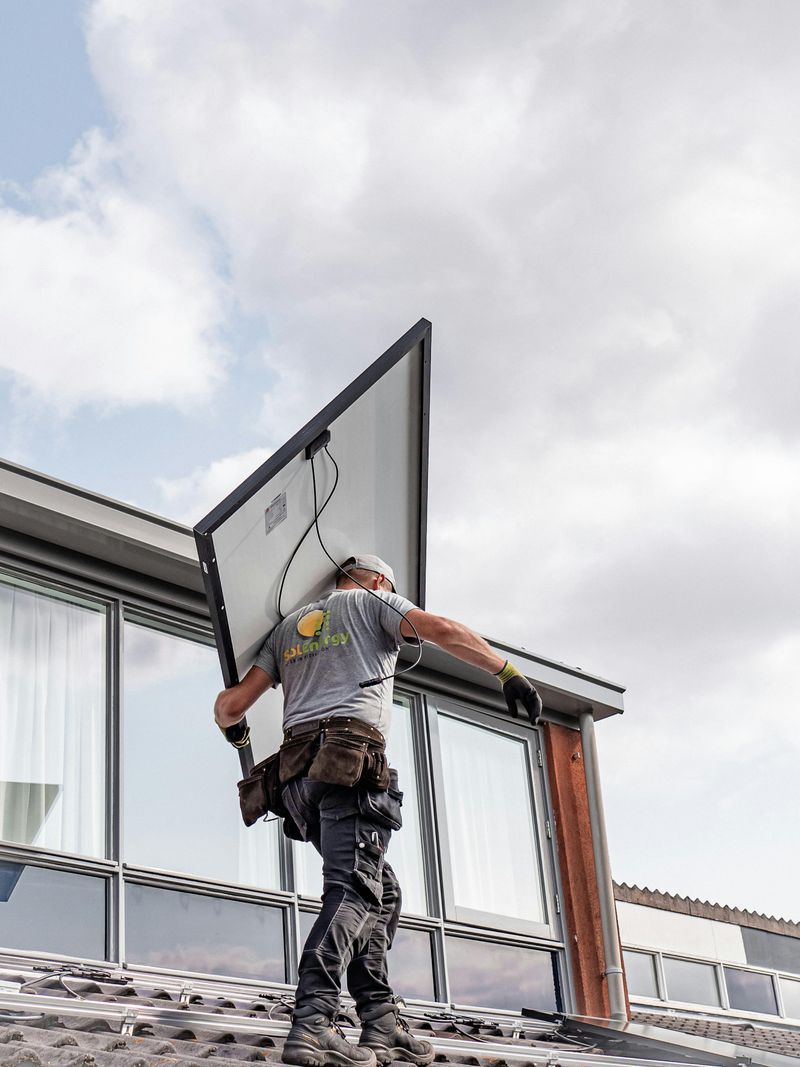
Solar system prices in California typically range from fourteen thousand to twenty thousand dollars, depending on home size and energy needs.
That number might seem daunting at first glance, but multiple financing paths make the investment more accessible than many homeowners realize.
Cash purchases offer the highest long-term savings since there’s no interest to pay, while solar loans spread costs over time with manageable monthly payments.
Leases and power purchase agreements require little or no money upfront, though they transfer ownership and certain tax benefits to the leasing company instead.
Each financing method carries distinct advantages and trade-offs, so comparing options carefully helps match the right choice to individual budgets and financial goals.
Homeowners who take time to understand total costs, interest rates, and ownership implications make confident decisions that align with their family’s needs.
Smart financing turns solar energy from a dream into an achievable reality without breaking the bank.
3. Explore Available Incentives And Rebates

California offers generous incentives that dramatically reduce the upfront cost of going solar, making the investment more attractive than ever.
The federal solar tax credit allows homeowners to deduct thirty percent of the total system cost from their federal taxes, which can mean savings of several thousand dollars.
Net Energy Metering 3.0 provides credits for excess electricity sent back to the grid, though at lower rates than previous programs.
The Self-Generation Incentive Program offers rebates specifically for battery storage systems, encouraging energy independence during outages.
California’s property tax exclusion ensures that adding solar panels won’t increase property taxes, even though the system boosts home value.
Stacking these incentives together maximizes savings and shortens the payback period significantly.
Homeowners who research and claim all available programs see faster returns on their solar investment and enjoy greater financial benefits over the system’s lifetime.
4. Be Aware Of Net Metering Changes
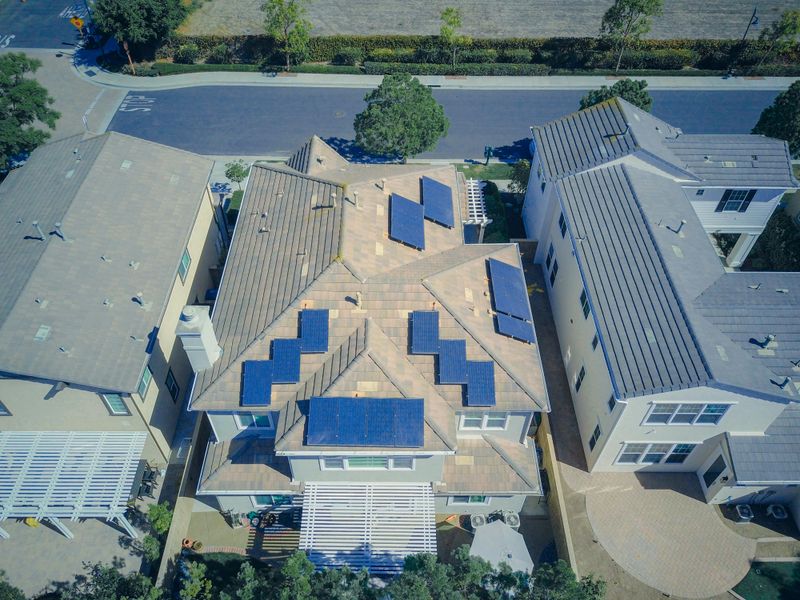
California’s net metering landscape shifted significantly when NEM 3.0 took effect in April 2023, altering how homeowners receive credit for surplus solar energy.
Under the new rules, credits are calculated at the avoided cost rate rather than retail electricity prices, meaning lower compensation for energy sent back to the grid.
This change impacts the financial equation, especially for homeowners without battery storage who rely heavily on selling excess power during peak production hours.
The reduced credit rates extend payback periods compared to systems installed under earlier net metering programs.
Battery storage becomes more valuable under NEM 3.0 since it allows homeowners to store surplus energy and use it during expensive evening hours instead of selling it at lower rates.
Understanding these policy shifts helps homeowners set realistic expectations about savings and return on investment.
Adapting system design to current regulations ensures the solar installation remains economically beneficial despite evolving policies.
5. Comply With Local Permitting And Regulations
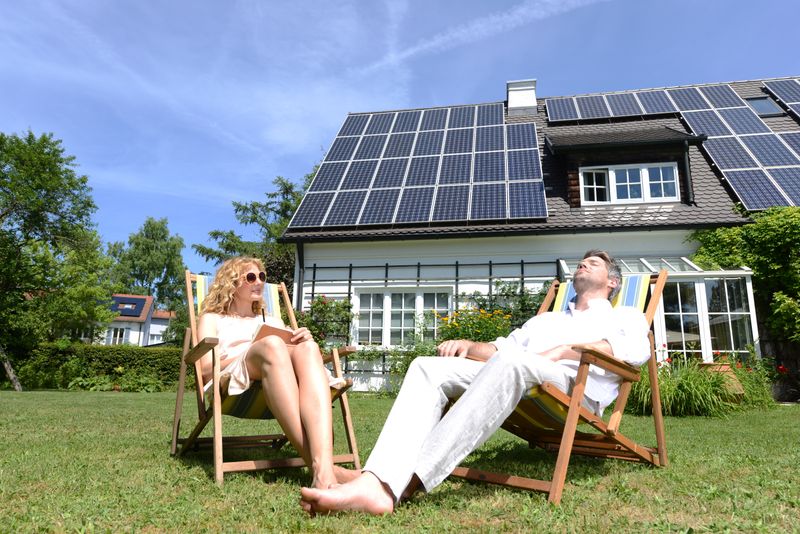
Solar installations in California require building and electrical permits from local jurisdictions before any work begins on the roof.
The permitting process typically takes two to six weeks depending on the city or county, and requirements can vary significantly between different municipalities.
Reputable installers handle all paperwork, submit plans to building departments, and coordinate required inspections throughout the project.
Homeowners should verify their contractor holds proper licenses and understands local codes to avoid delays or compliance issues.
Some cities have specific design standards or historic district restrictions that affect panel placement and visibility from the street.
Final inspections must be completed and approved before the utility company will grant permission to operate the system and connect to the grid.
Navigating this regulatory maze smoothly requires experienced professionals who know California’s complex permitting landscape.
Proper compliance protects homeowners from legal headaches and ensures the system meets all safety standards from day one.
6. Choose A Reputable Solar Installer
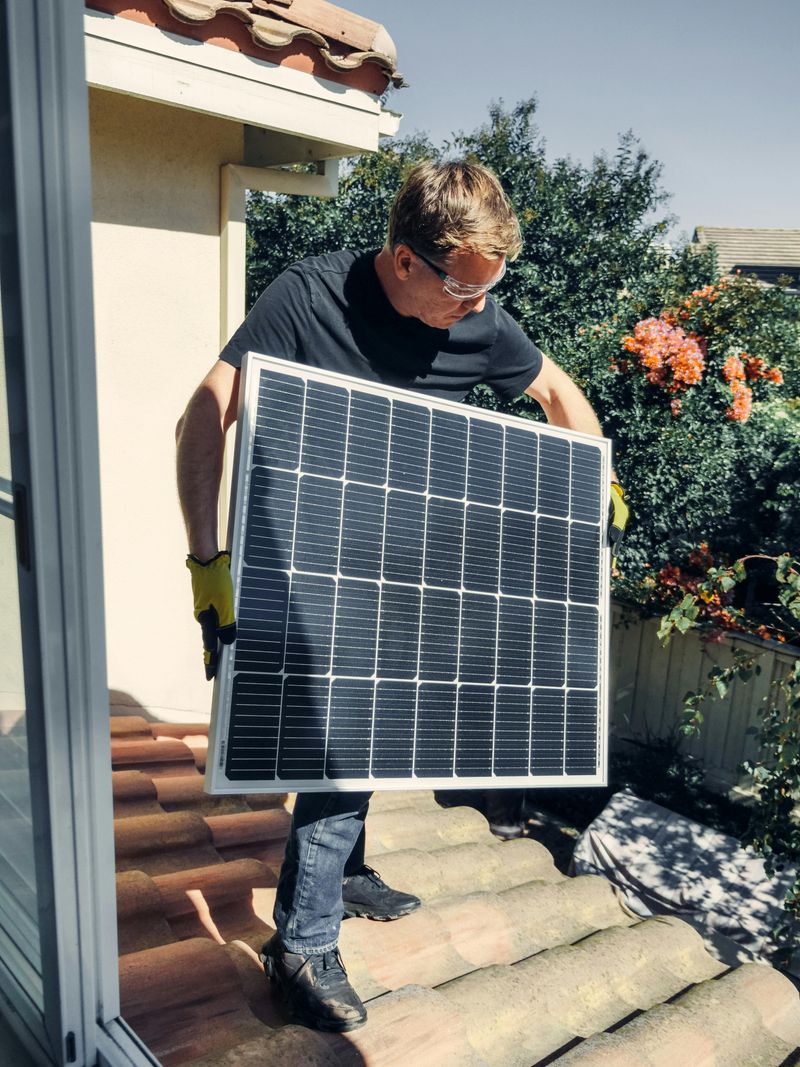
Selecting the right solar contractor makes the difference between a smooth installation and a frustrating experience filled with delays and quality issues.
Licensed and insured installers protect homeowners from liability and demonstrate commitment to professional standards required in California.
Certifications from the North American Board of Certified Energy Practitioners indicate advanced training and expertise in solar system design and installation.
Reading reviews from previous customers reveals patterns in communication, workmanship, and post-installation support that marketing materials never mention.
Obtaining at least three quotes allows homeowners to compare pricing, equipment quality, warranties, and service offerings side by side.
Beware of high-pressure sales tactics or deals that seem too good to be true, as they often signal inexperienced or unreliable contractors.
Investing time in thorough research and vetting ensures the chosen installer delivers quality work, stands behind warranties, and provides reliable service for years to come.
7. Consider Battery Storage Options
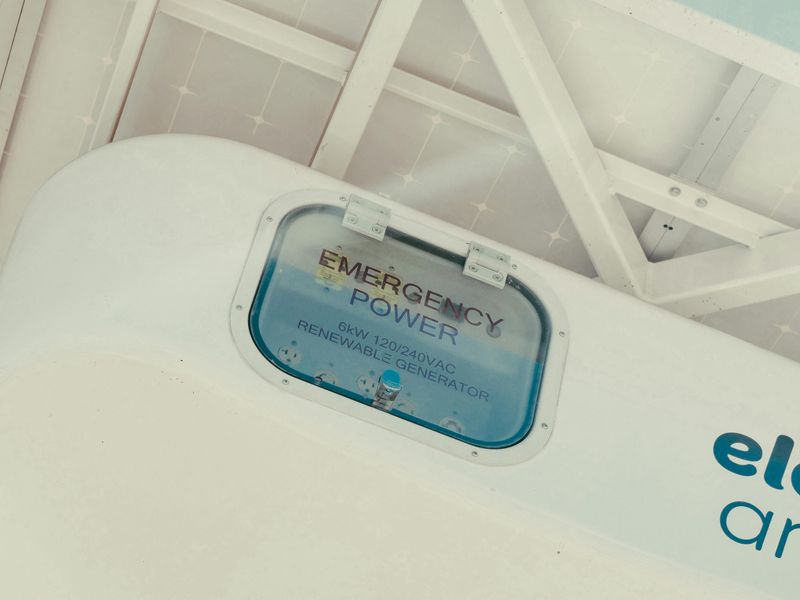
Solar batteries store excess energy generated during sunny days for use when panels aren’t producing electricity, providing backup power during outages and maximizing self-consumption.
California’s frequent power shutoffs during wildfire season make battery storage increasingly valuable for maintaining essential services when the grid goes down.
The Self-Generation Incentive Program offers substantial rebates that reduce battery costs, making storage systems more affordable than ever before.
Batteries also work synergistically with NEM 3.0 by allowing homeowners to avoid selling power at low daytime rates and instead use stored energy during expensive evening hours.
System sizing matters – battery capacity should match household needs during typical outages or peak demand periods without over-investing in unused capacity.
While adding storage increases upfront costs, the combination of resilience, independence, and optimized savings often justifies the investment.
Homeowners who prioritize energy security and maximum financial returns find battery storage an essential component of modern solar systems.
8. Understand Warranties And Maintenance
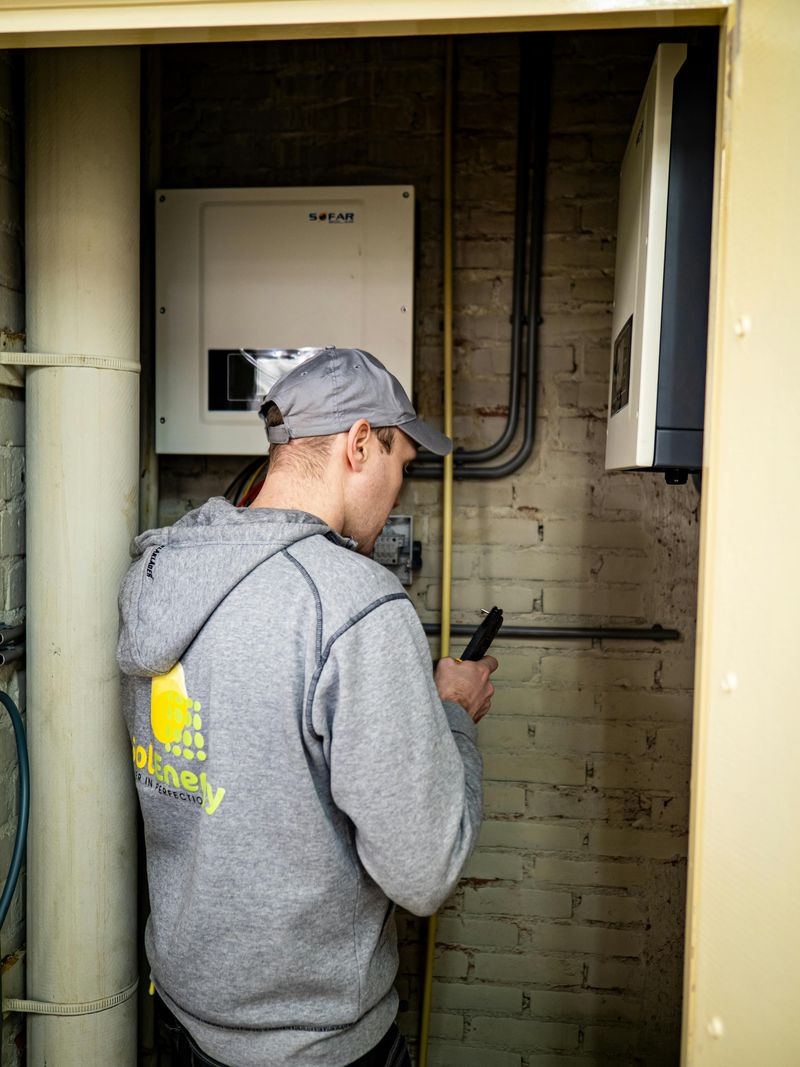
Solar panels typically come with twenty-five-year performance warranties guaranteeing minimum electricity production levels over time, while inverters carry ten to fifteen-year warranties covering equipment failures.
Understanding what these warranties cover – and what they exclude – prevents unpleasant surprises if problems arise years after installation.
Regular maintenance keeps systems performing optimally and extends equipment lifespan; most California homeowners benefit from annual inspections and occasional cleaning to remove dust, pollen, and debris.
Some regions with heavy agricultural activity or coastal salt air may require more frequent attention to maintain peak efficiency.
Monitoring systems alert homeowners to performance drops that could indicate equipment issues or shading problems requiring professional attention.
Reputable installers offer workmanship warranties covering installation quality separate from manufacturer equipment warranties.
Homeowners who maintain detailed records and schedule preventive maintenance protect their investment and ensure the system delivers promised energy production for decades.
9. Evaluate Your Energy Consumption
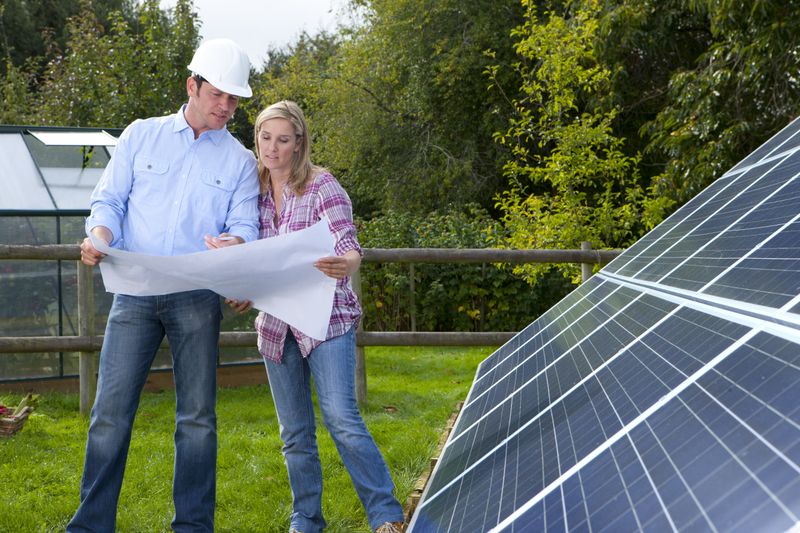
Analyzing current electricity usage patterns helps determine the right system size to meet household needs without overpaying for unnecessary capacity.
California utility bills show monthly consumption in kilowatt-hours, providing the data needed to calculate how many panels will offset typical usage.
Seasonal variations matter – summer air conditioning and winter heating affect energy demands throughout the year, so examining twelve months of bills gives a complete picture.
Future changes like electric vehicles or home additions should factor into sizing decisions since expanding an existing system later costs more than installing adequate capacity initially.
Energy efficiency improvements before going solar reduce the required system size and lower overall costs; simple upgrades like LED lighting and better insulation decrease consumption significantly.
Right-sizing the solar array maximizes return on investment by matching production to actual needs rather than guessing or over-building.
Homeowners who take time to understand their energy profile make smarter decisions that deliver optimal savings and performance.
10. Review The California Solar Consumer Protection Guide
The California Public Utilities Commission publishes a comprehensive Solar Consumer Protection Guide that every homeowner should read before signing installation contracts.
This official resource explains consumer rights, outlines questions to ask potential installers, and identifies warning signs of predatory sales practices.
The guide covers critical topics like understanding contracts, evaluating financing offers, verifying licenses and credentials, and knowing how to file complaints if problems occur.
Taking time to absorb this information empowers homeowners to spot red flags and avoid common pitfalls that trap uninformed buyers.
Armed with knowledge from the protection guide, homeowners can confidently negotiate terms, compare proposals accurately, and make decisions based on facts rather than sales pressure.
The document is freely available online and represents an invaluable tool for protecting both financial interests and legal rights throughout the solar journey.
Informed consumers who reference official guidance make better choices and enjoy smoother, more satisfying solar experiences from start to finish.