7 Indiana Collectibles Losing Value Fast While 3 Are Now Almost Worthless

Basements, attics, and display cases across the state are quietly holding onto disappointment.
Items once praised as smart purchases or future nest eggs are no longer delivering the returns people expected, and the shift has caught many longtime collectors off guard.
Across Indiana, changing tastes, oversaturated markets, and younger buyers with different priorities are reshaping what holds value and what does not.
What once sparked bidding wars now struggles to draw interest, even in excellent condition.
Some pieces have fallen out of favor almost overnight, while others declined slowly as demand faded year after year.
For many Indiana homeowners, these possessions carry memories as much as price tags.
Yet sentiment does not move markets.
Knowing which collectibles are losing traction can make the difference between holding onto clutter and making informed decisions that align with today’s realities.
1. Hummel Figurines
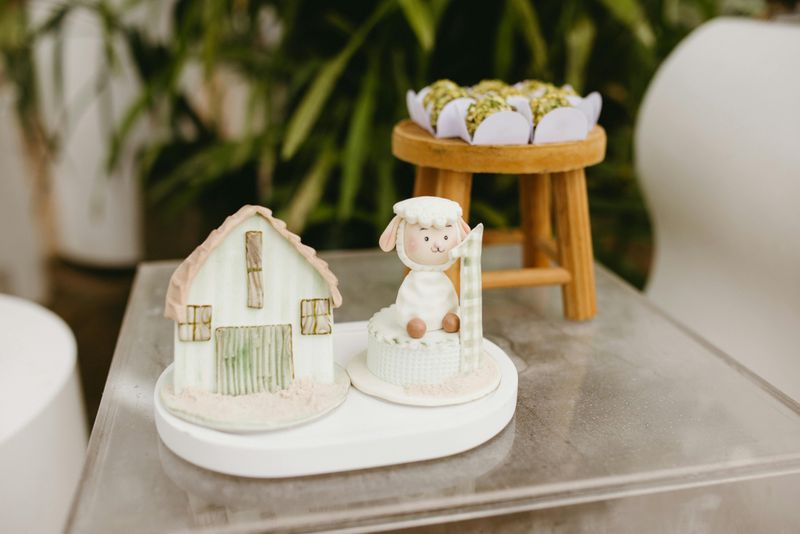
For decades, many Indiana families believed small porcelain figures depicting innocent childhood scenes would steadily gain value while serving as meaningful heirlooms.
Collectors proudly displayed these items in glass cabinets, convinced their European craftsmanship and sentimental charm ensured lasting demand across future generations.
As tastes shifted toward minimalism and functional décor, younger buyers increasingly viewed these figurines as outdated reminders of grandparents’ decorating styles.
Estate sales throughout Indiana released thousands of nearly identical pieces into an already shrinking market, causing resale prices to drop sharply.
Online marketplaces now show far more listings than interested buyers, even for examples kept in excellent condition with original packaging.
Storage costs, fragility, and declining interest have made selling these items frustrating and financially disappointing for longtime collectors.
What once symbolized refinement and tradition now struggles to compete in a collectibles market driven by modern relevance rather than nostalgia.
2. Longaberger Baskets
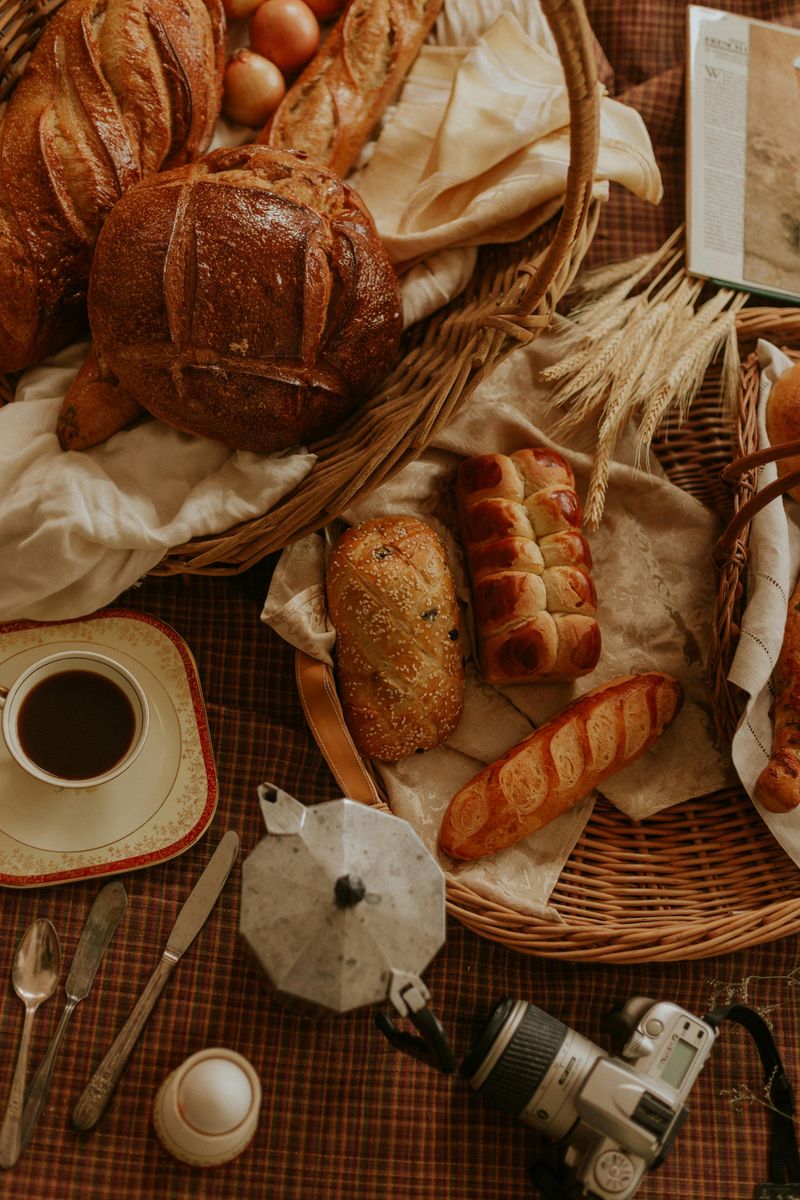
During the 1990s, handwoven baskets became a cultural phenomenon across Indiana, supported by home parties and powerful brand-driven community marketing.
Buyers were encouraged to believe that American craftsmanship and limited releases would ensure long-term appreciation and resale demand.
Entire households invested heavily, often dedicating significant storage space to expanding coordinated basket collections.
When the company eventually closed, consumer confidence declined rapidly and resale markets were overwhelmed with surplus inventory.
Changing home décor trends emphasizing simplicity and concealed storage further reduced interest among younger homeowners.
Garage sales and thrift stores frequently price these baskets at only a few dollars regardless of original cost or condition.
The baskets remain durable and functional, but their perceived investment value has largely disappeared.
3. Precious Moments Figurines
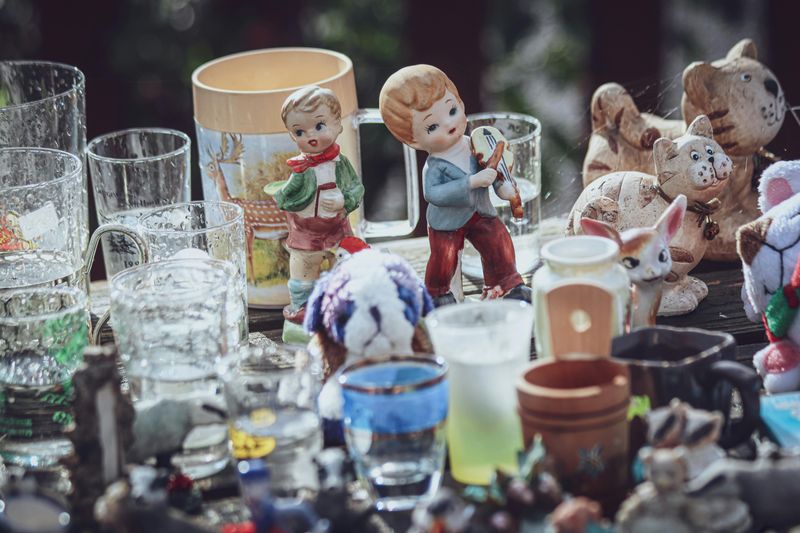
Throughout the 1980s and 1990s, sentimental figurines featuring teardrop-eyed characters dominated gift shops across Indiana.
Collectors associated these pieces with emotional milestones such as births, weddings, graduations, and religious celebrations.
Despite strong emotional appeal, production levels far exceeded sustainable collector demand over the long term.
As gift-giving habits evolved, fewer consumers sought figurines as meaningful keepsakes or decorative accents.
Online resale platforms reveal stagnant listings and sharply reduced prices across most designs.
Even discontinued or limited pieces often fail to attract competitive bidding from modern buyers.
Emotional nostalgia now outweighs realistic resale expectations for many longtime collectors.
4. Collector Plates
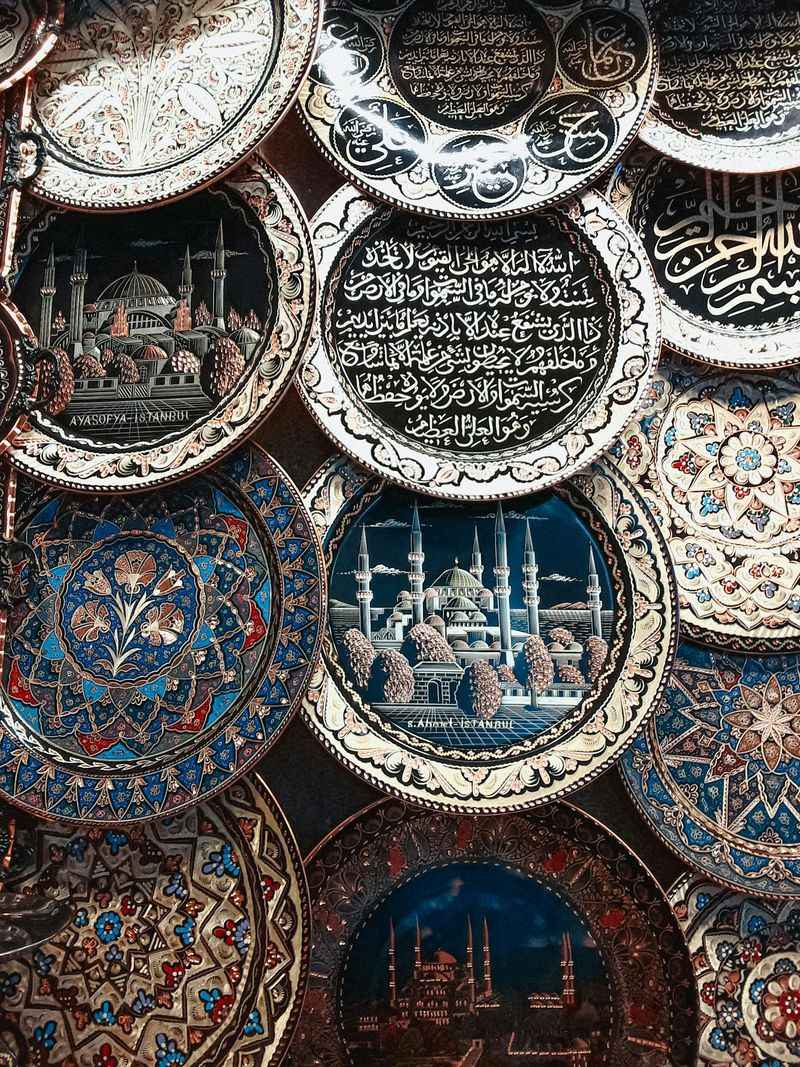
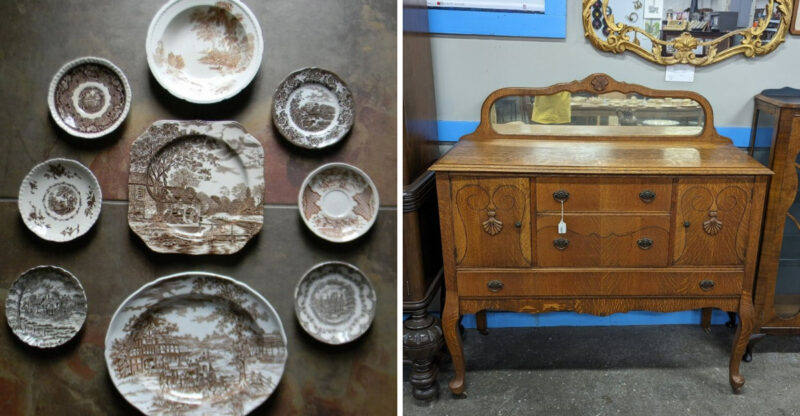
Aggressive advertising once convinced many Indiana households that decorative plates represented secure long-term investments rather than novelty items.
Manufacturers emphasized artificial scarcity, historical themes, and promises of appreciation to drive recurring purchases.
In practice, production volumes were far greater than consumers realized at the time of purchase.
Most plates served no practical function beyond wall display or cabinet storage in private homes.
As interior styles shifted away from themed decoration, buyer interest declined dramatically across secondary markets.
Thrift stores frequently refuse donations due to oversupply and extremely limited consumer demand.
Collector plates now illustrate how marketing narratives can distort investment expectations over long periods of time.
5. Mass-Produced Reproduction China Cabinets
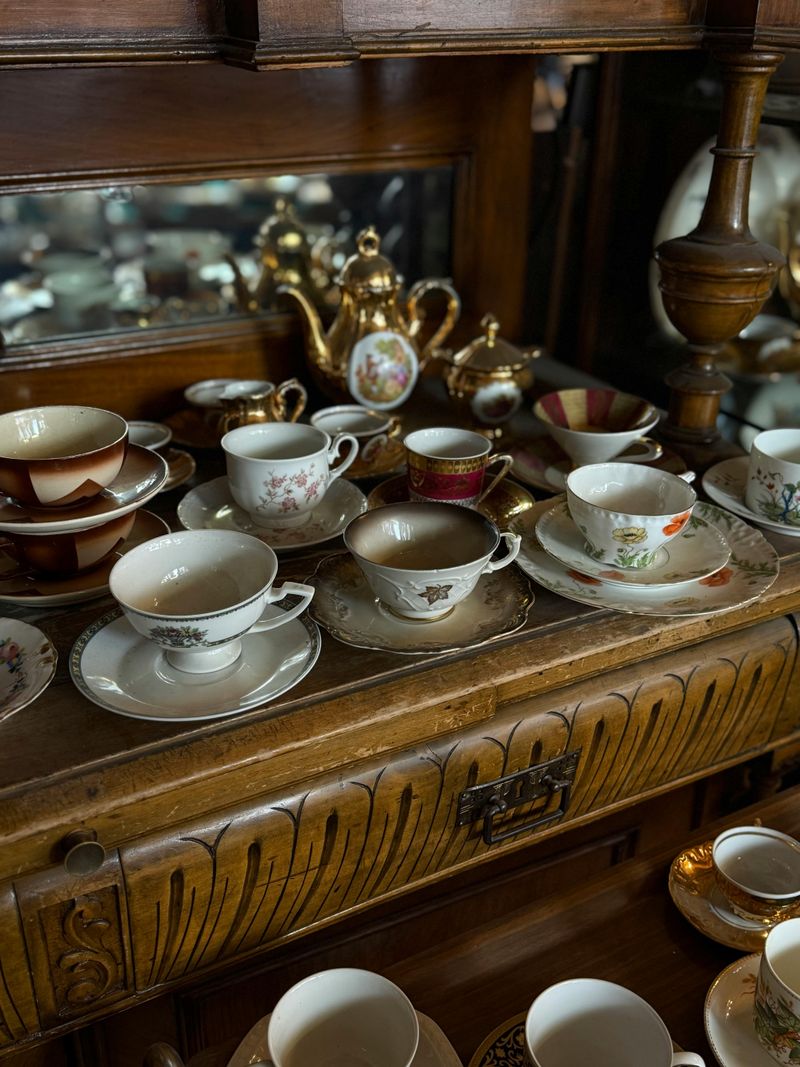
Formal dining furniture once symbolized stability and refinement in Indiana households, particularly pieces designed to resemble antiques.
Many cabinets were sold as heirloom-quality furniture despite being mass-produced using lower-grade materials and modern manufacturing techniques.
Modern living spaces prioritize flexibility, light, and multifunctional design rather than formal display furniture.
Smaller homes and open floor plans further reduce demand for large cabinets requiring dedicated dining spaces.
Transportation challenges discourage potential buyers from considering secondhand purchases of heavy furniture items.
Online listings often include free delivery offers without generating meaningful buyer interest.
These cabinets now occupy storage spaces rather than dining rooms in many homes.
6. Overly Ornate French Provincial Dressers
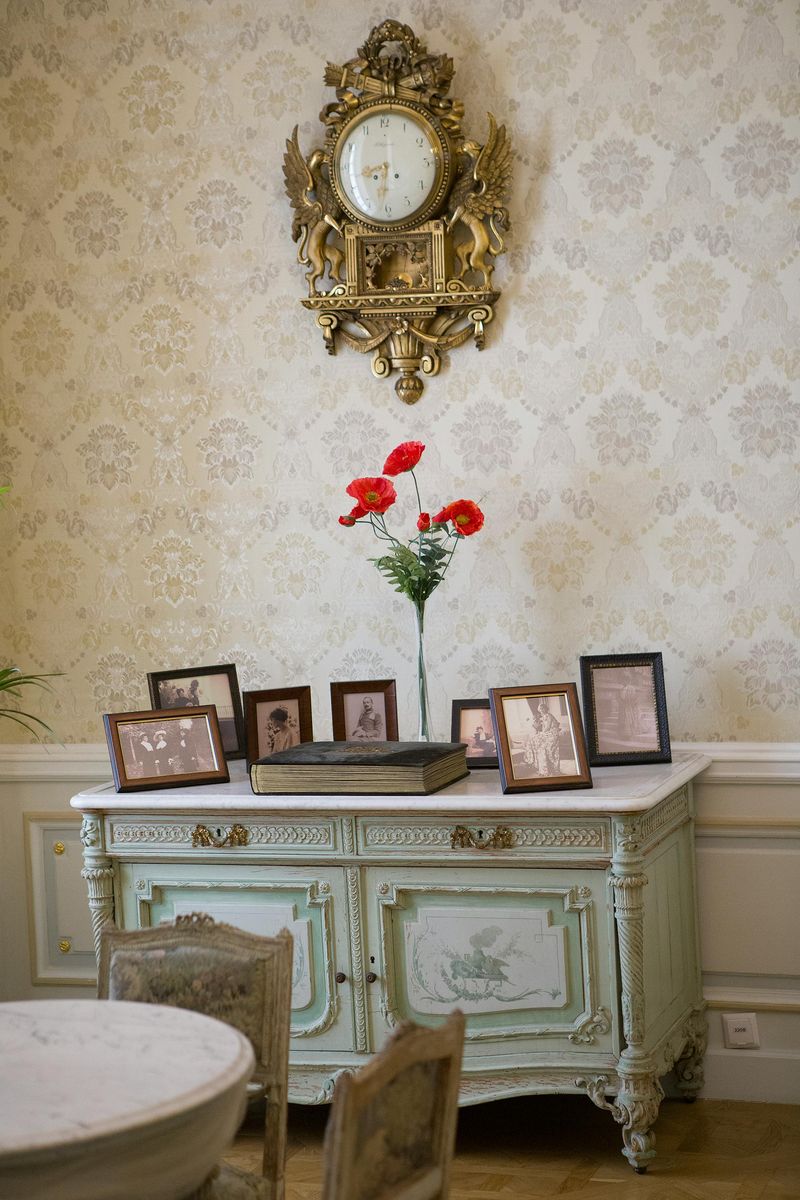
Bedroom furniture featuring elaborate carvings and curved silhouettes once represented sophistication in Indiana homes.
At the time of purchase, ornate detailing was associated with craftsmanship, elegance, and long-lasting luxury.
Contemporary buyers now prefer clean lines and visually lighter furniture designs for functional living spaces.
Heavy construction makes moving these pieces physically challenging, time-consuming, and financially expensive.
Even deeply discounted prices rarely attract interested buyers in modern resale markets.
Many owners struggle to donate or resell these dressers locally through traditional channels.
Design trends have rendered decorative excess impractical for modern lifestyles focused on efficiency.
7. Tuscan-Style Scrollwork Mirrors
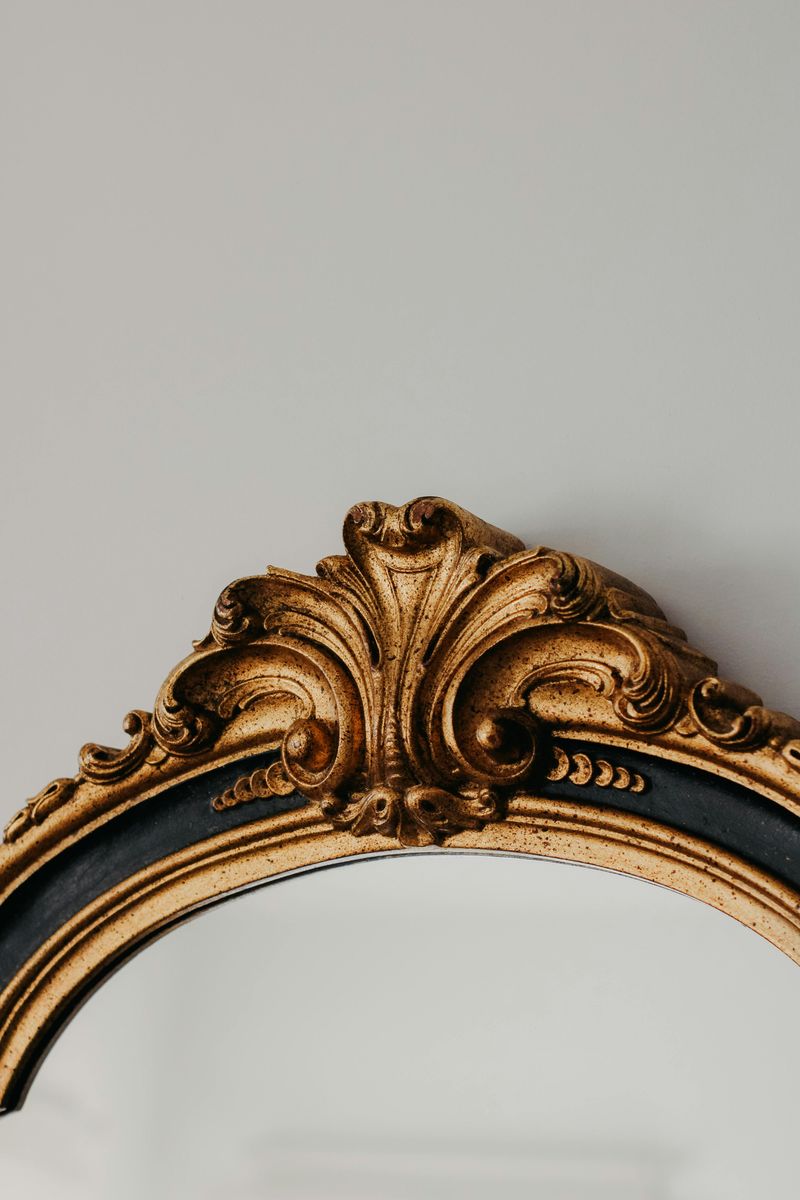
During the early 2000s, Mediterranean-inspired décor dominated Indiana homes seeking warmth and visual drama.
Large mirrors featuring heavy scrollwork were marketed as timeless statement pieces suitable for upscale interiors.
Design preferences have since shifted toward Scandinavian and farmhouse aesthetics emphasizing simplicity.
Elaborate frames now appear visually overwhelming in modern interiors designed around minimal ornamentation.
Resale listings frequently remain unsold for extended periods across multiple online platforms.
Homeowners often store or discard these mirrors rather than sell them secondhand.
Trend-driven décor has proven especially vulnerable to rapid depreciation as tastes evolve and fashions change quickly.
8. Vintage Avon Bottles

Novelty cologne containers shaped like animals, cars, and historical figures were once widely displayed in Indiana homes as decorative conversation pieces.
Many collectors genuinely believed the unusual designs and recognizable branding would guarantee long-term appreciation and strong resale demand.
Over time, interest declined significantly as younger generations showed little connection to promotional collectibles tied to door-to-door sales models.
Large quantities of identical bottles remained preserved, creating an oversupply that continues to suppress secondary market prices.
Online resale platforms consistently show minimal buyer activity even for complete sets in original packaging.
Most examples now sell for only a few dollars, disappointing owners who carefully stored them for decades.
These items demonstrate how novelty alone rarely sustains collectible value without enduring cultural relevance.
9. Depression Glass

Colored glassware produced during the 1930s once held an important place in Indiana antique shops and inherited family collections.
Collectors valued these pieces for their historical background, distinctive colors, and connection to everyday domestic life during economic hardship.
As multiple generations passed, large numbers of inherited items entered the resale market simultaneously.
Common patterns became widely available, eliminating the scarcity that once supported higher prices.
Younger buyers increasingly prefer neutral, minimalist tableware rather than brightly colored vintage glass.
Only exceptionally rare patterns now command meaningful prices among specialized collectors.
This category illustrates how oversupply can erode value despite genuine historical significance.
10. Heavy Mahogany Curio Cabinets
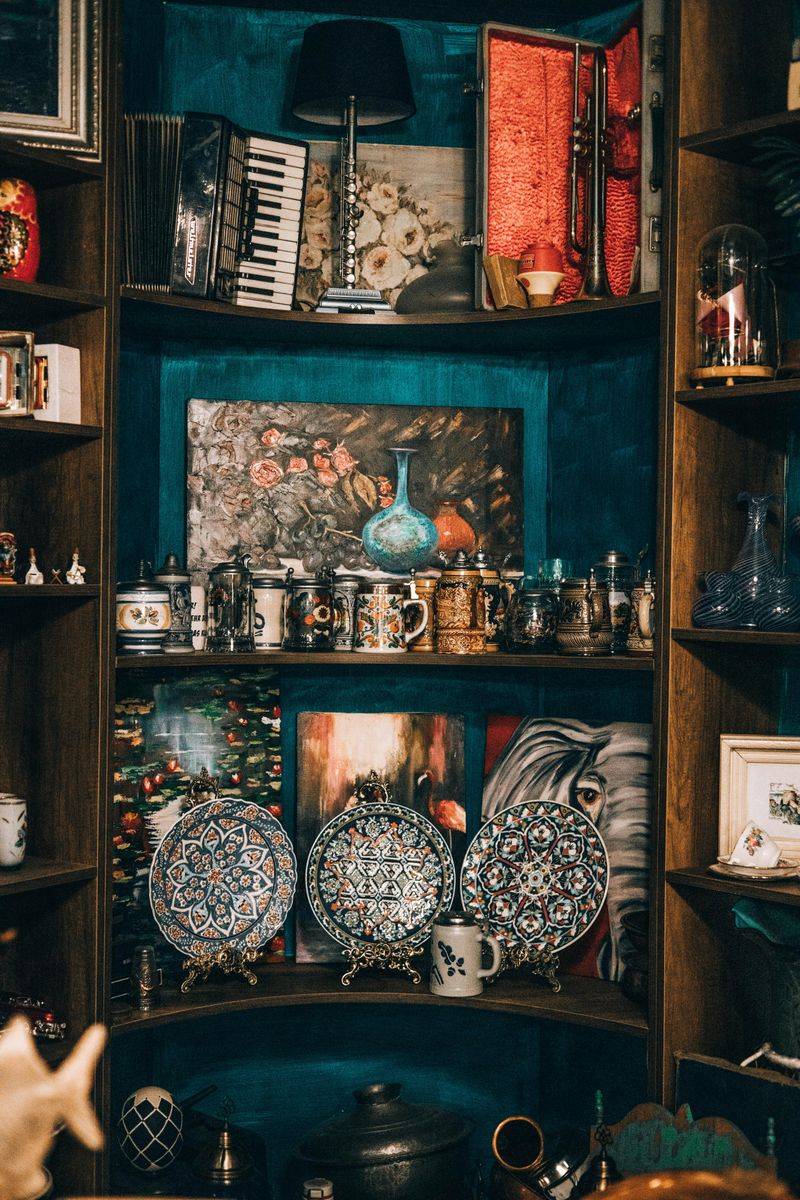
Large display cases made from dark wood were once considered essential status symbols in Indiana living rooms and formal family spaces.
These cabinets were purchased to showcase collectibles, china, and heirlooms while signaling stability, tradition, and long-term household success.
Modern interior design trends now prioritize lighter materials, open layouts, and flexible furniture that serves multiple everyday functions.
The extreme weight and size of these cabinets make transportation difficult and discourage nearly all secondhand buyers.
Many homeowners discover that even offering these pieces for free fails to generate meaningful interest.
Professional removal or disposal costs often exceed any realistic resale value by a significant margin.
This furniture category demonstrates how changing lifestyles can completely erase demand for once-dominant household furnishings.