4 Indiana Collectibles The Market Is Moving Away From And 5 Toward

Auction catalogs and display shelves once told a very different story.
Items that were chased fiercely and priced confidently are now meeting quieter rooms and softer bids, leaving many longtime owners surprised by how much the market has shifted.
Across Indiana, collecting habits are changing as new generations bring different tastes and priorities.
What once felt essential now struggles for attention, while a smaller group of pieces continues to attract steady interest and rising demand.
Nostalgia alone no longer drives value. Understanding these shifts matters more than ever for Indiana collectors.
Knowing which items are losing traction and which still command respect can mean the difference between holding onto history and holding onto something the market has quietly moved past.
1. Depression Glass
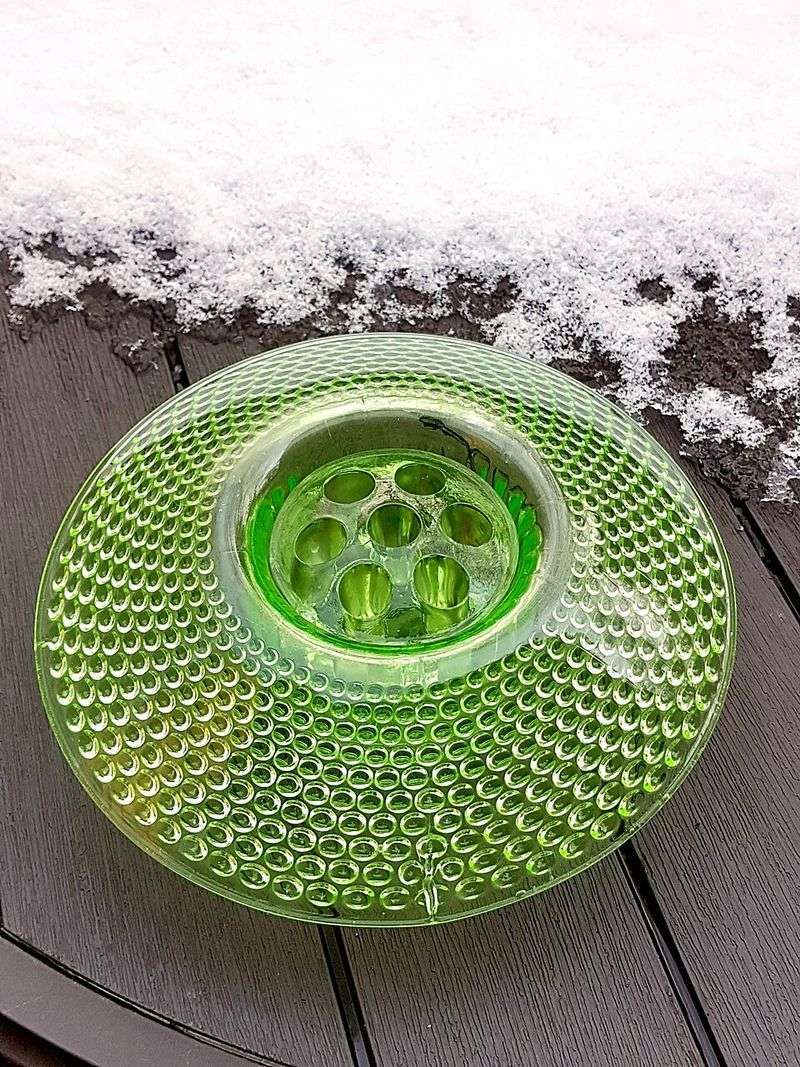
Depression glass collections across Indiana are declining in value as younger collectors favor minimalist styles over ornate vintage tableware today.
Once highly prized during antique booms, these mass produced pieces now struggle to attract buyers willing to pay premium prices.
Estate sales throughout Indiana increasingly feature boxes of Depression glass selling cheaply despite decent condition and nostalgic family associations memories.
Market oversaturation caused by decades of collecting has reduced scarcity, making common patterns especially vulnerable to price declines nationwide today.
Collectors attempting to sell inherited sets often discover replacement values barely cover storage effort, shipping costs, or selling fees anymore.
Online marketplaces further depress prices by allowing endless supply comparisons that eliminate regional rarity advantages entirely for many sellers today.
Only unusual colors, limited runs, or documented provenance pieces retain modest interest among specialized collectors within Indiana markets today.
Without strong crossover appeal, Depression glass faces continued decline as decorative preferences evolve toward simplicity among younger Indiana buyers now.
Sellers hoping for investment returns may need to adjust expectations significantly when pricing these once beloved household items realistically today.
2. Hummel Figurines
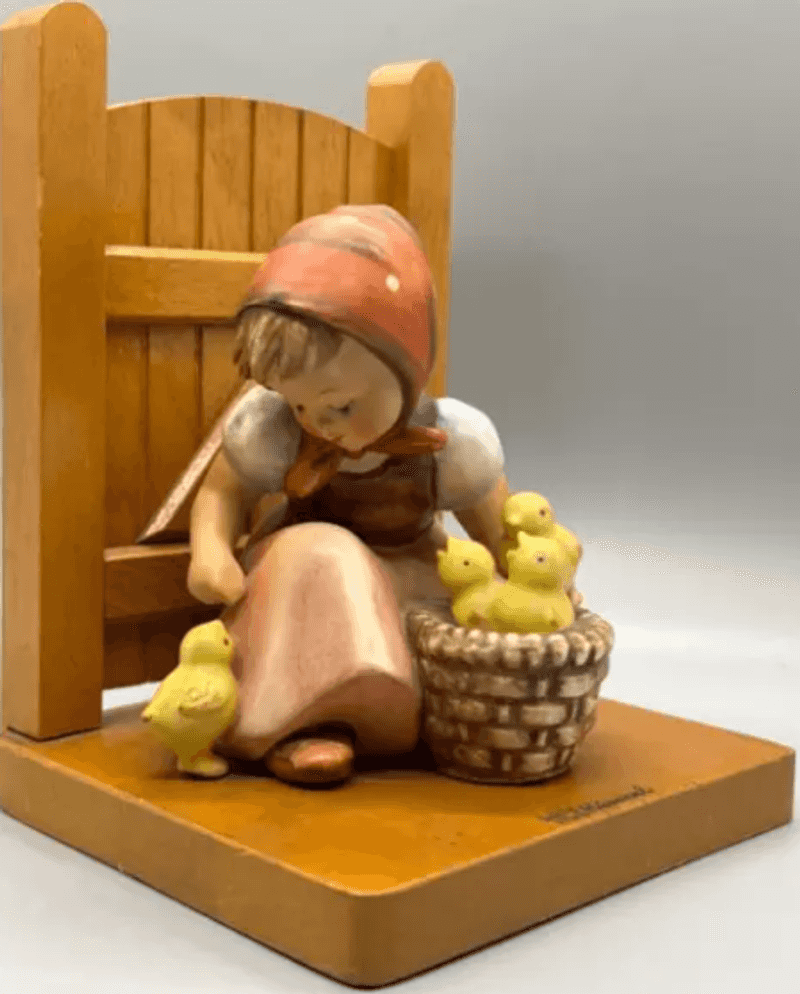
Hummel figurines once cherished across Indiana are steadily losing value as generational tastes shift away from sentimental collectibles today nationwide.
These porcelain figures dominated curio cabinets for decades, but declining demand has dramatically softened secondary market prices across Indiana collectors.
As baby boomers downsize estates, supply increases while younger buyers show limited interest in traditional figurine displays throughout Indiana today.
Dealers frequently report difficulty selling even pristine examples despite steep discounts and prominent antique mall placement across central Indiana markets.
Sentimental family value remains high, but collectors increasingly separate emotional meaning from financial investment potential when evaluating Hummel figurines today.
Limited production markings and artist variations rarely overcome broader market disinterest affecting long term appreciation across Midwestern collector communities today.
Auction results consistently show declining hammer prices even for complete themed sets once considered premium within Indiana auction houses recently.
Fewer new collectors entering the hobby reduces competitive bidding pressure that once supported strong resale values for Hummel figurines statewide.
3. Beanie Babies
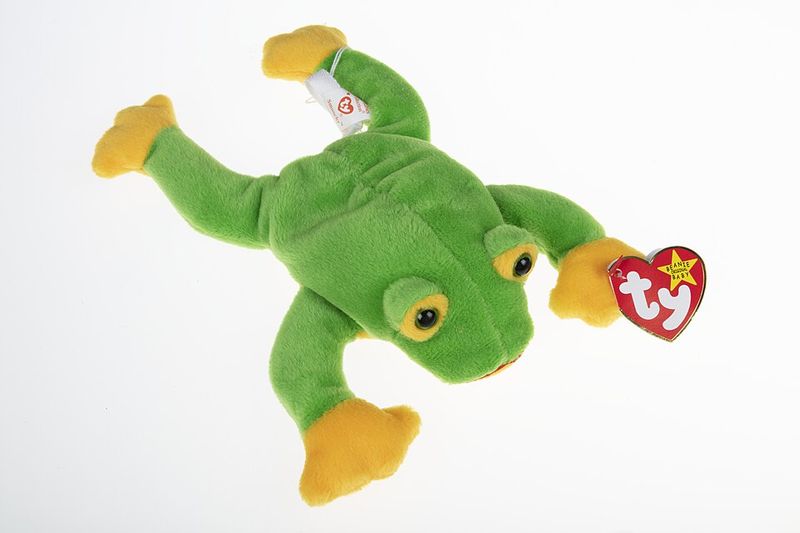
Toys that once fueled speculative frenzy now represent one of Indiana’s most dramatic collectible market collapses in recent decades.
Mass production combined with artificial scarcity marketing ultimately flooded the market and destroyed long term value for most Beanie Babies.
Most examples sell online for minimal amounts, often below original retail prices paid decades ago by Indiana families today sadly.
Only extremely rare authenticated variants command meaningful prices, and those remain exceptions rather than norms within the broader Beanie market.
Attics, basements, and storage units across Indiana remain filled with collections once expected to fund futures for many families statewide.
Generational turnover has sharply reduced nostalgia driven demand, leaving supply vastly exceeding collector interest across online resale platforms today nationwide.
Media coverage of rare high value examples continues misleading casual sellers about realistic pricing expectations within Indiana resale markets today.
Condition damage, missing tags, and production commonality further erode potential returns for most remaining pieces owned by Indiana collectors today.
The Beanie Baby collapse remains a cautionary tale about hype driven collecting strategies for Indiana investors and collectors alike today.
4. Encyclopedia Sets
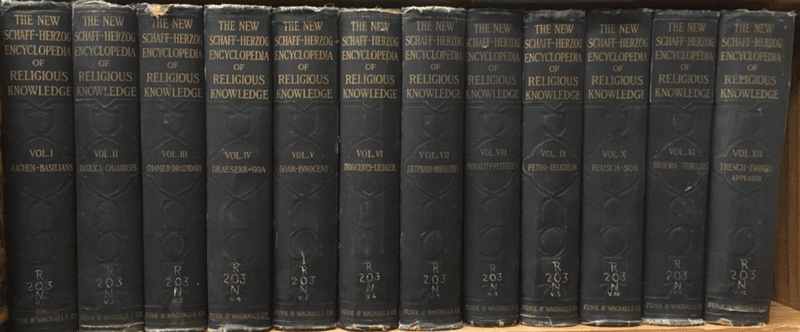
Large encyclopedia sets once represented education, status, and aspiration in Indiana households, but their value has declined sharply in the digital information age.
Before widespread internet access, these volumes were essential reference tools proudly displayed in family living rooms across Indiana homes.
Today, online search engines and digital encyclopedias have rendered printed reference sets largely obsolete for everyday research needs.
Thrift stores across Indiana frequently refuse donations because full sets consume significant shelf space without reliable resale demand.
Even well preserved leather bound editions struggle to attract buyers willing to pay more than nominal amounts today.
Younger generations rarely view encyclopedias as useful or decorative objects within modern homes.
Shipping costs further discourage resale because of the extreme weight and bulk of complete sets.
Educational institutions no longer rely on physical reference books, reducing institutional demand significantly statewide.
Collectors who once specialized in rare editions now face limited buyer pools and slow turnover.
Despite craftsmanship and historical value, encyclopedia sets no longer align with how knowledge is accessed or valued in Indiana today.
5. Indianapolis 500 Memorabilia
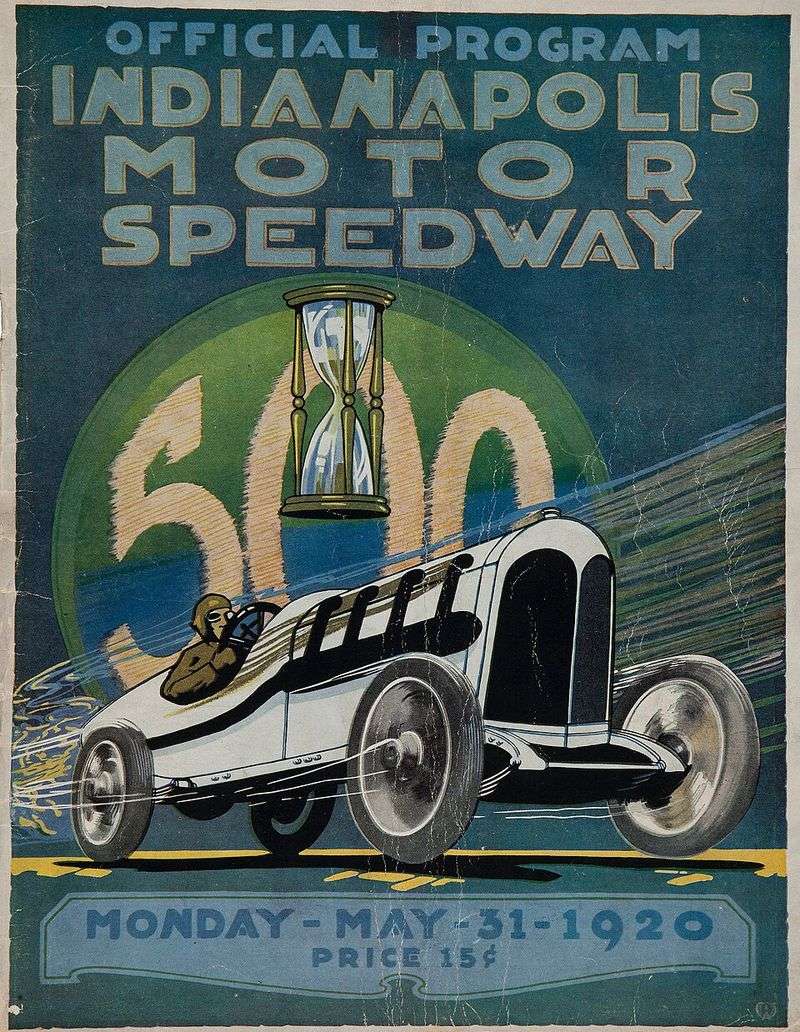
Racing memorabilia connected to the Indianapolis 500 continues gaining value as motorsports history becomes increasingly collectible and globally recognized.
Items associated with early races or legendary drivers attract intense interest from both Indiana collectors and international buyers alike today.
Vintage programs, ticket stubs, photographs, and race worn items from pre nineteen seventy eras command premium auction prices.
The approaching centennial milestones of the event further amplify historical significance and collector enthusiasm worldwide.
Indiana residents benefit from local provenance, which adds credibility and appeal to authenticated memorabilia pieces significantly.
Signed items linked to iconic drivers often experience competitive bidding at specialized motorsports auctions.
Unlike mass produced souvenirs, authentic race related artifacts maintain limited supply and sustained demand.
Global interest in IndyCar racing supports long term appreciation beyond regional markets.
Condition, documentation, and verified authenticity play critical roles in determining resale value within this category today.
Experts widely agree Indianapolis 500 memorabilia remains one of Indiana’s strongest and most reliable collectible investment categories currently.
6. Fiesta Ware
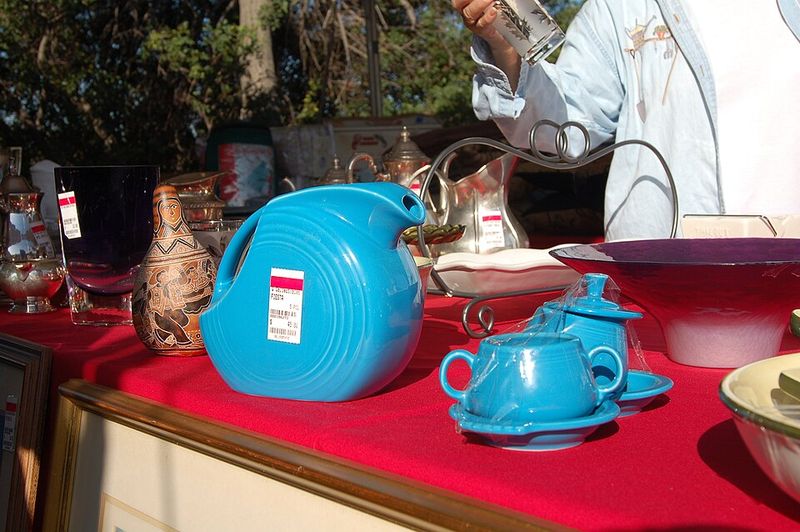
Fiesta Ware has experienced a strong resurgence in Indiana as collectors rediscover colorful design, durability, and nostalgic American craftsmanship.
Originally introduced during the Great Depression, these bright ceramic pieces were designed to bring optimism into everyday households nationwide.
Indiana collectors actively seek original pieces from the nineteen thirties and nineteen forties, especially rare glaze colors like red and cobalt.
Mid century modern enthusiasts have fueled renewed demand as bold colors return to interior design trends.
Complete place settings and matching serving pieces command higher prices due to scarcity and cohesive presentation appeal.
Condition remains critical, with chips, cracks, or fading significantly impacting resale value within competitive collector markets today.
Estate sales across Indiana increasingly highlight Fiesta Ware as premium items rather than everyday kitchenware.
Online marketplaces have expanded national and international demand for authentic vintage pieces from Indiana collections.
Collectors appreciate that Fiesta Ware blends decorative appeal with functional usability in modern homes.
Experts predict continued appreciation as supply tightens and design trends favor colorful, durable American made ceramics today.
7. Redware Pottery
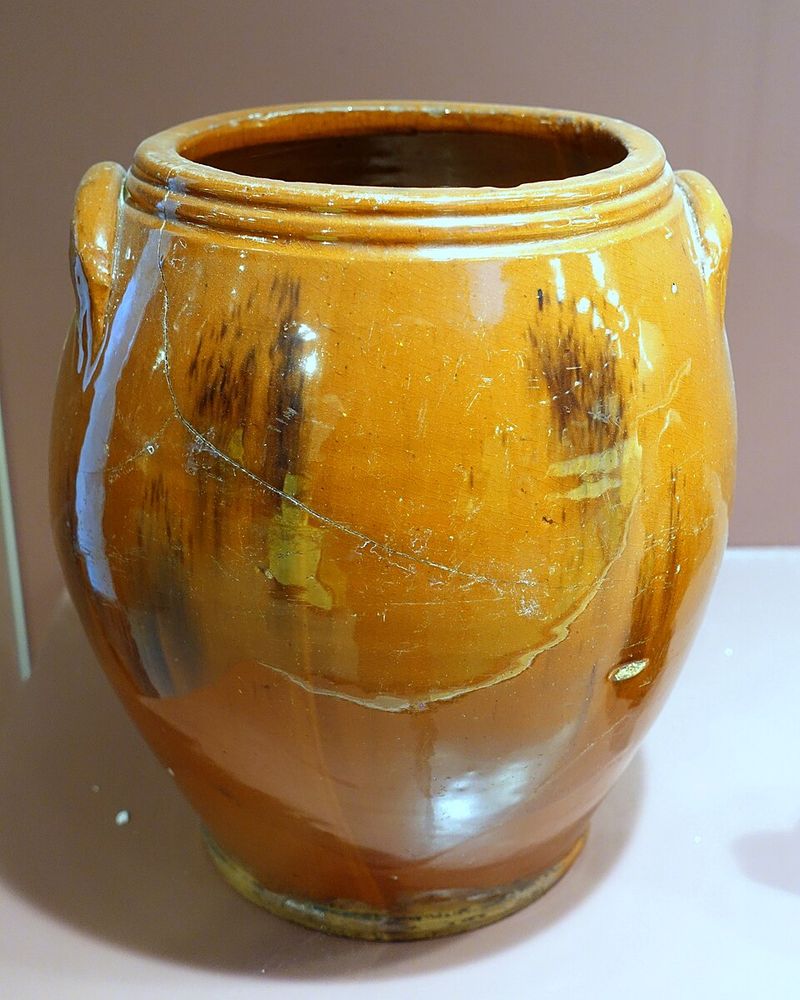
Pottery crafted by early Indiana artisans continues rising in value due to its authenticity historical significance and handcrafted uniqueness.
These rustic earthenware pieces represent early American domestic life and regional craftsmanship highly prized by folk art collectors.
Indiana based redware often features distinctive glazing techniques and forms that reflect local materials and traditions.
Collectors place high value on signed or well documented examples linked to known Indiana pottery makers.
Auction prices frequently reach several thousand dollars depending on condition rarity and provenance documentation.
Unlike mass produced ceramics, each redware piece carries subtle imperfections that enhance authenticity and appeal.
Museums and private collectors compete for high quality examples, limiting availability on the open market.
Redware’s earthy tones align with modern interest in natural materials and historical design aesthetics.
Indiana’s strong regional identity further elevates demand for locally produced folk art objects.
Market specialists expect redware pottery to remain a strong appreciating collectible within Midwestern antique circles.
8. Vintage John Deere Toys
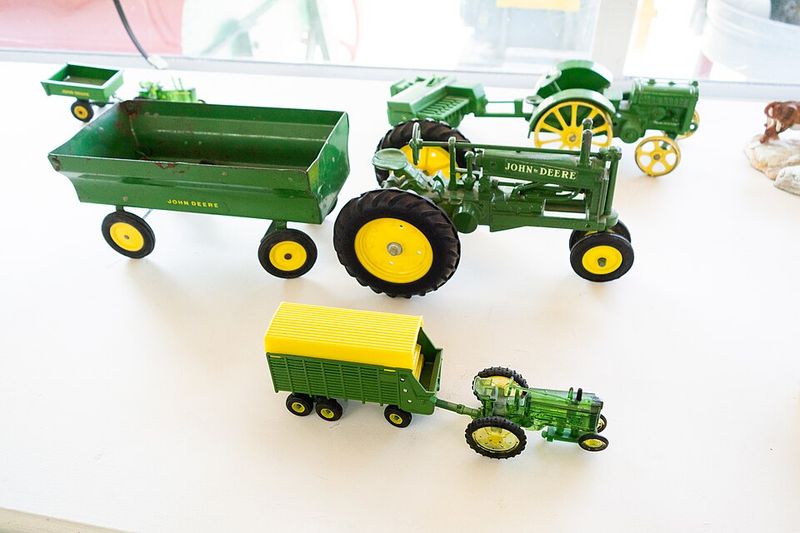
These toys are steadily increasing in value as agricultural history gains recognition among collectors throughout Indiana and beyond.
These die cast tractors and farm implements evoke strong nostalgia for rural life and childhood memories among adult collectors today.
Indiana’s agricultural heritage contributes significantly to sustained local interest in farm toy collecting communities statewide.
Original pieces produced between the nineteen fifties and nineteen seventies are especially desirable due to durability and design accuracy.
Mint condition examples with original boxes command premium prices at specialized farm toy auctions.
Limited production runs and discontinued models increase scarcity and competitive bidding among serious collectors.
Restored or repainted toys typically sell for less, making originality critical for investment value.
National collector networks have expanded demand beyond regional markets through online auctions.
Younger collectors are entering the market, driven by nostalgia and family farming traditions.
Experts forecast continued appreciation for authentic John Deere toys as agricultural collectibles gain mainstream recognition.
9. Mid-Century Modern Furniture

Furniture values in Indiana have softened after years of explosive growth driven by widespread popularity and aggressive collecting trends.
Danish credenzas, low profile sofas, and molded chairs once commanded premium prices as demand surged beyond available supply statewide.
As more baby boomers downsize, large quantities of mid-century furniture have entered the resale market simultaneously.
Increased availability has reduced scarcity, weakening seller leverage and moderating prices across Indiana antique and vintage markets.
Younger buyers increasingly favor newer styles, blending mid-century influences rather than seeking original vintage investment pieces.
Reproductions and inspired designs have also diluted demand for authentic originals.
Furniture condition issues such as veneer damage or outdated finishes further impact resale values today.
Shipping costs and space constraints discourage long distance buyers from pursuing large furniture purchases.
While iconic designer pieces still retain value, average mid-century furniture no longer commands previous peak prices.
Experts believe values will stabilize at lower levels rather than experience renewed explosive growth within Indiana markets.