Indiana Dinner Etiquettes From The 1960s That Feel Totally Foreign Today

Dinner tables in 1960s Indiana looked a whole lot different than what we see today.
Families followed strict rules about everything from how to sit to what you could drink with your mashed potatoes.
Back then, mealtime wasn’t just about eating food, it was about teaching respect, building family bonds, and learning proper manners that would last a lifetime.
Scrubbing Up Before Supper

Before anyone could even think about touching a fork, kids had to wash their hands until they sparkled.
Hair needed combing, faces required scrubbing, and clothes had to look presentable.
Parents checked everyone carefully before allowing them to sit down.
Showing up with dirty fingernails or messy hair meant getting sent right back to the bathroom.
This routine taught children that mealtime deserved respect and preparation.
The cook worked hard to prepare the food, so everyone needed to show gratitude by looking their best.
Modern families rarely enforce such strict pre-dinner grooming standards.
Today, kids might wander to the table straight from playing outside.
Back then, cleanliness signaled appreciation for both the meal and the effort behind it.
Hats Off At The Dinner Table

Wearing a hat indoors during dinner was considered deeply disrespectful in 1960s Indiana homes.
Everyone removed their caps, bonnets, or fedoras the moment they entered the dining space.
This simple gesture showed proper manners and allowed family members to make eye contact during grace.
Keeping your head covered suggested you planned to leave soon, which felt rude during a family gathering.
Young boys especially needed reminding to take off their baseball caps before sitting down.
The rule applied to everyone, regardless of age or gender.
Nowadays, many people wear hats throughout meals without a second thought.
Some restaurants even embrace casual hat-wearing as part of modern style.
Sixty years ago, though, bare heads at the table demonstrated good breeding and consideration.
Blessing The Meal Together

Families paused before eating to say a blessing over their food.
Everyone bowed their heads while one person, usually the father, led a short prayer of thanks.
This moment brought the family together in gratitude and mindfulness.
Grace reminded everyone to appreciate not just the food, but also the people gathered around the table.
Children learned patience by waiting quietly during the blessing.
Some families held hands while others simply folded theirs in their laps.
The practice created a peaceful transition from the busy day to focused family time.
Today, fewer households observe this tradition regularly.
Many families skip the blessing entirely or only say grace on holidays.
Back then, starting a meal without giving thanks felt incomplete and disrespectful to many Indiana families.
Father Gets Served First
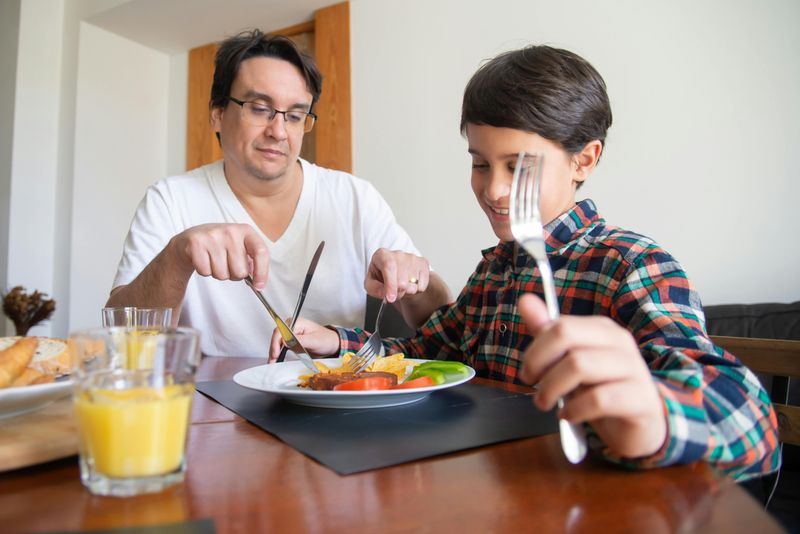
The head of the household always received his plate before anyone else could eat.
Usually, the father gets the first serving, followed by any guests, then children.
This serving order reinforced respect for elders and family structure.
Kids understood that patience and honoring their parents were important values.
Mothers often prepared the plates in the kitchen and brought them out in this specific order.
Nobody complained about waiting their turn because the rule was simply understood and accepted.
Modern families typically serve everyone at once or let people help themselves buffet-style.
The hierarchical approach feels outdated to many people today.
However, in 1960s Indiana, this practice taught children about respect, order, and recognizing the contributions of family leaders.
Milk Was The Only Choice

Cold milk accompanied almost every dinner in Indiana homes during the 1960s.
Children, especially, were expected to drink milk rather than soda or juice.
Parents believed milk built strong bones and healthy bodies, making it the superior mealtime beverage.
Soda was reserved for birthday parties, picnics, or other special celebrations.
Asking for pop at dinner would likely earn a firm no from mom or dad.
The refrigerator always held fresh milk, often delivered right to the doorstep in glass bottles.
Today, kids drink everything from lemonade to flavored water with their meals.
Many families keep soda readily available for everyday consumption.
Back then, milk ruled the dinner table as the wholesome, nutritious choice that every growing child needed for proper development.
Television Stays Off During Dinner
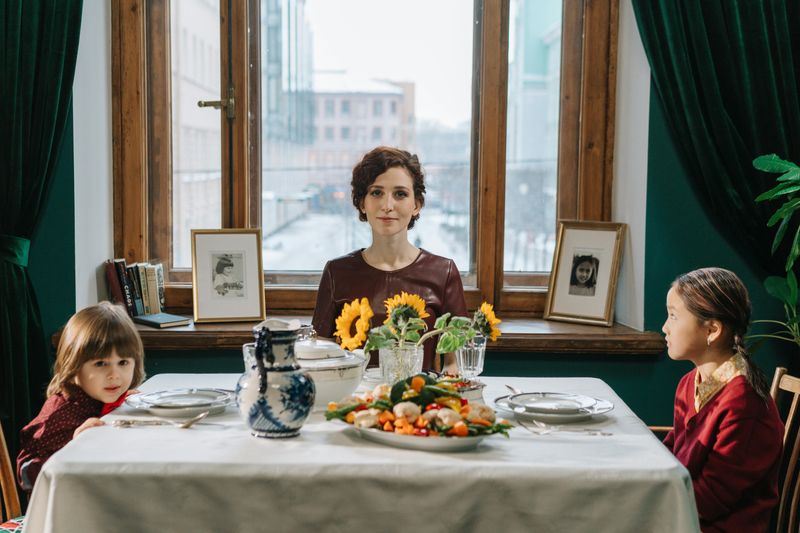
When dinner started, the television went silent.
Families gathered around the table without any background noise or visual distractions.
This rule encouraged real conversations and helped family members connect with each other.
Parents asked kids about their school day, and everyone shared stories from their activities.
The TV might have been showing a favorite program, but dinner time took priority over entertainment.
Children learned to value face-to-face communication over screen time.
Modern families often eat with the television playing or while scrolling on phones.
Many households barely share a meal together without some form of media present.
In 1960s Indiana, though, mealtime meant togetherness, eye contact, and genuine conversation without electronic interruptions keeping everyone apart.
Sitting Up Straight And Proper
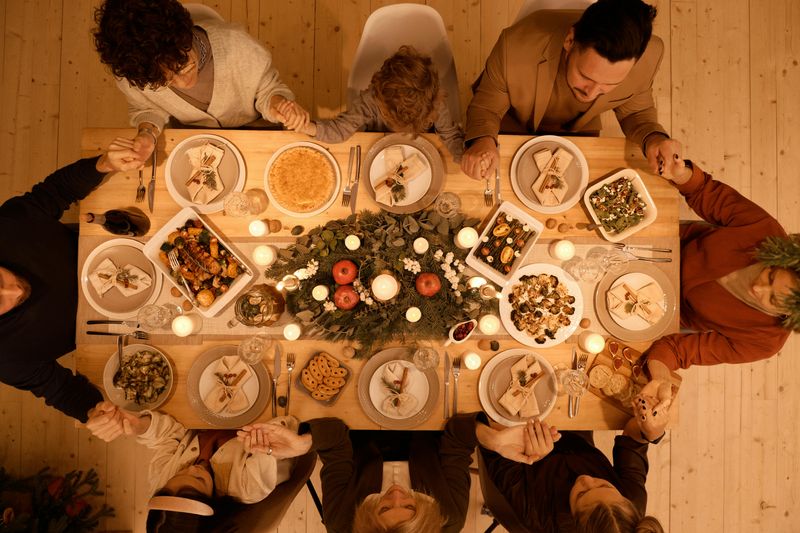
Slouching at the dinner table earned immediate correction from parents.
Kids needed to sit up straight with their backs against the chair and feet flat on the floor.
Good posture showed attentiveness and respect for the meal and the company.
Leaning back, tilting the chair, or slumping forward were all considered rude behaviors.
Parents believed proper posture also aided digestion and taught self-discipline.
Children who forgot the rule received gentle reminders or sometimes a tap on the shoulder.
Nowadays, casual dining means relaxed positions and comfortable seating arrangements.
Many people eat hunched over their plates or leaning on one elbow.
Sixty years ago in Indiana, maintaining an upright position throughout the entire meal demonstrated good breeding and consideration.
Napkin Goes On Your Lap
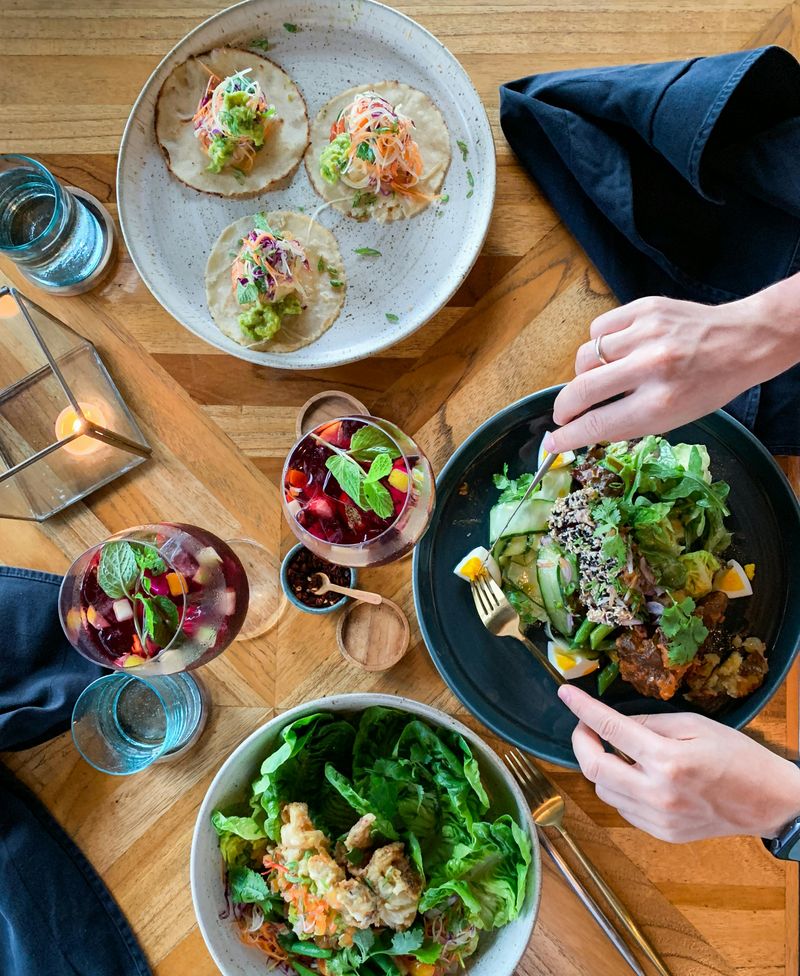
As soon as you sat down, the napkin went straight from the table to your lap.
This wasn’t optional or something you did when you remembered.
Cloth napkins were standard in most homes, and everyone learned to unfold them carefully and place them properly.
Throughout the meal, you dabbed your mouth gently rather than wiping vigorously.
Leaving the napkin on the table or tucking it into your collar like a bib was considered childish.
When you finished eating, you placed the napkin loosely beside your plate, never wadded up.
Today, many families use paper napkins or skip them altogether.
Some people grab napkins only when needed rather than keeping one handy.
Back then, proper napkin etiquette was a fundamental part of civilized dining.
Keep Your Elbows Off The Table
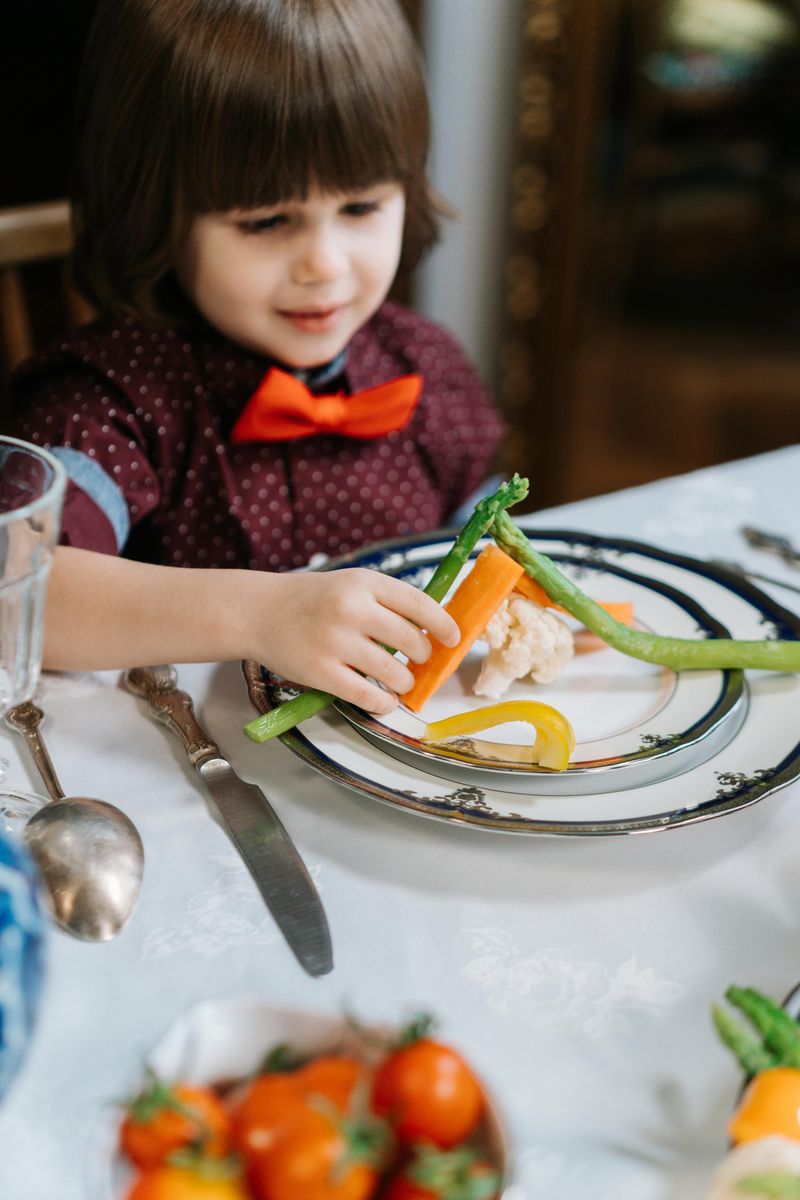
Resting your elbows on the table while eating was a major dining mistake.
Arms belonged at your sides, with only your hands and wrists visible above the table.
Parents corrected this error constantly because kids naturally wanted to lean forward on their elbows.
The rule existed to maintain proper posture and show respect for the dining space.
Elbows on the table made you look lazy, slouchy, and inattentive to your surroundings.
Between bites, you could rest your hands in your lap or keep them on the table edge.
Modern diners often lean on their elbows without anyone noticing or caring.
Casual restaurants and home meals rarely enforce this old-fashioned standard.
In 1960s Indiana, however, keeping elbows down was as important as saying please and thank you.
Asking Permission To Leave
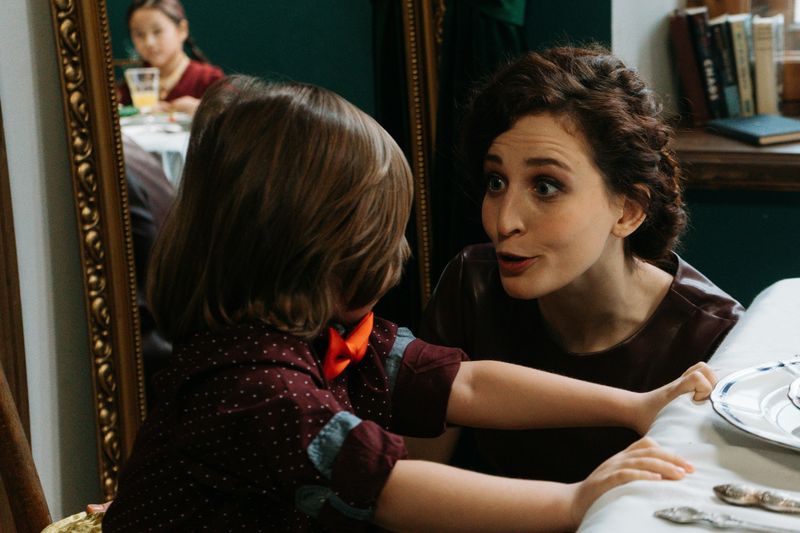
Children couldn’t just finish eating and walk away from the table.
They needed to ask permission by saying something like, May I please be excused?
This rule taught kids to consider others who might still be eating or talking.
Leaving without asking felt rude and dismissive of the family gathering.
Parents might say yes immediately or ask the child to wait a few more minutes.
Either way, the child learned patience and respect for the group.
Today, many families let kids leave whenever they finish their food.
Some households don’t even eat together at the same time.
Back in the 1960s, requesting permission to leave the table was a non-negotiable sign of good manners and family consideration that everyone practiced daily.
Waiting Until Everyone Finishes
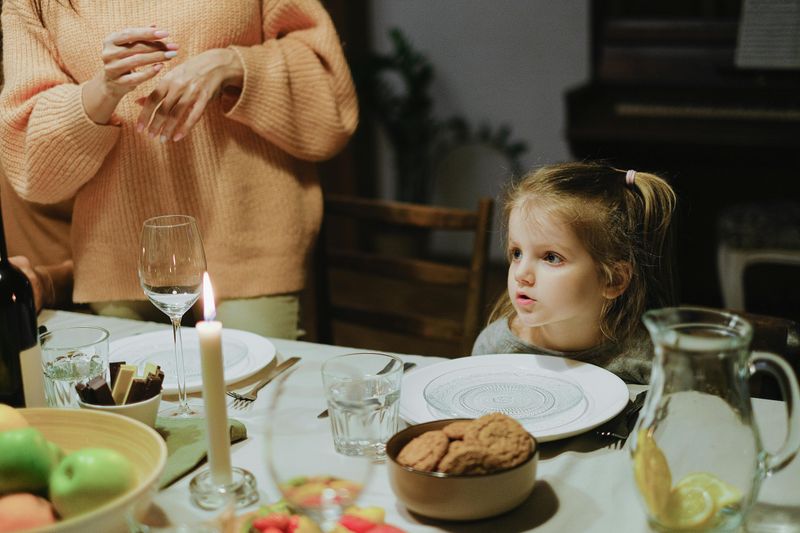
Mealtime wasn’t over until the last person set down their fork.
Even if you finished eating quickly, you stayed seated until everyone completed their meal.
This practice fostered patience and unity among family members.
Fast eaters learned to slow down and enjoy conversation rather than rushing through dinner.
Leaving early made others feel rushed or uncomfortable about their eating pace.
The entire family experienced the meal together from start to finish.
Modern life often means people eat at different speeds and leave when done.
Busy schedules rarely allow for leisurely group meals with extended sitting time.
In 1960s Indiana, though, staying together until everyone finished reinforced the idea that family meals were about connection, not just consuming food quickly.
Politely Asking For The Salt
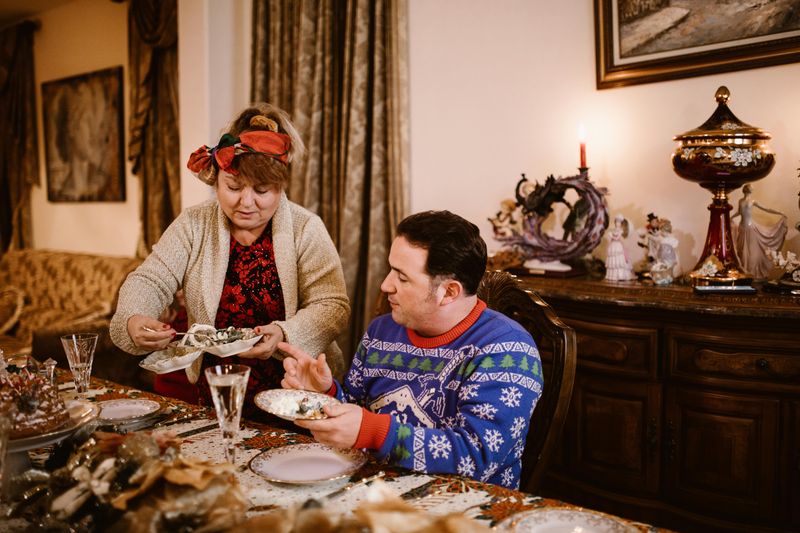
Reaching across the table to grab the salt shaker was absolutely forbidden.
Instead, you asked someone nearby to please pass it to you.
This rule prevented accidents like knocking over glasses or dragging your sleeve through someone’s mashed potatoes.
It also taught children to use polite language and consider personal space.
Even if the butter dish sat just inches away, proper etiquette required asking for it.
Family members happily passed items around, creating a cooperative dining atmosphere.
Nowadays, people often reach for what they need without thinking twice about it.
Casual meals rarely involve formal passing rituals or strict spatial boundaries.
Back then, asking politely for items to be passed demonstrated good manners and kept the table organized and accident-free.
Never Talk With Your Mouth Full
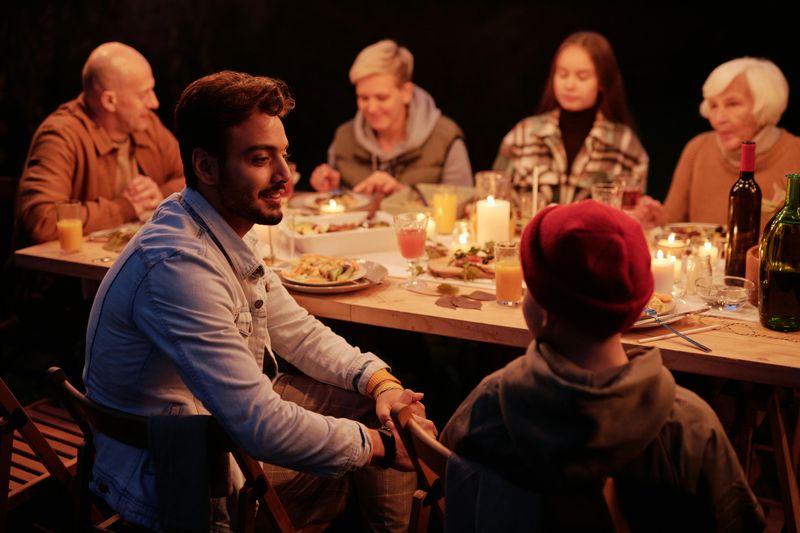
Speaking while chewing food was considered disgusting and disrespectful.
Everyone learned to finish chewing completely and swallow before saying anything.
This rule kept mealtimes pleasant and prevented anyone from seeing half-chewed food.
Parents quickly corrected children who forgot and started talking mid-bite.
Waiting to speak also encouraged thoughtful conversation rather than blurting out random comments.
Good table manners meant timing your words between bites appropriately.
Today, people sometimes talk while eating, especially during casual or rushed meals.
The strict enforcement of this rule has relaxed considerably over the decades.
In 1960s Indiana homes, though, keeping your mouth closed while chewing was a fundamental sign of respect and proper upbringing that adults insisted upon without exception.
No Snacking Before Supper
Children were strictly forbidden from eating snacks for an hour or two before dinner.
Parents wanted everyone to arrive at the table with a healthy appetite.
Grabbing cookies or chips would ruin your hunger for the nutritious meal being prepared.
Mothers spent time cooking balanced dinners and expected everyone to eat them properly.
Kids who snacked beforehand might pick at their vegetables or leave food on their plates.
This wasted both food and effort, which families couldn’t afford to do.
Modern households often have constant snacking throughout the day with less structured mealtimes.
Pantries and refrigerators stay accessible to everyone at all times.
Back in the 1960s, though, preserving your appetite for the family dinner was essential to showing appreciation and maintaining healthy eating patterns.
Absolutely No Singing At Dinner

Bursting into song during dinner was considered inappropriate and distracting.
Mealtime was for eating and conversation, not musical performances.
Singing interrupted the flow of family discussion and made it hard for others to talk.
Children who felt particularly cheerful needed to save their songs for after the dishes were cleared.
Parents wanted a calm, focused atmosphere where everyone could share their day and connect meaningfully.
Loud or silly behavior, including singing, disrupted this peaceful environment.
Today, some families embrace playful mealtime energy with fewer restrictions on noise levels.
Kids might sing, joke loudly, or make sounds without much correction.
In 1960s Indiana, however, maintaining a dignified and quiet dinner atmosphere meant keeping your voice at a conversational level and your songs for later.