20 Indiana Home Upgrades That Look Normal – But Aren’t Allowed In Some Parts Of The State

Some home projects seem simple until the rules step in and change the plan. Renovators often discover that the upgrade they assumed was routine suddenly demands paperwork, inspections, or a complete redesign.
Indiana adds its own twist, with regulations that shift from town to town and even street to street. A choice that feels harmless in one area may cause trouble in another, turning a weekend project into a costly delay.
Clear expectations matter, and so does understanding how Indiana approaches renovations of all sizes.
A bit of insight upfront can keep a dream upgrade from turning into an unexpected setback.
1. Accessory Dwelling Units
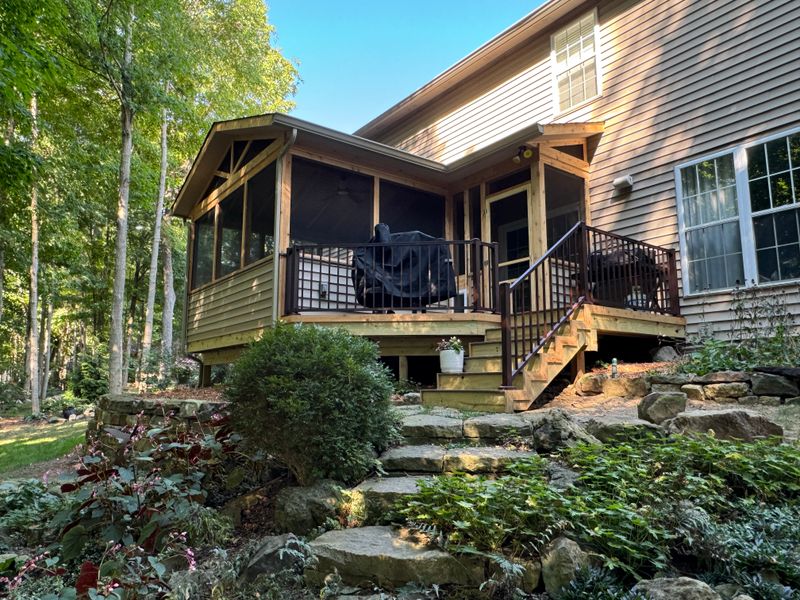
Adding a small guest house or studio apartment in the backyard sounds like a smart way to create extra living space or rental income.
However, cities like Carmel have strict rules requiring approval from the Board of Zoning Appeals before construction can begin.
After community pushback in recent years, many Indiana towns tightened regulations on these structures.
Homeowners should check local zoning laws carefully before planning an ADU to avoid costly mistakes and permit denials.
2. Garage Conversions
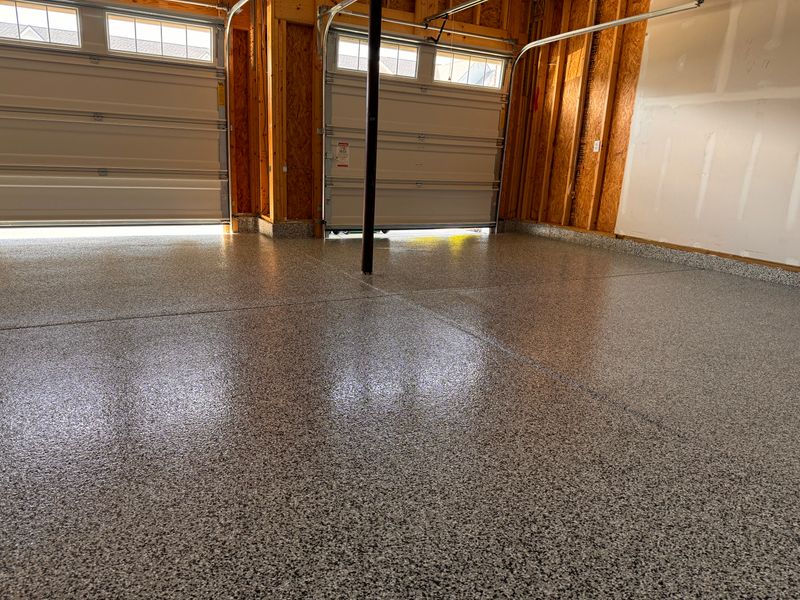
Turning a garage into a bedroom, home office, or gym might seem like a clever use of existing space.
But many Indiana neighborhoods require a minimum number of covered parking spots per home.
Homeowners associations often prohibit these conversions to keep property values steady and maintain a uniform appearance.
Before removing garage doors or building walls, confirm that local ordinances and HOA rules permit the change to avoid fines or forced reversals.
3. Oversized Unpermitted Sheds
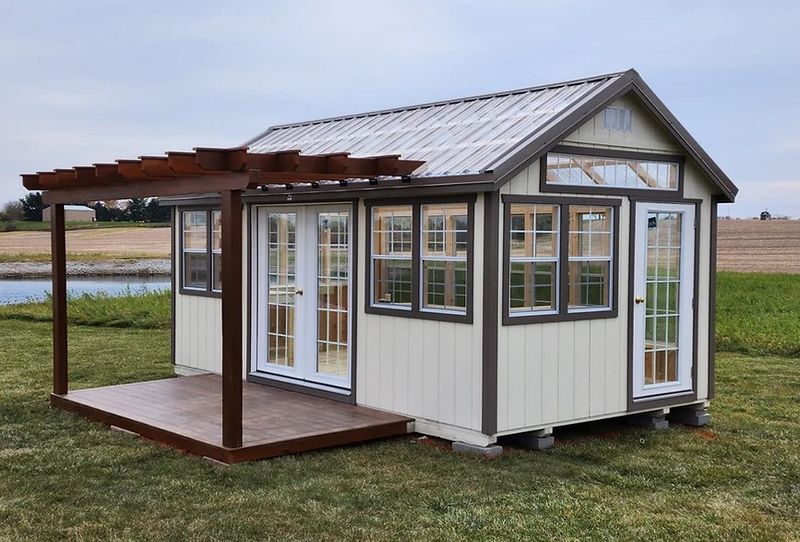
Building a roomy shed for tools, lawn equipment, or seasonal decorations feels like a straightforward weekend project.
Yet Indiana municipalities and HOAs often set strict size limits on structures that can be built without permits.
Exceeding these dimensions – sometimes as small as 120 square feet – can lead to code violations and removal orders.
Always verify maximum allowable shed sizes and setback requirements with local building departments before purchasing materials or breaking ground on construction.
4. Gravel Driveways
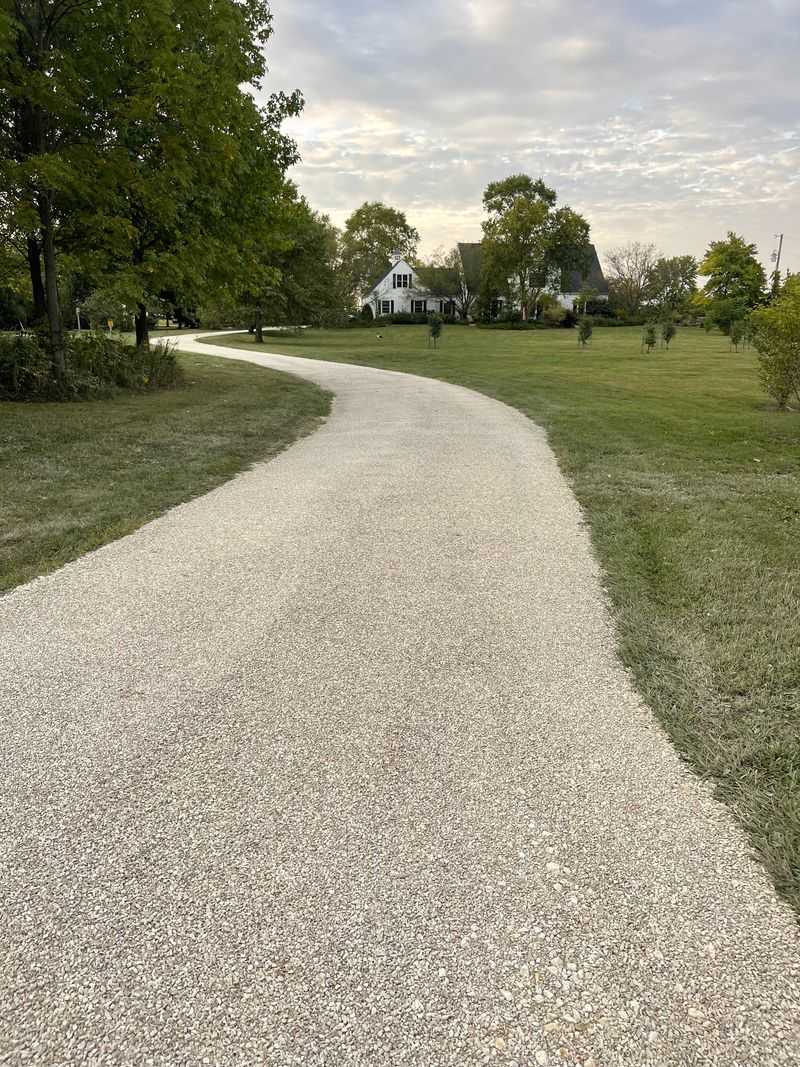
Gravel driveways offer a rustic, budget-friendly alternative to asphalt or concrete and can handle heavy rainfall surprisingly well.
Despite these benefits, some Indiana suburbs ban them due to concerns about loose stones migrating onto public roads.
Dust generation and stormwater runoff issues also prompt stricter regulations in urban areas.
Homeowners considering gravel should consult local codes and HOA guidelines to ensure compliance before replacing existing pavement or installing new driveways.
5. Visible Satellite Dishes

Installing a satellite dish for television or internet service is common and federally protected for dishes under one meter in diameter.
However, Indiana HOAs and local rules may restrict where dishes can be placed and how visible they are from the street.
Some communities require dishes to be mounted on rear rooflines or hidden behind landscaping.
Checking covenant restrictions and municipal codes before installation helps avoid disputes with neighbors or mandatory relocation of equipment later on.
6. Nonconforming Septic Systems
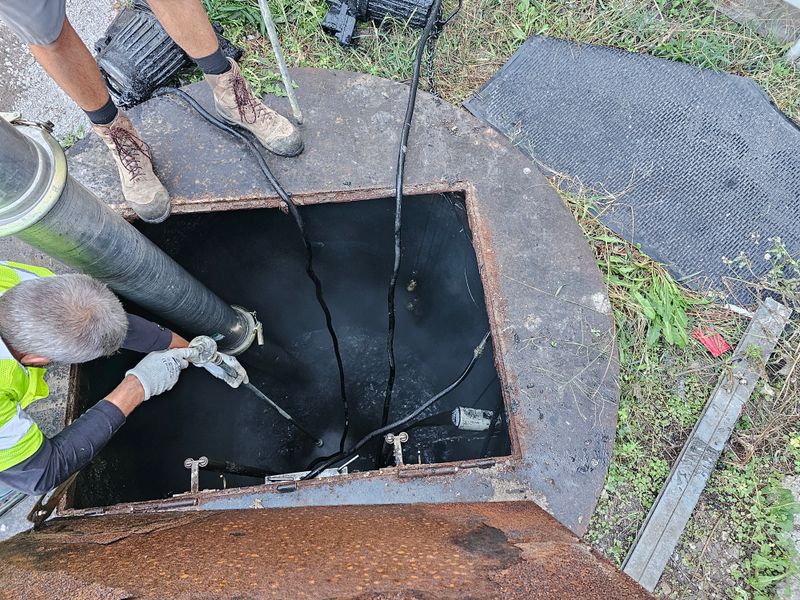
Upgrading or repairing a septic system seems like routine home maintenance, especially in rural Indiana counties.
Modern health codes, though, specify minimum tank sizes and required distances from wells and water bodies.
Older systems that worked fine for decades may no longer meet current standards.
Homeowners must obtain permits and inspections before making changes to ensure compliance with environmental and public health regulations that protect groundwater quality.
7. Front Yard Fences
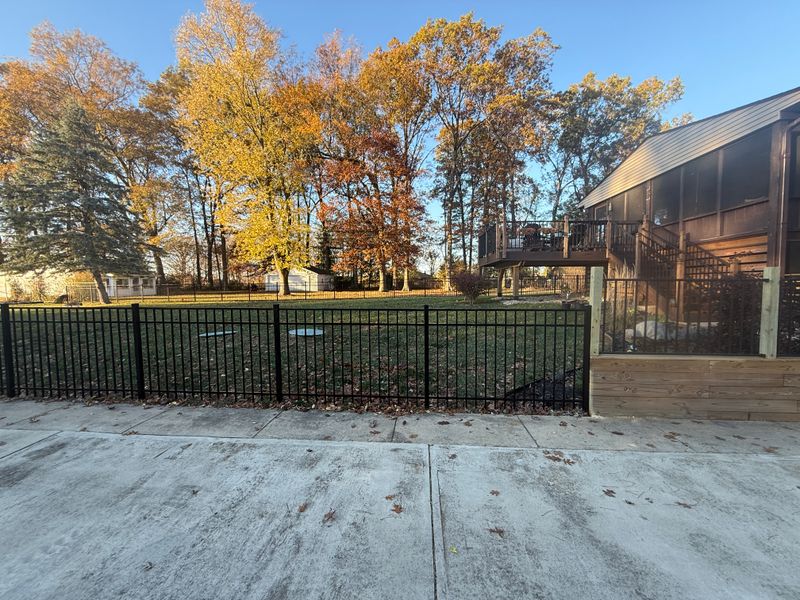
Fencing the front yard can provide privacy, define property lines, and keep pets or children safely contained.
Many Indiana subdivisions, however, prohibit or heavily restrict front yard fencing to preserve open sightlines and curb appeal.
HOA covenants may dictate fence height, material, and style or ban them entirely in front yards.
Reviewing neighborhood rules and obtaining architectural approval before purchasing materials prevents conflicts and ensures the fence complies with community standards.
8. Rainwater Collection Systems
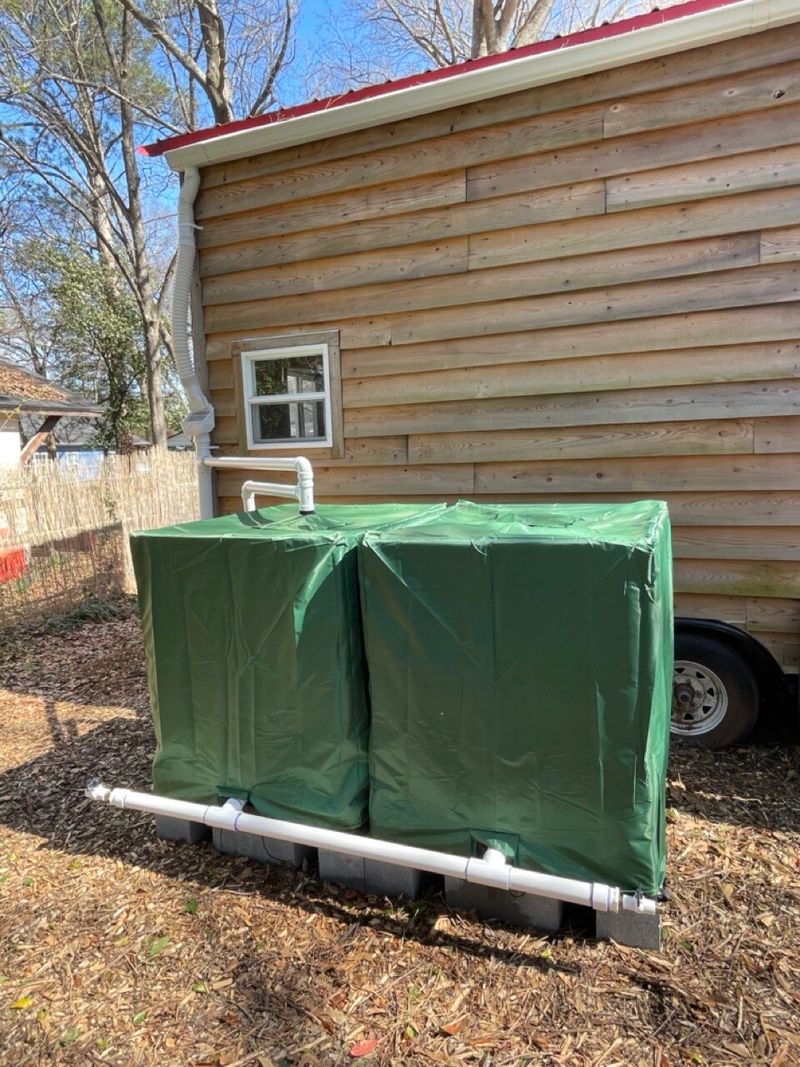
Collecting rainwater in barrels for watering gardens or washing cars is an eco-friendly practice gaining popularity across the Midwest.
While Indiana generally allows rainwater harvesting, some municipalities impose restrictions on barrel size, placement, and mosquito control measures.
HOAs might also regulate the appearance of collection systems visible from the street.
Homeowners should verify local ordinances and covenant rules to ensure systems are properly designed, safely installed, and compliant with community expectations.
9. Chicken Coops

Raising backyard chickens for fresh eggs has become a trendy hobby in both rural and suburban Indiana communities.
Unfortunately, many towns prohibit chickens outright or limit flock size, coop placement, and rooster ownership.
Noise, odor, and predator concerns drive these regulations, especially in denser neighborhoods.
Before buying chicks or building a coop, consult local zoning codes and HOA rules to confirm whether poultry are permitted and what restrictions apply.
10. Solar Panels
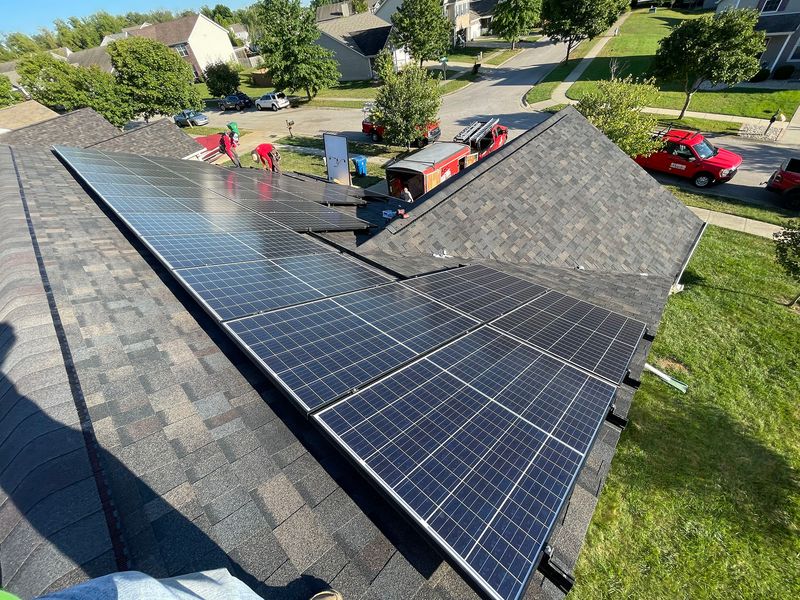
Installing solar panels can reduce energy bills and shrink a household’s carbon footprint, making them an attractive upgrade.
Some Indiana HOAs, though, restrict panel placement, size, or visibility to maintain neighborhood aesthetics.
State law protects solar installations to some extent, but local covenants may still impose design requirements.
Homeowners should review HOA guidelines and apply for architectural approval before scheduling installation to avoid disputes or costly modifications afterward.
11. Outdoor Fire Pits

Fire pits create cozy gathering spots for roasting marshmallows and enjoying cool Indiana evenings with family and friends.
Local fire codes, however, often regulate pit size, fuel type, and distance from structures or property lines.
Some municipalities ban open burning entirely during dry seasons or within city limits.
Checking with the local fire marshal and HOA before building or purchasing a fire pit ensures safe, legal use and prevents fines or forced removal.
12. Exterior Paint Colors
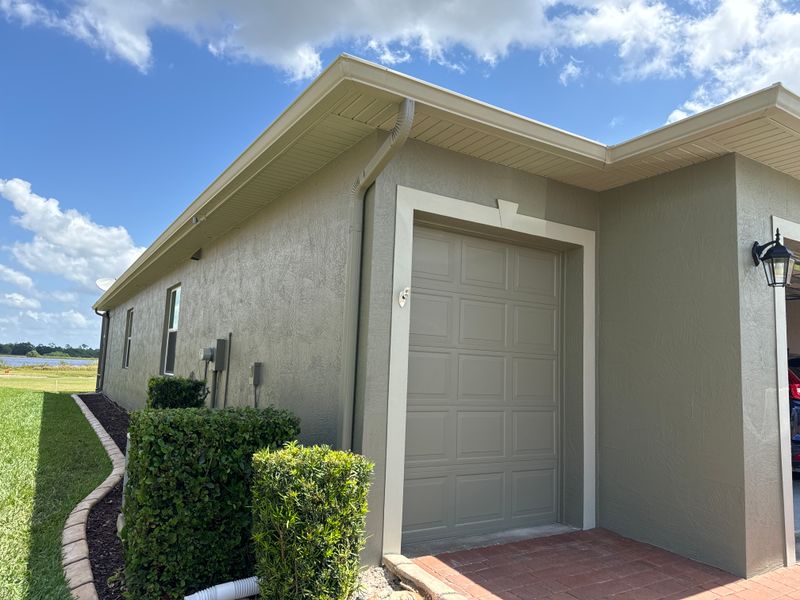
Choosing a fresh, bold paint color can give a home instant curb appeal and reflect personal style.
Many Indiana HOAs, though, maintain approved color palettes to preserve a cohesive neighborhood appearance.
Unapproved shades – even subtle variations – can result in repaint orders and fines.
Homeowners should submit paint samples to the architectural review committee for approval before hiring painters or purchasing supplies to ensure compliance and avoid costly do-overs.
13. Detached Workshops
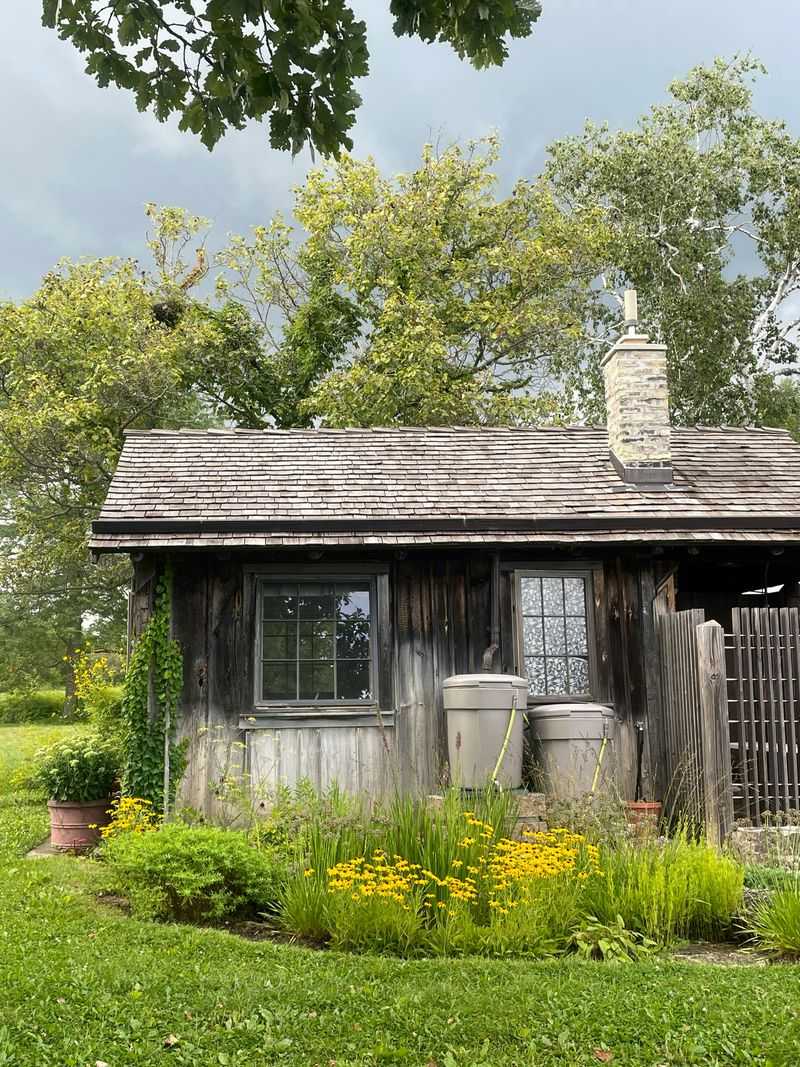
Building a separate workshop for woodworking, crafts, or hobbies provides dedicated space away from the main house.
Indiana zoning laws often treat these structures like accessory buildings, imposing size limits, setback requirements, and permit obligations.
HOAs may also restrict the appearance, height, and placement of detached workshops.
Securing proper permits and architectural approval before construction prevents violations and ensures the workshop meets all local codes and neighborhood standards.
14. Window Replacements
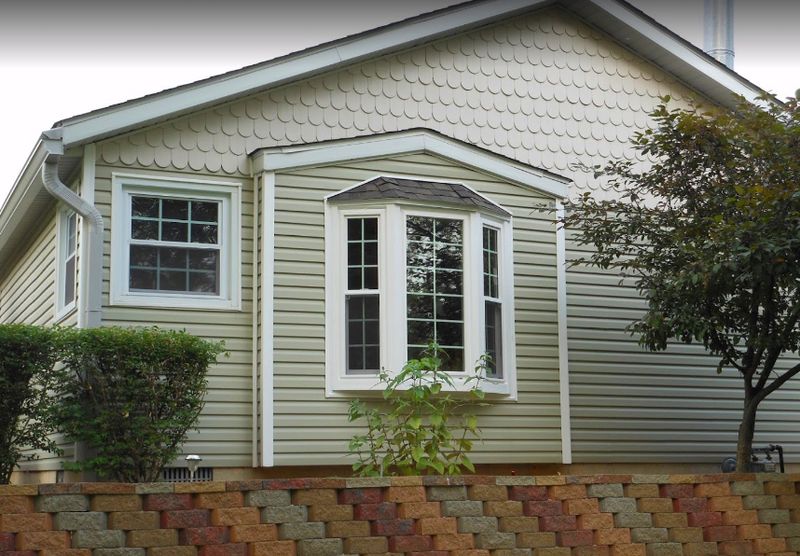
Upgrading to energy-efficient windows can lower heating and cooling costs while improving comfort throughout the year.
Some Indiana HOAs require that replacement windows match the original style, color, and grid pattern to maintain architectural consistency.
Deviating from approved designs without permission can lead to costly replacements or fines.
Homeowners should submit window specifications to the HOA for review before ordering or installing new windows to ensure compliance with community standards.
15. Basketball Hoops In Driveways

Setting up a basketball hoop in the driveway offers kids and adults a fun way to stay active and enjoy the outdoors.
Many Indiana HOAs and municipalities, however, restrict or prohibit portable hoops due to concerns about noise, traffic, and street obstruction.
Some communities allow hoops only if they are stored out of sight when not in use.
Reviewing local ordinances and HOA rules before purchasing a hoop helps avoid conflicts with neighbors or enforcement actions.
16. Permanent Playsets
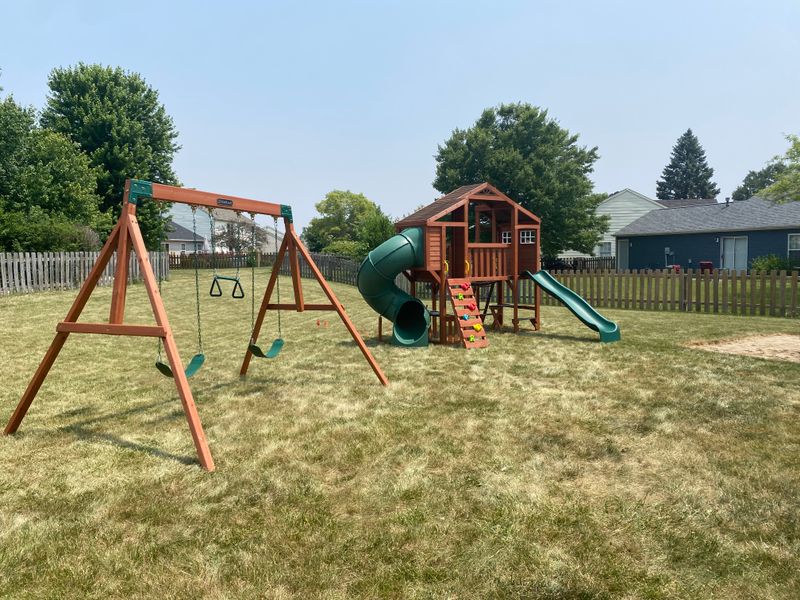
Installing a swing set or playset gives children a safe, convenient place to play and burn energy close to home.
Indiana HOAs and zoning codes may regulate playset size, height, materials, and placement within the yard.
Some communities require playsets to be located in rear yards and screened from neighboring properties.
Checking local rules and obtaining HOA approval before assembling or anchoring playground equipment ensures compliance and prevents disputes or removal orders.
17. In-Ground Pools
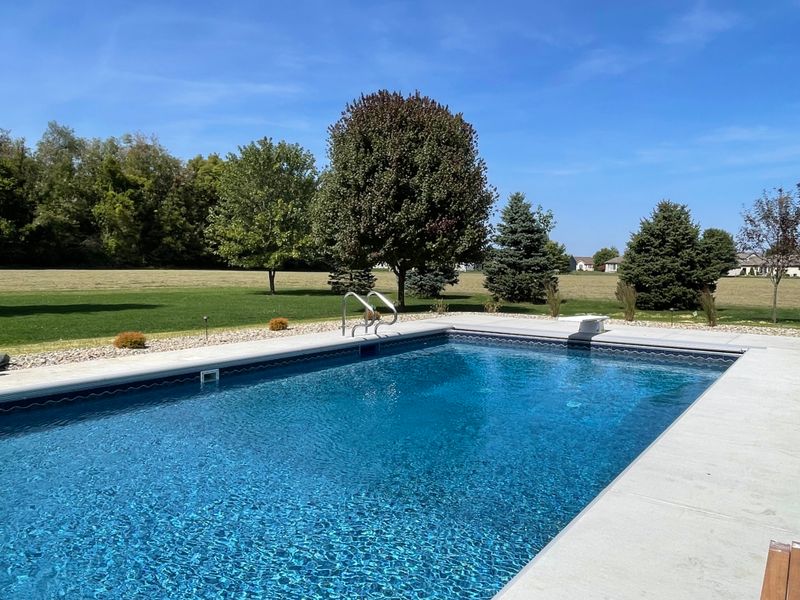
Adding an in-ground pool can transform a backyard into a summer retreat perfect for entertaining and relaxation.
Indiana building codes require permits, safety fencing, and inspections for pool installations to protect children and comply with health standards.
HOAs may impose additional restrictions on pool size, fencing style, and equipment visibility.
Homeowners must navigate multiple layers of approval and regulation before breaking ground to ensure the pool is legal, safe, and neighborhood-compliant.
18. Rooftop Decks

Building a rooftop deck can create extra outdoor living space with unique views and a modern aesthetic.
Indiana building codes require structural assessments, permits, and safety railings to ensure rooftop additions are sound and secure.
HOAs may also restrict rooftop decks due to privacy concerns or visual impact on neighboring properties.
Consulting engineers, obtaining permits, and securing HOA approval before construction prevents safety hazards, legal issues, and costly modifications or removals.
19. Unpermitted Basement Finishing

Finishing a basement adds valuable living space for family rooms, home theaters, or guest suites without expanding the home’s footprint.
Indiana building codes require permits for basement finishing projects that involve electrical, plumbing, or structural work.
Skipping permits can result in failed inspections, fines, and complications when selling the home.
Homeowners should apply for permits and schedule inspections to ensure the finished basement meets safety codes and adds legitimate value to the property.
20. Commercial Signage At Home

Running a home-based business often requires some form of signage to attract clients or customers to the property.
Many Indiana zoning codes and HOAs prohibit or strictly limit commercial signage in residential areas to preserve neighborhood character.
Permitted signs may be restricted in size, placement, and lighting.
Business owners should review local sign ordinances and HOA covenants before installing any signage to avoid fines, removal orders, or conflicts with neighbors.