Innovations In Arizona’s Sustainable Farm To Table Dining Scene In 2026

Arizona’s food scene is changing fast, and 2026 brings fresh ideas that connect farms directly to your plate.
From school lunch programs that teach kids about healthy eating to high-tech incubators helping food entrepreneurs, the state is leading the way in sustainable dining.
These innovations aren’t just good for the environment—they’re creating stronger communities and giving you access to fresher, more flavorful meals than ever before.
1. Feeding the Future Culinary Contest
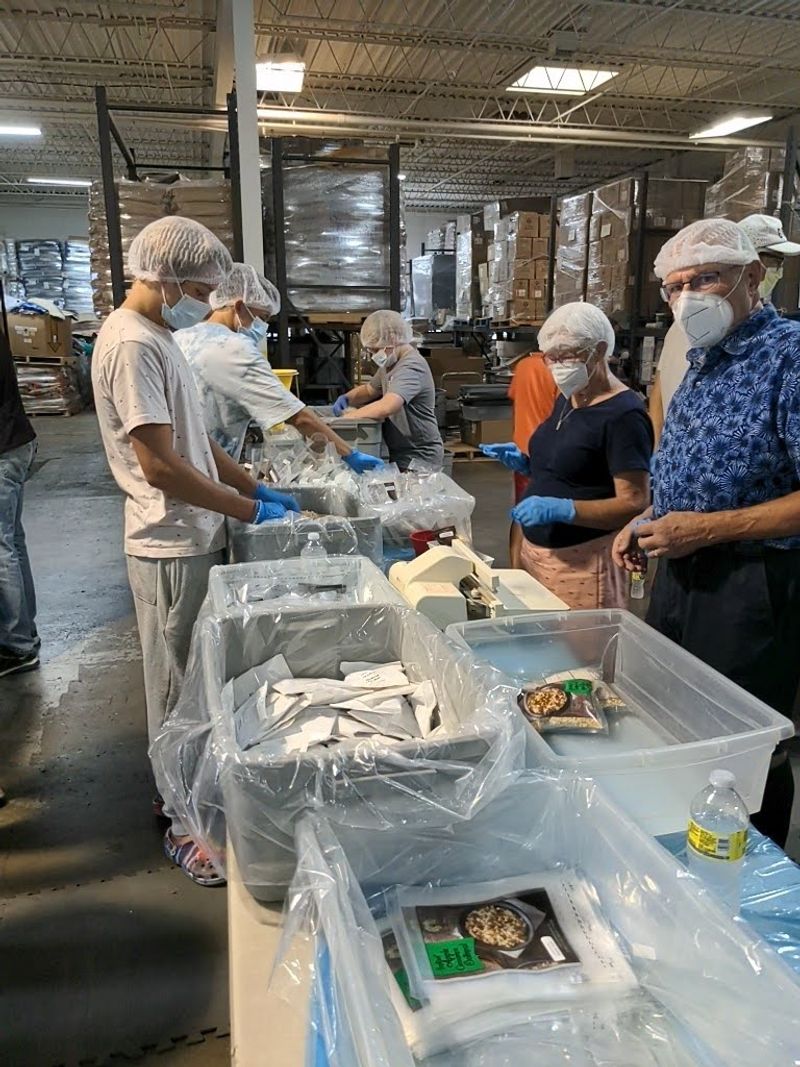
Imagine students competing to create the tastiest, healthiest school lunches you’ve ever seen.
Taking place at The Farm at South Mountain in Phoenix this January, this contest brings together young chefs, nutrition experts, and food service workers to reimagine what cafeteria food can be.
Students follow federal meal guidelines while getting creative with fresh ingredients.
The goal is simple: make school lunches that kids actually want to eat while meeting strict nutrition standards.
Winners get their recipes featured in real school cafeterias across Arizona.
This event proves that healthy eating doesn’t have to be boring, and it’s training the next generation of chefs to think about sustainability from day one.
You’ll be amazed at what these talented students can do with local produce and a little imagination.
2. Intimate Farm-to-Table Dinner Series

Picture yourself sitting under the stars, enjoying a six-course meal made entirely from ingredients grown within miles of your table.
Culinary Concepts Southwest hosts these special dinners that bring local chefs and farmers together for unforgettable evenings.
Before you eat, you can tour the farm where your food was grown or sip cocktails made with herbs picked that morning.
Each course tells a story about Arizona’s agricultural heritage and the people who work the land.
The intimate setting means you’ll meet the farmers and chefs personally, learning about their sustainable practices firsthand.
These aren’t just meals they’re educational experiences that change how you think about food.
Reservations fill up quickly because diners love connecting with their food sources in such a meaningful way.
3. Arizona Farm to School Collaborative

Schools across Arizona are transforming cafeterias into learning labs where kids discover where their food comes from.
This statewide program connects classrooms with local farms, bringing fresh produce into lunch lines while teaching students about agriculture.
Teachers integrate food education into science, math, and social studies lessons, making learning delicious and relevant.
Cafeteria managers work directly with Arizona farmers to source seasonal ingredients that meet nutritional requirements and budget constraints.
Students participate in taste tests, garden projects, and farm field trips that build lifelong healthy eating habits.
The program supports local farmers economically while reducing the carbon footprint of school meals.
Parents notice their kids trying new vegetables at home after learning about them at school, creating ripples of positive change throughout communities.
4. Castle Hot Springs On-Site Farm

Luxury meets sustainability at this resort where over 150 different crops grow right on the property.
Guests wake up to breakfast made from eggs collected that morning and salads featuring lettuces picked at dawn.
The farm uses composting systems that turn kitchen scraps back into nutrient-rich soil, creating a closed-loop system that wastes nothing.
You can join guided tours that explain regenerative farming practices and how they protect Arizona’s delicate desert ecosystem.
Chefs plan menus around what’s currently thriving in the fields, so your dining experience changes with the seasons.
The resort proves that high-end hospitality and environmental responsibility aren’t opposites they enhance each other.
Watching your dinner grow during an afternoon stroll makes every meal taste better and feel more meaningful.
5. Downtown Tucson Sonoran Menu

A downtown restaurant is celebrating Arizona’s culinary heritage by featuring ingredients native to the Sonoran Desert.
The menu showcases mesquite, prickly pear, tepary beans, and other foods that indigenous peoples have harvested for generations.
Chefs partner with nearby ranches and farms that specialize in these traditional crops, supporting agricultural biodiversity.
You’ll taste dishes that honor cultural history while meeting modern sustainability standards.
The restaurant works with Native American farmers who use ancestral growing methods perfectly adapted to Arizona’s climate.
Every plate tells a story about the region’s unique ecosystem and the people who’ve thrived here for centuries.
Diners discover flavors they never knew existed while supporting farming practices that conserve water and protect native plant species from extinction.
6. Good Food Forum

This August gathering brings together everyone involved in Arizona’s food system for two days of problem-solving and inspiration.
Farmers, chefs, grocery store owners, policymakers, and nutritionists share ideas through interactive panels and hands-on workshops.
Topics range from helping small farms stay profitable to building community resilience through local food networks.
You’ll hear success stories from Arizona entrepreneurs who’ve overcome challenges and built thriving food businesses.
The forum creates connections that last long after the event ends, with participants forming partnerships that strengthen the entire state’s food economy.
Workshops provide practical tools for farm business development, sustainable distribution methods, and community-supported agriculture programs.
Attending this event gives you insight into how your food choices impact local communities and the environment in powerful ways.
7. Mobile Farmers Markets at Restaurants
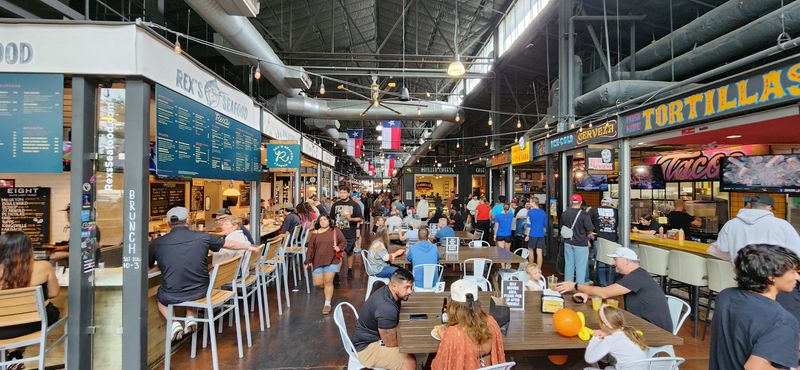
Farmers are bringing fresh produce directly to restaurant parking lots on scheduled days, creating convenient shopping opportunities.
These mobile markets let you buy the same ingredients that top chefs use in their kitchens, often with recipe suggestions from the restaurants themselves.
You’ll find seasonal vegetables, grass-fed meats, artisan cheeses, and fresh-baked breads all in one convenient stop.
Farmers benefit from reduced transportation costs and direct customer relationships that help them plan future crops.
Restaurants strengthen ties with their communities while supporting the local growers they depend on for quality ingredients.
The markets often feature cooking demonstrations where chefs show simple preparation methods for unfamiliar vegetables.
You’ll discover new favorite foods while supporting small farms and enjoying the freshest produce available in Arizona.
8. Aquaponics Systems in Urban Restaurants
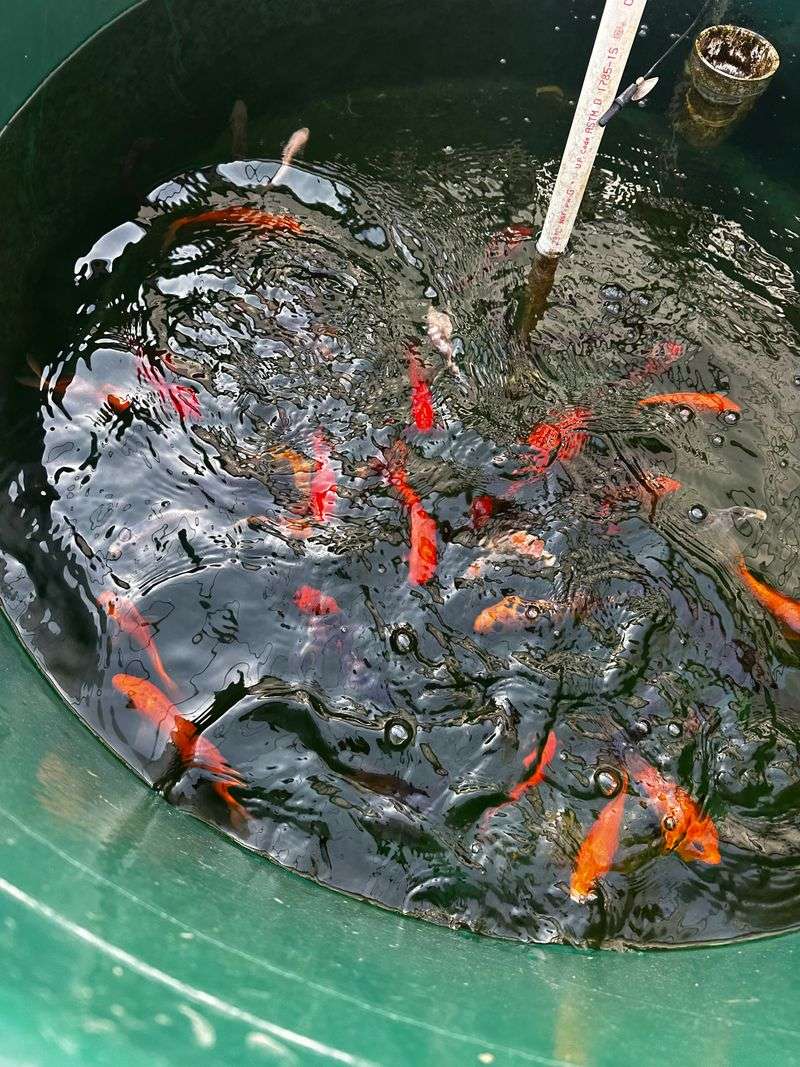
Some Arizona restaurants are growing fish and vegetables together in the same water systems right inside their dining rooms.
Aquaponics combines fish farming with hydroponic plant growing, creating a symbiotic relationship where fish waste fertilizes plants and plants filter water for fish.
You can watch tilapia or trout swimming while your salad greens grow in towers above them.
This method uses 90% less water than traditional farming, which matters enormously in Arizona’s desert climate.
Restaurants harvest herbs, lettuce, and microgreens minutes before they reach your plate, guaranteeing maximum freshness and nutrition.
The systems provide educational opportunities for diners to learn about sustainable food production in water-scarce environments.
Seeing your food grow while you eat creates unforgettable dining experiences that spark conversations about innovative agriculture.
9. Solar-Powered Cold Chain Infrastructure

Getting fresh produce from farms to restaurants without spoilage just got easier thanks to solar-powered refrigeration systems.
Arizona’s abundant sunshine now powers cooling units in delivery trucks and storage facilities, reducing fossil fuel dependence while keeping food at perfect temperatures.
This technology makes it economically viable for small farms to reach distant markets without expensive infrastructure investments.
Restaurants receive higher-quality ingredients because produce stays fresher during transport and storage.
The systems include temperature monitoring that alerts drivers to any issues immediately, preventing food waste from equipment failures.
Solar panels on warehouse roofs generate excess electricity that gets sold back to the grid, creating additional revenue streams.
You benefit from better-tasting food while knowing that its journey from farm to table didn’t contribute to climate change.
10. Dining Transparency Apps

New smartphone apps let you scan restaurant menu items to see exactly where each ingredient came from and how it was grown.
You’ll discover which farm provided your tomatoes, what sustainable practices they use, and even see photos of the actual fields.
The apps calculate the carbon footprint of your meal and suggest lower-impact alternatives if you’re interested.
Restaurants participating in these transparency programs build trust with customers who value knowing their food’s complete story.
The technology also helps restaurants track their sourcing patterns and identify opportunities to buy more locally.
You can filter searches to find establishments committed to organic farming, fair labor practices, or specific environmental certifications.
This level of information empowers you to make dining choices that align with your personal values about sustainability and community support.