Inside A California Fabric Warehouse Filled With Rare Deadstock And Endless Rolls
You walk in needing fabric for one project.
That innocent plan lasts about three minutes.
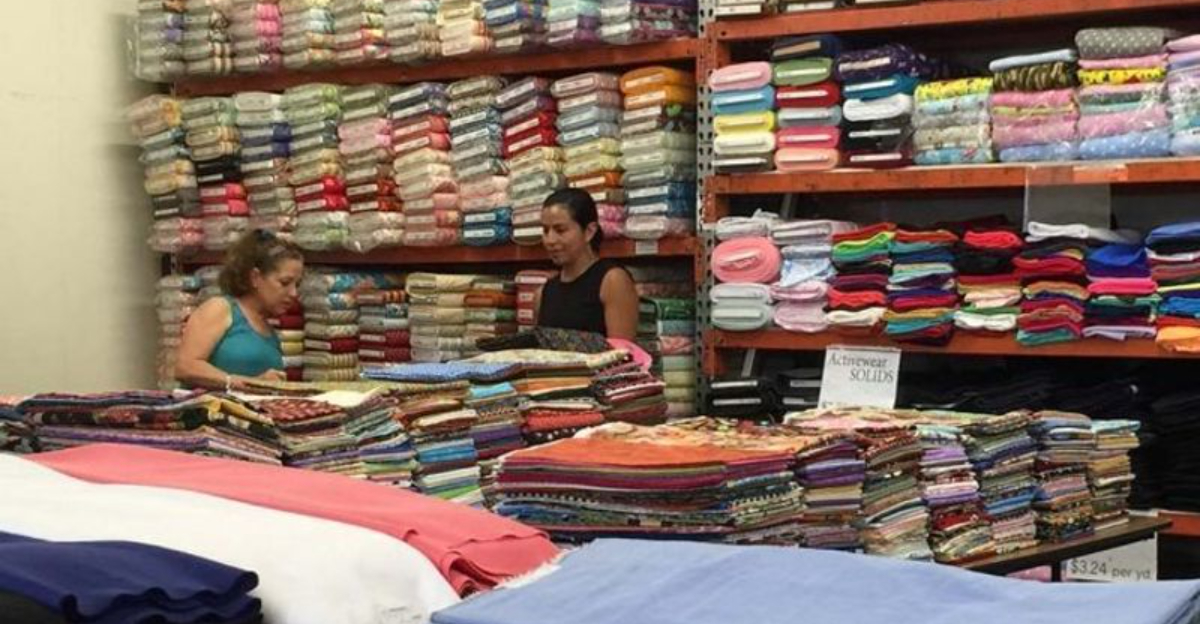
Rolls stretch in every direction and somewhere between the deadstock and the next aisle, you start mentally designing things you absolutely did not come here to make.
Digging is part of the experience, especially when you never quite know what the next stack might reveal.
California makers have plenty of places to shop, but warehouses like this turn browsing into a genuine hunt.
There is no perfectly predictable selection waiting each time. That is exactly the point.
A strange print or unusually beautiful roll can suddenly become the reason you refuse to leave empty-handed.
Bring measurements. Bring patience. Most importantly, bring enough self-control to remember that owning fabric and having time to use it are two very different things.
It Is A Wholesale Warehouse Open To Everyone
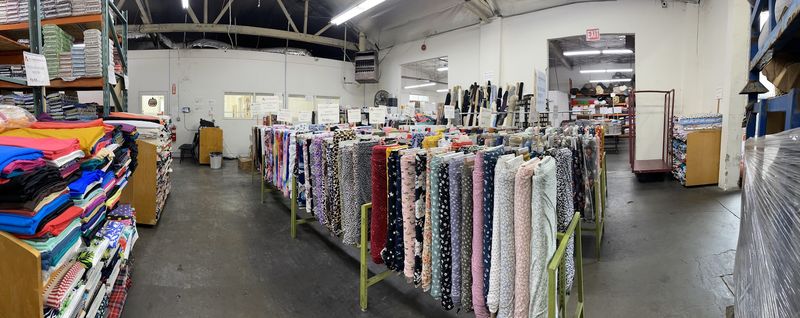
Stepping inside a working wholesale warehouse as an ordinary shopper carries a certain thrill, especially when the space is stocked the way Fabric Merchants Outlet is.
Most wholesale operations require a business license or a trade account just to get through the door, but this Los Angeles spot operates differently.
The public is genuinely welcome, and that single fact changes everything about who gets to shop here.
Fabric Merchants Outlet is located at 1420 S. Grande Vista Avenue, Los Angeles, California 90023, sitting within the city’s active garment and textile district.
The industrial surroundings feel fitting for a place that supplies designers and home sewers alike.
Free parking is available at the front and back of the building, with handicapped parking near a mural on the property.
Hours run Monday through Thursday from 9 a.m. to 5 p.m. and Friday from 9 a.m. to 4 p.m., with the warehouse closed on weekends.
Planning a weekday visit is essential, so checking the schedule before heading out saves a wasted trip.
The weekday-only format keeps the atmosphere focused and relatively calm compared to typical weekend retail shopping.
Thousands Of Yards Fill The Warehouse
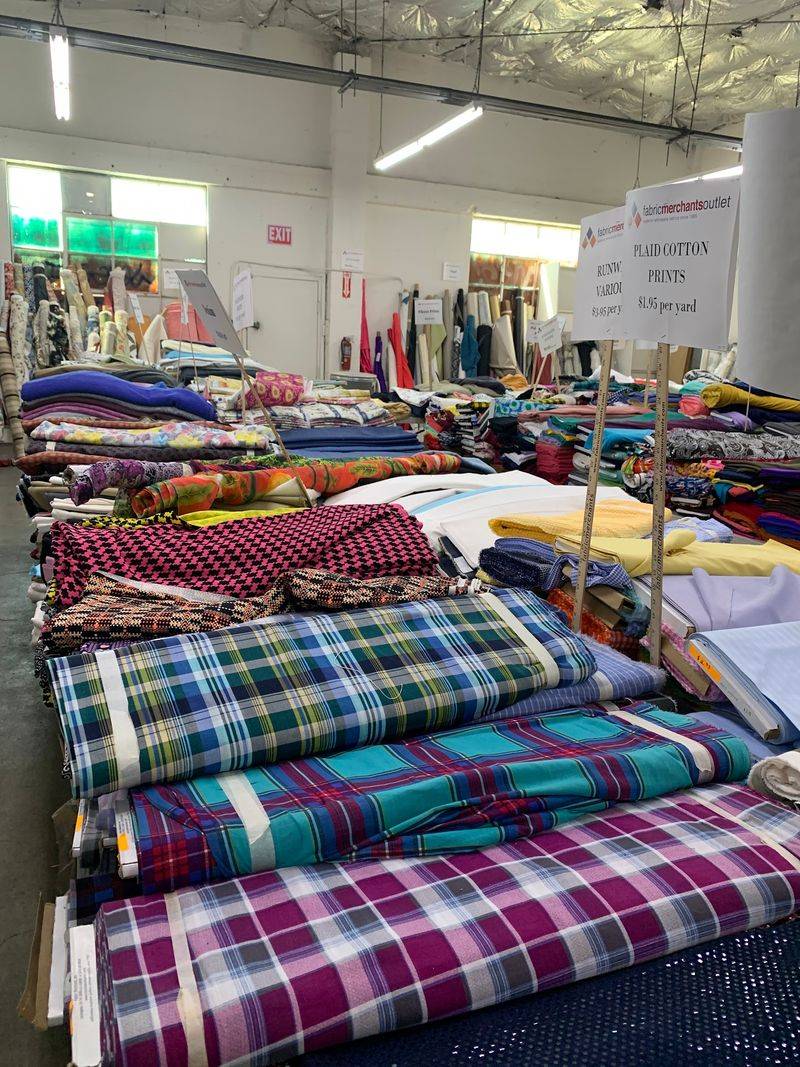
Few retail fabric experiences prepare a shopper for the sheer scale of what fills this warehouse.
Thousands of yards of fashion fabric line the aisles, organized across rolling carts, metal shelves, and display tables that stretch deeper into the space than expected.
The volume alone separates this place from a typical fabric shop where selection tends to be curated and compact.
Browsing here takes time, and that is part of what makes a visit worthwhile.
The rows reward patience, offering chances to compare textures, hold fabrics up to the light, and assess drape in a way that online shopping simply cannot replicate.
Quilters, garment makers, and home decorators can all find material relevant to their projects without feeling like they are working through a limited selection.
The warehouse format means fabrics are often displayed in a more utilitarian way than a boutique shop might arrange them.
Bolts lean against shelves, folded cuts stack on tables, and some materials sit in bins for browsing by the pound.
That relaxed, industrial presentation suits the space and makes it easier to handle fabrics freely without worrying about disturbing a carefully arranged display.
The Rare Deadstock Is A Major Draw
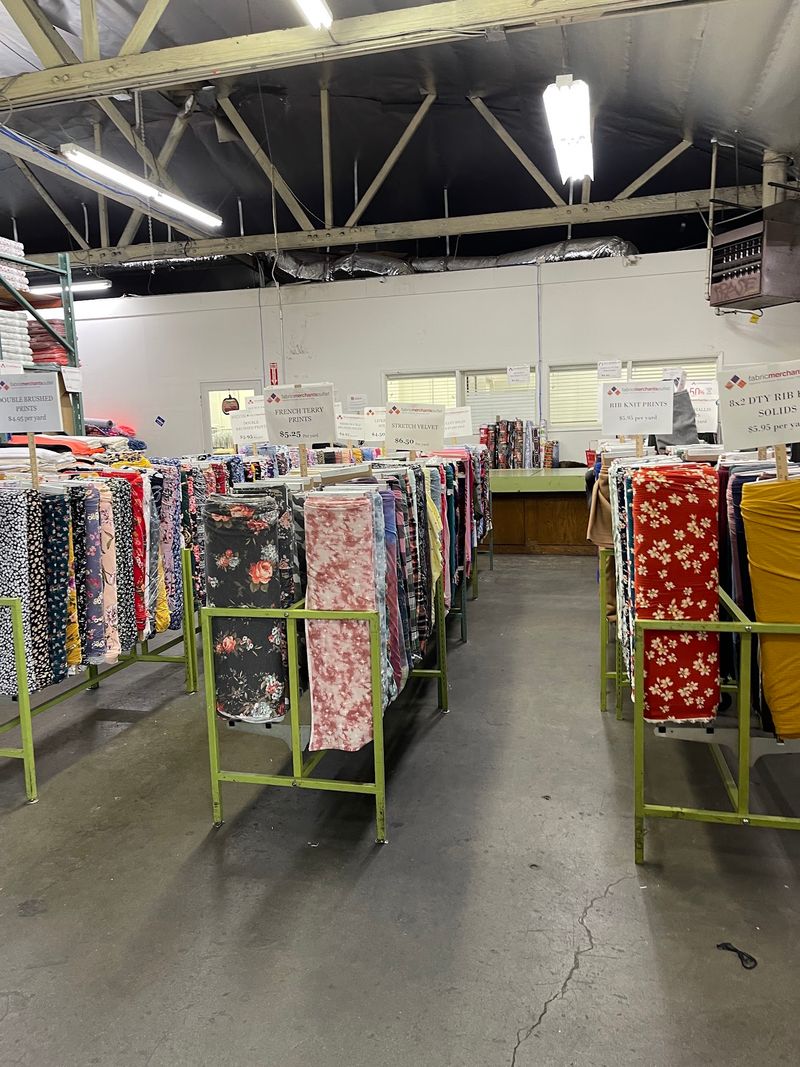
Deadstock fabric carries a quiet appeal that goes beyond just saving money.
These are materials left over from wholesale production runs, designer orders, or garment manufacturing, and once they sell, they are gone for good.
Fabric Merchants Outlet sources deadstock through its wholesale division, meaning the retail floor sometimes holds materials that even other fabric stores cannot access.
The unpredictable nature of deadstock is exactly what keeps dedicated shoppers coming back. A visit in January might turn up a run of structured Italian-style suiting in a color not seen elsewhere.
A visit two months later might reveal a stack of printed silk charmeuse that vanished from the main wholesale market entirely. Neither find is guaranteed, and that uncertainty is part of the draw.
Finished pieces made from deadstock carry an inherent individuality because the fabric itself is limited.
A dress or jacket sewn from a material that no longer exists in production is unlikely to match what anyone else is wearing.
Deadstock shopping rewards those who show up without rigid expectations and leave with something genuinely rare.
The Selection Never Stays The Same For Long
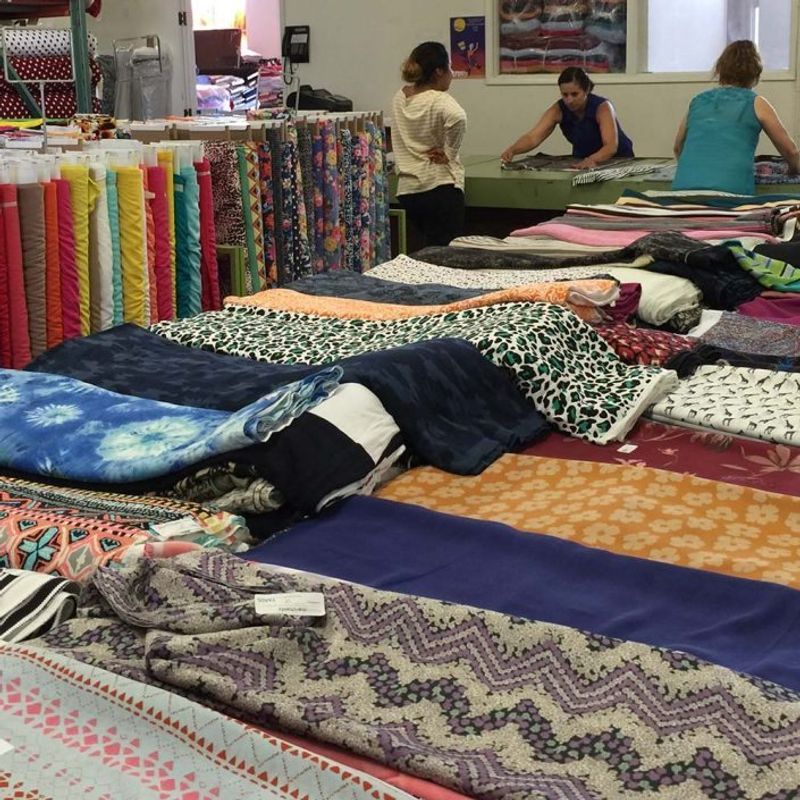
Repeat visitors to this warehouse quickly learn that the inventory from one trip rarely mirrors what was there the month before.
New excess cuts and wholesale remnants arrive regularly, rotating the available stock and keeping the selection in a constant state of change.
That unpredictability is not a flaw in the shopping experience. For many people who visit often, it is the main reason to keep returning.
Approaching a visit with a specific fabric in mind can sometimes lead to disappointment, simply because the warehouse does not operate like a store that restocks the same SKUs week after week.
Flexibility pays off here. Shoppers who wander the aisles without a rigid checklist tend to leave with interesting finds they never anticipated or an unexpected texture sitting in an overlooked corner of the floor.
The shifting stock also means that timing matters more than it does at a conventional retailer.
A fabric spotted on one visit may be gone a week later, especially if it falls into the deadstock or limited remnant category.
Returning customers often describe the experience as a hunt rather than a routine errand, and that sense of discovery keeps the warehouse feeling fresh no matter how many times someone has visited.
Apparel Makers Have Plenty To Explore
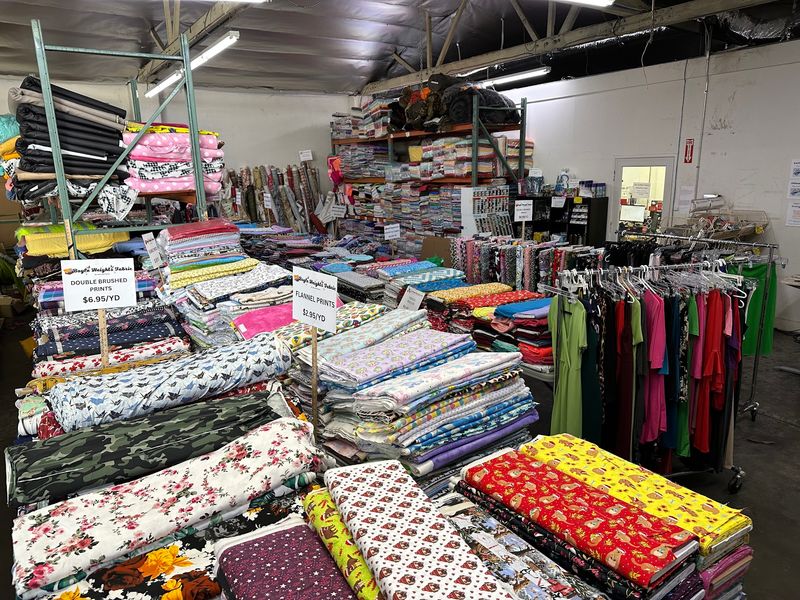
Garment construction is at the heart of what this warehouse does best, and the inventory reflects that focus clearly.
Materials suited for dresses, shirts, skirts, jackets, and costumes fill the aisles, offering apparel makers a practical range of choices without requiring visits to multiple stores.
The selection covers different weights and finishes, making it possible to source both lightweight linings and heavier outer fabrics in a single trip.
For people who sew their own clothing, finding a reliable source of fashion-oriented fabric at accessible prices is genuinely difficult in most cities.
This warehouse addresses that gap by keeping a steady supply of apparel-grade materials on hand, even as the specific prints and colors rotate with each new batch of inventory.
The quality tends to be solid, reflecting the wholesale origins of much of the stock.
Costume designers working on theatrical productions, film projects, or personal creative work also find the warehouse useful.
The mix of specialty materials, unusual prints, and varied textures provides the kind of sourcing flexibility that costume work often demands.
Whether the project calls for something structured and tailored or soft and flowing, the apparel section tends to offer enough variety to move a design forward.
There Are Fabrics For Upholstery Projects
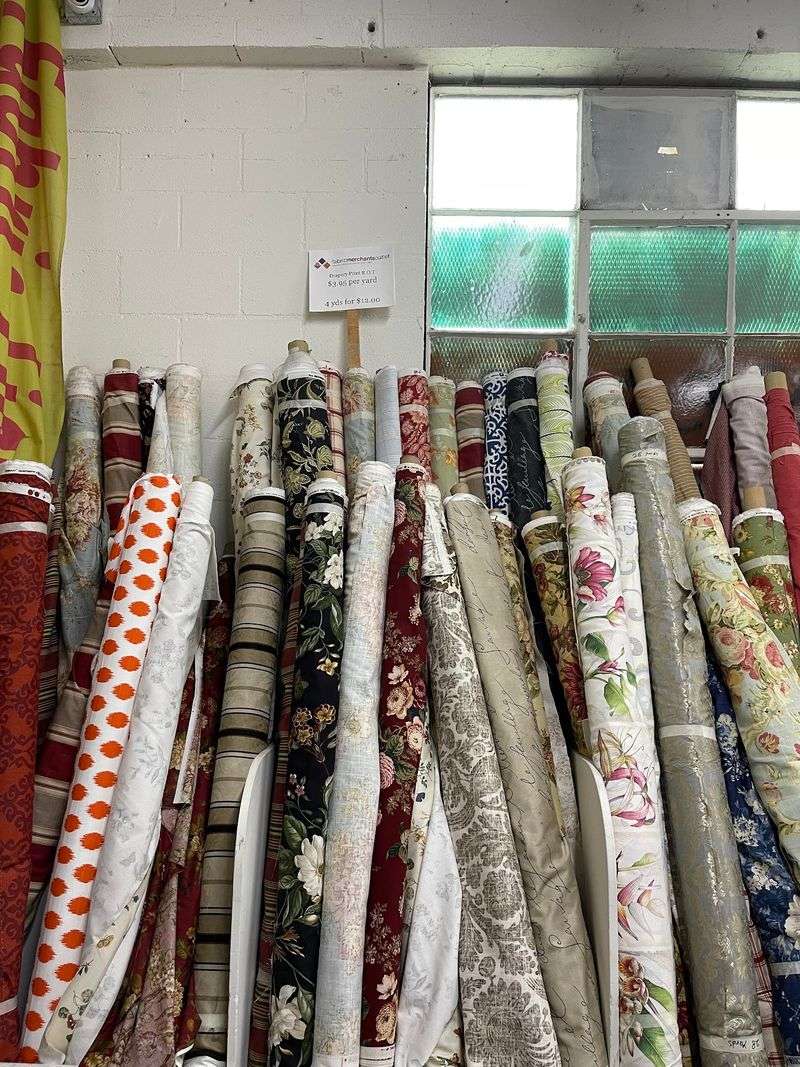
A warehouse that limits itself to apparel fabric misses a large segment of what makers actually need, and Fabric Merchants Outlet sidesteps that limitation by stocking heavier materials suited to furniture and home projects.
Upholstery fabric requires durability that apparel material rarely provides, and the warehouse carries options with the weight and weave structure that furniture work demands.
Reupholstering a dining chair or refreshing an ottoman with new fabric is a project that many people consider but hesitate to start because quality upholstery material tends to be expensive at traditional retailers.
Finding these heavier fabrics at outlet prices makes the project more financially approachable, especially for someone tackling a set of chairs rather than a single piece.
Cushion covers, decorative panels, and accent pieces also benefit from upholstery-weight fabric, which holds its shape better than lighter materials under repeated use.
The textures available in this section differ noticeably from apparel fabrics, with tighter weaves, bolder patterns, and surfaces designed to handle friction over time.
Shoppers working on home renovation projects or interior refreshes will find the upholstery section a practical stop within the larger warehouse browsing experience.
Wholesale Rolls Can Be Worth Exploring
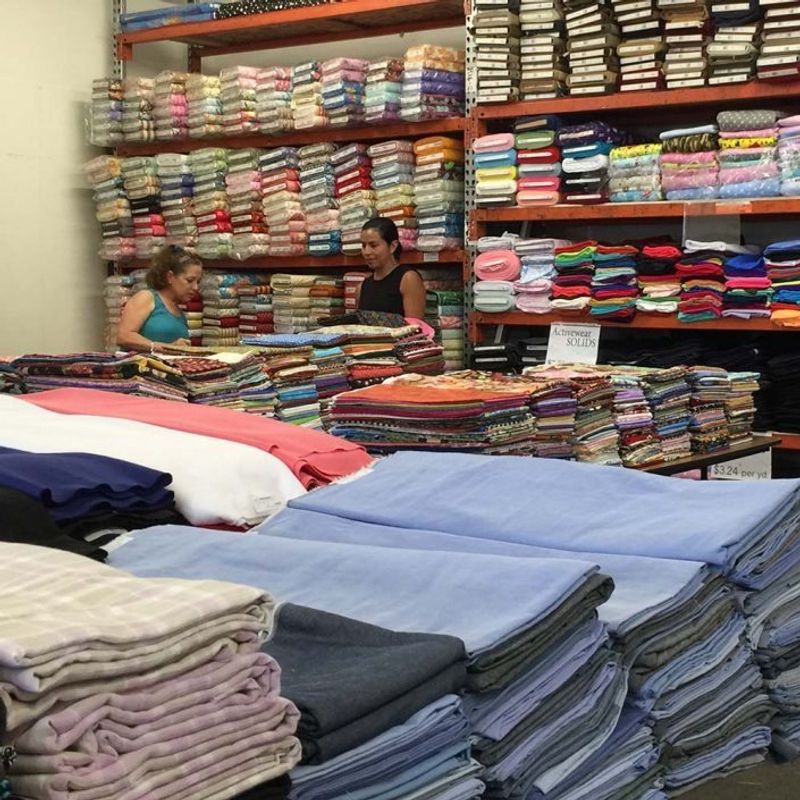
Beyond the retail cutting table, the warehouse connects directly to the wholesale operation that supplies the broader fabric industry.
Full bolts sourced from mills and garment companies are available to the public with a minimum purchase requirement, typically around five yards, giving individual makers access to the same materials that fabric stores and designers order.
Wholesale rolls tend to feature current and upcoming apparel fabrics, meaning the selection reflects what is moving through the fashion supply chain at any given moment.
Shoppers who want to work with fabrics that feel current rather than dated benefit from this connection to the wholesale pipeline.
The variety within the wholesale roll section can differ significantly from what sits on the retail remnant tables, offering a deeper look at the full range of what the company sources.
For small business owners, independent designers, or dedicated home sewers who use large quantities of a single fabric, purchasing from wholesale rolls at outlet pricing represents meaningful savings.
Building a capsule wardrobe or stocking a fabric stash for an upcoming season all become more financially practical when the per-yard cost reflects wholesale rather than boutique retail rates.
The Prices Are Built Around Outlet Shopping
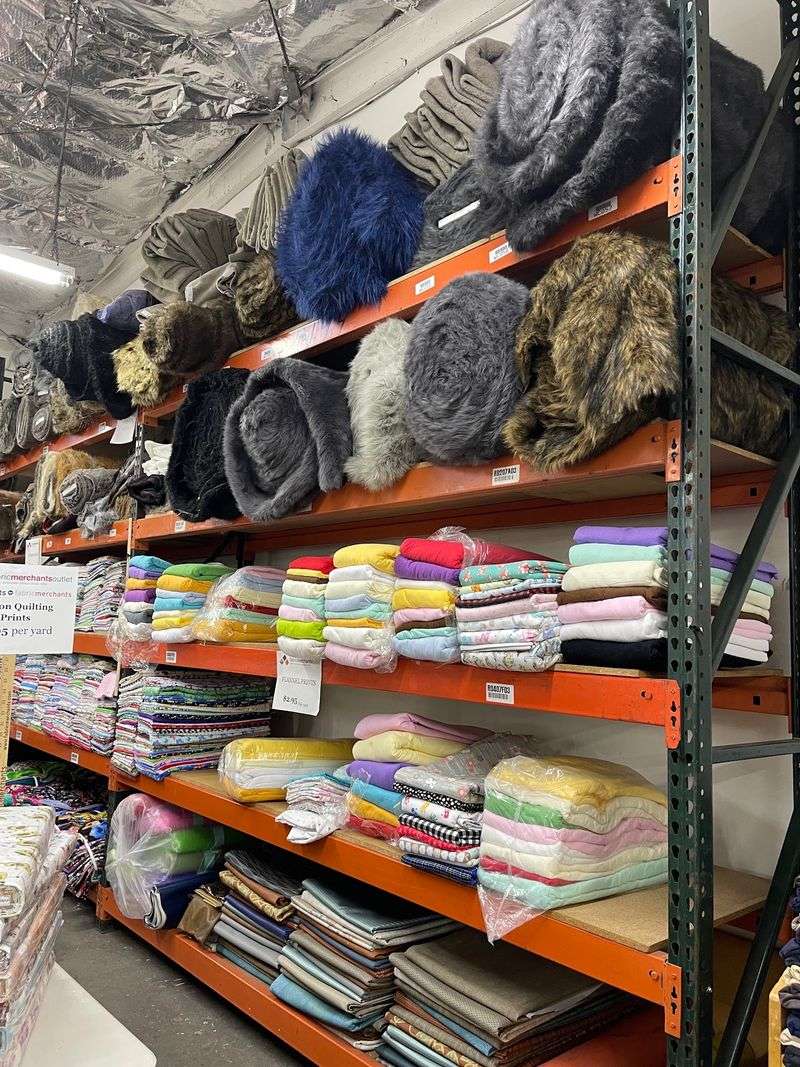
Pricing at this warehouse reflects its outlet identity in a way that becomes apparent quickly once browsing begins.
Quilting cottons have been available at around $3 per yard, double brushed poly at approximately $4.99, and vinyl at prices starting near $3.99.
Those figures sit well below what most boutique fabric shops or even chain craft stores charge for comparable materials, and the difference adds up fast when a project requires multiple yards.
The outlet model works because the warehouse sources excess inventory, wholesale remnants, and deadstock rather than maintaining a curated retail selection at full margin.
That sourcing strategy keeps costs lower and passes the savings along to shoppers.
Tubs of assorted fabrics sold by the pound have also appeared in the store, offering an especially economical option for makers who can work with shorter, mixed cuts.
For anyone who sews regularly, the pricing structure here can meaningfully change what projects feel financially realistic.
A fabric that might cost $15 per yard at a specialty retailer becomes a much easier purchase at $5 or $6 per yard, and that gap opens up creative possibilities that budget constraints would otherwise close off.
The value proposition is straightforward and consistent with what an outlet shopping experience should deliver.