Inside An Abandoned Oregon Asylum Is One Of The State’s Most Powerful Museums
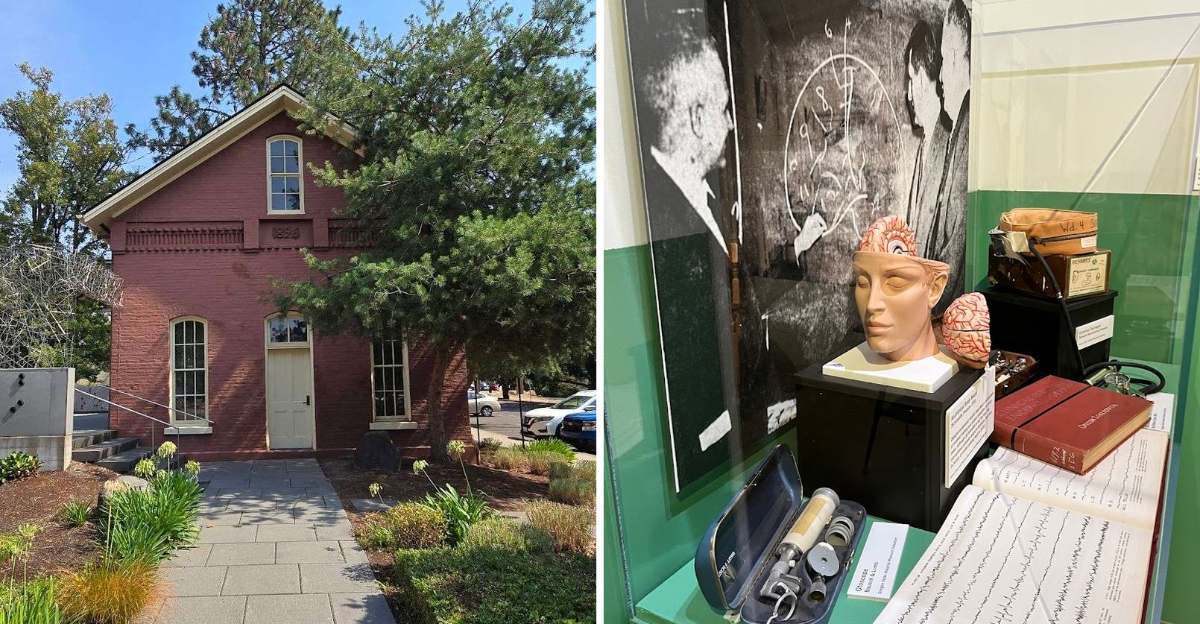
Abandoned spaces carry weight that most buildings simply never develop over time. Oregon turned one crumbling asylum into something genuinely unforgettable for all visitors.
A museum now occupies the space and the results are deeply affecting. Every exhibit connects personal history to something much larger than one life.
The building refuses neutrality the very moment you step through the door. I think that this destination shifted something permanently deep inside.
Few places anywhere ask this much of the people who enter. I stood in one corridor and felt the full weight of it.
What waits inside goes beyond what any photograph can prepare you for.
A Historic Building With Deep Roots
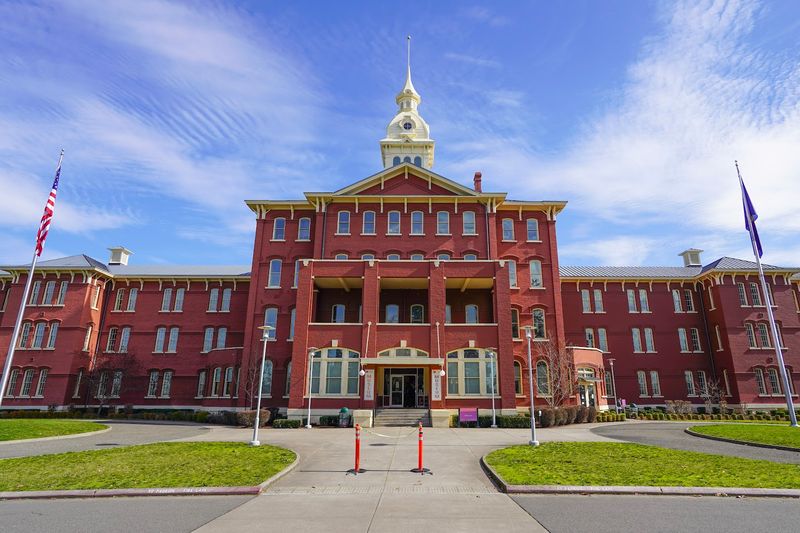
Only a few buildings in Oregon carry as much layered history as this one. The structure that houses the OSH Museum of Mental Health dates back to the mid-1800s.
It began as the Oregon State Insane Asylum, one of the earliest institutions of its kind on the West Coast. The architecture alone tells a story, with thick brick walls, tall arched windows, and corridors that echo with the past.
Oregon invested heavily in this facility during a time when mental illness was poorly understood. The building was designed to house hundreds of patients and grew significantly over the decades.
Walking up to the entrance, I could feel the weight of that history pressing gently against the present. The grounds are well-maintained and surprisingly peaceful.
Old trees line the paths, and the setting feels more like a campus than a former institution. The museum occupies only a portion of the larger complex, which remains an active facility today.
Knowing that makes the experience even more layered. History and present-day care exist side by side here, separated by just a few corridors.
The Story Of Mental Healthcare
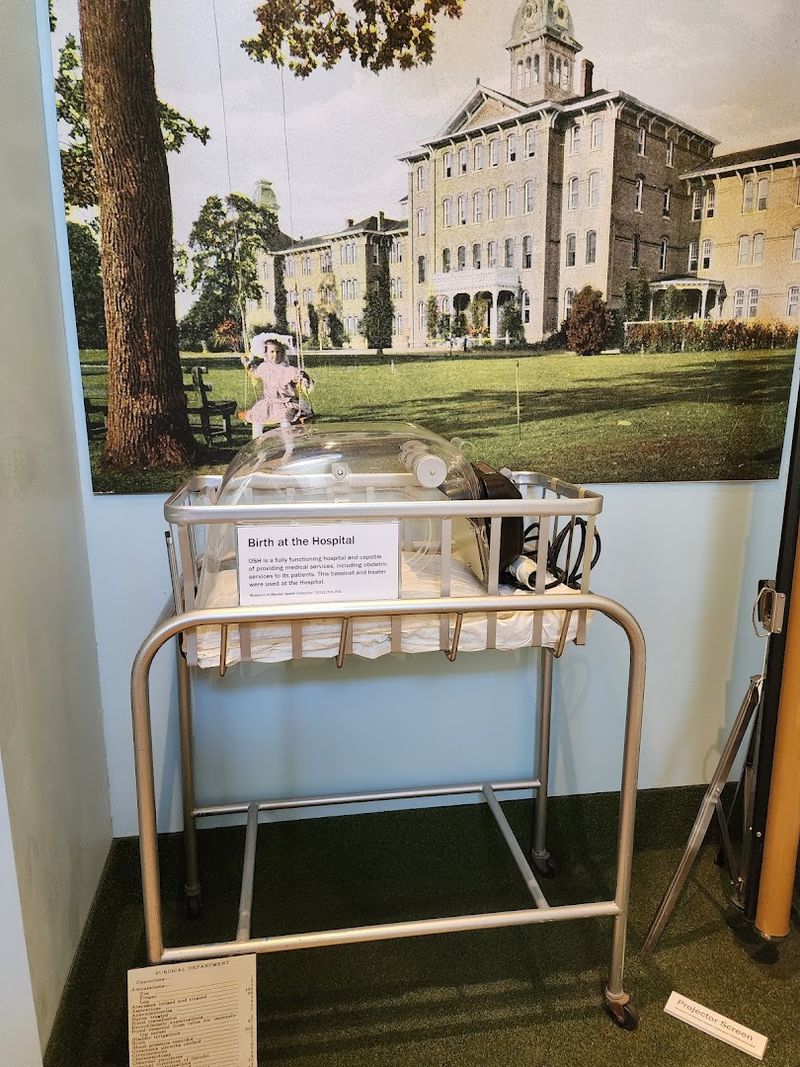
Mental health treatment has changed dramatically over the past 150 years.
The exhibits at this museum at 2600 Center St NE in Salem walk you through that evolution with honesty and care.
From early practices that now seem alarming to the gradual shift toward compassionate, evidence-based treatment, every display is designed to educate rather than shock.
Oregon played a central role in shaping how the nation thought about mental health policy. The hospital here was at the heart of many of those changes.
Audio features built into the exhibit add another layer of depth, letting voices and sounds bring the history to life in a way that plain text cannot.
I spent a good amount of time reading the detailed informational plaques placed throughout the rooms. Each one offered context that helped me understand not just what happened, but why.
The curators clearly put serious thought into how to present difficult material responsibly. Nothing felt sensationalized.
The tone was always respectful, informative, and grounded.
What To Expect Inside The Museum Rooms
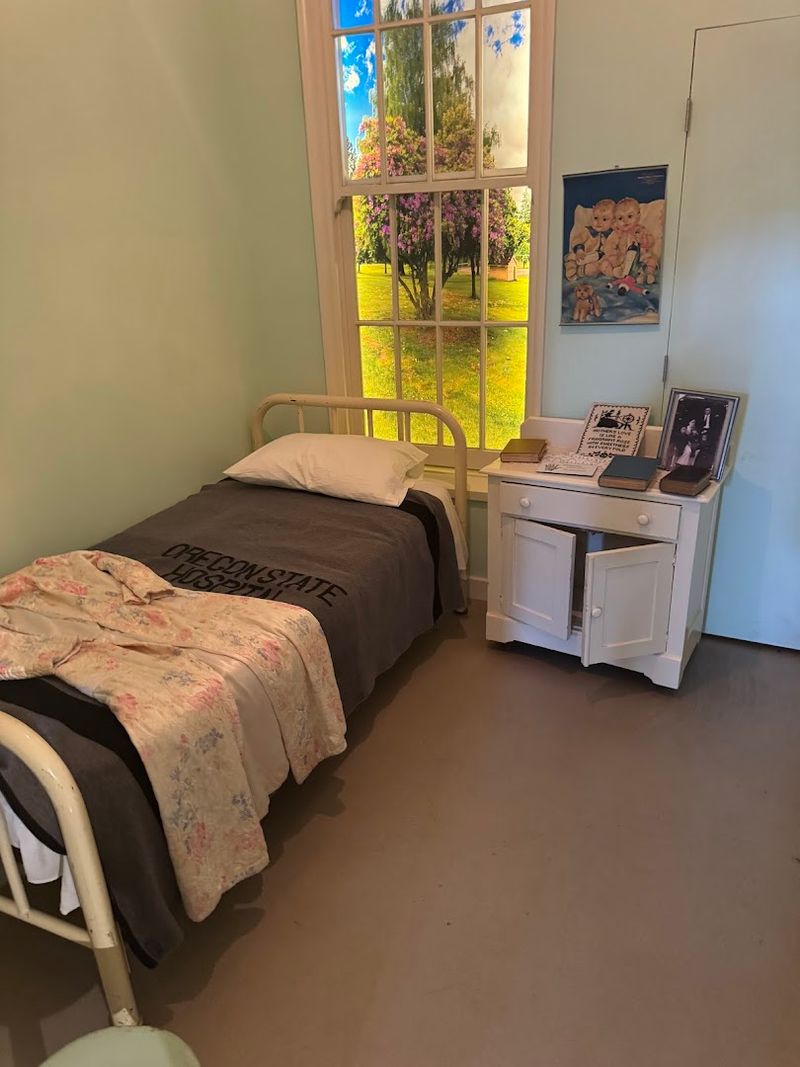
The museum spans about five rooms, so do not expect a sprawling complex.
What it lacks in size, it more than makes up for in density of information. Every wall, case, and corner holds something worth examining.
A vintage straitjacket on display was one of the most striking physical artifacts I encountered.
Exhibits are organized in a clear timeline format, which makes it easy to follow the progression of mental health treatment across different eras.
Audio components are embedded throughout, adding texture to the written displays. The overall design feels thoughtful and intentional, not cluttered or rushed.
Plan to spend at least an hour and a half if you want to read everything carefully. I ended up staying longer than I anticipated because each room pulled me further into the story.
The museum is handicap accessible, and parking on-site is free with plenty of available spaces. It is open Wednesday through Sunday from noon to 4 PM, and closed on Mondays and Tuesdays.
Personal Patient Stories That Stay With You
Numbers and dates can only tell you so much.
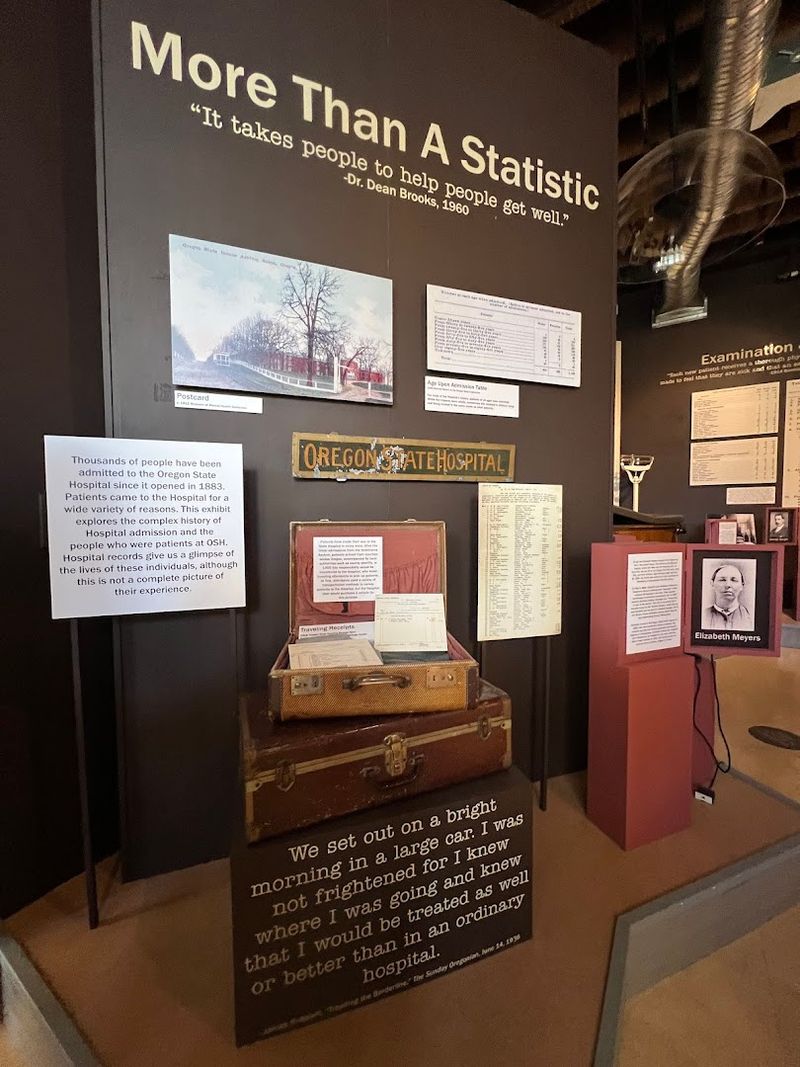
What really makes this destination stand out is how it centers real human beings. Individual patient stories are displayed throughout the museum, each one carefully curated to honor the person behind the diagnosis.
Reading about the youngest patient recorded in the hospital’s history stopped me completely. The details were specific enough to feel personal, yet presented with genuine sensitivity.
Some stories highlighted how social norms of earlier eras led to unjust commitments. Women, in particular, were sometimes institutionalized for reasons that today would be considered completely ordinary life circumstances.
These accounts are not easy to read, but they are necessary. They remind you that behind every statistic is a real person who laughed, dreamed, and deserved dignity.
The museum does not dwell on hardship for its own sake. Instead, it frames each story as part of a larger conversation about progress and accountability.
I found myself lingering much longer than I expected, reading slowly and thinking carefully.
The One Flew Over The Cuckoo’s Nest Connection
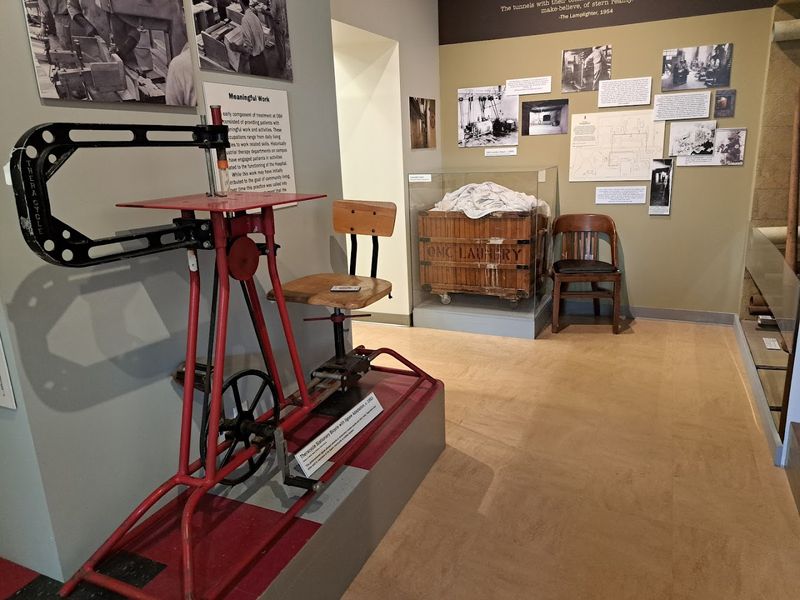
Here is a detail that genuinely surprised me: the 1975 film One Flew Over the Cuckoo’s Nest was filmed right here on these very grounds.
The connection between this landmark movie and the Oregon State Hospital is a major draw for many visitors, and the museum dedicates a full section to celebrating it.
The exhibit features props, photographs, and behind-the-scenes details that film fans will find fascinating. Staff members are enthusiastic about sharing this piece of history and will happily fill you in on the production details if you ask.
Some of the staff have worked in this building for decades. That means their knowledge goes far beyond what is printed on any placard.
What I appreciated most was how the museum balanced the film’s cultural impact with the real history of the institution. The movie brought global attention to the way mental health patients were treated, and that attention helped spark real reform.
So the connection is not just a fun Hollywood footnote. It is actually woven into the broader story of change that the museum tells.
The Memorial For Unclaimed Patients
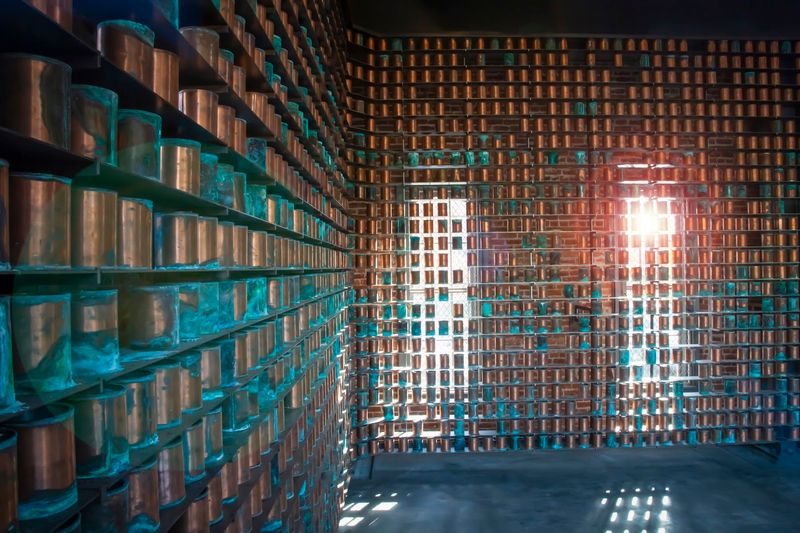
Just a short walk from the main museum building sits one of the most quietly powerful memorials I have ever encountered.
For decades, patients who passed away at the Oregon State Hospital and were never claimed by family were cremated, and their remains were stored in copper canisters. For years, those canisters sat forgotten in a sealed room.
The memorial built to honor these individuals stands on the hospital grounds and features a wall of names alongside the copper canisters.
An empty canister represents those who were never individually identified. The whole space has a stillness to it that is hard to describe but impossible to ignore.
Museum staff will point you toward the memorial during your visit, and I strongly encourage you to make the walk. It is a bit of a distance from the entrance, with a slight incline along the way, so wear comfortable shoes.
The experience of standing there, reading the names, and understanding what each canister represents is something that no exhibit inside could fully replicate.
The Knowledgeable And Passionate Staff
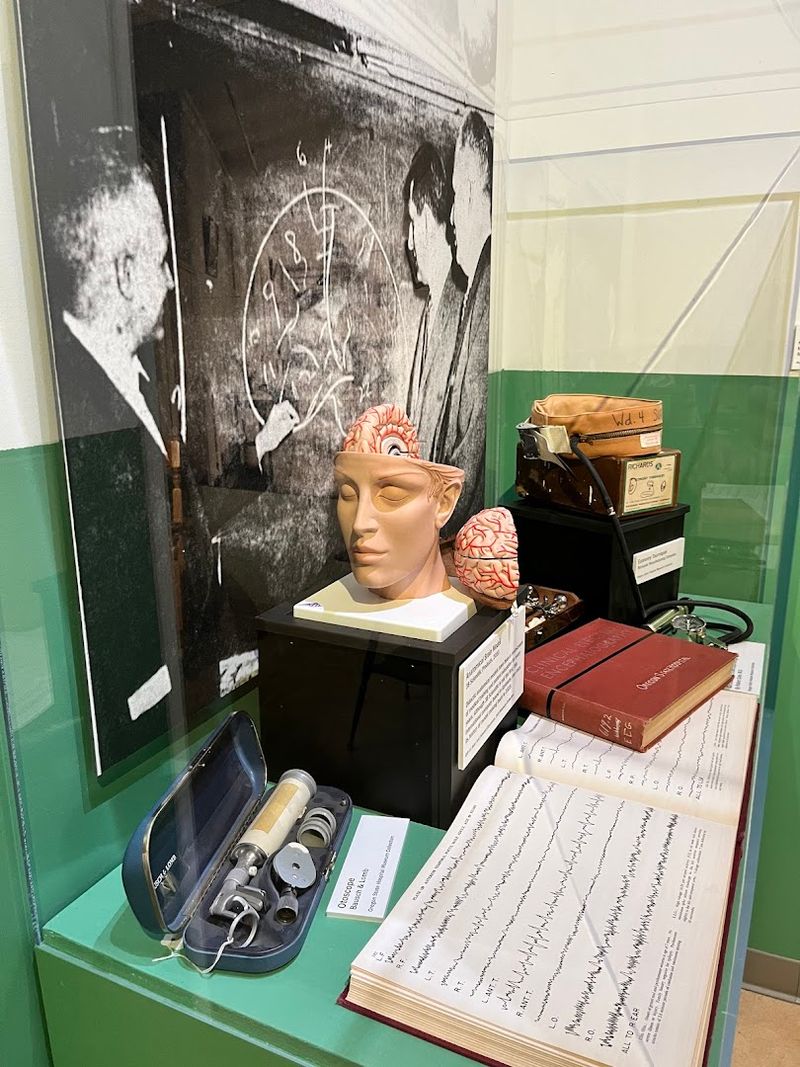
One of the unexpected highlights of my visit was the staff.
Several of the volunteers and docents working at the OSH Museum of Mental Health are retired medical professionals who spent their careers in mental health. That background gives them an authority and warmth that you simply cannot script.
When I asked about the filming of One Flew Over the Cuckoo’s Nest, one staff member lit up and shared details I had never read anywhere online. That firsthand knowledge transforms a museum visit into something closer to a conversation with history.
The staff also handle the more difficult parts of the museum’s content with real sensitivity. They understand that some visitors may have personal connections to mental health treatment, and they approach every interaction accordingly.
In Oregon, it is rare to find a museum where the human element matches the quality of the exhibits so perfectly.
Why This Museum Deserves Your Full Attention

There are museums that inform you, and then there are museums that genuinely shift your perspective.
The OSH Museum of Mental Health falls firmly into that second category. It handles one of the most complex and sensitive topics in medical history with real intelligence and compassion.
The exhibits do not flinch from uncomfortable truths, but they also never lose sight of the progress that has been made. That balance is harder to achieve than it sounds, and the team here pulls it off beautifully.
I left the museum feeling a quiet sense of hope mixed with a sharper awareness of how far society still has to travel. That combination of emotions is exactly what the best museums produce.
If you are a history enthusiast, a healthcare professional, or simply someone who wants to understand the world a little better, this place has something real to offer.
Go slowly, read everything, and do not skip the memorial. You will not regret a single minute spent here.