Step Inside Atlanta’s Georgia Oldest Food Hall Born From The Ashes Of The Great Fire Of 1917
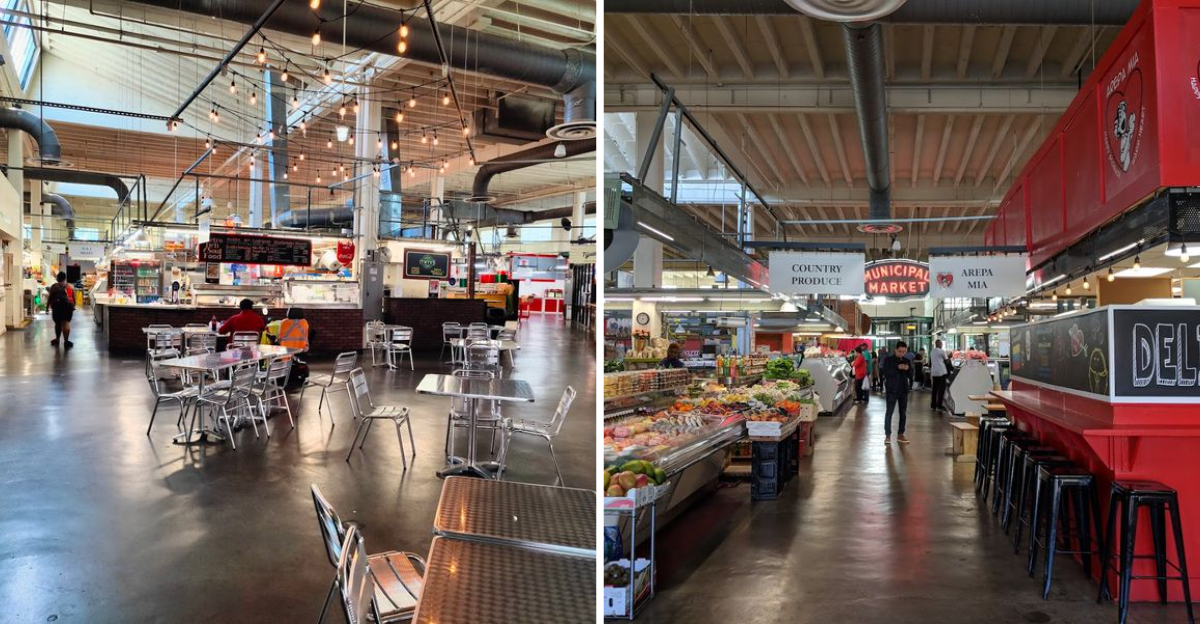
In 1917, a devastating fire swept through Atlanta, reshaping entire neighborhoods and leaving much of the city in ruins. From that destruction emerged a lasting symbol of resilience: the Municipal Market, now recognized as Atlanta’s oldest food hall. For more than a century, this historic gathering place has welcomed locals and visitors eager to experience its character and flavor.
The architecture reflects its early twentieth century roots, blending sturdy brick construction with timeless design details that hint at its storied past. Inside, the energy shifts from historic to delicious as vendors serve a vibrant mix of cuisines that represent the city’s diverse culinary spirit. The atmosphere feels lively yet grounded in tradition, making every visit feel meaningful.
This landmark offers more than a meal, it delivers a true taste of Atlanta’s history and heart.
1. Historic Architecture Tells Stories
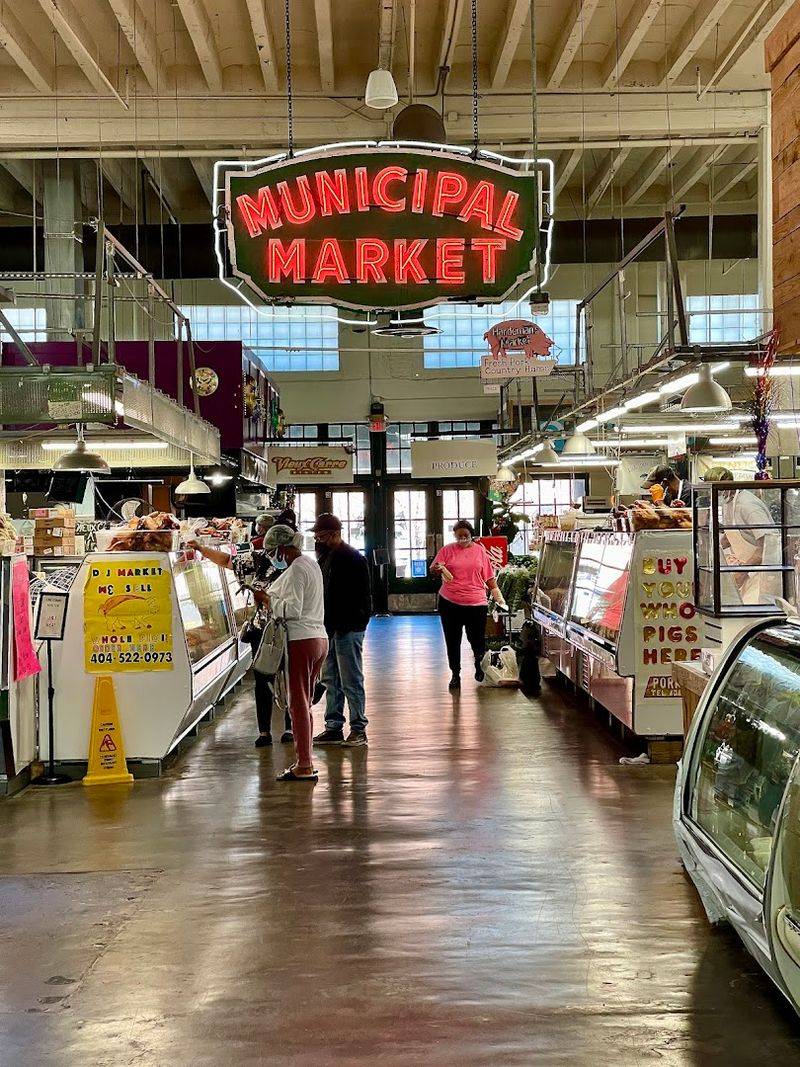
Walking up to this building feels like stepping back in time. The Municipal Market stands at 209 Edgewood Ave SE, Atlanta, GA 30303 showing off its classic early 1900s design. Red brick walls stretch high above the sidewalk, and you’ll notice those beautiful arched windows that survived the Great Fire.
Architects designed this place to last forever. Heavy stone accents frame the entrances, and the building’s footprint covers an entire city block. You can still see original metalwork on some of the doors.
Every corner holds a piece of Atlanta’s comeback story. The market opened just months after the fire, giving residents hope during tough times. Today, photographers love capturing the way sunlight hits those vintage window frames, creating perfect shadows on the weathered brick.
2. Fresh Produce Section Bursts With Color
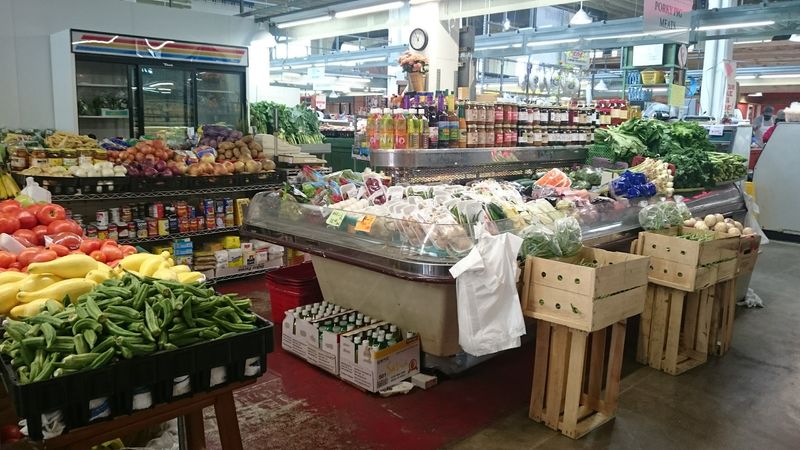
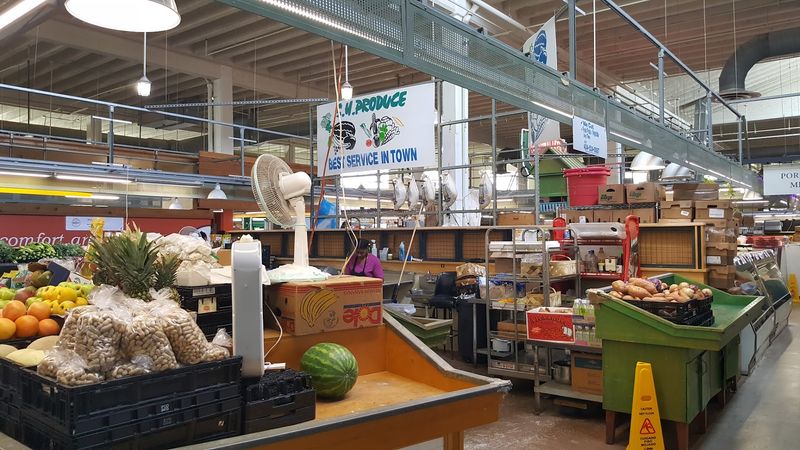
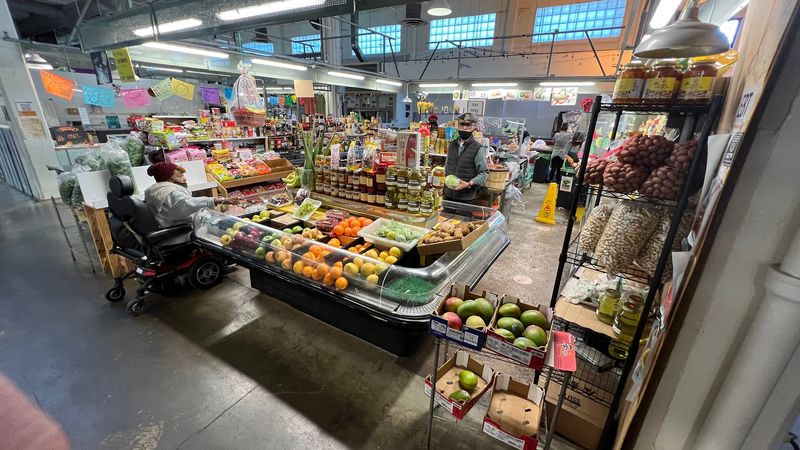
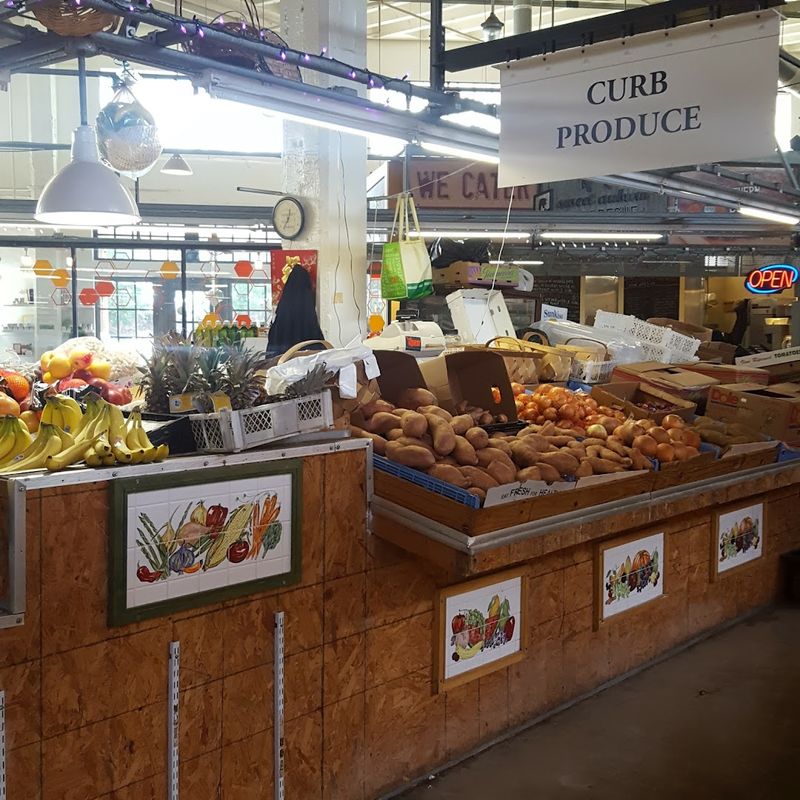
Rows of crisp vegetables greet you the moment you enter. Local farmers bring their harvest here six days a week, stacking tomatoes, leafy greens, and seasonal squash in neat pyramids. The air smells like earth and fresh-cut herbs.
I love wandering through the produce aisles on Saturday mornings. Vendors call out their daily specials, offering samples of peaches or sweet corn. You’ll find ingredients here that grocery stores don’t carry, like heirloom varieties and specialty mushrooms.
Prices beat most supermarkets by a mile. Many sellers grow their crops within fifty miles of Atlanta, so everything arrives at peak ripeness. Kids enjoy watching vendors stack fruit displays, and some farmers share growing tips if you ask nicely.
Shopping here supports Georgia agriculture while filling your basket with the freshest picks available.
3. Southern Soul Food Vendors Serve Comfort
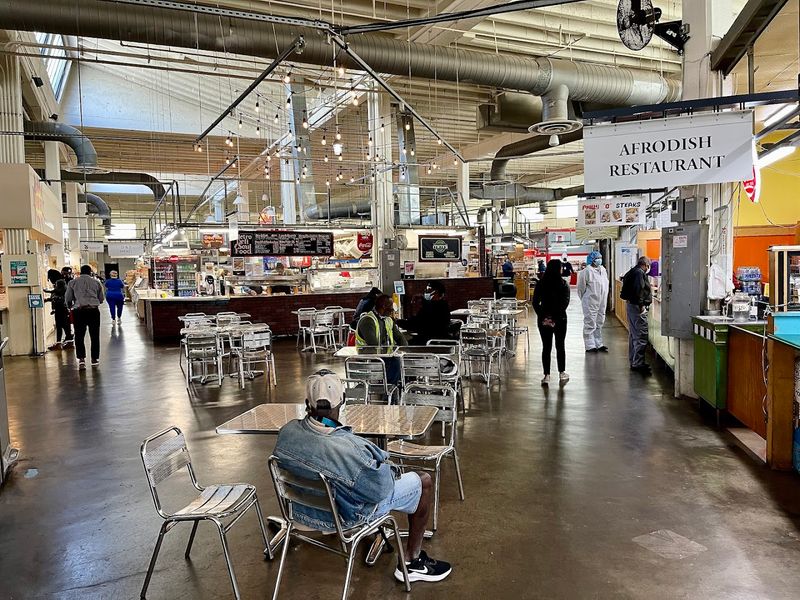
Your stomach will thank you for finding the soul food stalls. Several vendors dish out plates loaded with fried chicken, collard greens, and mac and cheese that tastes like grandma made it. Steam rises from warming trays all afternoon long.
Lines form early at the most popular spots. One vendor specializes in smothered pork chops that practically fall apart when you touch them with a fork. Another makes cornbread so moist it doesn’t need butter, though they offer honey butter anyway.
Eating here feels like attending a family reunion. Servers remember regular customers and their usual orders. Most plates cost between eight and twelve dollars, which is a bargain considering the portion sizes.
You’ll leave satisfied, probably carrying a to-go box because the servings are generous enough to feed two people.
4. International Food Stalls Offer Global Flavors
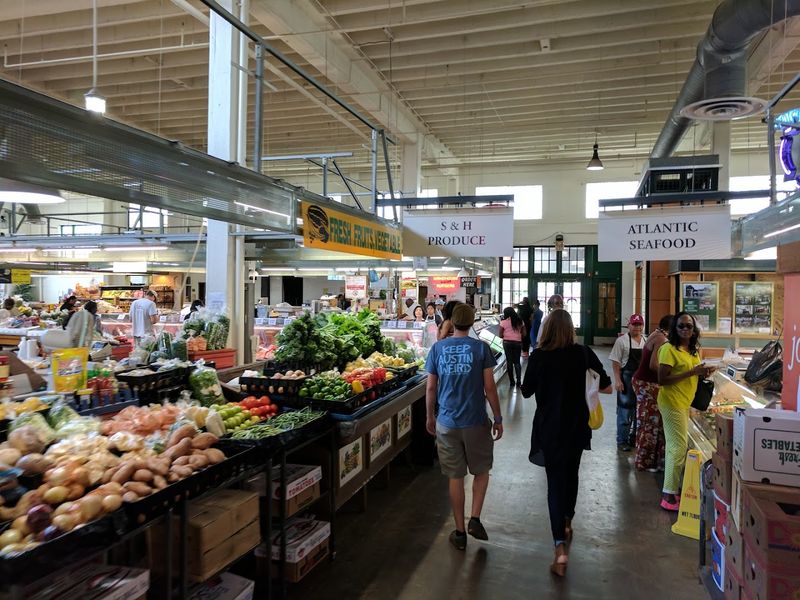
Passport not required for this culinary journey. The Municipal Market houses vendors from around the world, each bringing authentic recipes from their home countries. You can grab tacos at one counter, then walk ten feet for Vietnamese banh mi.
One afternoon, I counted food from twelve different countries. Ethiopian injera bread sits next to Greek gyros, while a Korean vendor prepares bibimbap bowls with lightning speed. The Mexican stall makes fresh tortillas every hour, filling the air with that unmistakable corn aroma.
Spice levels range from mild to mouth-burning. Most vendors happily explain their dishes and suggest options for picky eaters or those with dietary restrictions. Prices stay reasonable, with most meals costing under fifteen dollars.
This variety makes the market perfect for groups who can’t agree on one type of food.
5. Butcher Shops Cut Fresh Meat Daily
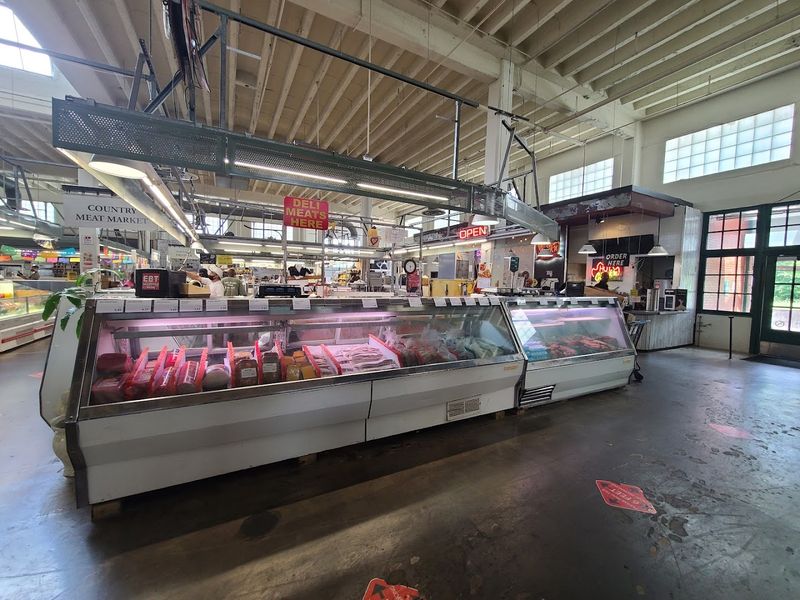
Meat lovers find paradise at the butcher counters. Skilled butchers trim cuts right in front of you, answering questions about cooking methods and recommending the best options for your recipe. Glass cases display everything from ribeyes to lamb chops.
Quality beats anything you’ll find in plastic-wrapped supermarket packages. These butchers source from local farms and can tell you exactly where each animal was raised. They’ll cut steaks to your preferred thickness or grind beef while you wait.
Custom orders are their specialty. Planning a barbecue? They’ll prepare everything you need, from marinated chicken to seasoned ribs.
Some butchers have worked at the market for decades, passing down traditional cutting techniques. Their expertise shows in every precisely trimmed piece, and they genuinely care about helping you cook the perfect meal at home.
6. Seafood Counters Display Ocean Treasures
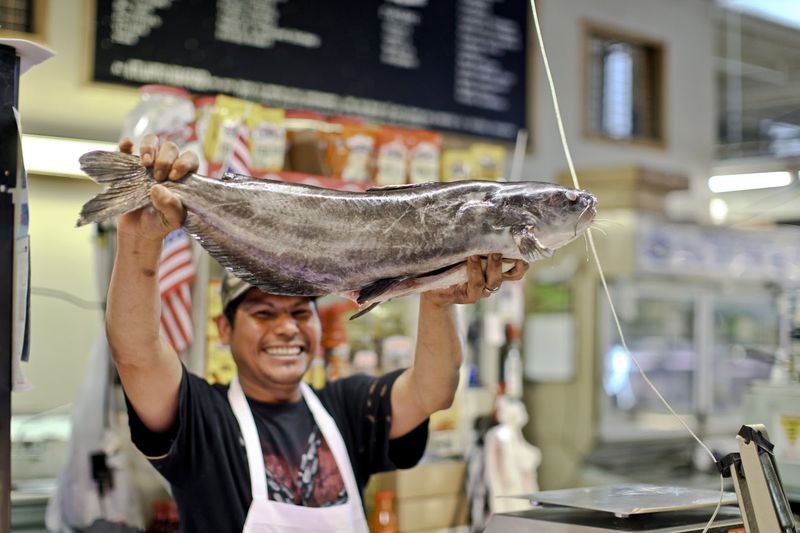
Ocean smells greet you before you reach the seafood section. Whole fish rest on beds of crushed ice, their scales still shimmering under the lights. Shrimp, oysters, and crab legs fill neighboring trays, all brought in from the Georgia coast.
Vendors know their seafood inside and out. They’ll tell you which fish arrived that morning and how to prepare species you’ve never tried. Many offer to clean and fillet your purchase at no extra charge, saving you work at home.
Freshness makes all the difference in taste. The market gets deliveries several times weekly, ensuring you’re never buying old stock. Prices fluctuate with the catch, but you’ll often find deals that make cooking seafood at home cheaper than dining out.
Some vendors even share their favorite recipes, scribbled on scraps of paper they keep behind the counter.
7. Bakery Stalls Fill Air With Sweet Aromas
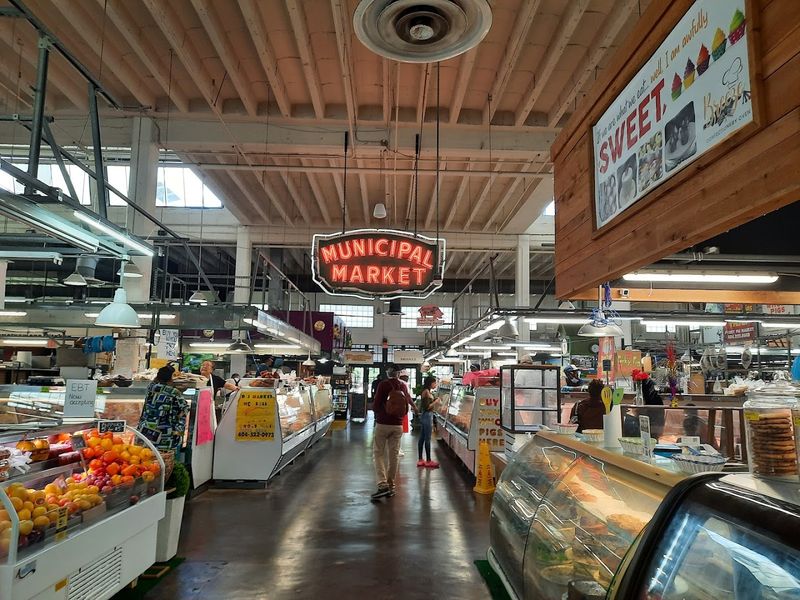
Your nose will lead you straight to the bakeries. Multiple vendors compete to offer the best baked goods, from flaky croissants to towering layer cakes. Display cases overflow with treats that look almost too pretty to eat.
Early morning brings the smell of fresh bread. Bakers arrive before dawn to prepare loaves that sell out by noon. You’ll find sourdough, challah, focaccia, and specialty breads studded with olives or herbs.
Sweet tooth calling? The dessert selection could satisfy any craving. Pecan pies honor Georgia’s famous nuts, while red velvet cakes pay tribute to Southern traditions.
One baker makes cookies the size of your hand, chewy in the middle with crispy edges. Another specializes in European pastries that taste like they came straight from a Parisian patisserie. Prices are fair, especially considering everything is made from scratch daily.
8. Coffee Roasters Brew Perfect Cups
Caffeine lovers rejoice at the coffee stations. Local roasters set up shop here, brewing beans they roast themselves in small batches. The rich aroma of fresh coffee competes with all the food smells, somehow standing out above everything else.
Baristas take their craft seriously. They’ll explain the difference between light and dark roasts, recommend beans based on your taste preferences, and pull espresso shots with practiced precision. Many offer pour-over options for coffee purists who appreciate the ceremony.
Trying before buying is encouraged. Most roasters let you sample different varieties, from bright Ethiopian beans to chocolatey Colombian blends. You can purchase whole beans to take home or grab a cup to sip while exploring the market.
Prices match what you’d pay at fancy coffee shops, but the quality surpasses most chain stores by miles.
9. Specialty Cheese Vendors Offer Tastings
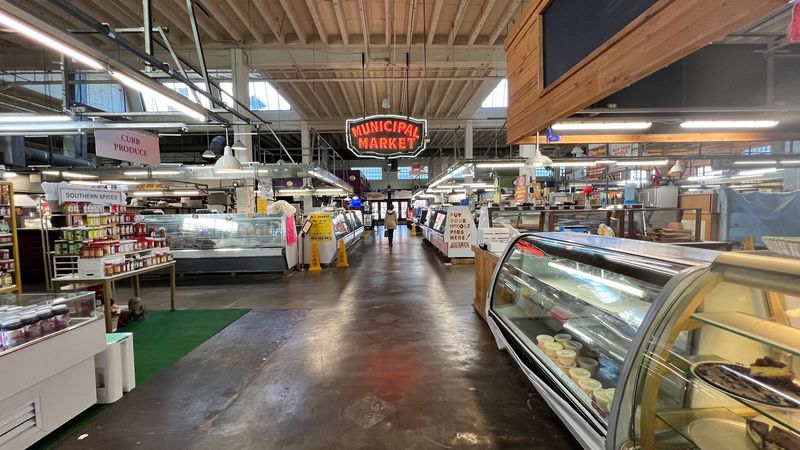
Cheese enthusiasts could spend hours at these counters. Vendors stock hundreds of varieties from around the world, plus locally made Georgia cheeses that deserve more attention. Wheels of aged cheddar sit beside soft French bries and pungent blue cheeses.
Free samples help you discover new favorites. Staff members slice thin pieces of different cheeses, pairing them with crackers or fruit. They explain flavor profiles and suggest wines that complement each variety.
Building a cheese board becomes easy with expert guidance. Vendors recommend combinations that balance soft and hard textures, mild and sharp flavors. They’ll slice, wrap, and label everything so you remember what you bought.
Some cheeses here can’t be found anywhere else in Atlanta. The selection changes seasonally as new batches age to perfection, giving you reasons to return and explore different options throughout the year.
10. Spice Merchants Stock Global Seasonings
Rainbow colors fill the spice stalls. Dozens of jars contain powders, seeds, and dried herbs from every continent. The combined scent creates an intoxicating mix that makes you want to cook immediately.
Vendors help demystify unfamiliar ingredients. They explain what sumac tastes like, how to use za’atar, and why certain chili peppers pack more heat than others. Many sell pre-mixed blends for specific dishes, taking the guesswork out of seasoning.
Buying in bulk saves money compared to grocery store prices. You can purchase exactly the amount you need instead of paying for a full jar you might not finish. Quality surpasses those stale spices sitting on supermarket shelves for months.
Fresh grinding happens daily for some spices, releasing oils that create maximum flavor. Home cooks and professional chefs both shop here, recognizing the superior products available at reasonable prices.
11. Prepared Food Stations Serve Quick Meals
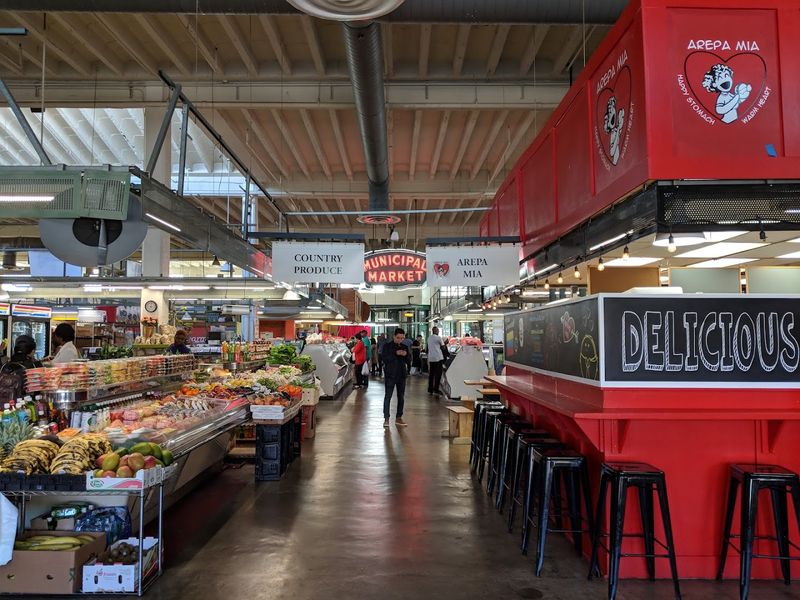
No time to cook? Grab-and-go options line entire sections. Various vendors prepare complete meals you can eat immediately or take home for dinner. Hot trays keep everything at perfect serving temperature throughout the day.
Choices span every meal and dietary preference. Breakfast burritos compete with yogurt parfaits in the morning. Lunch brings rotisserie chickens, pasta dishes, and grain bowls. Vegetarian and vegan options appear at nearly every station.
Quality matches sit-down restaurants without the wait time. Chefs prepare food in open kitchens where you watch them work. Ingredients come from other market vendors, creating a farm-to-table experience under one roof.
Prices undercut most takeout places while portions remain generous. Families appreciate being able to choose different meals that please everyone, then gathering at communal tables to eat together. The convenience factor alone makes this a weeknight dinner solution.
12. Community Tables Encourage Social Dining
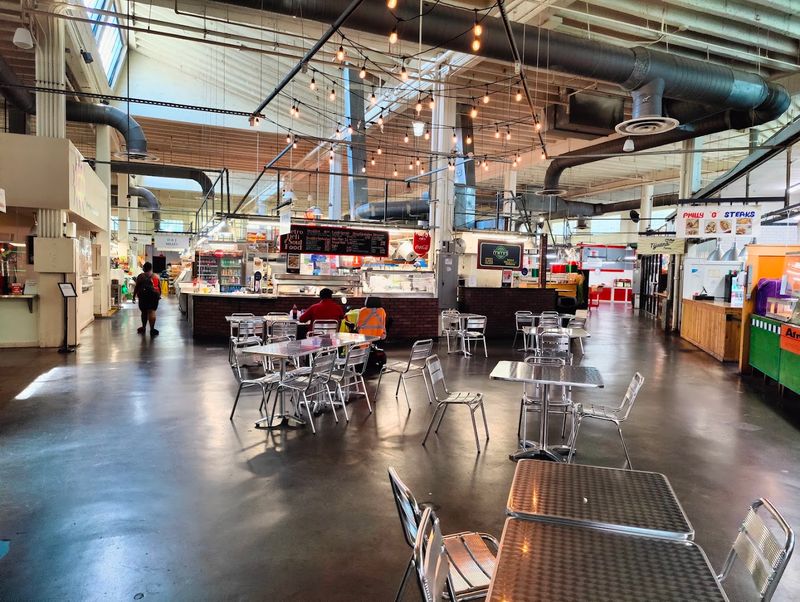
Long wooden tables create gathering spaces throughout the market. Strangers become neighbors over shared meals, and the buzz of conversation fills the air. Unlike typical restaurants with separate tables, this setup encourages interaction and community building.
Seating stays casual and welcoming. You might sit next to a businessperson on lunch break, a family with young children, or tourists exploring Atlanta. The mix of people reflects the city’s diversity, creating an authentic Atlanta experience.
Solo diners never feel awkward here. Reading a book or checking your phone at a communal table feels natural, but friendly conversations start easily if you’re open to chatting. The atmosphere stays lively without becoming too loud.
Some regular visitors have formed friendships simply by running into each other week after week. This social aspect transforms a simple meal into something more meaningful than just eating food.
13. Local Artisan Products Make Perfect Gifts
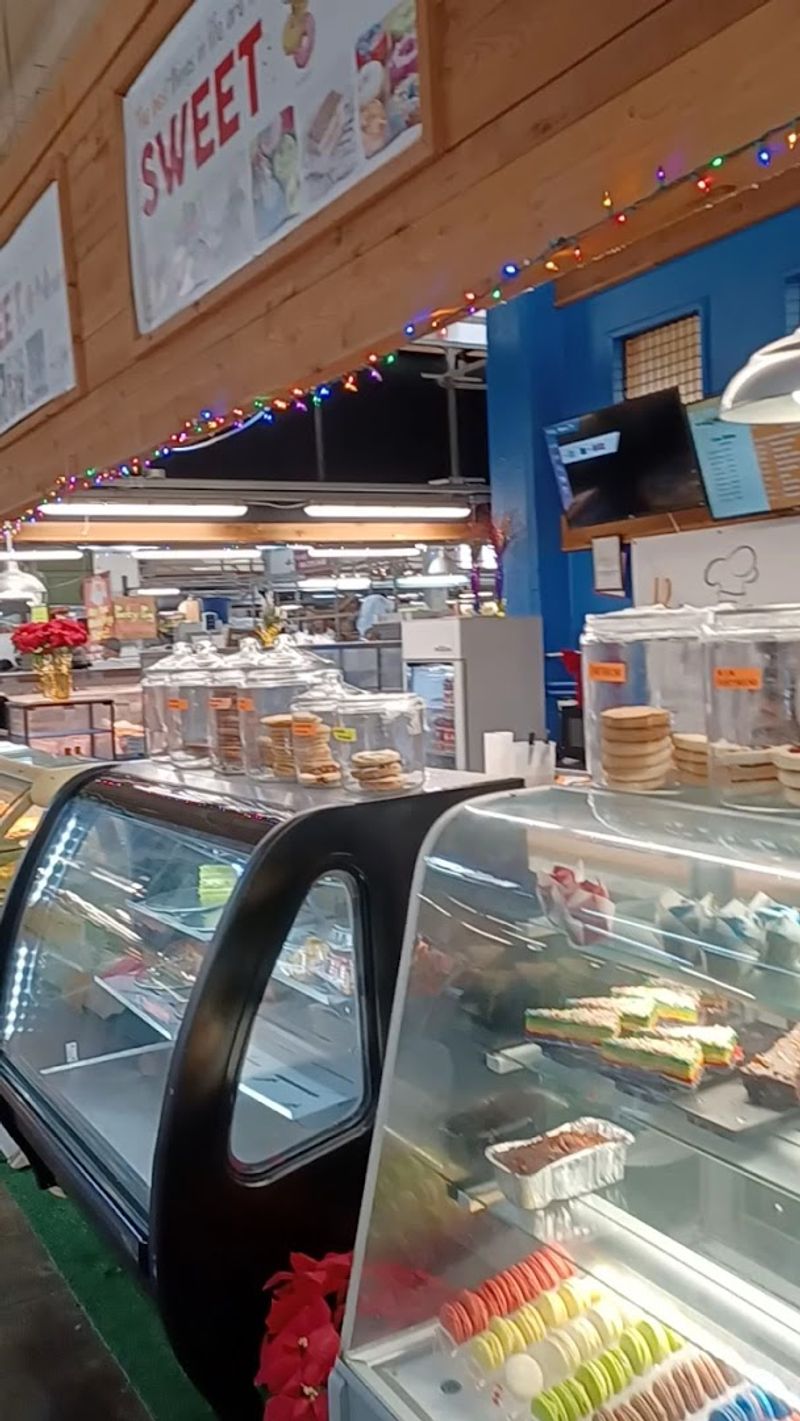
Shopping for souvenirs or gifts? Local makers sell their products at several stalls. You’ll find items you won’t see anywhere else, from small-batch hot sauces to handcrafted cutting boards made from Georgia wood. Supporting local businesses feels good. Each purchase helps Atlanta artisans continue their crafts.
Vendors often work behind their tables, letting you watch them create or package their goods. They share stories about how they started their businesses and what makes their products special.
Unique food items make memorable presents. Georgia peach preserves, locally harvested honey, and specialty pickles fill gift baskets beautifully. Non-food options include kitchen textiles, pottery, and decorative items.
Prices range from affordable trinkets to investment pieces. Everything reflects authentic Atlanta creativity rather than mass-produced tourist junk. Taking home something from the market gives you a tangible memory of your visit to this historic food hall.
14. Cooking Classes Share Culinary Skills
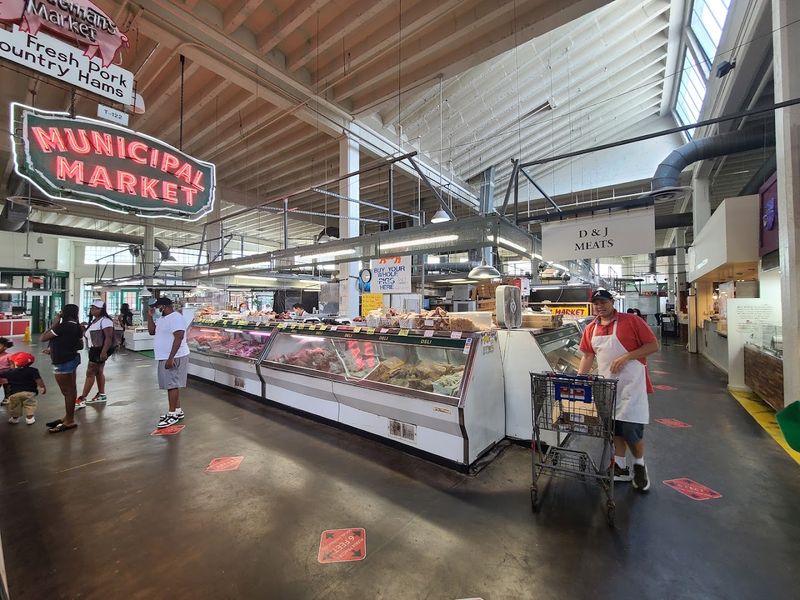
Want to improve your kitchen skills? The market occasionally hosts cooking demonstrations and classes. Local chefs teach everything from knife skills to preparing complex dishes.
Participants get hands-on experience creating meals they can recreate at home.
Learning happens in a relaxed environment. Classes stay small, allowing individual attention from instructors. You’ll use ingredients purchased right there in the market, seeing how professionals select the best produce and proteins.
Topics change monthly based on seasons and instructor availability. Past classes covered Southern classics, international cuisines, and baking techniques. Some focus on specific skills like pasta-making or butchering.
Most sessions end with everyone sharing the meal they prepared together. Registration fills up quickly for popular instructors, so checking the market’s schedule ahead of time helps secure your spot. The knowledge gained makes you a more confident cook, and the experience itself becomes a fun activity.
15. Weekend Events Create Festival Atmosphere
Saturdays and Sundays bring special energy. The market hosts events ranging from live music performances to seasonal celebrations. Musicians set up in corners, filling the space with jazz, blues, or folk tunes. The combination of great food and entertainment creates a festival vibe.
Families make weekend visits a tradition. Children enjoy the bustling atmosphere while parents browse vendors at a leisurely pace. Special holiday events draw even bigger crowds, with decorations transforming the historic building into something magical.
Arriving early beats the afternoon rush. Morning hours offer easier parking at 209 Edgewood Avenue SE and shorter lines at popular vendors. However, the crowded midday period has its own charm, with the market operating at full energy.
Evening events sometimes feature wine tastings or themed dinners. Checking the event calendar before visiting helps you catch special programming that adds extra value to your trip.