17 Iowa Home Styles That May Not Make It To The Next Generation
The rich tapestry of architectural styles that once defined American neighborhoods is slowly being replaced by newer, more cost-effective designs.
Many homes that once symbolized comfort, craftsmanship, and history now face the threat of demolition or unsympathetic renovations.
In Iowa, where history is woven into every street and every building, these classic homes are becoming increasingly rare.
As modern preferences push for simpler, more affordable options, these architectural gems struggle to survive.
The shift away from these beloved styles marks the end of an era, but the stories they tell about craftsmanship, family, and time will always be remembered.
1. Prairie School
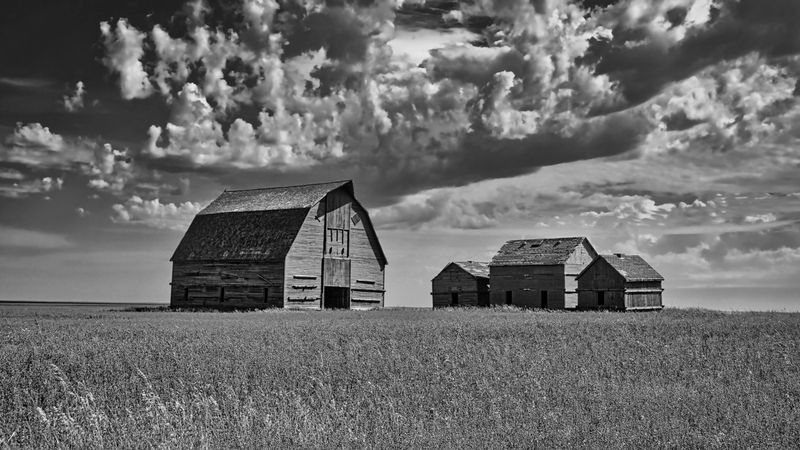
Frank Lloyd Wright and his contemporaries created something magical when they designed homes that seemed to grow right out of the Iowa prairie.
Horizontal lines stretch across these structures, mimicking the endless flatness of the surrounding landscape, while wide eaves and open floor plans invite nature inside.
Maintaining these homes requires specialized knowledge and deep pockets, as original features like art glass windows and custom woodwork demand expert restoration that many modern homeowners find challenging to afford.
2. Second Empire Victorian
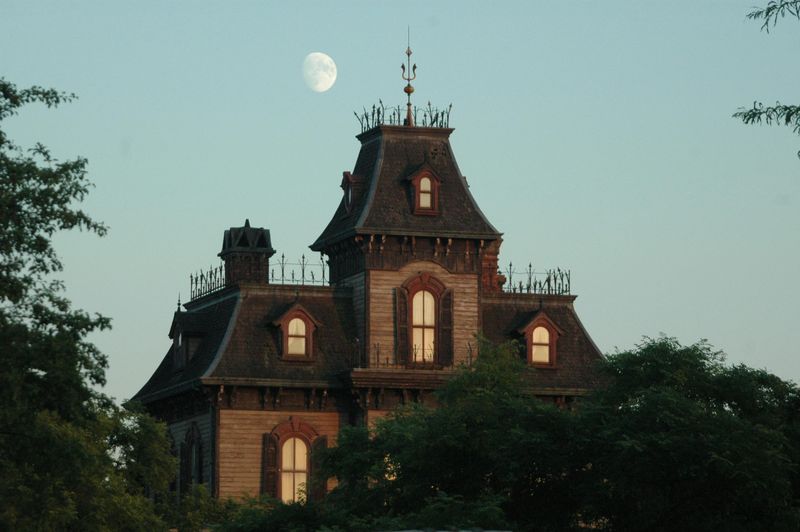
Picture a home wearing a fancy hat, and you’ve got the Second Empire style with its signature mansard roof that curves elegantly on all four sides.
Dormer windows peek out from that distinctive roofline, while decorative brackets and moldings add layers of visual interest that modern minimalism has pushed aside.
Rising maintenance expenses and the specialized skills needed to preserve intricate exterior details have left many Second Empire homes vulnerable to demolition or unfortunate renovations that strip away their character.
3. Italianate
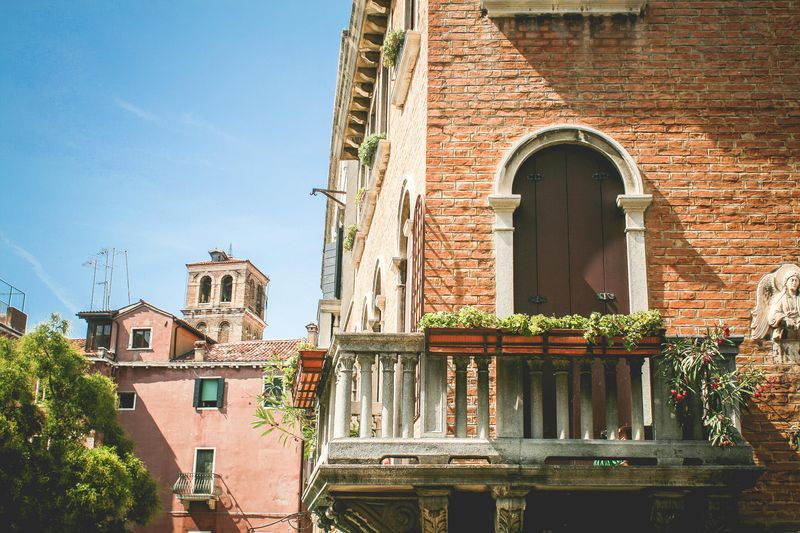
Inspired by Italian villas, these homes brought Mediterranean elegance to Iowa’s farmland through low-pitched roofs and wide overhanging eaves supported by ornamental brackets.
Tall, narrow windows often topped with decorative hoods create a sense of vertical drama that contrasts beautifully with the horizontal roofline emphasis.
Neglect has claimed many Italianate homes across Iowa, as their elaborate exterior woodwork requires regular painting and repair that modern owners often find too costly or time-consuming to maintain properly.
4. Queen Anne Victorian
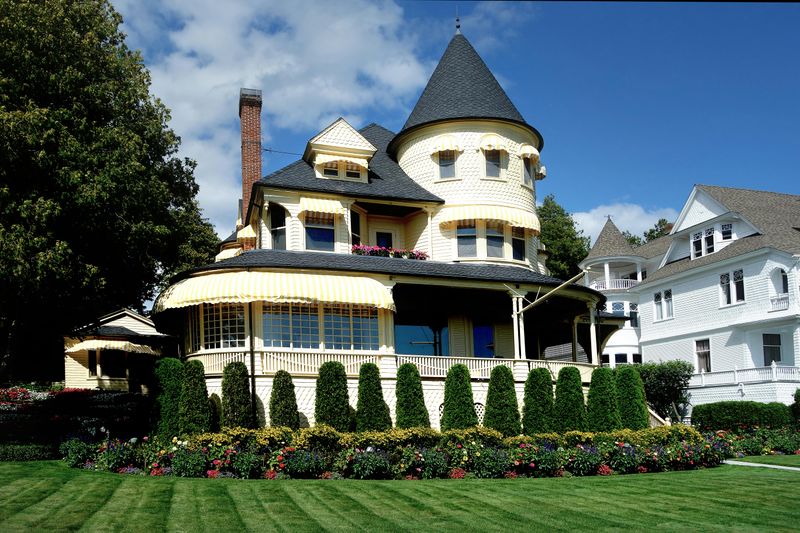
No two Queen Anne homes look quite the same, thanks to their playful mix of textures, colors, and architectural elements that create visual excitement on every facade.
Turrets, wrap-around porches, fish-scale shingles, and stained glass windows combine in delightfully unexpected ways that modern cookie-cutter subdivisions rarely attempt.
Changing architectural preferences and the significant expense of maintaining multiple exterior materials have put these whimsical homes at risk, as younger buyers often prefer simpler, lower-maintenance designs.
5. Colonial Revival
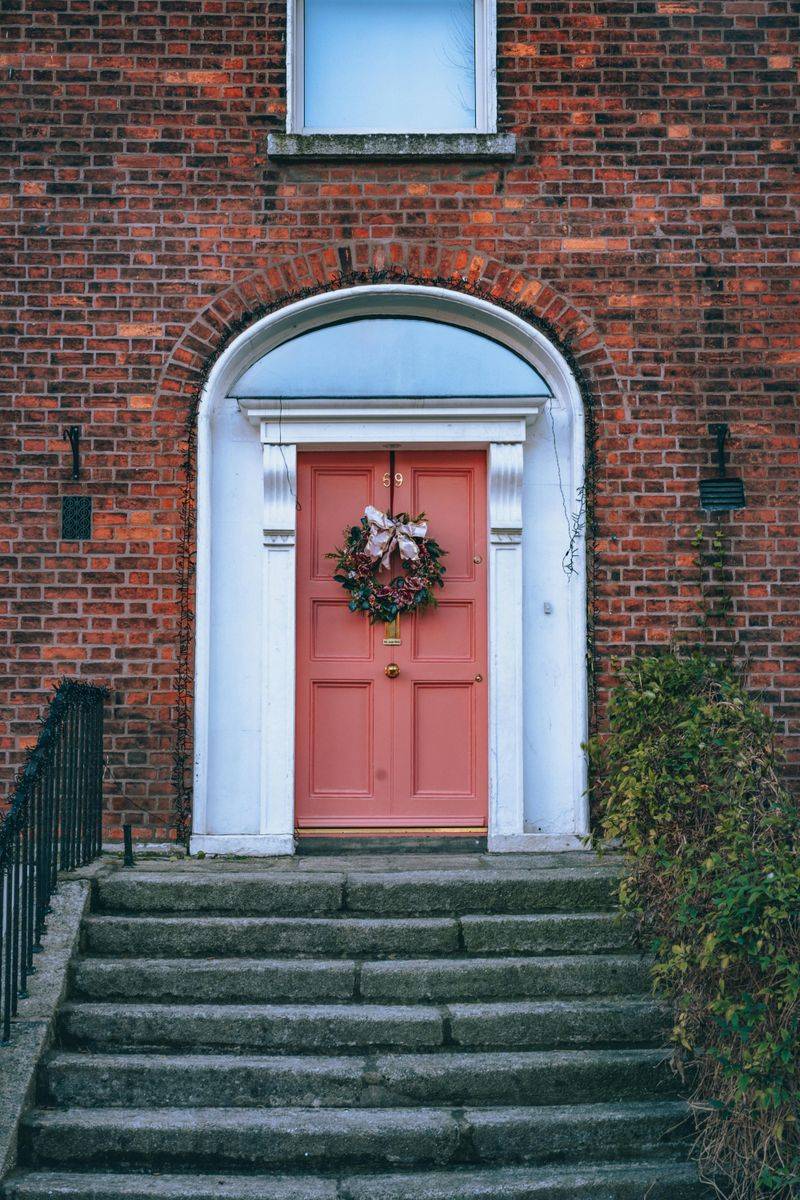
America’s fascination with its colonial past sparked a revival movement that brought symmetry and classical proportions back to residential architecture in the early twentieth century.
Brick facades, gabled roofs, and centered doorways flanked by matching windows create a sense of order and tradition that appealed to families seeking stability during uncertain times.
While these homes remain more popular than some other endangered styles, their formal layouts and compartmentalized rooms feel increasingly outdated to families who prefer today’s open-concept living spaces.
6. American Foursquare
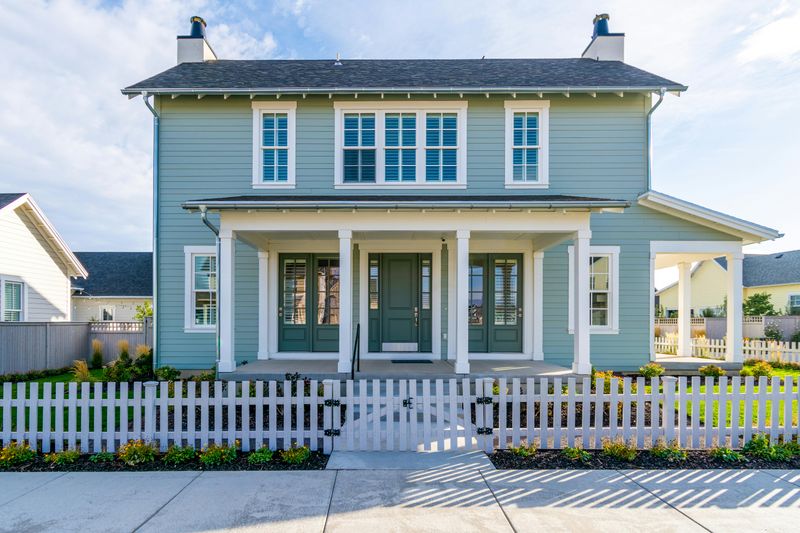
Practical and unpretentious, the American Foursquare delivered maximum living space within a simple, economical footprint that appealed to middle-class families across Iowa.
Its boxy, two-story design typically features four rooms per floor, a hipped roof with a central dormer, and a generous front porch perfect for summer evenings.
Countless examples dot Iowa’s older neighborhoods, particularly in Des Moines and Cedar Falls, where working families built these sensible homes between 1900 and 1920.
Their plain, straightforward appearance lacks the visual drama that attracts modern preservationists, leaving many vulnerable to thoughtless renovations or demolition in favor of trendier architectural statements that command higher resale values.
7. Dutch Colonial Revival
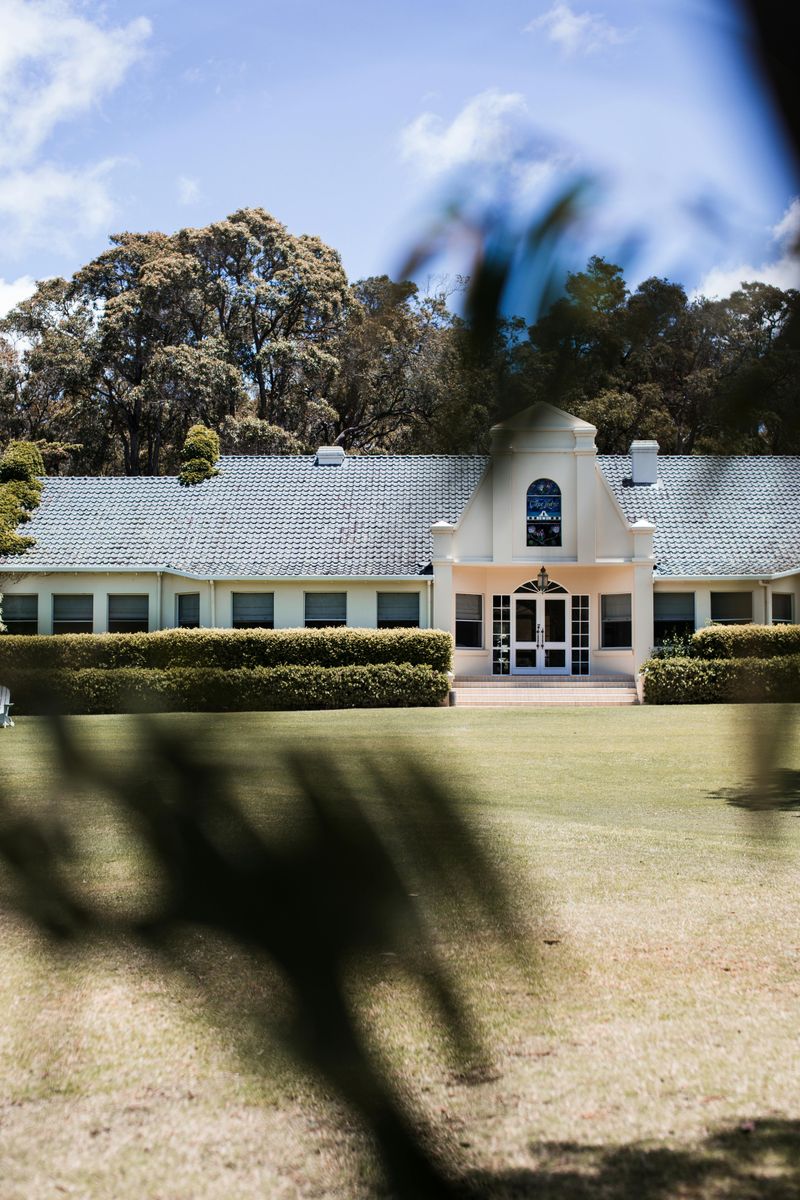
That distinctive gambrel roof, flaring gently at the eaves like a barn’s profile, gives Dutch Colonial Revival homes their instantly recognizable silhouette against Iowa’s skyline.
The broad roof creates generous attic space that often houses charming bedrooms with sloped ceilings and dormer windows that flood rooms with natural light.
Modern buyers sometimes view the sloped upstairs ceilings as wasted space or awkward for furniture placement, while the style’s relatively plain facades lack the ornamental appeal that drives passionate preservation efforts for more decorative architectural movements.
8. Tudor Revival
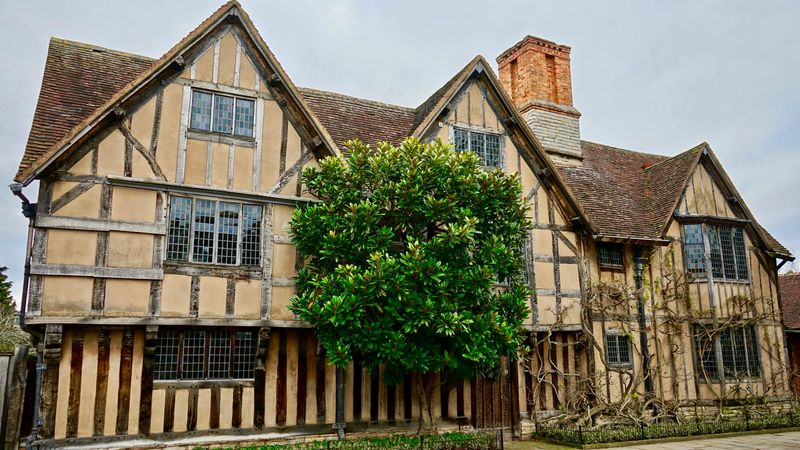
Storybook charm radiates from Tudor Revival homes, with their decorative half-timbering, steeply pitched roofs, and massive chimneys that evoke medieval English cottages transported to Iowa soil.
Stucco or brick walls contrast dramatically with dark wooden trim, while tall, narrow windows with multiple panes add to the Old World atmosphere.
The style’s complex rooflines and decorative timbering require specialized maintenance that many contractors lack experience handling, while modern energy efficiency standards clash with the design’s characteristic small-paned windows and massive masonry chimneys.
9. Gothic Revival Cottage
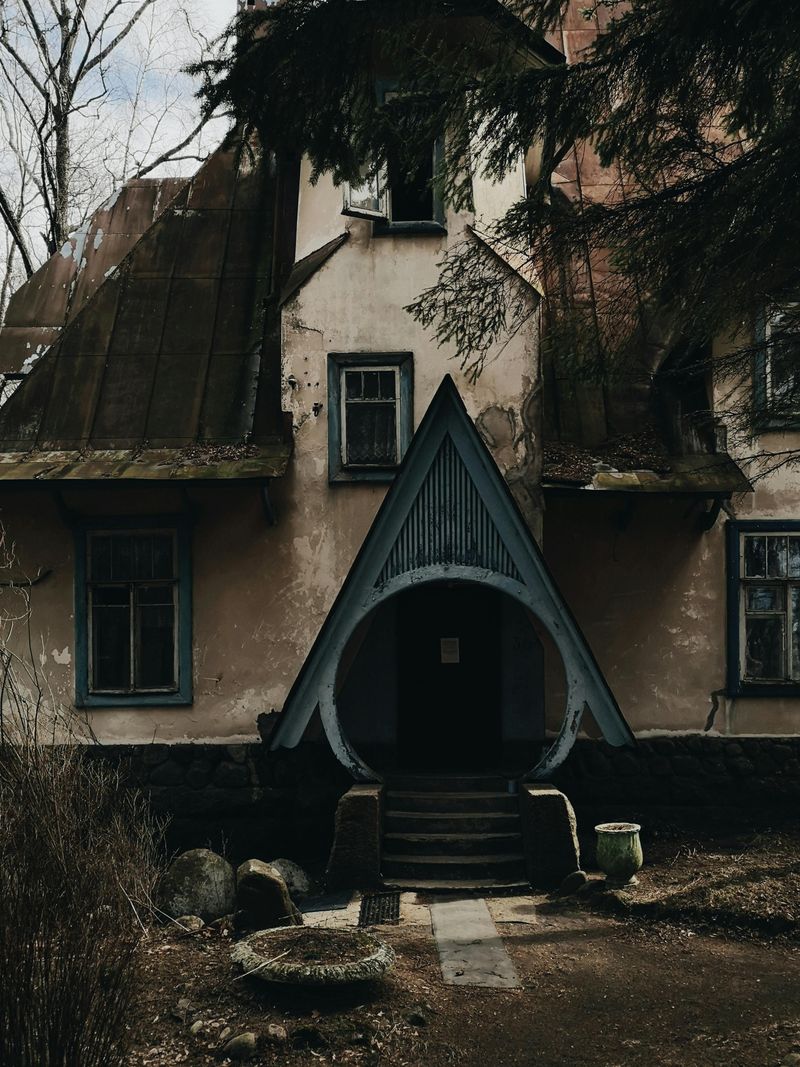
Romantic and whimsical, Gothic Revival cottages brought medieval church architecture down to domestic scale through steeply pitched gables decorated with ornate bargeboard trim that looks like wooden lace.
Pointed arch windows and doorways add vertical drama, while board-and-batten siding emphasizes the home’s height rather than its width.
Scattered examples survive in Iowa City and Dubuque, though many have lost their original decorative trim through unsympathetic renovations over the decades.
These smaller cottages often sit on valuable urban lots where their modest square footage makes them targets for teardown development, while their unusual Gothic details can feel too quirky for mainstream buyers seeking conventional home styles.
10. Lustron Homes
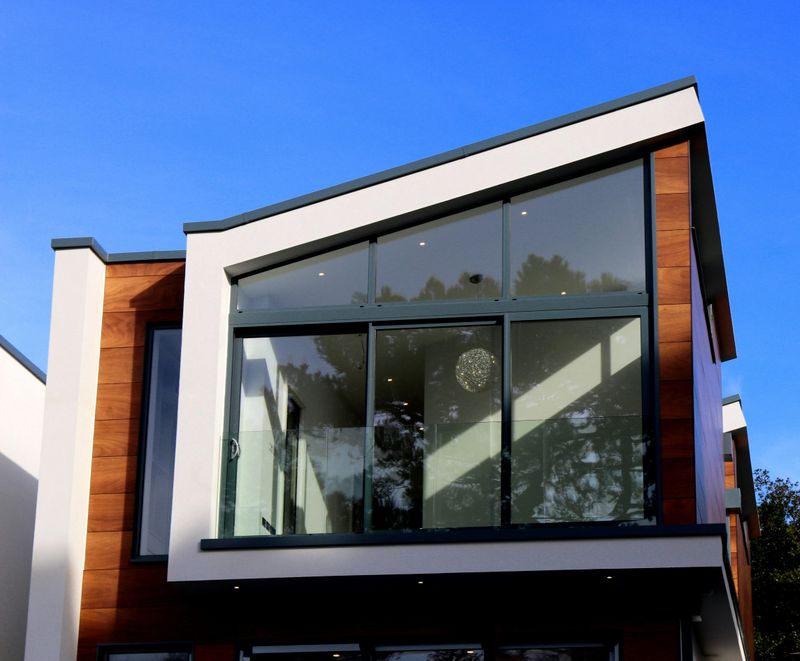
Built entirely from porcelain-enameled steel panels in a factory and assembled on-site, Lustron homes represented America’s postwar dream of affordable, maintenance-free housing through innovative industrial methods.
These compact ranch-style dwellings promised walls and ceilings that could be cleaned with a damp cloth, eliminating the need for painting or wallpapering.
Approximately 2,500 Lustrons were built nationwide between 1948 and 1950, with several dozen surviving in Iowa communities including Mason City and Fort Dodge.
Despite their historical significance and devoted fan base, many Lustron homes face demolition because their steel construction makes additions or modifications extremely difficult, while their compact floor plans feel cramped compared to modern suburban expectations.
11. Minimal Traditional
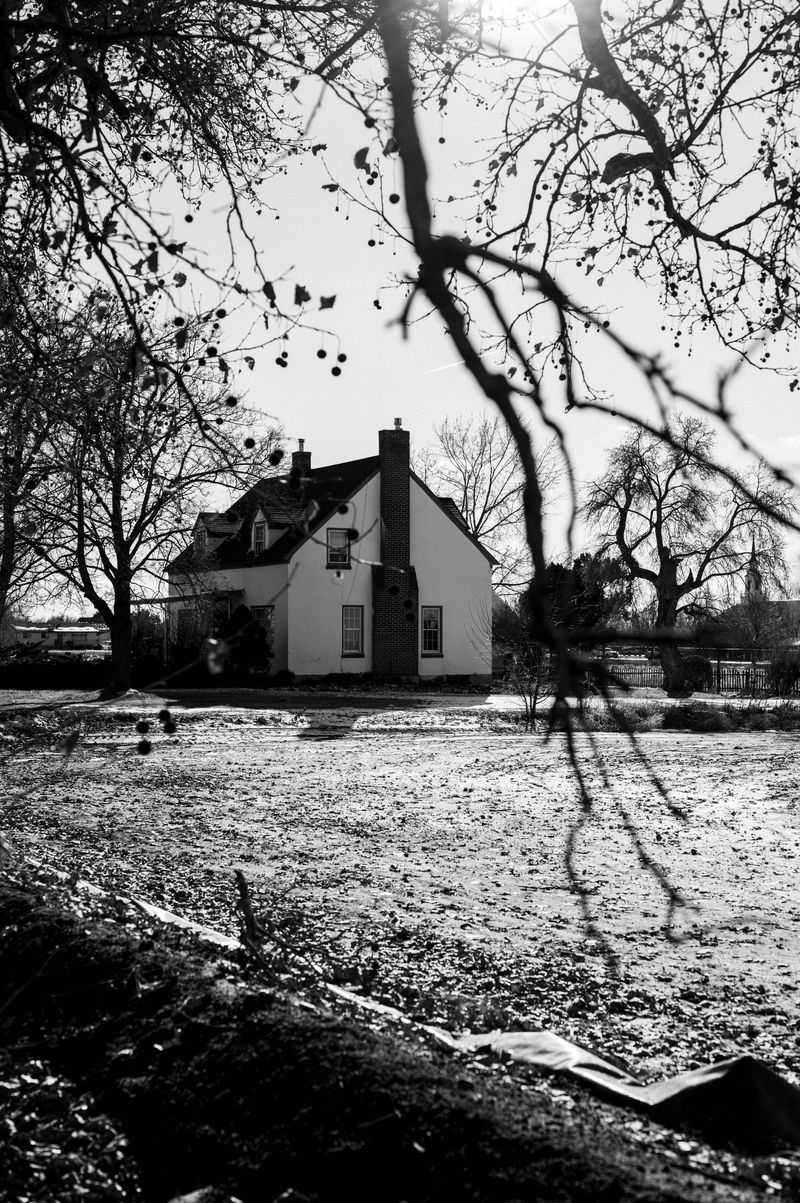
Born from economic necessity during the Depression and World War II, Minimal Traditional homes stripped away decorative excess to deliver affordable shelter in its most essential form.
These compact, one-story dwellings feature low-pitched roofs, small covered stoops rather than full porches, and restrained detailing that kept construction costs manageable for struggling families.
Thousands of these modest homes line the streets of Iowa’s smaller towns and working-class neighborhoods established during the 1930s and 1940s throughout the state.
Their very plainness makes them invisible to preservationists focused on more architecturally distinctive styles, while their small size and basic amenities leave them vulnerable to demolition as neighborhoods gentrify and buyers demand larger, more luxurious homes.
12. Split-Level Ranch
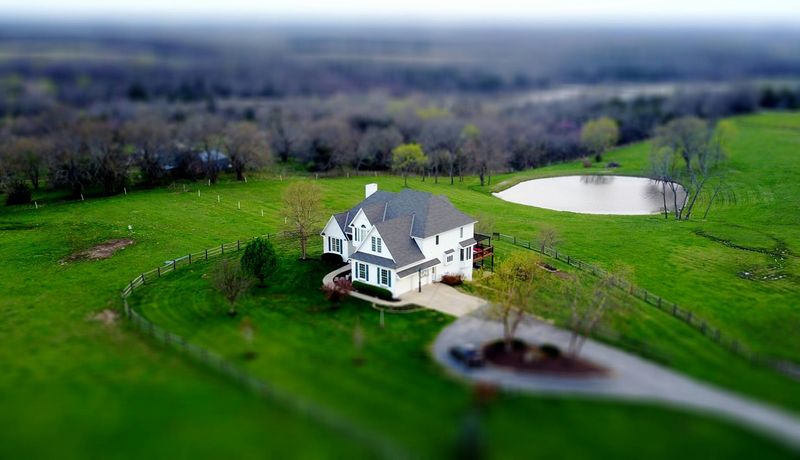
Clever and space-efficient, split-level homes stagger their floor levels to create distinct zones for living, sleeping, and recreation within a compact footprint that worked beautifully on sloped lots.
Three or four levels connected by short flights of stairs typically separate public entertaining spaces from private bedrooms and casual family rooms.
These homes proliferated across Iowa’s suburbs during the 1950s and 1960s, with substantial concentrations in Bettendorf, West Des Moines, and other communities experiencing postwar growth.
Changing preferences for open-concept layouts have made the split-level’s compartmentalized design feel dated, while the multiple staircases pose accessibility challenges that aging homeowners increasingly find problematic as they seek single-floor living arrangements.
13. Craftsman Bungalow
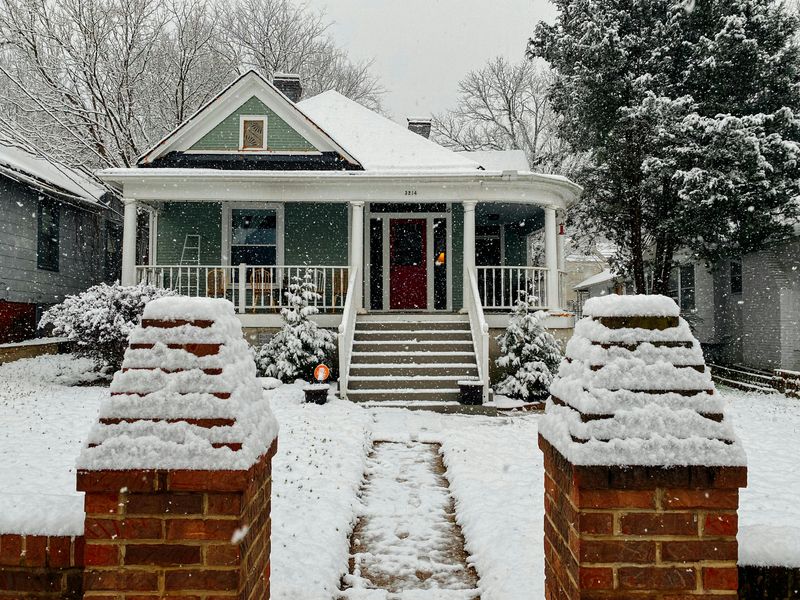
Born from a reaction against mass production, Craftsman homes celebrate handmade details and honest use of natural materials like wood and stone.
Exposed rafter tails, built-in bookcases and window seats, and cozy front porches with tapered columns create warmth that feels increasingly rare in today’s construction landscape.
Despite their human-scaled proportions and quality construction, many Craftsman homes face pressure from developers who view their modest square footage as underutilizing valuable urban lots that could accommodate larger, more profitable structures.
14. A-Frame
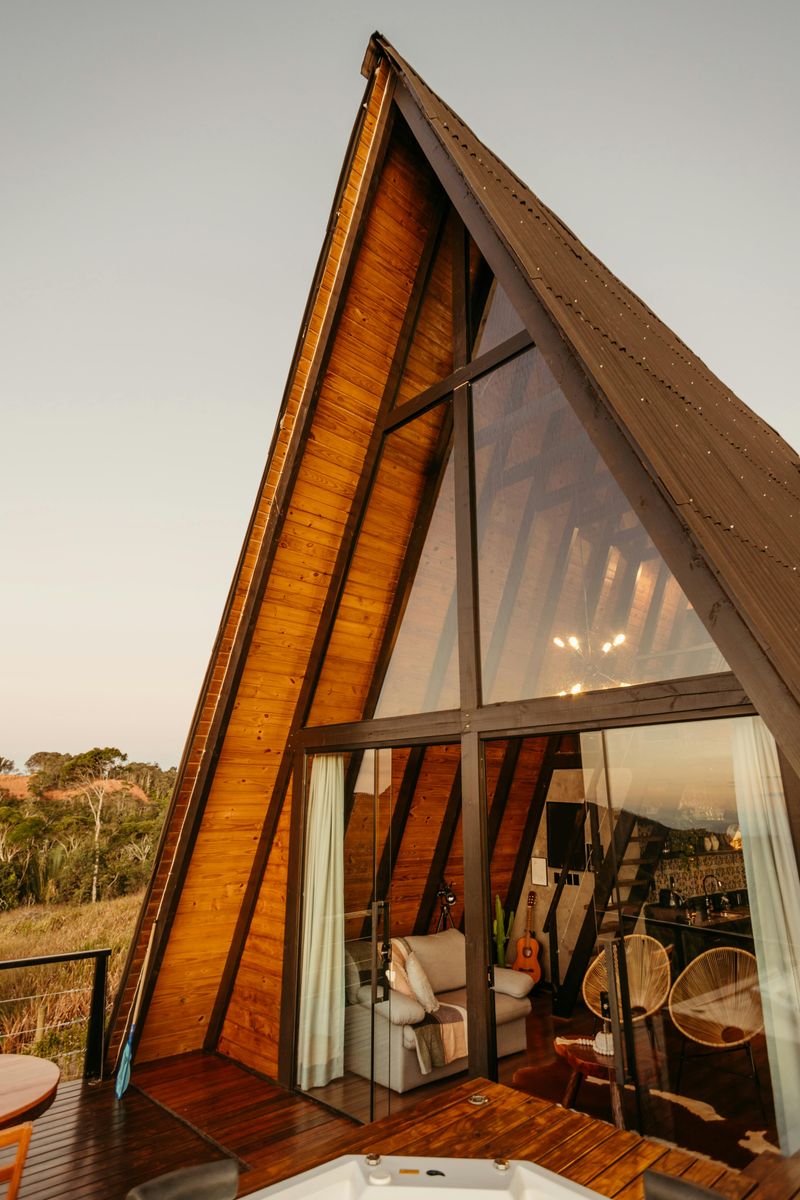
Bold and unmistakable, A-frame homes thrust their steeply pitched rooflines dramatically skyward, creating triangular profiles that seem more suited to mountain ski lodges than Iowa’s gentle terrain.
Floor-to-ceiling windows at the gable ends flood interiors with light, while the soaring roofline that extends from peak to foundation eliminates traditional walls on two sides.
Several A-frames dot Iowa’s lake regions, particularly around Clear Lake, West Okoboji Lake, and the Coralville Reservoir, where they served as vacation retreats during their 1960s and 1970s heyday.
Their novelty design creates challenging interior layouts with limited wall space for furniture, while their association with dated vacation architecture makes them feel more kitschy than classic to contemporary buyers seeking timeless home designs.
15. Geodesic Dome
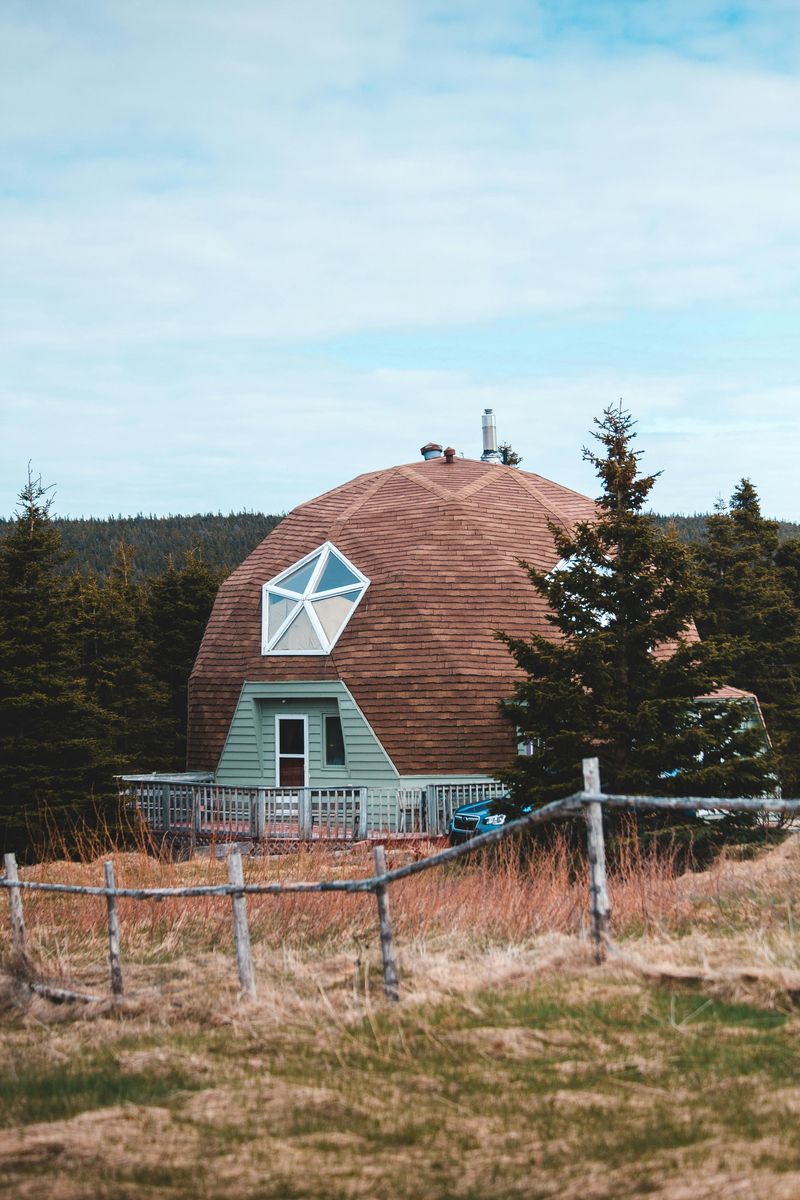
Buckminster Fuller’s revolutionary geodesic dome promised to transform housing through efficient use of materials and maximum interior volume within minimal surface area.
These spherical or partial-sphere structures, built from interconnected triangular panels, captured the imagination of experimentally minded Iowa homeowners drawn to their futuristic appearance and unconventional engineering.
A handful of geodesic dome homes exist scattered across rural Iowa, though exact locations of these private residences remain difficult to document comprehensively.
Their radical departure from conventional architecture creates numerous practical problems, including difficulty arranging furniture against curved walls, challenges installing standard windows and doors, and near-impossible roof repairs that require specialized knowledge most contractors lack entirely.
16. Deck House
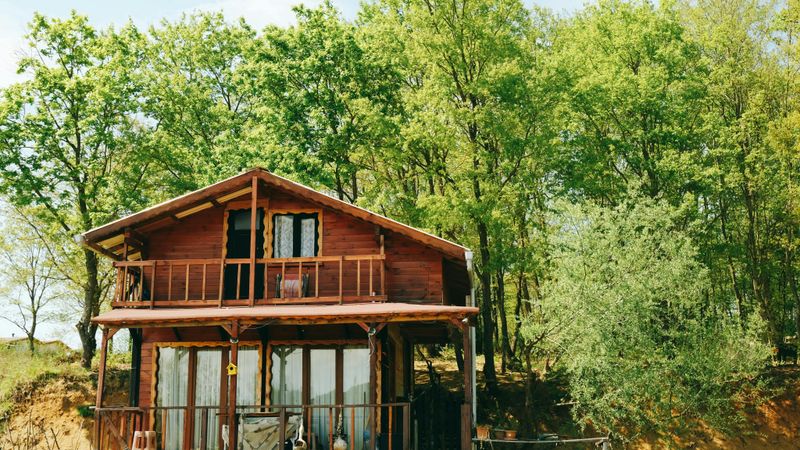
Prefabricated by the Deck House company, these modern homes featured post-and-beam construction, walls of windows, and clean-lined contemporary styling that brought architectural sophistication to buyers who appreciated Scandinavian design principles.
Custom-manufactured components shipped to Iowa building sites allowed middle-class families to afford architect-quality modern homes without architect-level budgets.
Several Deck Houses were built in Iowa during the company’s peak years, primarily in university towns like Iowa City and Ames where educated buyers embraced modernist aesthetics.
Their extensive glazing creates heating and cooling challenges that conflict with contemporary energy efficiency expectations, while their once-cutting-edge modern appearance now reads as dated rather than timeless, leaving them vulnerable to unsympathetic renovations or replacement.
17. Raised Ranch
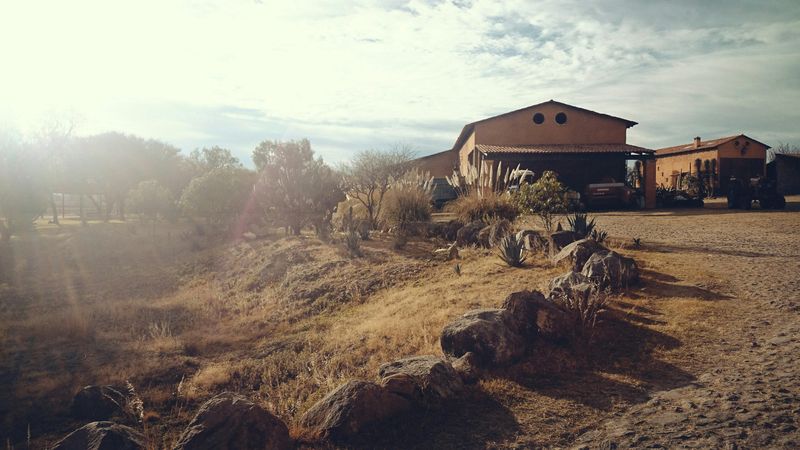
Practical and economical, raised ranches lift their main living level several feet above grade, creating a walkout basement level below that provides bonus living space at minimal additional cost.
The attached garage typically sits at basement level, while the elevated main floor enjoys better views and protection from dampness.
These homes appeared throughout Iowa’s suburbs during the 1960s and 1970s, offering growing families extra square footage without the full cost of a two-story home.
Their distinctive split-entry design, where visitors enter mid-level and must choose between stairs up or down, feels awkward and unwelcoming compared to traditional front entries that open directly into living spaces, contributing to their declining popularity among buyers seeking more gracious home layouts.