Japanese Americans Were Held At This Idaho Camp And Its Visitor Center Now Tells Their Story
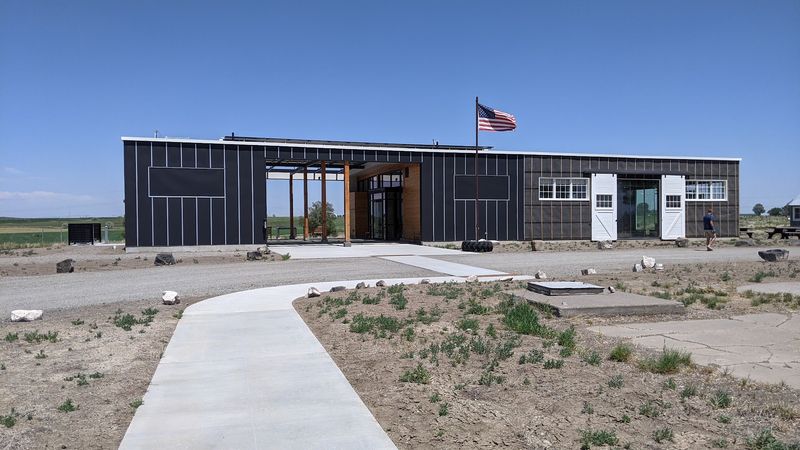
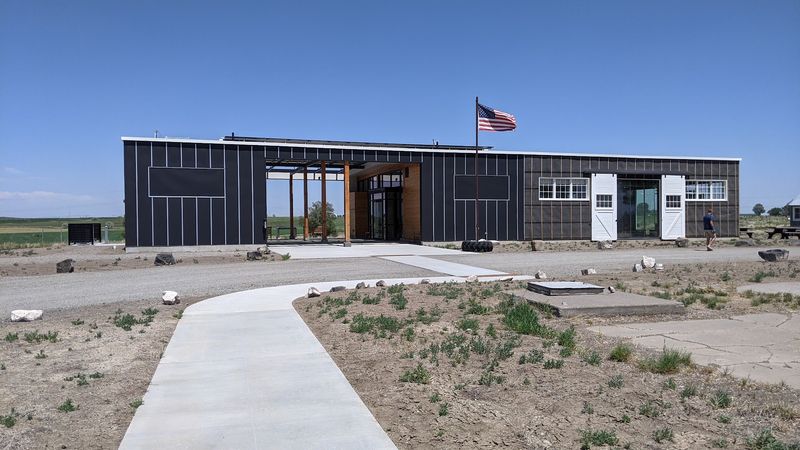
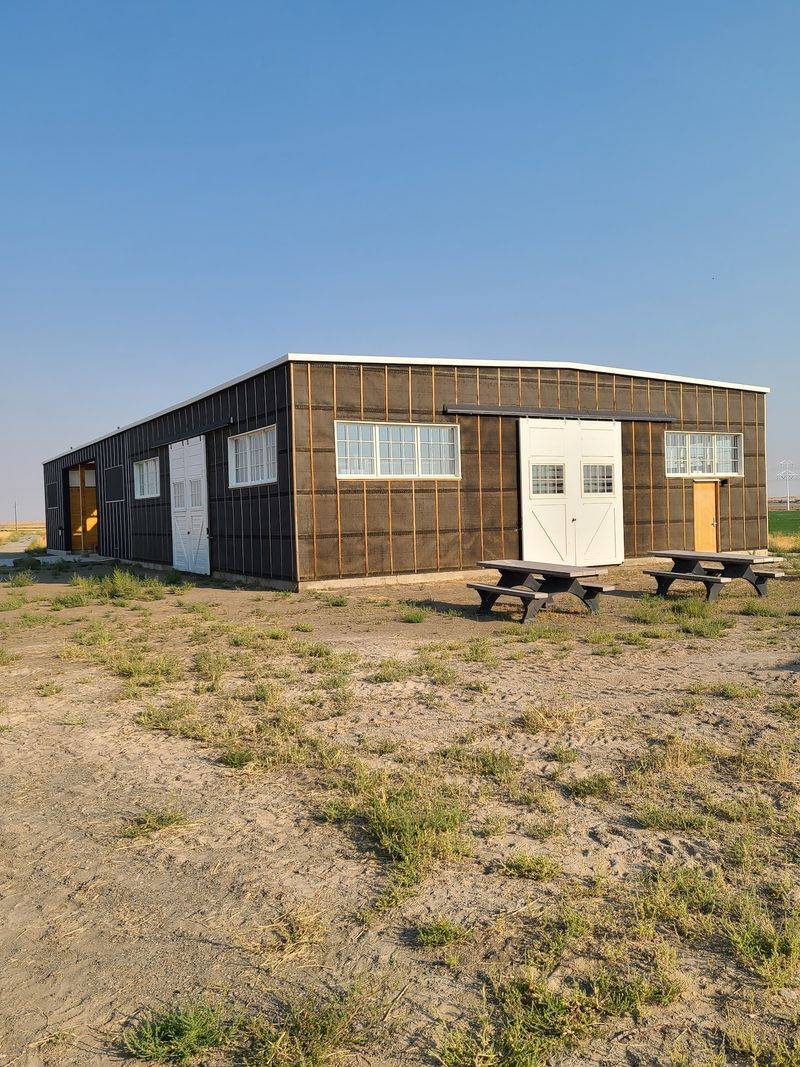
The museum here sits inside a warehouse that once served as a camp’s auto repair shop. That’s right, a garage built for fixing trucks now holds one of the most important history lessons in Idaho.
Thousands of Japanese Americans were forced to live on this windy farmland in the 1940s. At its peak, the camp held more people than most Idaho towns did at the time.
Many families came from Washington, Oregon, and Alaska with only what they could carry.
I like how the exhibits speak plainly about what happened here. They don’t soften the story, and they don’t rush it either.
A film narrated by George Takei helps set the scene before you head outside.
I can’t imagine packing a whole life into a suitcase. So how did people build a community out here anyway?
A Garage Turned Into Idaho’s Most Honest Museum
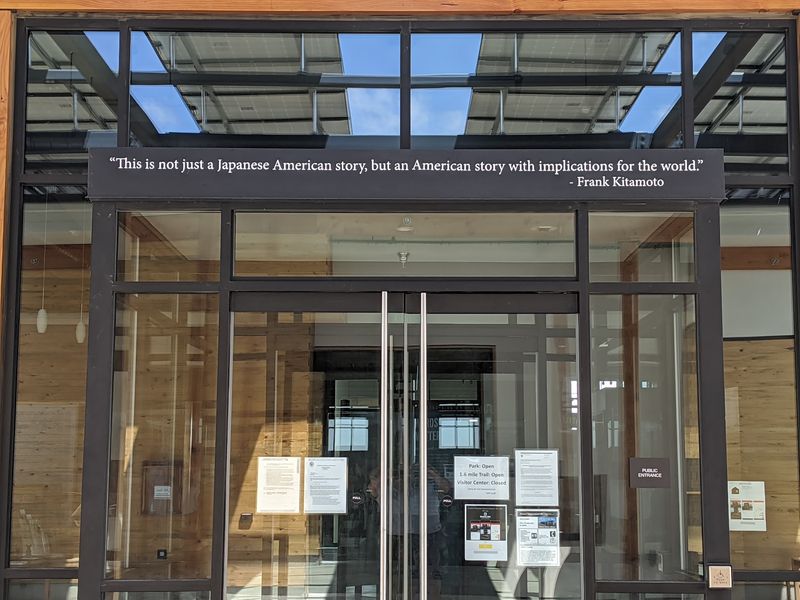
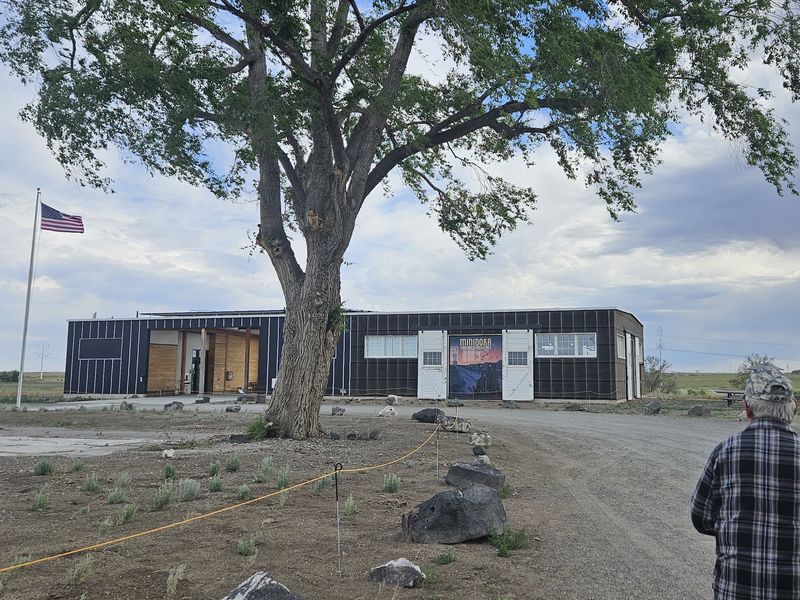
Few buildings in the Magic Valley have had a stranger career change. The Minidoka National Historic Site Visitor Center once worked as the camp’s automotive repair shop.
After a major renovation, it reopened as a museum in February 2020. The rustic warehouse shell stayed, but the inside now holds exhibits, a film, and a small bookstore.
The site itself sits on the open farmland of south-central Idaho, northeast of Twin Falls. The National Park Service runs it as part of the national park system.
From 1942 to 1945, this ground held the Minidoka camp, also called Hunt. Roughly 13,000 Japanese Americans lived here behind barbed wire during that time.
Many were American citizens who had done nothing wrong. They were removed from homes on the West Coast after Executive Order 9066 was signed in February 1942.
The visitor center is where the whole story starts to make sense. Without it, the scattered foundations outside would be quiet clues with no context.
Heads up, the building can look a bit like a house from the road. Keep your eyes open so you don’t cruise right past it.
How A Quiet Stretch Of Farmland Became A City Behind Wire
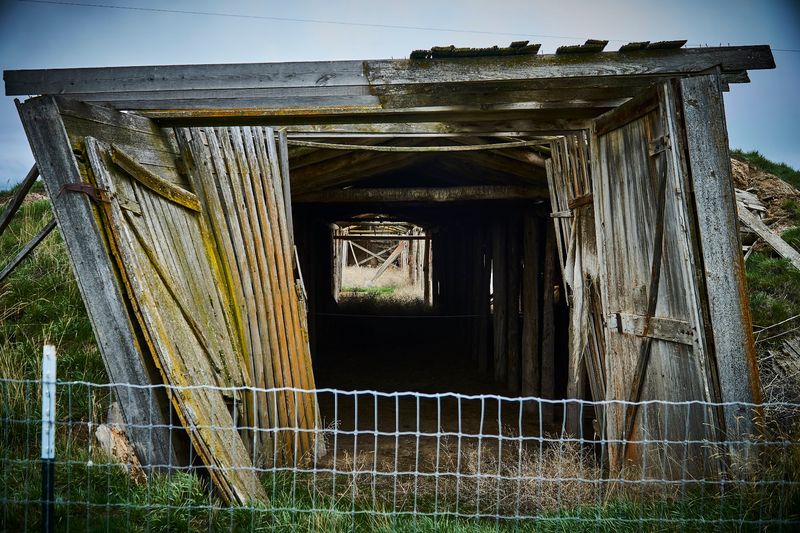
Thirteen thousand people arriving in the desert would turn heads anywhere. At its peak, Minidoka had more residents than nearly every town in Idaho.
The camp opened on August 10, 1942. It operated until October 28, 1945, and families spent years of their lives on this ground.
Minidoka was one of ten camps set up across the country during that era. More than 120,000 people of Japanese ancestry were forced from their homes under Executive Order 9066.
Most people held here came from Washington, Oregon, and Alaska. Think about trading Seattle rain for Idaho dust storms overnight.
The Park Service uses words like incarceration to describe what happened. That choice is deliberate, and the exhibits explain why softer terms miss the truth.
People still built a real community here despite the fences. They farmed, held school, ran churches, played baseball, and raised kids under hard circumstances.
That mix of injustice and resilience is the heartbeat of the whole site. You feel both at once, and neither one cancels out the other.
The Exhibits And Film That Make The Whole Trip Click
George Takei narrates the park film, and that alone is worth pulling up a seat. Takei himself was held in camps as a child, which gives his voice extra weight.
The exhibits cover a lot of ground without feeling crowded. They trace Japanese immigration to the United States, the forced removal, daily camp life, and the long road to healing afterward.
Photos, artifacts, and interactive displays fill the single-floor space. You can move at your own speed and linger wherever a story grabs you.
A small bookstore offers titles for anyone who wants to keep learning at home. National park passport stamps are available at the front desk too.
Accessibility got real attention during the renovation. The layout uses wheelchair-friendly routes and push-button door openers throughout.
Plan to watch the film before heading out on the trail. It turns empty fields and old foundations into places where people actually lived.
The building also has restrooms, which matters more than you’d think out here. They’re only available when the visitor center is open, so plan accordingly.
Walk The Gravel Trail Where Camp Life Comes Back Into Focus
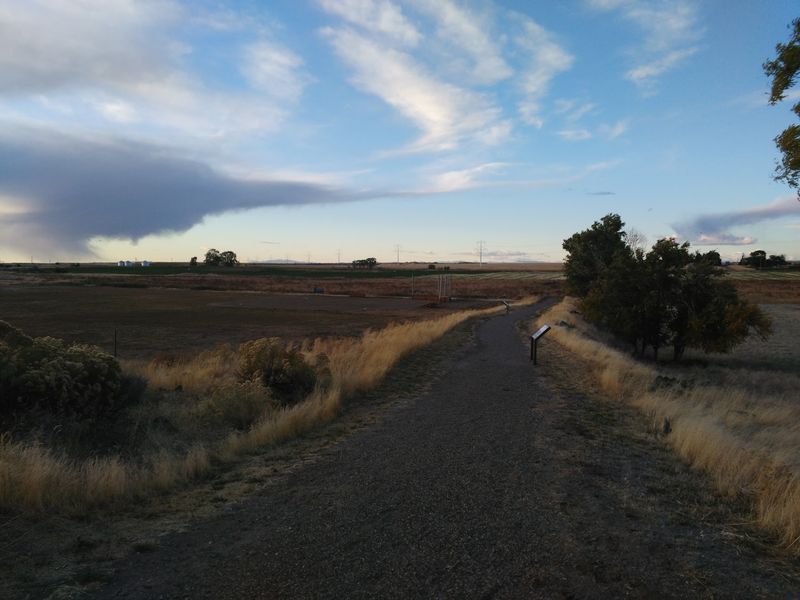
Lace up something comfortable, because the trail stretches 1.6 miles. It’s a gravel path, well marked, and dotted with 23 interpretive signs along the way.
Each sign shares photos and stories tied to that exact spot. Some describe buildings that are gone, so the signs do the work of rebuilding the scene in your head.
You’ll pass the remains of the entry guard station and the waiting room. These stone structures greeted families arriving with their luggage and their worries.
A historic barrack building and a mess hall have been moved back to their original locations. Standing near them makes the cramped living conditions feel very real.
The trail is open from sunrise to sunset all year. That means you can explore the grounds even when the visitor center is closed for the season.
Hold onto your hat, literally. The wind on this stretch of the Snake River Plain rarely takes a break.
Watch your step in warmer months, since rattlesnakes live in this high desert country. Sturdy shoes and a little attention go a long way.
An Honor Roll That Stops You In Your Tracks
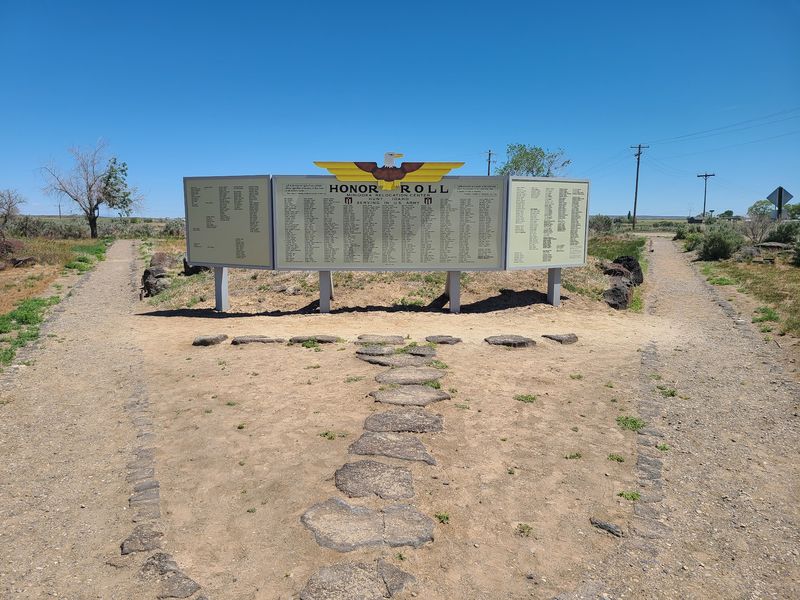
Here’s a detail that rearranges your thinking. Hundreds of young men from Minidoka served in the U.S. military while their own families stayed behind the fence.
A replica Honor Roll stands on the grounds to recognize them. The original was built by people held at the camp to honor their sons, brothers, and neighbors.
Reading the long list of names takes a minute. It’s hard not to slow down and wonder about the stories behind each one.
The loyalty on display feels almost impossible to process. These soldiers defended a country that had locked up their parents without cause.
Nearby, a historic baseball diamond tells a lighter part of the story. Baseball gave people at Minidoka something familiar and fun during an unfair time.
Picture the cheering crowds on a summer afternoon out here. A good game could make the fences fade, at least for nine innings.
Together, the Honor Roll and the ball field show two sides of the same strength. One honors courage, and the other honors the stubborn joy of everyday life.
The Issei Exhibit Brings The First Generation Forward
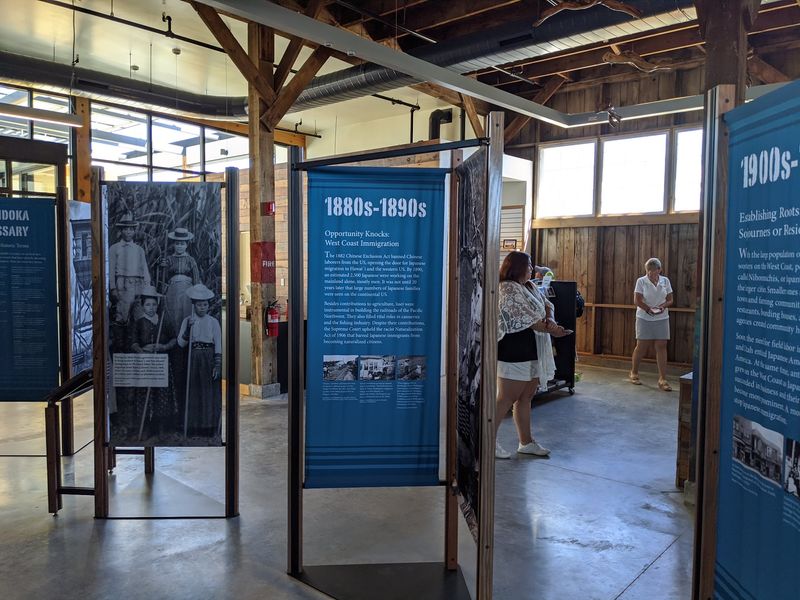
Issei is the Japanese word for the first generation of immigrants. The visitor center gives them their own spotlight in an installation called The Issei: A Legacy of Courage.
These pioneers crossed an ocean to build new lives in America. Many worked farms, railroads, and small businesses across the West.
The exhibit explains the laws stacked against them. Issei couldn’t become U.S. citizens, and many states barred them from owning land.
That background matters for understanding Minidoka. When the removal orders came, many Issei had already spent decades facing unfair rules.
The exhibit also shows how their grit shaped the generations that followed. Their kids, the Nisei, carried that determination into the camps and beyond.
I believe this section adds the missing first chapter of the story. Without it, you’d only see the middle of a much longer journey.
Give yourself some extra time here before heading outside. The faces and family stories have a way of sticking with you on the drive home.
Timing Your Trip So The Doors Are Actually Open
Calendar check first, because this one trips people up. The visitor center keeps a seasonal schedule and closes for fall and winter.
It typically reopens the Friday before Memorial Day. From then through Labor Day weekend, it opens on Fridays, Saturdays, and Sundays.
Hours can shift, so check before driving out. The building sits at 1428 Hunt Rd, Jerome, ID 83338, on a paved road through Magic Valley farm country.
Summer weekends bring ranger-led tours that run about an hour and a half. They’re free and first-come, first-served, so arriving early is a smart move.
Rangers share personal stories and context the signs can’t fully cover. If you can only pick one summer weekend, aim for a tour day.
Off-season visits still work for the outdoor trail. Brochure maps and passport stamps wait in an after-hours box outside the building.
Just remember that restrooms close along with the visitor center. Services are thin out here, so pack water, snacks, and layers for the wind.
Why Every Idahoan Should Make This Drive At Least Once
Some history lessons belong in textbooks, and some belong in your own backyard. Minidoka National Historic Site is the second kind, right here in Idaho.
The site works well for families, students, and anyone who loves a road trip with meaning. Kids can earn a badge through the Junior Ranger program while learning the story.
School and private groups can arrange tours too. Teachers will find plenty to spark good conversations on the ride home.
The mood here is reflective rather than flashy. Wide skies, steady wind, and quiet fields leave room to think.
History buffs, national park passport collectors, and curious day-trippers all find something worth the stop. Twin Falls is close enough to pair the visit with lunch.
The mission is simple and lasting. Preserve the stories of those held here, and remind everyone why civil liberties matter.
I can’t think of a better reason to spend an afternoon in the Magic Valley. Go in summer if you can, watch the film, walk the trail, and let the place speak.