16 Kentucky Dishes Named After Hometowns That Put The Bluegrass State On The Map
Flavor has a way of turning ordinary places into legends.
In Kentucky, recipes didn’t just feed families, they carried the names of the towns that shaped them.
Long before social media or food tourism, local cooks in Kentucky were quietly building reputations through church suppers, hotel kitchens, and handwritten recipe cards.
A creamy spread born in Louisville banquet halls became a calling card far beyond city limits.
A pie tied to a small-town inn sparked legal battles, devotion, and a place in American food lore.
These dishes tell stories of pride, rivalry, and tradition that still linger at Kentucky tables today.
From Louisville to quiet river towns and courthouse squares, Kentucky food culture proves a name can travel just as far as a recipe.
1. Louisville Hot Brown
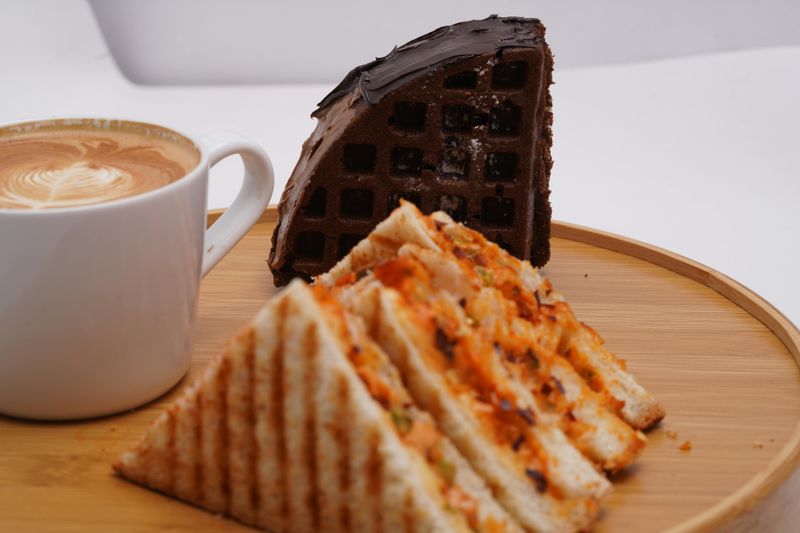
Chefs at Louisville’s Brown Hotel created this legendary open-faced sandwich back in 1926 to feed hungry dancers during late-night suppers.
Thick slices of roasted turkey rest on toasted bread, blanketed with creamy Mornay sauce and topped with crispy bacon and a ripe tomato slice before the whole creation gets broiled until bubbly.
The dish became so popular that restaurants across Kentucky now offer their own versions, though purists insist the original recipe remains unmatched.
Many Louisville restaurants serve Hot Browns during Derby week when visitors flood the city looking for authentic local flavors.
The rich sauce requires careful attention to prevent curdling, making this comfort food a test of kitchen skill.
2. Benedictine Spread From Louisville
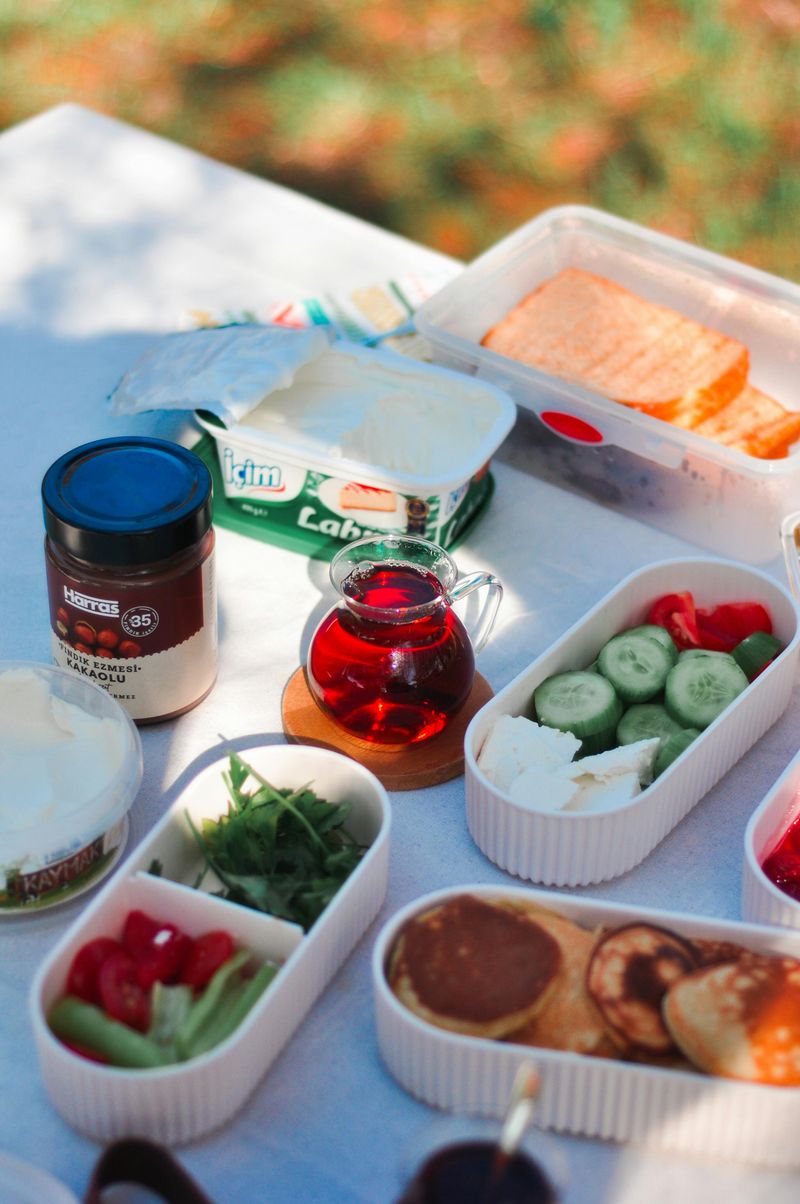
Jennie Benedict, a Louisville caterer with a gift for creating elegant party foods, invented this cucumber and cream cheese spread around 1900.
Her catering business operated from various Louisville locations, though the spread itself became synonymous with Derby parties and afternoon teas throughout the city.
Grated cucumber gets mixed with cream cheese, onion juice, and just a hint of green food coloring to create a refreshing spread that looks as pretty as it tastes.
Traditional preparation calls for serving Benedictine on crustless white bread triangles, though modern hosts also pair it with crackers or vegetable sticks.
The pale green color makes it instantly recognizable at any Kentucky gathering, especially during spring racing season.
Some families guard their own Benedictine recipes, adjusting seasonings and cucumber ratios to suit personal preferences passed down through generations.
3. Clark County Beer Cheese
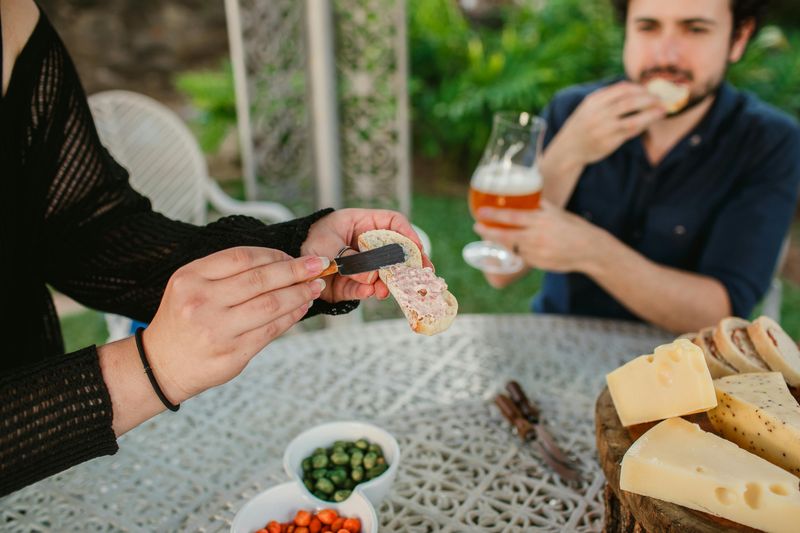
Clark County claims the birthplace title for this tangy, spicy cheese spread that combines sharp cheddar with beer and a kick of garlic.
Sharp cheddar cheese gets blended with beer until smooth, then seasoned with garlic, mustard, and cayenne pepper to create a spread with serious personality.
The beer adds tang without making the spread boozy, and the garlic gives it a savory depth that keeps people reaching for more crackers.
Clark County now hosts an annual Beer Cheese Festival celebrating this regional specialty that has become a Kentucky staple.
Local restaurants compete to create the best version, with recipes ranging from mild and creamy to fiery variations that challenge even adventurous eaters.
4. Prospect Derby Pie
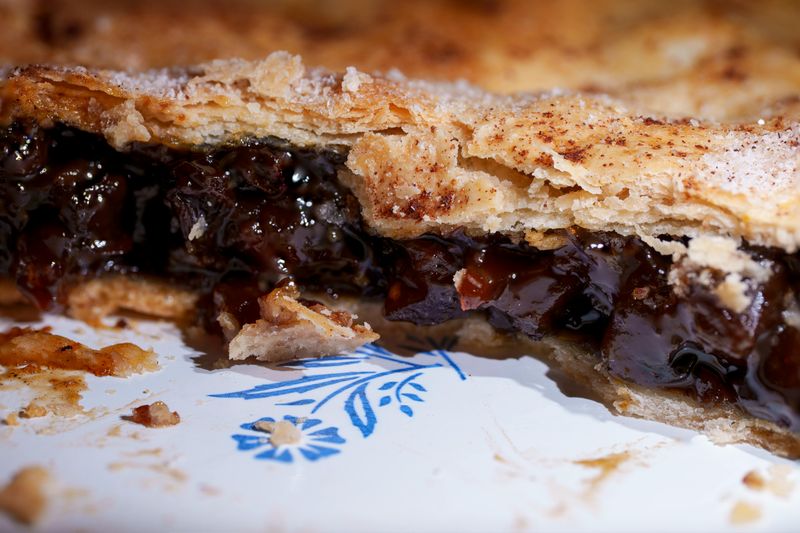
Walter and Leaudra Kern invented this chocolate-walnut pie at their Melrose Inn during the 1950s, creating a dessert so beloved they trademarked the name.
Chocolate chips and chopped walnuts suspend in a sweet, buttery filling that bakes into a pie with a texture somewhere between gooey and firm.
The trademarked name means only Kern’s Kitchen can legally call their pie “Derby Pie,” though similar chocolate-nut pies appear on menus across Kentucky under different names.
Many families serve this dessert during Derby season, pairing slices with vanilla ice cream or fresh whipped cream.
The combination of chocolate and walnuts creates a rich sweetness that satisfies without being overwhelming, making it perfect for sharing after heavy Kentucky meals.
5. Bardstown Bourbon Balls
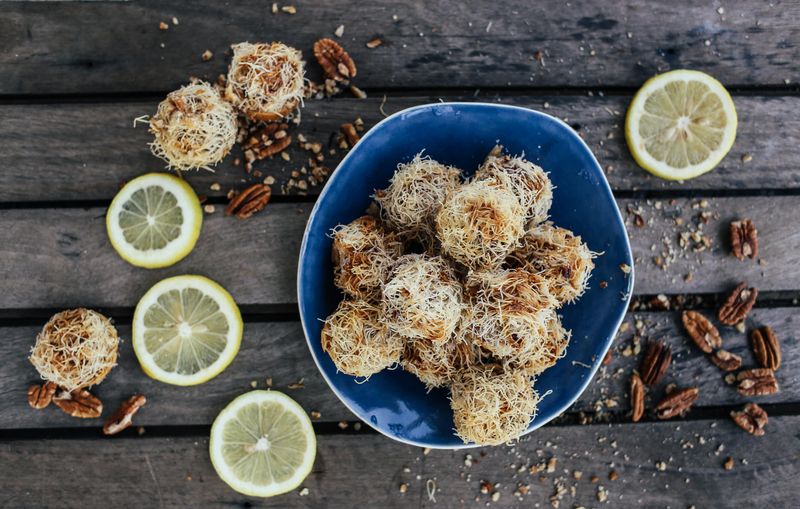
Bardstown, known as the Bourbon Capital of the World, naturally became famous for candy that combines Kentucky’s favorite spirit with chocolate.
Crushed pecans and bourbon get mixed into a sweet center, then hand-dipped in dark chocolate to create a confection that tastes sophisticated without being too boozy.
The alcohol content remains low enough that these candies suit most audiences, though the bourbon flavor comes through clearly with each bite.
Many Bardstown candy shops offer their own versions, creating friendly competition over whose bourbon balls reign supreme.
Visitors touring the bourbon trail often stop to pick up boxes of these treats, making them one of Kentucky’s most popular edible souvenirs alongside bottles of the spirit itself.
6. Paducah Barbecue
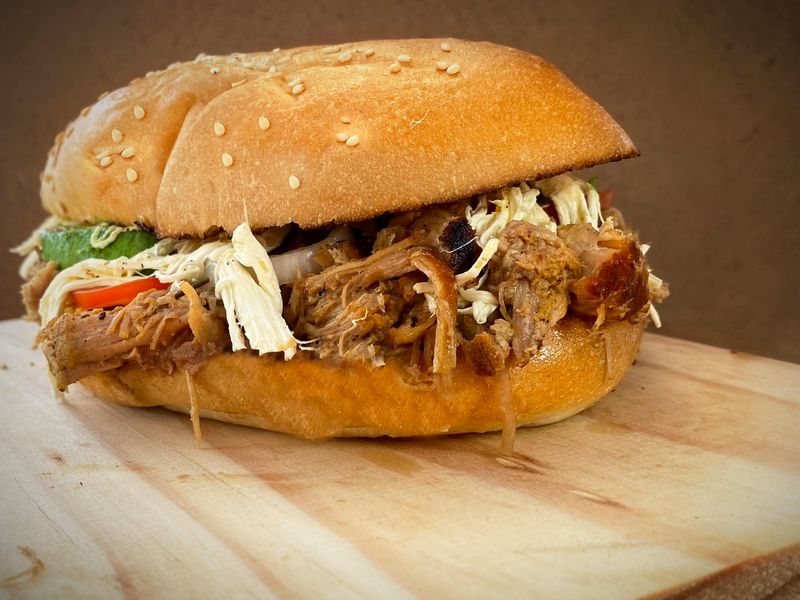
Western Kentucky’s river town of Paducah developed its own barbecue style that emphasizes slow-smoked pork with a tangy, vinegar-based sauce.
Pork shoulders smoke for hours over hickory wood until the meat pulls apart with minimal effort, developing a pink smoke ring and deep flavor.
The sauce skews more vinegary than sweet, cutting through the rich pork fat without masking the meat’s natural taste or the smoke flavor.
Locals typically order their barbecue with a side of coleslaw and white bread, creating a meal that balances rich, tangy, and fresh flavors.
Paducah’s barbecue scene may not get the same national attention as Memphis or Kansas City, but residents defend their hometown style with passionate loyalty and full stomachs.
7. Owensboro Mutton Barbecue
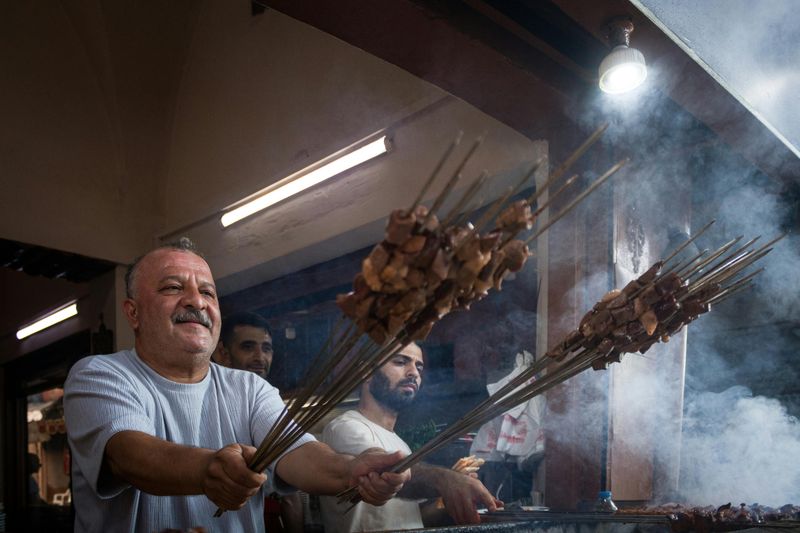
Owensboro stands out as one of the few American cities where mutton barbecue remains king, with smoking traditions dating back to the 1800s.
Mature sheep meat gets slow-smoked until tender, developing flavors stronger and more complex than lamb or pork, appealing to those who appreciate assertive tastes.
The traditional “dip” sauce served alongside is thin, tangy, and heavily spiced with Worcestershire sauce and black pepper rather than tomato-based sweetness.
Owensboro’s annual International Bar-B-Q Festival celebrates this unique regional specialty, drawing thousands who want to taste authentic mutton prepared by competition pitmasters.
Many first-timers expect lamb’s mild flavor and find themselves surprised by mutton’s bold, gamy character that either wins immediate fans or sends people back to pork.
8. Lexington Ale-8-One Float
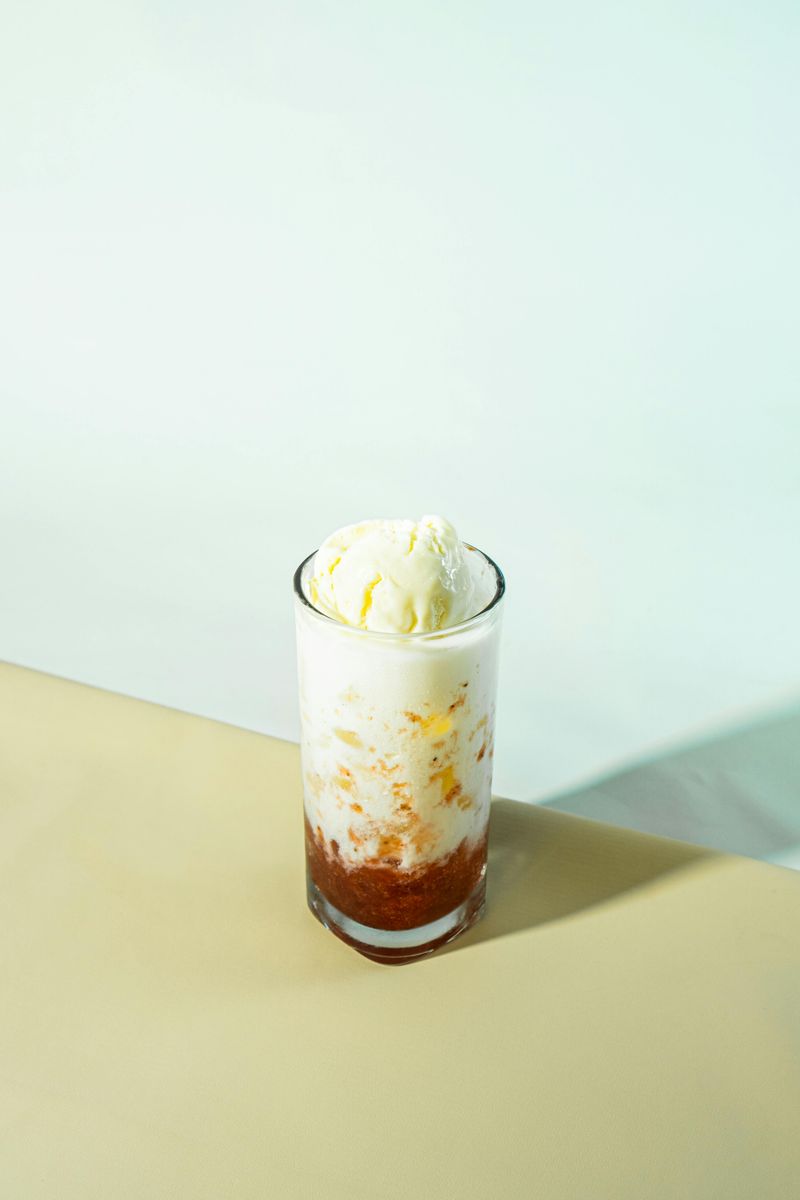
Lexington’s beloved Ale-8-One soda, created in 1926, inspired a float that combines Kentucky’s only native soft drink with creamy vanilla ice cream.
The ginger-citrus flavor of Ale-8-One creates a more complex float than standard root beer versions, with the soda’s slight bite playing nicely against sweet vanilla ice cream.
As the ice cream melts, it transforms the bright green soda into a creamy, frothy drink that tastes both familiar and distinctly Kentuckian.
Many Lexington families consider Ale-8 floats a summer tradition, ordering them at local diners during hot afternoons when nothing else sounds quite right.
The drink represents Lexington’s pride in local products, with residents defending Ale-8-One’s superiority over ginger ale with the same passion they bring to discussing basketball and horses.
9. Corbin Original Recipe Fried Chicken
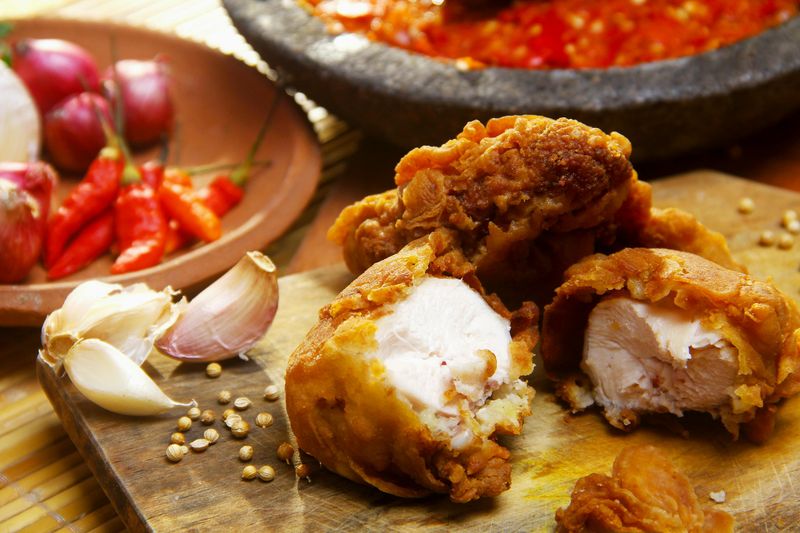
Colonel Harland Sanders first perfected his pressure-fried chicken recipe in Corbin, launching what would become a global empire from humble southeastern Kentucky beginnings.
Sanders developed his unique blend of eleven herbs and spices in Corbin, along with the pressure-cooking method that made his chicken crispy outside and juicy inside.
The original café served travelers stopping at Sanders’ service station, with the chicken becoming so popular that people drove out of their way to eat it.
Today’s museum preserves the kitchen where Sanders worked, letting visitors see where Kentucky Fried Chicken truly began before becoming a household name worldwide.
Corbin residents take pride in their town’s role in fried chicken history, though the original secret recipe remains locked away in Louisville’s KFC headquarters vault.
10. Hopkinsville Poke Salad
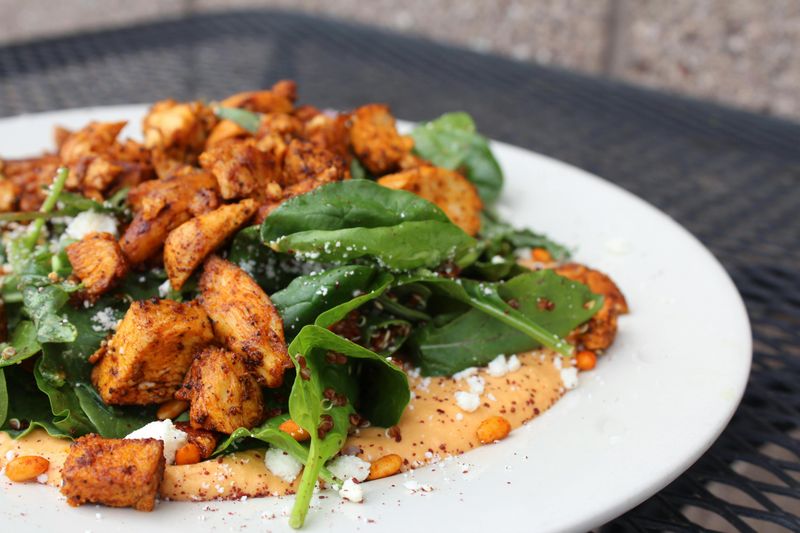
Hopkinsville and surrounding western Kentucky communities keep alive the tradition of preparing poke salad, a wild green that requires careful cooking to remove toxins.
Young poke leaves must be boiled multiple times with water changes to eliminate harmful compounds, making preparation labor-intensive but worthwhile for those who love the unique flavor.
The cooked greens taste earthy and slightly bitter, often prepared with bacon or ham hock to add richness and salt that balances the natural flavors.
Older generations remember poke salad as a springtime staple when fresh vegetables remained scarce, providing needed nutrients after long winters of preserved foods.
Younger cooks rarely bother with the complicated preparation anymore, making poke salad a fading tradition that connects Hopkinsville to its agricultural past and Appalachian foodways.
11. Berea Spoonbread
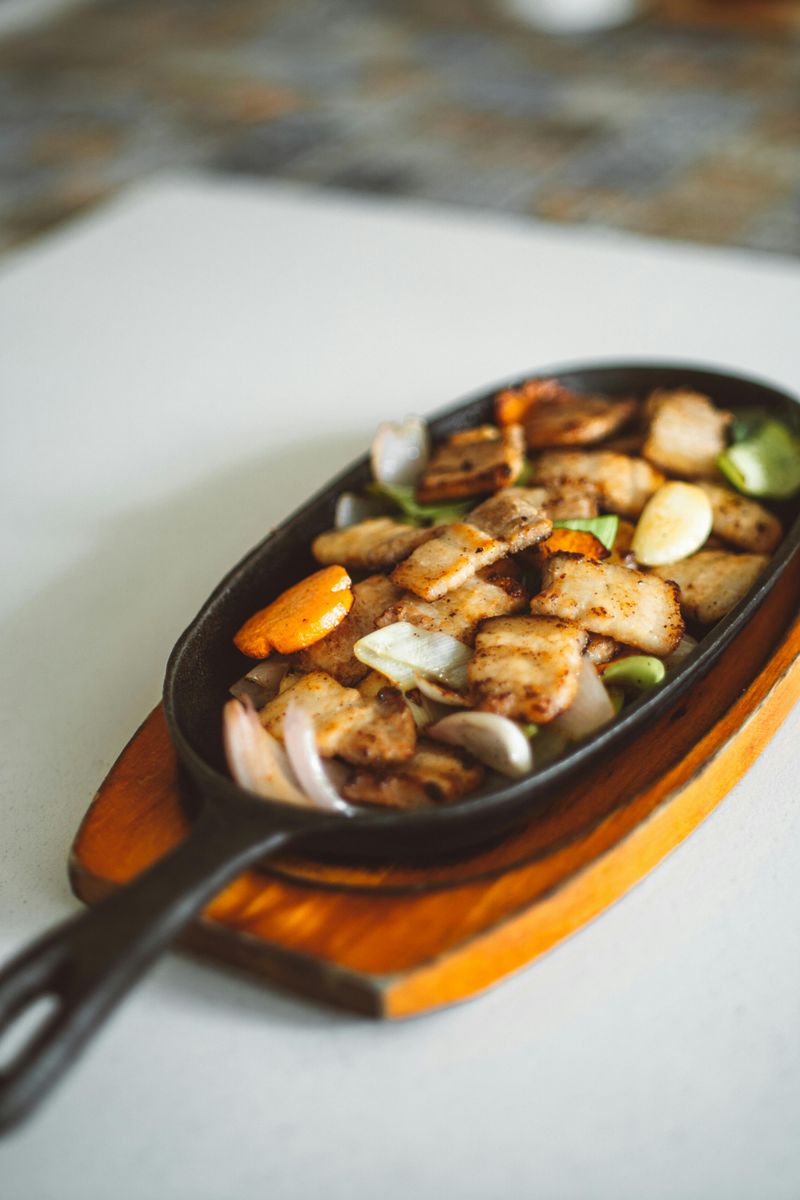
Berea’s Appalachian roots show in this traditional spoonbread that falls somewhere between cornbread and soufflé, requiring a spoon rather than fingers to eat.
Cornmeal gets cooked into a thick mush with milk and butter, then lightened with beaten eggs before baking into a soft, custardy dish with delicate texture.
The result resembles a savory pudding more than bread, with a subtle corn flavor that pairs beautifully with country ham, green beans, or any traditional Kentucky meal.
Berea’s student waiters at Boone Tavern learn to serve spoonbread fresh from the oven, ensuring guests experience it at peak fluffiness before it settles and cools.
The dish represents Appalachian resourcefulness, transforming basic cornmeal into something special enough for company dinners while remaining affordable for everyday tables.
12. Frankfort Bourbon Balls Candy
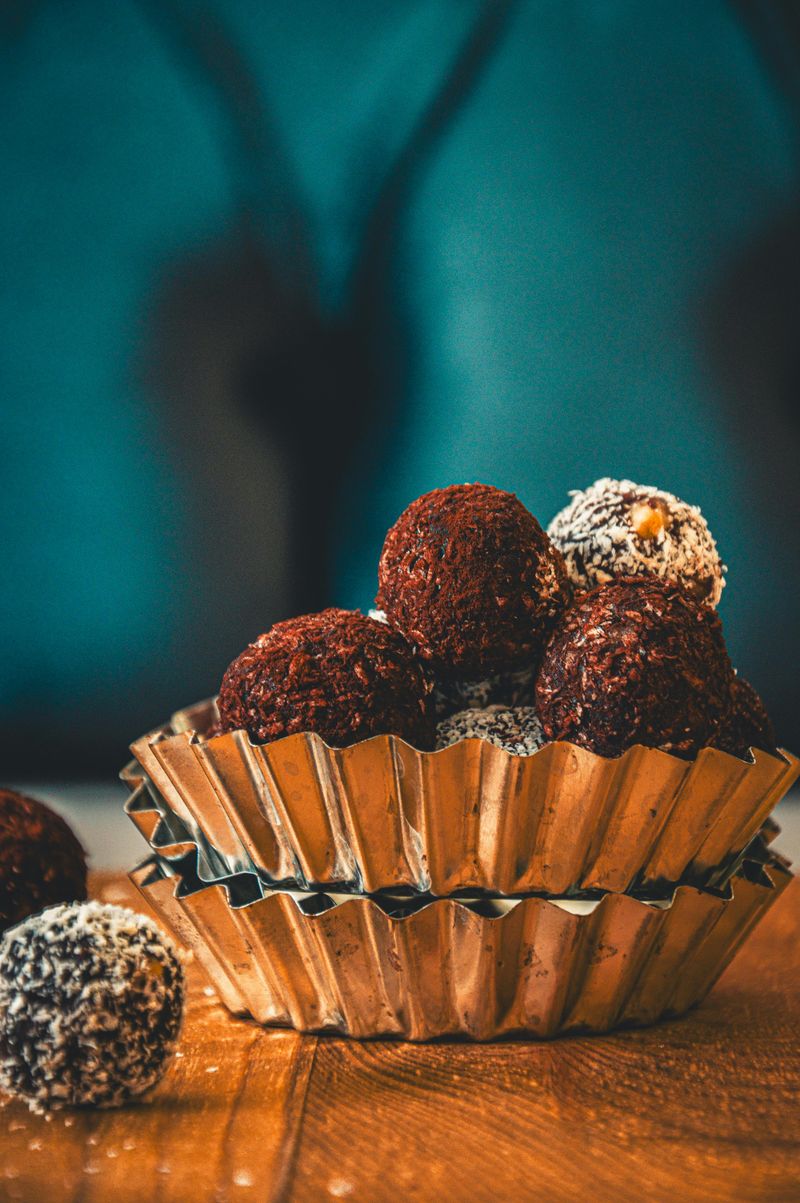
Kentucky’s capital city developed its own bourbon ball tradition, with candy makers creating variations that reflect Frankfort’s political and bourbon heritage.
Frankfort’s bourbon balls often feature more bourbon than other versions, with candy makers capitalizing on the city’s location in the heart of bourbon country.
The higher bourbon content creates a more pronounced alcohol flavor that appeals to serious bourbon enthusiasts who want candy that tastes unmistakably adult.
State legislators and capitol workers often buy boxes of bourbon balls as gifts for visitors, making them unofficial ambassadors of Kentucky’s culinary and distilling traditions.
The candy’s popularity has made it a staple at Kentucky gift shops, where tourists stock up before heading home, spreading Frankfort’s sweet bourbon tradition beyond state borders.
13. Covington Goetta
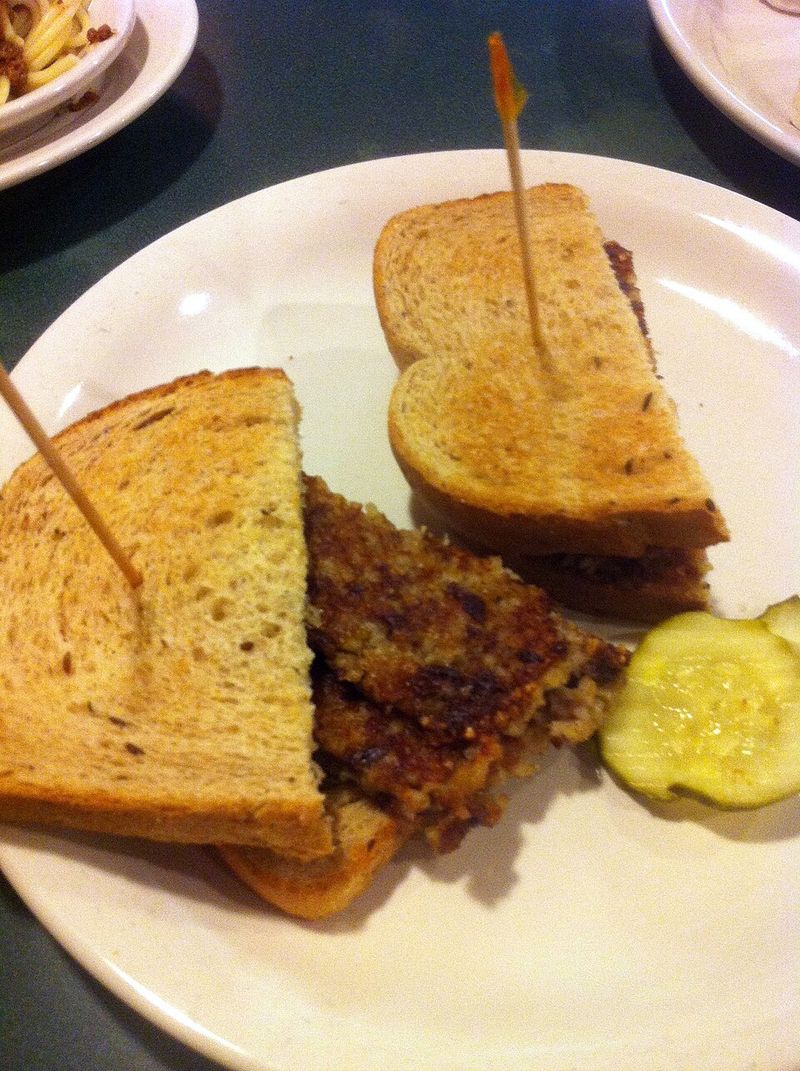
Covington’s German heritage brought goetta to northern Kentucky, where this oat-and-meat sausage became a breakfast staple that defines the region’s food culture.
Ground pork gets mixed with steel-cut oats, onions, and spices, then formed into loaves that slice easily for pan-frying until crispy on the outside.
The oats give goetta a unique texture that sets it apart from regular sausage, creating something heartier and more filling than typical breakfast meats.
Many Covington families eat goetta several times a week, frying slices to serve alongside eggs or tucking them into sandwiches for portable breakfasts.
Cincinnati and northern Kentucky residents defend goetta passionately, though it remains virtually unknown in southern Kentucky, making it a true regional specialty with limited geographic reach.
14. Henderson Burgoo
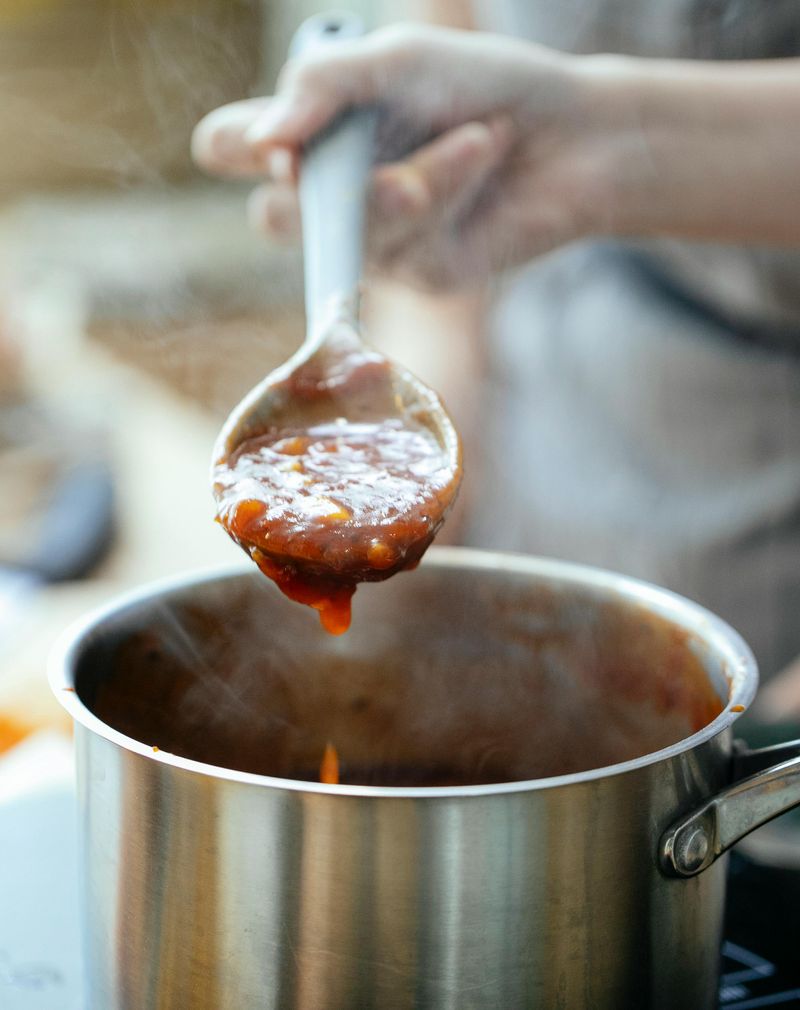
Henderson claims burgoo as its signature dish, hosting an annual burgoo cook-off that draws competitors who simmer massive pots of this Kentucky stew.
Authentic burgoo combines pork, chicken, and sometimes mutton with corn, tomatoes, lima beans, okra, and whatever other vegetables the cook favors, simmering for hours until thick.
Each family’s recipe differs slightly, with some versions leaning more tomato-forward while others emphasize the meat or add unexpected vegetables like cabbage or potatoes.
The stew originated as a way to feed large gatherings efficiently, making it perfect for church fundraisers, political rallies, and community events where hundreds need feeding.
Henderson residents take their burgoo seriously, debating proper ingredients and cooking methods with the same intensity they bring to discussing barbecue or bourbon quality.
15. Richmond Stack Cake
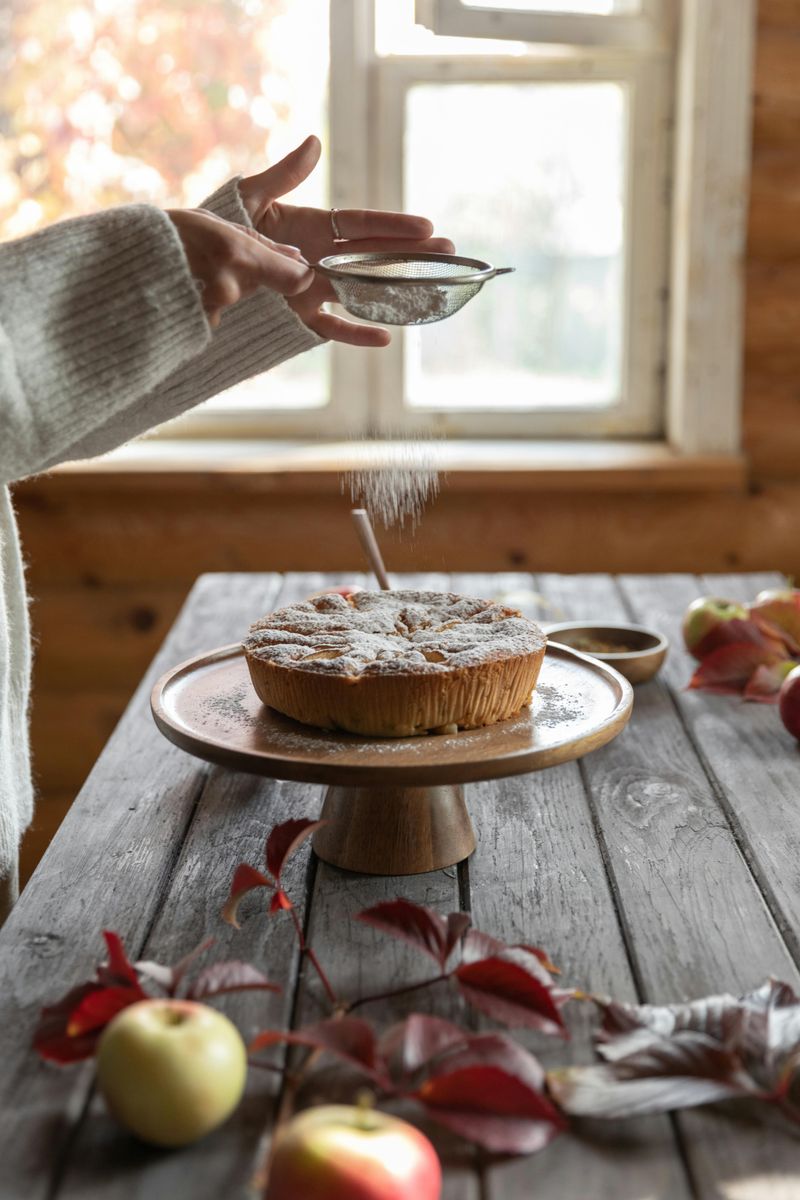
Richmond and surrounding Madison County communities keep alive the Appalachian tradition of stack cake, a multi-layered dessert often served at weddings.
Thin cookie-like cake layers get stacked with sweetened dried apple filling between each layer, creating a tall cake that improves with age as moisture softens the layers.
Traditional stack cakes required multiple cooks, with wedding guests each bringing a layer to contribute, making the cake’s height reflect the couple’s popularity and community support.
The dried apples provide concentrated sweetness and a hint of spice, while the cake layers add structure and subtle molasses flavor from the original recipes.
Modern bakers sometimes substitute fresh apples or other fruit fillings, though purists insist dried apples remain essential for authentic flavor and proper texture.
16. Harlan County Soup Beans And Cornbread
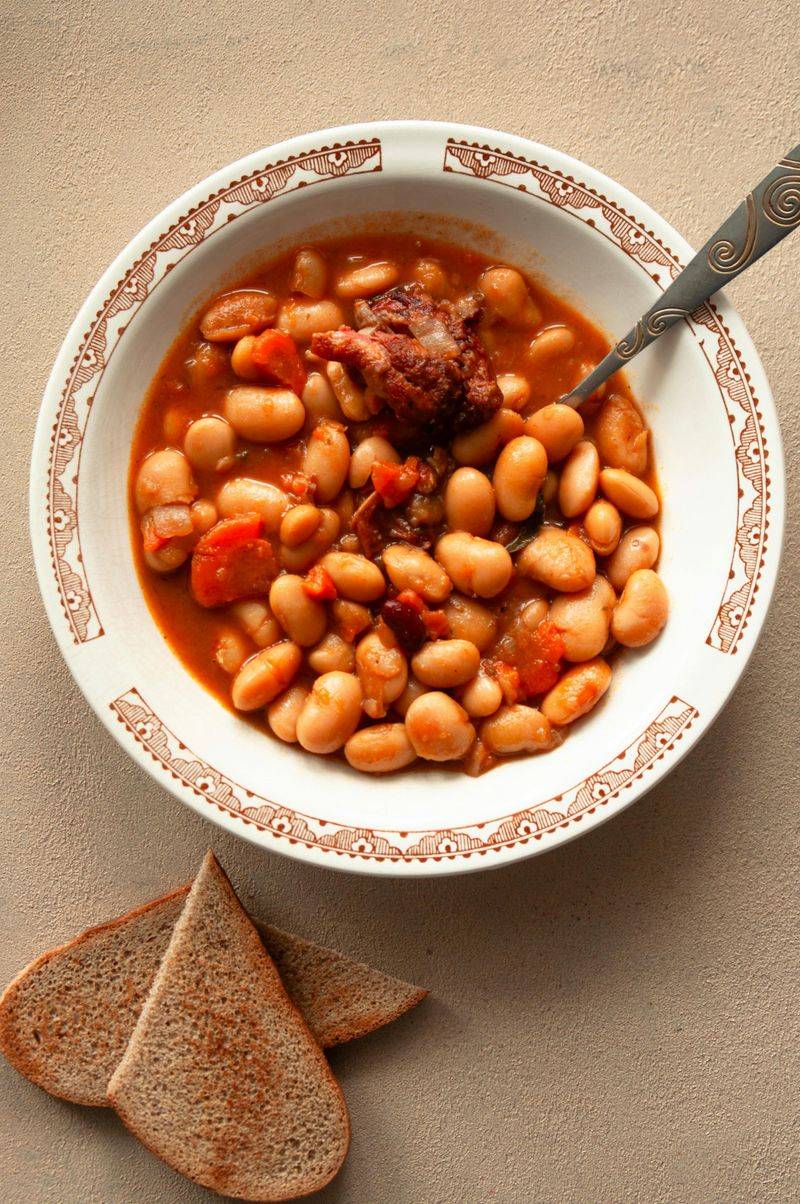
Harlan County’s coal mining heritage made soup beans and cornbread essential, providing affordable, filling meals for families living in Appalachian coal camps.
Pinto beans simmer for hours with a ham hock or bacon until creamy, creating a pot liquor that gets sopped up with crumbly cornbread.
The meal provides complete protein when beans and cornbread combine, making it nutritionally smart as well as economical for families stretching limited budgets.
Many Harlan County residents eat soup beans weekly, considering them comfort food that connects them to their roots regardless of where life takes them.
The dish represents eastern Kentucky’s resourcefulness and resilience, turning basic ingredients into a meal that sustained coal mining families through difficult times and continues feeding mountain communities today.