Kentucky Has A Whole Festival Devoted To Wool, And It’s Every Bit As Cozy As It Sounds
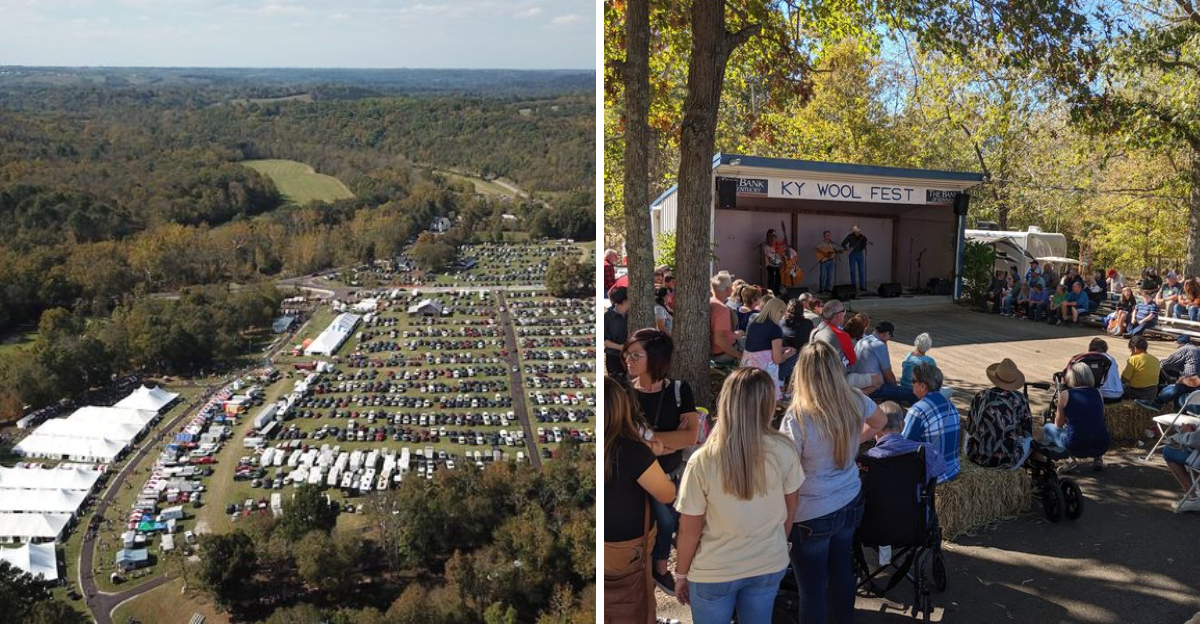
Kentucky decided that sheep deserved their own weekend. Nobody argued, and frankly nobody should have.
There is a festival in this state built around wool. It sounds like a joke until you go.
Then it sounds like the best idea anyone ever had.
Picture hills in October and the smell of fried food. Add a few hundred people selling things they made themselves.
Somewhere nearby, a sheep is getting a very public haircut. It handles this with more dignity than you would.
The dogs are the real stars of the weekend. They herd with the confidence of animals who have never once doubted themselves.
You came for the atmosphere and a little fresh air. You will drive home with yarn in three colors.
You do not knit. That has never stopped anyone here before.
Bring cash and a bigger bag than you think you need. Wool always wins here.
A Fall Weekend Built Entirely Around Sheep
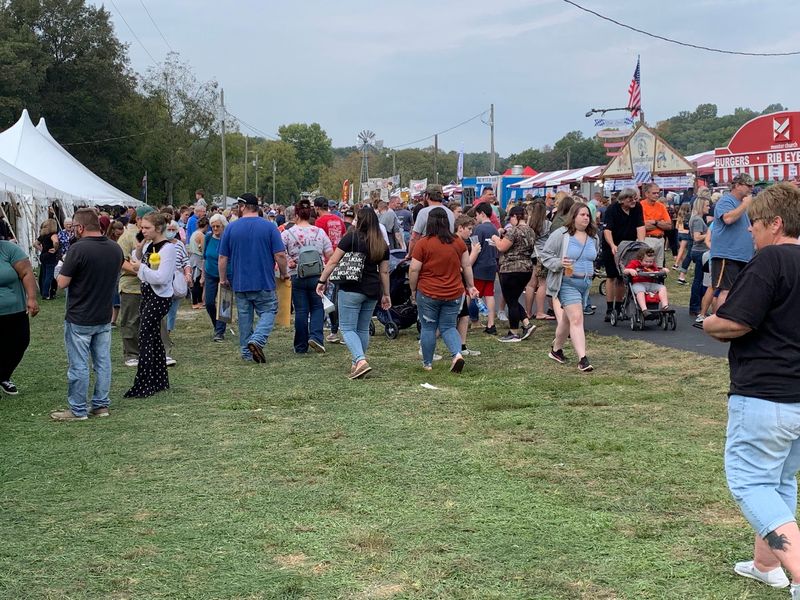
The Kentucky Wool Festival proves that sheep can carry an entire weekend. Held each October, it turns a quiet slice of Pendleton County into a busy, friendly village of tents.
Wool is the theme, but the festival stretches far past yarn. Expect craft booths, food stands, live music, and demonstrations happening at the same time.
The setting helps enormously. Rolling hills, cool morning air, and trees just starting to turn make the whole thing feel like autumn ordered on purpose.
Parking fills quickly once the sun is high. Arriving early gives you shade, room to roam, and first pick at the best booths.
Comfortable shoes matter more than a cute outfit. The grounds are grassy and uneven, and you will walk more than you plan.
Bring cash for smaller vendors and snacks. Some booths take cards, but lines move faster when you have bills ready.
You can find it all at 48 Concord Caddo Rd, Falmouth, Kentucky.
Watching Wool Turn Into Yarn In Real Time
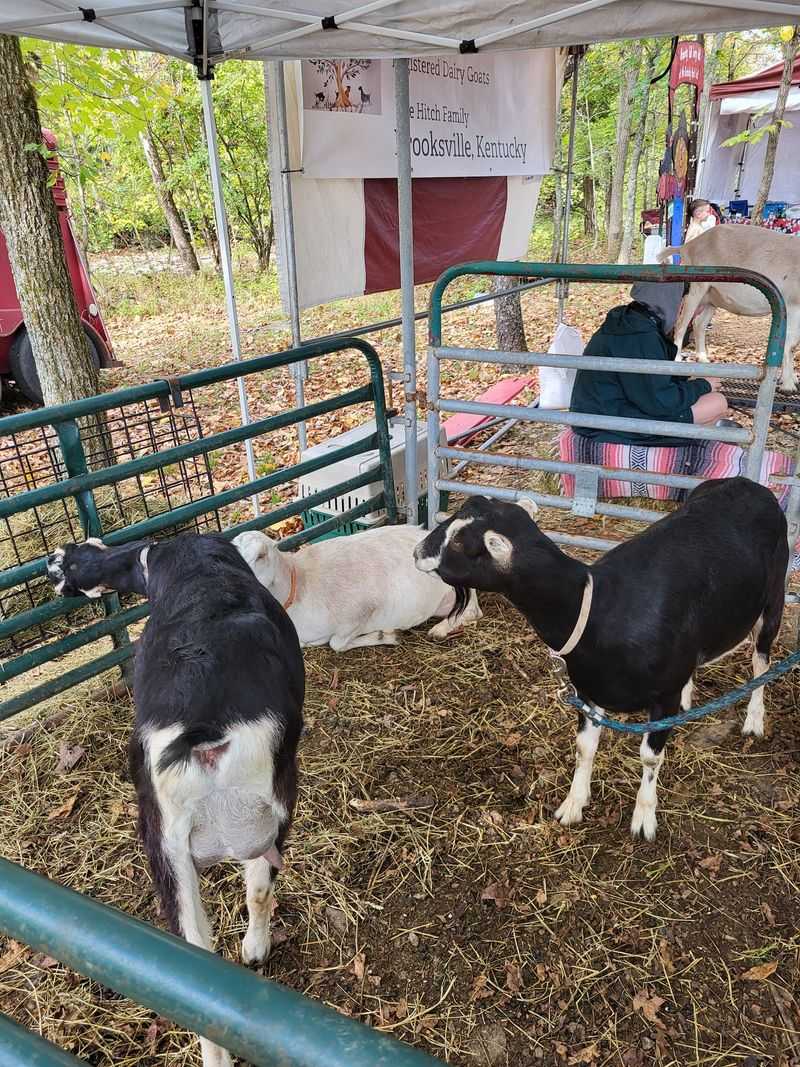
Spinning looks like magic until someone explains it. Then it looks like patient, steady work that happens to produce something beautiful.
Demonstrators sit with wooden wheels turning while fluffy fiber slides through their fingers. The thread appears smoothly, almost without effort, which is the part that fools you.
Most spinners welcome questions. I asked how long it takes to fill a bobbin and got a cheerful, detailed answer plus a lesson on twist.
Some let visitors try the treadle. My first attempt produced lumpy yarn that resembled a caterpillar, and nobody laughed unkindly.
Watching also helps you understand pricing later. Handspun yarn stops feeling expensive once you see the hours behind a single skein.
Kids tend to hover near the wheels the longest. The rhythm is hypnotic, and the fiber is impossible not to touch.
Bring a small notebook if you are a maker. Spinners share tips freely, and details slip away by the time you get home.
Photos are usually fine, but ask first. A quick question keeps the mood friendly and often starts a longer conversation.
Leave time to simply sit and watch. Some of the best festival moments happen while standing still.
Sheep Shearing That Draws A Real Crowd
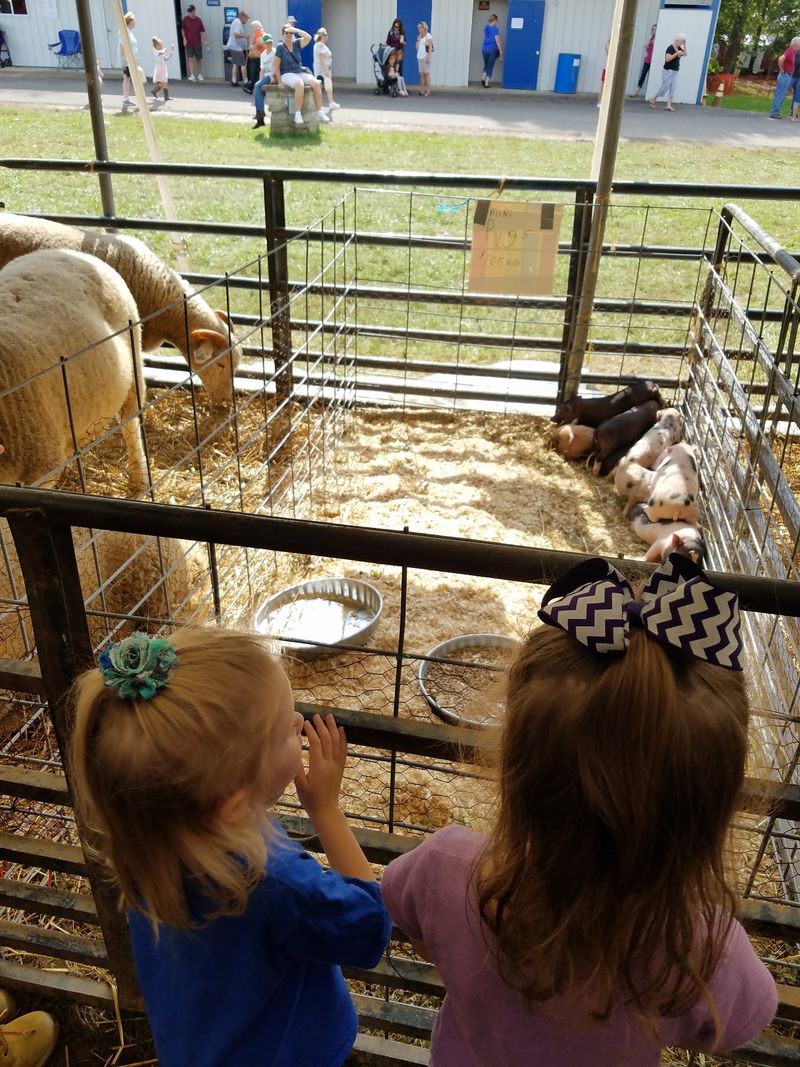
Shearing is the closest thing the festival has to a headline act. People gather early and stand three deep to watch.
The process is faster than most visitors expect. A skilled shearer works with calm, practiced motions while the fleece comes off in one piece.
Sheep look dramatically different afterward. Big woolly animals suddenly appear half their size, which never stops being funny.
Commentary usually accompanies the demonstration. Someone explains how often sheep are shorn and why the fleece matters for their comfort.
The fleece itself is worth a close look. Raw wool feels slightly greasy from lanolin, which surprises first timers every single time.
Kids ask the best questions here. Handlers answer patiently, and the crowd learns more from those questions than from any sign.
Standing near the rail gets you the best view. Arrive a few minutes early if you want a clear line of sight.
Shows run on a schedule posted at the grounds. Check it when you arrive so you do not miss the timing.
Afterward, wander to nearby fiber booths. Seeing raw fleece first makes the finished yarn feel like a completed story.
Booths Stacked With Handmade Wool Goods
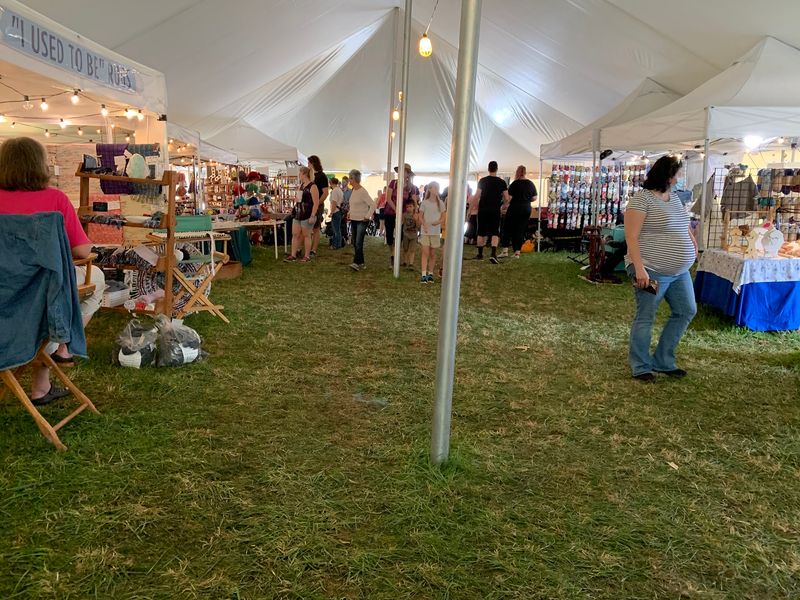
Shopping here feels different from shopping anywhere else. The person taking your money usually made the thing in your hands.
Booths hold knit socks, mittens, hats, shawls, and blankets in every shade imaginable. Some vendors dye their own fiber and can tell you exactly how.
Prices reflect real labor. A pair of hand knit socks costs more than store socks and lasts far longer.
Wool has practical perks worth knowing. It stays warm when damp and resists odor better than most synthetic fabrics.
I bought a gray wool scarf on my first visit. Several winters later, it still looks close to new.
Ask vendors about care instructions. Most wool prefers cool water, gentle handling, and drying flat instead of tumbling.
Yarn shoppers should walk the whole row before buying. Colors and fiber blends vary widely between booths, and comparing pays off.
Bring a tote bag or two. Purchases add up quickly, and juggling paper bags on grass gets old fast.
Beyond wool, you will find woodwork, pottery, jewelry, and seasonal decor. Gift shopping in early October suddenly feels very smart.
Festival Food Worth Loosening Your Belt For
Any festival lives or dies by its food, and this one eats well. The smell of kettle corn hits before you reach the first tent.
Vendors line the walkways with fried favorites, grilled sandwiches, and sweet treats. Funnel cakes leave powdered sugar on everyone, no exceptions.
Church and community groups often run booths. Their food tends to be homestyle, generous, and priced kindly.
Lines peak around midday. Eating a little early or a little late saves real time.
Split things if you can. Portions run large, and sampling several stands beats filling up at one.
Cool weather makes hot food taste better. A warm sandwich on a breezy October afternoon is a simple, excellent pleasure.
Seating exists but fills fast. Many people eat standing, leaning on a fence, or perched on a hay bale.
Bring water or buy a bottle early. Walking hills in the sun sneaks up on you.
Save room for dessert on the way out. Fudge, pies, and caramel apples travel home surprisingly well.
Old Time Skills Demonstrated Right In Front Of You
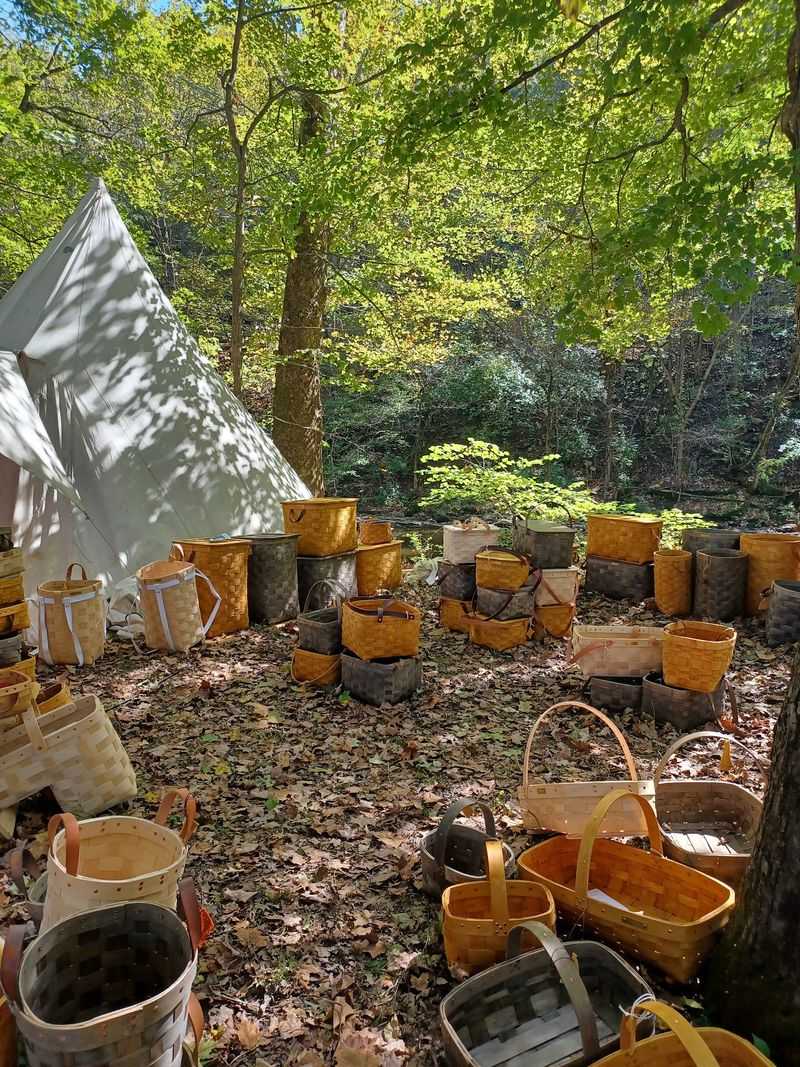
Some booths feel like a working museum without the ropes. Craftspeople demonstrate skills that once ran daily life in this region.
Blacksmiths hammer glowing metal while sparks scatter. The ringing sound carries across the grounds and pulls people in.
Weavers work large looms with steady, rhythmic motion. Watching cloth grow row by row explains why handwoven fabric costs what it does.
Other demonstrations rotate through the weekend. Basket making, quilting, woodworking, and soap making often appear somewhere on the grounds.
Artisans genuinely enjoy explaining their work. Ask one honest question and you may get a ten minute mini class.
Children get hands on chances at certain booths. Turning a crank or pressing a shuttle sticks with them longer than any souvenir.
The pace here is refreshingly slow. Nothing is rushed, and nobody pressures you to buy anything.
Photographers should visit early. Morning light through tent openings makes for warm, easy shots.
Loop back later in the day if you can. Different artisans set up at different hours, so the second pass often reveals something new.
Live Music And A Crowd That Sticks Around
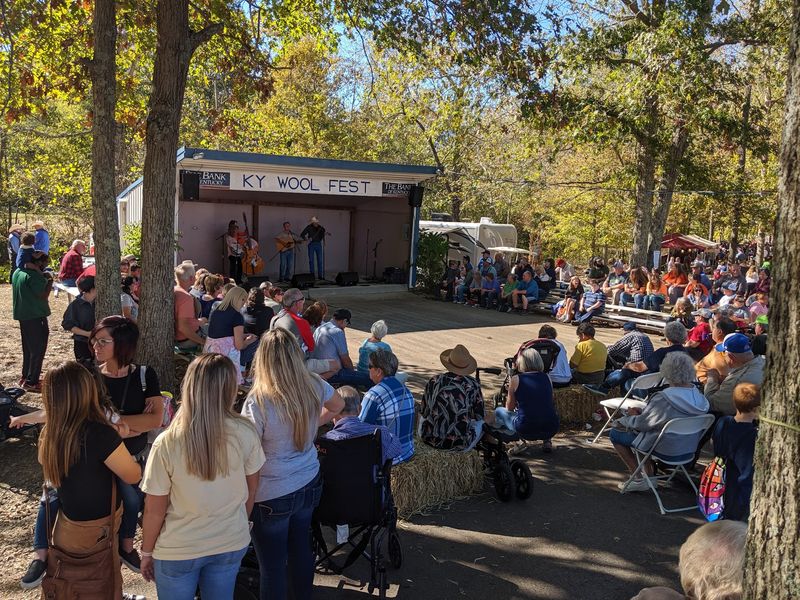
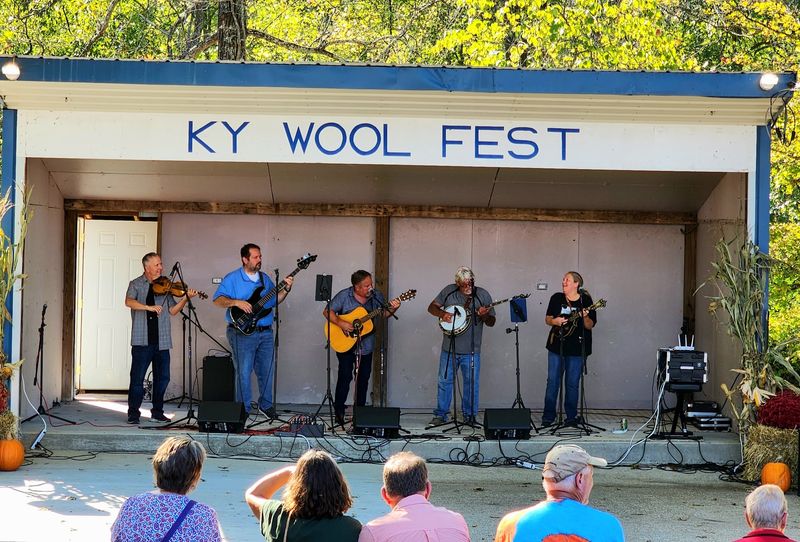
Music drifts across the grounds all weekend long. You hear a fiddle before you see the stage.
Bluegrass and country fit the setting perfectly. Banjos and hills go together like biscuits and butter.
Audiences settle in with lawn chairs and blankets. Nobody seems in a hurry to leave once a good set starts.
Bringing your own chair is a smart move. Seating near the stage disappears quickly on sunny afternoons.
Between acts, people chat with strangers. Conversations start easily here, usually about knitting or the weather.
Kids dance without any encouragement. Watching them stomp around on grass is half the entertainment.
Schedules are posted at the grounds and updated during the weekend. Glance at them so you catch your favorite style.
Evening sets have a different mood. Cooler air, softer light, and tired feet make everything feel slower and warmer.
A light jacket helps after sundown. October in northern Kentucky turns chilly faster than visitors expect.
Planning Tips That Make The Trip Smoother
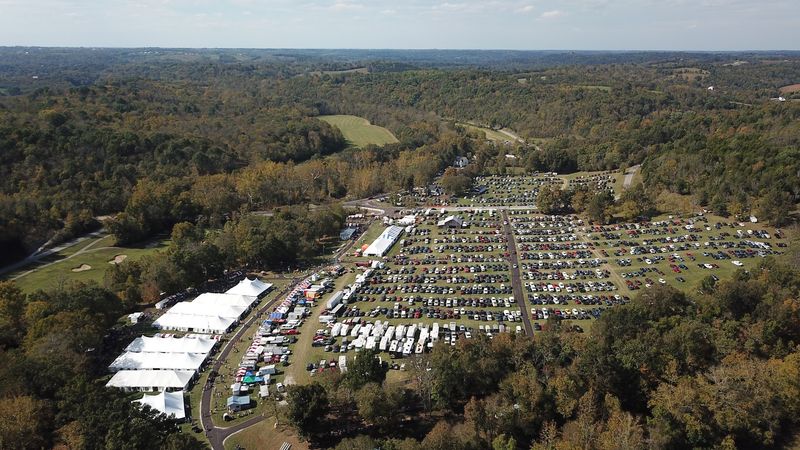
A little planning turns a good visit into a great one. The grounds are large, and pacing yourself matters.
Falmouth sits within easy driving distance of Cincinnati and Lexington. The drive itself passes through pretty farm country.
Weekends draw the biggest crowds, especially Saturday afternoon. Friday and Sunday tend to feel calmer and less packed.
Weather swings widely in October. Layers beat a single heavy coat, since mornings are cold and afternoons can warm up.
Grassy parking areas get bumpy. Shoes with grip make the hills much easier to handle.
Cash speeds up small purchases. Some vendors accept cards, but signal can be spotty on busy days.
Strollers work, though wagons handle uneven ground better. Many families bring one loaded with snacks and jackets.
Plan at least three or four hours. Rushing through means missing the demonstrations, which are the real heart of the event.
Mark October 2, 3 and 4, 2026 on your calendar now.