Kentucky Has Only 11 Covered Bridges Left And Each One Is Worth The Drive
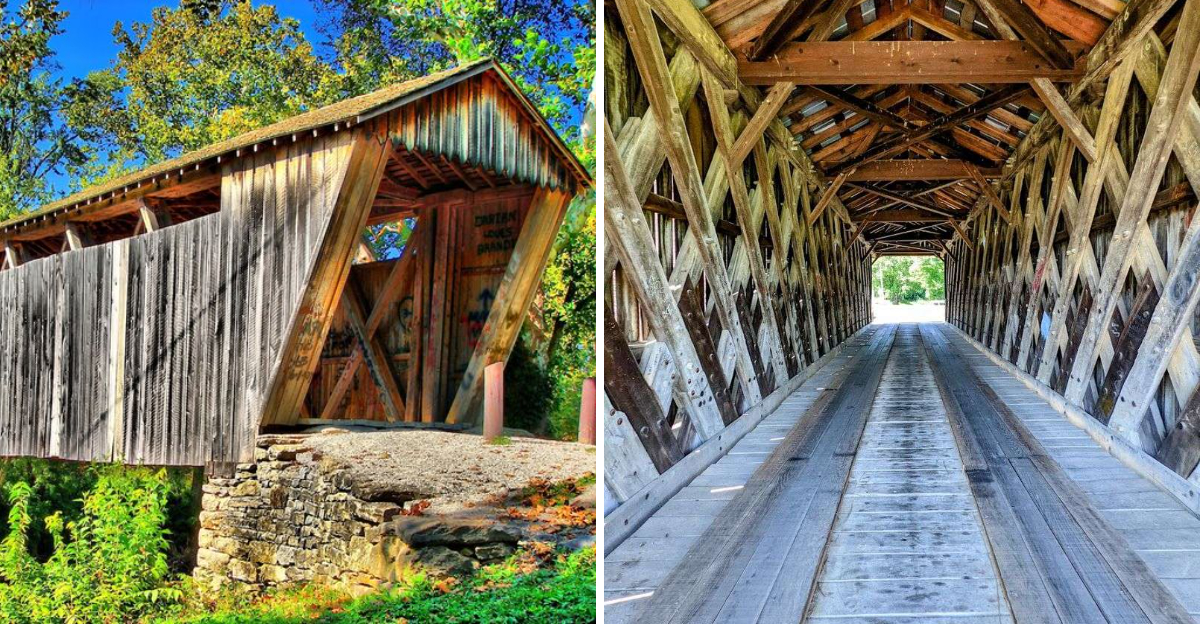
Kentucky once had more than four hundred covered bridges, and today only eleven remain. Let that number sink in for a second.
Fires, floods, and progress claimed the rest, one by one.
The survivors now stand quietly over creeks, waiting for people who still slow down. Each bridge has its own story, and some are genuinely dramatic.
One was saved during the Civil War when locals talked a Confederate general out of burning it. Another was swept fifty feet downstream by a flood, then lovingly rebuilt piece by piece.
The oldest dates back to 1835, when horses did all the commuting.
You can still drive through a few of them, wooden boards rumbling under your tires. Inside, carved initials from the 1880s share space with modern ones.
These eleven bridges are living history lessons with really good photo angles. See them soon, because history keeps no promises.
1. Bennett’s Mill Covered Bridge
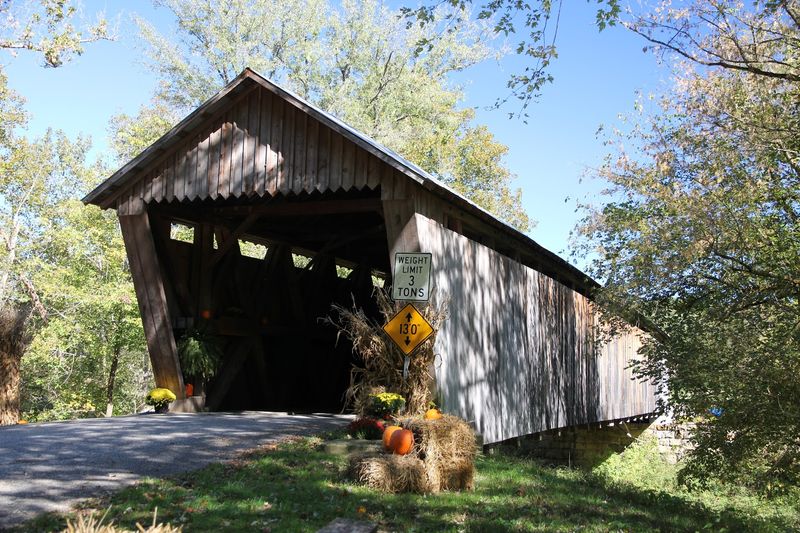
Standing 195 feet long, Bennett’s Mill Covered Bridge is the longest remaining covered bridge in Kentucky, and it earns that title with style.
Built in 1855, it stretches across Tygarts Creek near South Shore and still carries visitors across its weathered wooden planks today. That kind of staying power deserves some respect.
It uses a rare Wheeler truss design, which was a smart engineering choice back when builders had to think creatively without modern materials.
Walking through it feels like stepping inside a very old barn that also happens to cross a river. The sounds echo in a really satisfying way.
Tygarts Creek below is gorgeous, especially in fall when the surrounding trees go full color. The area around State Route 7 at Bennetts Mill Road is peaceful and easy to reach.
Locals fish here, and you might spot someone doing exactly that while you snap photos from the bridge. It is the kind of place that makes you wonder why you do not take more slow drives like this one.
2. Oldtown Covered Bridge
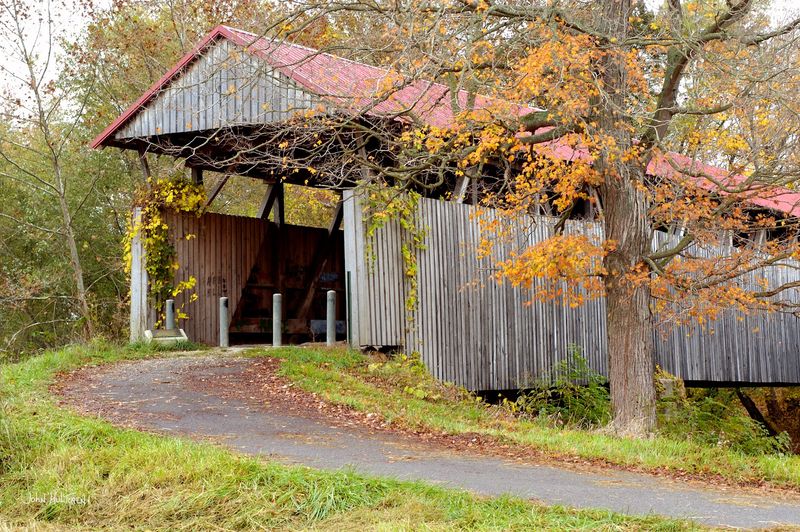
Some bridges look like they belong on a postcard. Oldtown Covered Bridge in Argillite is absolutely one of them.
Built in 1880, it spans the Little Sandy River and has been holding its own for well over a century, which is honestly more than most things built today can claim.
What makes Oldtown stand out is how naturally it fits into the surrounding landscape. The trees crowd in close, the water moves quietly underneath, and the whole scene feels like it was arranged by someone with very good taste.
It sits along Frazier Branch Road at Conley Flats Road, and finding it feels like a small reward in itself.
The bridge measures 194 feet long and uses a multiple kingpost truss design, which gives it that classic symmetrical look that photographs so well.
Visiting in early morning when the light comes through the trees sideways is a genuinely good idea. Bring a camera, bring a snack, and plan to stay longer than you think you will.
Oldtown has a way of making time feel less urgent, and that is a rare quality in any destination.
3. Cabin Creek Covered Bridge
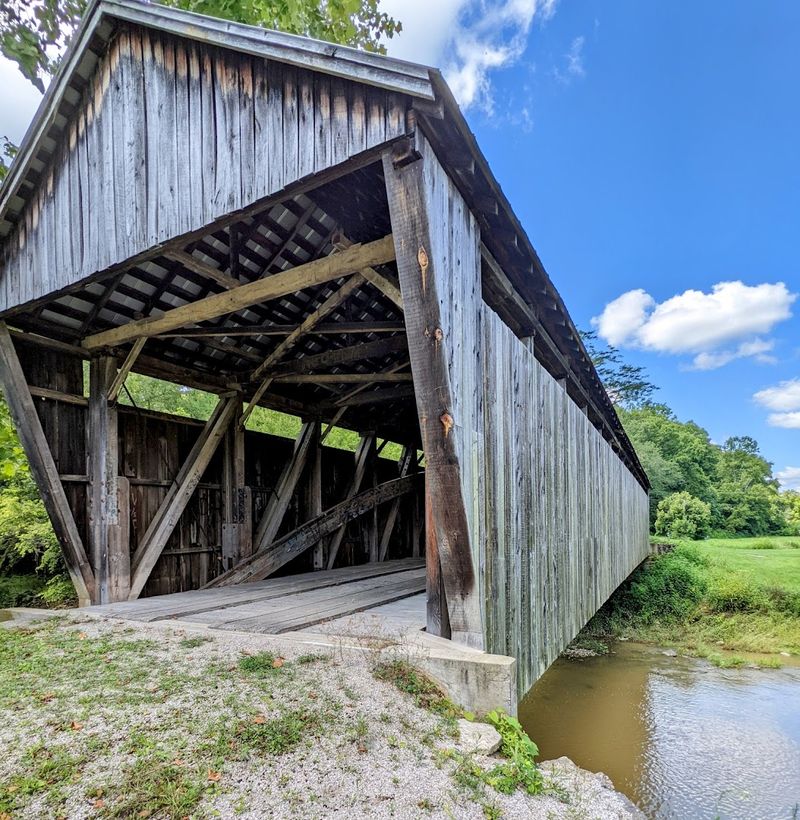
Built in 1873, Cabin Creek Covered Bridge near Tollesboro is one of those places that feels genuinely off the beaten path, in the best possible way.
It spans Cabin Creek on a quiet rural road, and the whole setting feels like something out of a slower, calmer century. Honestly, it kind of is.
The bridge measures 114 feet long and features a Burr arch truss construction, the same reliable design used in several of Kentucky’s surviving covered bridges.
What sets Cabin Creek apart is how compact and charming it feels. It is not the longest or the most famous, but it has a personality that bigger bridges sometimes lack.
The surrounding farmland adds a lot to the experience. Rolling hills, open fields, and very little traffic make this one of the more peaceful stops on any covered bridge road trip.
Cabin Creek Road itself is a pleasant drive, and the bridge sits right along it without any dramatic fanfare. You just round a bend and there it is, waiting quietly.
That kind of understated arrival is exactly what makes a road trip discovery feel genuinely rewarding rather than overhyped.
4. Dover Covered Bridge
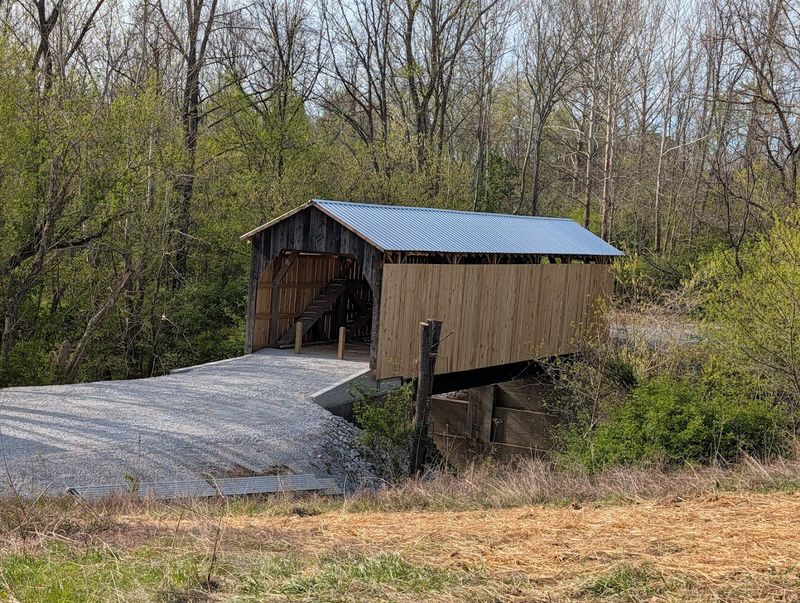
Red covered bridges photograph beautifully, and Dover Covered Bridge delivers exactly that.
Located on Lees Creek Road in the small town of Dover, this bridge is one of Kentucky’s most photogenic survivors and also one of its most accessible.
You do not have to hike through anything to get here, which is always appreciated.
Built in 1835, Dover Covered Bridge is considered one of the oldest covered bridges still standing in Kentucky.
That age is remarkable when you think about everything the structure has weathered over nearly two centuries. It spans Lees Creek and has been lovingly maintained, which shows in every plank and beam.
Mason County, where Dover sits, has a lot going for it scenically. The rolling countryside around Lees Creek Road makes for a genuinely lovely drive even before you reach the bridge.
The structure uses a multiple kingpost truss and measures about 60 feet long, making it one of the shorter bridges on this list. But short does not mean forgettable.
Dover Covered Bridge punches well above its length in terms of charm, history, and that satisfying feeling of discovering something genuinely old and well preserved.
5. Walcott Covered Bridge
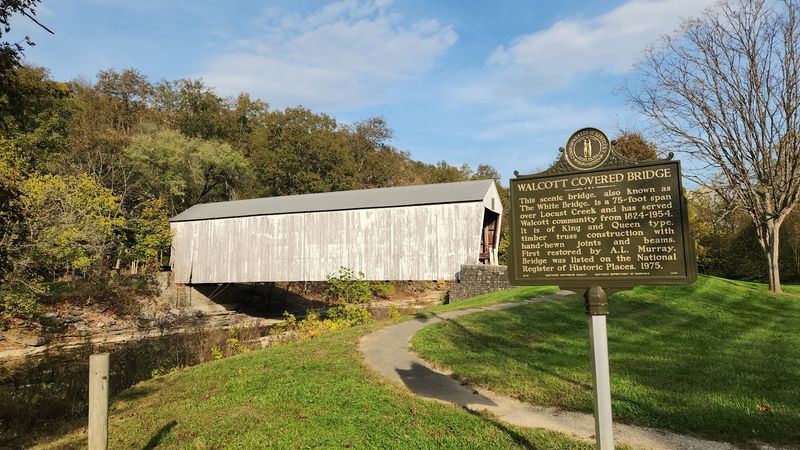
Walcott Covered Bridge sits in Bracken County near Brooksville, and it has a quiet confidence about it that I found immediately appealing.
Built in 1880, it is widely considered one of the oldest covered bridges in the entire United States, which makes stopping here feel like a genuine brush with early American history.
The bridge crosses Locust Creek along State Route 1159, and the surrounding countryside is exactly the kind of gentle, rolling Kentucky landscape that makes long drives worthwhile.
At about 75 feet long, Walcott is modest in size but enormous in historical significance. The craftsmanship from that era is something worth studying up close.
Because of its age, Walcott has been carefully preserved and restored over the years. The effort shows.
Walking through it, you get a real sense of how builders in the early 1800s approached the challenge of spanning moving water with nothing but timber and ingenuity. There is something humbling about that.
If you are building a covered bridge road trip itinerary, Walcott should be near the top simply because of what it represents. Not many places let you stand inside something nearly 200 years old.
6. Johnson Creek Covered Bridge
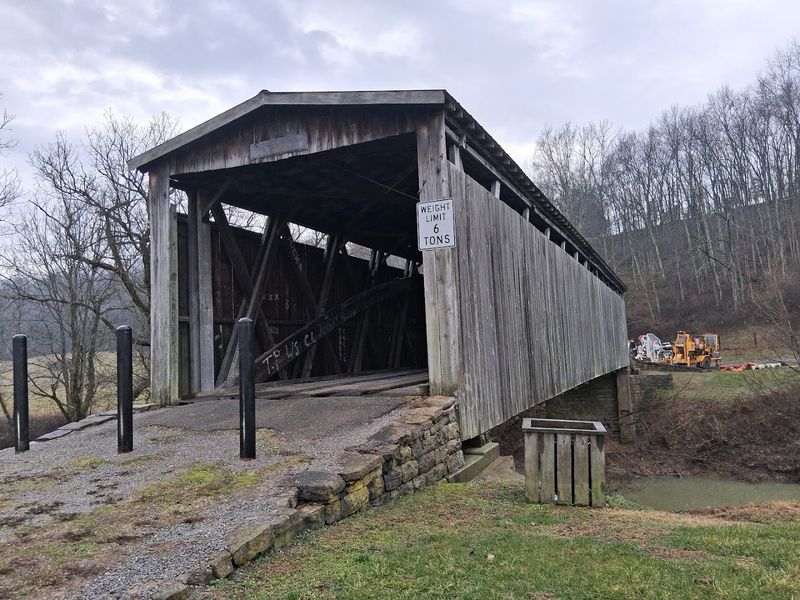
Nicholas County does not get nearly enough credit for what it holds, and Johnson Creek Covered Bridge is a perfect example.
Located along State Route 1029 near Blue Licks, this bridge spans Johnson Creek with an easy confidence that comes from having survived since 1874. That is a lot of Kentucky weather to endure.
The bridge measures around 111 feet long and uses a Burr arch truss design. What strikes you first is how naturally it blends into the surrounding landscape.
There are no big signs or tourist markers here.
You find it, and then you feel like you actually found something, which is the best kind of road trip moment.
Blue Licks State Resort Park is nearby, which means Johnson Creek Covered Bridge makes an excellent add-on to a day that already includes exploring that historic site.
The combination of natural beauty, regional history, and old infrastructure makes this corner of Kentucky feel genuinely layered and interesting.
Pull over, walk across the bridge, listen to the creek below, and take a minute to appreciate that people built things like this by hand. That thought alone makes the drive out here completely worth it.
7. Goddard Covered Bridge
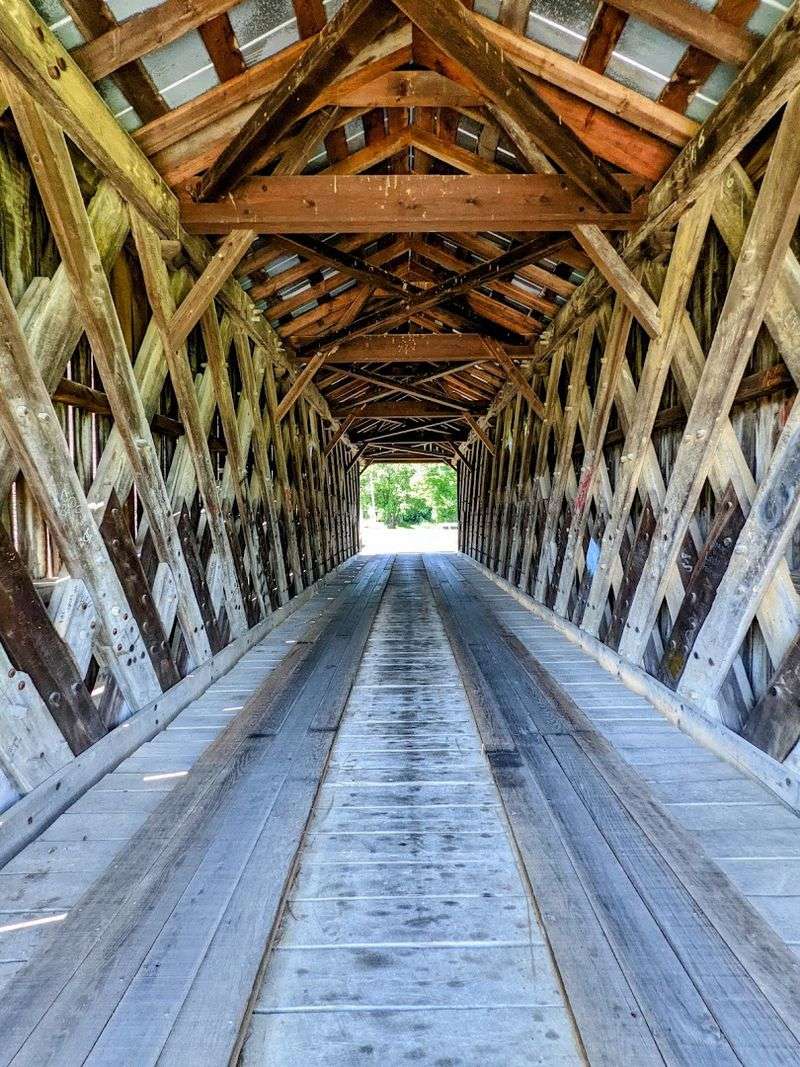
Fleming County is covered bridge country, and Goddard Covered Bridge is the proof.
Sitting right along State Route 32 in the small community of Goddard, this bridge is one of the easier ones to spot on a drive through the county. It does not hide, and it does not need to.
Built in 1820, it has earned its place in plain sight.
At about 60 feet long, Goddard uses a multiple kingpost truss design and spans sand Lick Creek. The structure has been maintained carefully over the years, and it shows in the quality of the woodwork.
Seeing something built in 1820 still standing and functional is a genuinely moving experience if you let yourself think about it for a moment.
Fleming County actually has a covered bridge driving tour that includes Goddard, Ringos Mill, and Grange City bridges all in one loop. That makes planning a day trip here remarkably easy and efficient.
Pack a lunch, download an offline map just in case, and give yourself a full afternoon.
The roads between these bridges are scenic and low-traffic, and arriving at each one feels like collecting something rare and worth keeping. Goddard is a strong start to that collection.
8. Ringos Mill Covered Bridge
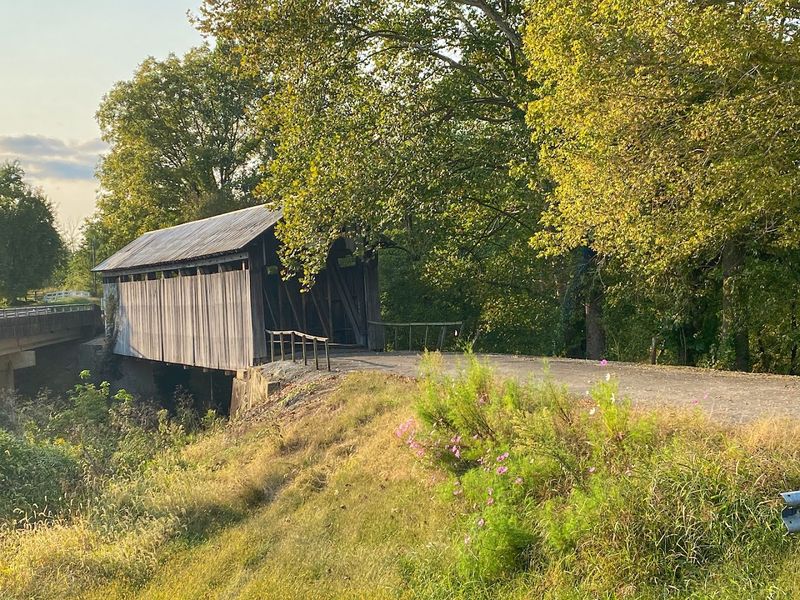
Some bridges have a story baked right into their name. Ringos Mill Covered Bridge near Hillsboro sits where a grist mill once operated, and that layered history gives the whole stop an extra dimension.
Built in 1869, it spans Fox Creek along State Route 158 at Rawlings Road and has aged beautifully.
The bridge is 87 feet long and built using a Burr arch truss, a design that proved incredibly durable across Kentucky’s covered bridge history.
Walking through Ringos Mill, you can see the craftsmanship in the overhead beams and the way the structure distributes its own weight. It is practical engineering that also happens to look great in photographs.
Fleming County’s covered bridge loop makes Ringos Mill an easy inclusion in a half-day driving plan.
The area around Hillsboro is relaxed and rural, with farmland stretching out in every direction and very little to distract you from appreciating the scenery.
The creek below the bridge runs clear and moves at a pleasant pace. Sitting on the bank for a few minutes and just listening is not a bad idea at all.
Ringos Mill is the kind of stop that rewards anyone willing to slow down and pay attention to what is actually in front of them.
9. Grange City Covered Bridge
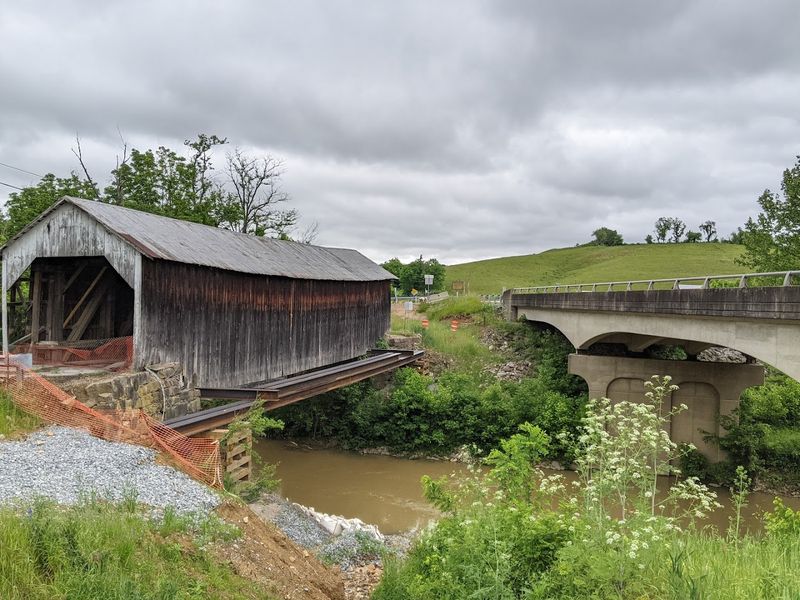
Grange City Covered Bridge completes the Fleming County trio, and it holds its own impressively well.
Located along State Route 111 near Hillsboro, it spans Sand Lick Creek and has been doing so since 1865.
That puts it right in the heart of the post-Civil War construction era when covered bridges were being built across Kentucky at a serious pace.
At 94 feet long, Grange City uses the reliable Burr arch truss design and features the classic covered bridge silhouette that makes these structures so instantly recognizable.
The setting is calm and agricultural, with open fields and tree lines framing the bridge in a way that feels almost deliberately scenic. Nature did good work here.
What I appreciate about Grange City specifically is how unhurried the whole experience feels. There are no crowds, no admission fees, and no pressure.
You simply show up, walk through, admire the craftsmanship, and move on whenever you are ready. That kind of low-stakes discovery is increasingly rare.
Pairing a visit here with Goddard and Ringos Mill in the same afternoon is genuinely one of the better ways to spend a free day in Kentucky. Bring good shoes and a curious mindset.
10. Colville Covered Bridge
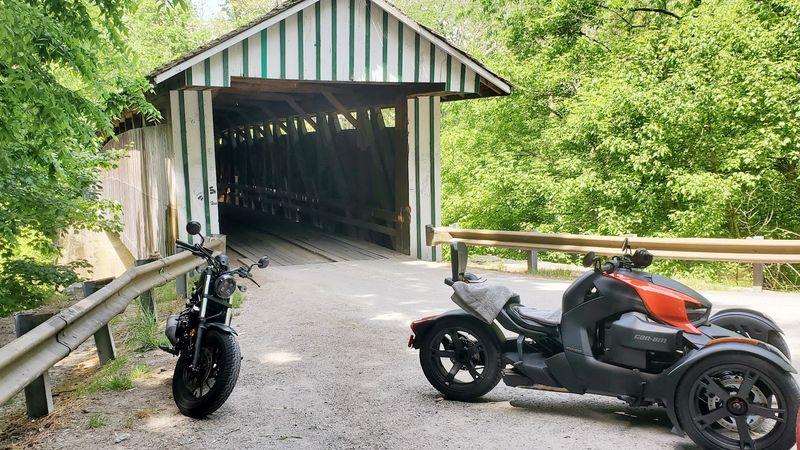
Bourbon County is famous for a lot of things, but Colville Covered Bridge is one of its most genuinely underrated attractions.
Built in 1877, it spans Hinkston Creek along Colville Road near Millersburg and has the kind of sturdy, well-maintained look that makes you trust it immediately. Which is helpful when you are about to walk across it.
The bridge stretches 124 feet and uses a Burr arch truss design. Hinkston Creek below is clear and pretty, and the tree canopy around the bridge gives the whole spot a sheltered, almost private feeling.
On a warm afternoon, the shade inside the bridge is a genuine bonus. You can stand in the middle and feel genuinely cool while the sun beats down outside.
Colville Road itself is a pleasure to drive, winding through classic Bourbon County horse farm country with white fences and green pastures in every direction.
Combining a Colville Bridge visit with a drive through the surrounding countryside makes for a full and satisfying afternoon without spending a single dollar. The bridge is easy to find and easy to access.
That combination of beauty, history, and zero hassle is exactly why Colville Covered Bridge keeps showing up on lists like this one.
11. Switzer Covered Bridge
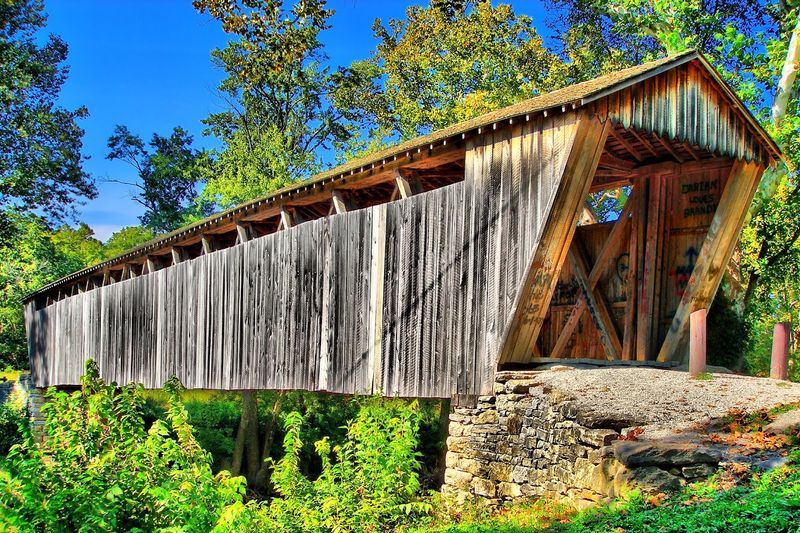
Closest to the state capital, Switzer Covered Bridge near Frankfort is the most accessible bridge on this list and arguably the most visited.
Built in 1855 and rebuilt after flood damage in 1997, it spans the North Fork of Elkhorn Creek along Switzer Road in Franklin County. Its story of survival and restoration makes it feel especially meaningful.
The bridge is 120 feet long and features a Burr arch truss design. The North Fork of Elkhorn Creek is genuinely beautiful here, with clear water moving over rocks and a forested bank that feels miles away from any city.
The fact that Frankfort is just a short drive away makes this feel like a well-kept local secret, even though it is not particularly secret at all.
Switzer is a favorite for photographers, picnickers, and anyone who just needs a quiet hour away from ordinary life. The creek is shallow enough in spots for wading, and the surrounding area invites you to linger.
If you are only able to visit one bridge on this entire list, Switzer Covered Bridge is a strong candidate simply because of how easy it is to reach and how rewarding the experience is once you arrive. It earns every visit.