10 Kentucky Places That Feel Like Another State Entirely
Kentucky has a reputation problem. People hear the name and picture one thing.
There are horses, there are fences, and there is a lot of green. That is real, but it is maybe a third of the story.
The rest of it is stranger. This state also has canyons that look borrowed from out west.
It has water so wide you will look for a coastline. It has forests that could pass for the Pacific Northwest on a foggy morning.
There are rock arches, sand, cliffs, and one or two views that make no geographic sense at all. You will pull over.
You will check your location on your phone. You will still be in Kentucky.
The ten places on this list all do the same trick, which is convincing you that you crossed a border you never crossed. Pack a bag and prepare to argue with your own map.
1. Cathedral Basilica Of The Assumption
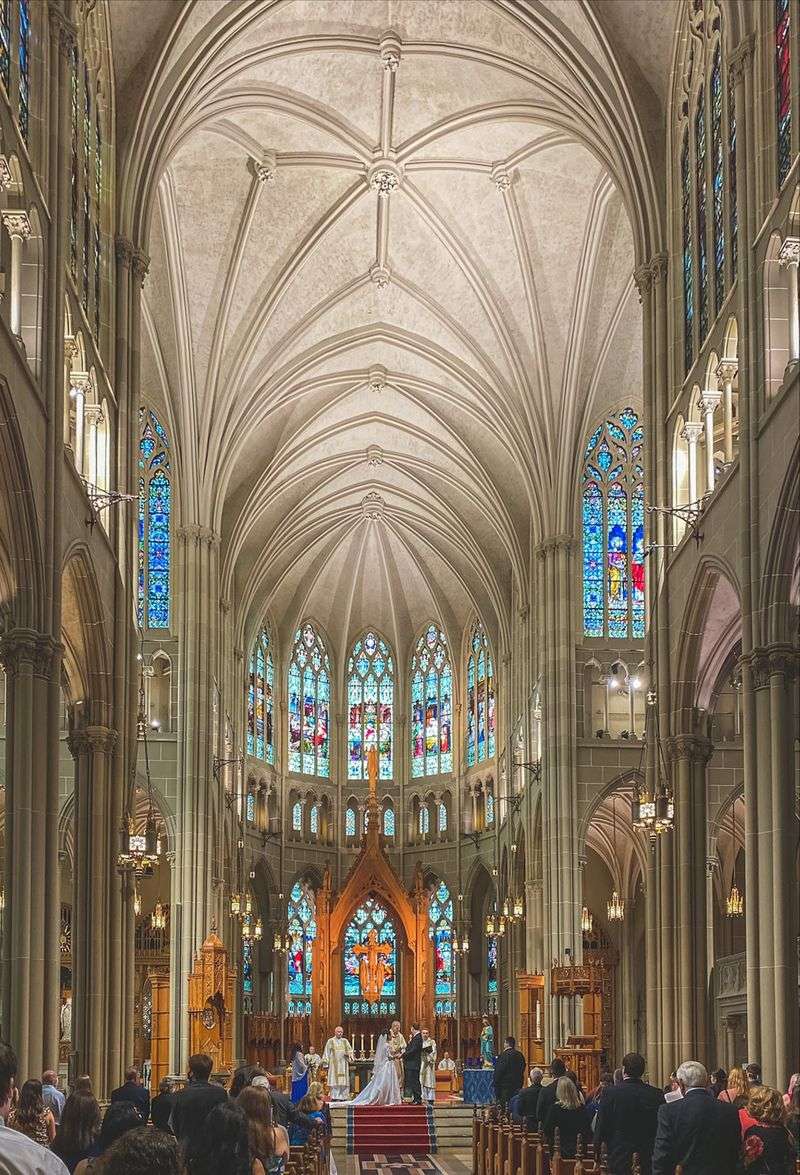
Paris built Notre Dame. Covington built something that borrows its face.
The exterior carries flying buttresses and an ornate tympanum, the kind of detail you expect overseas. Twenty-six gargoyles were carved in Italy before they ever reached Kentucky.
Inside, the walls are nearly 80 percent stained glass. Light pours in and colors the stone floor, which changes hour by hour as the sun moves.
Soaring Gothic arches pull your eyes straight up. The Stations of the Cross are Venetian mosaic, so lean close and study the tiny tile work.
Four types of Italian marble shape the baptistry. Behind the main altar sit more than 300 relics, a collection few visitors expect in northern Kentucky.
You will find it at 1140 Madison Ave in Covington. Street parking sits nearby, and the neighborhood is easy to walk after your visit.
Go on a bright morning if you want the glass at full strength. Cloudy days soften everything, which some people actually prefer for photos.
Dress respectfully and keep your voice low, since services and quiet prayer happen throughout the week. Signs near the entrance explain what is open to the public.
Give yourself a full hour. Rushing through means missing the carved faces hiding in corners above your head.
2. The Kentucky Castle
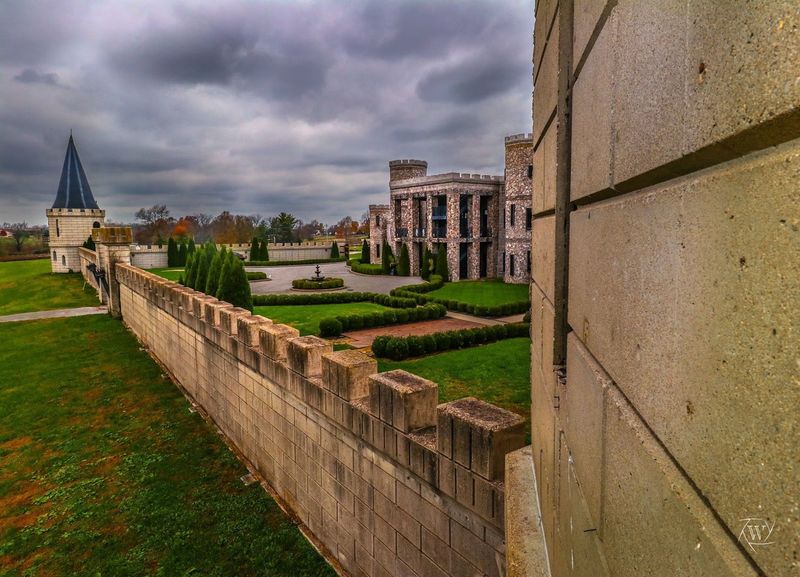
Horse farms roll along for miles, then a castle interrupts the view. Not a replica sign.
An actual castle.
Stone walls, towers, and turrets cut a sharp shape against Woodford County pastures. Drivers on Pisgah Pike have been slowing down for this silhouette for decades.
Rooms and suites inside lean regal without feeling stuffy. Think heavy fabrics, tall windows, and views over fenced fields.
The restaurant works farm to table, pulling ingredients from gardens on the property. Ask what came out of the beds that week, because the menu shifts with the season.
Landscaped grounds surround a calm pool area. Walking the perimeter takes only a few minutes, but it is the best way to appreciate the stonework.
Set your navigation to 230 Pisgah Pike, Versailles, Kentucky. Lexington sits close by, so you can pair the trip with bourbon country stops.
Reservations matter here for both rooms and dining. Weekends fill fast, especially during spring racing season.
Photographers love the golden hour, when low sun hits the towers and the fields turn amber. Bring a real camera if you own one.
Even a short visit feels like a detour into another country. That reaction is exactly why locals keep bringing out-of-town guests.
3. Abbey Of Gethsemani
Silence is the main attraction. That sounds strange until you experience it.
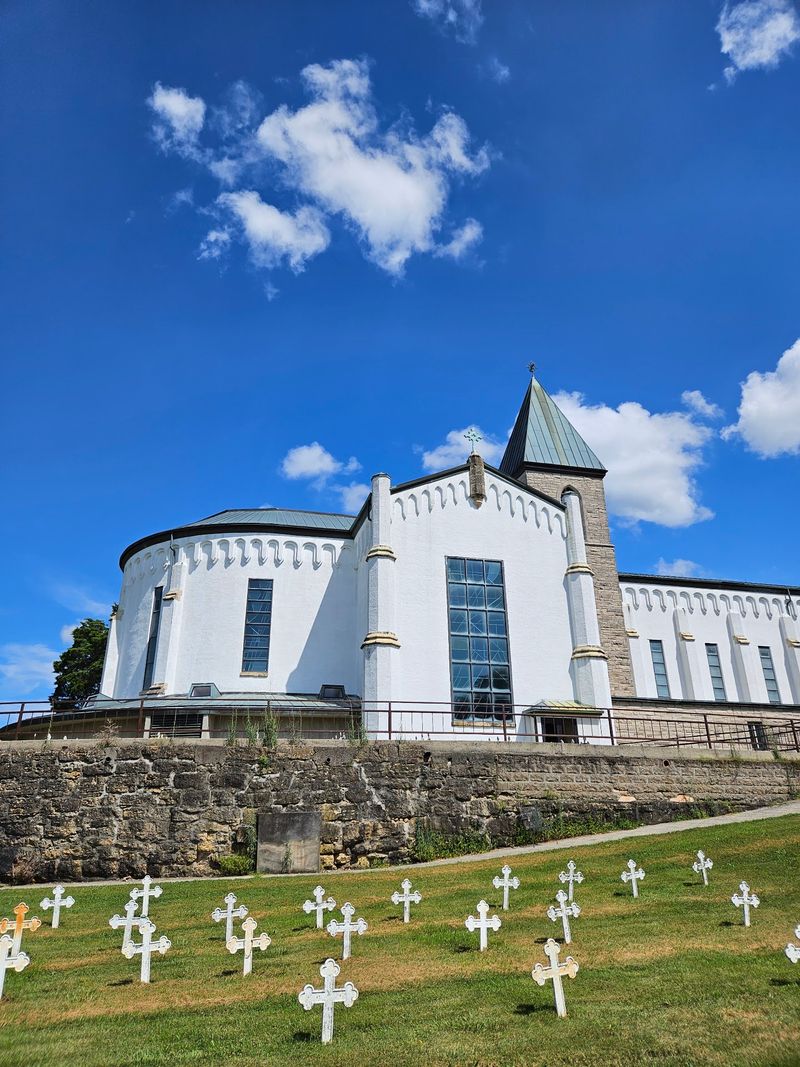
Trappist monks founded this monastery in 1848, and the community still shapes daily life around prayer and quiet. The rhythm has barely changed in over 170 years.
Two thousand acres of rolling hills and woodlands surround the buildings. Cell service fades, traffic noise disappears, and your shoulders drop without permission.
The neo-Gothic main monastery follows the model of Melleray Abbey in France. Bricks for the original construction were made right on site, with limestone hauled from Indiana.
Visitors are welcome to walk miles of nature trails through the woods. Public prayer services are open to guests who want to listen.
Head to 3642 Monks Rd in Trappist, about an hour south of Louisville. Bardstown makes a natural pairing on the same day.
Wear shoes you can hike in, since trails climb and dip more than expected. Water is smart, especially in summer.
Keep conversation minimal near the buildings. Signs mark where silence is expected, and honoring that request is part of the experience.
Come with no agenda. The whole point is slowing down, and that only works if you let it.
4. Basilica Of Saint Joseph Proto-Cathedral
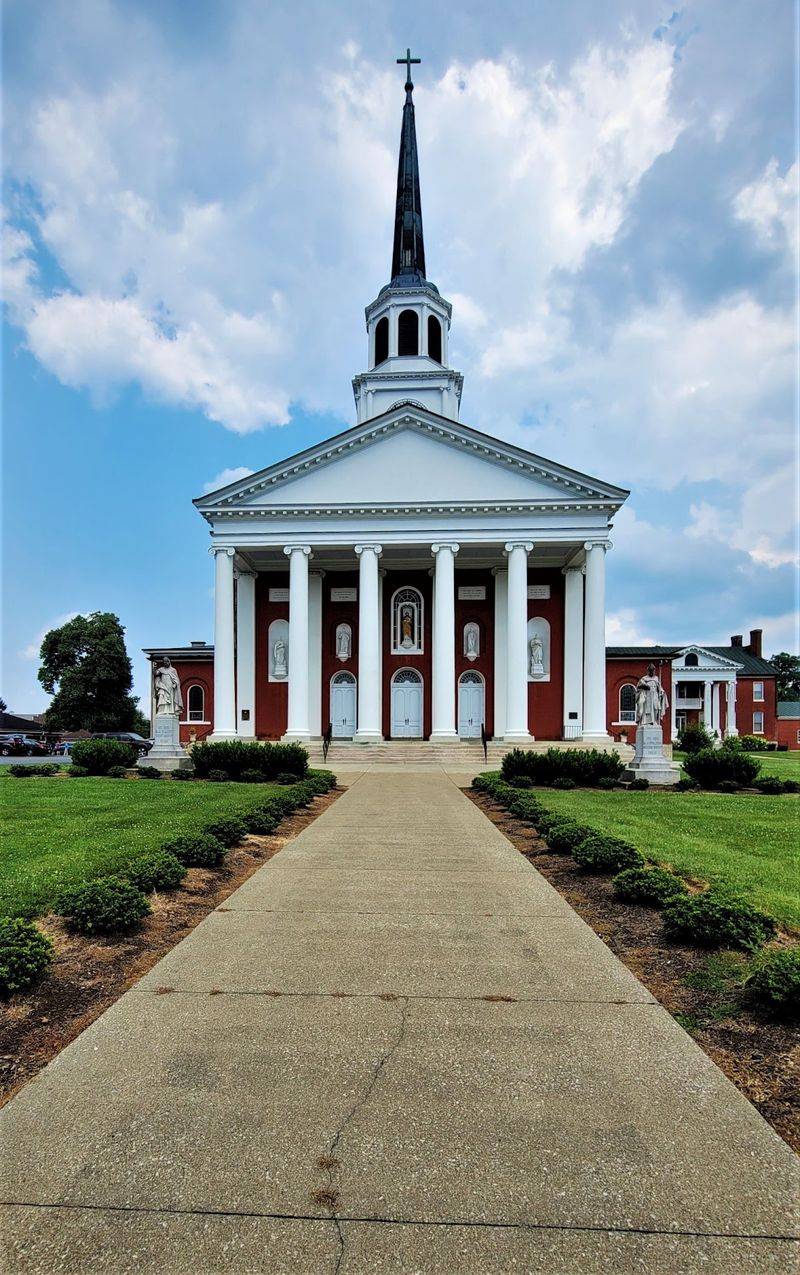
In 1819, this was the first Catholic cathedral west of the Allegheny Mountains. Frontier Kentucky, and someone built this.
Greek Revival columns front the building with serious proportions. Those columns were carved from local trees, and the bricks were baked on site.
At the time of construction, it ranked among the largest buildings in the young United States. Picture that against a landscape of dirt roads.
European royalty and popes sent gifts of art and liturgical items. Paintings attributed to Murillo and Van Dyck hang inside, which stops most visitors mid-step.
The neo-classical interior feels bright and open rather than heavy. Look up at the ceiling detail before you look anywhere else.
You will find the entrance at 310 W Stephen Foster Ave, Bardstown, near the heart of town. Shops and restaurants sit within easy walking distance.
Guided information is usually available, and volunteers can point out which artworks came from where. Asking questions pays off here.
Photography rules vary, so check posted signs before raising a phone. Respect goes further than a good shot.
Bardstown gets busy in fall, when the surrounding hills turn. Plan a weekday visit if crowds bother you.
5. Cave Hill Cemetery & Arboretum
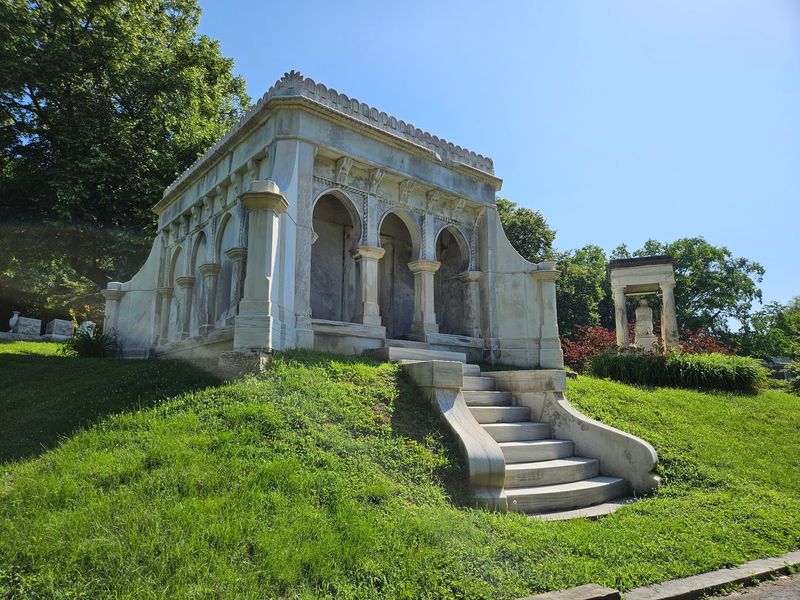
Calling it a cemetery undersells it. Calling it an arboretum gets closer.
Designed in 1848, the 296-acre grounds follow the natural contours of the land in Victorian garden style. Paths curve instead of cutting straight lines.
More than 600 species of trees and shrubs grow across the property. Labels on many trunks turn a stroll into a free botany lesson.
Five artificial lakes catch reflections, and Beargrass Creek winds through the landscape. Ducks and geese treat the water like a private club.
Victorian monuments and sculptures line the routes like an open-air gallery. Some are simple.
Others are wildly detailed marble work.
The Corinthian-style Baxter Avenue entrance, topped with a clock tower, makes a stately front door at 701 Baxter Ave, Louisville, Kentucky.
You can drive the internal roads, but walking reveals far more. Bring comfortable shoes and a paper map from the entrance.
Spring brings blooms and fall brings serious color. Photographers show up early for soft light along the lakes.
Keep your voice gentle and stay on paths out of courtesy. Families visit daily, and quiet is the unspoken rule.
Two hours vanishes here quickly.
6. Belgravia Court And St James Court
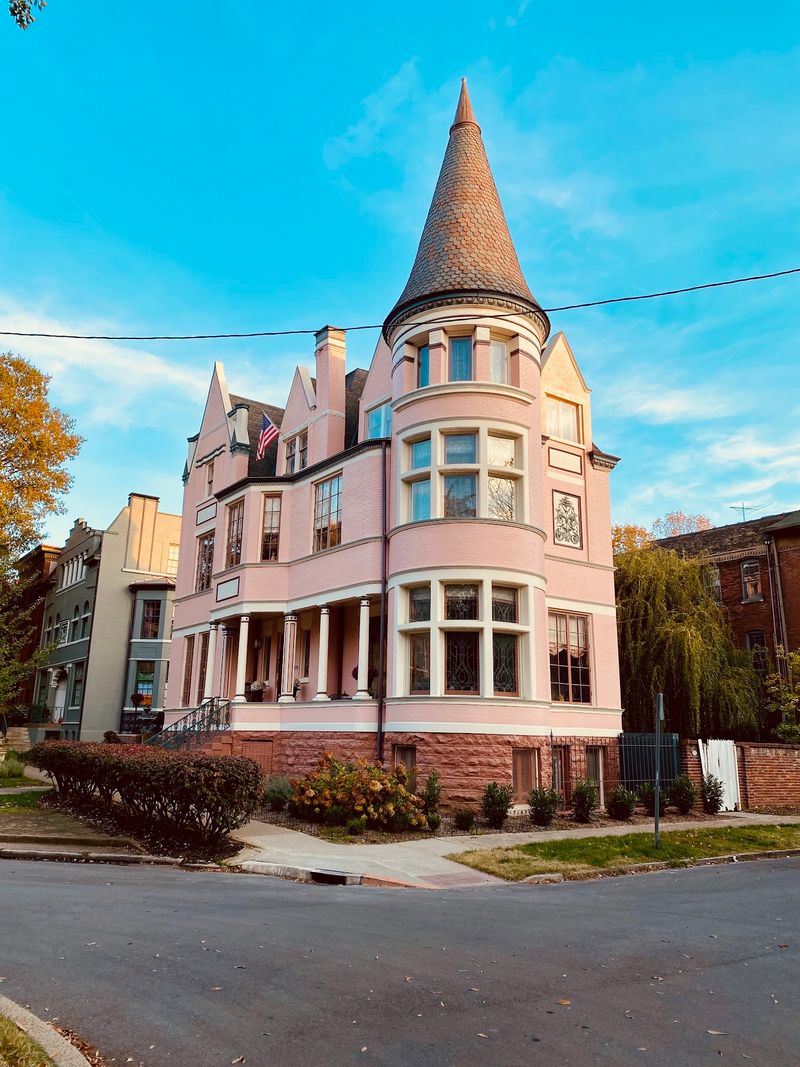
London borrowed its name to this corner of Louisville. The resemblance is not accidental.
Old Louisville planners aimed to echo an affluent London neighborhood, and the result still holds. Grand Victorian mansions crowd both sides of the walkways.
Belgravia Court runs as a pedestrian-only walking court. A central green strip splits parallel sidewalks, with no cars allowed anywhere near it.
Gas lamps flicker along the courts after dark. That soft light does something to the brick and stone that electricity cannot copy.
St. James Court centers on an ornate bronze fountain framed by huge trees. Benches nearby make good spots to sit and stare.
Architecture fans get a buffet of styles, including Italianate and Romanesque. Turrets, stained glass transoms, and carved porches appear block after block.
Find it where Belgravia Ct meets St James Ct in Louisville. Park on a nearby street and continue on foot, since walking is the entire point.
Evening visits show off the lamps best. Daylight visits show off the stonework and porch details.
Every October, the neighborhood hosts a large outdoor art show that fills the courts with booths. Expect crowds and street food that weekend.
Respect that people live here. Admire from the sidewalk.
7. Monte Cassino Chapel
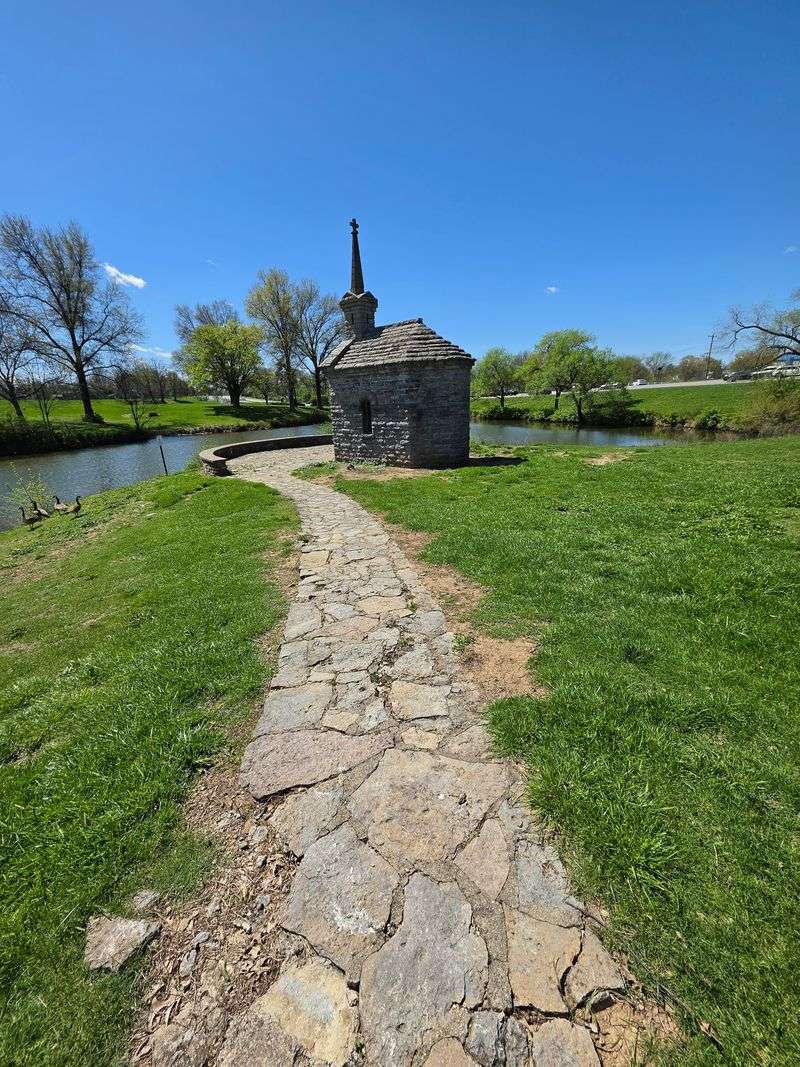
Ripley’s Believe It or Not once called it the smallest church in the world. It measures roughly the size of a garden shed.
Benedictine monks built the fieldstone chapel in 1878, drawing inspiration from monasteries in Italy. Every stone was placed by hand.
Arched elements and rough fieldstone walls give it a weathered, old-world look. Nothing about it feels manufactured.
The chapel now sits on the grounds of Thomas More University, overlooking a small lake. Ducks, students, and the occasional wedding photographer share the space.
You can reach it at Thomas More University, Turkeyfoot Road, Crestview Hills. Campus signs help, though the chapel is small enough to miss on a first pass.
Interior space fits only a handful of people, so peeking inside is usually the extent of a visit. Access can depend on the day.
The walk from parking is short and flat. Combine it with a loop around the lake for a pleasant thirty minutes.
Autumn works beautifully here, with color reflecting off the water behind the stone. Winter snow gives it a storybook look.
Roadside attractions rarely feel this genuinely old. That contrast is the charm, and it costs nothing to see.
8. Louisville Mega Cavern
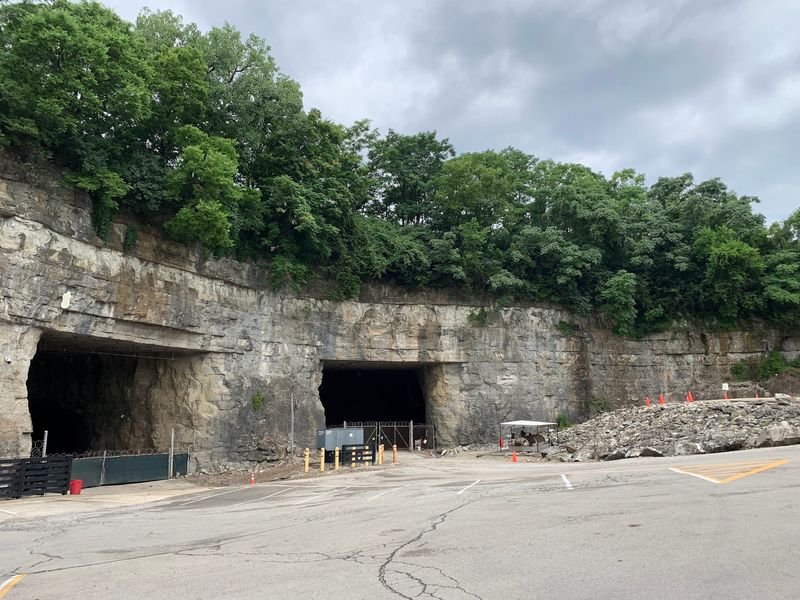
One hundred acres of empty space sits under Louisville. Most drivers pass over it without a clue.
The former limestone quarry forms a massive underground complex beneath Louisville. It is also classified as Kentucky’s largest building, which sounds like a riddle until you see it.
Temperatures hold steady at 58 degrees year-round. That means summer visits feel refreshing and winter visits feel mild.
Activities include underground zip lines, an aerial ropes course, and a tram tour through the tunnels. Mountain bikers ride a dedicated underground course too.
During the Cold War, the space was designated as a fallout shelter for 50,000 people. Guides point out remnants of that era on the tour.
Winter brings a massive drive-through light show inside the cavern. You stay in your car while millions of lights fill the tunnels.
Head to 1841 Taylor Ave, Louisville, just off the Watterson Expressway. Parking sits right at the entrance.
Bring a light jacket regardless of the season. Closed-toe shoes are smart for the ropes and zip options.
Book tickets ahead for holidays and weekends. Time slots sell out, and turning around at the gate stings.
9. Lost River Cave
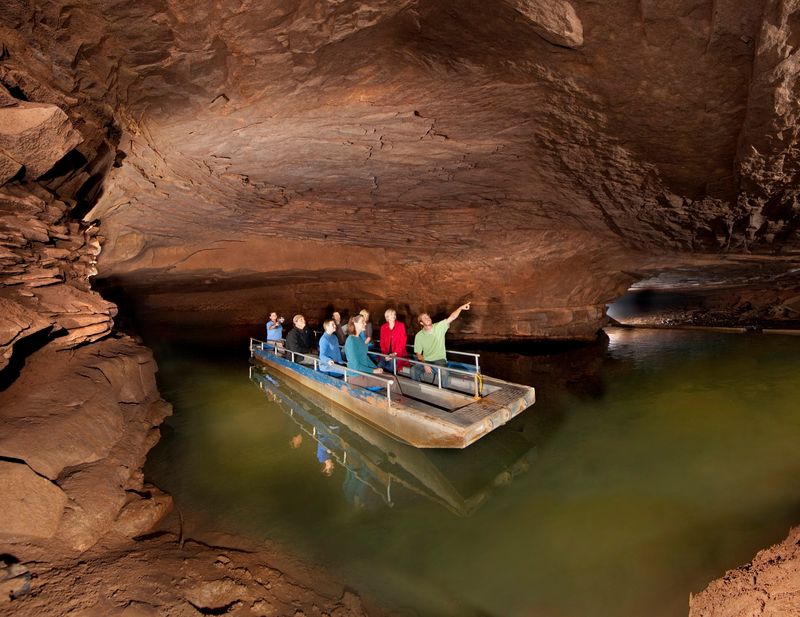
A river runs into a hillside and disappears. You can follow it by boat.
Lost River Cave offers Kentucky’s only underground cave boat tour. Guides steer you into the dark while the water reflects the lantern light.
Ripley’s Believe It or Not has claimed the river is the shortest and deepest in the world. Whether or not that holds up, the mouth of the cave is genuinely enormous.
Temperatures inside sit between 57 and 59 degrees all year. Bring a layer even in August.
Tour stories cover Native American history, the Civil War era, and old Jesse James legends tied to the area. Guides keep it lively rather than lecture-heavy.
Above ground, scenic hiking trails follow the valley through woods and rock formations. A seasonal butterfly habitat draws families in warmer months.
The entrance is at 2818 Nashville Rd, Bowling Green, easy to reach from I-65. Nashville and Louisville both sit within reasonable driving range.
Boat tours run on a schedule and can fill up, so arrive early. Trails and grounds stay open to walk for free.
Kids tend to love the boat portion most. Adults usually leave talking about the cave entrance.
10. Yuko-En On The Elkhorn
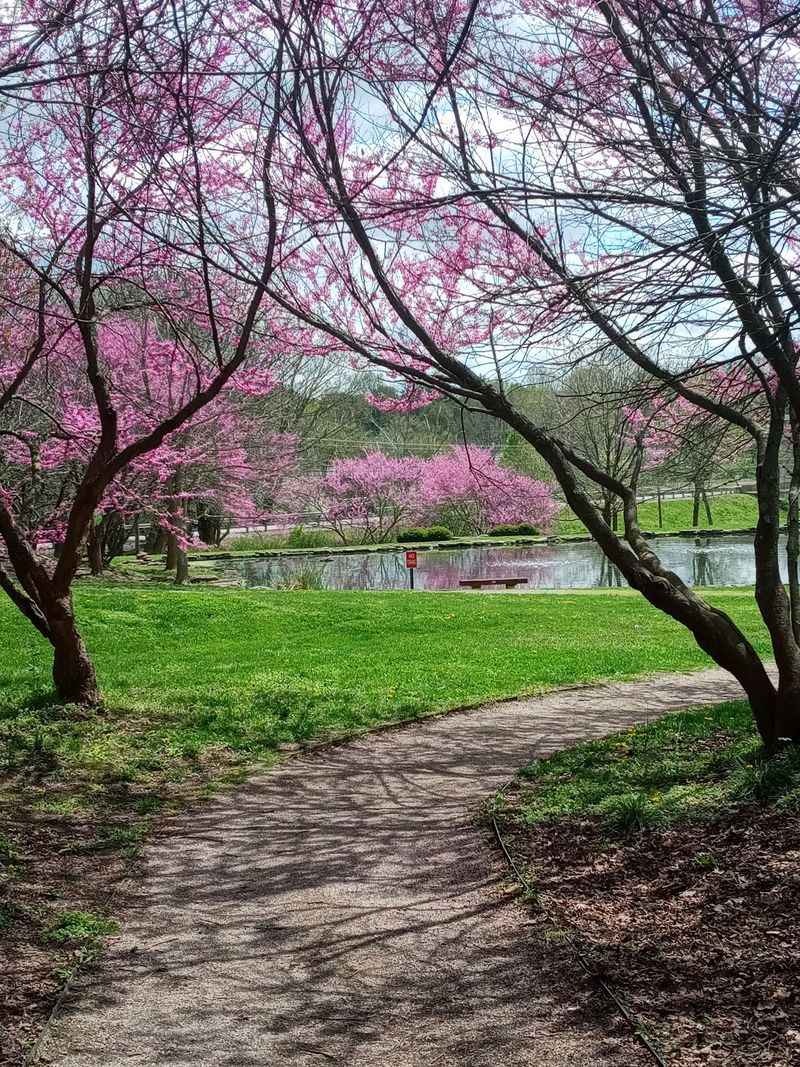
Bluegrass and bonsai should not mix. Somehow, on six acres near Georgetown, they do.
Yuko-En on the Elkhorn serves as the Kentucky-Japan Friendship Garden. It blends local landscaping with Japanese strolling garden design.
Entry comes through grand Tokugawa gates, named for the Tokugawa Shogunate era. Passing under them signals a clear change in mood.
Winding paths lead across arched bridges and past a koi pond. The fish rise to the surface whenever footsteps hit the wood.
Other features include a Zen rock garden, the Maho-An Tea House, and a Raku kiln house. Sculptures, stone lanterns, and small waterfalls appear along the route.
Traffic noise fades quickly once you are inside the loop. Birds and moving water take over as the soundtrack.
The address is 700 US-25, Georgetown, Kentucky, a short hop from Lexington.
Late spring and early fall show the plantings at their best. Mornings stay quietest if you want the paths to yourself.
Wear comfortable shoes, since gravel and stone make up much of the walkway. The full loop takes under an hour at an easy pace.
Bring a book. There are benches worth using.