Kentucky’s First Nuclear Power Plant Could Be Coming, And It Would Be The Largest In America
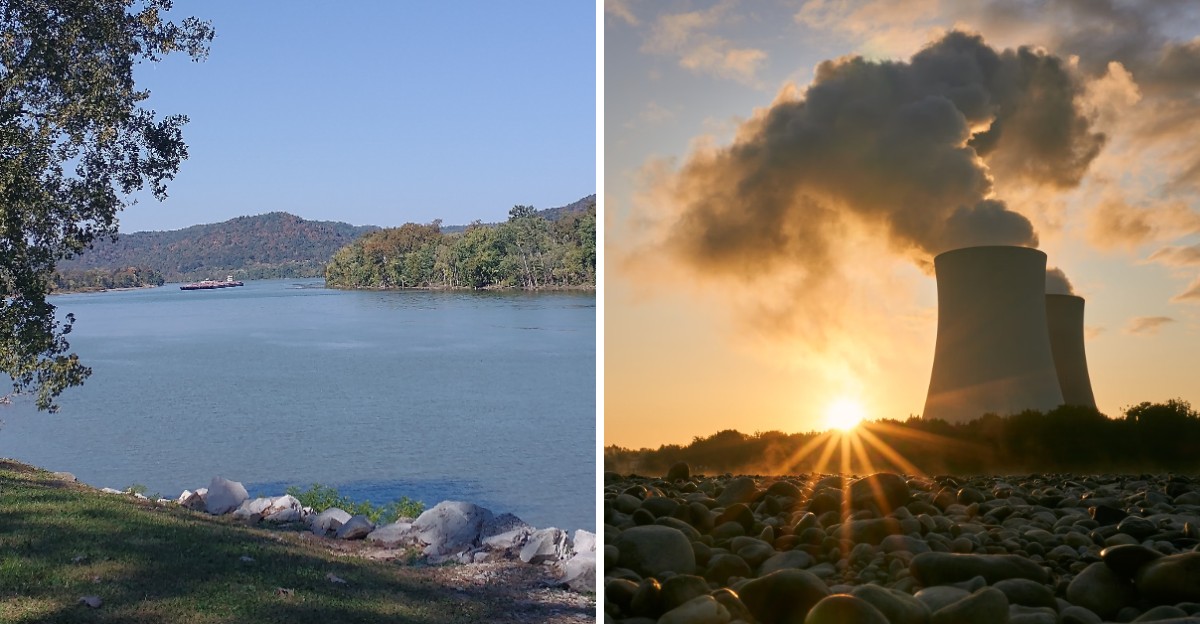
Six nuclear reactors could one day hum along a quiet bend of the Ohio River. Together, they would make more electricity than any nuclear site in the country.
That is a big dream for a small rural county. The planned campus would sit on more than 4,200 acres of riverside farmland.
I can’t imagine the conversations at local diners when that news broke.
Kentucky has never had a working commercial nuclear plant. Not one.
This project could change that, and it could rewrite the record books too.
This story mixes old river history with very modern science. It also raises fair questions about jobs, safety, and what comes next.
So how does a peaceful patch of land end up chasing a national title?
A Record-Breaking Plan Is Taking Shape Along The Ohio River
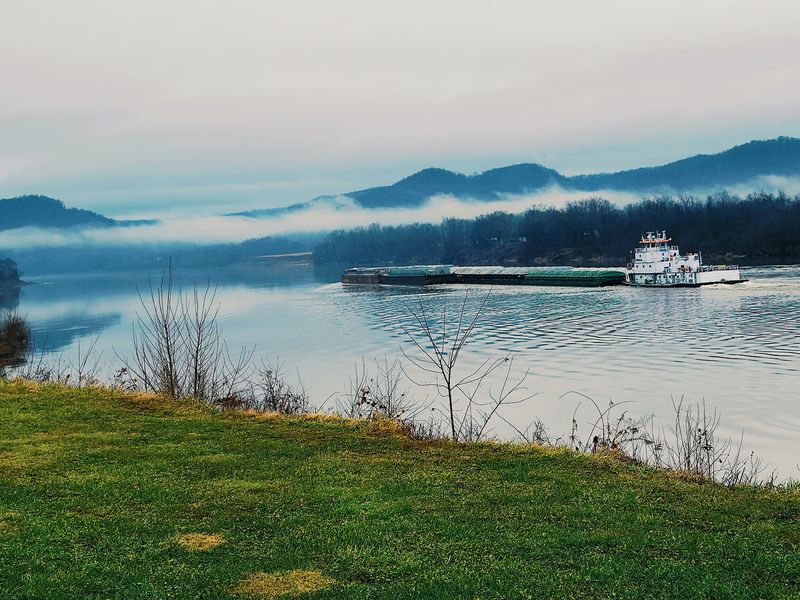
Lewis County, Kentucky, is in the middle of the biggest energy conversation in its history. A company called The Nuclear Company wants to build a project there named Prosperity One.
The plan calls for a nuclear energy campus with room for up to six reactors. If all six get built, the site would produce about 6.6 gigawatts of electricity.
That number might sound like a science fair figure, so here’s some context. Georgia’s Plant Vogtle currently holds the top spot in America with roughly 4.5 gigawatts.
Prosperity One would pass it by a wide margin. It would become the largest nuclear power site in the United States by installed capacity.
It would also rank among the largest anywhere on Earth. Not bad for a county with about 13,000 residents, according to the 2020 census.
Of course, a plan is still a plan. The project remains in its early stages, with lots of paperwork and approvals ahead.
Still, the ambition is hard to ignore. Few places get the chance to go from quiet farm country to a national record holder.
Lewis County is now one of them. Keep an eye on this stretch of river, because its story is just getting started.
Kentucky Has Never Flipped A Nuclear Switch Before
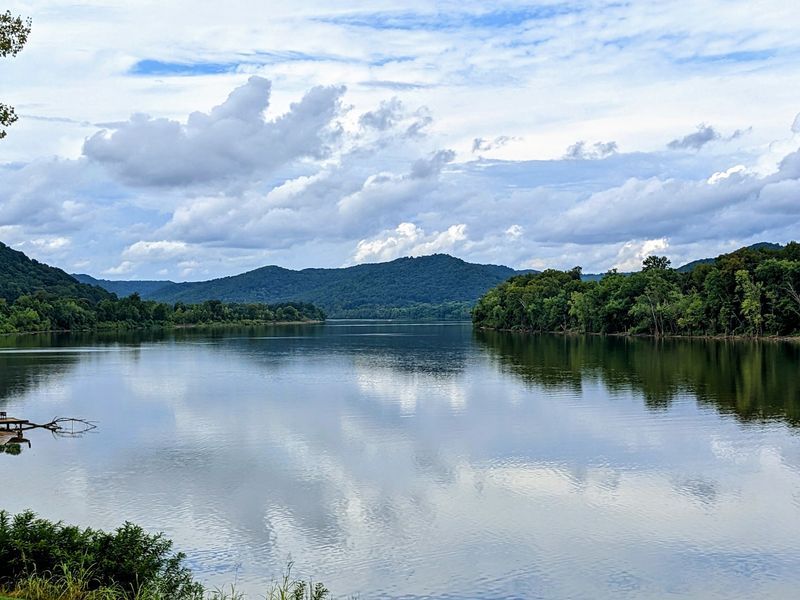
Here’s a fact that surprises plenty of people. Kentucky currently has zero operating nuclear power plants.
For generations, the state leaned heavily on coal to keep the lights on. Nuclear energy simply never got a foothold within its borders.
Prosperity One would be the first commercial nuclear power plant in Kentucky. That makes Lewis County a true pioneer in the state’s energy story.
Being first comes with excitement and a fair share of homework. Communities need to learn how nuclear energy works and what it means for them.
State leaders have been preparing for this shift. Kentucky created the Kentucky Nuclear Energy Development Authority, often called KNEDA, to help guide new projects.
That group plays a role in reviewing plans like this one. It also helps communities decide if they want to welcome nuclear development.
So why does a first matter so much? It sets the tone for every project that might follow across the state.
If Prosperity One moves ahead smoothly, other Kentucky counties will be watching closely. Lewis County could become the example everyone studies.
That’s a lot of attention for one riverside corner of the map. It’s also a pretty exciting chapter to witness.
Carrs Bottom Has Been Waiting Almost 50 Years For This
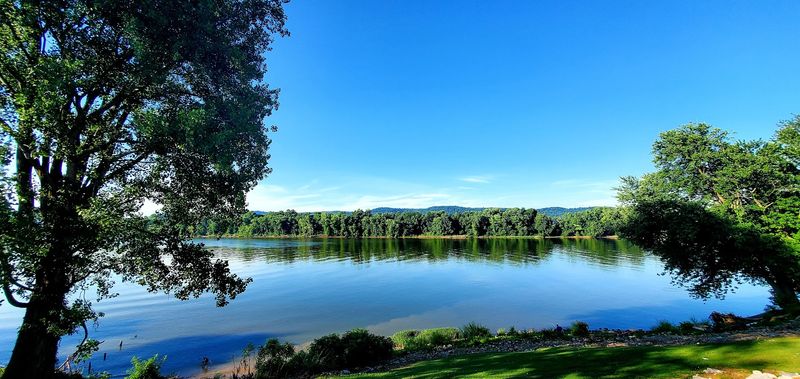
Some pieces of land seem destined for big things. Carrs Bottom, near the county seat of Vanceburg, might be one of them.
The site sits along the Ohio River in Lewis County. For nearly 50 years, people have eyed it as a spot for large-scale power generation.
One earlier idea was a coal-fired power plant. That project never got built, and the land stayed quiet.
Now the spotlight has returned with a very different energy source. Instead of coal, the new vision centers on nuclear power.
Why this location keeps coming up makes sense. Large power plants need lots of flat land, and they often need river water too.
Carrs Bottom offers plenty of both. The development team owns or holds purchase options on more than 4,200 acres there.
That’s a huge amount of space for a single project. It gives planners room to grow the campus over time.
I like the patience in this story. A place passed over once is getting a second shot at something far bigger.
Half a century is a long wait. If Prosperity One works out, Carrs Bottom may finally live up to its promise.
Six Westinghouse Reactors Could Power This Giant
Six reactors. That’s the magic number behind Prosperity One’s record-breaking potential.
The campus is designed to hold up to six Westinghouse AP1000 reactors. Each one is a large, modern unit built to produce steady electricity.
The AP1000 isn’t a brand new experiment. It already has a standard design certification from the U.S.
Nuclear Regulatory Commission.
That approval matters more than you might guess. Using a design regulators already know can help streamline the long approval process.
Think of it like baking with a tested recipe. You still have to follow every step, but nobody has to invent the cake from scratch.
Nuclear plants also offer something many power sources can’t. They can run around the clock, no matter the weather.
That kind of reliability is a big part of the pitch. Supporters say it could give Kentucky dependable power for decades.
Not every reactor needs to arrive at once, either. A campus design allows for building over time as plans and approvals move forward.
So when people talk about the largest site in America, the six-reactor layout is the reason. It’s an ambitious lineup, and Lewis County would host all of it.
A Local Builder Helped Put The Pieces Together
Big energy projects often seem to arrive from far away. Prosperity One has a hometown connection that changes the feel of things.
Sam Howard is a local resident and founder of Trace Creek Construction. He acquired 738 acres in Carrs Bottom.
Howard is also a partner in advancing the project. That means a Lewis County voice sits right in the middle of the plans.
Local involvement can make a real difference. People who live nearby understand the roads, the river, and the community’s worries.
On the company side, The Nuclear Company is leading the effort. Its Chief Nuclear Officer is Joe Klecha.
Pairing outside experts with local partners is a smart mix. One side brings nuclear know-how, and the other brings deep roots in the area.
Land deals like this take time and trust. Gathering thousands of acres doesn’t happen with a quick handshake.
The development team now owns or controls more than 4,200 acres total. Howard’s piece makes up a meaningful chunk of that.
It’s a good reminder that huge projects still start with people. In this case, some of those people call Lewis County home.
County Leaders Raised Their Hands To Be Nuclear-Ready
Saying yes to a nuclear plant isn’t automatic. Lewis County leaders had to make a clear choice about their community’s future.
In July 2026, local leaders voted to pursue a nuclear-ready community designation. Later, in October 2026, they voted overwhelmingly to submit their filing.
That designation runs through the Kentucky Nuclear Energy Development Authority. It signals that a community is open to hosting nuclear projects.
Why bother with an official label? It shows companies and regulators that local leaders are on board.
That kind of support can carry real weight. Projects tend to move more smoothly when a county has already welcomed the idea.
The word overwhelmingly stands out here. It suggests leaders felt strongly about taking this step together.
Of course, the designation doesn’t build anything by itself. It’s more like opening the front door and turning on the porch light.
Plenty of steps still remain before any reactor rises. Still, Lewis County has made its intentions pretty clear.
I believe that kind of decisive move takes courage for a small community. It puts the county on Kentucky’s energy map in a brand new way.
Jobs And Tax Dollars Are Part Of The Big Promise
Ask anyone in a small county what matters most, and jobs usually top the list. Prosperity One leans hard into that hope.
The project aims to create lasting jobs in Lewis County. Nuclear plants need skilled workers for building, running, and maintaining everything.
A stronger tax base is another goal. More tax money can help pay for things like schools, roads, and public services.
For a rural county, that could be a game changer. Big employers don’t land in small towns every day.
The name Prosperity One fits the pitch nicely. It’s not exactly subtle, but you get the message.
Construction work could bring its own wave of activity. Building a campus this size would take years and plenty of hands.
Long-term operations would offer steadier careers. Those are the kinds of jobs that let families stay close to home.
Reliable power for Kentucky is the third piece of the promise. Homes and businesses across the state could benefit from that steady supply.
Nothing is guaranteed until the plant is approved and built. Even so, the potential payoff explains why so many local leaders are paying close attention.
Plenty Of Safety Checks Stand Between Now And Power
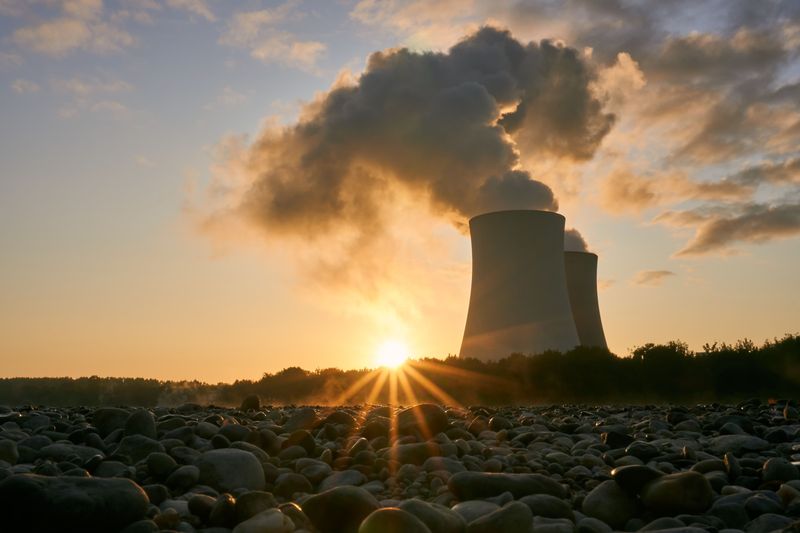
Nobody builds a nuclear plant on a whim. Prosperity One faces a careful, multi-year review before anything gets switched on.
The U.S. Nuclear Regulatory Commission leads the main safety and licensing work.
Its job is to make sure every plant meets strict federal standards.
State approvals matter too. The Kentucky Nuclear Energy Development Authority and state utility regulators will also weigh in.
That’s a lot of eyes on one project. Honestly, that should feel reassuring to anyone with questions about safety.
The choice of the Westinghouse AP1000 design may help here. Because the design is already certified, regulators aren’t starting from zero.
Even so, each site gets its own review. Officials look at the land, the river, and how the plant fits the area.
Patience will be required from everyone involved. Big approvals like these are measured in years, not weeks.
Asking questions is a healthy part of the process. Residents can stay informed by following public updates as the project moves forward.
Safety first isn’t just a slogan in this field. It’s the rule that shapes every single step of the journey.
Mark Your Calendar For 2028 And Watch This Space
2028 is the year to circle. That’s when construction on Prosperity One is targeted to begin.
Before shovels hit the dirt, there’s plenty to do. The Nuclear Company plans site development activities and will seek federal approvals.
Timelines for projects this large can shift. Still, having a target date gives everyone something concrete to follow.
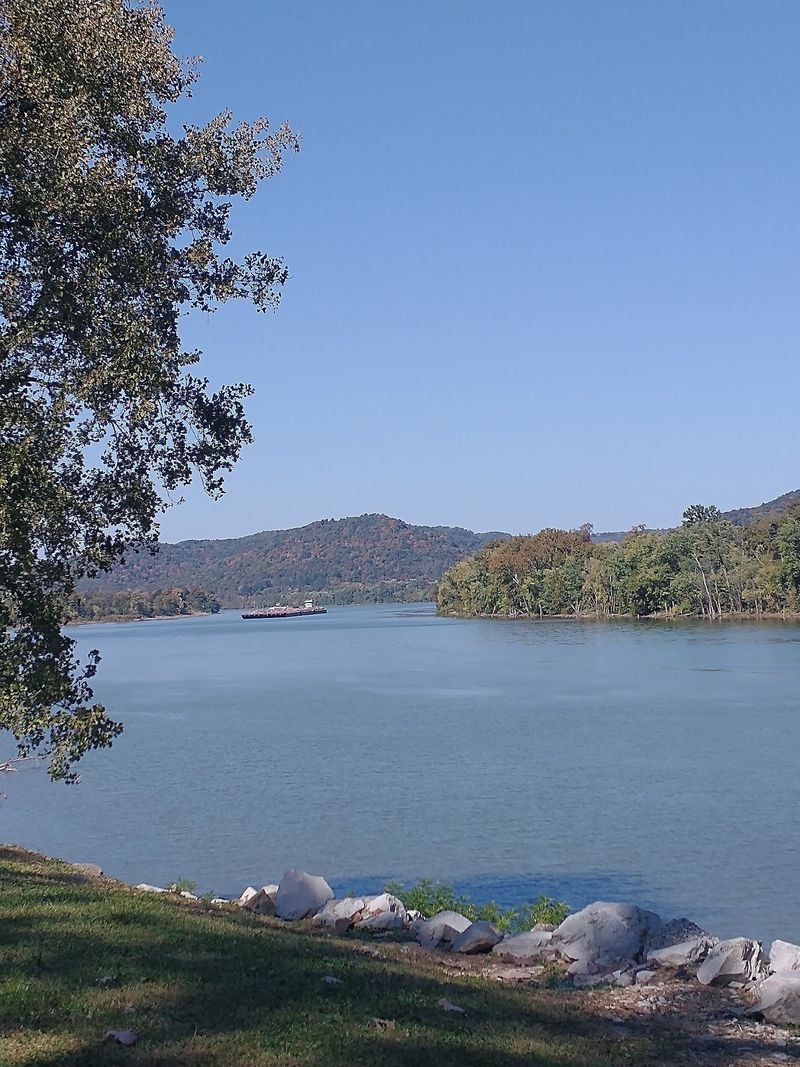
For now, the riverside land near Vanceburg looks much as it always has. Fields, hills, and the wide Ohio River set the scene.
It’s fun to think how different that view could become. Few places get to watch history being built in their own backyard.
Lewis County sits near the northeastern tip of Kentucky. It’s a quiet area that may soon draw national headlines.
Curious readers should keep up with local news and public meetings. Those updates will show how the plan grows or changes.
I like that this story is still unfolding. Nobody knows every ending yet, and that keeps it interesting.
Whatever happens, Lewis County has already made its mark. It dared to dream bigger than anyone in America, and that’s worth watching.