11 Kentucky Small-Town Road Trips With Main Streets Worth Wandering In 2026
You know the drill by now. You get in the car with a destination in mind and you blow past eleven better ones on the way there.
Kentucky has a habit of putting its good stuff four blocks off the highway. The parking is free because nobody ever thought to charge.
The storefronts are brick and stubborn and older than your grandparents.
One of these towns has a train that rolls straight down the middle of the main drag. Another sits on a river with a ferry that still runs for a few dollars.
A third built its whole reputation on people who make things by hand.
None of them will take more than an afternoon. All of them will make you wonder why you kept driving past.
Pick one, go on a Saturday, and bring cash. Some of these places still prefer it.
1. Midway
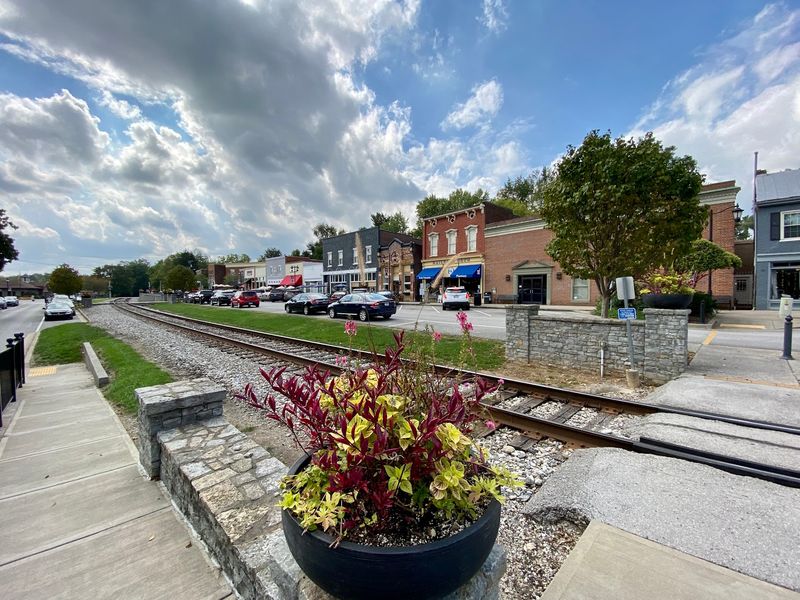
Few towns put train tracks right down the middle of the shopping district. Midway does, and the effect is delightful.
Kentucky’s first town built because of a railroad still lives up to the name. The tracks split East Main Street in two, with 19th-century brick buildings facing each other across the rails.
Trains still rumble through. Shoppers pause, phones come out, and then everyone goes back to browsing like nothing happened.
The storefronts hold an unusual mix. You will find home goods, art, books, and small kitchens turning out lunch plates worth slowing down for.
Park once and leave the car alone. The whole stretch takes maybe fifteen minutes to walk end to end, longer if you stop often, which you will.
Stop by Midway City Hall and the Midway Museum at 101 East Main Street, Midway, Kentucky, for local background before you shop. Volunteers there know the town’s railroad story better than any guidebook.
Spring and fall bring the best sidewalk weather. Flower boxes fill in, patio seats open up, and the light hits those old brick facades just right.
Woodford County horse farms surround the town on every side. Drive the back roads out afterward and the fences seem to go on forever.
2. Berea
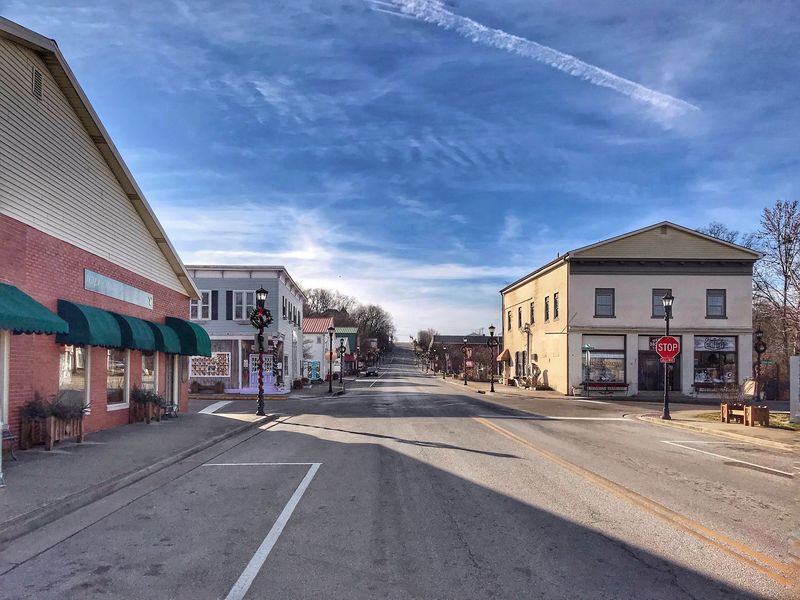
Kentucky officially named this place the Folk Arts and Crafts Capital, and the title is earned daily. Glass gets blown here.
Looms click. Wood curls off chisels.
Artisan studios sit within easy walking distance of each other, and many welcome visitors right into the workspace. Watching a bowl take shape beats any souvenir shelf.
Berea College anchors the town and shapes its character. Students work as part of their education, and that hands-on spirit spills onto the streets.
Begin at the Berea College Visitor Center, 104 South Main Street, Berea, where staff can point you toward studios open that day. Maps there save you a lot of guessing.
The craft districts split across a few areas. Old Town, College Square, and the artisan village each carry a different feel, so plan on more than an hour.
Prices range widely. A small pottery mug costs less than lunch, while a handwoven coverlet is a serious purchase you will keep for decades.
Appalachian foothills rise right behind town. Pinnacles trails at the Berea College Forest give you overlooks within a short drive of the storefronts.
Come hungry. Cafes here lean toward scratch cooking, cornbread, and pie.
3. Augusta
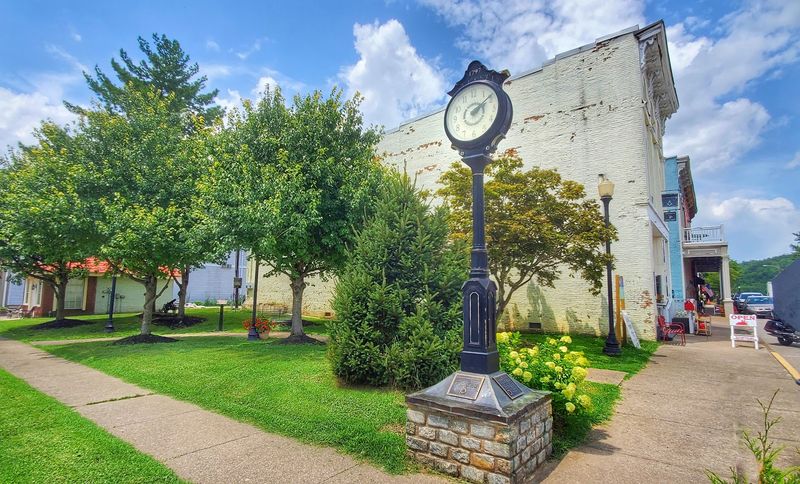
A ferry still carries cars across the Ohio River here, and that alone makes the trip worthwhile. The crossing takes minutes and feels like a small adventure.
Riverside Drive runs along the water with rows of restored homes facing the current. Porches, shutters, and brick walks make the whole block look staged, except it is genuinely lived in.
Boutiques and antique shops occupy the older commercial buildings. Inventory changes often, so the browsing stays interesting even on repeat visits.
The 1811 Jail at 116 East Riverside Drive, Augusta, is one of the oldest surviving structures in town. Standing outside it, you get a real sense of how long this riverfront has been busy.
Benches along the water invite long sits. Barges pass, gulls argue, and time slips.
Bracken County wraps the town in farmland and low hills. The drive in from either direction is half the pleasure.
Locals will tell you the town has hosted film crews over the years, drawn by those unspoiled riverfront blocks. It photographs beautifully in any season.
Bring comfortable shoes and a small appetite. Cafes here are few but friendly, and the portions rarely disappoint.
4. Harrodsburg
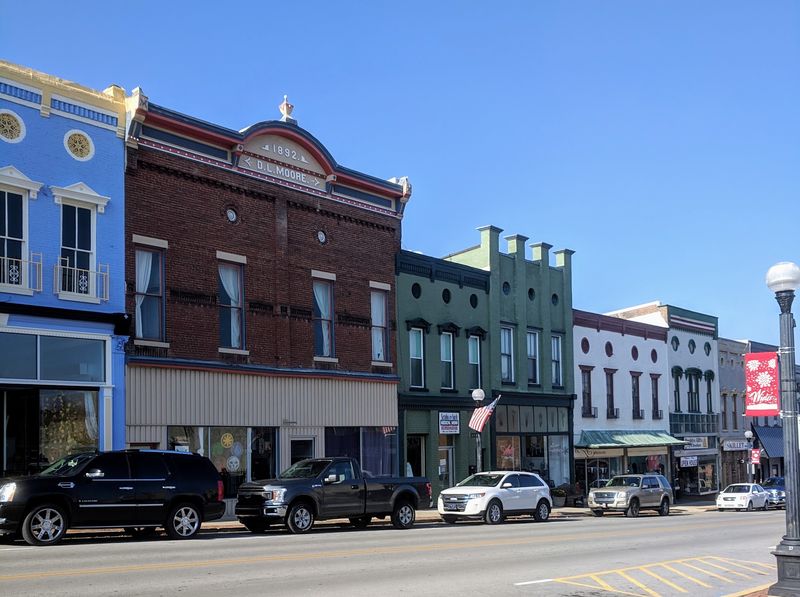
Founded in 1774, this is the oldest town in Kentucky. Everything else in the state came later.
South Main Street sits inside a National Register Historic District, which means the architecture has been protected rather than erased. Row houses stand shoulder to shoulder with columned facades and tall windows.
The Harrodsburg Historical Society occupies 220 South Main Street, Harrodsburg and holds records stretching back generations. Ask about the pioneer era and you may lose track of the clock.
Shops along the street lean toward antiques, gifts, and small galleries. Prices stay reasonable compared with bigger cities.
Old Fort Harrod State Park sits a short walk away. The reconstructed fort shows how the first settlers actually lived, and kids tend to love the blockhouses.
Mercer County countryside spreads out in every direction. Shaker Village of Pleasant Hill is only a few minutes north, with miles of preserved farmland and stone fences.
Plan a half day minimum. Rushing a town this old feels like skipping chapters.
Summer brings festivals to the courthouse area. Fall brings quieter sidewalks and better parking, which some travelers prefer.
Either way, the brick underfoot has been there a very long time.
5. Maysville
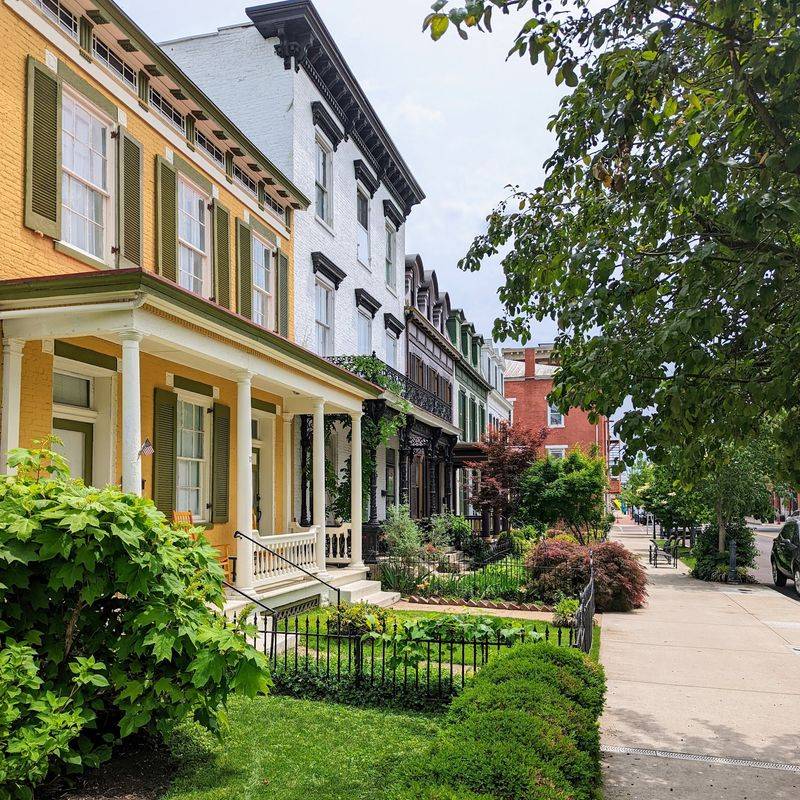
River ports built fortunes on trade, and Market Street still shows the receipts. Cast iron columns, tall arched windows, and detailed cornices line both sides.
Antique shops fill many of those old storefronts. Furniture, glassware, signs, and oddities crowd the aisles, and serious collectors drive hours to dig through them.
Maysville’s connection to the Ohio River shaped everything about its layout. Goods moved up from the water and into these buildings for generations.
Moon River Bed and Breakfast at 320 Market Street, Maysville sits right in the thick of it. Staying downtown means you can wander before the shops open and again after they close.
The floodwall murals along the river tell the town’s story in paint. Walking the length takes about twenty minutes and costs nothing.
Mason County hills rise steeply behind the business district. Side streets climb fast, so wear shoes with grip.
Musician Rosemary Clooney grew up nearby, and the town celebrates that link. A restored theater downtown keeps the performance tradition alive.
Lunch options range from diner plates to newer kitchens. Ask a shopkeeper where they eat and follow the answer.
6. La Grange
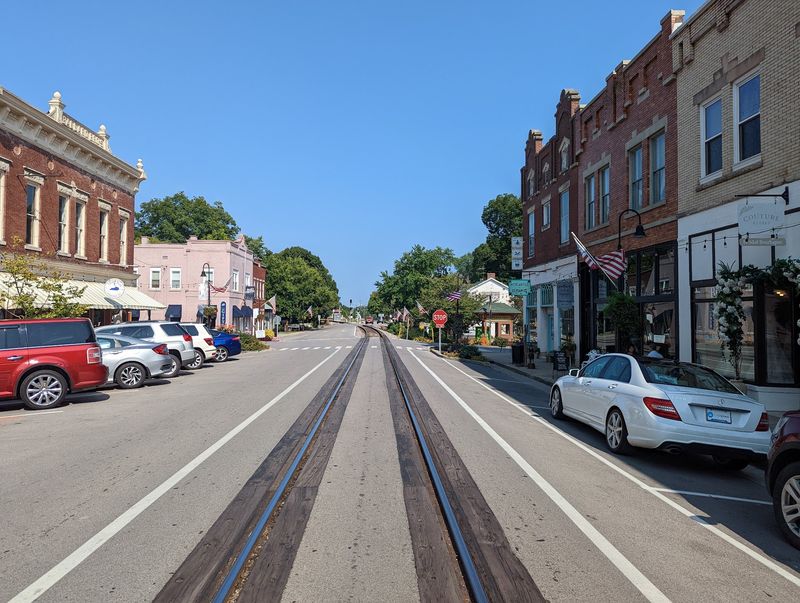
Trains do not go around this town. They go straight through the middle of Main Street, inches from the curb.
Several freight trains pass each day. Conversations pause, cameras lift, and then the street returns to normal business.
Shops sit close enough that you can hear the horn from inside them. Coffee places, boutiques, bakeries, and gift stores fill the storefronts on both sides.
Judith M Millinery Supply House operates at 115 East Main Street, La Grange, KY 40031, specializing in hat-making materials. It is an unusual niche, and hobbyists nationwide know the name.
Oldham County keeps the town close to Louisville without the traffic. The drive out takes well under an hour from the city.
Sidewalk tables line parts of the street. Sitting outside while a train rolls by is a strange, excellent experience.
Seasonal events shut the road to cars entirely. Craft fairs, holiday walks, and car shows draw crowds from the surrounding counties.
Parking sits just off Main in public lots. Grab a spot there and walk in rather than circling.
Give yourself two hours. The train schedule is not published, so patience pays off.
7. Springfield
Abraham Lincoln’s parents were married in Washington County, and the courthouse records still exist. That kind of history sits quietly downtown without shouting.
West Main Street runs past a tidy row of older buildings holding local businesses. Nothing feels manufactured for tourists, which is exactly the appeal.
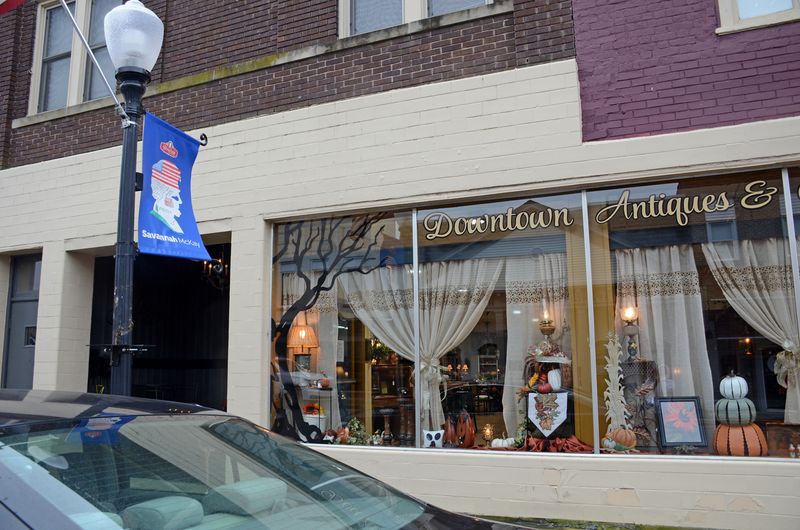
Downtown Antiques and Collectibles at 138 West Main Street, Springfield rewards slow browsers. Booths shift inventory regularly, so the hunt changes trip to trip.
A community theater operates nearby and keeps evenings lively. Productions draw audiences from several counties, and tickets stay affordable.
The Opera House downtown has been a fixture for generations. Its facade alone deserves a photo.
Farmland surrounds the town completely. Drive five minutes any direction and you are among barns, fences, and long views.
Lincoln Homestead State Park sits just north. Reconstructed cabins there connect directly to the family story.
Food options run toward home cooking and casual counters. Expect generous plates rather than fussy presentation.
Weekday visits mean empty sidewalks and easy conversation with shop owners. Saturdays bring more energy and more open doors.
Either pace works. The town does not rush anyone, and that is part of why people return.
8. Perryville
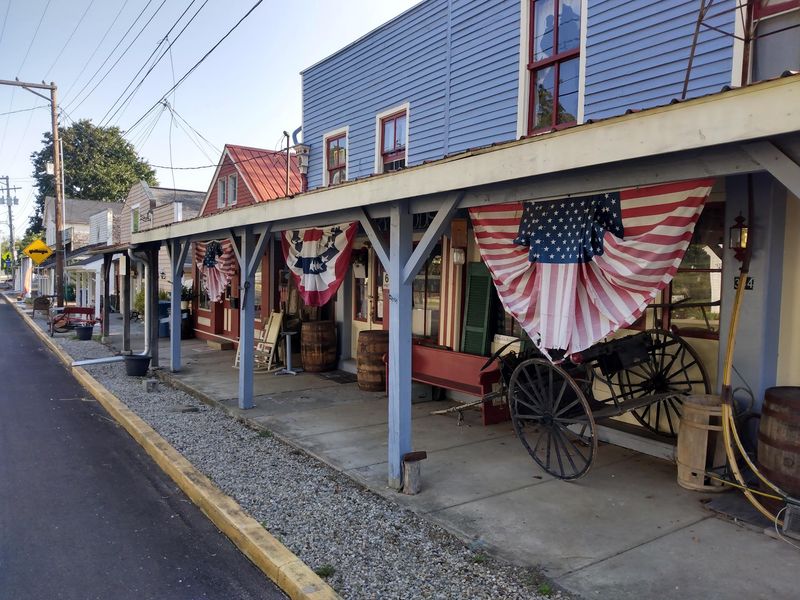
Kentucky’s oldest intact merchant district from the 1840s still stands here. Not restored copies, actual surviving buildings.
South Buell Street carries the name Merchants’ Row. The brick and wood structures face each other exactly as they did when wagons pulled up out front.
Merchants’ Row runs through 207 South Buell Street, Perryville, Kentucky, and shops inside sell crafts, antiques, and local goods. The floors creak in the best possible way.
Boyle County history runs deep in this spot. The Perryville Battlefield State Historic Site sits just outside town and preserves rolling ground almost untouched by development.
Walking the row takes only minutes. Reading every plaque and poking into every doorway takes considerably longer.
The Chaplin River runs behind the buildings. A short path gives you water views and shade in warmer months.
Annual living history events bring reenactors and demonstrations. Blacksmithing, cooking, and period crafts fill the street on those weekends.
Traffic here is light year round. You can stand in the middle of the street for a photo without much worry.
Pair it with Danville, fifteen minutes away, for a fuller day. Two very different downtowns, one easy loop.
9. Paris
Horse country has a capital feel to it, and this Bourbon County seat wears it well. Thoroughbred farms ring the town in every direction.
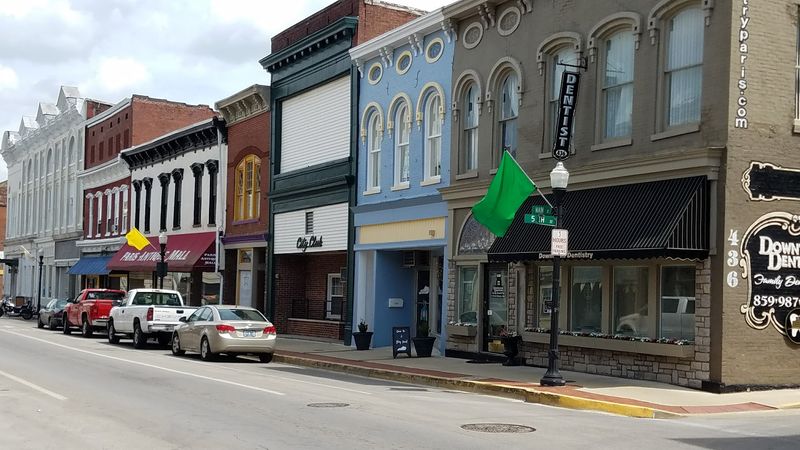
Main Street collects architecture from several different eras. Federal, Victorian, and early twentieth century facades stand within a block of each other.
The Bourbon County Courthouse at 301 Main Street, Paris dominates the view. Its tower and stonework make it one of the most photographed buildings in the region.
Shops and eateries occupy the surrounding blocks. Independent kitchens, antique dealers, and gift stores keep the street active.
Duncan Tavern, a stone building dating to the late 1700s, sits nearby and houses a genealogy library. History researchers travel here specifically for it.
Fence lines outside town run for miles. Early morning drives on the surrounding roads deliver mist, horses, and very little traffic.
Lexington sits about twenty minutes south. Paris makes an easy escape when the city feels crowded.
Parking downtown is simple and usually free along the street. That alone earns points.
Give the courthouse block a slow lap. Details in the stonework reveal themselves only when you stop moving.
10. Carrollton
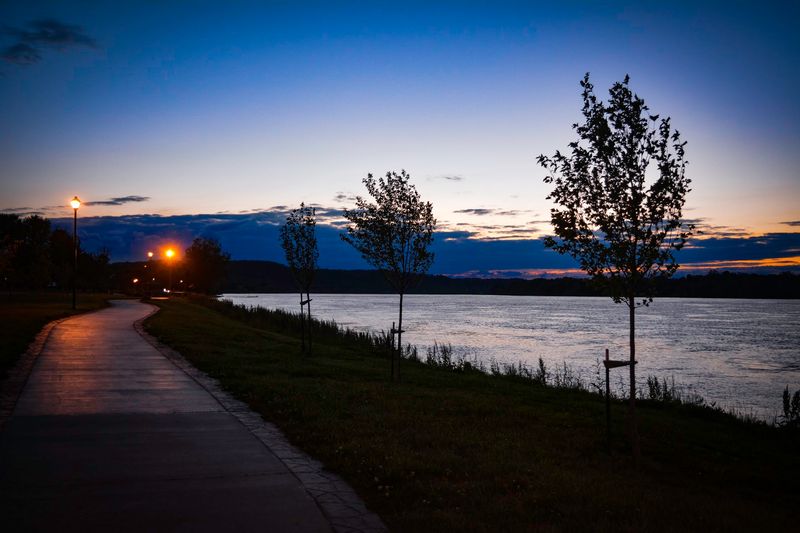
Two rivers meet at this town, and the Kentucky pours into the Ohio right at the edge of downtown. Geography like that built the place.
Main Street anchors a downtown historic district with a solid run of older commercial buildings. Awnings, brick, and big display windows set the tone.
The Lemon Drop Boutique at 410 Main Street, Carrollton brings a bright, modern note to the older streetscape. Clothing and accessories fill the racks, and the staff are known for being genuinely helpful.
Antique stores and gift shops share the block. Inventory leans toward the affordable side, which makes browsing dangerous in the best way.
General Butler State Resort Park sits minutes away with trails, a lake, and a historic home. It makes an easy add-on to any downtown visit.
The Point Park area gives you a clear look at the river confluence. Barges pass regularly and the view stretches far.
Carroll County keeps things unhurried. Traffic lights are few, and nobody honks.
Louisville and Cincinnati both sit roughly an hour away. That puts the town in a rare sweet spot for a day trip.
11. Stanford
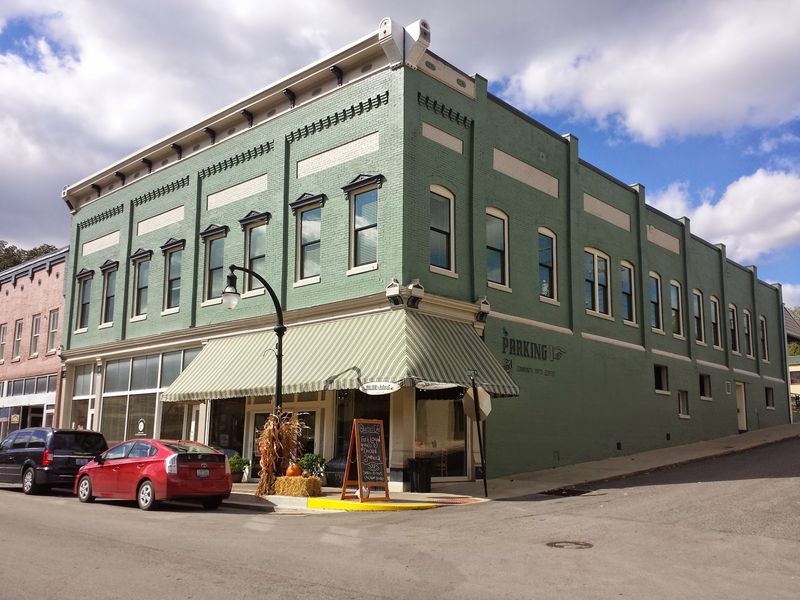
Before settlers, buffalo walked this route. Main Street follows an old buffalo trace, which is a strange and wonderful origin story for a shopping district.
Founded in 1775, Stanford ranks among Kentucky’s earliest settlements. The downtown has been carefully worked on over recent years and it shows.
Restored brick buildings hold shops, eateries, and lodging. The renovation work kept original details rather than covering them.
The Harvey Helm Memorial Historic Library and Museum at 201 East Main Street, Stanford holds local records and artifacts. It is small, free to enter, and worth the stop.
Lincoln County spreads out in pasture and low ridges. Roads leading in and out stay scenic without much effort.
Food here punches above the town’s size. Scratch kitchens downtown have built reputations that pull visitors from Lexington and beyond.
Sidewalks stay quiet on weekdays. Weekends bring more foot traffic and a livelier feel.
The William Whitley House State Historic Site sits a short drive away. It claims to be the first brick house built west of the Alleghenies.
Stanford makes a strong final stop on any loop. Small, tidy, and genuinely interesting.