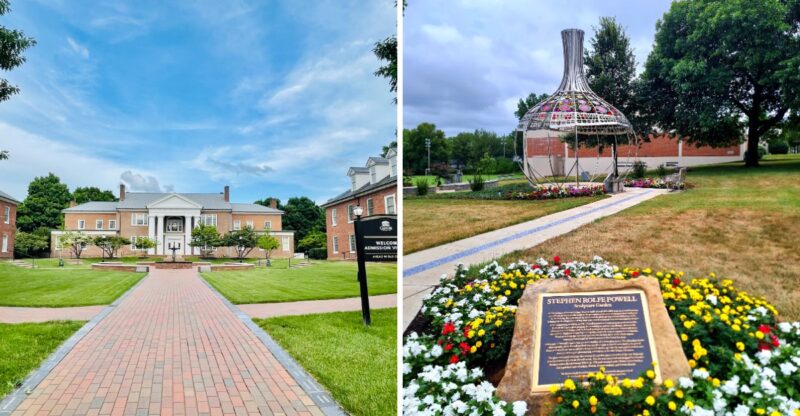
10 Kentucky Towns Losing Residents As Their Populations Keep Getting Older
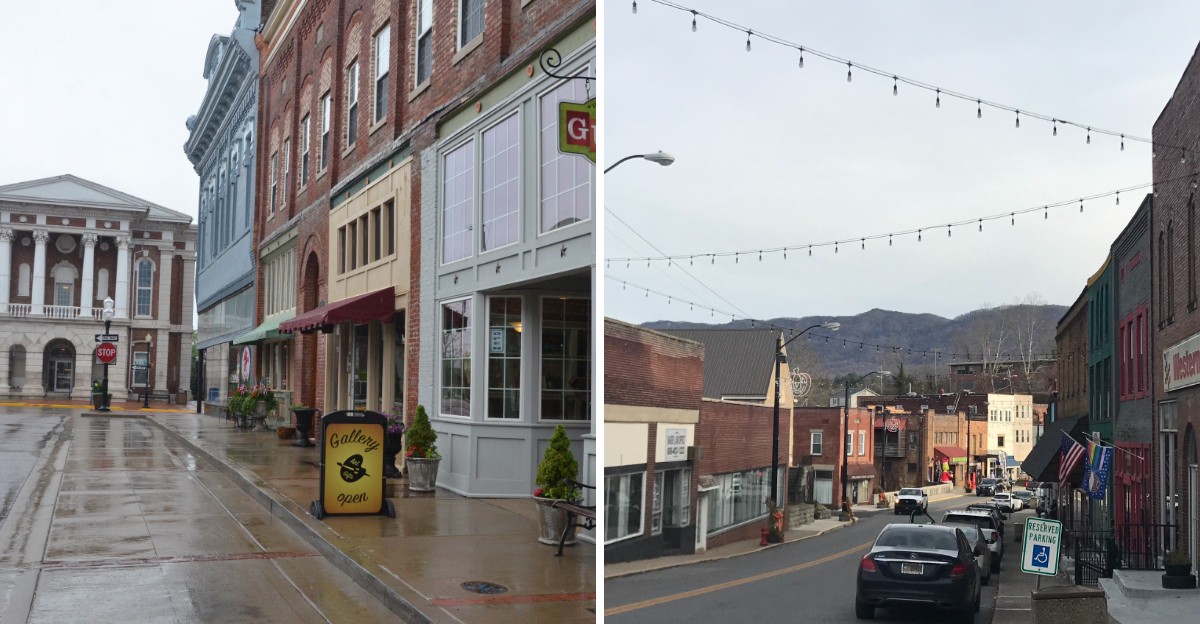
You would assume a shrinking town means people packing up and leaving. That is the story everyone tells about eastern Kentucky.
The numbers say something different and more complicated. More people are actually moving into these counties than moving out.
The population still falls, because the birth rate has not kept up with an aging community. That is happening in twenty nine of the thirty coalfield counties.
Kentucky as a whole crossed that line too, by fewer than a hundred people. These are not empty towns.
The schools are smaller and the population skews older, but the diners still fill up at lunch. Some of these places held three times as many residents in the nineteen forties.
The coal jobs went first and the young families followed. What remains is a set of communities doing arithmetic nobody planned for.
The list below shows where the shift is sharpest. It is a quieter story than the headlines suggest.
1. Harlan
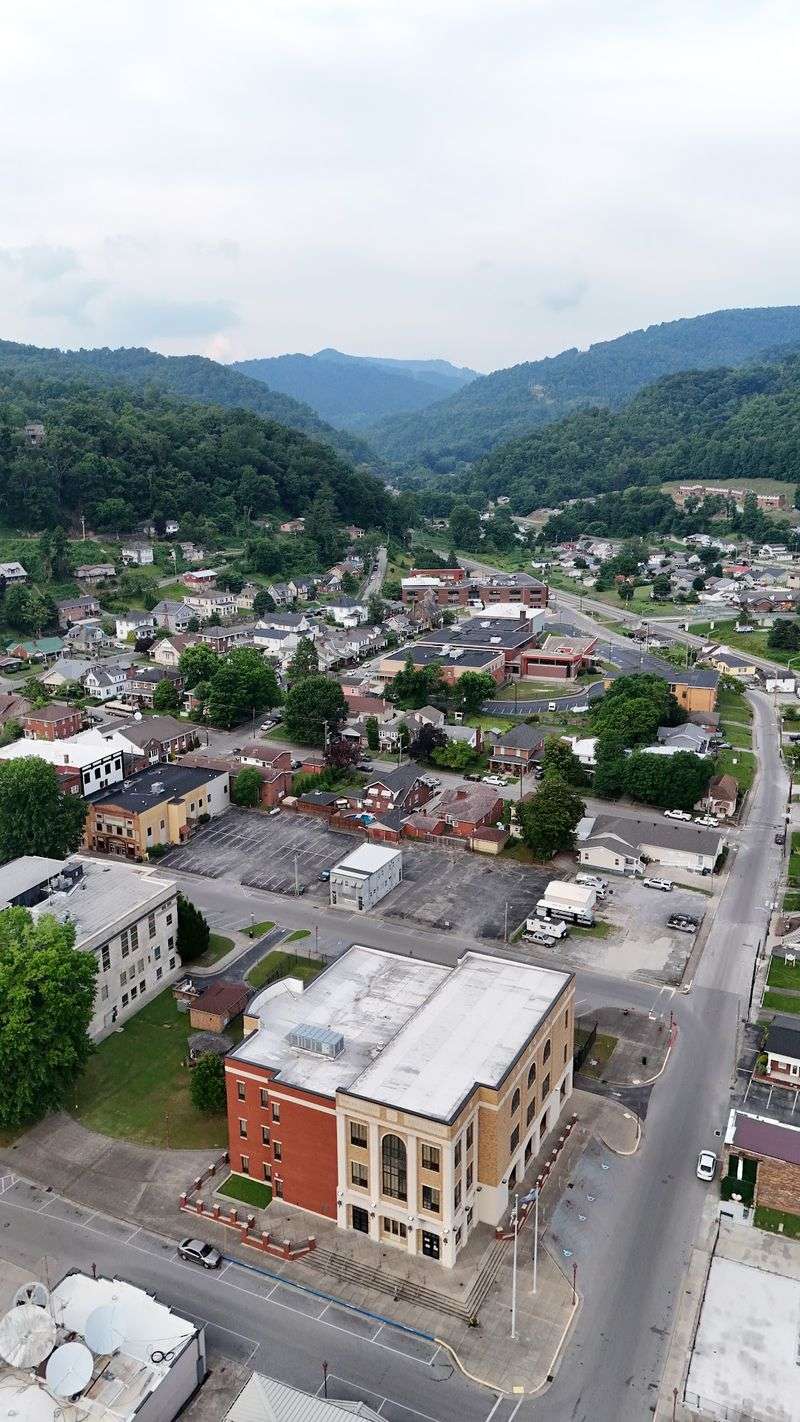
Some towns shrink quietly, and Harlan does it with mountains watching. The city sits where three forks of the Cumberland River meet.
Coal built this place fast in the early 1900s, almost overnight. When mining jobs faded, many younger families packed up and left.
The census tells the story in plain numbers. Harlan now counts well under 2,000 residents, far fewer than its busy past.
Those who stayed tend to be older, with deep roots. Grandparents here often remember when Main Street hummed on Saturday nights.
You might recognize the name from TV. The show Justified made Harlan County famous to millions of viewers.
Real life here is calmer than any crime drama. Neighbors wave, porches stay busy, and the hills turn gold every October.
Want a starting point for a visit? The Harlan County Courthouse stands at 210 East Central Street, Harlan.
Stroll nearby and you can spot old brick storefronts. Many hold stories older than most of the people walking past them.
Local leaders keep pushing tourism, trails, and outdoor fun. Off-road riding in the county draws visitors from other states.
Your visit helps more than you might think. Every coffee, meal, and souvenir you buy keeps a small mountain town breathing easier.
2. Lynch
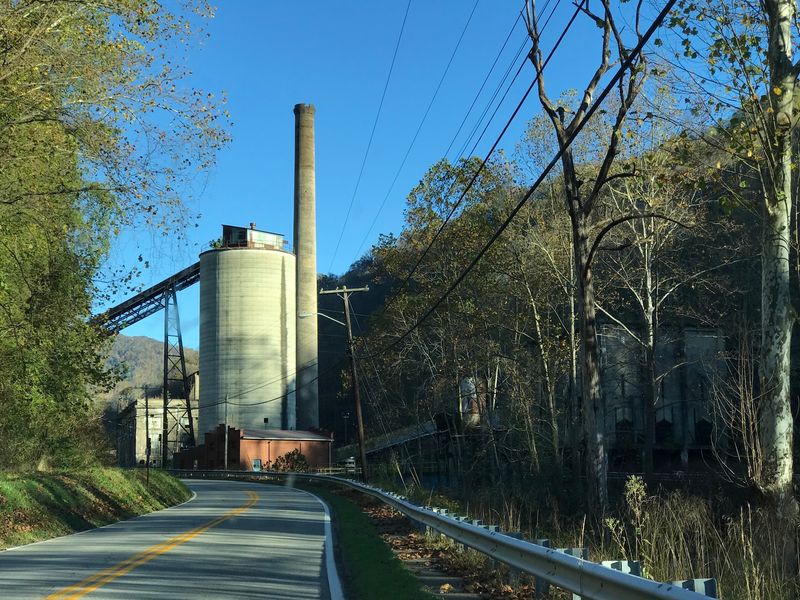
Picture a town built for thousands of people now home to a few hundred. Lynch knows that feeling better than anyone.
U.S. Steel created the town in 1917 to mine coal for its mills.
At its peak, it ranked among the largest coal camps anywhere.
The company provided houses, a hospital, and a big commissary. Workers came from many countries, speaking dozens of languages.
Then the mines slowed, and the crowds thinned out. Today, fewer than 700 people call Lynch home.
Most residents are older, and many have mining in the family tree. Their memories are the town’s real treasure.
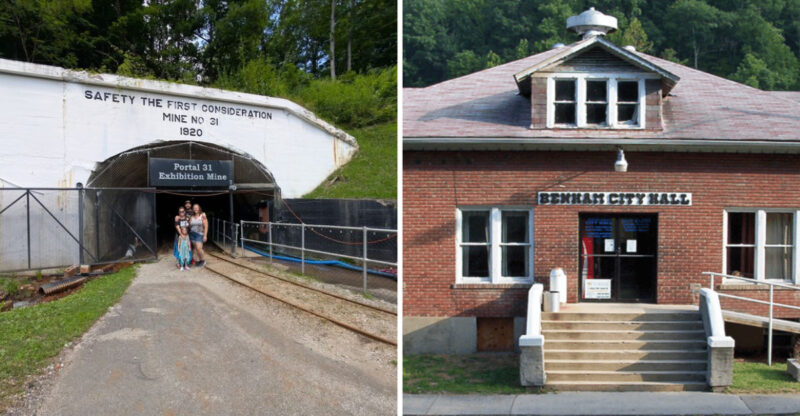
Here’s the fun part for you. You can ride a rail car deep into a real mine at Portal 31.
The tour shows how miners worked, from lamps to lunch buckets. Kids and grown-ups both leave with wide eyes.
The mine tour sits along Main Street, Lynch. Pack a jacket, since it stays cool underground all year.
Nearby, Black Mountain, the highest peak in Kentucky, towers over the valley. It reaches about 4,145 feet above sea level.
Lynch may be small now, but its history is huge. A few hours here can teach you more than a thick textbook.
3. Cumberland
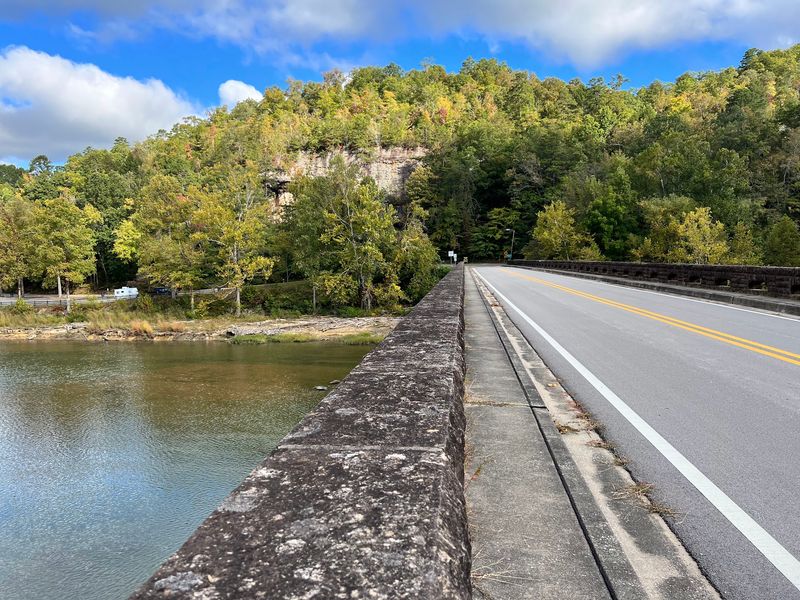
Blink on U.S. 119 and you might miss the turn, which would be a shame. Cumberland rewards anyone who slows down.
The town sits near Lynch and Benham, sharing the same coal story. Together, the three are often called the Tri-Cities.
Mining once filled homes and schools here to the brim. As those jobs shrank, younger people moved away for steady work.
The population has dropped below 2,000. Many who remain are retirees who love their mountain views too much to leave.
You can see why once you visit Kingdom Come State Park. It sits high on Pine Mountain, just above town.
The park has rock formations with fun names like Raven Rock. Its overlooks offer some of the finest views in the state.
Education keeps a steady pulse in town too. Southeast Kentucky Community and Technical College has a campus here.
You can find it at 700 College Road, Cumberland, Kentucky. Students give the streets a welcome splash of youthful energy.
The Little Shepherd Trail winds along the mountain ridge nearby. It takes its name from a famous novel by John Fox Jr.
Bring a camera and a snack for the drive. You will want to stop at every overlook, and that is completely fair.
4. Jackson
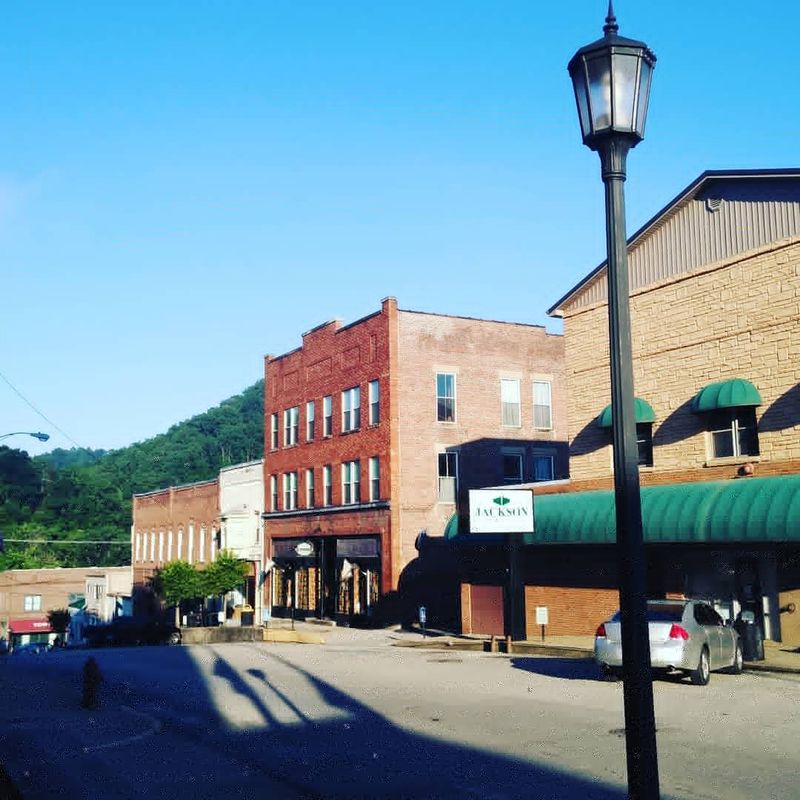
Named after President Andrew Jackson, this town carries a big name in a small package. Jackson serves as the seat of Breathitt County.
The North Fork of the Kentucky River loops right around downtown. From above, the town almost looks like an island.
Like many Eastern Kentucky towns, Jackson grew with coal and timber. When those industries cooled off, many young adults headed elsewhere.
Today, roughly 2,000 people live here. The share of older residents keeps climbing as families spread across other states.
Still, the area has a surprising academic streak. Kentucky Mountain Bible College sits in nearby Vancleve.
The University of Kentucky also manages Robinson Forest in the region. Researchers study streams, trees, and wildlife in this huge outdoor classroom.
Want to see the heart of town? The Breathitt County Courthouse stands at 1137 Main Street, Jackson.
Downtown blocks are compact and easy to explore on foot. You can cover the main drag in a short, relaxed stroll.
Each September brings the Breathitt County Honey Festival, a sweet local tradition. Folks gather for music, food, and plenty of honey.
If you like quiet towns with character, Jackson deserves a spot on your map. Its river views alone are worth the drive.
5. Jenkins
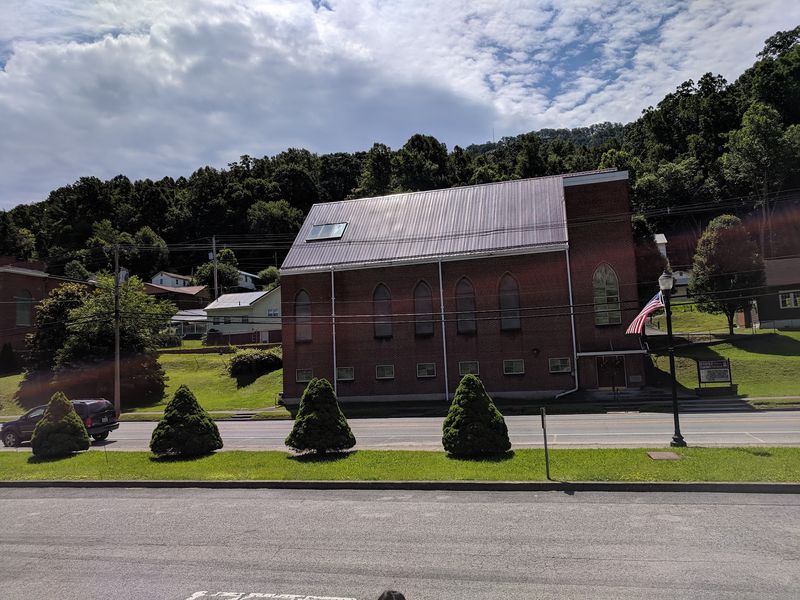
Few towns can say a coal company picked their name, but Jenkins can. Consolidation Coal Company founded it in 1911.
The name honors George C. Jenkins, a company director.
The company built homes, stores, and even a lake for its workers.
Elkhorn Lake still shines near the center of town. Once the mining boom faded, though, so did the paychecks.
Families left for jobs in cities like Lexington, Cincinnati, and Detroit. Today, fewer than 2,000 people live here.
Many are older residents who can name every family on their street. Ask about the old days, and you may hear a great tale.
History buffs will love one special stop. The David A.
Zegeer Coal-Railroad Museum sits in a depot-style building.
Visit it on Main Street, Jenkins. Old tools, maps, and photos help you picture life in a busy coal camp.
The town sits right on U.S. 23, the Country Music Highway. Stars like Loretta Lynn and Dwight Yoakam have roots along this road.
You can pair a museum stop with a quiet lakeside walk. Ducks, not crowds, are usually your company here.
Jenkins may be quieter now, yet it still feels proud. Come curious, and leave with fresh respect for mountain towns.
6. Whitesburg
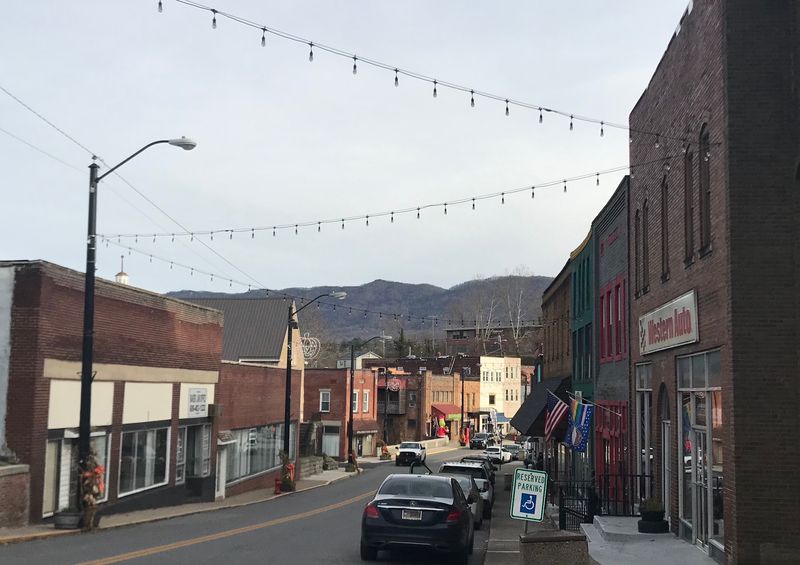
Art, music, and mountains make a lively mix in Whitesburg. For a town of about 1,700, it punches far above its weight.
The secret weapon is Appalshop, a media and arts center founded in 1969. It creates films, radio, theater, and music about Appalachian life.
You can visit Appalshop at 91 Madison Avenue, Whitesburg. Its community radio station, WMMT, sends local music across the hills.
Even with all that creativity, the population keeps sliding. Young people often leave for college and never move back.
That leaves an older crowd holding the town together. Many of them volunteer, run shops, and keep traditions going strong.
Whitesburg is the seat of Letcher County. The North Fork of the Kentucky River runs right through town.
Each summer, Appalshop hosts the Seedtime on the Cumberland festival. Expect old-time music, crafts, and plenty of foot tapping.
The downtown has a small, walkable charm. Brick buildings line Main Street, and friendly faces are easy to spot.
Take time to chat with locals while you wander. They carry stories no guidebook could ever hold.
Supporting Whitesburg is simple and fun. Buy local art, catch a show, and tell your friends about the town you discovered.
7. Hazard
With a name like Hazard, you might expect danger, but the town is friendly. The name honors Commodore Oliver Hazard Perry, a famous naval hero.
Hazard is the largest city in Perry County and a regional hub. Hospitals, shops, and schools draw people from surrounding hollows.
Even so, the population has dipped over the decades. Around 5,000 people live here now, and the median age keeps creeping up.
Coal once ruled the local economy. As mines closed, the region lost jobs, and many families moved away for new starts.
Healthcare keeps the town busy today. The University of Kentucky runs its Center of Excellence in Rural Health here.
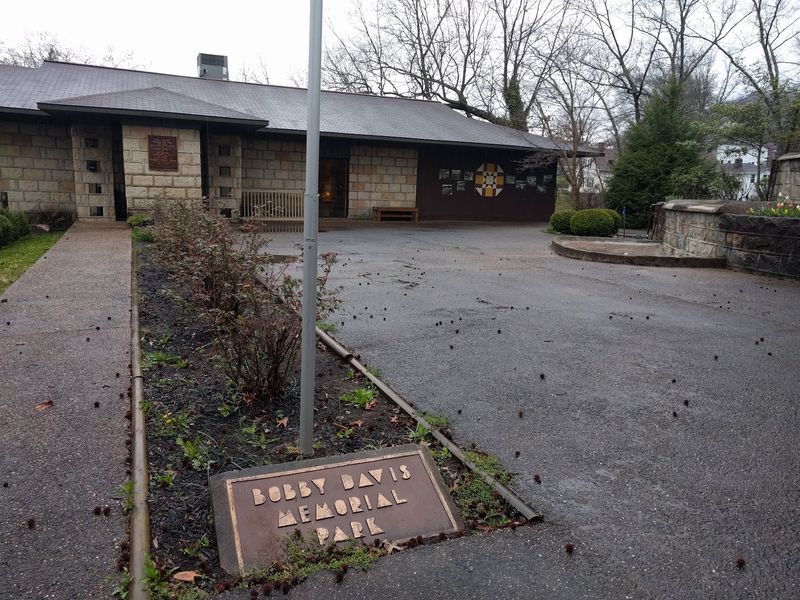
You can soak up local history at the Bobby Davis Museum and Park. Find it at 234 Walnut Street, Hazard.
The museum shares photos and artifacts from the city’s early days. Outside, the small park offers a peaceful place to sit.
Each September, the Black Gold Festival fills downtown with music and food. It celebrates the coal heritage that built the town.
Hills rise steeply on every side, framing the streets like a picture. Fall turns those slopes into a blaze of red and orange.
Hazard mixes city services with small-town warmth. If you want a base for exploring Eastern Kentucky, it works nicely.
8. Elkhorn City
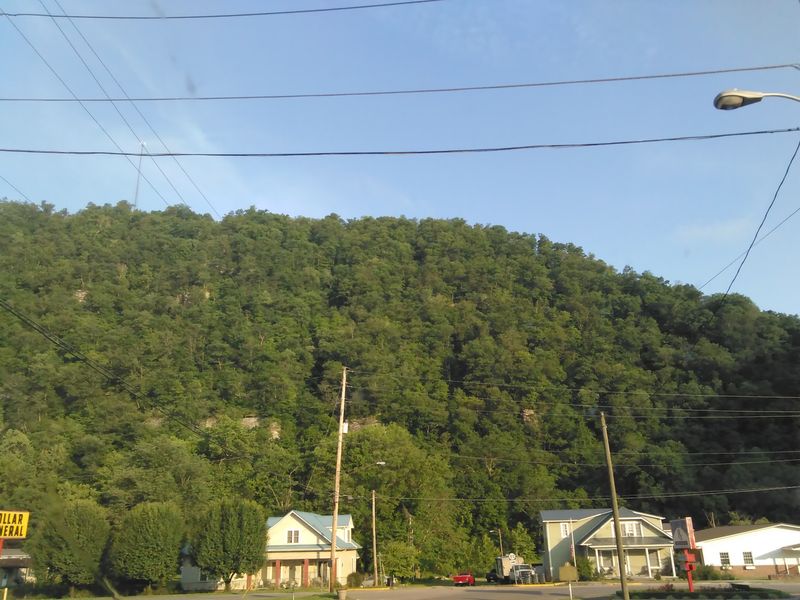
Whitewater fans know Elkhorn City before they can find it on a map. The Russell Fork River here has some serious rapids.
Every October, dam releases turn the river into a playground for skilled paddlers. Kayakers travel from across the country to take the challenge.
Yet the town itself is tiny, with fewer than 1,000 residents. The number has slipped steadily as younger people seek work elsewhere.
Many longtime residents have railroad or mining backgrounds. They remember when trains rumbled through town far more often.
The town sits in Pike County, near the Virginia border. Just across that line, you reach Breaks Interstate Park.
People call the Breaks the Grand Canyon of the South. The gorge runs about five miles long and over 1,600 feet deep.
The park visitor center sits at 627 Commission Circle, Breaks. Stop there first for maps and trail tips.
Back in town, the Pine Mountain Trail begins nearby. Hikers can explore rugged ridges without fighting big crowds.
Quiet evenings here come with river sounds and starry skies. Few city folks get to fall asleep to rushing water.
Elkhorn City proves that small does not mean boring. Your adventure here can be as wild or as calm as you like.
9. Hindman
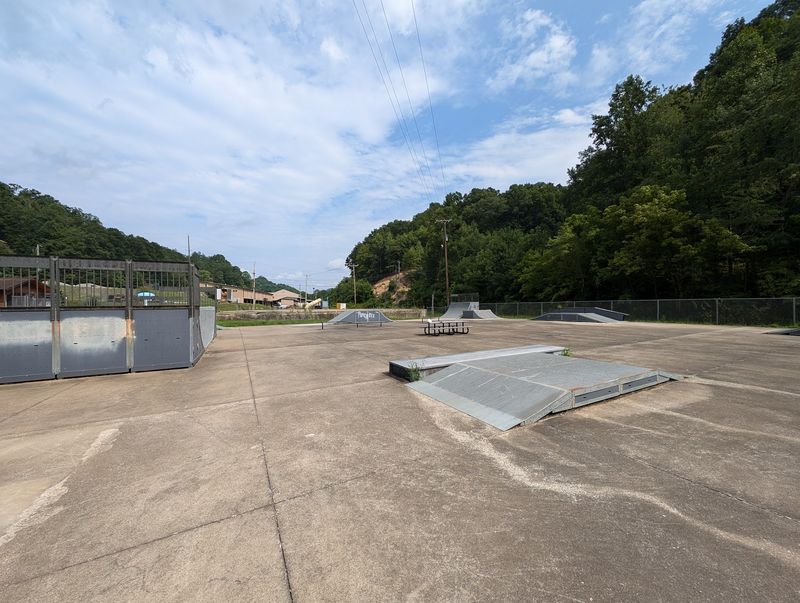
Folk music and storytelling feel right at home in Hindman. The little seat of Knott County has fewer than 1,000 residents.
Hindman Settlement School opened here in 1902. It is known as the first rural settlement school in America.
The school still teaches crafts, music, and Appalachian culture. Its summer writers workshop draws authors from all over.
You can visit the campus at 71 Center Street, Hindman. The grounds sit peacefully beside Troublesome Creek.
Town also hosts the Appalachian Artisan Center. Visitors can see instrument making, pottery, and blacksmithing in action.
Like its neighbors, Hindman has watched its population shrink. Young people chase jobs in bigger cities, and the average age rises.
Older residents keep the traditions alive with patience and pride. Many still play tunes passed down for generations.
Knott County is also famous for the dulcimer. Local makers have kept this sweet-sounding instrument popular for over a century.
If you love handmade things, bring an empty bag. You might leave with a quilt, a carving, or a brand new hobby.
Culture can thrive in a small place, and Hindman proves it. It just needs visitors like you to keep the music playing.
10. Hopkinsville
Not every town on this list sits in the mountains. Hopkinsville anchors Western Kentucky with around 31,000 residents.
It has not lost people as fast as the coal towns. Still, recent census counts show slow slipping and a steadily aging population.
Farming drives much of the local economy here. Christian County ranks among the top Kentucky producers of corn, soybeans, and wheat.
Nearby Fort Campbell brings in young military families. Yet many move on once their assignments end.
The city also has a quirky side you will love. In 1955, a family near Kelly claimed little green men visited their farm.
Hopkinsville now celebrates with the Little Green Men Days Festival. Costumes and alien-themed fun fill the weekend.
In 2017, the city became a star spot for the total solar eclipse. Crowds poured in because the point of greatest eclipse was nearby.
Learn more at the Pennyroyal Area Museum, 217 East 9th Street, Hopkinsville. Exhibits cover local history, including famous psychic Edgar Cayce.
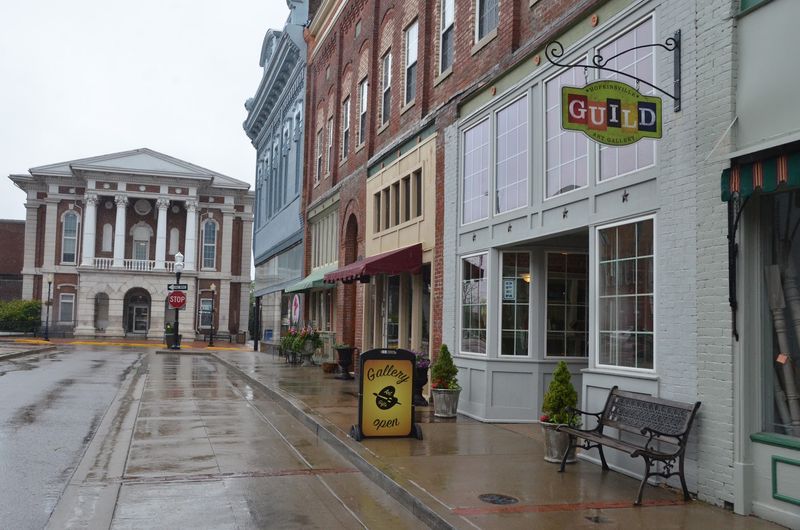
Downtown has handsome historic buildings and local shops. You can easily fill an afternoon wandering the streets.
Hopkinsville shows that aging is not just a mountain story. Even bigger towns need fresh faces to keep growing.