12 Kentucky Towns People Are Quietly Moving Away From
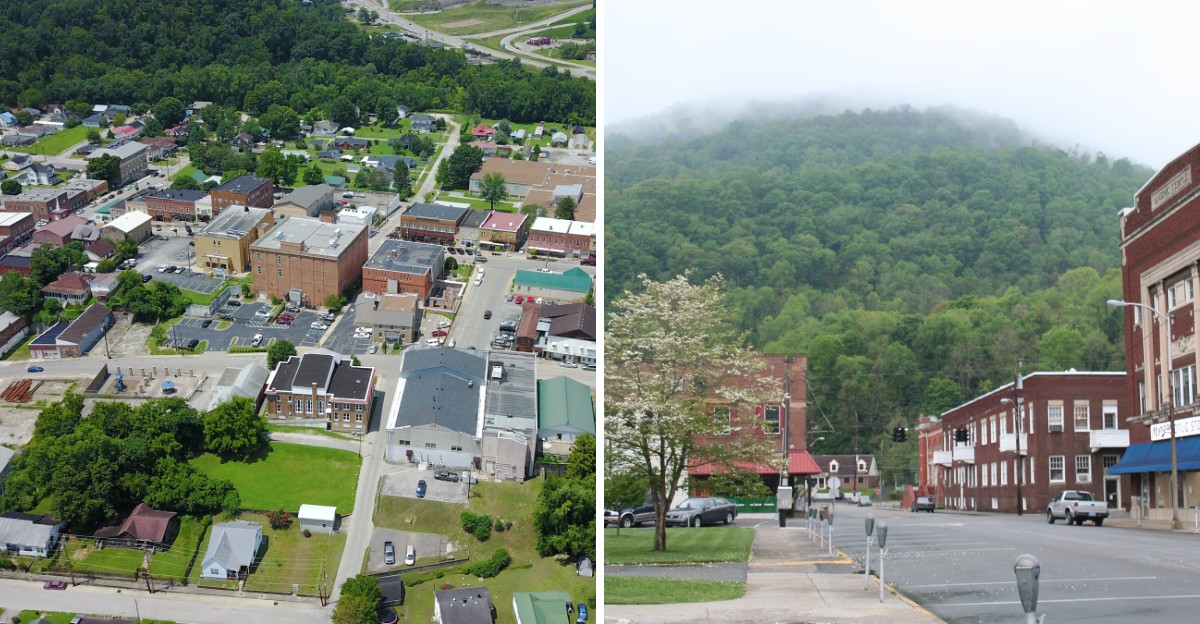
You probably know someone who packed up and moved away from their hometown. Maybe they left for a new job, a bigger city, or simply a fresh start.
Across Kentucky, that story has been playing out in more places than you might expect. According to the latest Census estimates, a number of small towns have lost residents since 2020.
The changes rarely make big headlines, and most happen slowly, one moving truck at a time. Some communities are still recovering from devastating floods.
Others have watched coal jobs disappear or their populations grow older. Still, a shrinking town is far from a forgotten town.
These places are full of history, mountain views, and neighbors who refuse to give up. Their stories are worth hearing before you judge the numbers.
So grab a cup of coffee and settle right in. Here is a closer look at the towns quietly losing residents.
1. Hazard
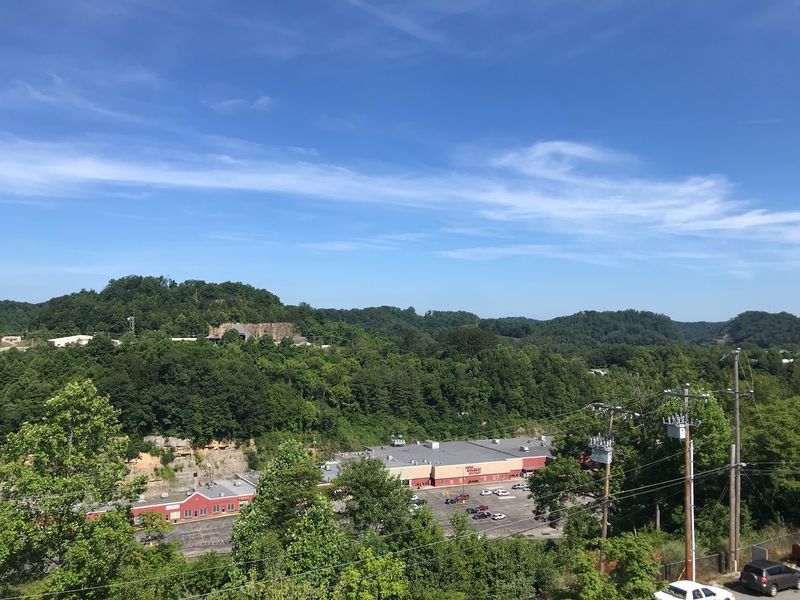
Hazard sounds like a warning label, yet the town is more welcoming than its name suggests. Still, fewer people are sticking around to find that out.
The 2020 census counted 5,244 residents in this Perry County town. By 2024, the number had slipped to about 5,008, and projections point lower still.
Estimates suggest the population has dropped more than 10 percent since 2020. That is a big dent for a place that serves as a regional hub for shopping and health care.
So why the slow exit? Coal jobs have faded across the region for years.
Younger workers often chase steadier paychecks in Lexington or out of state.
Here is the flip side you should know. Housing in Hazard can cost far less than in bigger Kentucky cities.
If you work remotely, that math might look very attractive.
The town also sits in serious outdoor country. Rivers, ridges, and winding back roads give weekend explorers plenty to do.
Hazard even had a moment of fame. The TV show The Dukes of Hazzard borrowed a version of the name, though the show was set in Georgia.
If you visit, talk to locals about their plans. You will hear real pride mixed with honest worry about the future.
2. Whitesburg
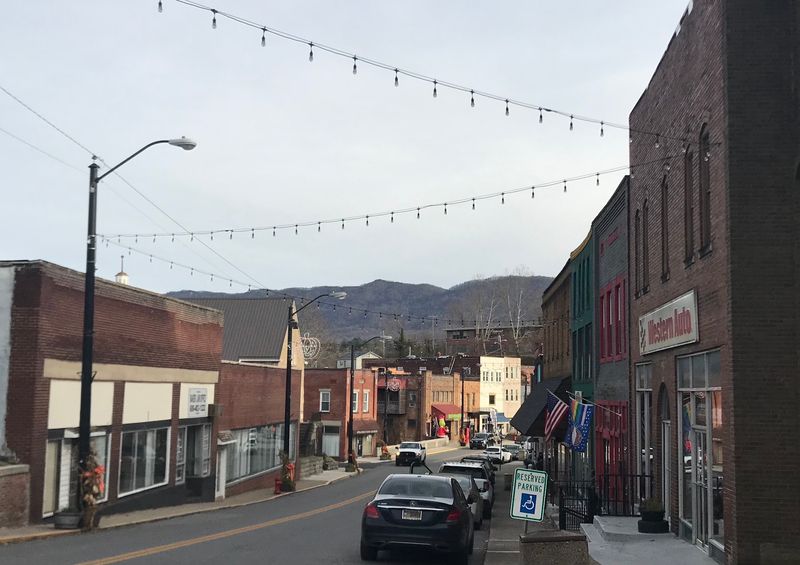
Small towns rarely make headlines for math, but Whitesburg’s numbers are hard to ignore. Some estimates show a sharp drop in just a few years.
The 2020 census recorded 1,767 people in this Letcher County seat. One projection puts the 2026 figure near 1,577, a loss of more than 10 percent.
Another data source paints an even steeper picture. It shows an 11.9 percent drop in a single year during 2025.
Numbers like that can feel scary. Yet they also tell a story about families making tough choices about jobs, schools, and distance to services.
Whitesburg has something many bigger places envy, though. The town is known across Appalachia for its arts and culture scene.
Appalshop, a long-running media and arts center, calls Whitesburg home.
That creative spirit gives the town a personality that spreadsheets cannot measure. Films, radio, and music projects have grown from this little corner of the mountains.
If you enjoy places with character, Whitesburg deserves a slow afternoon. Stroll downtown, notice the old buildings, and picture what they might become.
Towns like this often need newcomers with fresh ideas. You might be surprised how far a small spark can travel here.
3. Harlan
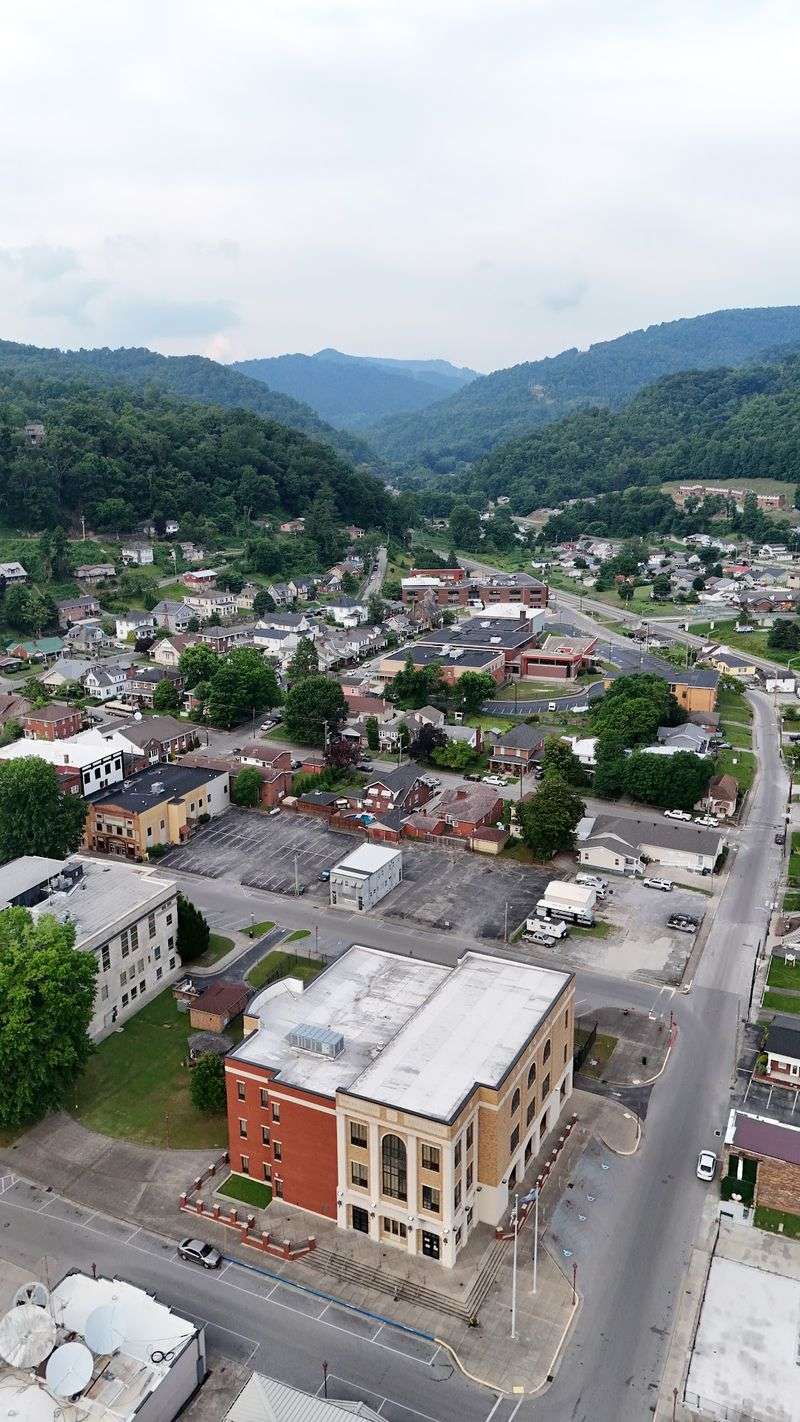
Few Kentucky names carry as much history as Harlan. Songs, films, and books have made it famous far beyond the county line.
Fame, however, does not always keep people home. The city counted 1,997 residents in 2020, and 2024 data shows about 1,854.
Look back further and the trend gets clearer. Harlan has shrunk around 10 percent since 2000.
Harlan County tells a similar tale. Its population fell about 10.1 percent between 2015 and 2025.
Part of the reason is simple. Older residents are aging, and fewer babies are being born to replace them.
Young adults also leave for college or work and often stay gone.
You can still feel the strong roots here, though. Harlan is the county seat, so the courthouse square remains a busy meeting place.
Nature lovers have a bright reason to visit. Black Mountain, the highest point in Kentucky, rises in Harlan County.
Nearby trails and ATV routes draw adventurous visitors every year. Tourism dollars could help the area write a new chapter.
If you go, bring good shoes and a curious mind. Harlan rewards people who take time to listen to its stories.
4. Cumberland
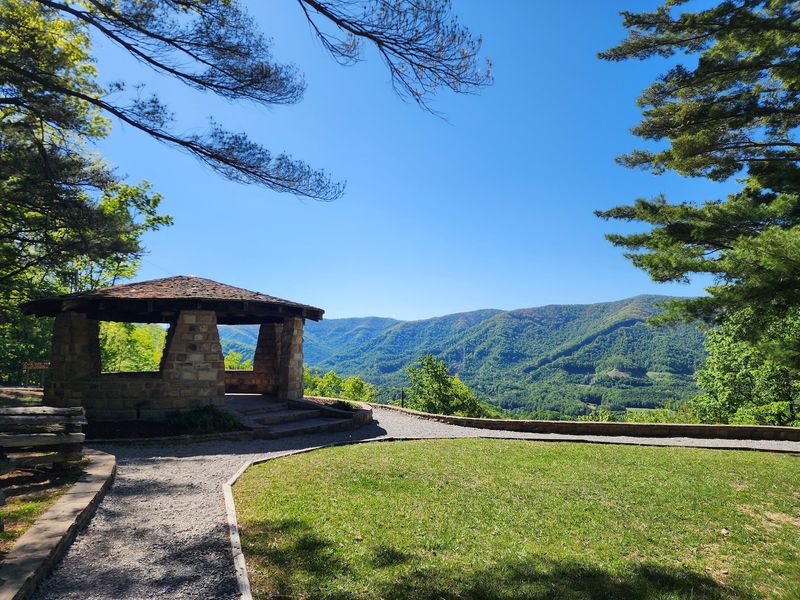
Data can argue with itself, and Cumberland is proof. Depending on the source, this town is either shrinking or growing.
The 2020 census listed 1,937 residents in this Harlan County town. One estimate projects about 1,722 people by 2026, which would mean an 11 percent drop.
Yet another projection sees growth instead. It lists a 2024 population of 2,037 and guesses even more by 2026.
So what should you believe? Small towns are tricky to measure.
A few hundred people moving in or out can swing the percentages wildly.
The bigger picture still matters. Like its neighbors, Cumberland has felt the loss of coal jobs over the decades.
The town sits near the base of Black Mountain. That setting makes it a gateway for hikers and drivers chasing big mountain views.
Kingdom Come State Park is also close by. Its overlooks and rock formations are a treat on a clear fall day.
Cumberland is a good reminder to read numbers carefully. Headlines may say a place is fading while the real story is more mixed.
If you visit, you get to judge for yourself. That beats any chart.
5. Jenkins
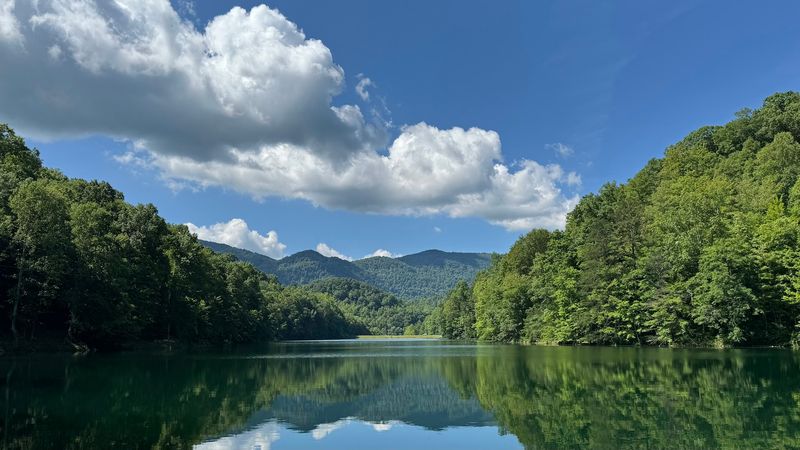
Picture a town built by a coal company, then left to find its own way. That is the backstory of Jenkins.
Consolidation Coal Company founded Jenkins in the early 1900s. For years, the mines shaped nearly every part of daily life.
Today the numbers look tough. The 2020 census counted 1,902 people in this Letcher County town.
One source lists the 2024 population at about 1,406. It projects roughly 1,196 residents by 2026.
Those estimates suggest a loss of more than a third since 2019. Other sources report a smaller decline, so treat the figures with some caution.
Either way, change is real here. When a town grows around one industry, losing that industry hits hard.
Jenkins has a few charms you may not expect. Elkhorn Lake offers a calm spot for fishing and a quiet walk.
The David A. Zegeer Coal-Railroad Museum shares local mining history in a former train depot.
You can learn a lot in a short visit. The old company houses still line some streets, telling the story better than any sign could.
Jenkins also sits close to the Virginia border. That makes it an easy stop on a scenic mountain road trip.
6. Jackson
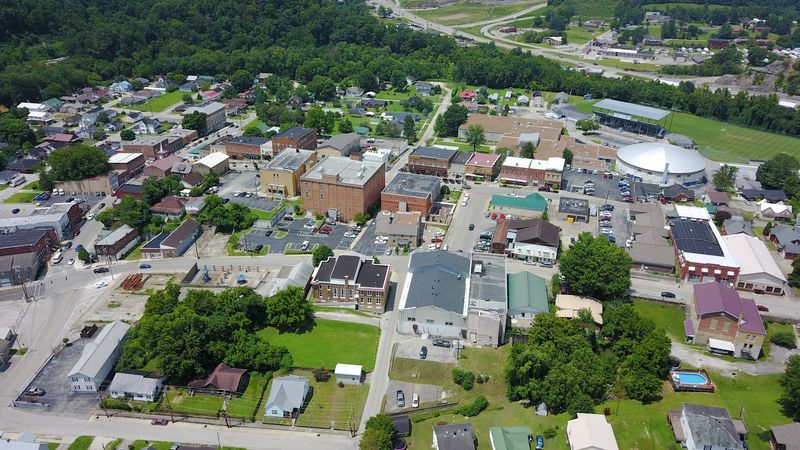
Rivers have a habit of bending around Jackson, and so do the population charts. Both have been moving in a downward curve.
The 2020 census counted 2,237 people in this Breathitt County seat. By 2024, estimates showed about 2,015 residents.
That works out to nearly a 10 percent drop in a few short years. One data set shows a 5.3 percent dip in 2025 alone.
Why are families leaving? Job options are limited, and the region has faced serious flooding.
The 2022 floods in eastern Kentucky damaged many homes and businesses in the area.
After a disaster, some people rebuild, and others decide to start over somewhere else. Both choices make sense when you have kids to raise.
Jackson still has plenty of heart. The University of Kentucky Robinson Forest, a large research forest, sits in the region.
Scientists and students study the woods and streams there.
The town also works as a gateway for exploring rural Breathitt County. Winding roads lead to creeks, ridges, and old family farms.
If you pass through, support a local shop or diner. Small spending adds up in a town fighting to stay strong.
7. Prestonsburg
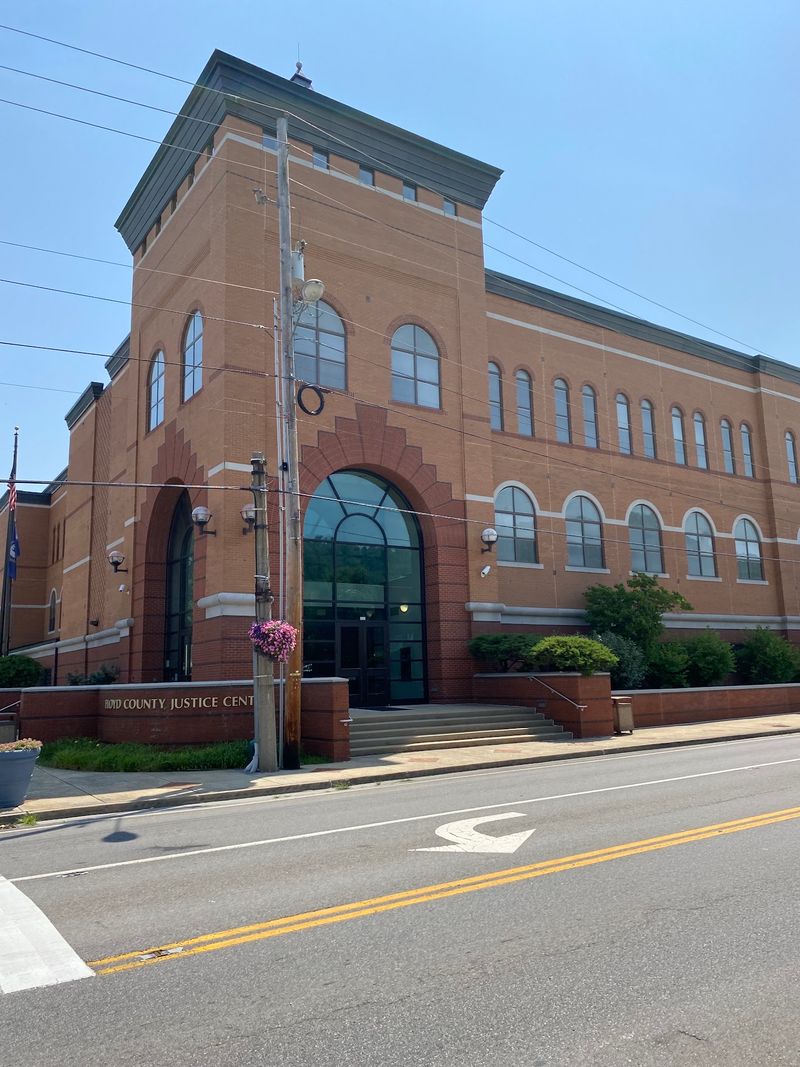
Music is loud in Prestonsburg, even when the population is getting quieter. The town has built a reputation for stage lights and mountain tunes.
Prestonsburg is the county seat of Floyd County. Like many eastern Kentucky towns, it has felt steady pressure from the decline of coal.
Census trends across the county show people slowly moving away. Young adults often leave for bigger job markets and do not come back.
Still, the town has worked hard to give folks reasons to stay. The Mountain Arts Center hosts concerts and shows that draw crowds from across the region.
Country music has deep roots here. The area along U.S. 23 is known as the Country Music Highway because many famous singers came from nearby counties.
Outdoor fans have options too. Jenny Wiley State Resort Park sits just outside town, with a lake, trails, and a lodge.
Big Sandy Community and Technical College also has a campus in Prestonsburg. Local training programs can help residents build new careers without packing up.
You might think a shrinking town feels sleepy. Prestonsburg proves that culture can keep a place lively.
If you visit, catch a show and take a lake walk the same day.
8. Manchester
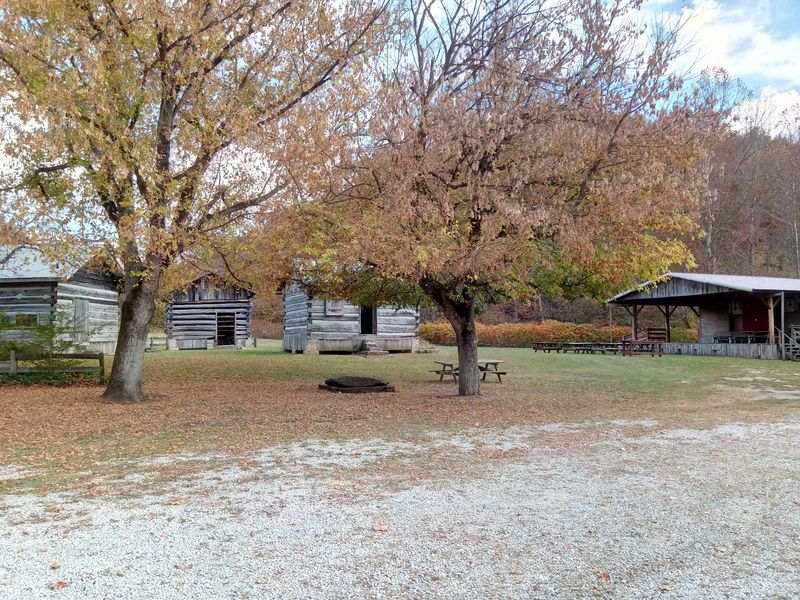
Counting people sounds easy until you try it in a small town. Manchester shows how messy the numbers can get.
The 2020 census recorded about 1,520 residents in this Clay County seat. One projection expects around 1,387 by 2026.
Another estimate actually shows a small bump to about 1,541. Meanwhile, a different data set reports a big one-year drop in 2025.
What does that tell you? Mostly, small places are hard to track.
The general trend in the region still points toward fewer residents.
Manchester has a long history. Salt making was once an important local industry in Clay County, long before coal took center stage.
The town is also close to the Daniel Boone National Forest. Hikers, hunters, and campers can find plenty of room to roam.
Like many mountain towns, Manchester has worked to improve its image and its economy. Community groups have pushed for healthier living and new local businesses.
If you love quiet roads and wooded hills, this area might charm you. Just keep your expectations realistic about big-city shopping.
The slower pace is part of the deal. For some people, that is exactly the point.
9. Pineville
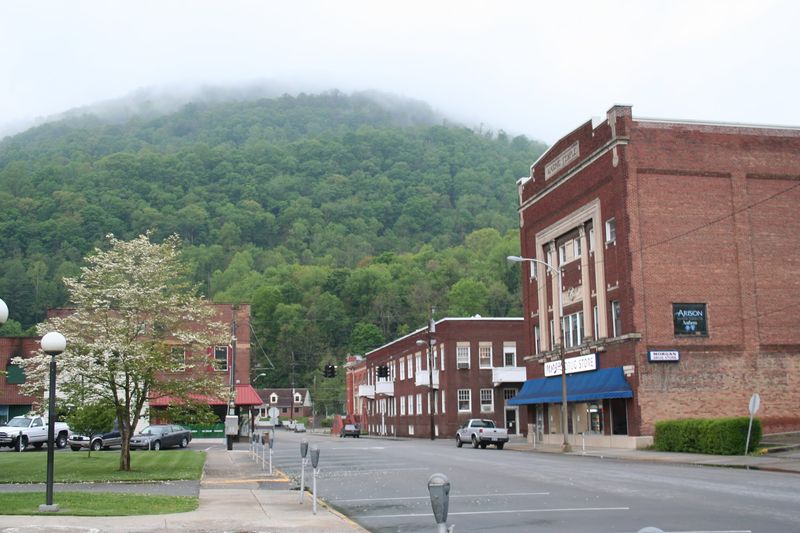
A giant chain on a mountain ledge is not your typical town mascot. Pineville owns that quirky claim with pride.
Chained Rock sits in Pine Mountain State Resort Park above town. Legend says the chain keeps a huge boulder from rolling onto Pineville.
It is a fun story, and the view is the real prize.
Now for the numbers. The 2020 census counted roughly 1,660 to 1,680 people in this Bell County seat.
Some estimates suggest a drop to about 1,529 by 2026. Other sources claim the town is actually growing.
That mixed data is common in tiny towns. Still, Bell County as a whole has seen people move away over the years.
Pine Mountain State Resort Park is one of the oldest parks in Kentucky’s state park system. Each spring it hosts the Mountain Laurel Festival, a local tradition for generations.
The Cumberland River also winds past town. That makes for pretty drives and peaceful spots to stretch your legs.
You could easily spend a weekend here without getting bored. Hike the trails, snap a photo by the chain, and enjoy the small-town calm.
10. Middlesborough
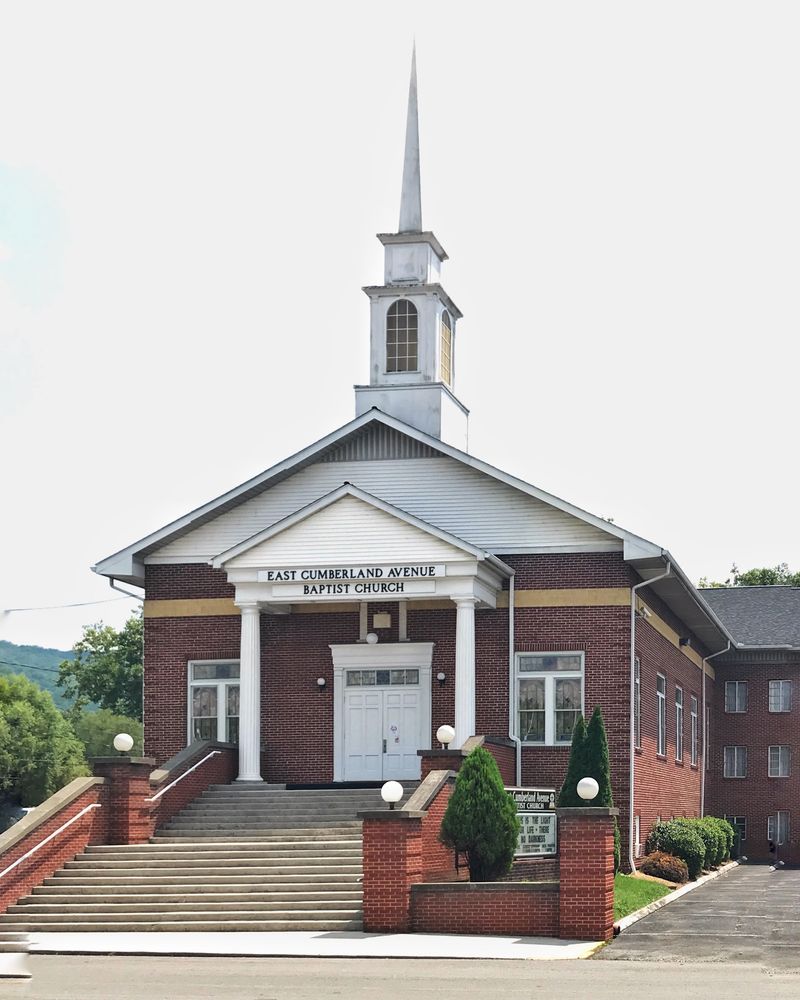
Scientists believe Middlesborough sits inside an ancient meteor crater. Few towns can say they were built in a cosmic dent.
That wild fact is not the only story here. The city is also losing residents at a steady pace.
In 2010, Middlesborough had more than 10,300 people. The 2020 census counted 9,338, and 2025 estimates land near 8,784.
Since 2000, the population has shrunk about 13 percent. That is a noticeable change for one of the larger towns in southeastern Kentucky.
Jobs and aging play big roles, as they do across the region. Still, Middlesborough has real advantages worth weighing.
Cumberland Gap National Historical Park is right next door. You can walk the path pioneers used to cross the mountains heading west.
The Pinnacle Overlook gives views into Kentucky, Virginia, and Tennessee. On a clear day, it feels like you can see forever.
Middlesborough also boasts one of the oldest continuously played golf courses in the United States. Golf fans love that bit of trivia.
If you are looking for history, scenery, and lower living costs, give this town a fair look. Numbers are only part of the picture.
11. Pikeville
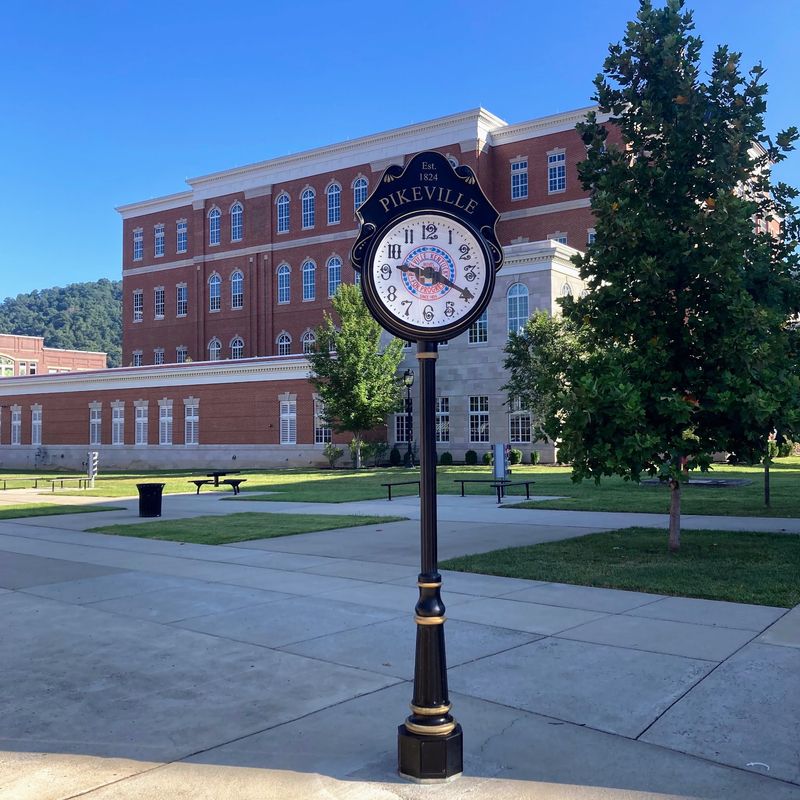
Moving a mountain sounds impossible, but Pikeville basically did it. The Pikeville Cut-Through rerouted a river, a railroad, and a highway through solid rock.
The project took years and reshaped the city. It is often called one of the largest earth-moving projects in the Western Hemisphere.
Pikeville has also been a growth story for a long time. The city grew about 14.6 percent since 2000, beating many neighbors.
Recent years look different, though. The 2020 census counted around 7,730 residents, and 2025 estimates sit near 7,270.
That is a drop of roughly 6 percent in five years. It is smaller than some towns on this list, but it still stands out.
Pikeville has strong anchors that could help it bounce back. The University of Pikeville includes medical and optometry schools.
Pikeville Medical Center is a major regional employer.
The Appalachian Wireless Arena hosts concerts and events. Downtown also celebrates Hillbilly Days each spring, a festival that raises money for charity.
If you want a mountain town with city perks, Pikeville checks a lot of boxes. Its slight dip could turn around with the right mix of jobs and energy.
12. Morehead
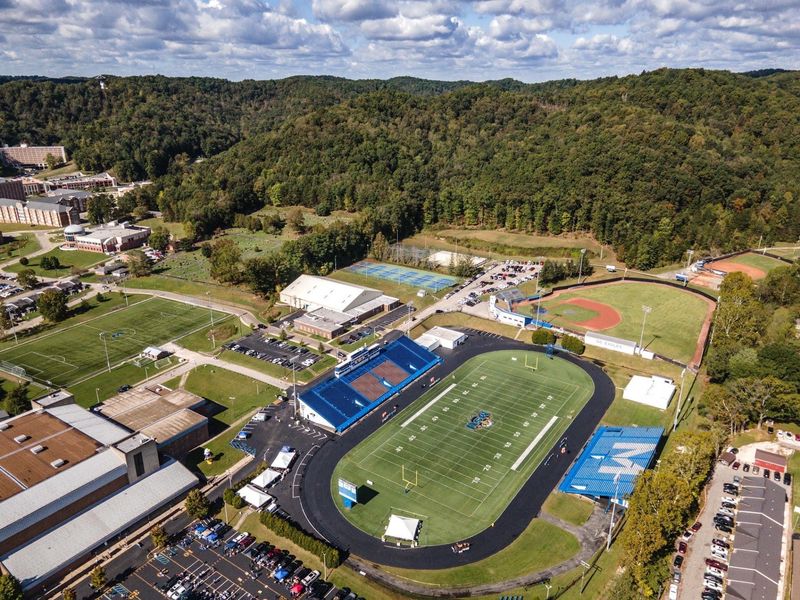
College towns usually feel young and busy, so Morehead might surprise you. Its population has been slipping in recent years.
The 2020 census counted 7,142 residents in this Rowan County seat. By 2025, estimates showed about 6,776 people.
Since 2000, the town has shrunk around 11 percent. Some projections expect a little more decline by 2026.
Part of the reason is how students are counted. Enrollment changes at Morehead State University can shift local numbers quickly.
The university still shapes daily life here. Its space science center has helped build and track small satellites, which is pretty impressive for a small town.
Outdoor fun sits right next door. Cave Run Lake is known for muskie fishing, boating, and shady lakeside trails.
Morehead is also a trail town along the Sheltowee Trace, a long hiking route through the Daniel Boone National Forest. Hikers often stop in town for supplies and a hot meal.
Honestly, it is hard to picture Morehead fading away. Between campus life and lake days, the town has real staying power.
If you want a small place with big-town energy, keep this one on your list.