Kentucky’s Beloved Mountain Craft Festival Is A Dream Come True For Handmade Treasure Lovers
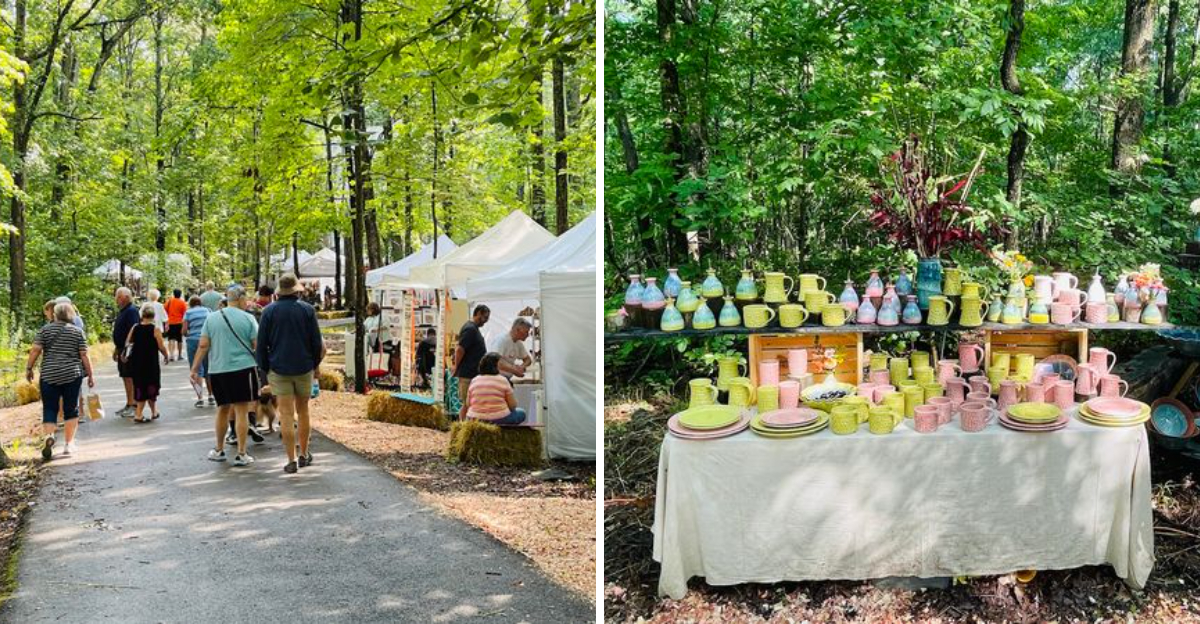
Some people shop for souvenirs, and some people hunt for treasures. This festival was made for the second kind.
Once a year, the Kentucky mountains fill with artisans who still make things the slow way. Imagine quilts stitched by hands that learned from grandmothers.
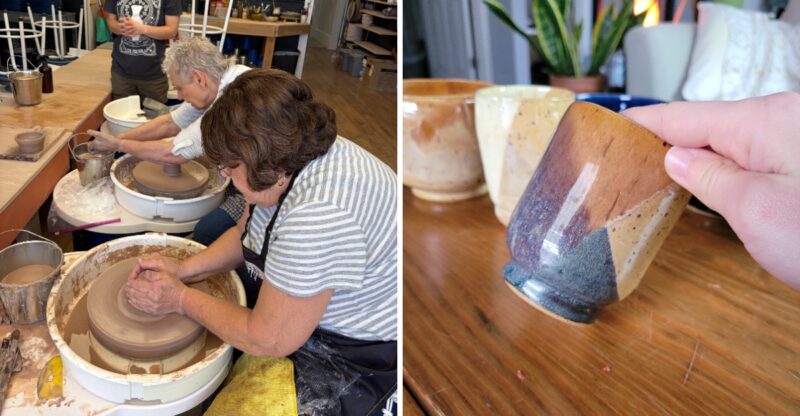
Wooden bowls carved from trees that grew a few miles away. Pottery shaped on wheels older than most cars in the parking lot.
You can watch craftspeople work, and they’ll happily explain every step. Try finding that at a mall.
The smell of kettle corn and wood smoke follows you from booth to booth.
Mountain music plays somewhere in the background, because of course it does. Every purchase here comes with a story and usually a handshake.
Your walls and shelves will thank you later. Bring cash, wear comfortable shoes, and pace yourself.
The best finds always seem to appear at the last booth.
Not Your Average Weekend Market
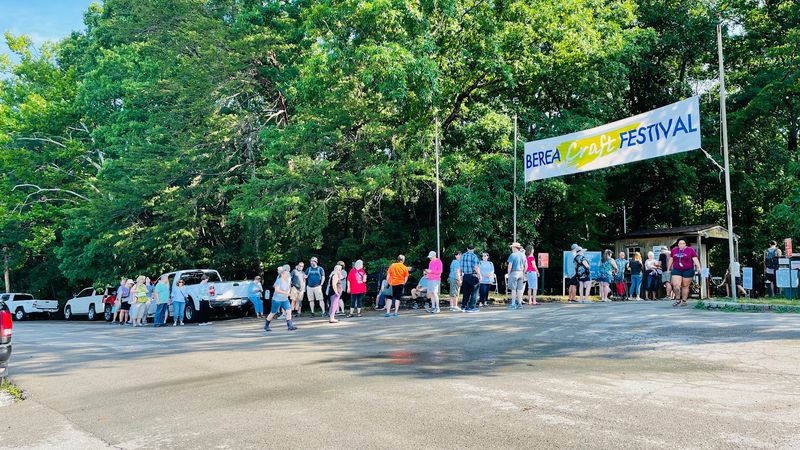
Few events in Kentucky hit quite like the Berea Craft Festival, held annually. The moment you arrive, the air carries the smell of sawdust, fresh clay, and something sweet from a nearby food vendor.
This is not your average weekend market. The festival draws skilled artisans from across the Appalachian region, each one bringing work that took months to create.
You see the effort in every stitch, every grain of wood, and every fired piece of pottery.
What makes this event stand out is the sheer variety. One booth might showcase hand-thrown mugs with mountain-inspired glazes.
The next might have hand-stitched quilts that look like wearable history.
First-timers often say they planned to stay an hour and ended up spending the entire day.
The grounds are spacious, the vendors are genuinely friendly, and the craftsmanship on display is truly impressive.
It feels less like a shopping event and more like a living museum where everything is also for sale.
The Berea Craft Festival runs July 10 through 12, 2026, at 2047 Big Hill Rd, Berea, Kentucky.
World-Class Pottery You Can Hold
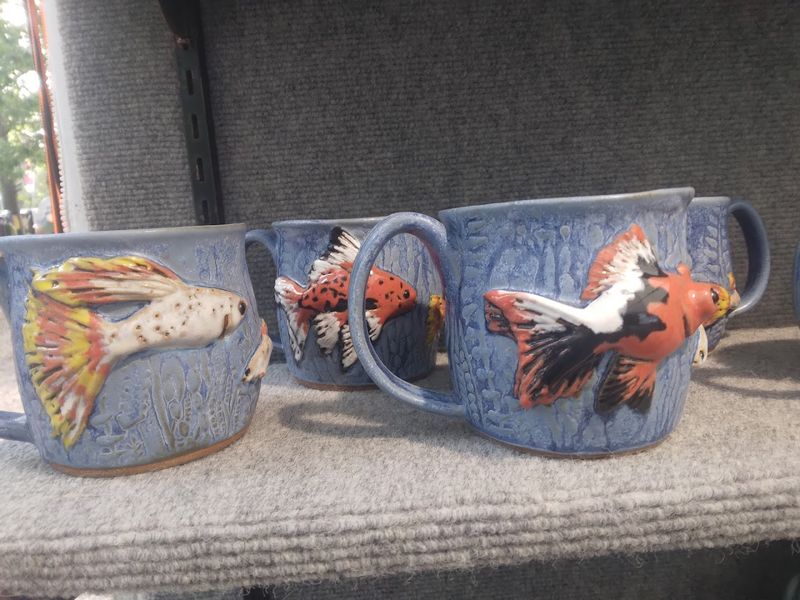
Pottery at this festival is not the kind you find mass-produced on a shelf. These pieces are wheel-thrown, hand-glazed, and fired in kilns by people who have spent decades perfecting their craft.
Berea has long been considered the arts and crafts capital of Kentucky, and its pottery tradition runs deep.
The region’s clay-working heritage stretches back generations, and you feel that weight of history when you hold a mug that someone shaped entirely by hand.
Artisans at the festival often explain their process right at the booth. That kind of transparency is rare and refreshing.
You learn about firing temperatures, glaze chemistry, and the small decisions that turn raw clay into something beautiful.
Prices vary widely, from affordable small bowls to statement pieces that deserve a dedicated shelf. Most vendors accept cards, so there is no excuse not to treat yourself.
Buying directly from the maker also means your money goes straight to someone who genuinely earned it.
A hand-thrown mug from this festival will outlast any store-bought option and carry a story worth telling every morning over coffee.
Quilts That Tell Real Appalachian Stories
Standing in front of a handmade quilt at this festival feels a little like reading someone’s diary. Every pattern choice, every fabric scrap, and every stitch carries meaning that goes well beyond decoration.
Appalachian quilting is a tradition with serious roots. Women in these mountain communities used quilting as both a practical skill and a form of artistic expression.
The quilts at this festival carry that legacy forward with pride and precision.
Some vendors display quilts that feature traditional patterns like the log cabin or double wedding ring. Others bring modern interpretations that blend old techniques with fresh color palettes.
Both approaches are worth your attention.
Running your hand across a finished quilt tells you something a photograph never could. The texture is dense, the stitching is tight, and the weight feels substantial.
These are objects made to last decades, not seasons.
Many quilters at the festival are happy to explain the history behind their patterns. That conversation alone is worth the visit.
You might arrive knowing nothing about quilts and leave with a deep appreciation for one of America’s most underrated art forms.
Woodworking That Borders On Sculpture
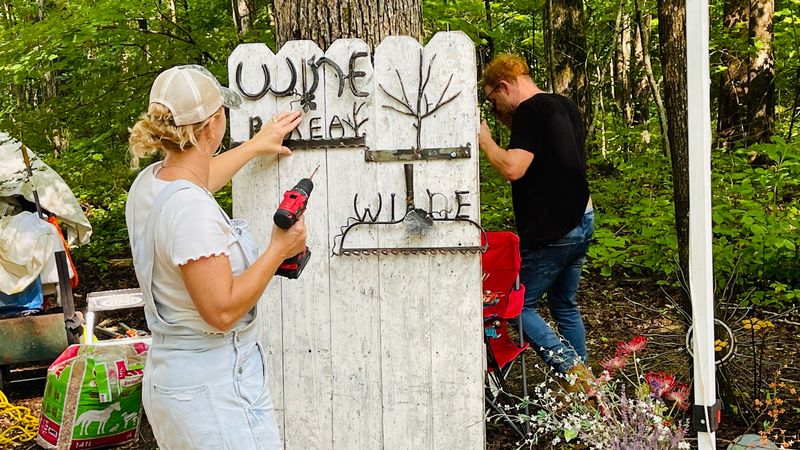
Some of the woodwork at this festival makes you stop and genuinely wonder how a person did that with their hands. Bowls turned from a single piece of walnut.
Furniture joints so precise they need no hardware. Carvings that somehow make wood look soft.
Kentucky has no shortage of skilled woodworkers, and this event brings out some of the best. Many of them source their timber locally, which adds a regional character to the grain patterns and natural color variations in each piece.
Smaller items like wooden spoons, cutting boards, and serving platters make excellent gifts that people actually use. They age beautifully and develop character over time, unlike most things you can buy at a chain store.
Larger statement pieces, like rocking chairs or hand-carved wall art, tend to sell quickly. If you see something that catches your eye, do not walk away thinking you will come back for it.
Chances are someone else will get there first.
The woodworkers here often work their craft live at the festival, so you can watch shavings curl off a lathe in real time. It is genuinely mesmerizing and makes the finished product feel even more special.
Handwoven Baskets With Mountain Character
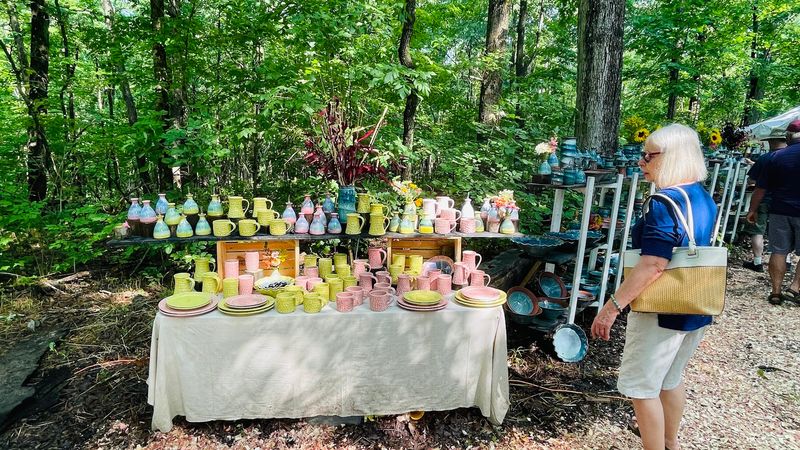
White oak basket weaving is one of those crafts that looks simple from a distance and absolutely humbling up close.
The splits have to be the right thickness, the weave has to be consistent, and the shape has to hold without any shortcuts.
At the Berea Craft Festival, you will find basket makers who have studied under masters of the form. Some learned from family members.
Others trained through programs at Berea College, which has supported regional craft education for well over a century.
The baskets range from small decorative pieces to large utility baskets built for actual farm or kitchen use.
Both types are impressive, but the utility baskets carry a satisfying honesty about them. They were made to work, not just to look good on a shelf.
Prices reflect the time investment, which is considerable. A well-made white oak basket can take days to complete from start to finish.
Knowing that makes the price tag feel more than fair.
Bringing one home connects you to a craft tradition that nearly disappeared in the twentieth century. These basket makers are keeping something alive that deserves a much wider audience.
Handmade Jewelry With A Story Behind Every Piece
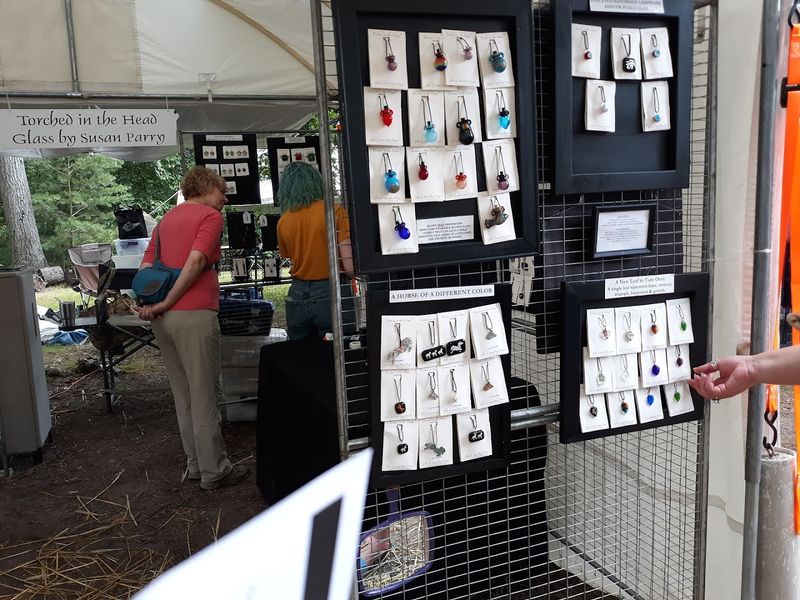
Jewelry at craft festivals can go either way. Sometimes it feels like the same ten designs repeated across thirty booths.
At this festival, that is genuinely not the case.
The jewelry makers here work in silver, copper, bronze, and mixed metals. Many incorporate natural stones sourced from the region or chosen for their specific color and texture.
The results feel personal rather than generic.
One jeweler might specialize in delicate wire-wrapped pendants that take hours of focused work. Another might forge thick silver rings with hammered textures that catch light in unexpected ways.
The range keeps things interesting no matter what your personal style might be.
Wearing handmade jewelry is a conversation starter in a way that mass-produced pieces rarely are. People ask where you got it, and you get to say you bought it directly from the person who made it at a Kentucky craft festival.
That story has real value.
Budget-conscious shoppers will find options at every price point. Earrings and small pendants tend to be the most accessible, while larger statement necklaces and custom pieces sit at the higher end.
Either way, you are getting something genuinely one of a kind.
Broom Making And Other Nearly Forgotten Crafts
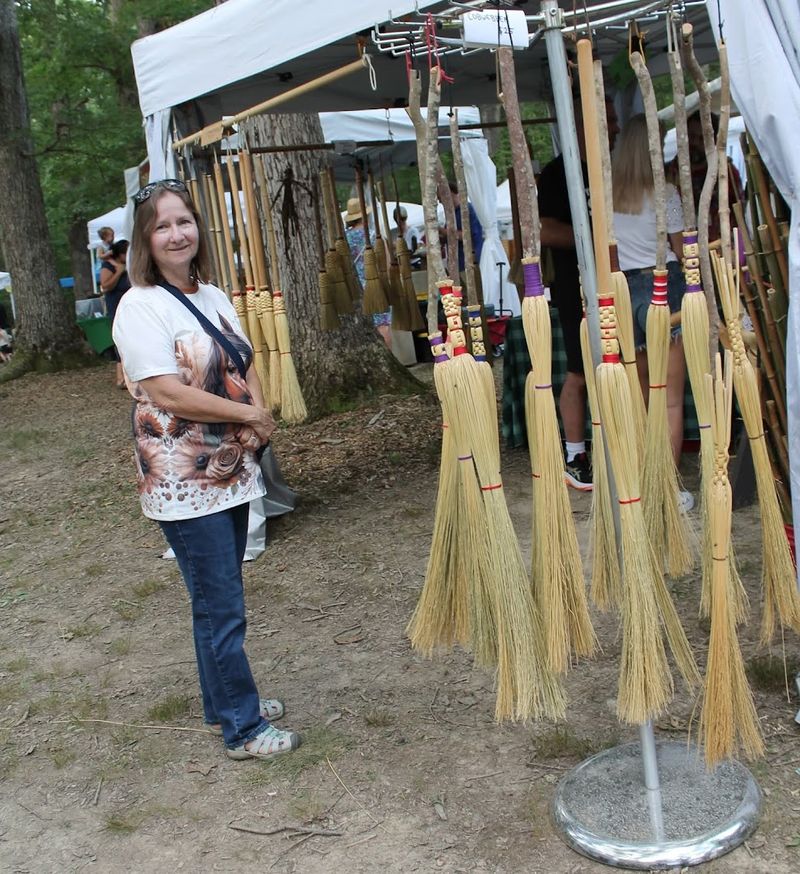
Not every craft at this festival is something you see every day. Some booths showcase skills so specialized that most people have never watched them performed live.
Broom making is one of the best examples.
Traditional broom corn brooms are functional objects with a craft history that goes back centuries in America.
The broom corn is harvested, dried, and then hand-stitched around a wooden handle using techniques that have not changed much in generations.
Watching a broom maker work is oddly satisfying. The process is methodical, repetitive in a meditative way, and the result is a sturdy, practical object that will sweep your floors far better than a plastic replacement from a big box store.
Other nearly forgotten crafts you might encounter include hand-dipped candles, natural dye textile work, hand-forged ironwork, and gourd art. Each one represents a skill that required real dedication to learn.
These booths tend to draw curious crowds, especially families with kids who have never seen these processes in action.
Watching something get made from raw materials is a powerful reminder of what human hands are actually capable of. It is the kind of education you cannot get from a screen.
Planning Your Visit
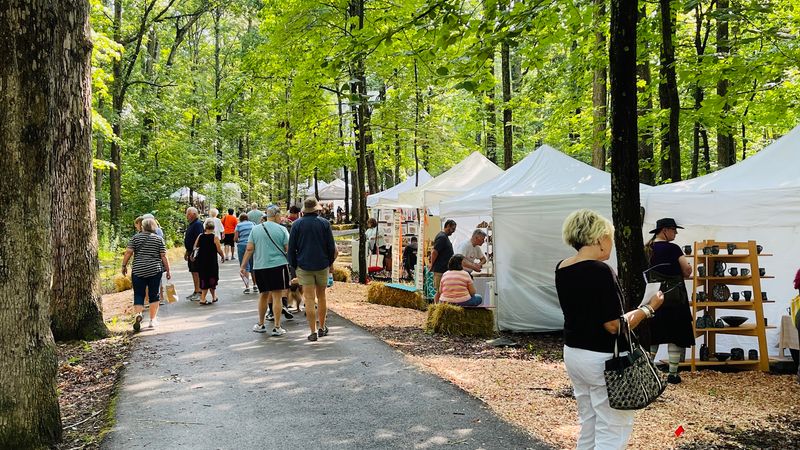
Showing up to a craft festival without a plan is fine, but showing up with one is so much better. The grounds cover a generous amount of space, and there is genuinely more to see than most people expect on a first visit.
Arriving early gives you first access to the most popular vendors before their best pieces sell. Serious collectors know this and often arrive right when the gates open.
If you want the best selection of pottery, woodwork, or quilts, morning is your window.
Wear comfortable shoes. This sounds obvious, but the grounds are uneven in places, and you will cover more distance than you planned.
Bring a reusable bag or two because vendors rarely have large bags to spare.
Cash is always appreciated at events like this, though most vendors now accept cards. Having some smaller bills makes transactions faster and easier, especially at busy booths.
If you are traveling from out of town, Berea itself is worth a few extra hours. The town has a strong arts community, good food options, and a genuinely welcoming atmosphere.
The festival is the headline, but the surrounding area adds real depth to the trip.