Kentucky’s Largest Lake Has Become The Center Of A Growing Water Debate
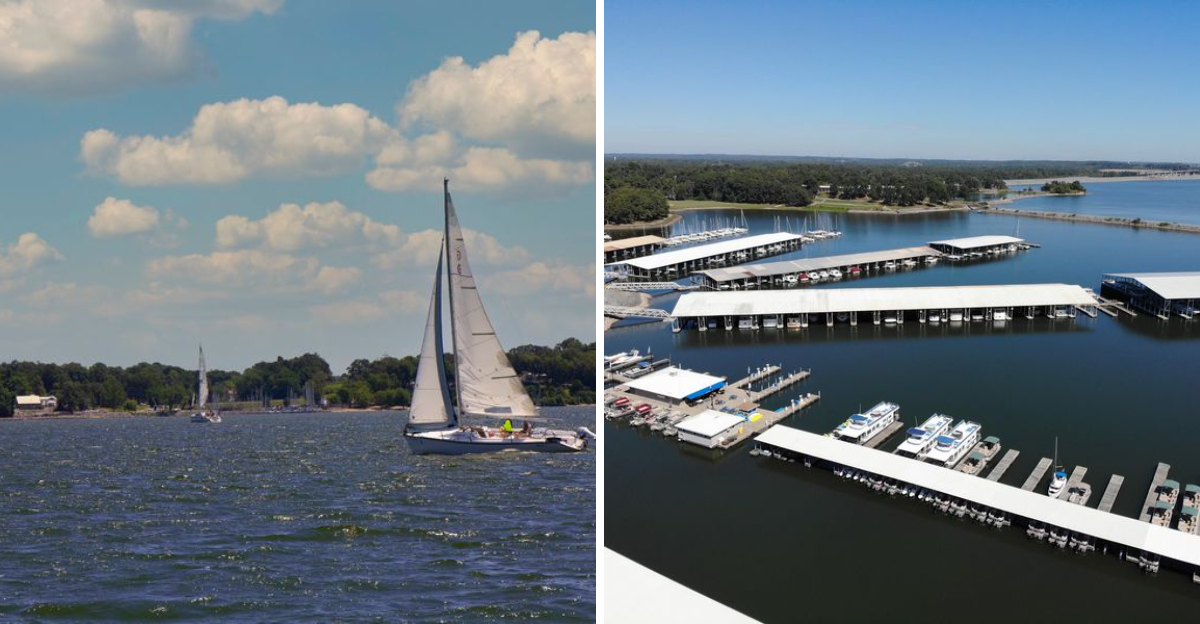
You can stand on the shore in Kentucky and not see the other side. That is the first thing that gets you about the biggest man made lake by surface area in the eastern United States.
Boats out in the middle shrink down to specks. Water that vast looks like it could never run short of anything or anybody.
Then you learn how many people are quietly counting on that water. Farmers want it for irrigation through dry summers.
Cities want it clean and steady for the tap. Marina owners want the level to hold through peak season.
Barge traffic needs water released downstream. Power generation needs its share too.
Add a few more drought years to the calendar and the arguments get sharper. Here is what everyone around this lake is actually fighting over.
The Sheer Scale Of The Water In Question
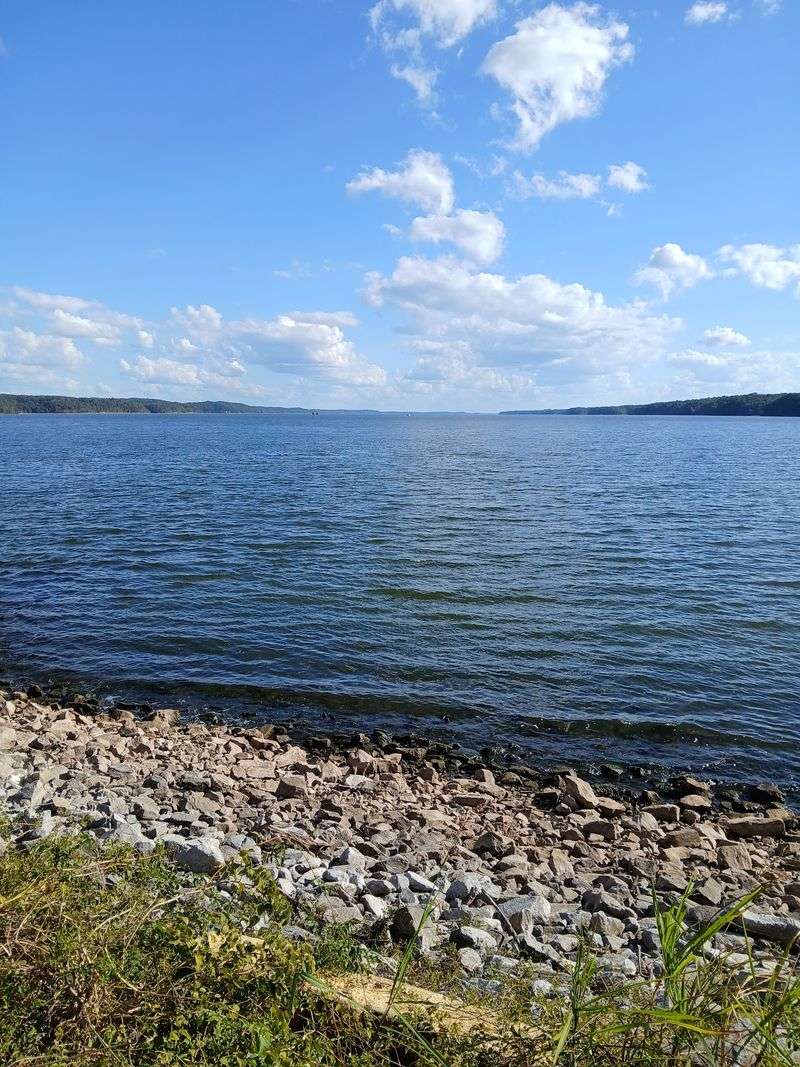
Kentucky Lake stretches across roughly 160,000 acres of water. That is not a typo.
It is the largest man-made lake in the eastern United States by surface area. When you stand at the shore, the far side feels like a rumor.
The lake was created in 1944 when the Tennessee Valley Authority dammed the Tennessee River. The result was a body of water so large it touches both Kentucky and Tennessee.
Two states share it, which already hints at why managing it gets complicated fast.
I visited the lake on a summer trip and honestly felt humbled. The water just keeps going.
Boats look like specks. Understanding the debate starts with grasping just how much water we are actually talking about here.
This is not a small pond with a simple solution. Every decision made about Kentucky Lake ripples outward in ways most people never expect.
Who Owns The Water At Kentucky Lake
Here is a question that sounds simple but absolutely is not: who owns Kentucky Lake? The Tennessee Valley Authority controls the dam and manages water levels.
But the states of Kentucky and Tennessee both have claims on the surrounding land and resources.
Local counties want a say too. Marinas, fishing guides, and resort owners depend on stable water levels for their businesses.
Then you have municipalities that draw drinking water from the lake. Everyone has a stake, and nobody fully agrees on who gets the final word.
Federal law gives the TVA enormous power over the lake. But state water rights laws also apply in complex ways.
Legal scholars have been debating these overlapping jurisdictions for years. The situation is genuinely messy, and it affects real people every single day.
Understanding who holds authority is the first step toward understanding why the debate has grown so loud and so personal for communities around the lake.
Farmers And The Fight For Irrigation Access
Agriculture in western Kentucky depends heavily on reliable water access. Farmers growing corn, soybeans, and tobacco alternatives need irrigation during dry summers.
Kentucky Lake sits right there, massive and full, and yet accessing that water is not always straightforward.
Permitting requirements, TVA regulations, and state water laws create a tangled web for agricultural users. Some farmers describe the process of getting irrigation approval as exhausting and slow.
Meanwhile, their crops are waiting and the sun is not. That tension is very real in rural communities around the lake.
A local farmer I spoke with near Benton, Kentucky, put it plainly. He said the water is right there but getting to it legally feels like running a marathon with paperwork.
Farm groups have been lobbying for streamlined access rules for years. The debate is not just about politics.
It is about livelihoods, food production, and the economic backbone of entire rural counties that surround the lake.
Municipal Water Supply And The Cities Watching Closely
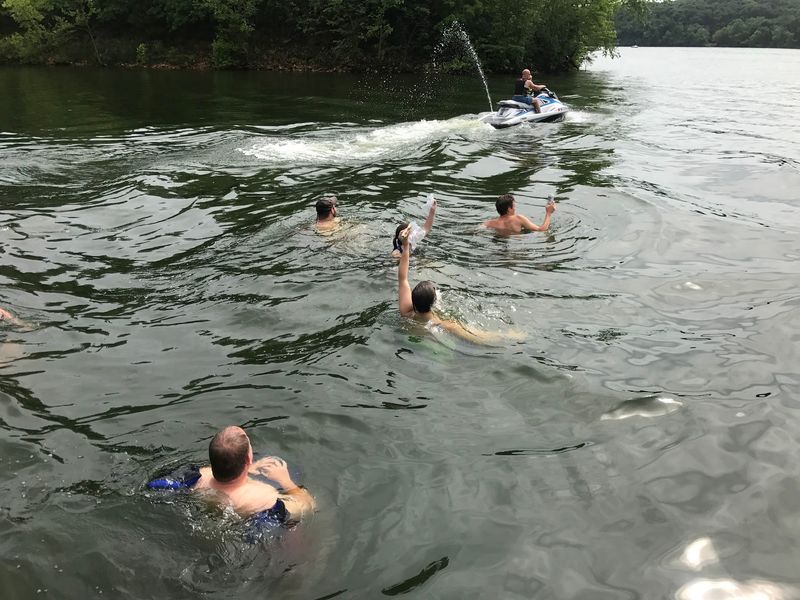
Several cities and towns in western Kentucky pull their drinking water directly from Kentucky Lake. Communities like Murray and Paducah rely on the lake as a primary municipal water source.
That dependency makes water quality and water levels a public health issue, not just an environmental one.
When water levels drop during drought years, intake pipes can be affected. When water quality shifts due to algae blooms or runoff, treatment costs spike.
City managers and water utility officials are watching the debate very carefully. Their residents expect clean, affordable water from the tap every single day.
Urban growth is adding pressure too. As more people move into the region, demand for treated water increases.
The lake has to serve more users with the same amount of water. Planners are asking tough questions about long-term sustainability.
The cities around Kentucky Lake are not passive observers in this debate. They are active participants with serious stakes in whatever policy decisions get made about the lake going forward.
The Environmental Side Of The Debate
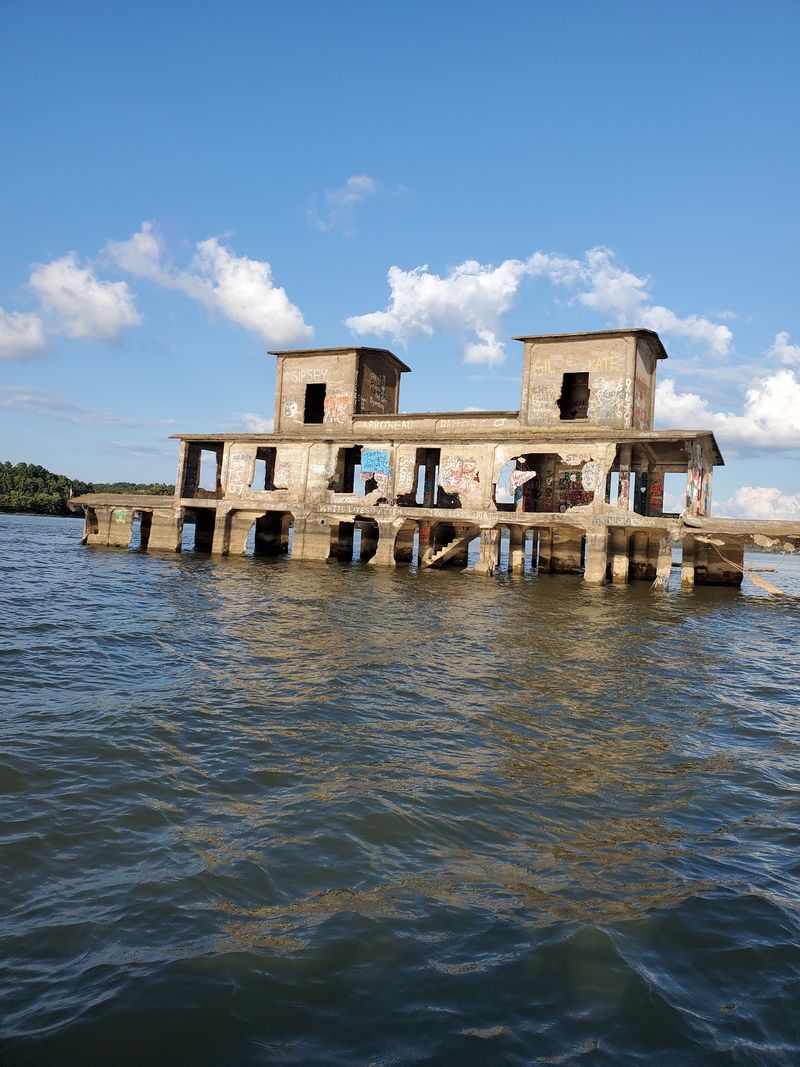
Kentucky Lake is home to an impressive variety of wildlife. Bald eagles nest along its shores.
Freshwater mussels, some of which are rare species, live on the lake bottom. Migratory birds use it as a critical stopover point each year.
The ecological value of the lake is enormous and well documented.
Environmental groups are raising alarms about increased agricultural runoff, nutrient pollution, and the spread of invasive species like Asian carp. These issues threaten the biological diversity that makes the lake so valuable.
Once an ecosystem gets out of balance, restoring it is slow and expensive work.
State and federal agencies have monitoring programs in place, but scientists say more investment is needed. The debate around Kentucky Lake is not just about who gets the water.
It is also about what condition that water is in. Healthy water supports healthy communities, healthy fisheries, and healthy economies.
Environmentalists argue that protecting the lake now costs far less than cleaning up damage later. That is a point worth taking seriously.
Recreation, Tourism, And The Economic Pressure
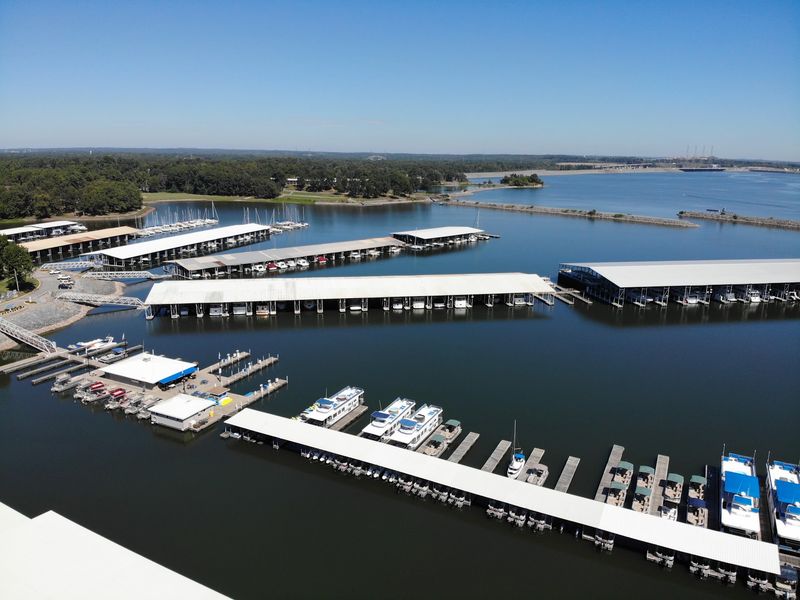
Kentucky Lake generates serious tourism dollars. The lake draws anglers, boaters, campers, and families from across the Midwest and Southeast every year.
Land Between the Lakes National Recreation Area sits right next door, pulling even more visitors into the region. The economic impact is measured in hundreds of millions of dollars annually.
Fluctuating water levels affect marina operations, boat ramp access, and shoreline camping spots. When the TVA adjusts water levels for flood control or power generation, recreation businesses feel it immediately.
A low-water summer can hurt a small marina worse than almost any other factor.
Resort owners and tourism boards have joined the debate with their own set of demands. They want stable, predictable water levels during peak season.
That request sometimes conflicts with what farmers need for irrigation or what power operators need for generation. Balancing all of these competing interests is genuinely difficult.
The recreation economy around Kentucky Lake is not a side issue. It is a major employer and a financial lifeline for many communities in the region.
Drought, Climate Shifts, And The Long-Term Outlook
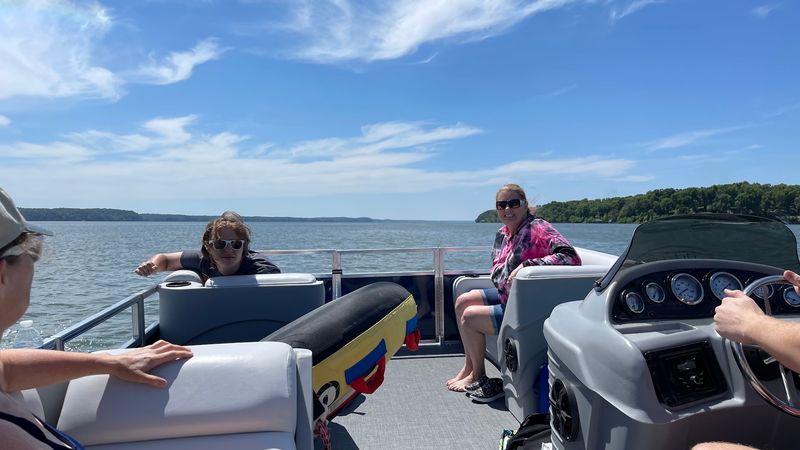
Climate patterns across the southeastern United States are shifting. Summers are hotter and longer.
Rainfall is becoming less predictable. Droughts that used to happen once a decade are arriving more frequently.
Kentucky Lake is not immune to these changes, and water managers are paying close attention.
During drought years, water levels in the lake can drop significantly. The TVA has protocols for managing low-water conditions, but those protocols create conflict.
Releasing less water protects lake levels but affects downstream river users. Releasing more water for navigation needs can strain the lake itself.
Long-range planning is becoming a priority for state agencies. Kentucky has started updating its water resource plans to account for a drier future.
Scientists are modeling what demand will look like in 20 and 30 years. The data is sobering.
Kentucky Lake is a finite resource even though it looks infinite from the shoreline. The decisions being made right now about water policy will shape what that lake looks like for the next generation of Kentuckians.
What Comes Next For Kentucky Lake And Its Communities
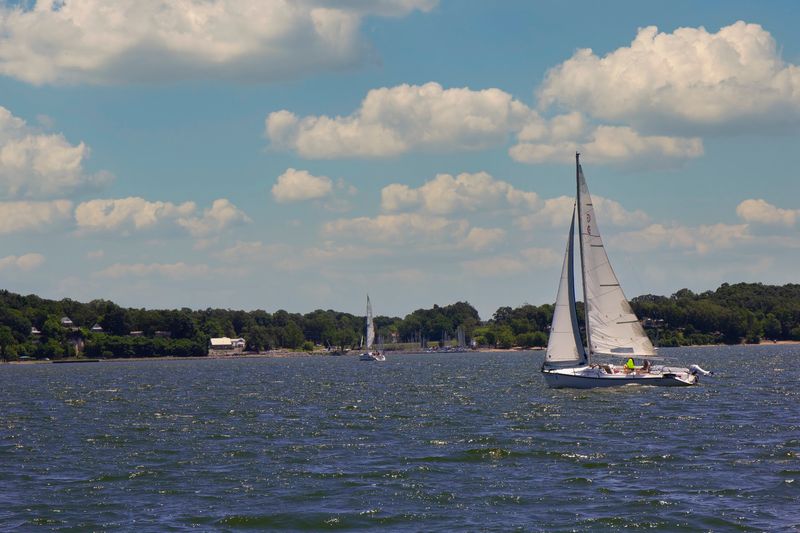
The debate around Kentucky Lake is not going away. If anything, it is getting louder as more stakeholders realize how much is at stake.
State legislators, federal agencies, local governments, and citizen groups are all trying to find common ground. That is harder than it sounds when everyone needs something different from the same lake.
Kentucky has taken some steps forward. A statewide water management framework is being developed that tries to address agricultural, municipal, and environmental needs together.
Public comment periods have drawn large crowds. People care about this lake deeply, and that passion is showing up in the policy process.
Solutions will likely involve compromise on all sides. Farmers may need to adopt more efficient irrigation methods.
Cities may need to invest in water storage and conservation infrastructure. The TVA will need to communicate more transparently about its water level decisions.
None of this is simple. But the communities around Kentucky Lake have shown they are ready to have the hard conversations.
That willingness to engage is, honestly, the most hopeful part of this whole debate.