Kids Can Meet Cows, Feed Farm Animals And Explore This Connecticut Family Farm
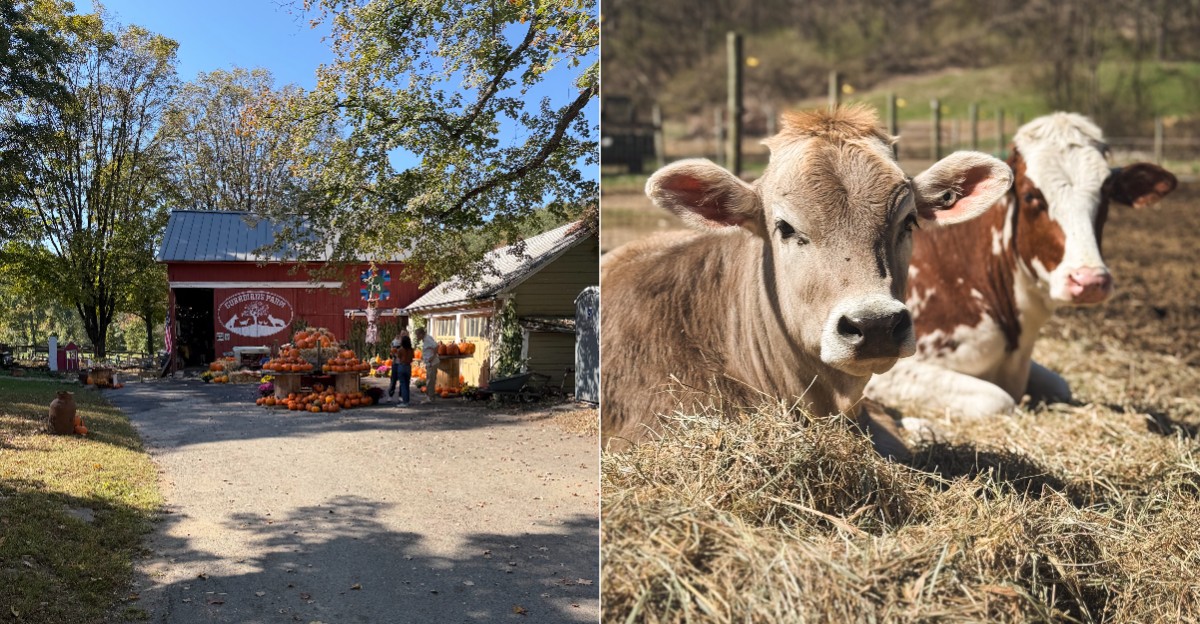
Connecticut has a family farm where curious kids can get surprisingly close to animals and see farm life beyond a fence.
That already sounds more exciting than another afternoon spent trying to invent something entertaining. Kids get space to explore, while parents get an outing that feels easygoing rather than overly planned.
The animals are naturally the big attraction. Seeing a cow up close is very different from pointing one out through a car window, especially when feeding and meeting other farm residents become part of the day.
And really, how often does an ordinary family outing involve making a new four-legged friend?
The farm experience keeps things simple, which is part of its charm. Children can be curious, ask questions and discover what happens beyond the barn doors without the day feeling like a lesson.
By the end, muddy shoes may be entirely possible. Nobody is likely to mind very much.
1. Farm Fun Keeps Kids Busy
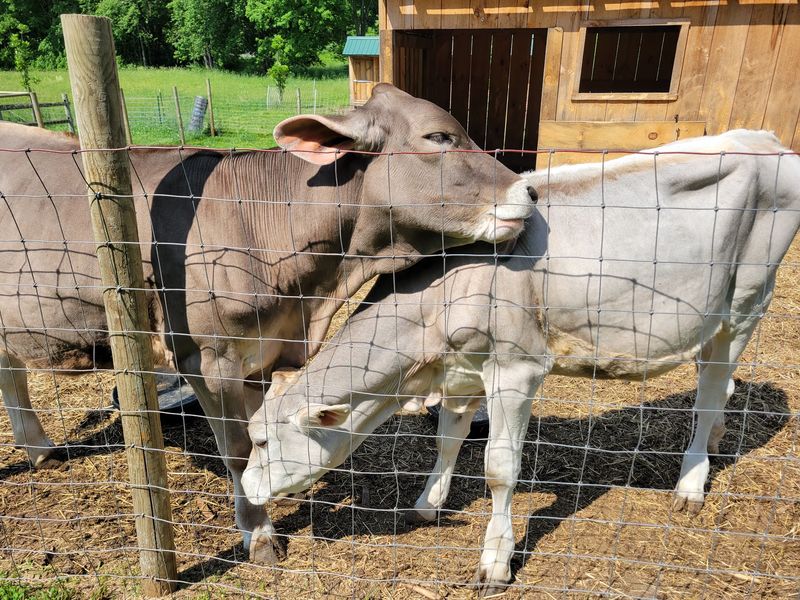
Boredom does not stand a chance in a barnyard full of curious animals. The open barnyard at Guardians Farm is built for wandering, with pens close enough that kids can see faces, ears and tails up close while staying safely on the visitor side of the fence.
Educational posters are set up around the space, giving Connecticut families a little backup when parents cannot answer every question. Farm staff are usually around too, and visitors often mention how happily they stop to share facts about the animals.
Barnyard access is priced simply. Guests aged 12 and up pay $5, children 3 to 11 pay $3, and anyone 2 and under gets in free.
That makes it an easy add-on to a weekend drive rather than a big-budget commitment.
Groups get attention here as well. School field trips can be arranged for classes of up to 90 students and chaperones, and the farm also hosts birthday parties for families who want a celebration with hay, hooves and fresh air instead of a crowded party room.
Plan on a relaxed hour or so. Kids tend to circle back to their favorite animal at least twice before anyone is ready to leave.
2. Poverty Road Leads To The Farm
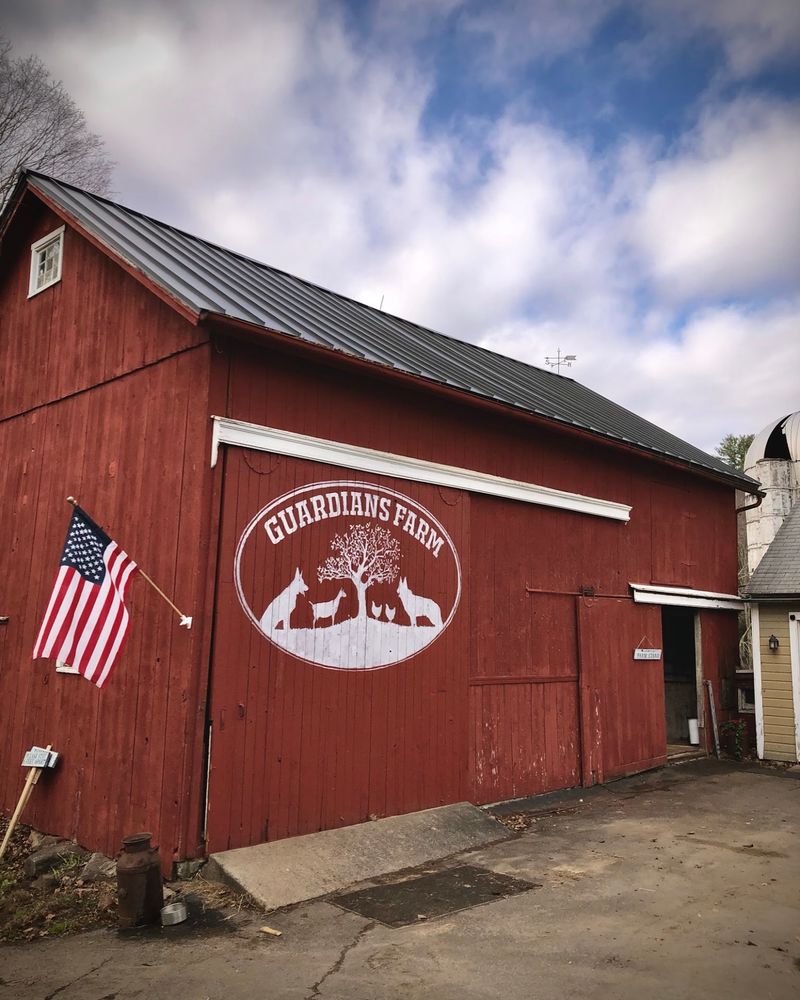
The scenery starts early. Green pastures and weathered farm buildings quickly replace the busier roads, setting the mood before the animals even come into view.
It feels wonderfully removed without requiring a major journey.
Guardians Farm operates in Southbury, where the surrounding countryside still reflects the area’s long agricultural history. Open fields spread around older structures, giving families plenty of classic farm scenery to enjoy during their visit.
The property has history of its own. According to the farm, its main barn dates to 1850, while the silos were constructed in 1910.
Even the land’s former name tells a story. It was once called Poverty Farm, a memorable reference to the challenges farmers faced working the rocky New England soil.
Today, those historic surroundings provide the backdrop for a much livelier family experience. Kids can get close to farm animals, learn more about life on the property, and enjoy an outing that feels more personal than a large commercial attraction.
The farm also sells products directly to visitors, making it possible to bring something local home after spending time around the animals.
Trips begin at 99 Bates Rock Road in Southbury, with restaurants and other businesses only a short drive away.
That makes the farm easy to build into a relaxed afternoon rather than an all-day expedition.
Come for the animals, but do not be surprised if the old barn and peaceful countryside become part of what you remember most.
3. Cows And Goats Bring The Place To Life
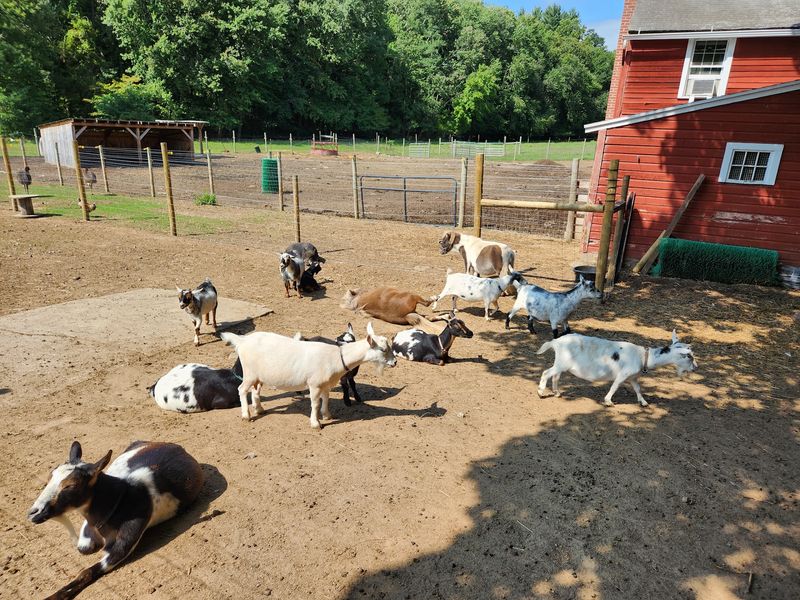
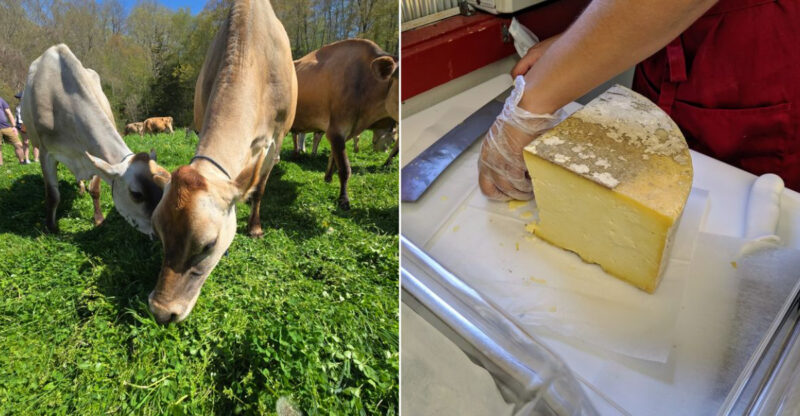
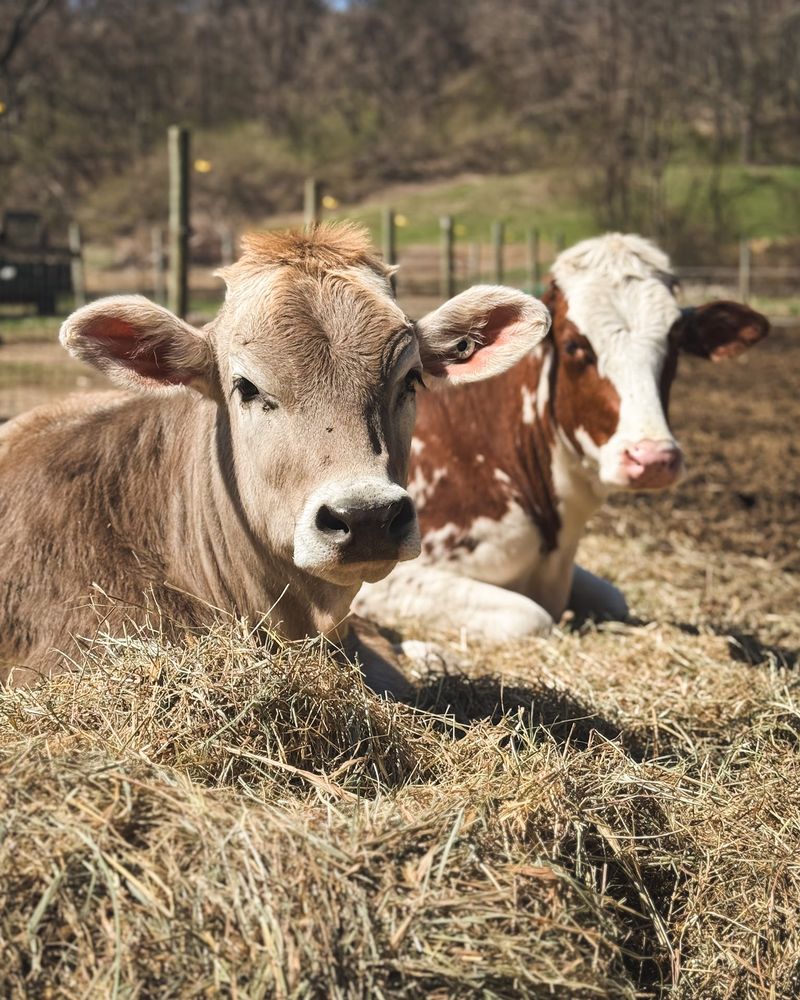
A mixed dairy herd is more colorful than most people expect. Holsteins in their bold black and white, caramel-toned Jerseys and sturdy Brown Swiss all share the pastures here, and the differences between the breeds become obvious once kids see them side by side.
Goats bring the comedy. Nigerian Dwarf and Lamancha goats live on the farm, and friendly goats come up again and again as one of the most talked-about parts of a visit.
Two mini pigs, Jessa and Tess, round out the smaller residents. Emus also make an appearance, which usually stops children mid-sentence the first time they spot those long necks over a fence.
Rescue draft mules have been part of the farm family as well. Patriot still lives here, and mules are kept on many farms because their watchful instincts give the herd a measure of natural protection.
What ties it all together is how approachable the animals seem. Visitors frequently note how calm and well cared for the herd appears, and how clean the barnyard stays for a farm that is genuinely working every day of the week.
Bring a camera. The cows tend to pose without being asked.
4. Little Hands Can Feed The Animals
Calf Cuddles might be the single most requested thing on the farm. Guests head into a pen with young calves for a relaxed session of petting, brushing and plain old snuggling, and the calves are known for walking right up looking for attention.
Sessions run $15 per person, with children two and under admitted free. Reservations are recommended, though walk-ins are welcomed when there is room.
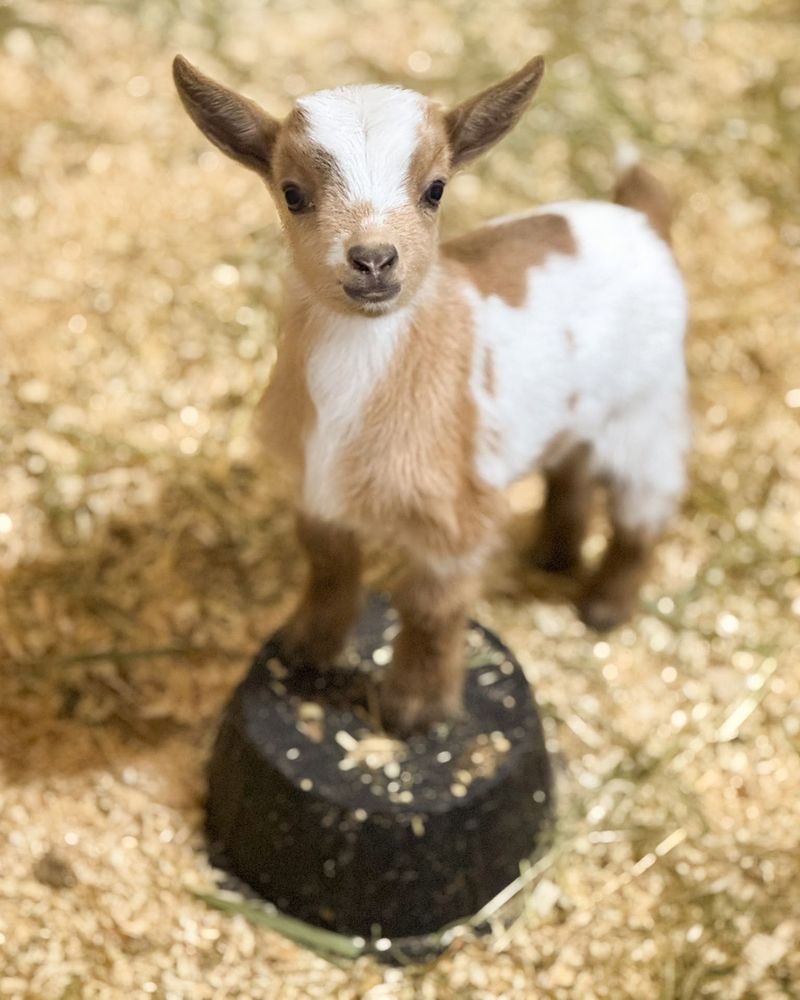
Goat Cuddles follow the same idea with smaller, bouncier participants. That experience also costs $15 per person, children two and under are free, and every child needs a paying adult alongside them.
For nervous first-timers, the setup works beautifully. Kids who might hesitate at a big cow in an open field often relax once they are sitting quietly with a calf that is clearly enjoying the attention.
A practical tip: wear clothes and shoes you do not mind getting dusty. Barnyards are barnyards, and a calf may decide your sleeve is worth a lick.
Staff stay nearby during sessions, sharing facts while families pet the animals. That mix of contact and conversation is exactly what turns a quick stop into a memory kids talk about for weeks.
5. Chickens And Ducks Add More Fun
Every farm story has a starting point, and this one began with a few chickens back in 2014. From those first birds grew the operation families visit today, which is a nice detail to share with kids while they watch hens scratch around.
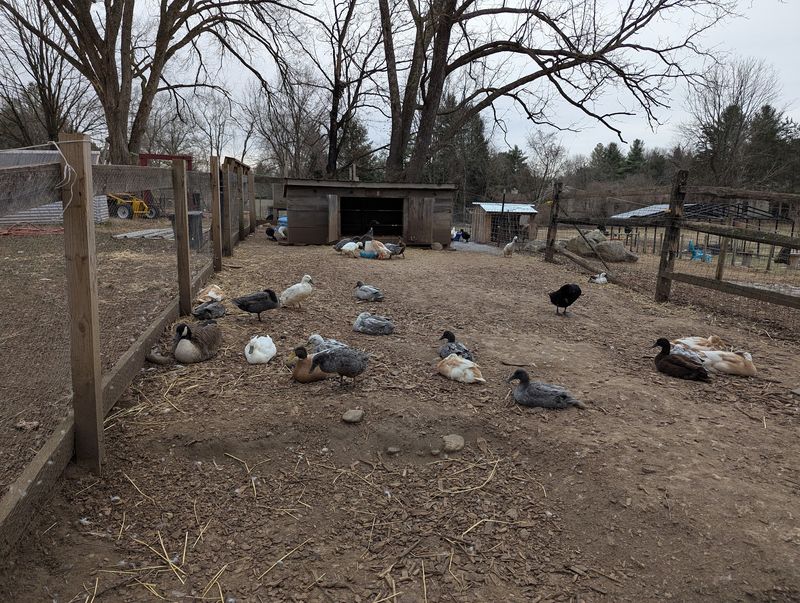
Chickens and ducks are busy characters. They pace, peck, flap and argue over nothing in particular, and young visitors often find them just as entertaining as the larger animals.
Ducks add their own rhythm with a waddling walk and a chatter that carries across the yard. Watching the two species share space is a quick lesson in farm hierarchy without anyone needing to explain it.
The payoff shows up at the farmstand, where fresh chicken and duck eggs are sold alongside other farm products. Kids who have just watched the birds tend to be far more interested in what ends up in the carton.
Duck eggs are worth a look if you have never tried them. They are larger than chicken eggs with richer yolks, and bakers often prize them.
Point out the coops before you leave. It is a small stop that completes the picture of how a farm actually works.
6. Tractor Rides Make Visits Extra Memorable
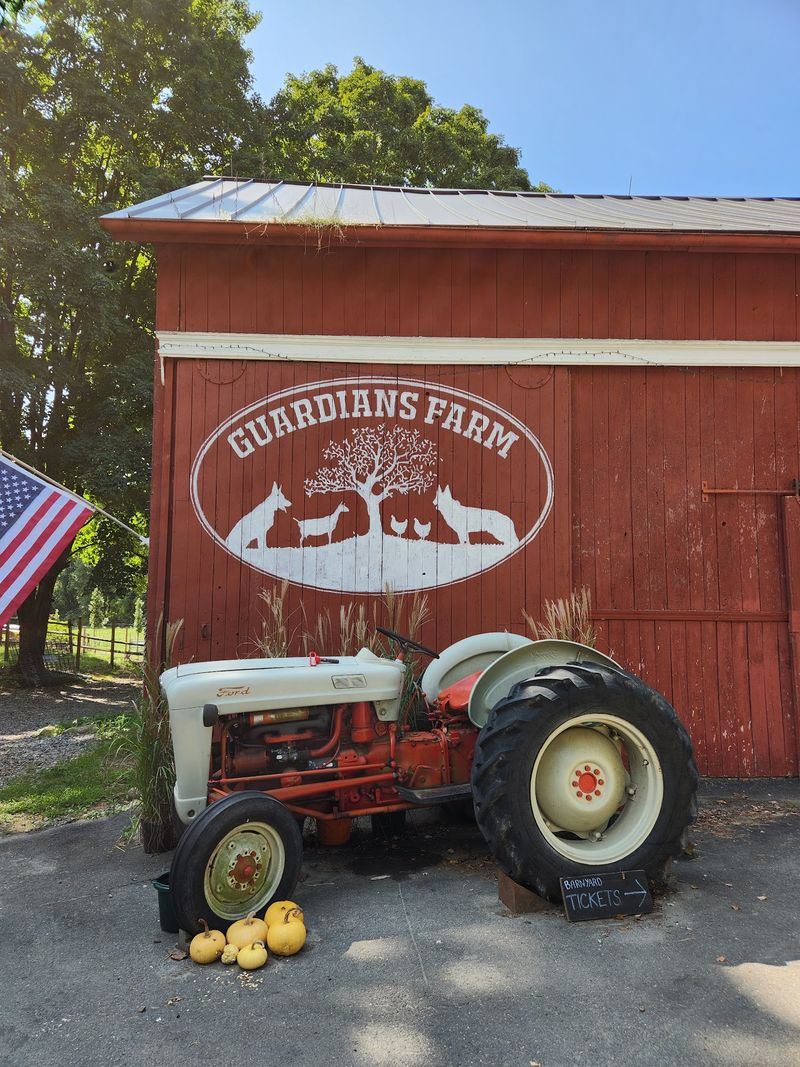
Tractors have a gravitational pull on kids. Big wheels, big engines and the sense that something important happens with them make farm machinery a natural curiosity for young visitors, even when the equipment is simply parked.
At Guardians Farm, the day-to-day equipment belongs to a real dairy operation rather than an amusement setup. Public tractor rides are not among the listed visitor activities, so it is best to check directly with the farm before promising the kids a seat.
The good news is that the main draws are clearly defined. Barnyard passes, calf cuddles and goat cuddles are the core experiences, and each one delivers plenty of excitement without wheels involved.
Since offerings can change with the seasons, calling ahead is the smart move. The farm can confirm what is running on a given weekend and whether reservations are needed for the cuddle sessions.
Kids who love machinery still get something out of the visit. Seeing a working farm up close, with its barns, gates, feed areas and daily routines, explains how food gets made in a way no picture book manages.
Set expectations before you arrive and everyone leaves happy.
7. Seasonal Events Keep Families Coming Back
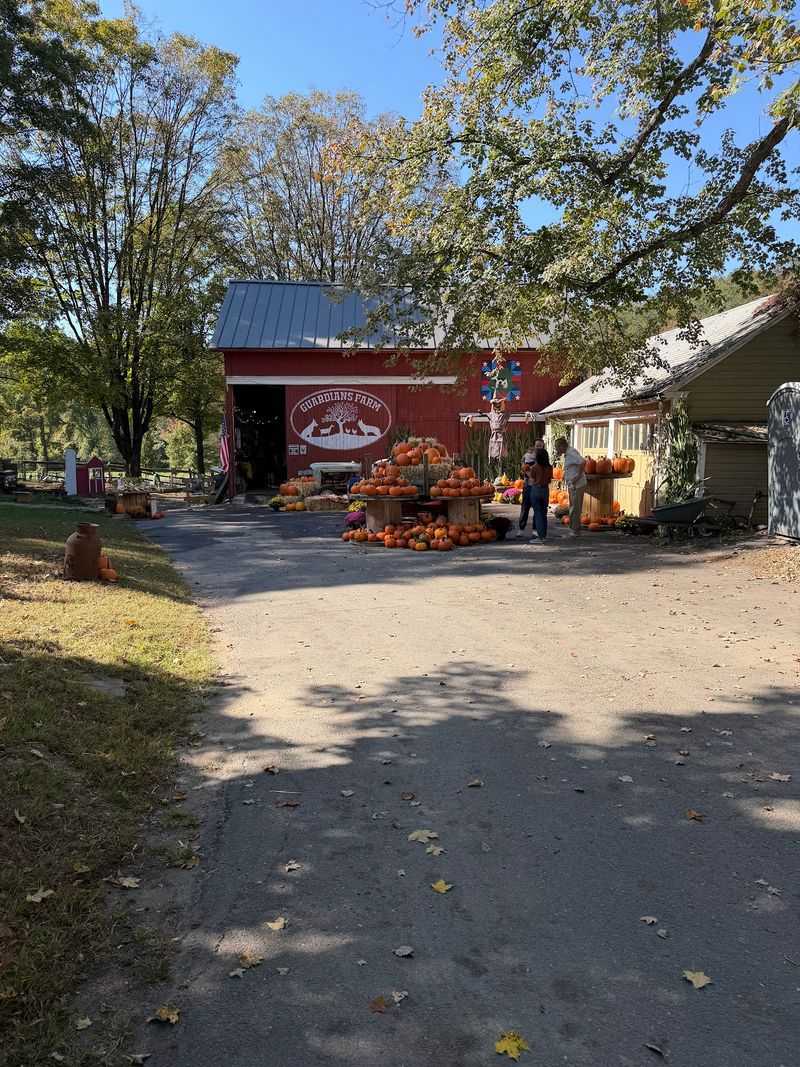
Year-round access is a rare gift among farms that welcome visitors. Guardians Farm keeps its barnyard and farmstand going through all four seasons, so a January stop is just as possible as a golden October afternoon.
The general weekend rhythm is Saturday and Sunday from 11 a.m. to 3 p.m. The farmstand also opens Tuesdays from 11 a.m. to 3 p.m. and Wednesdays from 3 p.m. to 5 p.m., which helps midweek shoppers.
Special cuddle dates pop up from time to time, including sunset calf cuddles that trade midday sun for softer evening light. Those announcements come and go, so checking before you drive is worthwhile.
The farm also travels. It takes part in local farmers markets such as the Naugatuck Farmers Market and the CT Veteran Grown Farmers Market, and it has appeared at community gatherings like the Monroe Apple Festival with its homemade products.
Repeat visits reward you. Calves grow, kids arrive in spring, and the pastures look completely different under snow than they do in late summer heat.
Families who come once in autumn frequently return the following season just to see what has changed.
8. Hands-On Learning Happens Everywhere
Education is baked into the layout here rather than bolted on. Posters throughout the barnyard explain what visitors are looking at, and staff fill in the gaps with answers to whatever a curious seven-year-old thinks to ask.
Field trips are a real strength. Elementary school groups can book hands-on visits that cover the animals and their daily care, and the farm can handle large classes with their chaperones.
One of the more creative programs is Adopt a Calf, run in partnership with local elementary schools. Students receive weekly video updates about their calf, following its growth over time from their classroom.
Watching an animal develop week by week does something no worksheet can. Children start connecting the dots between the calf on screen, the milk in the refrigerator and the farmers who make it happen.
The message extends to local food systems in general, helping families understand where their groceries begin. Many visitors come away saying they learned something unexpected during a casual weekend stop.
Even the open barnyard counts as a lesson. Standing beside a cow, hearing the shuffle of hooves and smelling fresh hay teaches kids more about agriculture than almost any classroom activity could.