Layers Of Napoleon Torte Have Come Out Of This Lithuanian Bakery In Omaha, Nebraska Since The 1960s
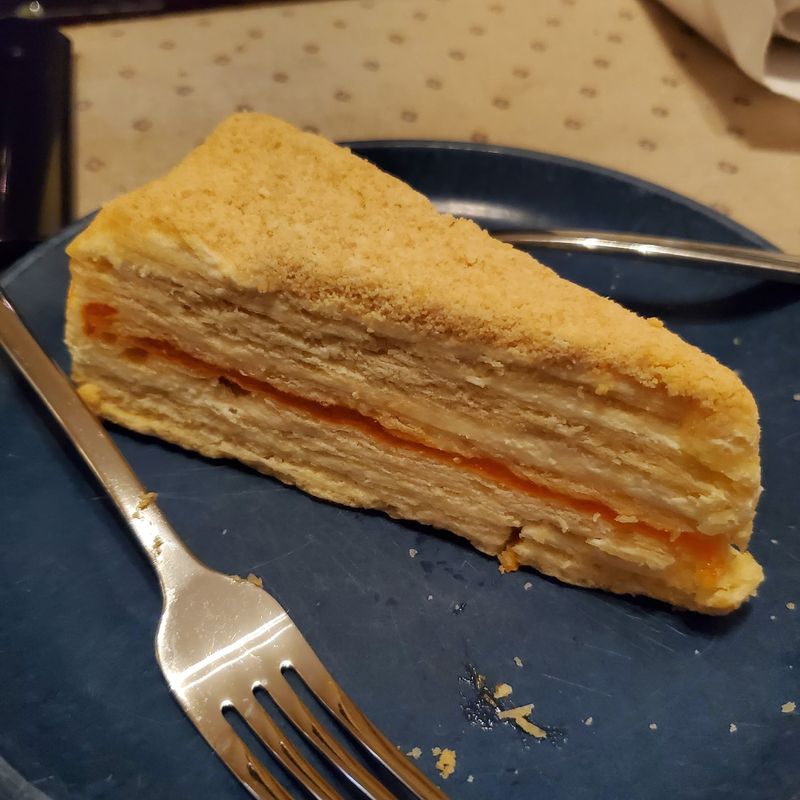
One cake. Eight fragile wafer layers.
Three full days to make. That is the kind of patience most of us can’t manage while waiting for toast.
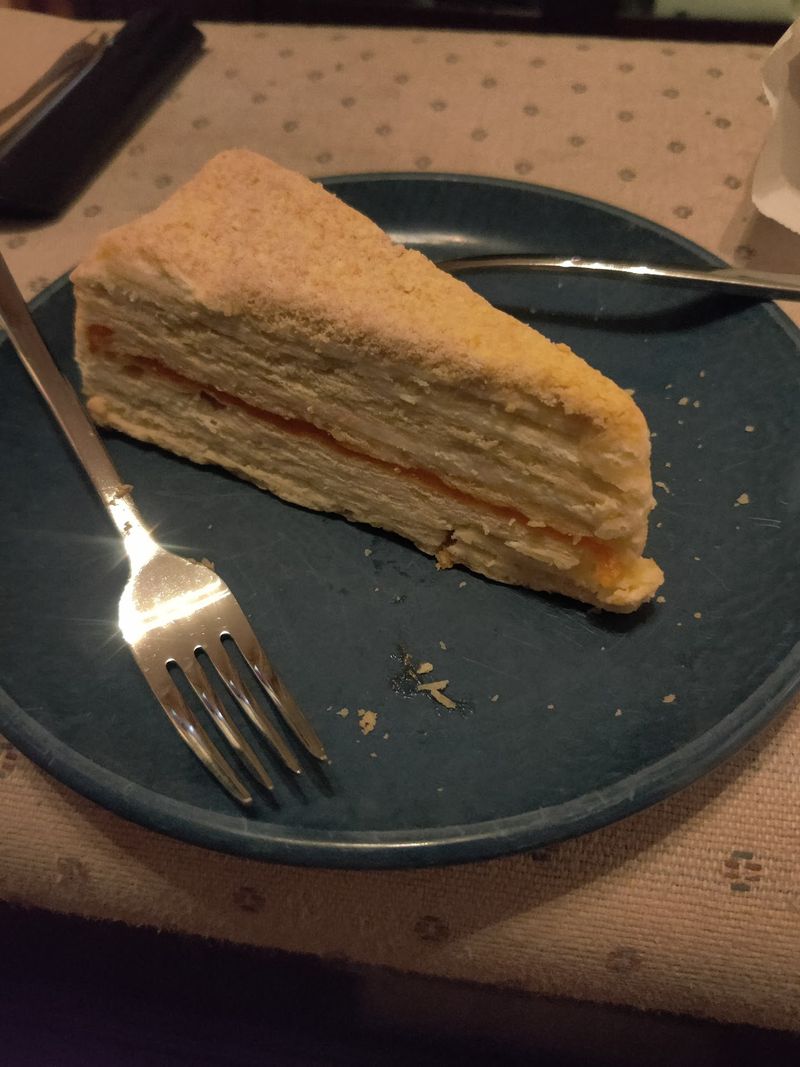
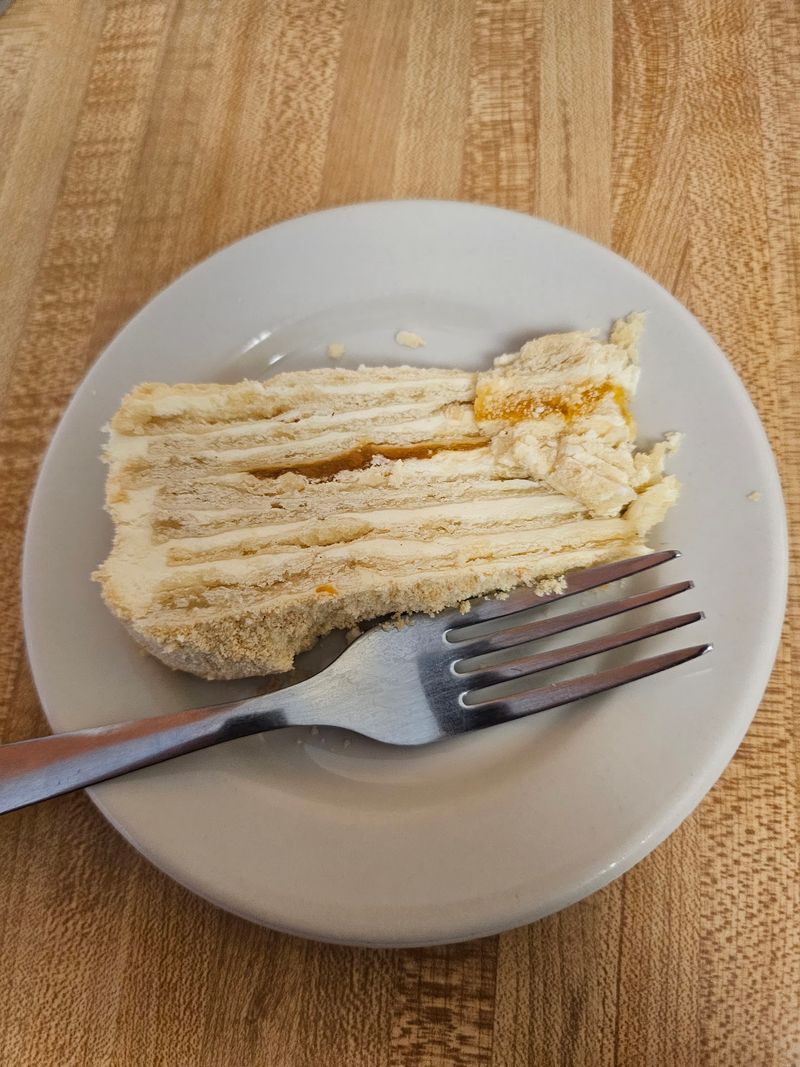
The layers get ribboned with vanilla and lemon buttercreams. A thin line of apricot jam runs through the middle.
I like how something this delicate has survived decades of busy Omaha mornings.
The family behind it came to Nebraska as refugees and started baking bread from home. Neighbors got hooked first.
Then a whole city did, and eventually people in all fifty states.
Today there’s a cozy spot where you can sit down with that torte, a bowl of soup, and a loaf of sourdough rye to carry home. I can’t imagine leaving with just one slice.
So how does a family keep a recipe this fussy alive for so long?
A Pacific Street Kafe With Old Country Roots
Lithuanian Bakery & Kafe sits at 7427 Pacific St in Omaha, Nebraska, and it’s the sit-down sibling of a much older bakery. It’s a small place with a few tables, a pastry case, and a lunch menu.
The original bakery still operates on South 33rd Avenue, where most of the baking and retail action has lived since the 1960s. The Pacific Street kafe brings that same bread and torte closer to central Omaha.
That convenience matters to longtime fans. Plenty of families find the Pacific location easier to reach than the south Omaha original, and it adds something the first shop doesn’t focus on: a place to eat.
So you get two experiences under one family name. One spot is a working bakery with deep roots.
The other lets you linger over soup, a sandwich, and dessert.
Think of the kafe as the friendly front porch of a family business. You can still grab a loaf and go.
But you can also pull up a chair, which is a pretty good deal when the dessert case holds a three-day cake.
How Neighbors Turned A Home Kitchen Into A Bakery
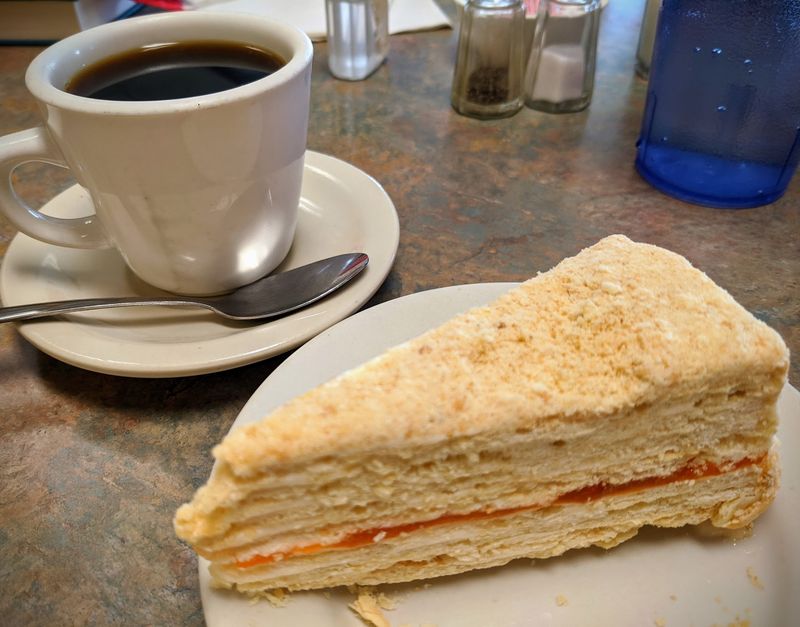
It started with bread shared over the fence. Stefanija Mackevicius began baking loaves for neighbors in 1962, and word spread faster than the dough could rise.
She and her husband, Vytautas, were Lithuanian immigrants who had arrived in Omaha as refugees. They brought their homeland’s baking traditions with them, plus a lot of determination.
By 1964, the couple opened the Lithuanian Bakery in a brick building at 5217 S 33rd Avenue. That’s the shop that still anchors the family business today.
Picture the leap there. A home kitchen operation became a storefront in just two years, all on the strength of rye bread and neighborly appetite.
The Napoleon torte didn’t show up on day one, though. It arrived in the early 1970s and quickly became the bakery’s signature.
So when the title says the 1960s, that’s the bakery’s story. The torte joined a little later and then basically took over the spotlight.
Not a bad career path for a cake built on patience and buttercream.
Three Days, Eight Layers, Zero Shortcuts
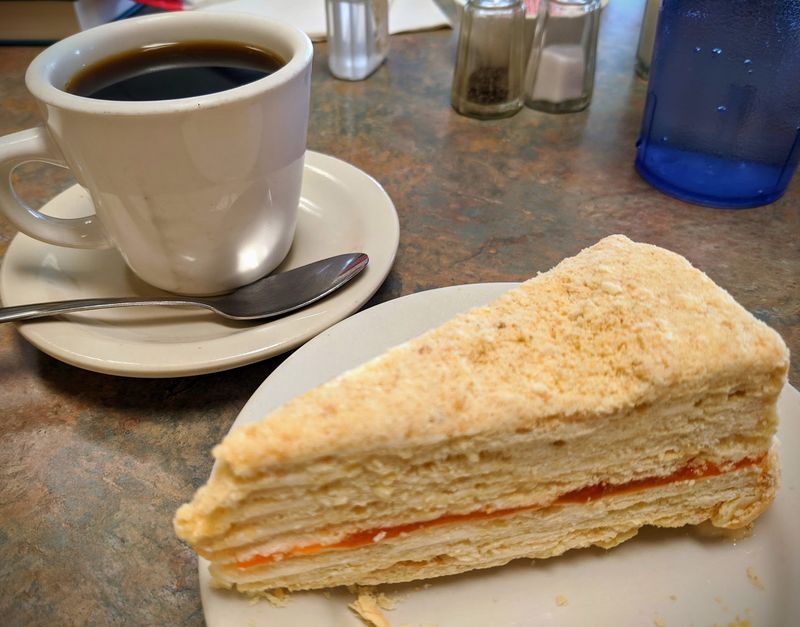
Most cakes are done by dinner. The Napoleon torte here takes three days, and the bakery sticks to an Old World method it hasn’t rushed.
The result is a Baltic cake built from eight fragile wafer layers. Each one gets ribboned with vanilla and lemon buttercreams.
Then comes the twist. A thin vein of apricot jam runs through the middle, giving all that cream a bright, fruity counterpoint.
The torte is described as creamy, buttery, flaky, and tangy all at once. It’s also lighter than you might expect from something with that many layers.
One practical note: it needs to stay cold. If you’ve got errands after your stop, plan your route so the torte heads straight home to the fridge.
Fans call it the bakery’s top seller, and it often lands on party tables as the dessert people talk about. Bringing one to a gathering is a quiet power move.
Nobody shows up with a three-day cake by accident, after all.
Chocolate Raspberry For The Rebels
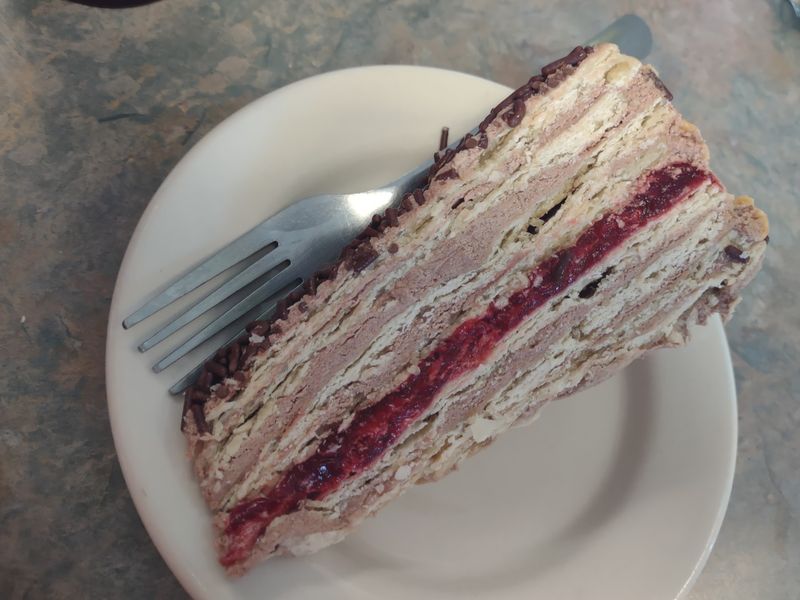
Loyalty splits are a Nebraska specialty, and this torte has its own. The original vanilla apricot version is the classic, but there’s a chocolate raspberry Napoleon torte too.
That gives families a fun little debate at holiday time. Do you stay faithful to tradition or go for the chocolate?
Either way, you’re getting the same layered approach that made the original famous. The flavors just take a different road.
Apricot fans will argue the lemon buttercream and jam are the whole point. Chocolate fans might counter that raspberry and chocolate never needed permission to be friends.
Honestly, buying both settles nothing and solves everything. It also turns dessert into a taste test, which is a perfectly respectable hobby.
The best part is how the choice keeps the torte feeling current without changing the original. The classic stays exactly as it has been for decades.
The chocolate version simply gives a new generation its own reason to pick a side, and maybe argue about it over coffee.
Sourdough Rye Gets Its Start In An Oak Barrel
Before the torte, there was bread. The bakery’s sourdough rye still holds equal billing, and its process is wonderfully old school.
An oak barrel helps create the sour sponge that starts each batch. That method traces straight back to European baking traditions.
The signature sourdough rye comes in traditional and square shapes. It’s often made with ground caraway and a hint of onion.
Other varieties include country rye, pumpernickel, and cranberry-walnut sourdough. That’s a solid lineup for anyone who takes sandwiches seriously.
Some fans swear by this rye for patty melts, and that pairing makes a lot of sense. A dense, tangy slice can stand up to a griddle and plenty of melted cheese.
Here’s a bonus tip. If you can catch the bread hot and fresh, you’ve won the day.
Families have been picking up these loaves for more than three decades, and the habit tends to get passed down along with grandma’s sandwich preferences.
Bacon Buns, Kolaches, And A Crowded Pastry Case
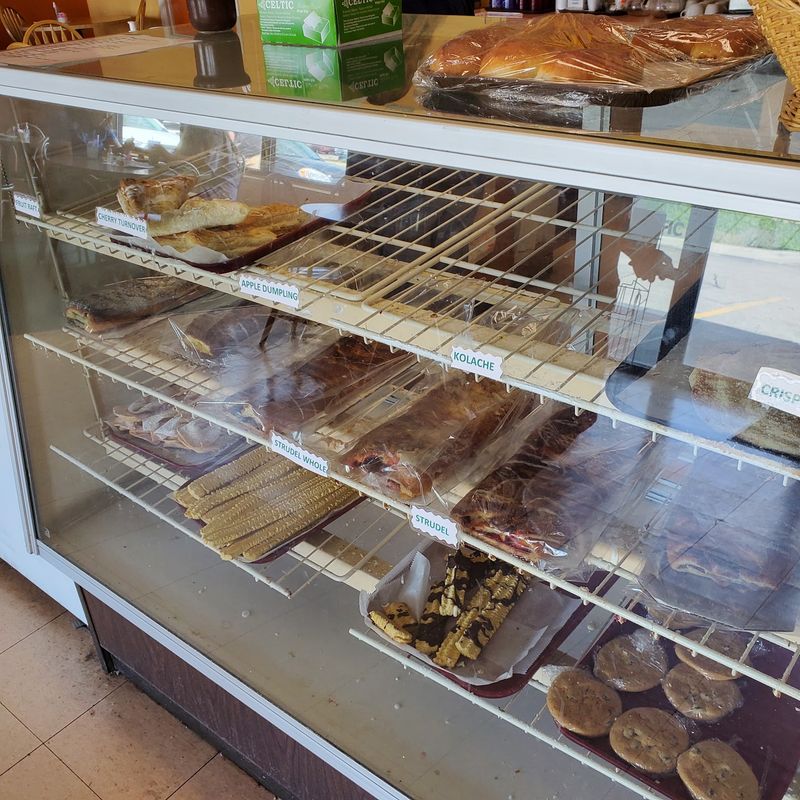
Lašinėčiai. Say it a few times and you’ll want one.
These Lithuanian bacon buns wrap soft roll dough around bacon bits and soft-cooked onion.
They’re the savory sidekick to all those sweets. And the sweets are a long list.
Poppy seed kolaches show up here, which is great news in a state that takes kolaches personally. There’s also a hazelnut torte, strudels, and crisps.
Cherry turnovers and apple dumplings bring flaky pastry with plenty of filling. Fruit rafts and a blueberry coffee cake round out the sweet side.
You’ll also find cottage cheesecakes and tarts. Poppyseed lovers in particular have a lot to celebrate.
One tip: selection can vary by the time of day. Earlier in the day is a smart bet if you have your heart set on something specific.
A pastry case like this rewards early birds, and nobody wants to miss the last cherry turnover by five minutes.
Lunch Here Leans Hearty And Homemade
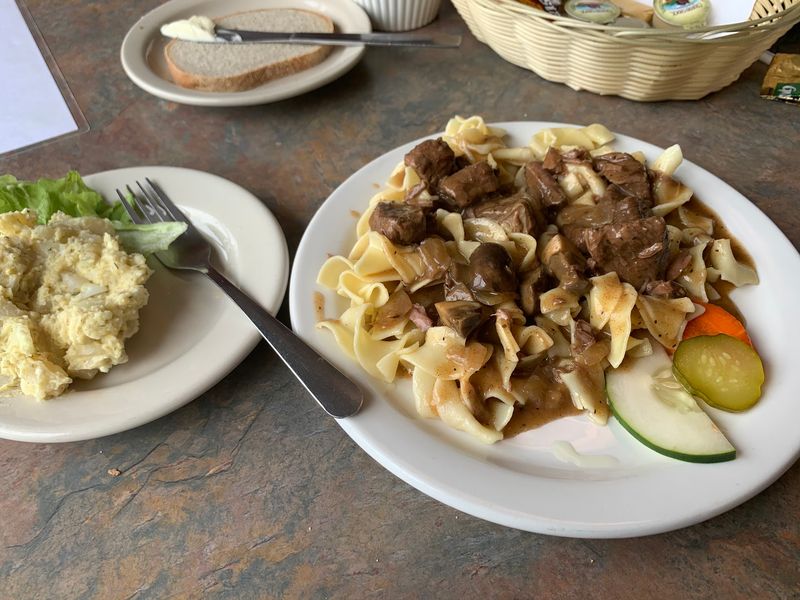
Soup first, torte second. That’s a lunch plan worth adopting at the Pacific Street kafe, where the menu runs on homemade comfort food.
Expect sandwiches, soups, sausages, and daily specials that change things up. Cabbage stew, chicken and wild rice soup, and German goulash have all appeared.
Sausages come with sauerkraut or red cabbage. That’s the kind of plate that feels made for a chilly Nebraska afternoon.
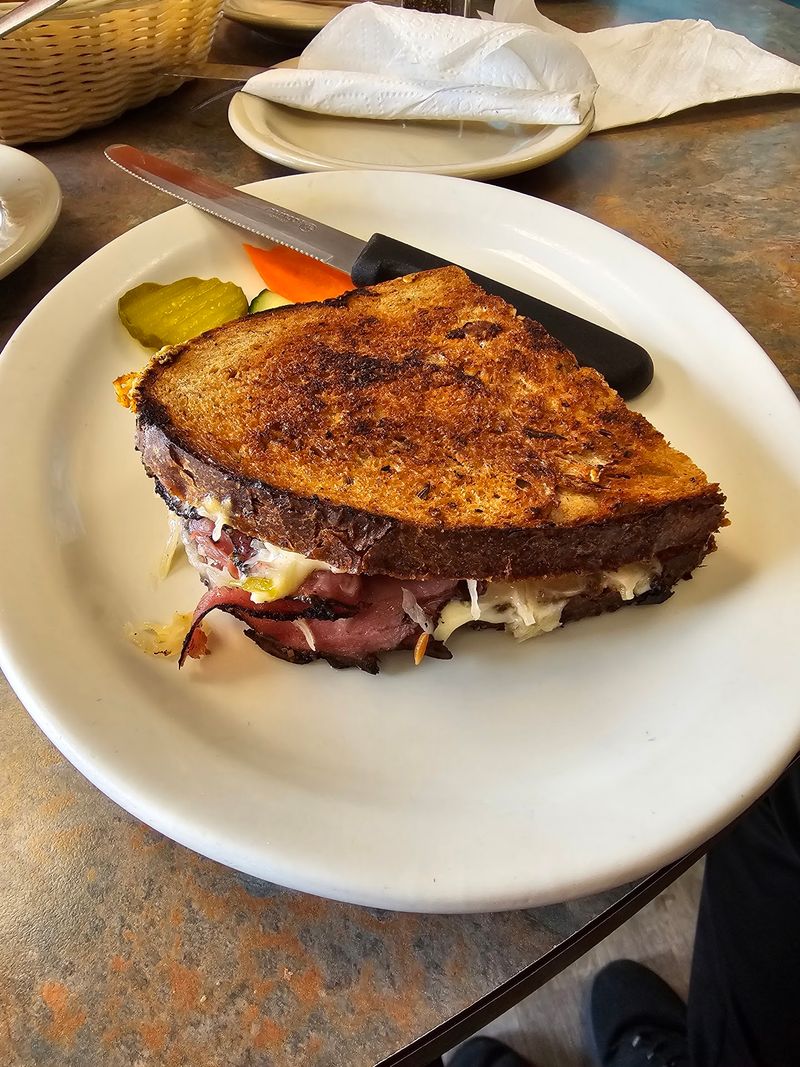
The sandwich board has its quirks too. You can order a Reuben, a Braunschweiger, a veggie sandwich, or even a double PB&J.
Fitting, right? The Reuben is a Nebraska invention, and here it rides on bread with real European credentials.
Prices for lunch are considered friendly compared with many sandwich shops. The menu isn’t huge, but it doesn’t need to be.
It does a handful of hearty things with care, then hands you a dessert case for the finale.
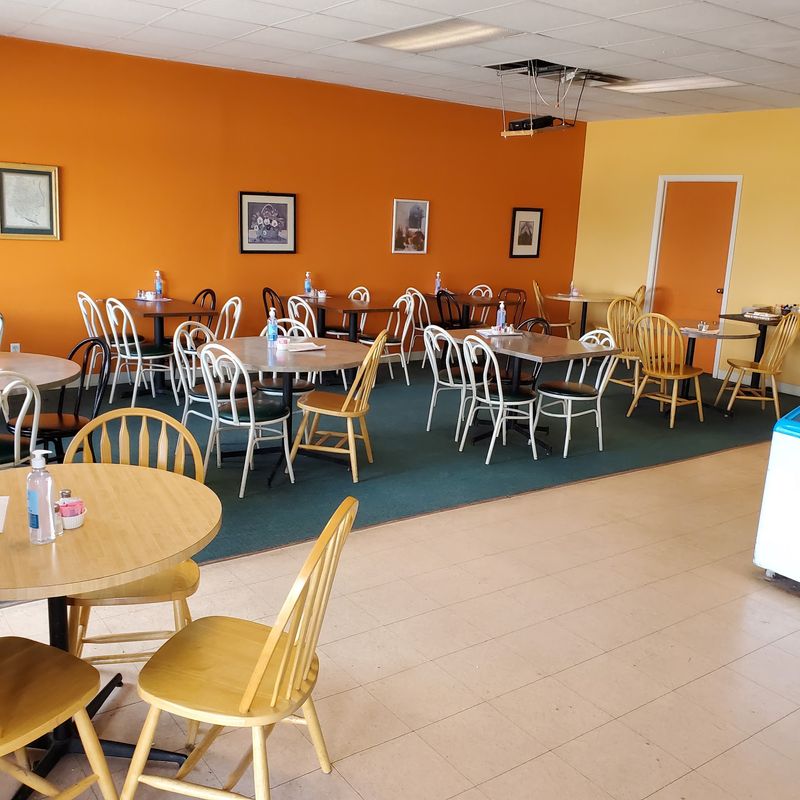
Small Room, Simple Decor, Steady Lunch Traffic
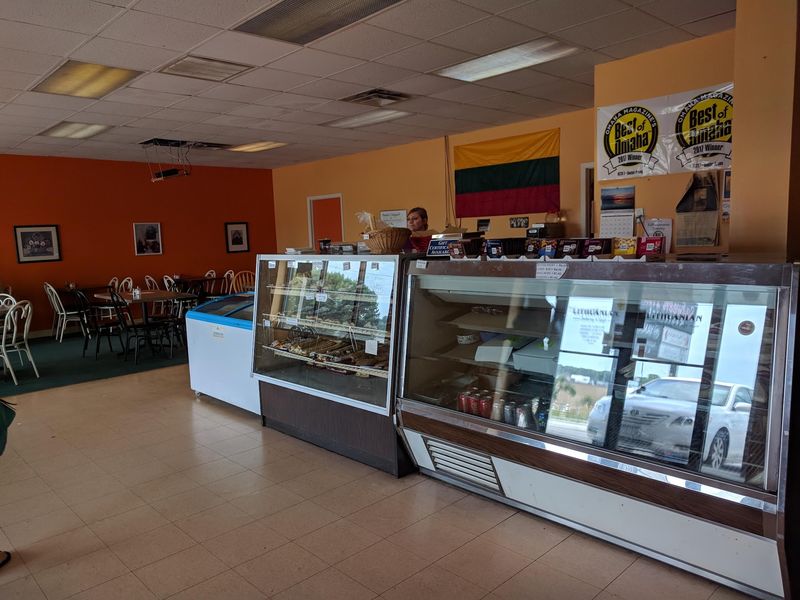
No velvet booths. No fancy chandeliers.
The kafe keeps things sunny and spartan, which leaves the food to do the talking.
It’s not a large space. A small area with tables and chairs serves lunch guests and anyone who can’t wait to unwrap a pastry.
That size means weekday lunch can feel busy. A steady stream of people tends to come through around midday.
The feel is casual and quiet, more family lunch spot than special-occasion dining room. Many folks say it reminds them of a grandparent’s kitchen or the Lithuanian cafes of their childhood.
There’s ample parking, which is always welcome on Pacific Street. You won’t need to circle the block with a cold torte riding shotgun.
It suits retirees on a lunch date, families grabbing bread, and anyone who appreciates no-frills comfort. If you want a long, lingering brunch scene, this isn’t that.
If you want soup, rye, and something layered, you’re in exactly the right place.
A Shelf Of European Groceries Near The Register
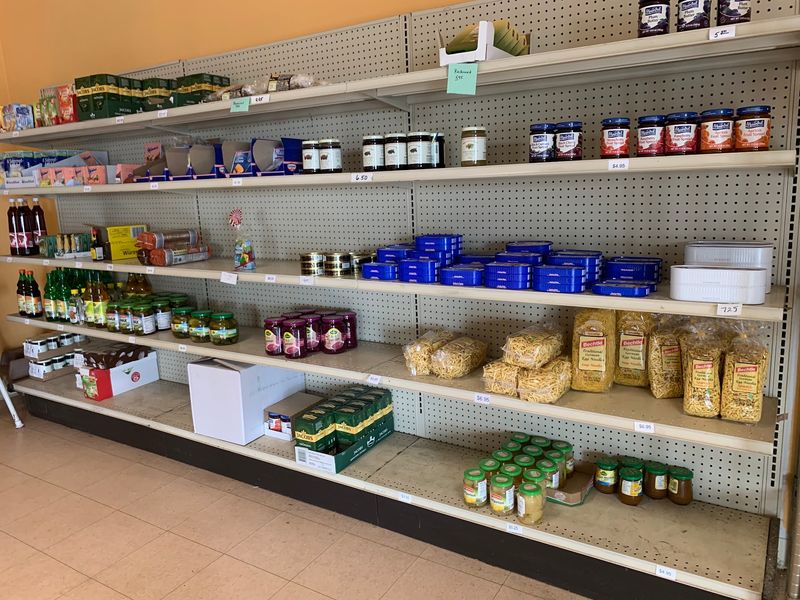
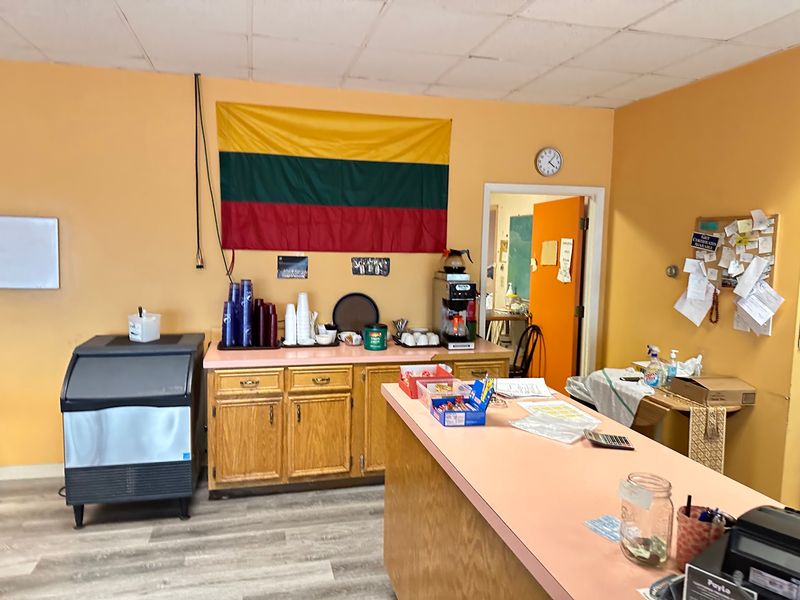
Shopping trip, meet lunch break. Lithuanian Bakery & Kafe also sells retail European food products alongside its bakery goods.
That makes the stop more than a meal. You can leave with a loaf, a torte, and a few imported pantry items in one go.
For Nebraskans with Baltic or Central European roots, that shelf can feel like a small taste of home. For everyone else, it’s a fun little browse.
Pair that with a pastry and coffee, and your errand starts to look suspiciously like a treat. Nobody needs to know.
The retail side fits the family’s whole approach. It’s about keeping Old Country flavors within reach, not just serving them on a plate.
Omaha has plenty of places to buy bread. Far fewer let you pick up European groceries, a sausage lunch, and a three-day cake under the same roof.
That combination is a big part of why this stop feels distinctly its own.
The Torte That Sold Out On National TV
Twelve hundred tortes in three minutes. That happened in the mid-1990s, when the bakery appeared on QVC during a holiday show.
Suddenly an Omaha family recipe had fans far beyond Nebraska. And the bakery was ready to keep up.
Freezing and shipping the tortes became the key to growing beyond local storefronts. Today, they’re sold through wholesale, mail order, and online shopping.
The bakery has also partnered with Goldbelly. That means someone in Alaska or Hawaii can get the same layers Omaha folks pick up locally.
There’s something fun about that. A cake born from refugee grit and neighborhood bread sharing now travels the whole country in a freezer box.
Still, buying one in person has its perks. You can grab a slice to eat right away and skip the shipping wait.
Plus, you get to say you picked it up at the source, which carries real bragging rights at family gatherings.
Brothers Keeping The Family Recipe Book Open
Algird, Alfonsas, and Vytas Mackevicius now carry the family business forward. They’re the sons of the founders, and each brother plays a role.
The work spans expert bread baking, torte production, and customer service. Keeping an Old World method intact takes that kind of teamwork.
It’s a big responsibility, too. Recipes like these don’t survive on autopilot for six decades.
The family-owned feel comes through at the kafe. Friendly staff are known to help first-timers figure out what to order, which is handy when names like Napoleonas torte enter the chat.
Back in Lithuania, these recipes belonged to a homeland the founders had to leave. In Omaha, Nebraska, they became a livelihood and then a legacy.
That arc is part of what makes a slice feel meaningful. Every layer carries a little of the family’s story.
Knowing the brothers still steer things makes the whole operation feel personal, not corporate, in the best possible way.
Plan A Weekday Stop And Pack A Cooler
Timing is everything with a cold cake. The kafe on Pacific Street opens in the morning Monday through Saturday and stays closed on Sundays.
Saturdays close earlier than weekdays, so weekend shoppers shouldn’t dawdle. Weekday lunch is the sweet spot for soup and sandwiches.
Driving in from outside Omaha? Bring a cooler, because the torte needs to stay cold for the ride.
Prices run on the reasonable side, especially for lunch. A soup, a sandwich, and a pastry make an easy, affordable outing.
Want the full family history? Swing by the original bakery on South 33rd Avenue too, where a mural celebrates Lithuanian culture and history.
My take: this is one of those Nebraska food institutions worth knowing by heart. Grab a loaf of rye, order the torte, and maybe try a poppy seed kolache for good measure.
Three days of work went into that cake, so the least you can do is give it a proper fork.