Leave The Notifications Behind On These 10 Scenic Florida Walks
Florida does not get nearly enough credit for what happens when you get away from the coastline and the tourist corridors and actually step into the landscape.
The real version of this state is ancient cypress forests standing in black water, crystal springs so clear you can see twenty feet down without trying, and prairies so wide that the sky takes over everything.
These are trails where the only sounds are birds you cannot identify and water moving somewhere just out of sight, and not one of them requires a reservation or a tolerance for crowds.
It requires comfortable shoes, a charged phone you will quickly forget to check, and enough free time to let a walk turn into something that feels less like exercise and more like a genuine reset.
Florida’s natural spaces do not announce themselves the way the rest of the state does, and that restraint is exactly their best quality. These ten walks prove it without any argument.
1. Audubon Corkscrew Swamp Sanctuary
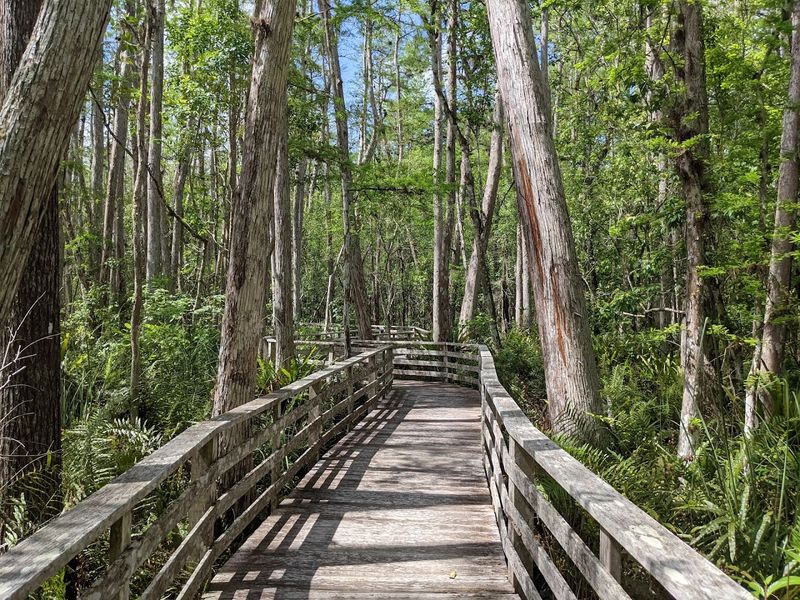
Some places stop you in your tracks the second you step inside. Corkscrew Swamp Sanctuary does exactly that.
The boardwalk stretches 2.5 miles through one of the oldest old-growth bald cypress forests in North America, and the trees here have been standing for over 500 years.
You will feel small in the best possible way. The canopy above is so thick it feels like nature built its own cathedral.
Alligators float motionless in the dark water below, and wood storks nest overhead like they own the place. Spoiler alert: they do.
Birders absolutely lose their minds here, and honestly, rightfully so. Over 200 bird species have been recorded at this sanctuary.
The boardwalk is flat, well-maintained, and easy for most fitness levels. Located at 375 Sanctuary Rd W in Naples, this spot rewards slow walkers who actually stop and look around.
Bring binoculars and your quietest shoes.
2. Blue Spring State Park
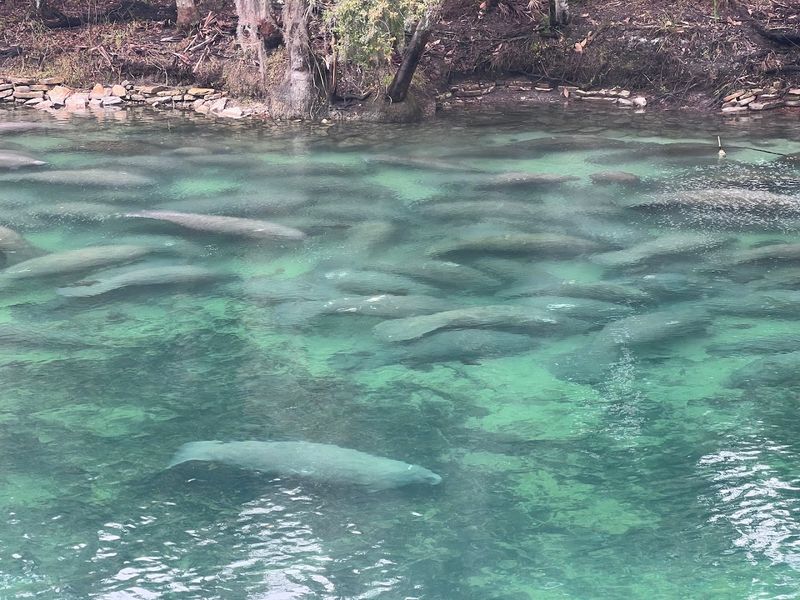
Picture hundreds of manatees floating in crystal-clear 68-degree water while you walk the trail above them. That is not a dream.
That is Blue Spring State Park in winter, and it is one of the most jaw-dropping natural sights in the entire state.
The main spring run trail follows the water from the St. Johns River back to the boil, where the spring bubbles up from the earth. The water is so clear you can see every manatee whisker from the boardwalk.
Between November and March, the manatees gather here in numbers that will genuinely make you gasp.
Outside of manatee season, the park still delivers.
The surrounding forest trail winds through longleaf pine and scrub oak, and the birding is excellent year-round.
The loop trails are manageable for most walkers and offer real shade, which Florida hikers know is worth its weight in gold.
The park sits at 2100 W French Ave in Orange City. Arrive early on winter weekends because the parking lot fills up faster than you would expect.
3. Ichetucknee Springs State Park
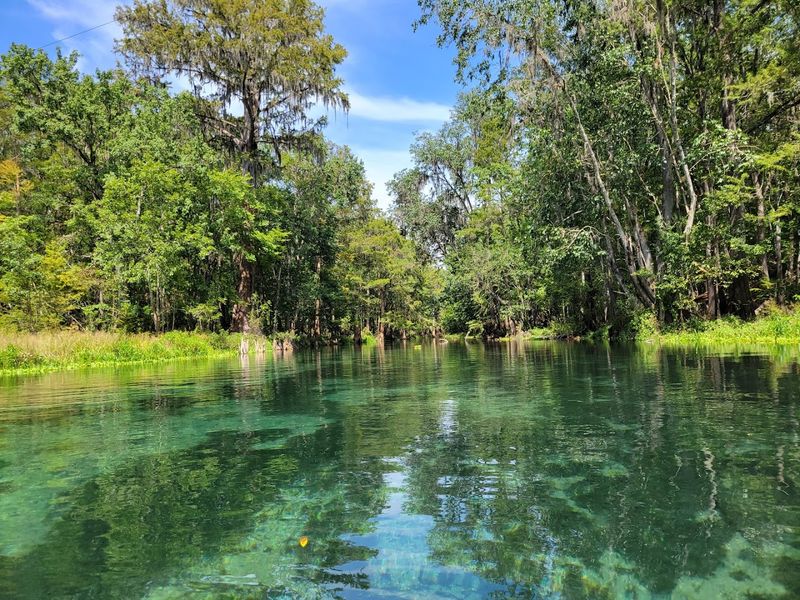
The name is a mouthful, but the experience is unforgettable.
Ichetucknee Springs feeds one of the clearest rivers in the country, and the trail system running alongside it feels like walking through a nature documentary set.
The Trestle Point Trail and the North Trailhead Loop offer some of the most scenic walking in north Florida.
The springs feed a 6-mile river, and the trailside views of that turquoise water against the green forest are genuinely surreal. Sandhill cranes, otters, and white-tailed deer show up regularly along the path.
What makes this park special is how quiet it stays even when visitors are present. The forest absorbs sound in a way that city parks simply cannot replicate.
There is a mindfulness to walking here that sneaks up on you. Found at 12087 SW US-27 in Fort White, the park is roughly an hour from Gainesville.
Go on a weekday if you can swing it. The trails feel entirely different when you have them mostly to yourself, and the wildlife seems to agree.
4. Paynes Prairie Preserve State Park
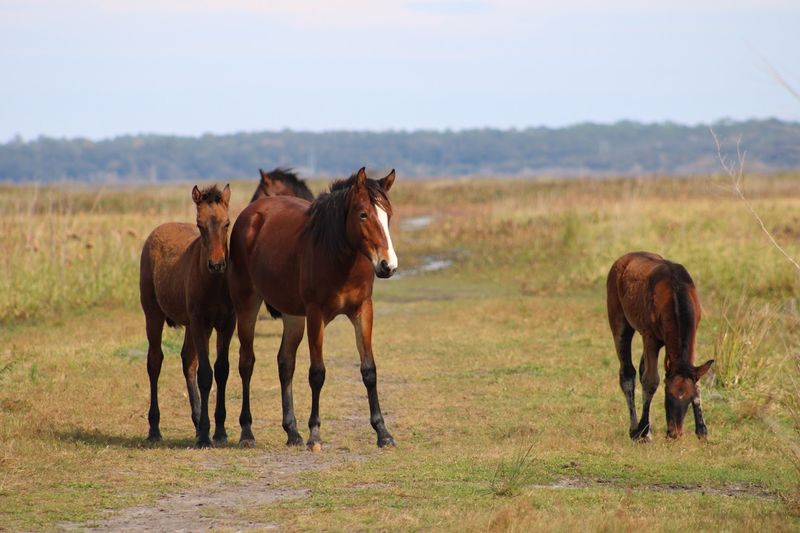
Wild horses roaming free in Florida sounds like fiction, but Paynes Prairie proves otherwise.
This 21,000-acre preserve outside Micanopy is one of the most ecologically diverse places in the state, and the trails crossing it feel like stepping into a completely different world.
The Cone’s Dike Trail stretches out across the open basin and gives you unobstructed views of the prairie that stretch for miles.
Bison were reintroduced here decades ago and still roam the basin alongside the feral horses. The observation tower near the trailhead offers a panoramic view that genuinely earns the climb.
Sandhill cranes, Florida scrub jays, and hundreds of migratory bird species pass through here depending on the season.
The trail system covers over 30 miles in total, so there is always a new angle on this landscape to explore. The preserve entrance is at 100 Savannah Blvd in Micanopy, just south of Gainesville.
Wear waterproof shoes because the prairie trail can get soggy, and always scan the path ahead since the wildlife here moves at its own schedule and waits for nobody.
5. Myakka River State Park
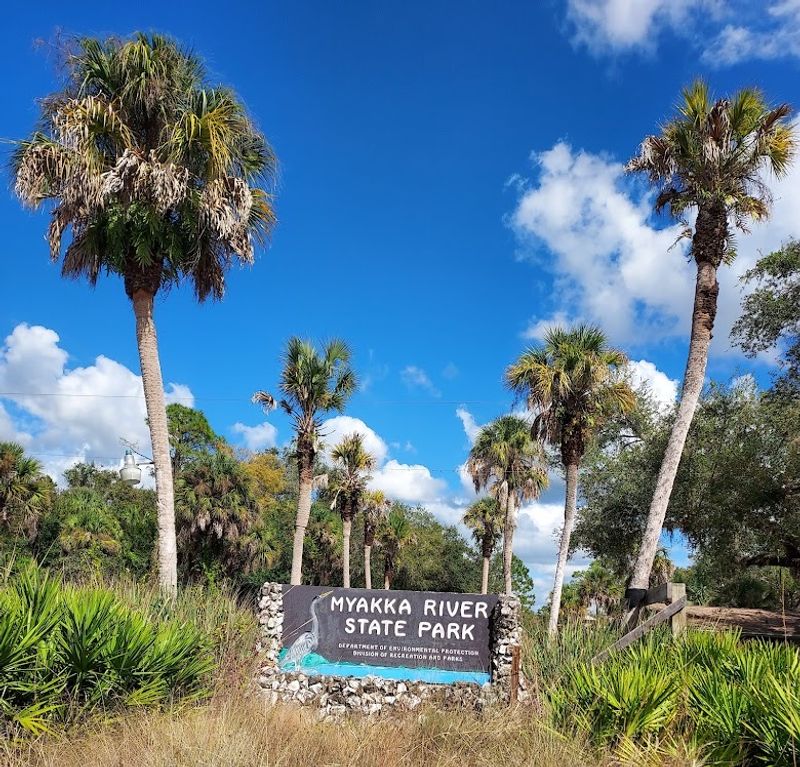
Myakka River State Park is one of Florida’s oldest and largest state parks, and it wears that title with confidence.
The 58 square miles of wetlands, prairies, and hammock forest make every trail here feel like a proper expedition rather than a casual stroll.
The North Loop and Deep Hole trails are particularly rewarding. Deep Hole is legendary among wildlife watchers for the enormous concentration of alligators that gather there during dry season.
Seeing dozens of gators packed together in a single pool is the kind of thing you describe to people for years.
The Upper Myakka Lake boardwalk offers a completely different experience, with peaceful water views and wading birds working the shallows at golden hour.
The canopy roads through the hammock oak forest are equally stunning and feel genuinely ancient.
The park is located at 13208 State Road 72 in Sarasota, making it an easy day trip from the coast. Pack a lunch, wear sunscreen, and give yourself at least half a day here.
Rushing through Myakka is something you will regret immediately.
6. Wekiwa Springs State Park
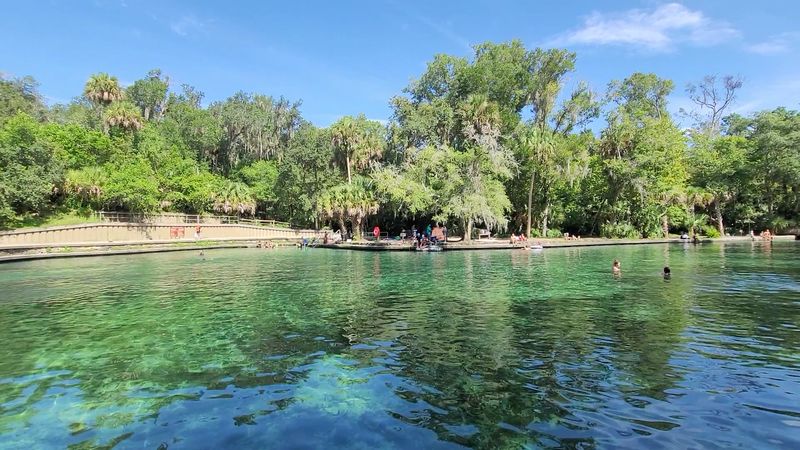
Sitting just outside the sprawl of Orlando, Wekiwa Springs State Park is the kind of place that makes you forget the theme parks exist entirely.
The spring itself is stunning, but the trail network surrounding it is what keeps people coming back season after season.
The Sand Lake Trail and the Rock Springs Run Trail offer miles of shaded walking through longleaf pine and sand scrub habitat.
The Rock Springs Run trail follows the river closely enough that you can hear the water moving the entire time, which is its own kind of meditation. River otters and limpkins are regular sightings along this stretch.
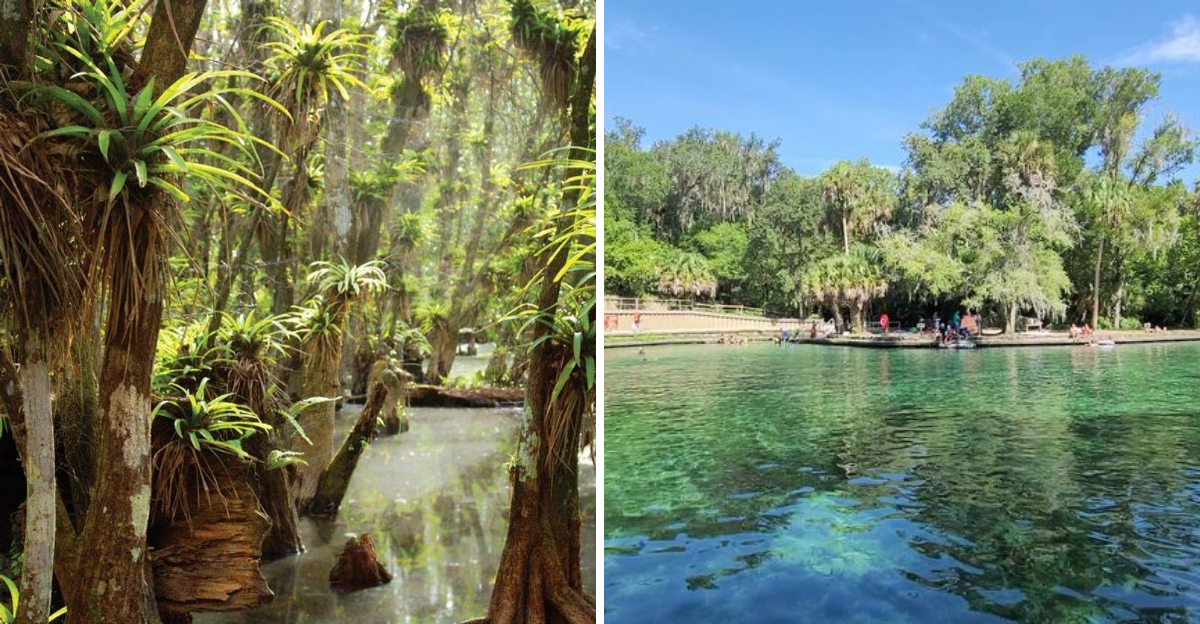
The spring at the center of the park pumps out 42 million gallons of fresh water daily at a constant 68 degrees. That number sounds made up until you feel the water yourself.
The park entrance is at 1800 Wekiwa Cir in Apopka, about 20 minutes north of downtown Orlando. Weekday mornings are the sweet spot for trail solitude.
The park fills up on summer weekends, but the trails always offer more breathing room than the spring itself.
7. Big Cypress National Preserve Oasis Visitor Center
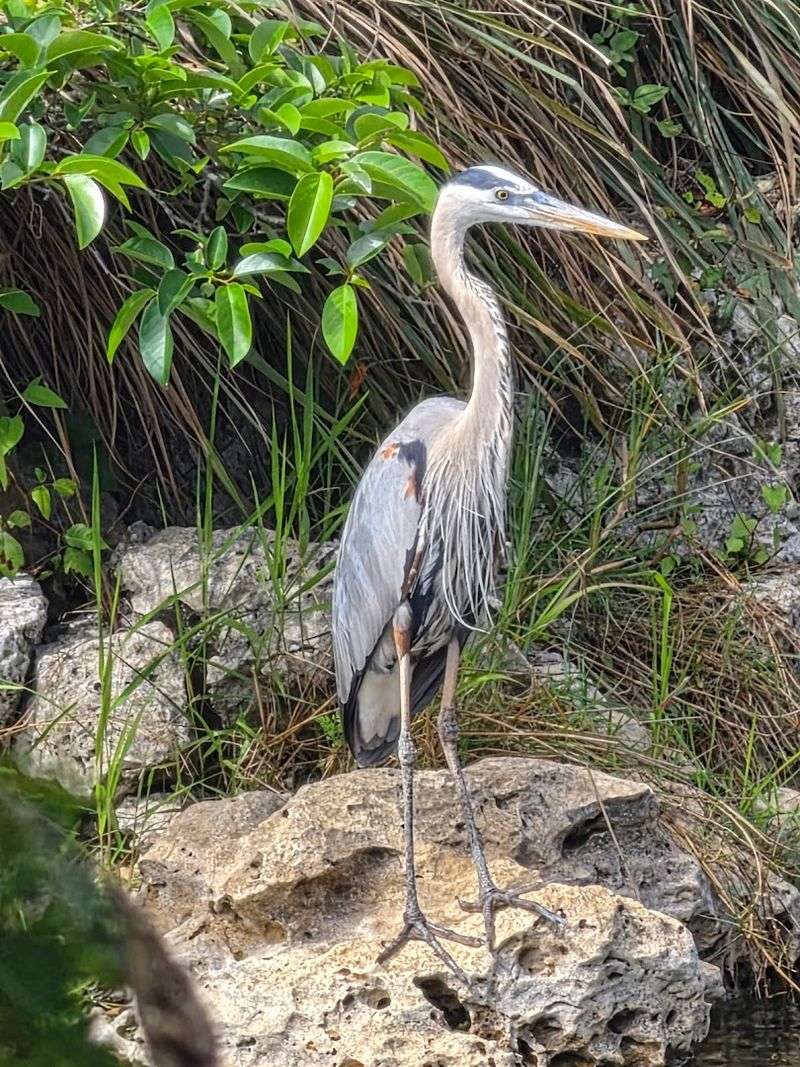
Big Cypress does not ease you in gently. The moment you step onto a trail here, the scale of the landscape makes your brain recalibrate.
This is 729,000 acres of subtropical wilderness, and the Oasis Visitor Center is your best launching point for exploring it.
The Loop Road Scenic Drive trail and the Florida National Scenic Trail both pass through this preserve, offering very different walking experiences.
The Florida Trail section here crosses through open prairies, cypress strands, and pine flatwoods that change character with every mile.
Wildlife sightings include Florida panthers, black bears, and the occasional ghost orchid if you know where to look.
The Oasis Visitor Center itself sits right on the Tamiami Trail at 52105 Tamiami Trail E in Ochopee, and the alligator-watching from the parking lot alone is worth the stop. Seriously.
The canal running alongside the road is packed with gators year-round. The trails beyond the visitor center require more preparation than most, so bring water, bug spray, and a downloaded offline map.
Cell service out here is a polite suggestion at best.
8. Jonathan Dickinson State Park
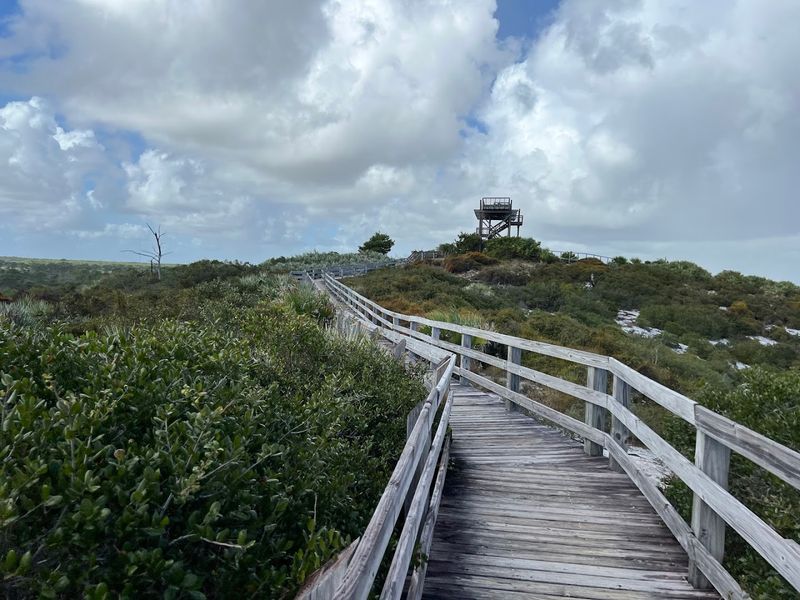
Jonathan Dickinson is one of south Florida’s most underrated parks, and that is genuinely baffling given how good it is.
The park protects the Loxahatchee River, Florida’s first federally designated Wild and Scenic River, and the trails running alongside it are as peaceful as the name suggests.
The Kitching Creek Trail is a personal favorite for its mix of terrain and the soundtrack of moving water that accompanies most of the walk.
The park also has scrub and flatwoods trails that feel completely removed from the coastal Florida vibe most visitors expect. Scrub jays, ospreys, and river otters make regular appearances.
The park covers over 11,500 acres and offers more than 20 miles of trails for hikers of varying experience levels. Whether you want a 2-mile loop or a full-day backcountry walk, there is something here that fits.
The main entrance is at 16450 SE Federal Hwy in Hobe Sound, about an hour north of Miami.
If you time your visit for a weekday morning, the Kitching Creek Trail can feel entirely private. That kind of quiet in south Florida is rarer than you think.
9. Manatee Springs State Park
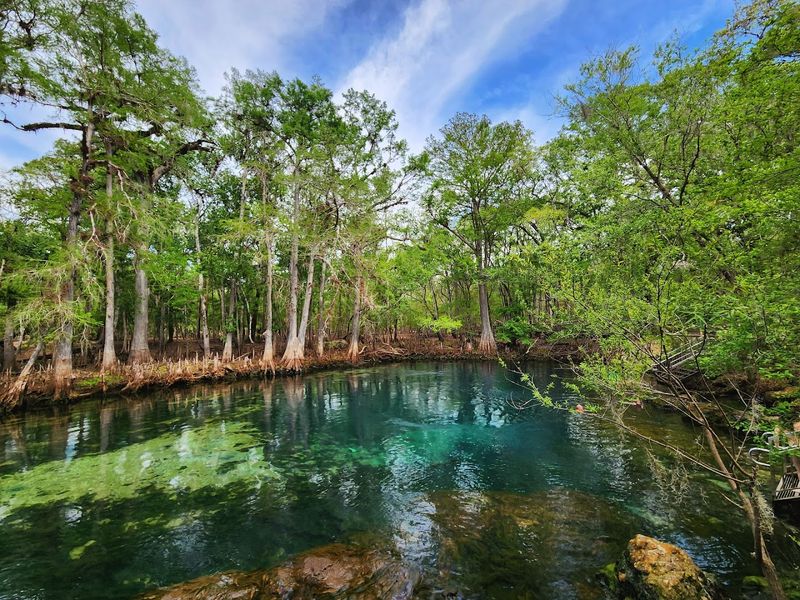
Manatee Springs earns its name every winter when the gentle giants move up the spring run to warm up in the 72-degree water.
Watching a manatee surface three feet below a boardwalk is an experience that resets your sense of wonder almost instantly.
The boardwalk trail follows the spring run all the way to the Suwannee River, and that walk alone is worth the drive.
The surrounding upland trails wind through a mixed hardwood and pine forest that feels completely removed from the more tropical parks in south Florida.
Barred owls, white-tailed deer, and wild turkeys are regular trail companions up here.
The spring itself pumps out roughly 117 million gallons of fresh water daily, which makes it one of the most powerful springs in Florida. That flow keeps the water remarkably clear even after heavy rains.
The park address is 11650 NW 115th St in Chiefland, about two hours north of Tampa. The trailhead parking is straightforward, and the boardwalk is accessible for most visitors.
Go in late November or December for the best chance of spotting manatees in the spring run from the platform above.
10. Fakahatchee Strand Preserve State Park
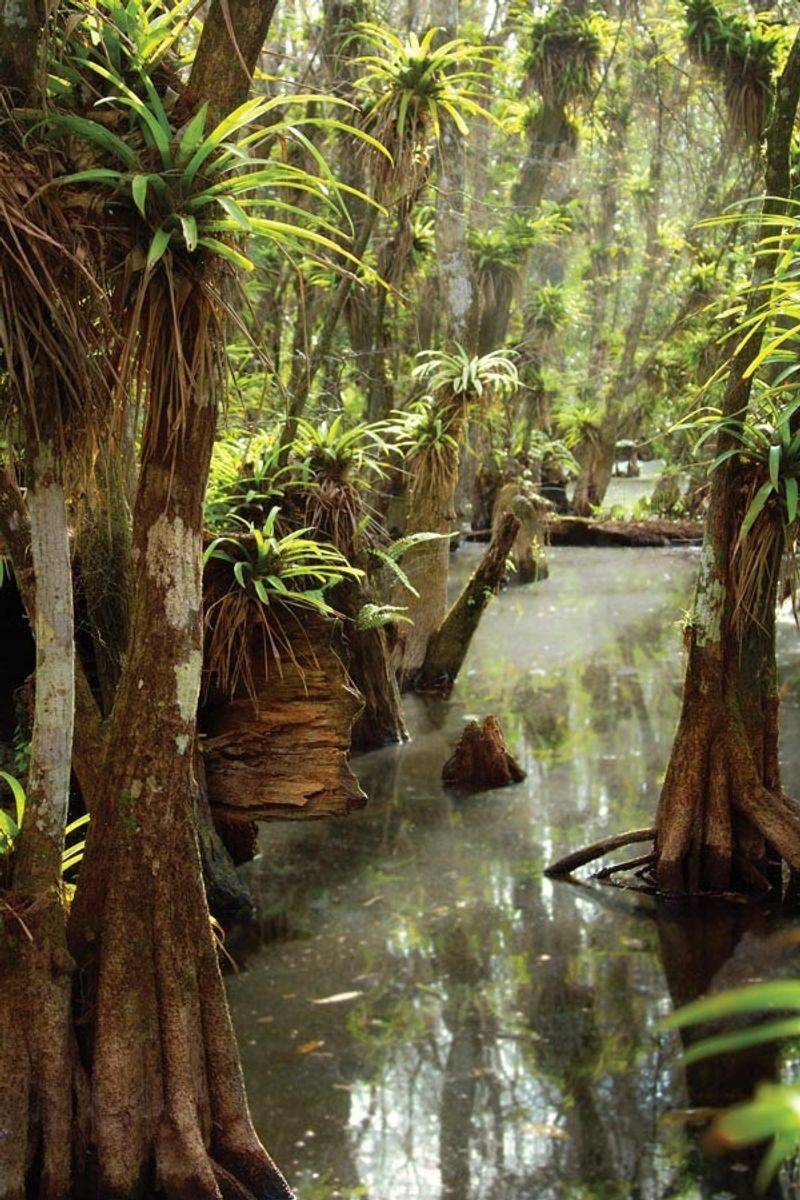
Fakahatchee is the kind of place that makes you feel like you have discovered something the rest of the world forgot to mention.
This narrow, 20-mile-long swamp forest is the largest strand swamp in North America, and it holds the largest concentration of native orchids in the country.
The Big Cypress Bend Boardwalk is the most accessible entry point, offering a 2,500-foot elevated walk through cathedral-like cypress trees draped in bromeliads and ferns.
The ghost orchid, made famous by the book and film The Orchid Thief, blooms here in summer and draws dedicated plant enthusiasts from across the country. Spotting one feels like finding a secret.
The preserve also offers guided swamp walks led by rangers who take you off the boardwalk and into the actual swamp. Yes, you walk through the water.
Yes, it is absolutely worth it.
The preserve office is at 137 Coast Line Dr in Copeland. The guided swamp walks book up quickly, so register in advance if that experience appeals to you.
Even without the guided walk, the boardwalk alone delivers more atmosphere per step than almost anywhere else in Florida.