Lewis And Clark Camped Along This Bluff That Nebraska Now Protects As A Quiet State Park
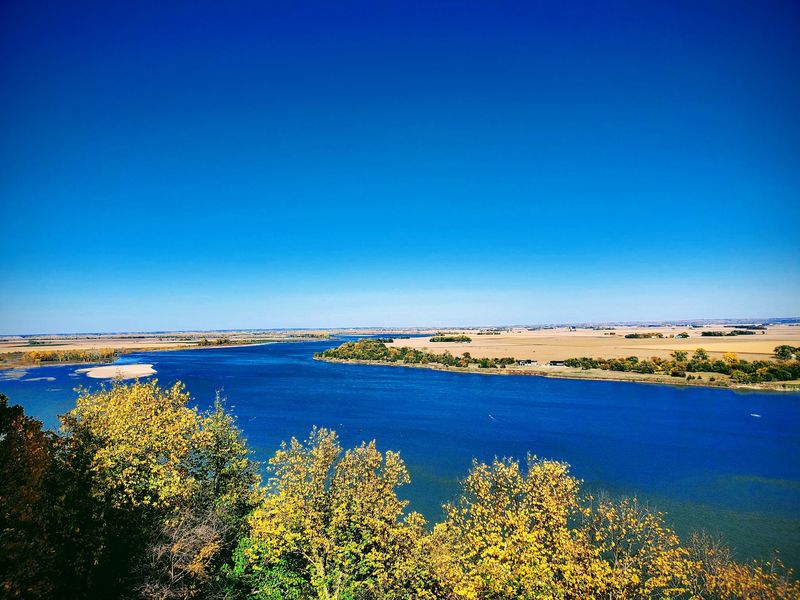
Two famous explorers floated past these Missouri River bluffs in the summer of 1804 and took notes on wild plum and gooseberry thickets. Apparently, the fruit was worth writing about.
Today that same stretch of riverbank sits inside a Nebraska state park with roughly 2,400 forested acres. Young workers from the Civilian Conservation Corps started shaping it back in 1934.
I like how the place still feels more like deep woods than a busy resort. Steep ravines, bur oak ridges, and 22 miles of trails do most of the talking here.
There’s even a lookout where you can spot three states without taking another step. So what did the Corps of Discovery see on these bluffs, and why does the spot feel so peaceful now?
I can’t imagine a better way to spend a slow Saturday than finding out.
A Forested Hideaway Just North Of A Small River Town
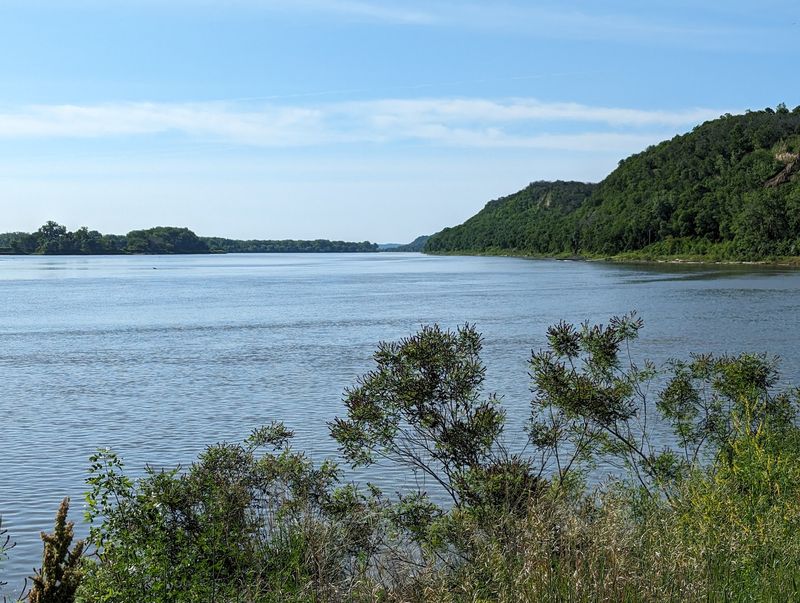
Ponca State Park sits four miles north of the town of Ponca, up in Dixon County. That puts it in the far northeast corner of Nebraska, right where the Missouri River bends past steep, wooded hills.
Most folks picture flat farm ground when they think of this state. Then they reach these bluffs and start questioning everything they thought they knew.
The park covers roughly 2,400 acres, though some sources list it closer to 2,100. Either way, that’s plenty of room for forest, wetlands, ridgelines, and quiet corners to wander.
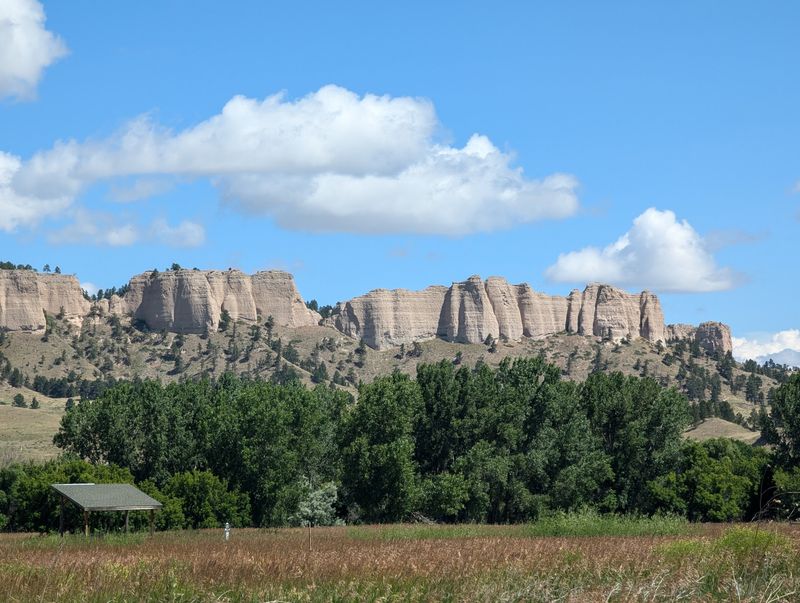
Glaciers carved out the rugged terrain long before anyone drew a state line. The result is a landscape of deep ravines and sharp hilltops that feels surprisingly far from the open plains.
The park also borders the Missouri National Recreational River. That stretch of water is a big reason the views here look so wild and unhurried.
It’s open year-round, so there’s no tight window to catch it. Spring wildflowers, summer swims, and winter cabin weekends all have their own appeal on these hills.
The Summer Lewis And Clark Floated Right Past These Ridges
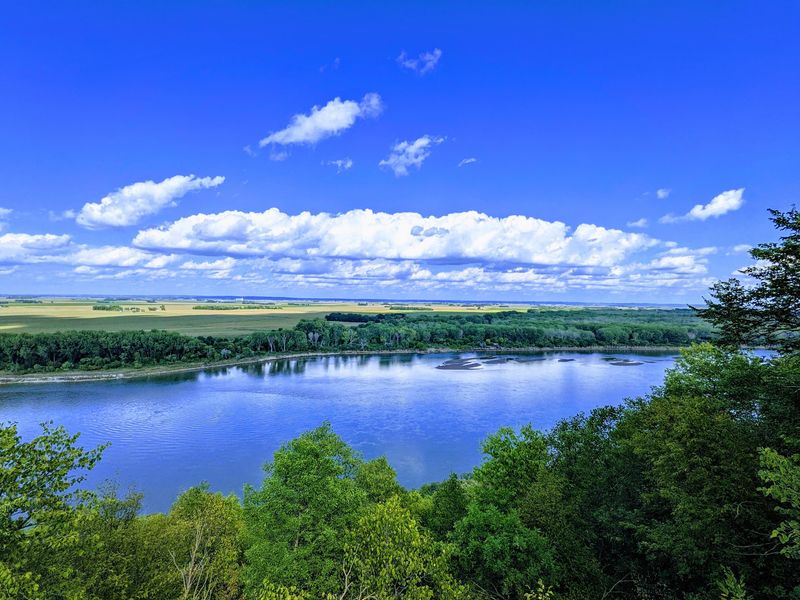
In the summer of 1804, Meriwether Lewis and William Clark led the Corps of Discovery up the Missouri River. Their route carried them right along the bluffs that now belong to this park.
Talk about a scenic commute. The crew was headed into country they had never mapped, and these hills were part of that long journey west.
Along the way, the expedition traded with local tribes, including the Ponca. Those exchanges helped the travelers keep going through unfamiliar territory.
The group also noted the wild plum and gooseberry thickets growing in the area. It’s a fun detail, since it shows even famous explorers paid attention to snacks.
Today Ponca State Park is part of the Lewis and Clark National Historic Trail. That means your hike follows a stretch of river with real national significance, not just a pretty backdrop.
The park even named a trail after the expedition. Walking it gives you a feel for the same ridges and river bends the crew passed more than two centuries ago.
A Name That Honors The Ponca People And Standing Bear
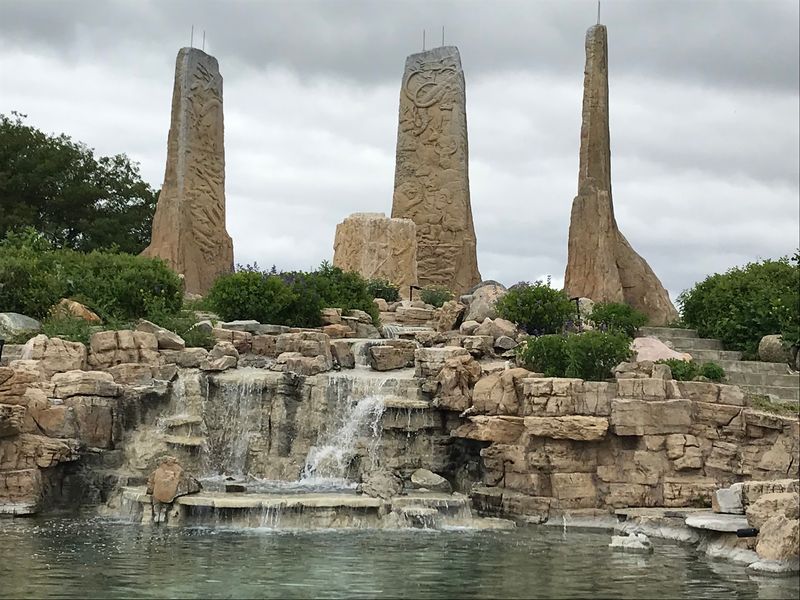
Long before any explorer arrived, the Ponca people called this region home. The park carries their name as a tribute to that deep connection with the land and river.
That name holds another story worth knowing. It also commemorates Chief Standing Bear, a Ponca leader whose legal case changed history in 1879.
Standing Bear pressed for Native Americans to be recognized as persons under United States law. His case became a landmark moment, and it started right here in Nebraska.
I believe that history adds real weight to a quiet walk in these woods. A simple park sign suddenly connects you to a courtroom milestone that still matters today.
Plenty of state parks are named after a nearby town or a lake. This one points back to a people and a leader who shaped the identity of the region.
So when you drive through the entrance, you’re reading more than a label. You’re seeing a name with roots that run deeper than the oldest bur oak on the bluff.
How A 160-Acre Gift Grew Into Something Much Bigger
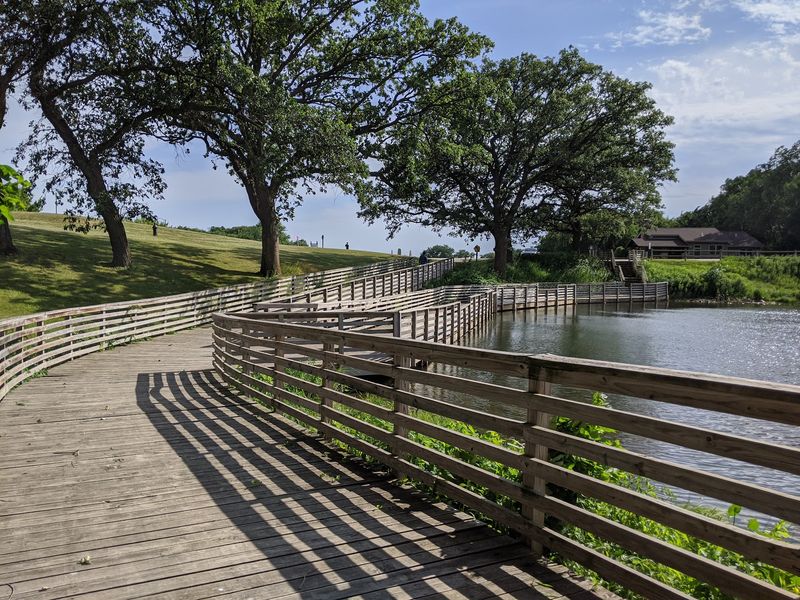
Every big park starts somewhere, and this one began with a donation of 160 acres in 1934. That modest gift kicked off a project that kept growing for decades.
The same year, the Civilian Conservation Corps got to work developing the site. Those crews helped turn rough, wooded hills into a place people could actually explore.
Back then, the CCC built roads, trails, and shelters at parks across the country. Their efforts here laid the groundwork for the trails and facilities visitors use now.
Fast forward to today, and the park has stretched to roughly 2,400 acres. That’s about fifteen times the size of the original donation, which is quite a glow-up.
The growth didn’t erase the wild feel, though. Forested ravines and steep ridges still dominate the scenery, with buildings mostly blending into the trees.
It’s a nice reminder of what a single generous act can start. One piece of donated land became a Nebraska favorite for hikers, campers, and families looking for a slower weekend.
One Overlook, Three States, Zero Extra Effort
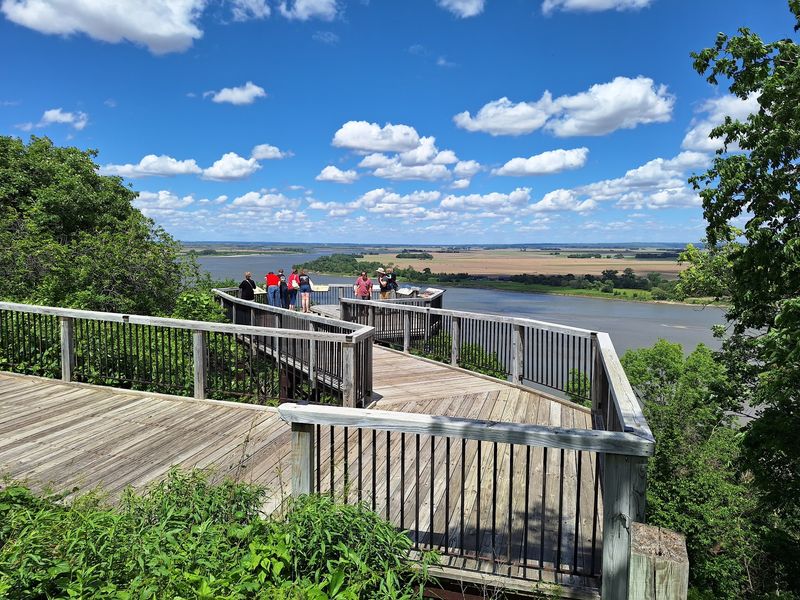
Nebraska, Iowa, and South Dakota all show up in a single sweep of the eye at the Three State Overlook. Few spots in the state can claim a view that crosses that many borders at once.
The overlook perches high on the bluffs above the Missouri River. From up there, the water winds through the valley and makes geography class look a lot more exciting.
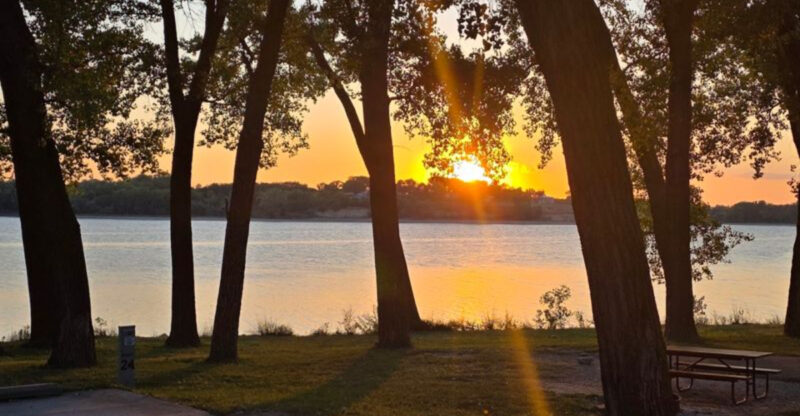
Sunrise and sunset are especially popular times to visit. The low light paints the river and hills in soft colors that make photos look almost too easy.
Bring a camera, or at least a fully charged phone. You’ll probably want proof that you stood in one state and looked at two others.
The spot also works well as a reward after a hike. Climbing through the woods and then seeing the valley open up below feels like a well-earned payoff.
Kids tend to love the three-states idea, too. It turns a simple scenic stop into a mini adventure they can brag about at school on Monday.
Twenty-Two Miles Of Ridges, Ravines, And Lace-Up Fun
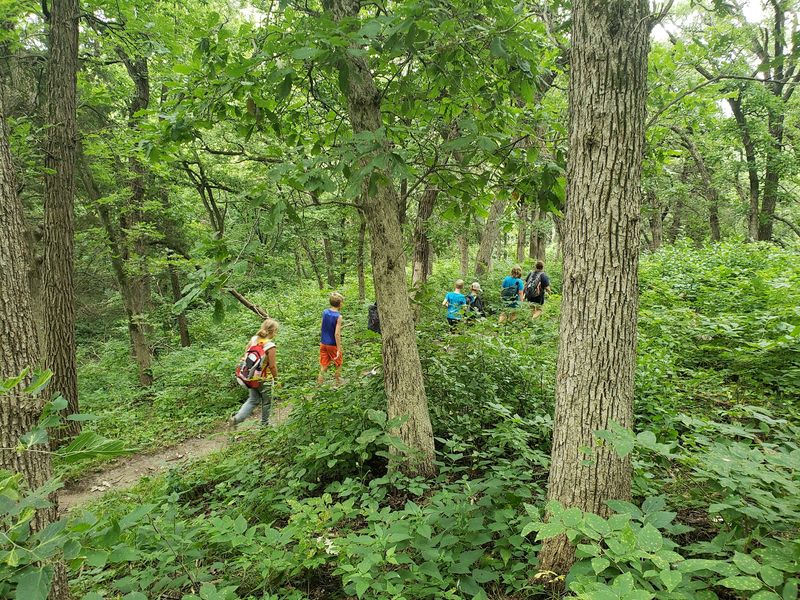
Hikers and mountain bikers get 22 miles of trails to explore at Ponca State Park. The paths dip through deep ravines and climb along hilltop ridges.
That variety means you can pick your own adventure. Some routes are easy enough for little legs, while others offer more of a workout on the climbs.
The Corps of Discovery trail is a standout choice. It leads to ridgeline views of the Missouri River, giving you a sense of what the expedition passed in 1804.
Buffalo Run is another named trail that gets plenty of love. Its wooded stretches make it a solid pick for anyone wanting a longer ramble through the forest.
Mountain bikers aren’t left out either. Several trails welcome bikes, with routes at different difficulty levels for beginners and seasoned riders.
Wear sturdy shoes, since the terrain is hilly and uneven in spots. Pack water, too, because those ridges can sneak up on you faster than you expect on a warm afternoon.
Bloodroot, Bobcats, And A Surprising Mix Of Wild Neighbors
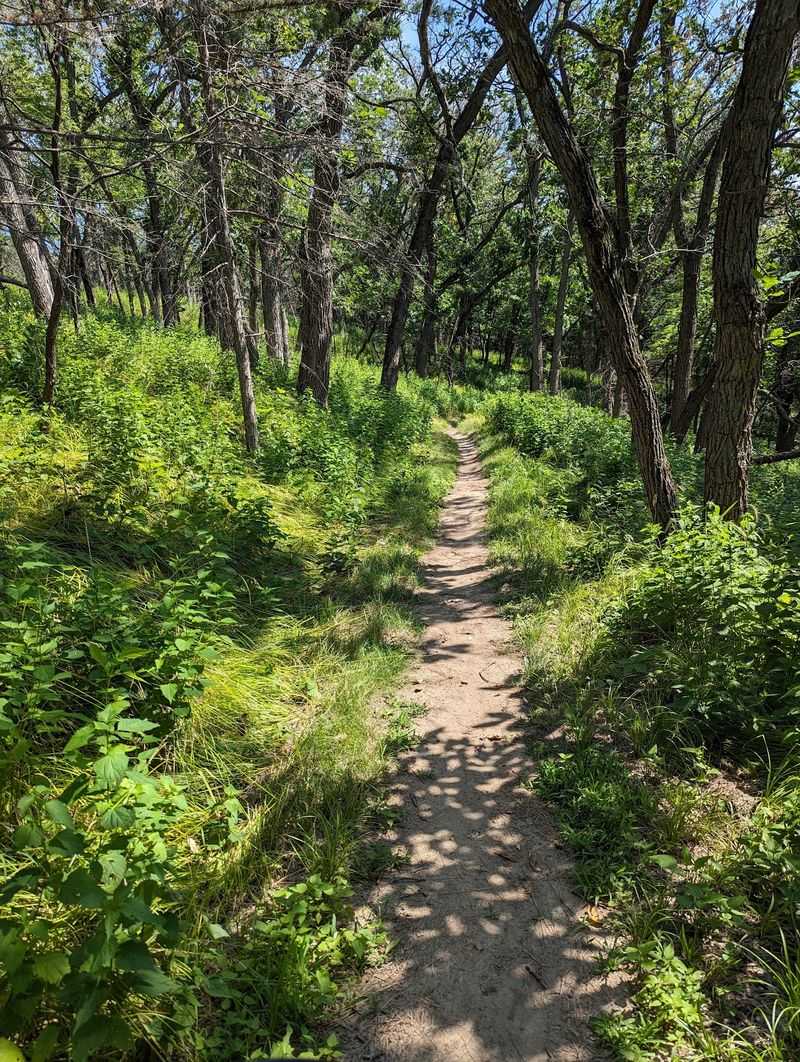
Eastern woodland flowers and western prairie plants share the same hillsides here. That mix gives the park a level of biodiversity you don’t expect this far west.
In the shady woods, look for bloodroot, Canada violet, phlox, and sweet cicely. On sunnier slopes, prairie plants like yucca, clover, and larkspur take over.
The trees are just as varied. Bur oak, basswood, elm, black walnut, and hackberry dominate the forest and create that deep, leafy canopy.
White-tailed deer and wild turkeys are the most common sightings. Spotting one along a trail feels like a small victory every single time.
Keep your eyes peeled for coyotes, red and gray foxes, raccoons, and even bobcats. They’re shyer, so seeing one is a lucky bonus rather than a sure thing.
Birders have plenty to enjoy, too, with a wide variety of species in the woods and wetlands. A pair of binoculars might end up being the most useful thing in your backpack.
River Days, Kayak Launches, And A Pond Built For Young Anglers
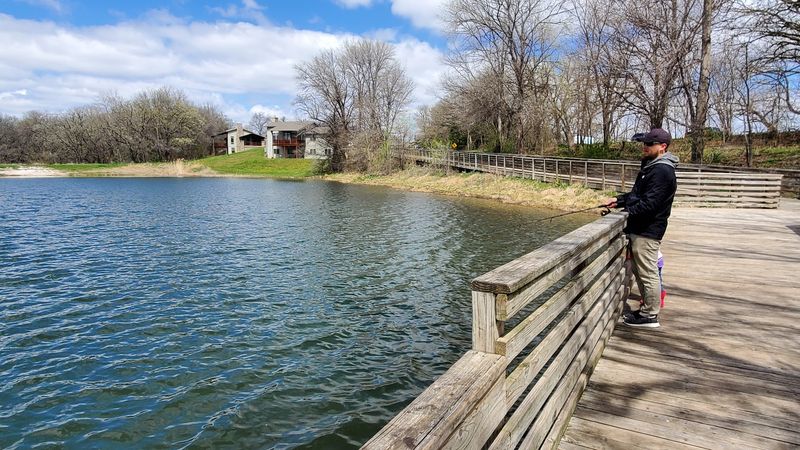
Boaters can head straight onto the Missouri River from the park’s boat ramp. It’s a direct ticket to one of the most scenic stretches of water in Nebraska.
Prefer paddling? A canoe and kayak launch sits about six miles upriver in the North Addition, giving you a quieter starting point.
Fishing is a big draw here, both on the river and closer to camp. The park has a fishing pond that’s handy for families who want something low-key.
Young anglers get extra attention through Youth Fishing Programs. It’s a smart way to get kids hooked on the hobby, pun fully intended.
No gear at home? The Fishing Tackle Loaner Program helps fill that gap, so you can try fishing without buying a whole tackle box first.
Even if you never cast a line, the riverbank is a relaxing place to spend an hour. Watching the water roll past those wooded bluffs might be the most peaceful part of your day.
Straw-Bale Cabins And Campsites For Every Kind Of Sleeper
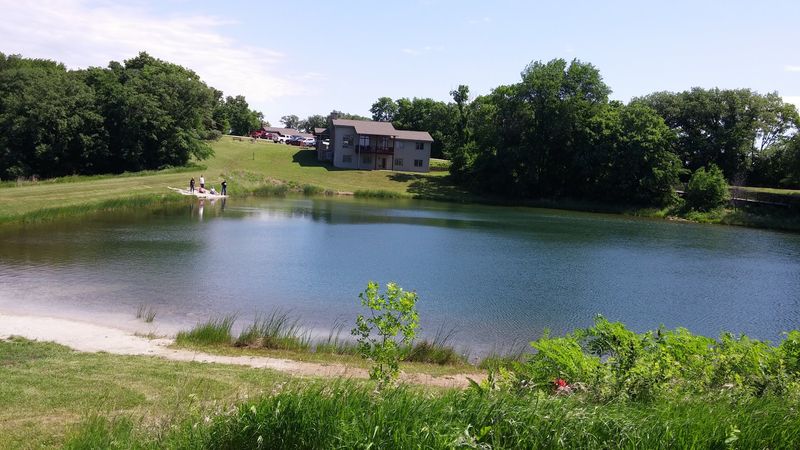
Straw bales might not sound like building material, but some cabins here are made from them. These two-bedroom green cabins are one of the park’s quirkiest lodging options.
Ponca State Park offers 27 cabins in total. The lineup includes four-bedroom mini-lodges, two-bedroom cottages, and those straw-bale green cabins.
Larger groups tend to favor the mini-lodges for their extra room. Smaller families or couples might find a cottage is just the right size.
Some cabins stay available all year, while others are seasonal. That makes a snowy winter weekend in the woods a real possibility.
Campers have plenty of choices, too, with more than 70 electric campsites and over 40 primitive tent sites. Modern camping runs from April through October, weather permitting, while primitive camping stays open year-round.
Campgrounds come with showers, picnic tables, fire pits, and a dump station. Whether you sleep under a roof or under the stars, you’ll wake up surrounded by trees.
Pool Days, Archery Targets, And A Museum For River Lovers
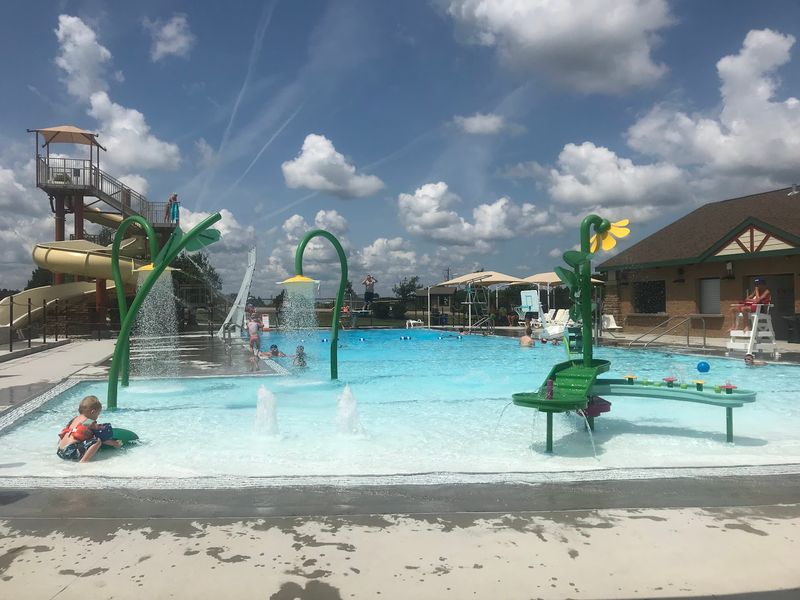
Summer brings a swimming pool with lifeguards on duty. After a sweaty hike, a cool dip might just be the best idea you have all day.
Playgrounds give kids a spot to burn off energy between activities. Parents can grab a bench and enjoy a few minutes of rest.
Archery and horseback riding add even more variety to a visit. And golfers will find the nine-hole Highland Oaks Public Golf Course on the park’s southern boundary.
For something more hands-on, stop by the Missouri National Recreational River Resource and Education Center. It also serves as the park office, so it’s an easy first stop.
Inside, a large exhibit area explores the Missouri River and its history. There’s also a field laboratory and conference rooms for classes and gatherings.
I like how the center ties the whole park together. After seeing the exhibits, the river below the bluffs feels a lot more personal and a lot less like scenery.
Plan Your Trip To This Quiet Corner Of The Missouri River
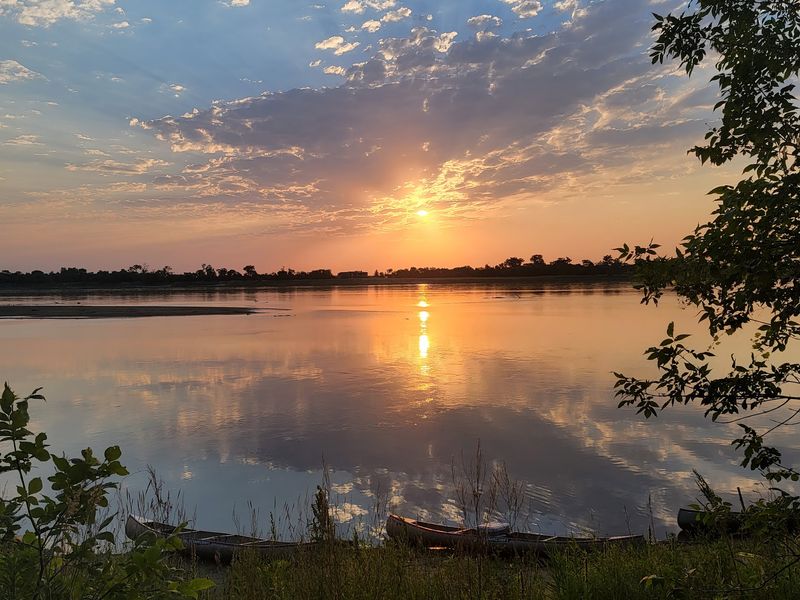
Getting there is simple once you reach the town of Ponca. The park sits at 88090 Spur 26 E, Ponca, Nebraska 68770, just four miles north of town.
The park is open year-round, with daily hours posted by Nebraska Game and Parks. A park entry permit is required, so plan on picking one up before you explore.
Summer is the busiest season, thanks to the pool and family activities. Spring and fall tend to feel calmer, with wildflowers or changing leaves along the trails.
Cabins and campsites can be reserved ahead of time for many dates. Booking early makes sense if you have your heart set on a specific lodge or cottage.
So is it worth the drive? For anyone craving forest trails, river views, and a bit of Nebraska history, I’d say absolutely.
Lewis and Clark only passed through on their way west. You, on the other hand, get to stay a while and enjoy the bluffs at your own easy pace.