12 Little-Known North Carolina Towns That Are Way More Charming Than Expected
Little towns have a sneaky way of humbling big vacation plans, especially when the best stop of the day turns out to be the place nobody bragged about online.
North Carolina has plenty of famous destinations, but the quieter towns often feel like the real plot twist.
A road trip can start with one simple plan, then suddenly a courthouse square, a river bend, or an old storefront makes everyone slow down and reconsider the schedule.
That is where the charm gets dangerous. These places do not need giant attractions yelling for attention.
They win people over with character, good stories, and the kind of everyday beauty that feels better because it was not overpromised.
The fun is in finding towns that still feel personal, not polished into sameness.
These twelve North Carolina spots may not always headline the big travel lists, but they know exactly how to make a road trip feel worth it.
1. Milton
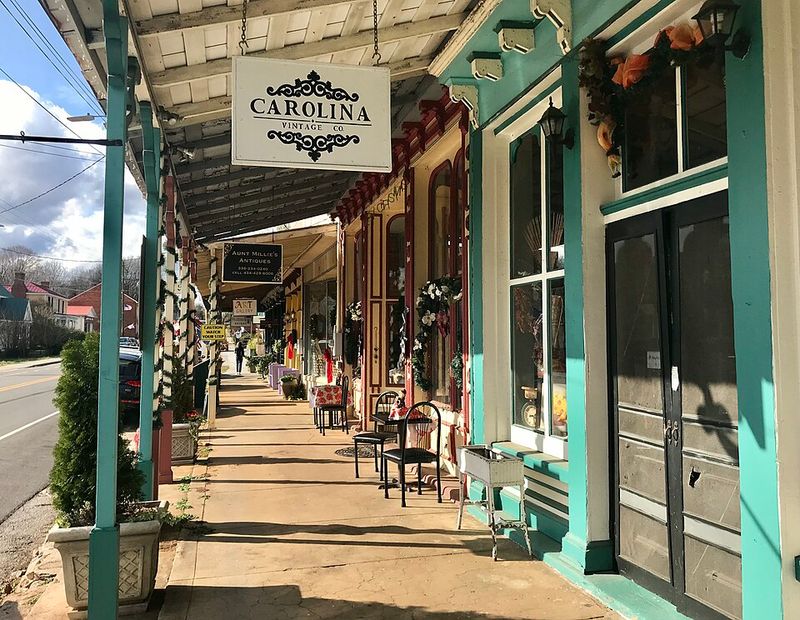
Drive into Milton with the volume down, because this small Caswell County town works best at a slower speed. Shaded streets, historic buildings, and a near-border setting give it the feeling of a place that has held onto its stories carefully instead of polishing them into a tourist routine.
The strongest reason to stop is the Thomas Day State Historic Site, preserving the home and workshop of Thomas Day, a free Black master cabinetmaker whose craftsmanship shaped 19th-century North Carolina.
Inside, his legacy endures through finely detailed furniture and woodwork that still reflect remarkable skill and cultural significance.
The state historic site lists Milton as the home of Thomas Day’s workshop and offers guided tours during posted hours.
That history gives the town real depth, especially for visitors who enjoy places where architecture, craftsmanship, and complicated Southern history meet in one small footprint. Milton is not loud or crowded, which is exactly the appeal.
A walk here feels personal. Details matter: old brick, quiet roads, trees leaning over the street, and the sense that the town is still carrying far more than its size suggests.
For a traveler who likes hidden history, Milton is the kind of stop that feels small until you start paying attention.
2. Warrenton
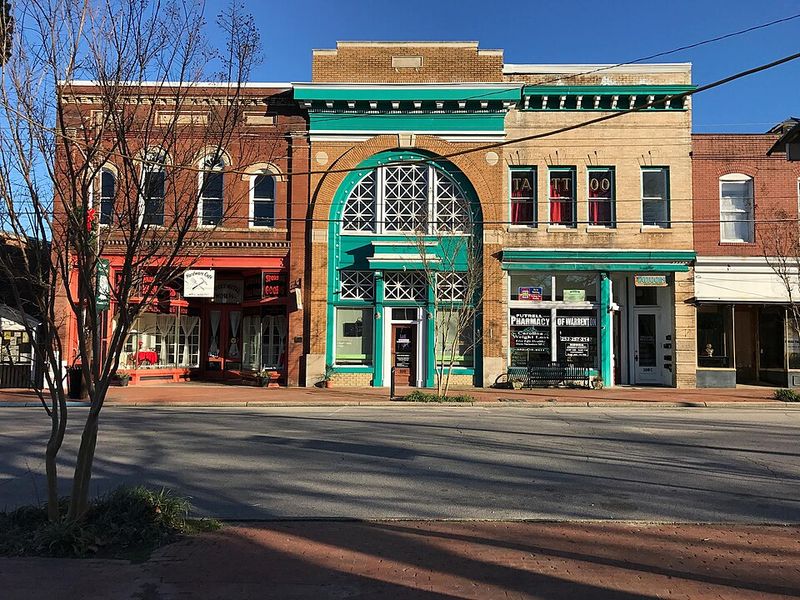
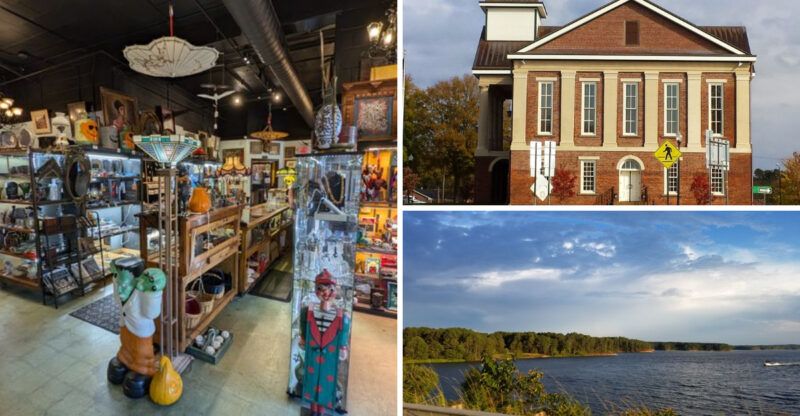
Long before many travelers think to stop, Warrenton is already sitting there with historic homes, antiques, and a downtown that looks like it knows exactly who it is.
The town’s National Historic District was established in 1976 and includes nearly half the town and more than 300 structures, with walking and driving tour maps available locally.
That gives visitors an easy way to explore without needing a packed itinerary.
Main Street carries an old-building charm that rewards wandering, from courthouse views to porch-lined facades shaped by time and local rhythm.
Shops along the stretch feel grounded in the community, giving the area a steady character that favors local roots over copied storefront trends.
Warrenton’s official tourism page also points visitors toward antiques, historic homes, unique gifts, and a slower pace of life, which is a fairly accurate warning that rushing through would miss the point. Nothing here needs to be overcomplicated.
Park the car, walk a few blocks, browse a local shop, notice the details on the buildings, and let the town’s calm confidence do its work. Warrenton feels charming because it has aged with character, not because it is trying to act quaint for visitors passing through.
3. Manteo
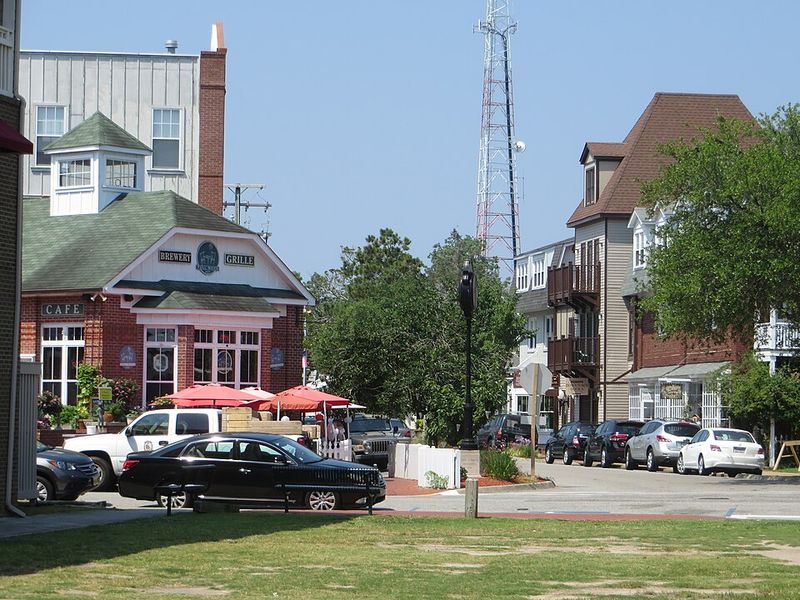
Roanoke Island gives Manteo a setting that feels coastal without the usual beach-town rush. The waterfront boardwalk winds along much of the Manteo waterfront, with benches, sound views, marsh grass, and easy access to downtown shops and restaurants.
That makes the town ideal for travelers who want water, history, and walkability in one compact stop.
Fort Raleigh National Historic Site adds the deeper story nearby, preserving and interpreting the voyages, people, and mystery connected to the Lost Colony and early English attempts at settlement on Roanoke Island.
Manteo’s charm comes from the way those layers sit together. One minute, you are watching boats from the boardwalk.
A short drive later, you are standing near one of the most famous unresolved stories in early American history. Downtown keeps things friendly with independent shops, restaurants, galleries, and a gentle pace that makes it easy to spend far longer than planned.
Unlike some busier Outer Banks stops, Manteo does not need loud attractions to hold attention. It has water light, old stories, a strong sense of place, and the kind of harbor-town atmosphere that makes a quick visit feel like a small vacation.
4. Belhaven
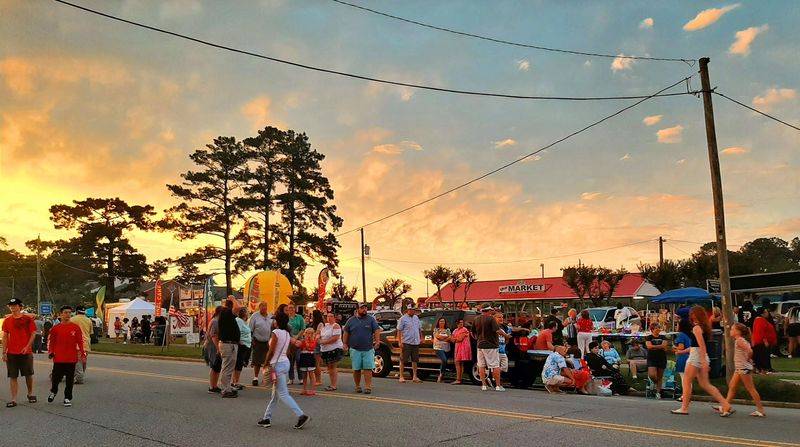
Ease into Belhaven slowly, because this Inner Banks town does not reveal itself through speed. Set along the Pungo River, it has a relaxed waterfront personality that appeals to boaters, paddlers, birdwatchers, and anyone who likes towns with more atmosphere than traffic.
The Belhaven Memorial Museum stands out as one of the area’s most unusual attractions, rooted in the original collection assembled by Eva Blount Way.
That eclectic foundation still shapes the museum today, where objects tied to local history, art, science, and culture sit side by side in a deliberately wide-ranging display.
That collection gives Belhaven a wonderfully eccentric twist.
It is not a generic small-town museum stop. It feels personal, curious, and a little surprising, which suits the town well.
Nearby waterways and wetlands add another reason to linger, especially for travelers headed toward the Pocosin Lakes region or the broader Inner Banks. Belhaven feels charming because it has nothing hurried about it.
River air, quiet streets, marina energy, and odd local history all come together without needing a big spotlight. Visitors who like polished resort towns may miss the point.
Travelers who enjoy sincerity, water views, and places with personality will understand it almost immediately.
5. Columbia
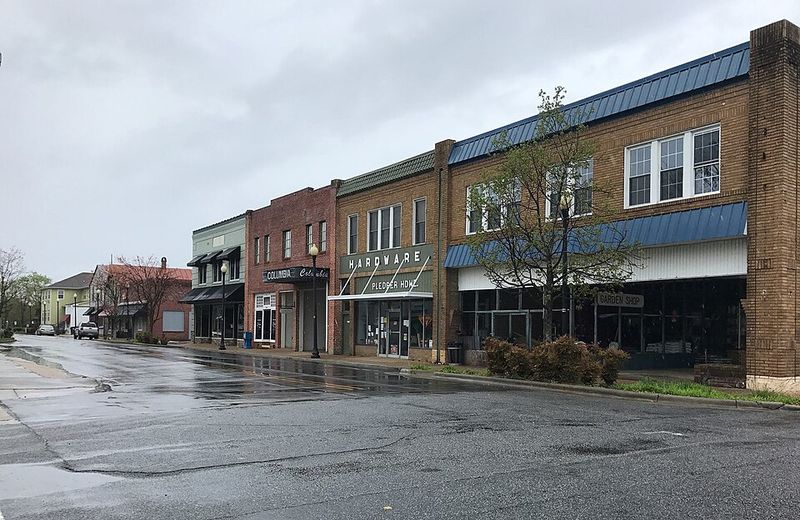
Cypress knees, river light, and handmade art give Columbia a quiet beauty that sneaks up on people. Sitting along the Scuppernong River in Tyrrell County, the town makes a strong first impression through its waterfront setting and access to the wild wetlands of eastern North Carolina.
Pocosin Arts School of Fine Craft adds a major creative anchor, with studios, lodging, dining facilities, and a fine craft gallery situated on the banks of the Scuppernong River in historic downtown Columbia. That detail matters because Columbia is not only a nature stop.
It also has a craft-centered identity that makes the town feel thoughtful and rooted. Visitors can pair river views with pottery, metals, fibers, mixed media, or gallery browsing, then head toward nearby refuge landscapes where black bears, birds, and swamp scenery shape the region’s wilder side.
The best way to enjoy Columbia is without packing the schedule too tightly. Walk near the river, browse the arts space, notice how quiet everything feels, and let the place settle in.
Columbia may not have the flash of a famous coastal town, but it offers something just as valuable: a rare mix of water, craft, wildlife, and stillness.
6. Southport
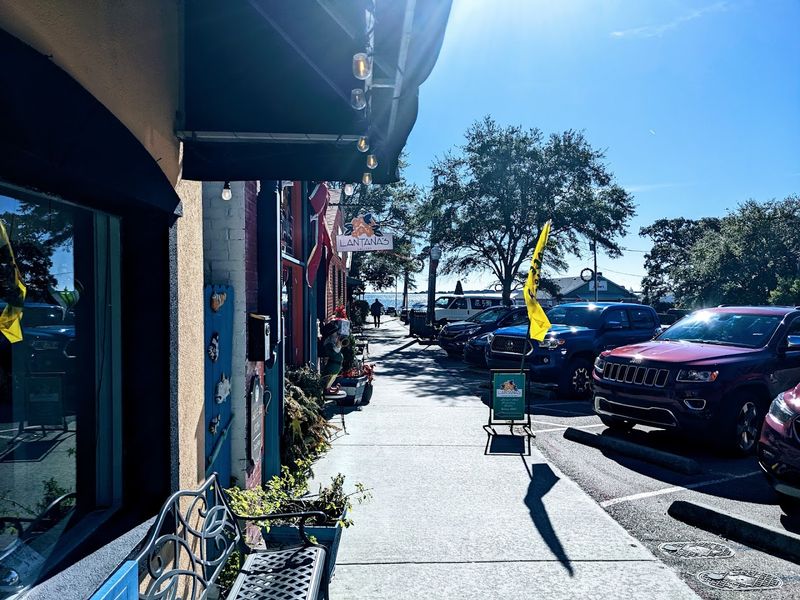
Sea air seems to do half the charming before Southport even tries. The town sits where river, inlet, and ocean influences meet, giving it waterfront views, shaded streets, historic homes, and the easy mood of a place that understands the value of a slow walk.
The North Carolina Maritime Museum at Southport focuses on the maritime history of the Lower Cape Fear region, collecting, preserving, and interpreting material culture tied to that coastal story.
That museum gives visitors a deeper way to understand the boats, storms, trade, fishing, and water routes that shaped the area.
Southport also serves as a mainland gateway for Bald Head Island, with ferry information and schedules available through the official ferry service.
Even without hopping the ferry, the town has enough to fill a relaxed afternoon: waterfront benches, seafood stops, local shops, old trees, and views that make people linger with ice cream longer than necessary.
Southport’s charm feels easy because the setting is doing so much honest work. It is pretty without feeling precious, historic without feeling frozen, and coastal without turning every corner into a souvenir pitch.
7. Hot Springs
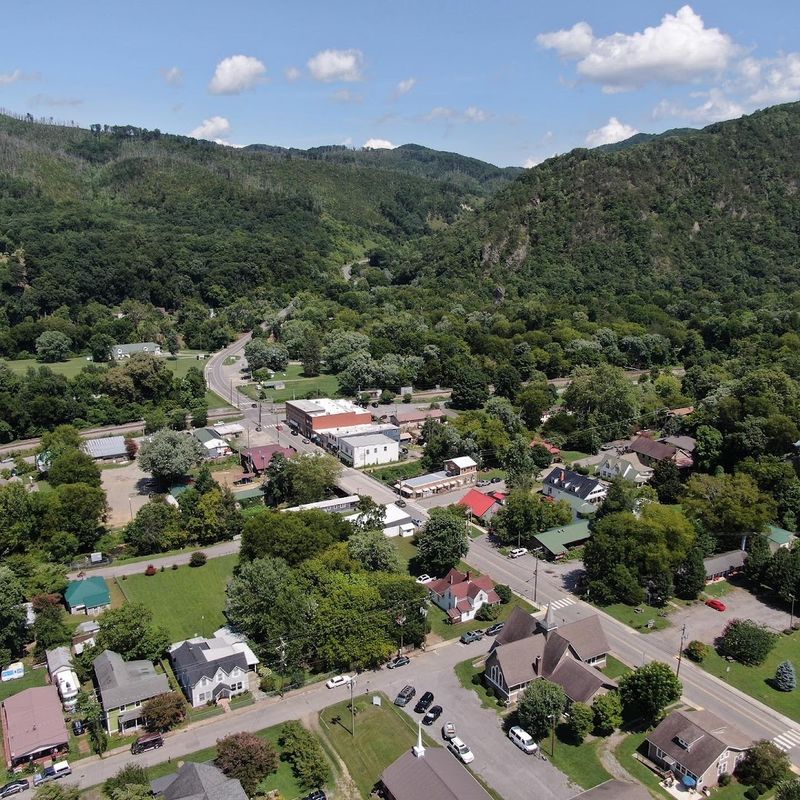
Mountain towns do not get much more literal than Hot Springs. This Madison County community is home to the only natural hot springs in North Carolina, and the town also sits directly on the Appalachian Trail, with the trail passing right through downtown.
That combination gives the place its unusual personality. Hikers arrive dusty and hungry, river lovers come for the French Broad, and visitors who want a slower day head for mineral-water soaks.
Hot Springs Resort & Spa describes outdoor jetted tubs positioned along Spring Creek and the French Broad River, supplied by natural hot mineral waters. The town itself stays small, casual, and outdoorsy, with cafes, outfitters, lodging, and trail energy packed into a compact valley setting.
Hot Springs charms people because it feels useful and magical at the same time. You can hike, soak, eat, wander, and still feel like the mountains are wrapped closely around the whole experience.
Nothing about it feels overly polished, and that is part of why it works. This is a place for muddy boots, warm water, river views, and travelers who believe a good town should help tired shoulders drop a little.
8. Robbinsville
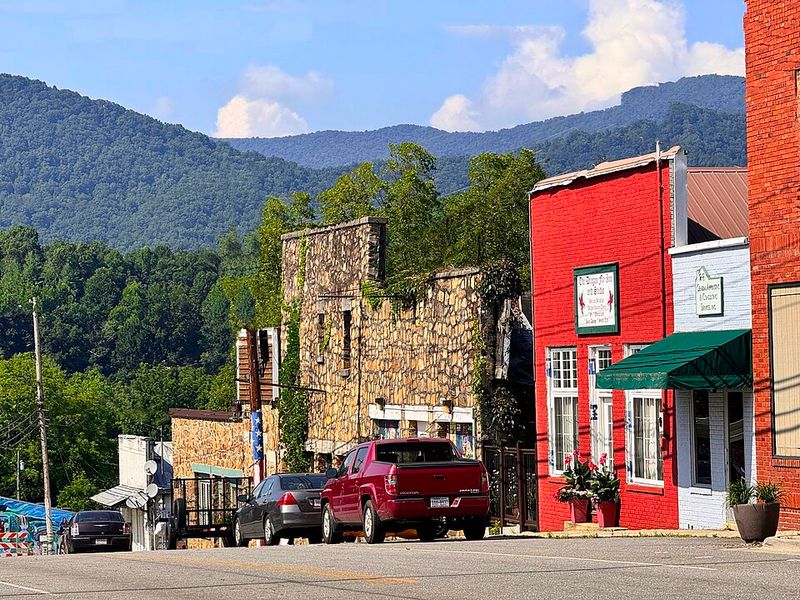
Roads around Robbinsville do not casually approach the mountains. They dive in.
Graham County has the kind of rugged scenery that makes drivers, motorcyclists, hikers, and lake lovers start planning return trips before they have finished the first one.
The Cherohala Skyway is the headline route nearby, a 43-mile scenic drive that Visit NC says rises from 2,660 feet to 5,390 feet in just over 10 miles on the North Carolina side.
That road gives Robbinsville a dramatic gateway, but the town’s appeal goes beyond the pavement. Fontana Lake, the Cheoah River, national forest land, and Cherokee cultural connections all add layers to the visit.
Robbinsville itself feels like a practical mountain base: not overly fancy, not trying to become a postcard, just close to an enormous amount of natural beauty. That honesty is part of the charm.
Travelers can drive the Skyway, explore water access, chase mountain views, or simply use town as a quieter alternative to more crowded western North Carolina destinations.
Robbinsville rewards people who like their scenery big, their roads winding, and their small towns grounded in the landscape around them.
9. Burnsville
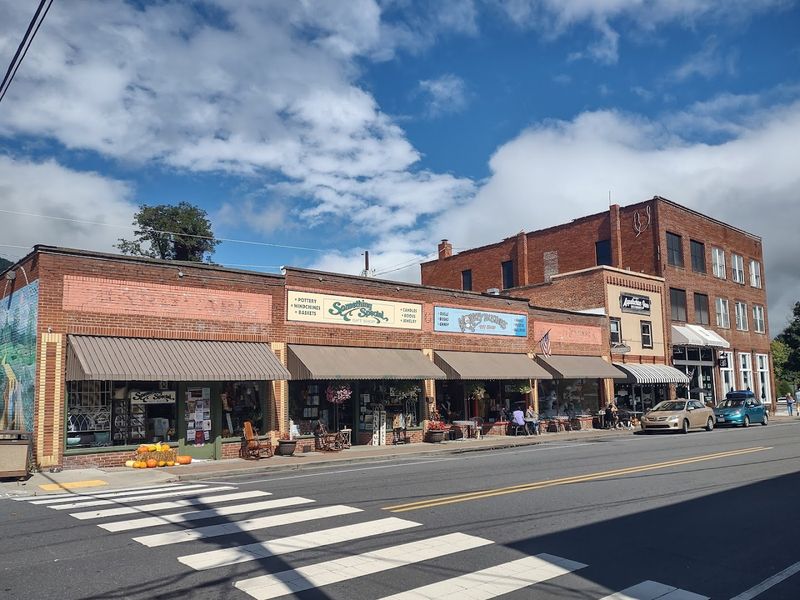
Creativity seems to live right on the square in Burnsville. This Yancey County town has long attracted artists, makers, hikers, and mountain travelers, and the surrounding Blue Ridge scenery gives all that creativity a dramatic frame.
Toe River Arts supports the regional arts community, with gallery and arts resources tied to the broader Toe River Valley.
Burnsville’s historic lodging story adds another layer through the NuWray Hotel, first built in 1833 and described by the hotel as North Carolina’s oldest continuously operating hotel after a major restoration.
Those details help explain why the town feels more substantial than its size suggests. Galleries, studio tours, mountain roads, old buildings, and local shops make it easy to spend a full day without needing a single oversized attraction.
Mount Mitchell, the highest peak east of the Mississippi, sits within reach for travelers who want the scenery to get even bigger, but Burnsville itself deserves attention too. It has a calm, artful rhythm that makes visitors slow down and look harder.
Instead of selling charm loudly, it lets the square, the mountains, and the makers do the convincing.
10. Spruce Pine
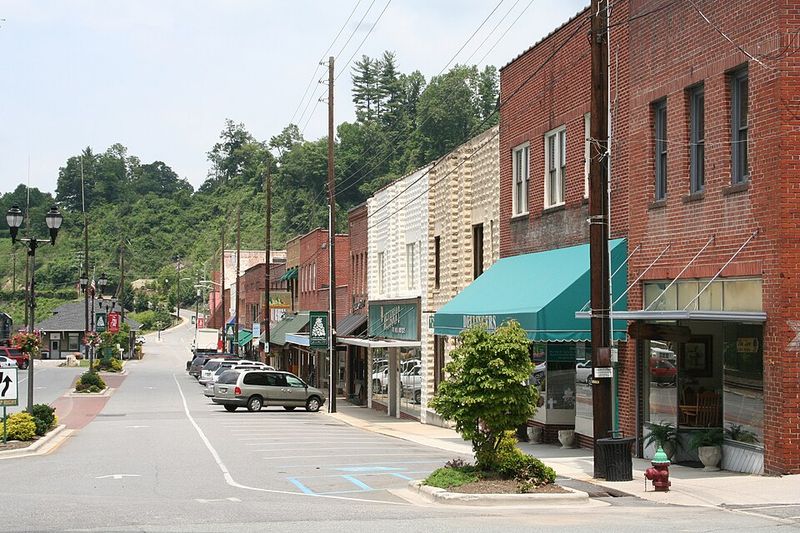
Minerals give Spruce Pine a sparkle that is not just decorative.
The surrounding mountains form part of one of the country’s most significant mining districts, shaped by centuries of mineral extraction and geological richness.
The Museum of North Carolina Minerals at Blue Ridge Parkway Milepost 331, located about 6 miles east of Spruce Pine, interprets that legacy through exhibits on the region’s mining history and natural wealth.
That correct stop belongs here, not the Henderson County mineral museum sometimes mistakenly tied to this town. Spruce Pine’s charm comes from combining geology with a growing creative and downtown scene.
Gem shops, Parkway access, river-valley scenery, and mountain roads all give visitors plenty of reasons to explore beyond a quick pass-through.
Families can turn the visit into a hands-on experience at nearby gem-mining attractions, sifting through the region’s earth for a direct connection to its geological story.
Curious travelers can then use the museum to understand how quartz, feldspar, mica, and other minerals shaped both the landscape and the local economy of this part of North Carolina.
The town also feels quietly energetic, with indie businesses, artists, food stops, and old storefronts giving the center more personality than first-timers might expect. Spruce Pine works because it is both rugged and creative.
One moment, the story is ancient rock. The next, it is coffee, art, and a downtown that feels like it is still becoming itself.
11. West Jefferson
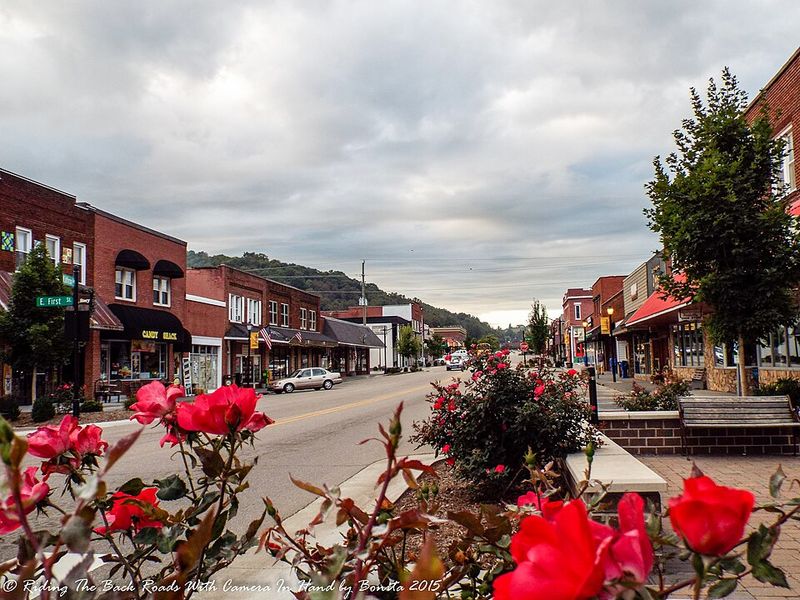
Murals hit first in West Jefferson, then cheese and frescoes make sure the town stays interesting. Downtown’s outdoor art has become one of its most colorful calling cards, with Ashe County Arts Council resources pointing visitors toward the local mural scene and the broader arts district.
Sacred art adds another unexpected layer through the Ben Long frescoes in Ashe County.
The Ashe County Frescoes Foundation notes that Long created enduring works in two small antique churches during the 1970s, including Saint Mary’s Episcopal Church on the southwestern edge of West Jefferson.
Then comes the cheese, because apparently one charming mountain town needed another signature. Ashe County Cheese calls itself Carolina’s oldest cheese plant, producing cheese since 1930, and Visit NC identifies West Jefferson as home to the South’s oldest cheese factory.
That mix gives West Jefferson an unusually strong personality: public art outside, frescoes in quiet church spaces, cheese curds and cheddars in the shop, and mountain views holding everything together. The town feels friendly, walkable, and more culturally layered than expected.
It is the kind of place where a quick stop easily becomes “wait, we need another hour.”
12. Mount Airy
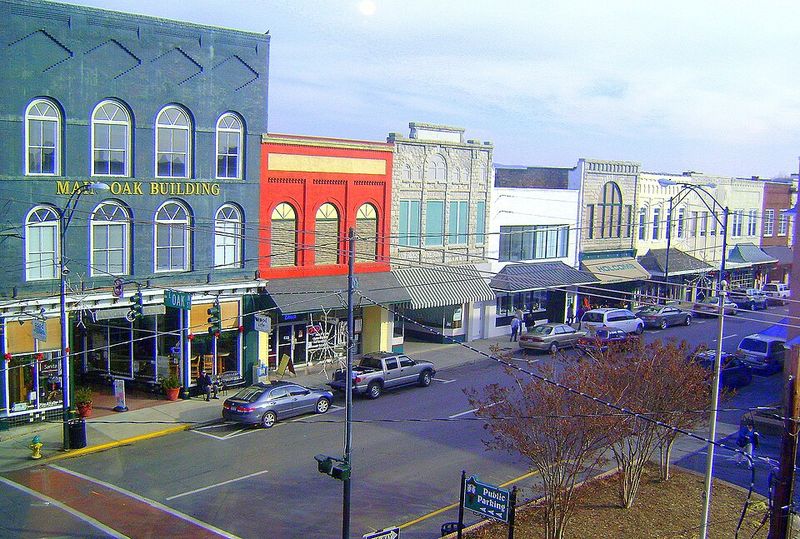
Nostalgia does plenty of work in Mount Airy, but the town has more going on than one famous television connection. Andy Griffith was born here, and Mount Airy has embraced its Mayberry inspiration with museums, tours, vintage details, and a downtown that still feels built for wandering.
Snappy Lunch remains one of the town’s most famous food stops, with Visit Mayberry listing it at 125 N. Main Street and noting its Monday through Friday daytime hours.
Yadkin Valley tourism describes Snappy Lunch as a Mount Airy institution since 1923, known for its famous pork chop sandwich and its connection to Andy Griffith’s childhood memories.
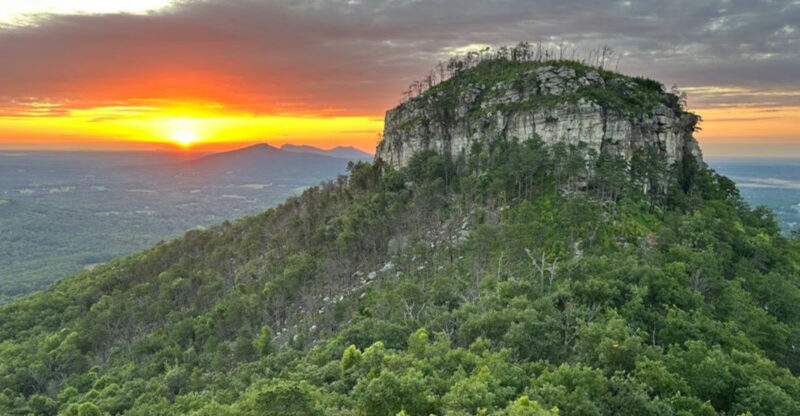
Beyond the show, Mount Airy offers antique shops, music, local food, and easy access to nearby Pilot Mountain State Park, where the scenery shifts from small-town nostalgia to big Piedmont views.
That range keeps the town from feeling like a single-note attraction. Visitors can lean into the Mayberry fun, then step outside that theme for hiking, shopping, bluegrass, and foothill roads.
Mount Airy charms because it knows its identity, shares it generously, and still leaves room for travelers to discover something beyond the obvious.