This Living Georgia Plantation Lets You Experience A Century Of Rural Life Up Close
There are places that exist outside of time, and then there is this one. I was not expecting much when I first heard about a working plantation preserved by three generations of the same family.
A nice little museum, maybe some informational plaques, the usual. What I found here in Georgia made me stop and genuinely question whether I had somehow taken a wrong turn into the past.
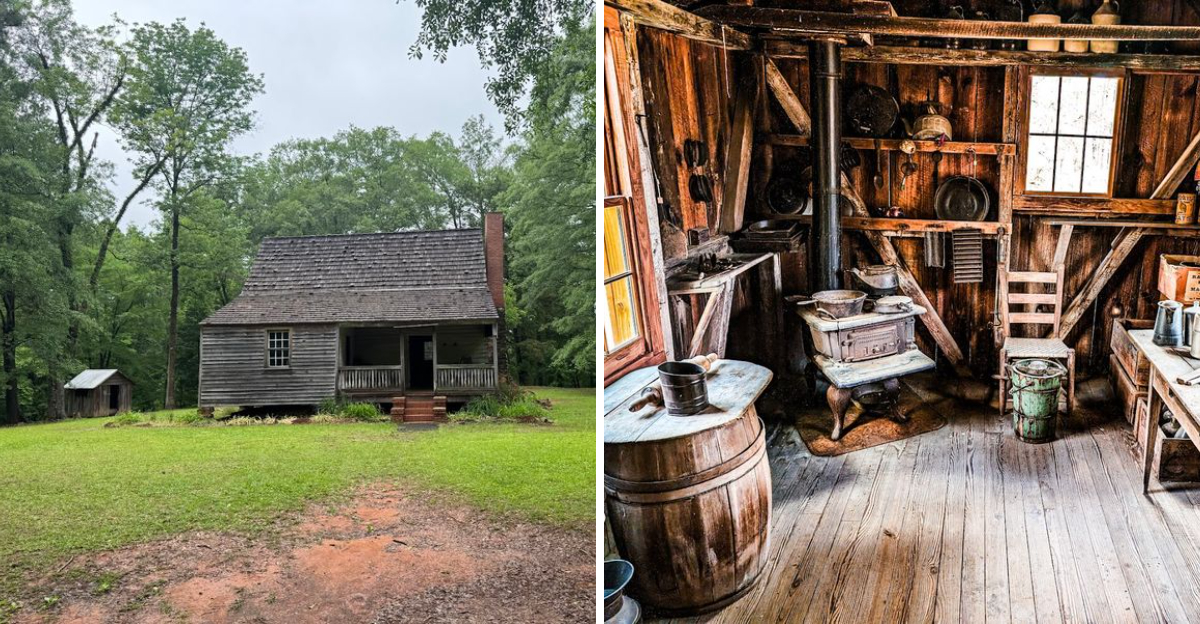
Every tool is where it always was. Every building still stands exactly as it did over a century ago.
The animals are real, the dirt paths are original, and the people who run it carry the kind of knowledge that cannot be learned from a textbook.
This is not a recreation or a themed attraction. This is the real thing, still breathing, still working, still telling its story to anyone curious enough to show up.
I lost track of time completely, and I would do it all over again tomorrow.
The Place Where Georgia History Breathes
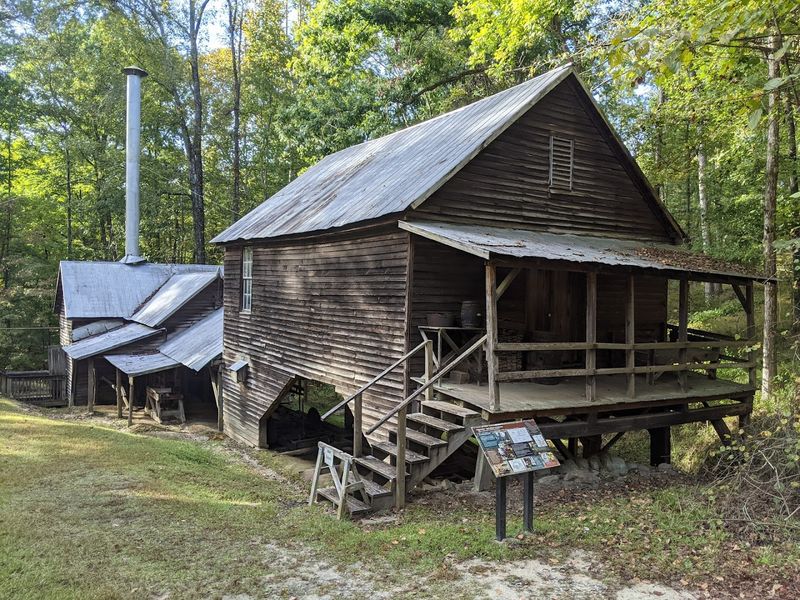
Jarrell Plantation State Historic Site is not a recreation or a replica. Every building, tool, and fence post here is the real deal, preserved from the actual Jarrell family who farmed this land from the 1840s through the 1940s.
That is nearly a full century of rural Georgia life, all sitting quietly on one property. The site is managed by Georgia State Parks and offers visitors a genuinely rare look at how a working farm evolved through multiple generations.
You can see how farming techniques changed over the decades just by walking from one end of the property to the other. The landscape itself tells the story.
There are no flashy signs or overdone exhibits here, just honest, authentic history laid out in front of you like an open book waiting to be read.
Most visitors say they expected a quick stop and ended up staying for hours. That reaction makes complete sense once you set foot on the grounds and realize how much there actually is to explore and absorb at your own pace.
The exact location is 711 Jarrell Plantation Rd, Juliette, Georgia.
The Family Legacy That Spans Three Generations
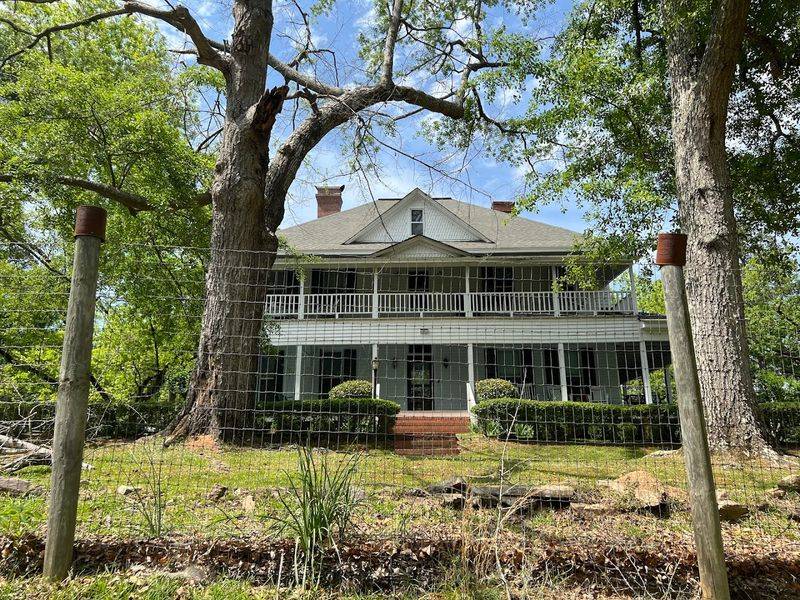
Most historic sites give you dates and names on a placard. This one gives you an entire family arc.
The Jarrell family first settled this land before the Civil War and kept farming it well into the twentieth century, which is an almost unheard-of span of continuous family ownership.
What makes this even more compelling is how each generation left its own fingerprints on the property.
You can literally see the shifts in farming priorities, building styles, and daily routines as you move through the different eras represented on site.
John Fitz Jarrell built the foundation of this operation, and his descendants expanded it thoughtfully over the decades.
The fact that so much was kept rather than sold or demolished is something of a small miracle in American rural history.
Visiting feels personal in a way that big museums rarely manage to pull off. You get the sense that these were real people with real routines, not just historical footnotes.
Their story feels immediate and surprisingly relatable, even across a century of change and progress.
Original Farm Buildings That Have Stood For Over 150 Years
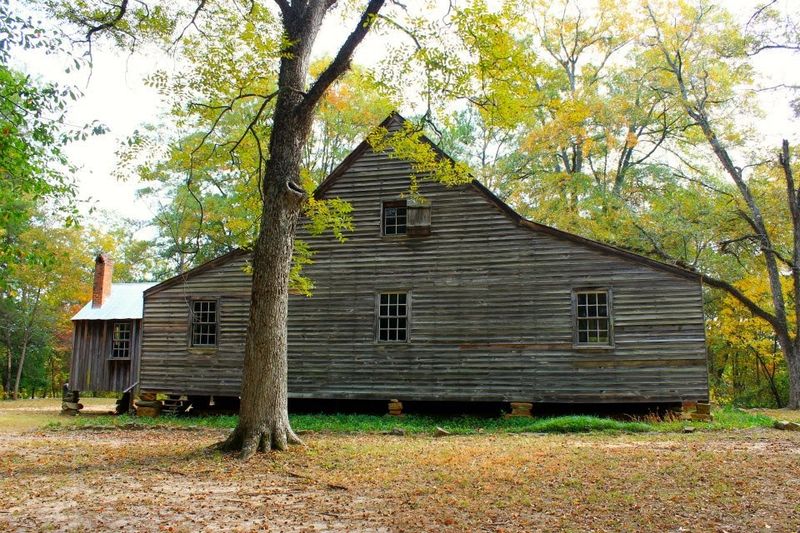
There is something genuinely striking about standing inside a building that was constructed before your great-great-grandparents were born.
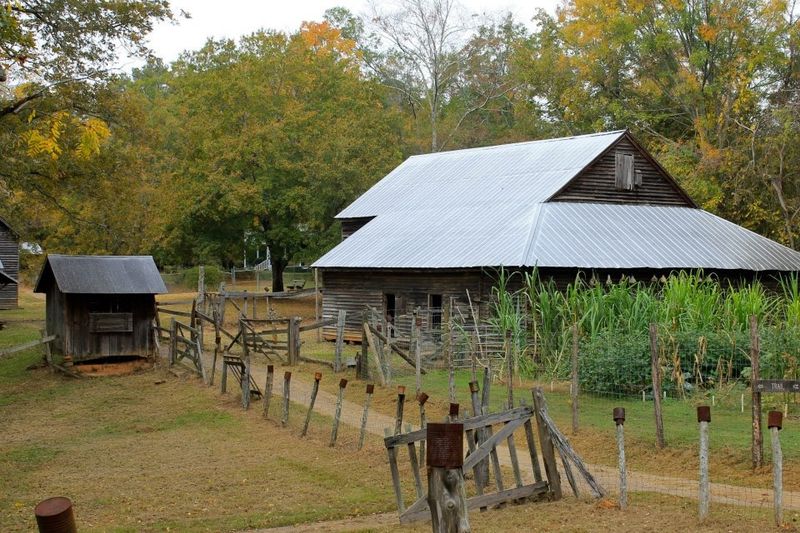
The plantation features more than twenty original structures, including a grist mill, a sugar cane press, a sawmill, and several barns and outbuildings.
Each structure has been carefully maintained without being over-restored. The goal here is authenticity, not polish.
Rough-hewn timber frames, handmade wooden joints, and original hardware are all still visible and touchable in many areas.
Walking through the collection of buildings feels like flipping through the chapters of a very long book about rural Southern ingenuity.
Farmers back then built things to last, and the proof is standing right in front of you. Nothing about these structures feels fragile or museum-precious.
The grist mill alone is worth the drive out to Juliette. It is fully restored and operational, which means you can actually watch it work during special events and demonstrations.
Seeing century-old machinery grind grain the same way it did in the 1800s is a genuinely satisfying experience that photos simply cannot capture.
The Working Grist Mill That Still Grinds Grain Today
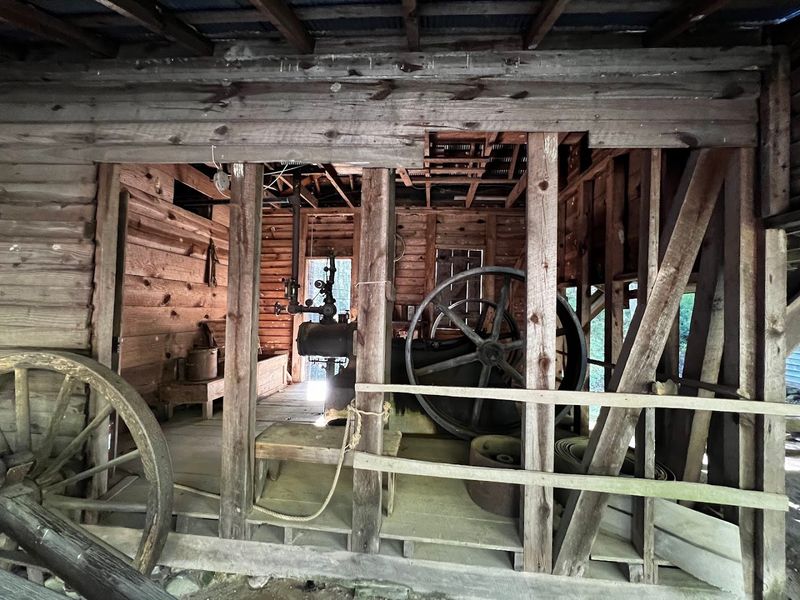
Few things in the historic preservation world are as satisfying as a machine that still works. The grist mill at Jarrell Plantation is not just preserved for looks.
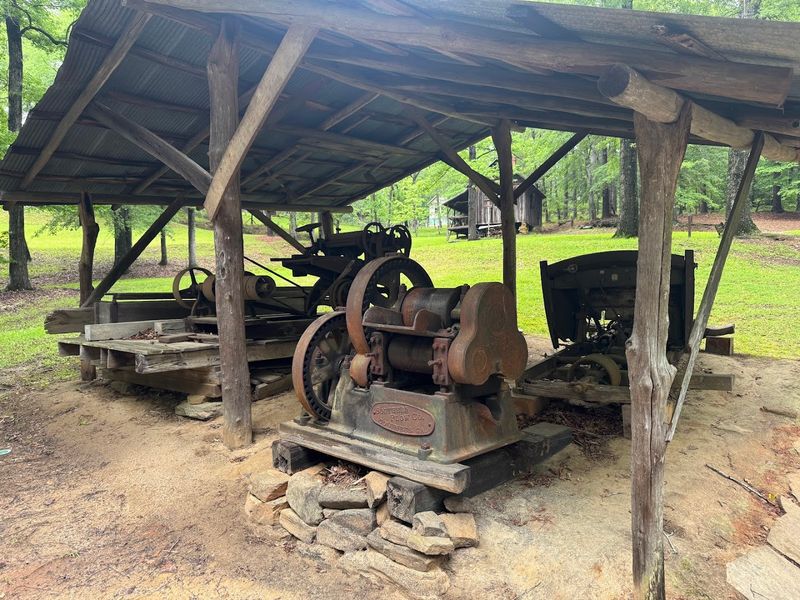
It is a fully functional piece of nineteenth-century engineering that staff still operate during demonstrations.
Powered by a steam engine, the mill was used to grind corn and grain for the Jarrell family and neighboring farms. Seeing it run is a full sensory experience.
The rhythmic clank of the machinery, the smell of ground grain, and the visible motion of parts that have been turning for generations create an atmosphere that no exhibit panel can replicate.
The mill represents one of the most important economic assets a rural farm could have in that era. Farmers from surrounding areas would bring their harvests here to be processed, making the Jarrell property a small but vital community hub.
During living history events, staff dress in period-appropriate clothing and explain the milling process step by step.
It is educational without feeling like a lecture. Kids and adults both tend to stand there longer than expected, genuinely absorbed in watching history run on its own power.
Hands-On Living History Events That Bring The Past To Life
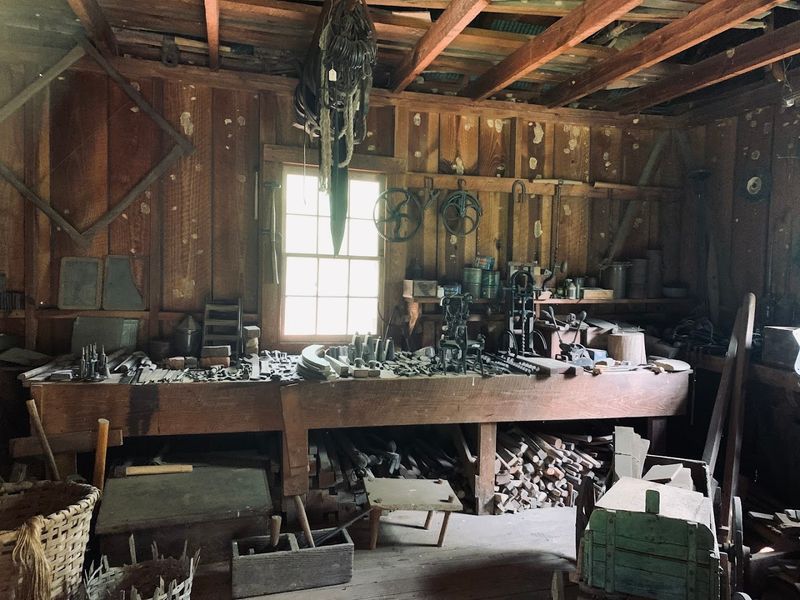
Jarrell Plantation does not just show you history. On special event days, it performs it.
Living history programs bring costumed interpreters onto the grounds to demonstrate everything from blacksmithing and soap-making to cotton ginning and food preservation.
These are not actors reading from a script. Many interpreters are skilled craftspeople who have spent years learning traditional techniques.
Watching someone hand-forge a tool or spin raw cotton into thread using equipment from the 1800s is surprisingly riveting, even if you thought history class put you off that kind of thing forever.
The events calendar varies throughout the year, so checking the Georgia State Parks website before your visit is worth the two minutes it takes.
Certain weekends feature themed programs tied to specific farming seasons or historical milestones, which adds a layer of context that makes the experience richer.
Families with kids especially benefit from these event days.
Children who might glaze over at a standard museum tour tend to engage completely when they can ask questions, try activities, and watch real processes unfold in front of them.
It turns a history lesson into something they will actually remember.
The Plantation Grounds And Nature Trails Worth Exploring
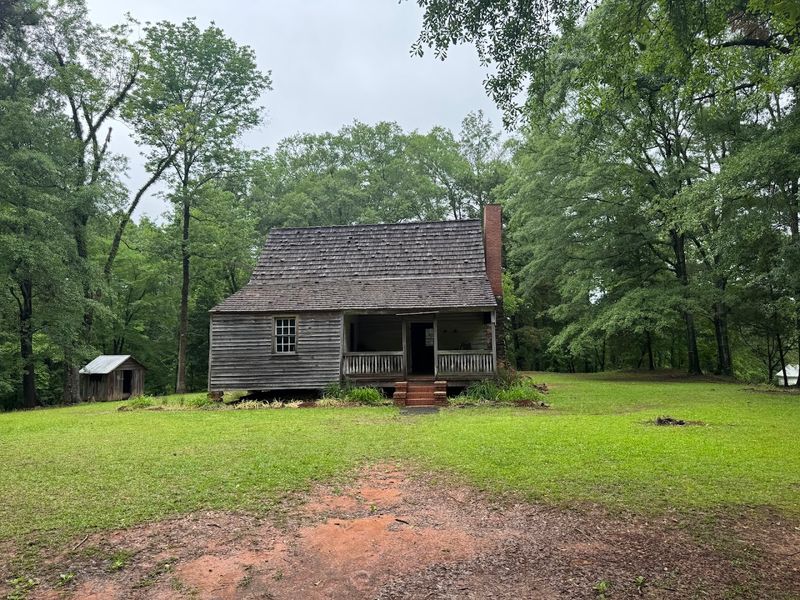
Beyond the buildings, the grounds themselves are worth taking slowly.
The plantation sits on a wide stretch of Georgia countryside where open fields meet stands of pine and hardwood trees, and the whole property has a quiet, unhurried energy that is genuinely hard to find anywhere near a major highway.
A nature trail winds through part of the property, offering a chance to see the land as it would have looked during the farm’s working years.
The trail is not long or strenuous, but it adds a dimension to the visit that purely indoor exhibits cannot provide. Fresh air and context are a surprisingly effective combination.
Birdwatchers tend to appreciate the property as well. The mix of open farmland and wooded edges creates habitat variety that attracts a solid range of species, particularly during migration seasons.
Bring binoculars if that is your thing.
Even without a specific program or event, just walking the grounds on a clear day is a rewarding way to spend a few hours.
The pace here is slow by design, and that slowness turns out to be exactly what makes the experience memorable. There is no rush, and that is the whole point.
What To Know Before You Visit
Planning ahead makes a real difference here. Jarrell Plantation State Historic Site is open Thursday through Saturday, and admission is very affordable, typically just a few dollars per person.
Georgia State Parks pass holders get in free, which is worth knowing if you visit state parks regularly.
Juliette is a small town with its own bit of fame, and the rural roads leading to the plantation set the mood perfectly before you even arrive.
Wear comfortable walking shoes because the grounds are unpaved and the terrain is uneven in places.
There is no food concession on site, so packing a snack or planning lunch in nearby Juliette is a smart move. The town has a couple of well-known spots for a meal.
Photography is encouraged throughout the property, and there is genuinely no shortage of compelling subjects to shoot. The light in the late morning is particularly good on the older wooden structures.
Give yourself at least two to three hours if you want to see the full property without feeling rushed.
Why This Georgia Plantation Deserves A Spot On Your Road Trip List
Road trips through Georgia tend to follow the same well-worn routes between the obvious destinations.
Jarrell Plantation is the kind of stop that rewards people who are willing to take a small detour off the main path and give something quieter a chance.
There is no hype machine behind this place. No influencer crowd, no souvenir shop overflow, no lines.
Just a remarkably intact piece of American agricultural history that sits patiently off a rural Georgia road and delivers something genuinely meaningful to anyone who shows up.
The combination of original structures, operational machinery, knowledgeable staff, and peaceful grounds creates an experience that is hard to replicate anywhere else in the region.
Other historic sites often feel like approximations. This one feels like the actual thing.
Whether you are a history enthusiast, a family looking for something educational and hands-on, or just someone who appreciates places with real character and honest storytelling, Jarrell Plantation earns its visit.
Go on a living history day if you can. Stay longer than you planned.
And take the nature trail on your way back to the car, because that last stretch of quiet Georgia countryside will stick with you.