Llamas Set The Pace On Gentle Treks With Thunder Creek Llamas In Caldwell, Idaho
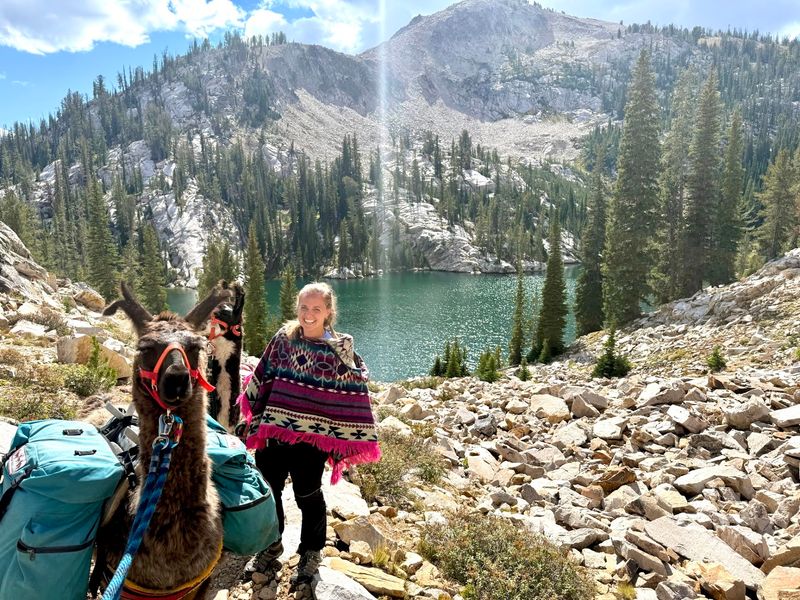
Llamas do not hurry, and on an Idaho mountain trail that turns out to be a gift. A small family ranch on a quiet country road has spent decades handing hikers a lead rope instead of a heavy backpack.
The animals carry the tent, the cooler, and even the cobbler fixings while you simply walk and look around. For families, hunters, and anyone whose knees have opinions about steep climbs, this slower way into the backcountry changes everything.
A Ranch Off Harvey Road
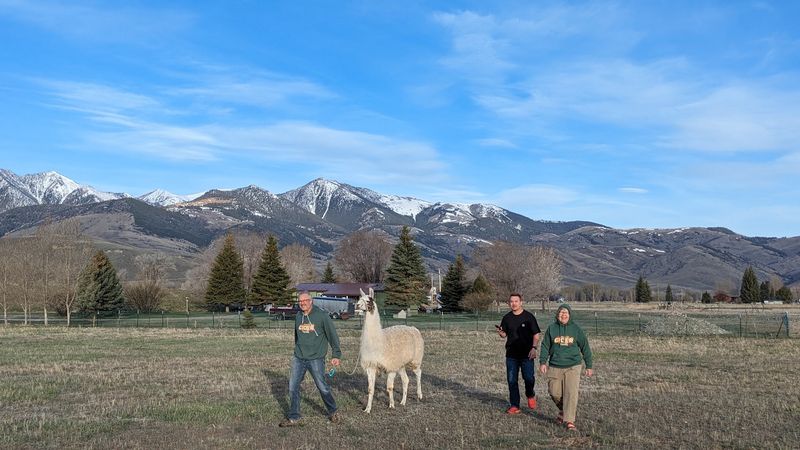
Out past the farm fields west of Boise, a working llama ranch sits along Harvey Road in Caldwell, right in the heart of Canyon County. Thunder Creek Llamas operates from 26950 Harvey Road, and it looks like plenty of Treasure Valley acreage: fences, pasture, and animals nosing around in the grass.
What happens here is less ordinary. Instead of running guided tours, the family behind the ranch rents trained pack llamas and all the gear needed to haul them into the mountains on trips you plan yourself.
That approach suits independent Idahoans well. You pick the trail, the lake, the hunting unit, or the family campsite, and the llamas carry the load while you set the schedule.
Renters head out across Idaho, Oregon, and nearby states. Some go for a long weekend at a high mountain lake, while others spend a full week in national forest country chasing elk season.
It is an unusual business to find tucked among Canyon County farms. Once you know it exists, though, every pasture full of long necks and fuzzy ears along the backroads starts to look a little more interesting.
Since 1997 With The Holmsteads
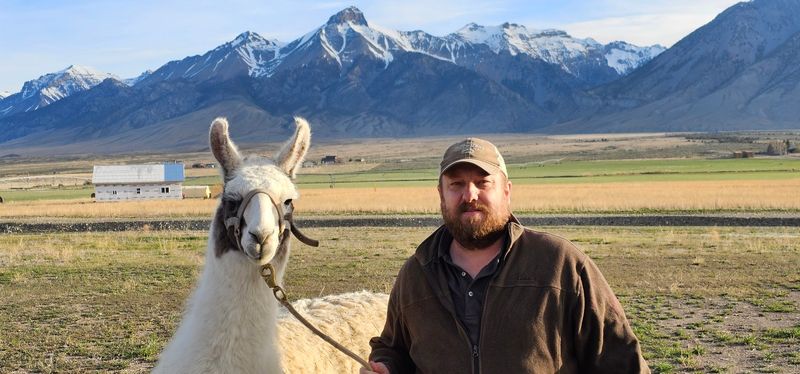
Back in 1997, well before llama trekking showed up on many bucket lists, Thunder Creek Llamas started helping people reach wild Idaho country on foot. The Holmstead family has run it ever since, with Bruce and Lorena handling much of the planning and hands-on work.
Visitors mention how easy the pair is to reach and how flexible they can be. One group decided to show up a day early, and the change was no trouble at all.
Lorena often gets the credit for smooth logistics. Families describe her as responsive and patient with questions, and she has even met groups at a distant trailhead to get them started.
Loyalty runs deep here. Some customers return year after year, with one family heading into a fourth season of rentals, and another group counts the Holmsteads as friends of more than fifteen years.
That kind of long relationship says a lot about a small outfit. It feels less like renting equipment from a store and more like borrowing trusted animals from neighbors who genuinely want your trip to go well from the first mile to the last.
Meet The Easygoing Pack String
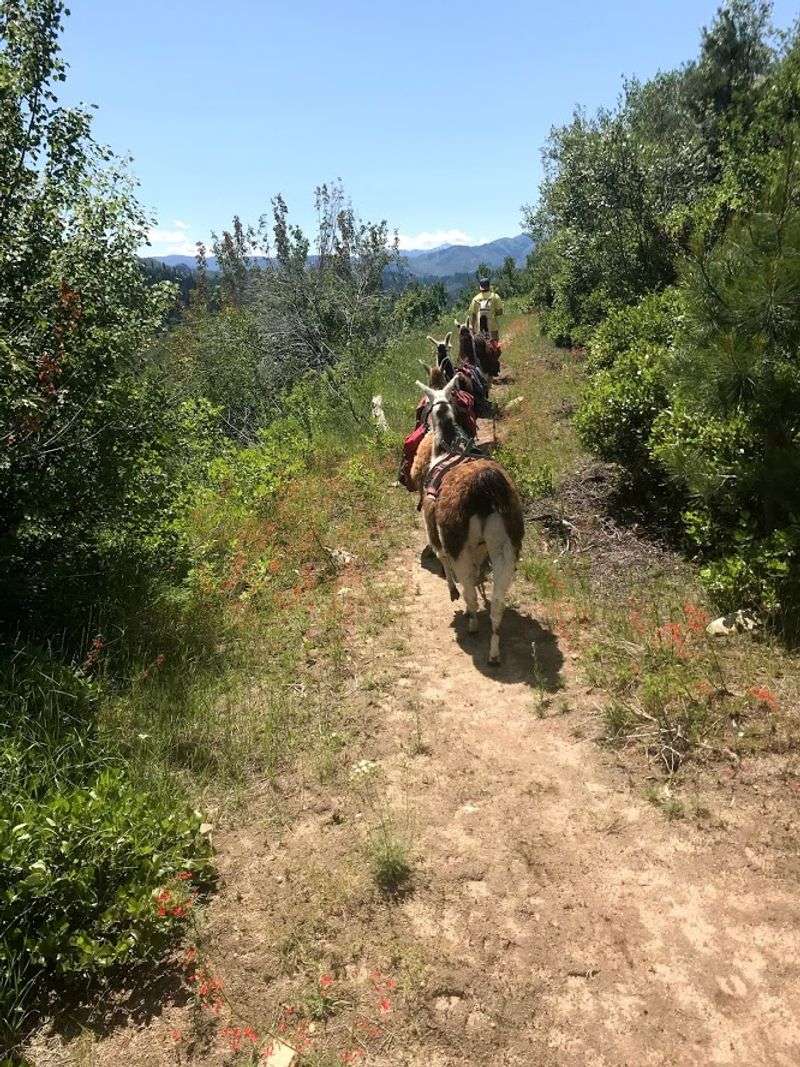
Calm is the word that keeps coming up. Visitors describe these llamas as unbothered by nearly everything, and they rarely startle when a branch cracks or a creek rushes past.
Size helps, too. A typical pack llama weighs around 300 to 350 pounds, which feels manageable for first-timers who might feel nervous next to a horse or mule.
Worried about spitting or kicking? One family that brought young children along reported no concerns about either during a four-day trip, and they found the animals simple to handle from start to finish.
Personality matters on a long trail, and these animals seem built for patience. They stand quietly while being loaded, wait at breaks, and fall into step behind whoever holds the rope.
Here is a fun detail: llamas are herd animals and feel uneasy alone. For that reason, the ranch requires a minimum rental of two llamas, so each one always has a buddy along for the walk.
That pairing keeps them content in camp and relaxed on the move. A happy llama is a cooperative llama, and cooperative is exactly what you want five miles from the car.
Two Miles An Hour, Sixty Pounds Aboard
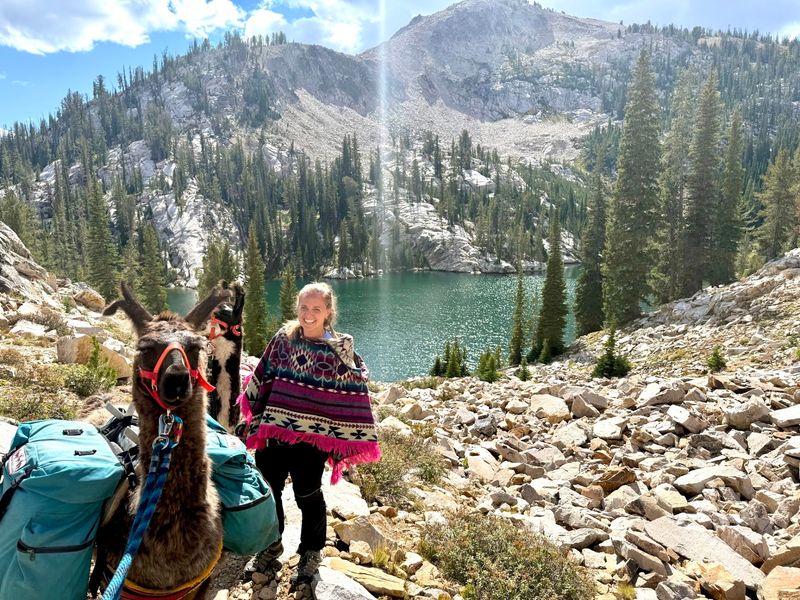
Sixty to eighty pounds of gear per animal changes the whole math of backpacking. Hikers trade a heavy pack for a light daypack and a lead rope, and suddenly the climb feels friendlier.
The pace is steady rather than speedy. Llamas cover roughly two miles per hour and around eight to ten miles a day on moderate trails, a rhythm that leaves time to notice wildflowers and catch your breath.
Sure feet make a difference on rough ground. They handle terrain similar to what a person can manage on foot, and renters describe them crossing creeks and scrambling up rocky sections without fuss.
Extra carrying capacity means extra comfort in camp. Think thicker sleeping pads, a real camp chair, and a cooler stocked with fresh food instead of freeze-dried pouches.
Some groups go all out with Dutch oven dinners, warm cobbler, and crisp salads miles from the nearest road. That is a treat most backpackers never get.
One visitor summed up the appeal as hiking without hauling. For anyone who loves the wilderness but has grown tired of sore shoulders, letting the llamas shoulder the load is the whole point.
Where Hunters Find An Edge
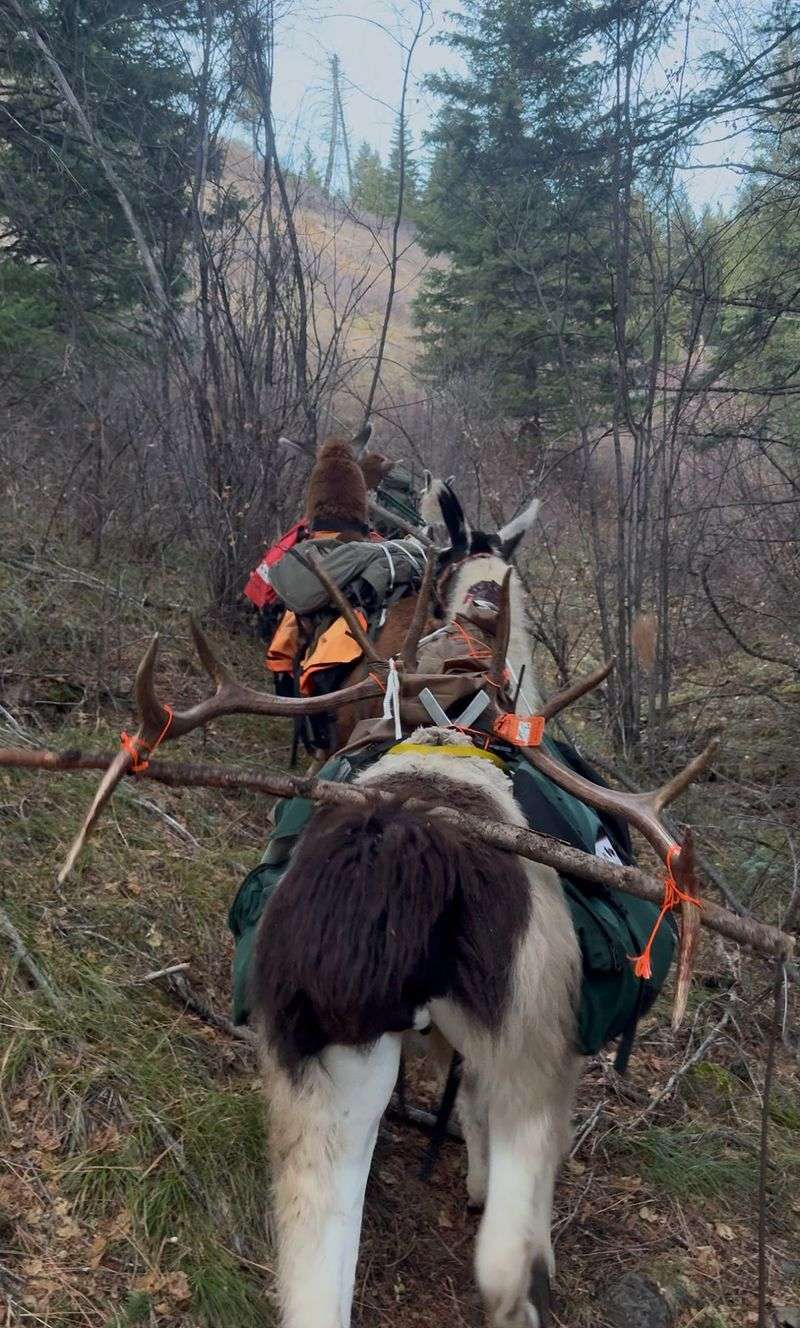
Elk season in steep Idaho country tests anyone who has tried to haul meat out on their back. Hunters have started leaning on these llamas for exactly that job.
One group used four llamas on a backcountry hunt and packed a bull elk out of a steep canyon. They reported the animals handled both the weight and the grade well and called the experience a game changer.
Off-trail travel is part of the appeal. Llamas can follow a hunter into places where trails fade out, which opens up country that would feel unreachable with a heavy pack alone.
Longer outings work, too. A couple rented three llamas for a week-long hunt in Oregon’s Wallowa country and described all three as well behaved and hard working the entire time.
Fall trips bring slightly different care. If snow covers the forage, a small ration of grain plus fresh water keeps the animals comfortable, while summer outings usually need no extra feed at all.
For hunters who value quiet, careful travel through the woods, these steady companions fit right in and leave more energy for the hunt itself.
Light Footprints On Wild Trails
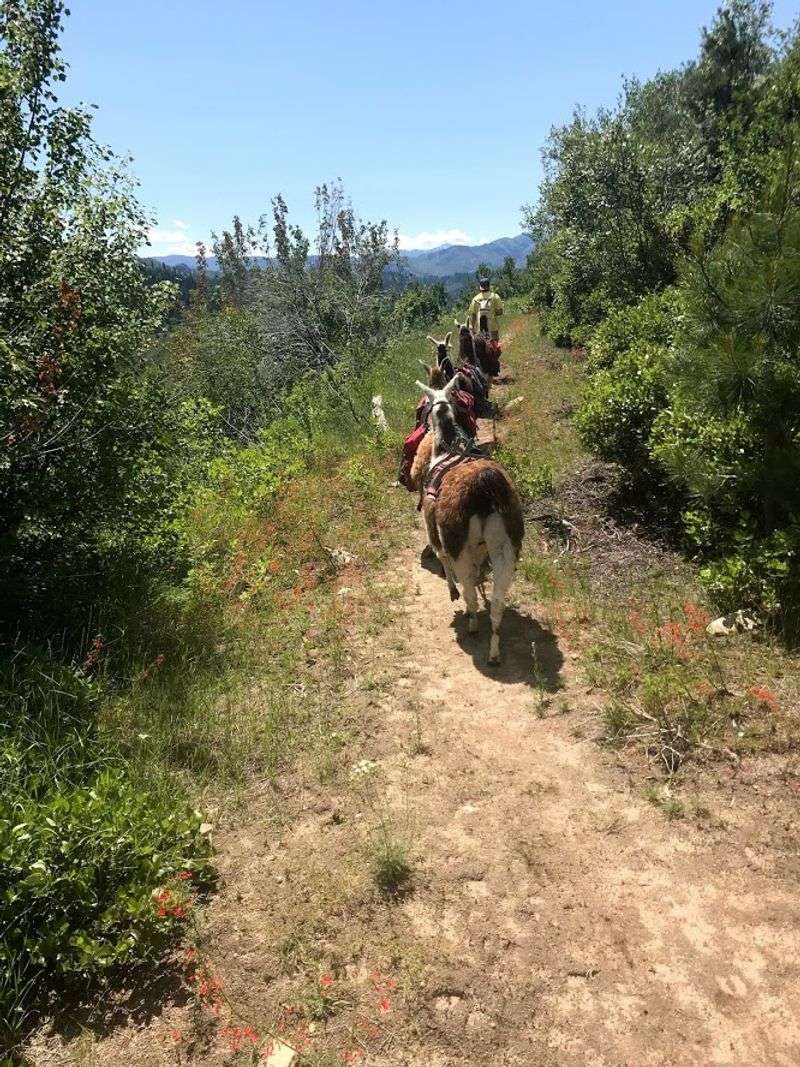
Soft, padded feet are one of the llama’s quiet superpowers. Unlike hard hooves, those pads press gently on the trail and cause far less wear on fragile ground.
Grazing habits help, too. Llamas browse by alternating between leaves and grass, nibbling a little here and there rather than stripping one spot bare.
Even the droppings are low impact. Their dung is nearly odorless, and overall these animals leave a trace in the wilderness much like native deer and elk.
Camp care is refreshingly simple. Renters repeatedly describe the llamas as low maintenance, needing water, a place to graze, and not much else during warm months.
That modest care list matters when you are deep in the Sawtooths or on a remote plateau. Less time fussing over animals means more time fishing, reading in a hammock, or watching the evening light shift across the peaks.
For folks who care about keeping Idaho’s backcountry wild for the next generation, traveling with llamas lines up nicely with that goal. You get the help of a pack animal without leaving the trail looking like a busy stock highway.
Little Hikers Holding The Lead
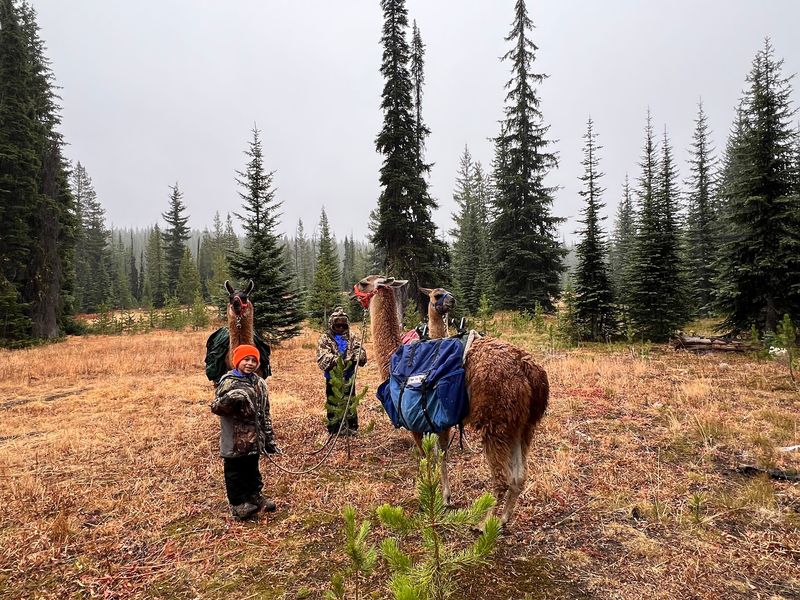
Imagine a five-year-old leading a train of five llamas up a mountain trail. One family watched exactly that happen on their trip and called it quite a sight.
Kids take to these animals fast. An eight-year-old on another trip was comfortable watering, walking, and moving the llamas, sometimes two at once.
Toddlers are welcome around them as well. A parent who visited with a fourteen-month-old noted how calm the llamas stayed and said she never felt scared.
Grandparents benefit just as much. Since the animals carry the heavy gear, groups can bring along older and younger family members who might struggle with a full backpack.
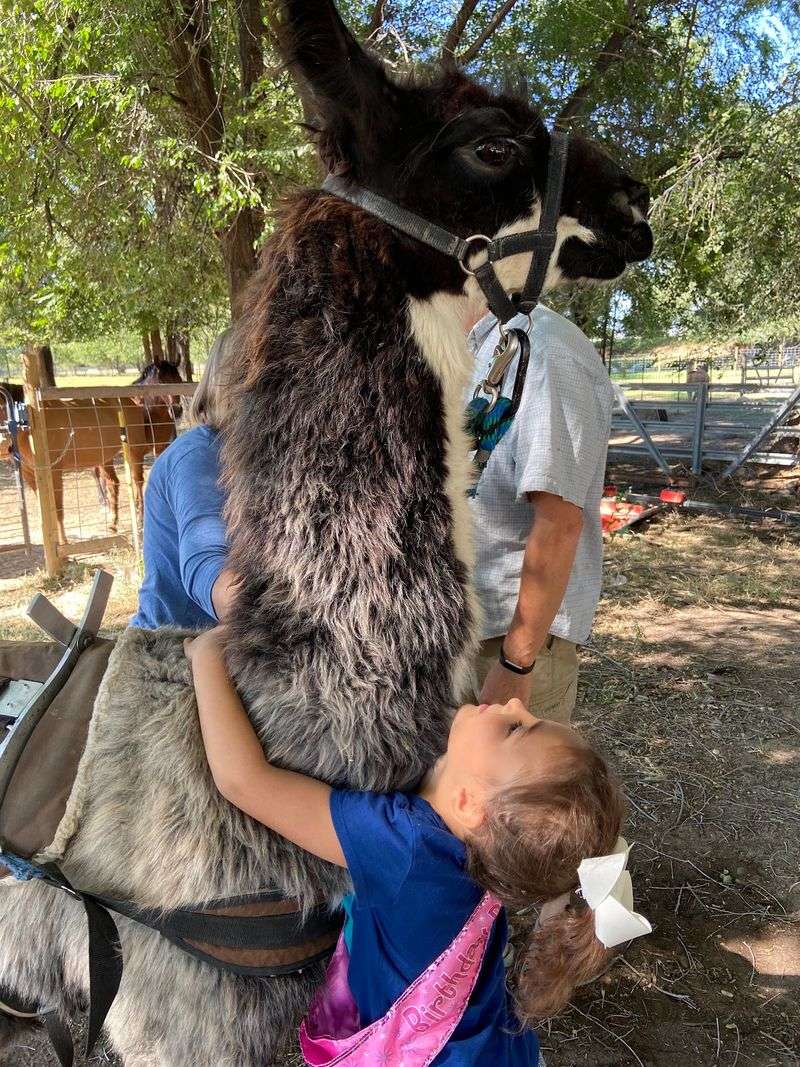
The ranch has also hosted farm visits, including a sixth birthday party. Children got to lead, herd, and even ride llamas, then fed cows, groomed a pair of miniature donkeys, and said hello to a few horses.
Those kinds of memories stick. Families mention returning again and again, and one parent joked that the hardest part of the whole adventure was going home without a llama in tow.
Training, Trailers, And Timing
Nervous about handling livestock for the first time? Every rental includes a complimentary training clinic that covers the skills needed to care for the llamas on your trip.
Sessions run around an hour, according to renters, and leave people feeling confident. Groups learn how to load packs, lead the animals, and keep them comfortable in camp.
Transport is covered, too. Several visitors rented a trailer along with their llamas and were shown how to load and haul them to the trailhead themselves.
Gear quality comes up often. Renters report that pack equipment arrives in good working order, which means fewer surprises once you are miles from pavement.
Plan around the calendar. The ranch generally keeps early morning to evening hours through most of the week and closes on Sundays, but schedules can shift, so call or check ahead before driving out to Caldwell.
Pricing depends on the number of llamas and the length of your trip. Visitors say they felt satisfied with the price and value, and booking early makes sense for peak summer and hunting season.
Worth The Slower Road
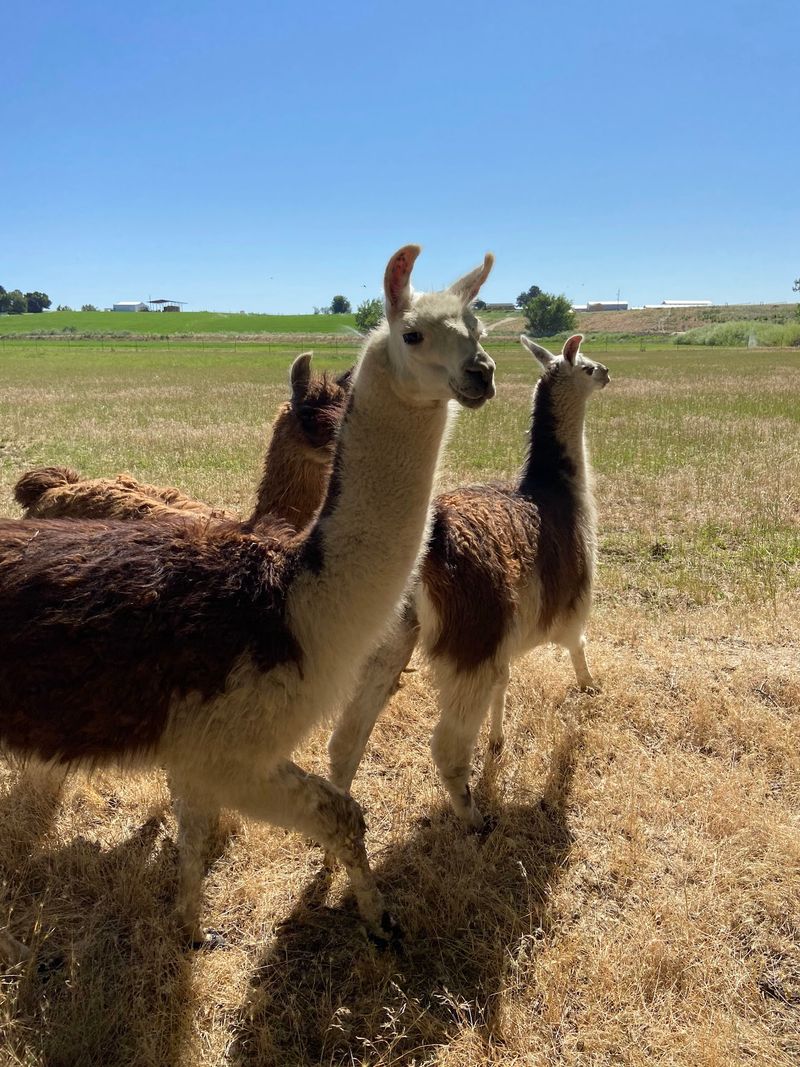
Slow travel has a way of sticking with people. Families describe their llama trips as highlights of their summers, and some book again before the dust settles on their boots.
Thunder Creek Llamas makes the most sense for a certain kind of Idahoan. It suits hikers who want to camp in comfort, hunters chasing remote country, and families hoping to bring young kids or grandparents deeper into the mountains.
It may feel less ideal for anyone wanting a fully guided tour. Here you plan the route and handle the animals yourself, with solid training and support to back you up.
Caldwell makes an easy launch point, too. After returning the llamas, you can stroll Indian Creek Plaza, drive Canyon County backroads, or catch the Caldwell Night Rodeo when it runs in summer.
For a Treasure Valley family business that has quietly helped folks reach the backcountry since the late nineties, the formula stays simple. Good animals, good gear, and people who care.
Let a llama set your pace once, and the trail may never feel quite the same again.