Locals Are Quietly Keeping This Gorgeous Connecticut State Park To Themselves
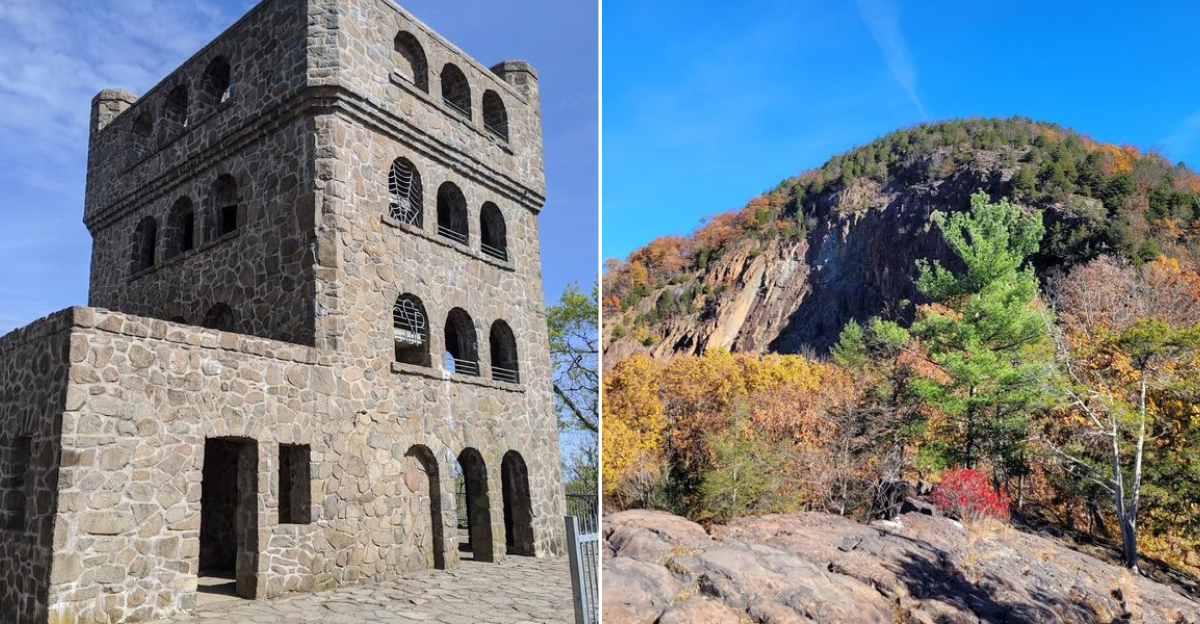
Okay so locals have been sitting on this one for a while and honestly it is not hard to understand why. This state park is the kind of place that makes you want to tell everyone and nobody at the same time because sharing it feels a little bittersweet once you see how gorgeous it actually is.
The trails are wonderful, the scenery builds as you go and the payoff at various points along the way is the kind that makes people stop completely and just take a moment.
A Connecticut state park this beautiful being kept quietly to themselves by locals who know better is exactly the kind of situation worth crashing.
The park is already well-loved, but visiting at the right time still offers pockets of peace that feel genuinely worth seeking out.
1. Marked Trails For Every Kind Of Hiker
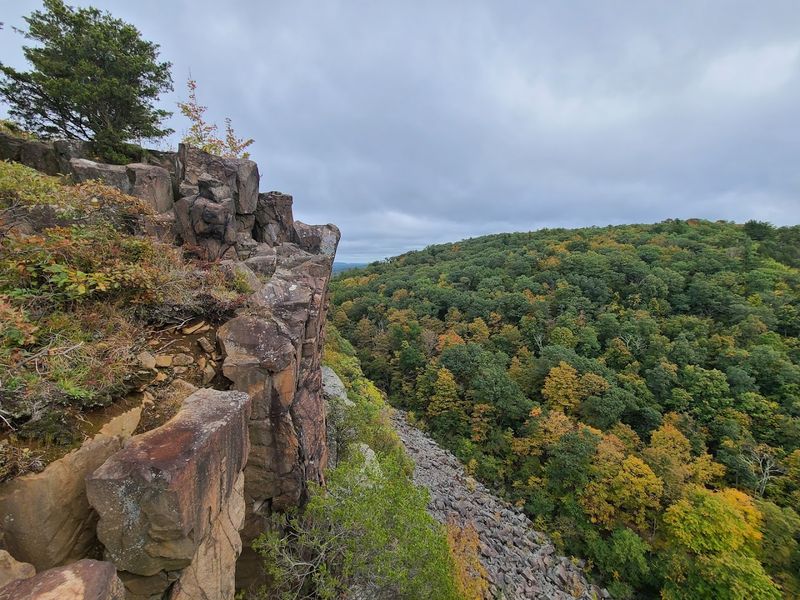
Some trail systems feel rugged without being intimidating, and this one strikes that balance especially well.
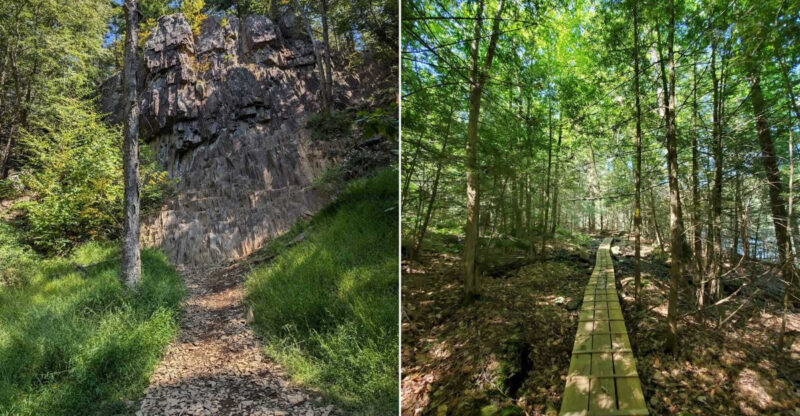
More than 30 miles of marked paths move through deep woods, traprock ridges, quiet stream corridors, and varied terrain that gives repeat visitors something different to notice each time.
The range is part of the appeal, since hikers can choose anything from an easy, flatter walk to a steeper, rockier route that feels more challenging.
Conditions shift throughout the year, so sturdy footwear with reliable grip is a smart choice in every season. Weekday mornings are often the calmest time to go, when birdsong carries through the trees and the paths feel less busy.
The trail system was also the first in the state to receive National Recreation Trail recognition, a detail that reflects its long-standing value and careful upkeep.
Benches appear along some routes, giving hikers places to pause, look around, and enjoy the forest without hurrying. Water, sunscreen, and bug spray are always worth bringing, no matter which path or season you choose.
2. Easy Access For A Half-Day Hike
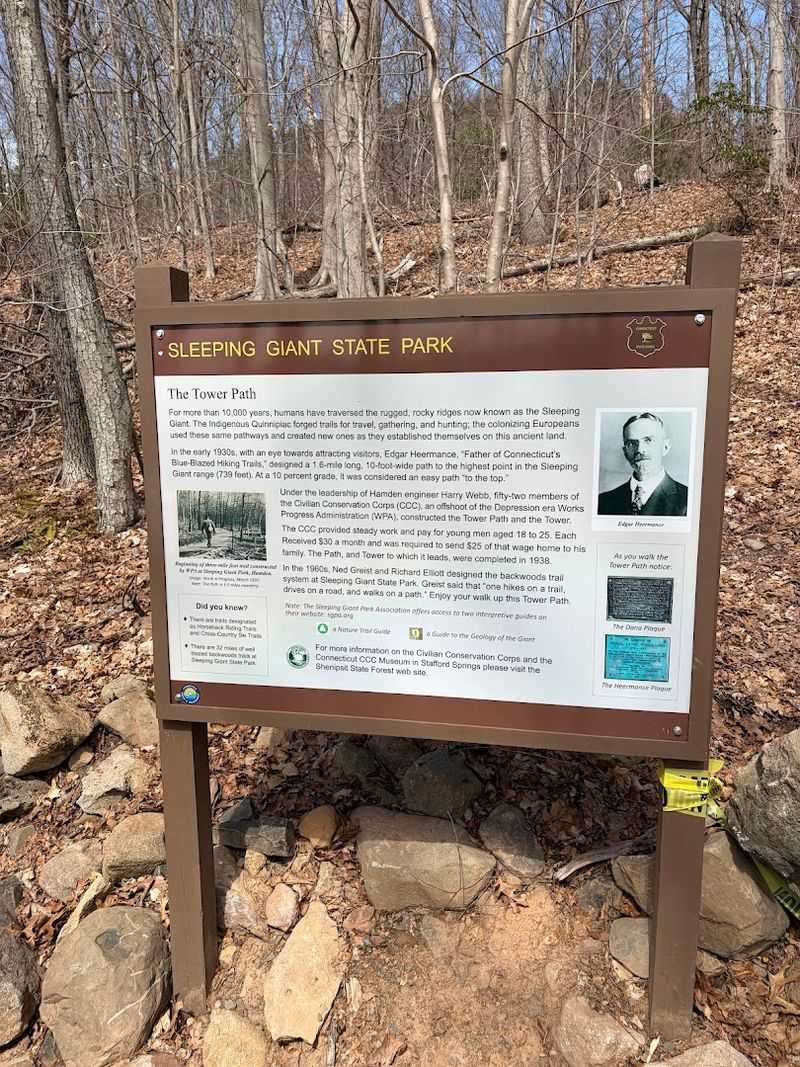
Getting to Sleeping Giant State Park is straightforward, and its central position in the state makes it accessible from a wide range of surrounding towns.
The park is about 20 minutes north of New Haven, making it a realistic option for a half-day outing without needing to plan an elaborate road trip.
The main entrance and parking area are at 200 Mount Carmel Avenue in Hamden, CT 06518, where facilities including restrooms and picnic areas are available near the trailhead.
Arriving early, particularly on weekend mornings during spring and fall, helps avoid the busiest periods when the main Tower Trail can get noticeably crowded.
The park also has a lost and found at the park office near the entrance, which is useful to know before heading out on longer trails. Public transit options to the park are limited, so having access to a vehicle makes the visit considerably easier to plan.
Weekday visits in the shoulder seasons tend to offer a much calmer and more spacious experience overall.
3. Quieter Trails Beyond The Main Route
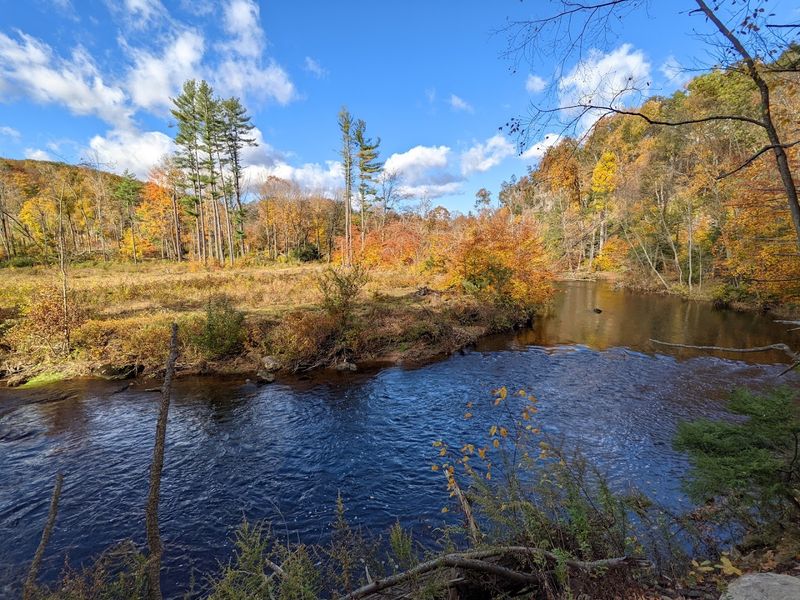
Some of Sleeping Giant’s best moments happen away from the busiest path to the tower. Quieter trails reveal a rougher, more dramatic side of the park, with forested slopes, rocky passages, stream corridors, and viewpoints that feel different from the familiar main route.
The variety makes the park rewarding for repeat visits, especially when hikers want a little more solitude.
The Red Circle Trail is one of the more memorable options, leading through rugged terrain where water, rock, and narrow sections give the hike a wilder feel after periods of steady rain.
The White and Yellow Trail Loop offers another change of pace, with a more peaceful woodland experience than the popular Tower Trail.
Along the Mill River side of the park, the Red Diamond Trail brings hikers through a quieter area that many casual visitors miss.
A trail map is important before heading onto the lesser-known routes, since some paths include narrow singletrack, rocky footing, or scrambles that require extra attention. Printed maps are often available near the entrance, and sturdy shoes are a smart choice.
4. Ancient Rock Formations And Rugged Overlooks
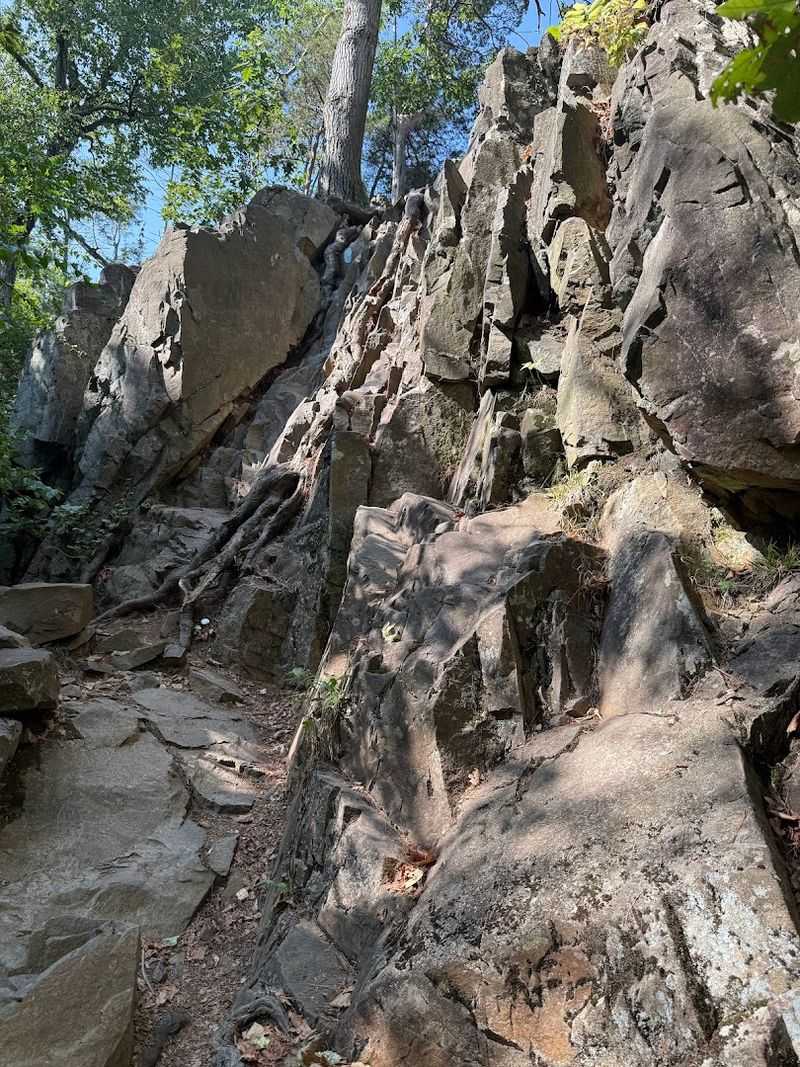
The geology of Sleeping Giant is one of those things that sneaks up on visitors who come expecting a simple walk in the woods.
The park sits on a ridge of traprock, a type of volcanic basalt that formed hundreds of millions of years ago and now creates the dramatic cliff faces and rocky outcroppings scattered throughout the landscape.
Running your hand along one of those dark, angular rock faces gives a tangible sense of how ancient the ground underfoot actually is.
Rock climbing is permitted on established routes within the park for experienced climbers, though it is worth noting that only specific areas are designated for that activity and conditions should be assessed carefully before attempting any climb.
The cliffs beyond the restroom building near the tower area also offer open views across the ridgeline that many visitors discover as a pleasant surprise after reaching the summit.
These rocky overlooks provide a good alternative vantage point even when the tower itself may have limited access.
The traprock formations also create interesting microclimates along the trail, with shaded crevices staying noticeably cooler than open sections during summer hikes. Sturdy footwear with ankle support is especially useful on the sections of trail that cross these rocky areas.
5. Wildlife, Birding, And Quiet River Moments
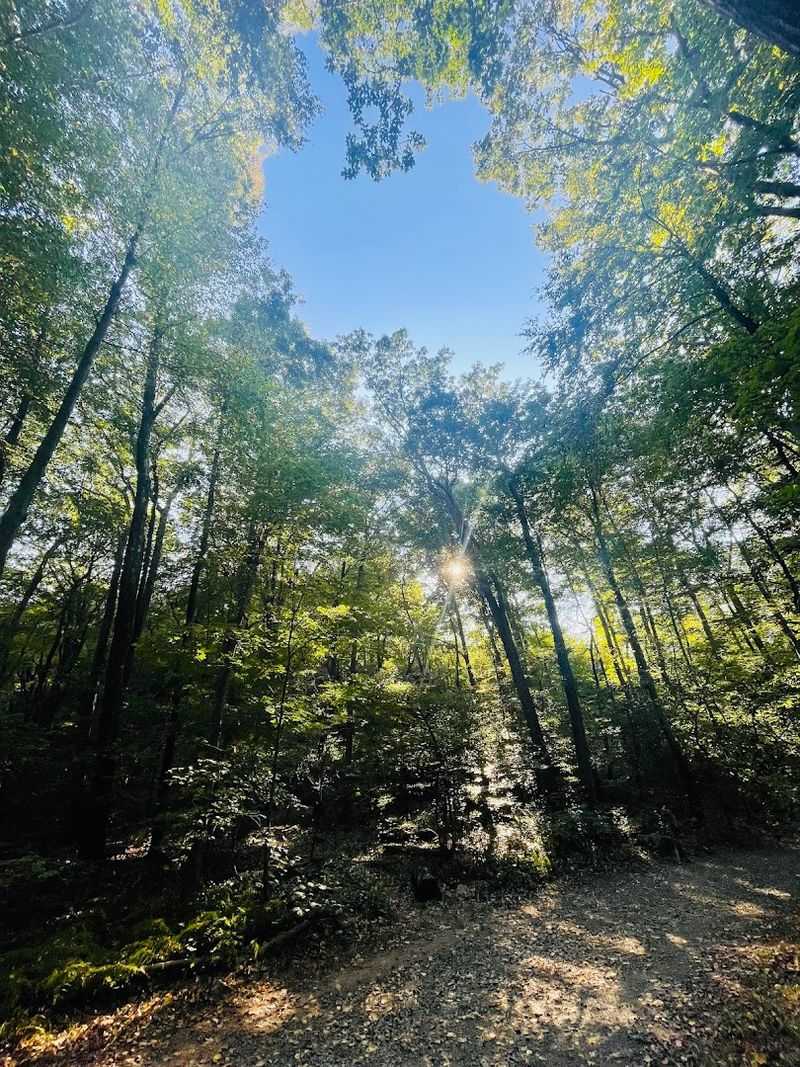
The park supports a surprisingly rich variety of wildlife for a natural area located so close to a major urban center.
Over 125 bird species have been observed within the park boundaries, making it a genuinely rewarding destination for birding enthusiasts who bring binoculars and take their time on quieter trails.
Early morning visits during spring migration tend to produce the most active birdwatching opportunities.
Larger wildlife including deer, foxes, bobcats, and black bears have also been spotted within the park, though sightings of the more elusive species are not guaranteed and depend heavily on the time of day and season.
Staying on marked trails and keeping a respectful distance from any wildlife encountered is both a safety consideration and a courtesy to the animals that call the park home.
The Mill River corridor and the quieter eastern trails tend to offer better chances of spotting wildlife than the heavily trafficked main Tower Trail.
Fishing is available in the designated Trout Management Area within the park for those who hold a valid fishing license, adding another layer of recreational variety to a visit.
Checking current Connecticut DEEP regulations before fishing is always the right first step to ensure compliance with any seasonal or catch restrictions in place.
6. Picnic Areas And Practical Visitor Comforts
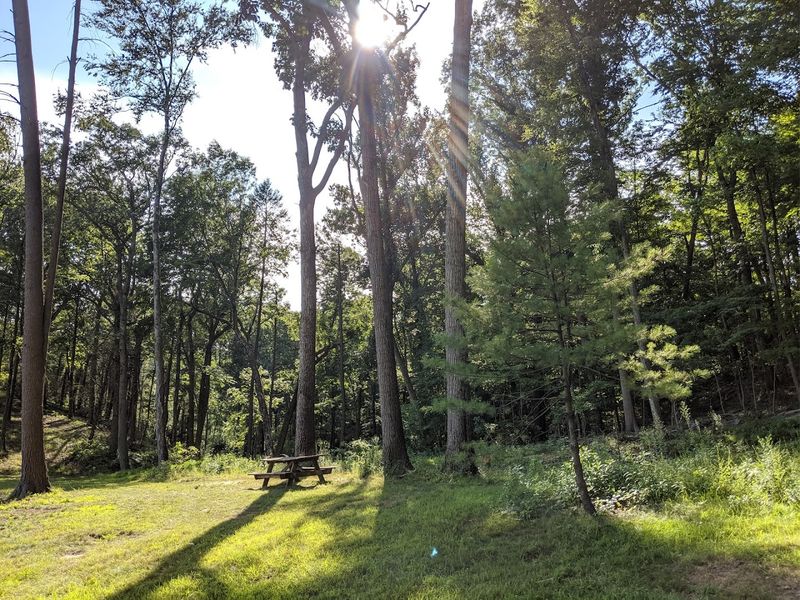
It feels like a genuinely comfortable place to spend a full day rather than just a quick hike. Picnic tables and grills are available close to the parking lot, giving families and groups a pleasant spot to settle in before or after hitting the trails.
The open grassy areas near the entrance provide enough space for kids to run around without straying too far from the group.
Restroom facilities are available near the trailhead, which is a practical detail worth knowing before planning a longer visit with children or older family members.
Bikes are not permitted on any of the trails, though the main gravel road through the park is accessible to electric mobility devices, making parts of the park reachable for visitors with limited mobility.
The park office near the entrance is a helpful first stop for maps, trail conditions, and any questions about the park layout.
Dogs are welcome on the trails as long as they are kept on a leash, and the wide main trail in particular tends to be popular with pet owners. Bringing enough water for both people and pets is an easy thing to overlook on cooler days but becomes important quickly once the hiking starts.
7. A Stone Tower With Summit Views
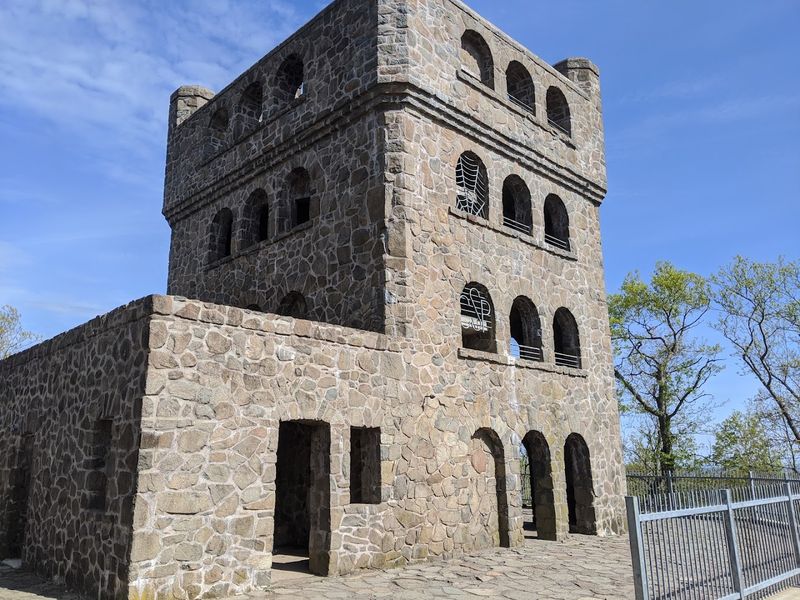
At the top of the Giant’s Left Hip, the stone observation tower feels perfectly matched to the ridgeline around it.
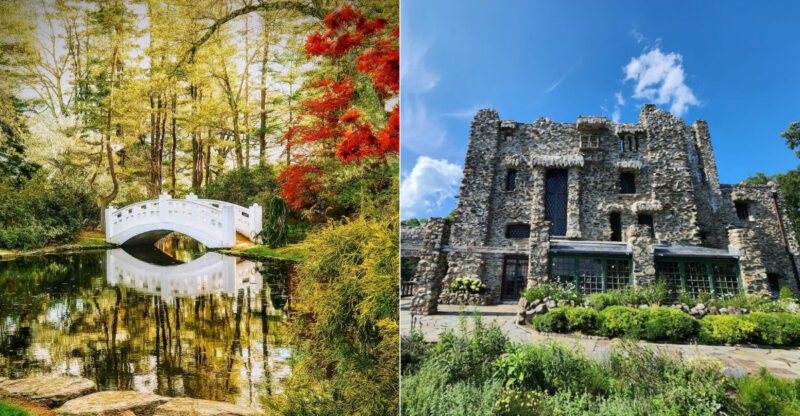
Built between 1936 and 1939 by the Works Progress Administration, the four-story Romanesque-style landmark was made by hand with local traprock, giving it a sturdy, weathered look that fits naturally into the mountain setting.
Most visitors reach the tower by following the main Tower Trail, a moderate hike of about two miles from the parking area. The route climbs steadily through mixed woodland before the views begin to open near the summit.
On a clear day, the panorama stretches across the greater New Haven area and out toward Long Island Sound, making the uphill effort feel well worth it. The tower also adds a meaningful layer of Depression-era craftsmanship and public works history to the hike.
Access to the upper levels can change because of maintenance or safety conditions, so checking current park updates before going is a smart move. Even from the base, the views across the ridgeline are impressive enough to reward the climb.
8. A Park Worth Visiting In Every Season
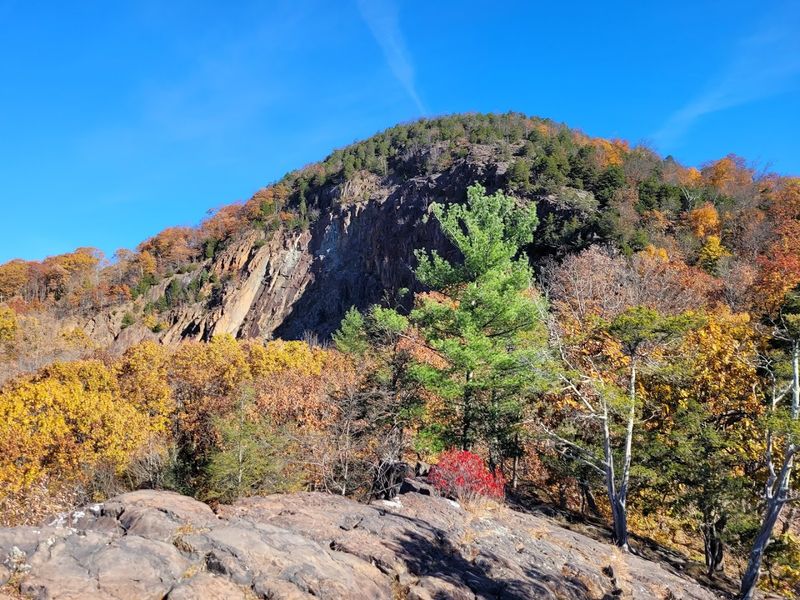
Autumn brings a particularly vivid transformation, with the hillside canopy turning shades of deep red, burnt orange, and warm gold that make even a short walk feel like moving through a painting.
Fall weekends draw larger crowds for good reason, so arriving at opening time on a weekday makes a noticeable difference.
Spring is another rewarding season to visit, especially in June when mountain laurel blooms along sections of the trail system, adding soft pink and white color to the forest understory.
Winter visits have their own appeal, with snow-covered trails offering a quieter atmosphere and the opportunity for snowshoeing and cross-country skiing through the park.
The bare trees in winter also open up sightlines through the forest that are completely hidden during the leafy summer months.
Summer mornings before 8 a.m. tend to be cooler and far less crowded than midday visits, making early starts a practical strategy for avoiding both heat and congestion.
Each season brings a genuinely different version of the park, which is part of why so many locals return throughout the year rather than treating it as a one-time destination.